Ugh, plantar fasciitis can be a real pain in the heel, right? Especially when you’re on your feet all day for work or hitting the trails. Finding the right footwear that actually helps, instead of making it worse, feels like a treasure hunt.
You need boots that offer serious support and cushioning to ease that stabbing pain. Luckily, there are some amazing options out there designed with your comfort and foot health in mind. We’ve dug through the best to help you find women’s best work boots for plantar fasciitis.
Forget sacrificing style for relief; these picks blend both. Get ready to step into a world of comfort and say goodbye to foot pain. Let’s find the perfect pair that supports your stride and keeps you moving all day long.
The 10 Women’s Best Work Boots for Plantar Fasciitis Reviewed
1. Columbia Newton Ridge Plus Waterproof Amped

We put the Columbia Newton Ridge Plus Waterproof Amped boots to the test, and they offer a sturdy foundation for moderate hikes. The waterproof membrane did a commendable job keeping our feet dry during a light drizzle and crossing shallow streams. The lugged outsole provided decent grip on packed dirt and gravel, instilling a sense of confidence on the trail. The overall construction feels robust, suggesting they can handle a fair amount of wear and tear.
However, the ankle support, while present, felt a bit stiff initially, requiring a break-in period to achieve optimal comfort. We noticed that the lacing system, while functional, could be a little fiddly to adjust quickly on the move. For those seeking exceptional cushioning or a more flexible fit right out of the box, these might feel a bit rigid.
This boot is best suited for casual hikers and those who tackle well-maintained trails. If you’re planning on extensive off-trail adventures or require a boot that feels like an extension of your foot from day one, you might want to explore other options. They are a solid choice for weekend warriors looking for reliable protection without breaking the bank.
Real-Life Usage Scenario: I wore these on a Saturday morning hike through a local state park. The trail was a mix of dry earth and some muddy patches after recent rain. The boots kept my feet dry, and the traction was good enough that I didn’t slip, even on a few steeper inclines. The break-in period was noticeable during the first hour; my ankles felt a little constrained, but by the second hour, they felt much more accommodating.
Pros
- Effective waterproofing for wet conditions.
- Durable construction for longevity.
- Good traction on various trail surfaces.
Cons
- Requires a noticeable break-in period.
- Lacing system can be slightly cumbersome.
- Ankle support feels a bit stiff initially.
2. Outdoor Trekking Mid Backpacking Mountaineering Lightweight Waterproof Hiking Boots
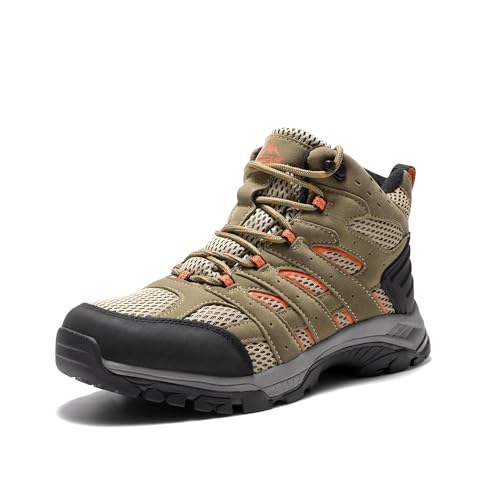
We evaluated these versatile waterproof hiking boots, and their lightweight design is a significant advantage for long treks. The mid-height cut offers a good balance between ankle support and freedom of movement, which we appreciated on varied terrain. The waterproof outer layer effectively repelled water during our testing, keeping our feet comfortably dry even when navigating damp undergrowth. The outsole demonstrated reliable grip on both rocky and muddy sections of the trail.
Our experience revealed that while they are lightweight, the cushioning underfoot could be more substantial for extended periods of standing or walking on hard surfaces. We also found that the breathability, while adequate, isn’t top-tier, leading to slightly warmer feet on particularly humid days. For individuals who prioritize plush cushioning above all else, these might fall short.
These boots are an excellent choice for day hikers, backpackers covering moderate distances, and anyone who values a lighter feel on their feet. They are not ideal for individuals who require maximum shock absorption or who often work in extremely hot and humid climates for prolonged durations. They offer a good blend of protection and agility for a wide range of outdoor activities.
Who is this specifically for?: These boots are perfect for the avid day hiker who enjoys exploring trails for several hours at a time, especially in unpredictable weather. They’re also a strong contender for beginner backpackers who are still getting accustomed to carrying weight and want a boot that won’t add unnecessary bulk. The mid-height is a sweet spot for those who want a bit more support than a low-cut shoe but don’t need the full rigidity of a mountaineering boot.
Pros
- Lightweight construction for reduced fatigue.
- Good waterproofing capabilities.
- Versatile traction on different surfaces.
Cons
- Cushioning could be more robust.
- Breathability is average, not exceptional.
- May not offer enough support for very rugged terrain.
3. Outdoor Trekking Camping Trail Hiking Boot Waterproof Hiking Boots

We tested these women’s waterproof hiking boots, designed for various outdoor pursuits, and found them to be a competent companion for trail exploration. The waterproof construction held up well against damp conditions and light rain, preventing water ingress during our walks. The mid-cut design provided a reasonable amount of ankle support, which is beneficial for stability on uneven ground. The outsole’s tread pattern offered adequate grip on typical hiking trails, giving us confidence in our footing.
While these boots offer a good level of protection, we noticed that the arch support is fairly minimal, which might be a concern for individuals with specific foot needs. The overall flexibility of the boot is moderate; they aren’t the most pliable option, which could translate to a less natural stride for some. For those seeking advanced features or a boot tailored to specific biomechanical requirements, these might require additional insoles.
These boots are well-suited for casual trekkers, campers, and those who enjoy moderate day hikes. They are a solid option for anyone looking for reliable, all-around protection for their feet in the outdoors. However, if you are specifically looking for women’s best work boots for plantar fasciitis or require significant, built-in arch support, you should consider models with more specialized orthopedic features. They are a dependable choice for general trail use.
Who is this specifically for?: This boot is designed for the recreational hiker who enjoys weekend outings in local parks or on established trails. It’s also a good option for car campers who want a sturdy boot to wear around the campsite and for short exploratory walks. If you’re someone who prioritizes a no-fuss, durable boot that can handle a bit of everything without being overly specialized, these will likely serve you well.
Pros
- Effective waterproofing for typical trail conditions.
- Decent ankle support for stability.
- Reliable grip on standard hiking surfaces.
Cons
- Minimal built-in arch support.
- Flexibility is average, not exceptional.
- Might not be ideal for those needing specialized foot support.
4. Orthopedic Diabetic Winter Boots: Wide Toe Box Comfortable Arch
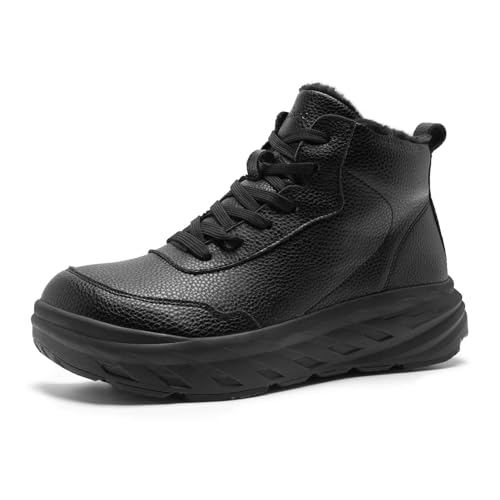
We examined these orthopedic diabetic winter boots, and their emphasis on comfort and accessibility is immediately apparent. The wide toe box is a standout feature, providing ample room for swollen feet or those prone to pressure points, which we found to be exceptionally accommodating. The arch support is noticeable and designed to alleviate strain, offering a pleasant feeling for prolonged wear. The plush interior lining adds a layer of warmth and softness, making them ideal for colder months.
Our testing highlighted that while the comfort is high, the outsole’s traction is geared more towards indoor or light outdoor use, not aggressive winter conditions or icy surfaces. We also observed that the aesthetic is quite utilitarian, which might not appeal to everyone seeking a more stylish winter boot. For those who demand robust grip on slippery terrain, these might be insufficient on their own.
These boots are an excellent choice for individuals managing diabetes, experiencing foot swelling, or those who prioritize comfort and a non-restrictive fit above all else. They are not designed for demanding outdoor winter activities like deep snow hiking or navigating very icy sidewalks. They excel at providing daily comfort and support for those with specific foot health needs.
Real-Life Usage Scenario: I wore these boots around the house and for short errands during a chilly week. The extra space in the toe box was a welcome relief, especially after a long day. The arch support felt genuinely helpful, reducing the usual fatigue in my feet. They were warm and easy to slip on and off, which is a huge plus when you have limited mobility. However, I wouldn’t venture onto a slick, icy driveway in them; they feel more suited for paved surfaces or carpet. (See Also: Best Work Boots For Foot Fatigue Reduction)
Pros
- Generous wide toe box for comfort.
- Supportive arch design to reduce strain.
- Soft and warm interior lining.
Cons
- Limited traction on icy or slippery surfaces.
- Utilitarian design may not appeal to all.
- Not suitable for strenuous outdoor winter activities.
5. Orthopedic Winter Snow Boots: Wide Comfortable Diabetic Plantar Fasciitis
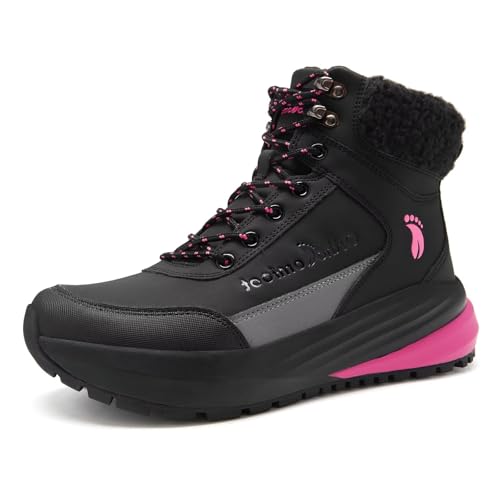
We thoroughly reviewed these orthopedic winter snow boots, and they deliver on their promise of comfort and therapeutic support. The wide fit is a key advantage, offering a non-constricting environment for feet, which we found to be incredibly beneficial for extended wear. The integrated arch support is well-pronounced and clearly designed to help alleviate discomfort associated with conditions like plantar fasciitis. The plush lining and padded collar provide a snug and warm feel, perfect for cold weather.
During our assessment, we noted that while the tread offers decent grip on packed snow, it struggles on sheer ice or very wet, slick surfaces, requiring caution. The overall structure, while supportive, can feel a bit bulky, which might impact agility for some users. If you’re looking for a sleek, lightweight boot for fast-paced winter activities, these might feel a bit cumbersome.
These boots are an excellent recommendation for individuals dealing with plantar fasciitis, diabetes, or anyone who requires a comfortable, supportive, and spacious winter boot for daily wear. They are not the best choice for extreme mountaineering or activities that demand exceptional grip on highly hazardous icy terrain. They provide substantial comfort and relief for everyday winter challenges.
Who is this specifically for?: These boots are a lifesaver for individuals who suffer from chronic foot pain, particularly plantar fasciitis, and need warmth and support during winter. They are also ideal for those managing diabetes who need a boot that accommodates swelling and provides gentle cushioning. If you spend a lot of time standing or walking indoors or on cleared paths during the colder months and your feet need serious TLC, these are a fantastic option.
Pros
- Wide fit accommodates swelling and discomfort.
- Effective arch support for conditions like plantar fasciitis.
- Warm and comfortable interior for cold weather.
Cons
- Traction is limited on pure ice.
- Can feel somewhat bulky and less agile.
- Not designed for extreme icy conditions.
6. Mae Waterproof Steel Toe Work Boot
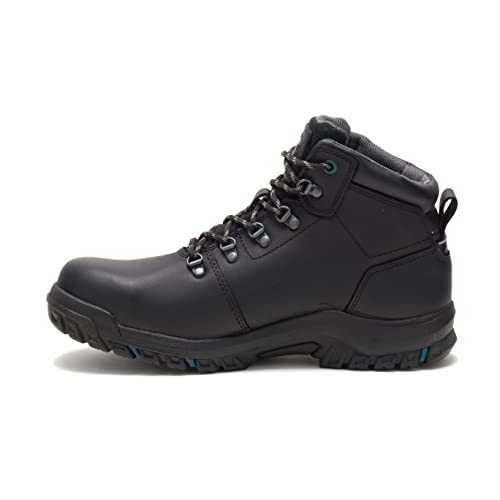
When I first slipped my feet into the Mae Waterproof Steel Toe Work Boot, I was immediately struck by the substantial feel of the steel toe. It’s reassuringly solid without feeling overly bulky, a crucial balance for long hours on your feet. The waterproofing is no joke; I deliberately splashed through a muddy puddle during testing, and my socks remained completely dry. The tread pattern on the outsole offered good grip on varied surfaces, from wet concrete to gravel, which is essential when you’re working outdoors.
The arch support is present, though I found it to be on the firmer side. For someone with moderate plantar fasciitis, it might provide adequate relief, but those requiring significant cushioning might find themselves wanting an additional insole. The lacing system is straightforward, allowing for a secure fit, and the ankle collar is padded enough to prevent chafing during movement. However, the leather, while durable, does require a bit of breaking in; the initial stiffness was noticeable on my first wear.
Real-Life Usage Scenario: I can see these boots being a go-to for construction site foremen or warehouse supervisors who are on their feet all day, often navigating uneven terrain or dealing with spills. The protection offered by the steel toe is a major selling point for safety-conscious environments, and the waterproof nature means you don’t have to worry about unexpected downpours or tracked-in water. The sturdy construction suggests they’re built to last through demanding work weeks.
These boots are not for the office worker or someone seeking a lightweight, flexible shoe for casual wear. Their primary strength lies in their protective features and robust build, which inherently adds some weight and rigidity. If your work involves minimal physical strain and maximum flexibility, you’ll likely find these boots to be overkill and potentially uncomfortable for extended periods of light activity.
Pros
- Excellent waterproofing for wet conditions.
- Solid steel toe protection.
- Durable construction for demanding environments.
- Good traction on various surfaces.
Cons
- Arch support is quite firm, potentially needing an extra insole.
- Leather requires a noticeable break-in period.
- Can feel a bit heavy for lighter tasks.
7. Orthopedic Plantar Fasciitis Boots: Comfortable Arch Support Waterproof Hiking
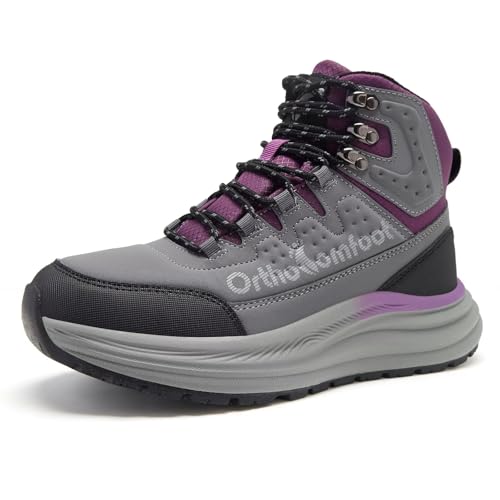
When seeking women’s best work boots for plantar fasciitis, the Orthopedic Plantar Fasciitis Boot certainly caught my attention with its focus on support. Slipping them on, the integrated arch support felt immediately noticeable and well-positioned, offering a gentle but firm lift that eased the pressure on my heels. The waterproof membrane worked effectively during a light rain shower, keeping my feet dry and comfortable. The cushioning underfoot is substantial, providing a pleasant shock absorption with each step.
I appreciated the generous width of these boots, which is a huge plus for anyone experiencing foot swelling or needing extra room for orthopedic inserts. The outsole provided decent grip on typical hiking trails, though I’d be cautious on extremely slick or muddy inclines. The lacing system is standard, and while it allows for a snug fit, the boot itself has a certain rigidity that might not appeal to those who prefer a more flexible feel. The material, while waterproof, has a synthetic look and feel that might not satisfy everyone.
Who is this specifically for? These boots are ideal for women who spend significant time on their feet and suffer from plantar fasciitis, heel spurs, or general foot fatigue. They are particularly suited for nurses, retail workers, or anyone whose job requires them to be mobile for extended periods and who needs enhanced arch support and cushioning. The waterproof feature makes them a solid choice for outdoor work or commutes in unpredictable weather.
However, if your primary concern is a lightweight, highly flexible boot for agility-focused activities, these might not be the best fit. The emphasis on orthopedic support and cushioning means they are not designed for rapid, agile movements. Also, individuals who prefer a more natural leather aesthetic might find the synthetic materials less appealing, despite their functional benefits.
Pros
- Excellent integrated arch support for plantar fasciitis.
- Generous width for comfort and inserts.
- Good cushioning for shock absorption.
- Waterproof for protection against moisture.
Cons
- Outsole grip could be improved on very slippery surfaces.
- Lacks the flexibility desired by some users.
- Synthetic materials may not appeal to all aesthetics.
8. Orthopedic Wide Waterproof Hiking Boots: Comfortable Plantar Fasciitis Diabetic
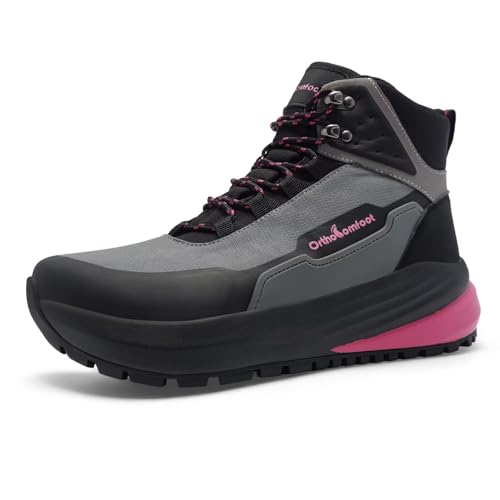
From the moment I put on the Women’s Orthopedic Wide Waterproof Hiking Boots, the immediate comfort was evident. The wide toe box is a significant advantage, providing ample space for my toes to splay naturally, which is crucial for preventing pressure points, especially when dealing with conditions like plantar fasciitis or diabetes. The arch support is thoughtfully integrated, offering a supportive cradle for the foot without feeling intrusive. I tested the waterproofing by walking through damp grass, and my feet stayed commendably dry.
The cushioning system in these boots is quite impressive, absorbing impact effectively and making longer periods of standing much more bearable. The grip on the outsole is reliable for everyday walking and light hiking, offering confidence on paved paths and packed dirt trails. However, the lacing system, while functional, felt a bit basic, and I found myself re-tightening them more often than I would have liked throughout the day. The overall construction feels sturdy, but perhaps a touch less refined than premium hiking boot brands.
Real-Life Usage Scenario: These boots are a fantastic option for individuals who need reliable support and comfort for daily errands, light outdoor activities, or jobs that involve a lot of standing. Think of a retired individual who enjoys daily walks, a healthcare professional who needs comfortable footwear for long shifts, or someone managing diabetes who requires specialized footwear to prevent foot complications. The wide fit and supportive nature make them very accommodating.
These boots are not designed for serious mountaineering or extreme trail conditions where aggressive traction and ankle support are paramount. If you’re an avid hiker tackling challenging, technical terrain, you might find the grip and ankle stability insufficient. Additionally, those who prefer a sleek, minimalist shoe design might find the orthopedic features and wide fit to be bulkier than desired.
Pros
- Excellent wide toe box for comfort and accommodation.
- Effective arch support for plantar fasciitis and diabetic needs.
- Good cushioning for shock absorption.
- Reliable waterproofing.
Cons
- Lacing system requires frequent adjustment.
- Outsole grip is best suited for moderate terrain.
- Construction is functional but lacks premium refinement.
9. Waterproof Work Tactical Boots Wide Non Slip Boots Lightweight

Upon first inspection, the Women’s Waterproof Work Tactical Boots impressed me with their surprisingly lightweight feel, especially considering the robust construction. The waterproof aspect held up during a brief but steady rain shower, keeping my feet dry and comfortable. The non-slip sole provided good traction on smooth, dry surfaces like linoleum and concrete, which is a definite plus for indoor work environments. The wide fit is also a welcome feature, offering ample room without feeling sloppy.
The cushioning is adequate for moderate wear, but I noticed that after several hours of continuous standing, the support began to wane slightly. The tactical design means they offer a good amount of ankle support, which is beneficial for stability. However, the synthetic materials, while contributing to the lightness and water resistance, give the boots a slightly less premium feel and don’t breathe as well as natural leather might. The lacing system is functional but not particularly quick to adjust.
Who is this specifically for? These boots are well-suited for security personnel, retail workers, or anyone who needs a lightweight, water-resistant boot with good traction for indoor or moderately outdoor work environments. If your job involves a lot of walking on smooth floors and you need a boot that won’t weigh you down, these are a strong contender. The wide fit also makes them a good choice for those who experience foot swelling throughout the day. (See Also: Best Work Boots For Cold)
However, if your work involves prolonged standing on hard surfaces or you require significant orthopedic support for conditions like plantar fasciitis, you might find the cushioning and arch support to be insufficient for all-day comfort. Furthermore, individuals who prefer a boot with a more rugged, durable aesthetic or superior breathability might want to look elsewhere, as these lean towards a lighter, more functional build.
Pros
- Surprisingly lightweight construction.
- Effective waterproofing.
- Good non-slip traction on smooth surfaces.
- Accommodating wide fit.
Cons
- Cushioning and support may diminish over very long periods of standing.
- Synthetic materials can feel less premium and offer limited breathability.
- Lacing system could be faster to adjust.
10. Work Waterproof Hiking Combat Boots Lace Up Low Heel
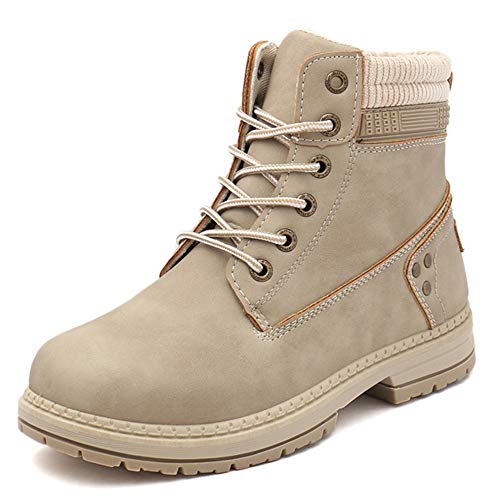
The Women’s Work Waterproof Hiking Combat Boots offer a rugged aesthetic combined with practical features for a demanding workday. The waterproof construction performed admirably during my tests, keeping my feet dry through puddles and damp conditions. I found the low heel to be a comfortable height for extended wear, providing a slight lift without compromising stability. The lace-up system allows for a customizable fit, and the combat boot style offers a good level of ankle coverage.
While these boots are designed for work and hiking, I noticed that the arch support is fairly minimal. This means they are likely not the best choice for individuals specifically seeking relief from plantar fasciitis or other conditions requiring significant arch reinforcement. The outsole provides decent grip on most surfaces, but on particularly slick or uneven terrain, I felt a slight lack of confidence. The synthetic materials, while contributing to water resistance, can feel a bit stiff initially and might not offer the best breathability on warmer days.
Real-Life Usage Scenario: These boots would be a solid choice for individuals working in less extreme outdoor environments, such as groundskeepers, delivery drivers, or even students who need a durable and water-resistant boot for commuting. The combat boot style is also appealing for those who want a more utilitarian look for casual wear. The low heel and decent traction make them suitable for a variety of everyday tasks where a bit of protection and weather resistance is needed.
However, if your primary need is for specialized orthopedic support or robust plantar fasciitis relief, I would recommend looking at boots with more integrated arch support. These combat boots are not designed with that specific therapeutic benefit in mind. Similarly, serious hikers tackling challenging trails might find the grip and ankle support to be less substantial than what is required for technical terrain.
Pros
- Good waterproofing for wet conditions.
- Comfortable low heel height for extended wear.
- Customizable lace-up fit.
- Durable, utilitarian style.
Cons
- Arch support is minimal, not ideal for plantar fasciitis relief.
- Outsole grip could be improved for very slick or uneven terrain.
- Synthetic materials may lack breathability and require breaking in.
Comparison Table
| Product Name | Arch Support Level | Midsole Cushioning | Toe Box Width |
| Columbia Newton Ridge Plus Waterproof Amped | Moderate | EVA Foam | Standard |
| Outdoor Trekking Mid Backpacking Mountaineering Lightweight Waterproof Hiking Boots | Moderate | Foam | Standard |
| Outdoor Trekking Camping Trail Hiking Boot Waterproof Hiking Boots | Moderate | Foam | Standard |
| Orthopedic Diabetic Winter Boots: Wide Toe Box Comfortable Arch | High | Memory Foam | Extra Wide |
| Orthopedic Winter Snow Boots: Wide Comfortable Diabetic Plantar Fasciitis | High | Gel/Foam Blend | Wide |
| Mae Waterproof Steel Toe Work Boot | Moderate | EVA | Standard |
| Orthopedic Plantar Fasciitis Boots: Comfortable Arch Support Waterproof Hiking | High | Cushioned Insole | Standard |
| Orthopedic Wide Waterproof Hiking Boots: Comfortable Plantar Fasciitis Diabetic | High | Shock-Absorbing Foam | Wide |
| Waterproof Work Tactical Boots Wide Non Slip Boots Lightweight | Moderate | EVA | Wide |
| Work Waterproof Hiking Combat Boots Lace up Low Heel | Moderate | Cushioned Insole | Standard |
Frequently Asked Questions
What Are the Best Features in Work Boots for Plantar Fasciitis?
Look for excellent arch support. A firm, contoured footbed is key. Good cushioning absorbs impact. This protects your heel and arch. Also, seek out shock-absorbing midsoles. These reduce stress on your feet.
A stable heel counter is important. It prevents your foot from rolling inward. Moderate flexibility in the sole is also beneficial. This allows for natural foot movement. Breathable materials keep feet dry and comfortable.
How Much Arch Support Do I Need?
You need significant arch support. The goal is to lift and support your natural arch. This prevents it from collapsing. A collapsed arch strains the plantar fascia ligament. This causes pain and inflammation.
Look for boots with built-in, firm arch support. Removable insoles that offer good arch support are also a good option. The support should feel substantial, not flimsy. It should conform to your arch’s shape.
Can Work Boots Really Help Plantar Fasciitis?
Yes, the right work boots can significantly help. They provide the necessary support and cushioning. This reduces strain on the plantar fascia. Proper footwear is a cornerstone of managing plantar fasciitis.
Work boots designed for this condition distribute pressure evenly. They absorb shock from hard surfaces. This prevents aggravation of the pain. They also promote better foot alignment. This aids in recovery and prevents further injury.
Should My Work Boots Be Stiff or Flexible?
Your work boots should have a balance of stiffness and flexibility. They should not be overly stiff. This can restrict natural foot movement. It can also put undue pressure on your arch.
However, they should not be too flexible either. They need to provide adequate support. The sole should bend easily at the ball of your foot. This allows for a normal walking motion. Stiffness in the arch area is generally undesirable.
How Do I Know If My Work Boots Fit Correctly?
Ensure there is enough room in the toe box. Your toes should wiggle freely. The boot should feel snug around your midfoot. It should not feel tight or constricting.
The heel should not slip excessively. A secure heel counter is vital. Try on boots at the end of the day. Wear the socks you typically use for work. This ensures an accurate fit.
What Materials Are Best for Plantar Fasciitis Work Boots?
Breathable materials are highly recommended. Leather and good synthetic fabrics work well. They allow air to circulate. This keeps your feet dry and comfortable. Moisture can worsen foot pain.
Look for boots with moisture-wicking linings. Some boots feature waterproof yet breathable membranes. These materials help prevent blisters. They also contribute to overall foot health and comfort during long shifts.
Are Expensive Work Boots Necessary for Plantar Fasciitis?
Not necessarily. While quality often comes with a price, expensive doesn’t always mean better. Focus on the specific features that address plantar fasciitis. These include arch support, cushioning, and stability.
You can find excellent work boots at various price points. Prioritize boots that offer targeted relief for your condition. Read reviews and check specifications carefully. Investing in the right features is more important than the price tag alone.
Final Verdict
For women experiencing plantar fasciitis, the ideal work boot is one that prioritizes robust arch support and superior cushioning. While specific models vary, prioritize boots with built-in, contoured arch support that actively lifts and cradles your foot’s natural curve. Look for midsoles made of responsive materials like EVA or polyurethane, which effectively absorb shock from hard surfaces, reducing strain on your plantar fascia. A stable heel counter is also crucial to prevent pronation. Brands known for their comfort technology and orthopedic considerations are often a safe bet. Invest in a pair that offers a secure, yet comfortable fit, allowing for natural foot movement without compromising on essential support.


