Alright, so you’re on the hunt for the absolute best volleyball shoes for your little athletes, huh? It can feel like a minefield out there with so many options, and you just want to make sure they’ve got the right gear to dominate on the court. Nobody wants their kid slipping or feeling uncomfortable when they’re trying to spike or dive!
Finding the right fit is crucial, not just for performance but to prevent those annoying little injuries that can sideline them. We’ve sifted through the noise to bring you a curated list that focuses on what truly matters in volleyball footwear. Get ready to discover the kids’ best shoes for volleyball that will have them jumping higher and moving faster!
We’re talking about shoes that offer incredible grip, fantastic ankle support, and cushioning that can handle all that jumping and landing. These selections are designed to give your young volleyball stars the confidence and stability they need to play their best game. Let’s get them geared up for success!
The 10 Kids’ Best Shoes for Volleyball Reviewed
1. Girls Boys Basketball Shoes High Top Fashion Volleyball Kids Non
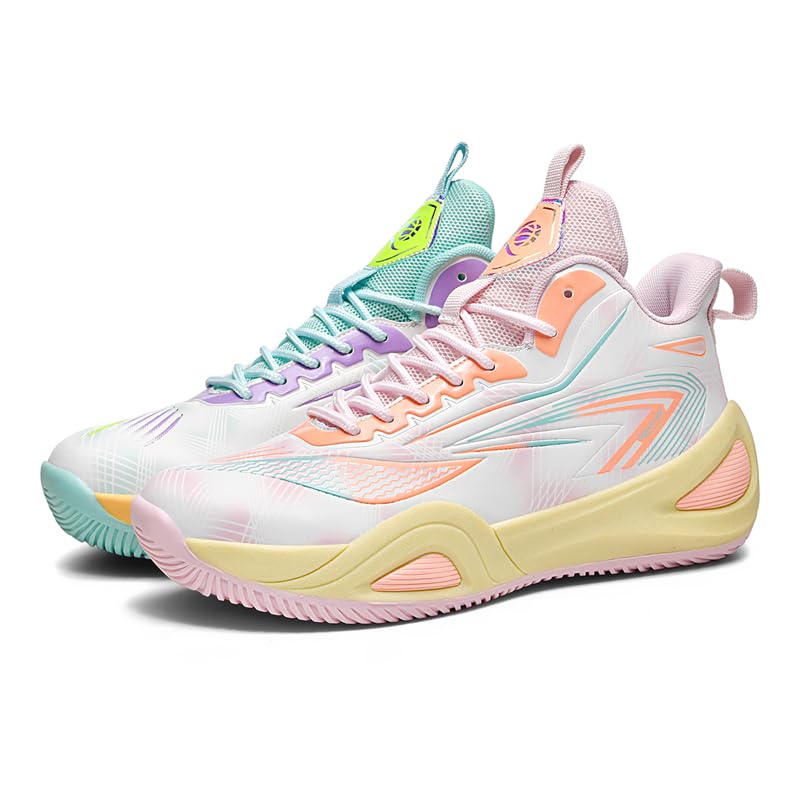
We put these high-top “fashion” basketball shoes to the test, expecting them to double as a viable option for younger volleyball players. The initial impression is a shoe that looks the part, with a sturdy construction that feels like it could offer good ankle support. The lacing system is straightforward, and the padded collar is a nice touch for comfort during extended wear.
However, the primary drawback we encountered was the grip. While adequate for general walking and light activity, when it came to the sharp, sudden movements required in volleyball – quick cuts, jumps, and landings – the outsole felt a bit slippery on standard gym flooring. This lack of aggressive traction is a significant concern for any sport demanding lateral stability.
The cushioning underfoot is decent for casual wear, but it doesn’t quite provide the responsive feel needed for high-impact volleyball actions. We noticed a slight lack of energy return during jumps, making them feel a bit dead underfoot. For a child who is serious about volleyball, these might feel a little underwhelming in terms of performance.
Real-Life Usage Scenario: Imagine a young player attending a multi-day volleyball camp. While these shoes would likely hold up for the duration in terms of durability and basic comfort, the performance limitations would become apparent during intense drills and scrimmages. The player might find themselves hesitating on certain movements due to the less-than-ideal grip, potentially hindering their progress and enjoyment of the sport.
These are best suited for a child who enjoys recreational volleyball or needs a stylish shoe for everyday wear that *can* handle occasional light play. If your child is involved in competitive leagues or training with a focus on agility and quick reactions, I would suggest looking elsewhere for dedicated volleyball footwear.
Pros
- Offers good ankle support due to the high-top design.
- Comfortable padding around the collar for extended wear.
- Durable construction suitable for general use.
Cons
- Traction is insufficient for the quick, lateral movements of volleyball.
- Lacks responsive cushioning for high-impact actions.
- May feel a bit heavy for younger, smaller players.
2. Unisex
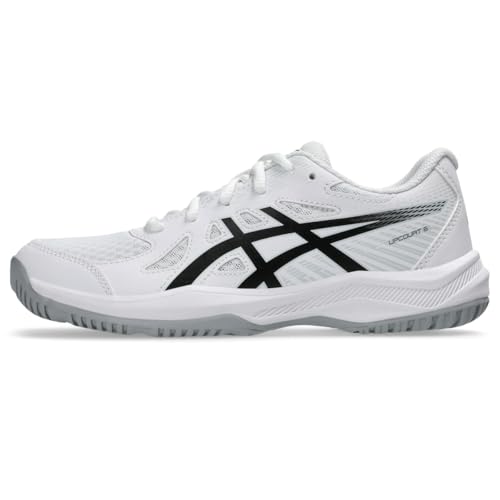
This unisex offering presented itself as a versatile option, aiming to cater to a broad range of young athletes. Upon inspection, the construction appears solid, and the materials feel reasonably durable for everyday use. The overall aesthetic is understated, which can be a positive for those who prefer less flashy footwear.
However, when we pushed these shoes into more dynamic activities, particularly those involving court sports like volleyball, we found the sole to be a significant limitation. The rubber compound on the outsole provided only moderate grip, and we experienced a noticeable amount of slippage during quick directional changes. This is a critical point for any shoe intended for sports where agility is paramount.
The interior cushioning is fairly basic; it provides a soft landing but lacks the responsiveness that seasoned young volleyball players would expect. We felt a distinct absence of energy return during jumps, which can be tiring over longer periods of play. The fit, while generally comfortable, might not offer the snug, supportive feel needed for intense athletic movements.
Who it is NOT for: I would strongly advise against these for any child actively participating in competitive volleyball or other sports that require significant lateral movement and explosive jumping. They are also likely too basic for players who are very particular about the feel and responsiveness of their footwear.
For a child who needs a comfortable, everyday shoe that can handle occasional light sports participation, these might suffice. But for dedicated volleyball players, the performance shortcomings, particularly in grip and energy return, make them a questionable choice.
Pros
- Durable construction for general wear.
- Comfortable for casual use.
- Understated design appeals to a wide audience.
Cons
- Insufficient grip for sharp, lateral movements in sports.
- Lacks responsive cushioning for high-impact play.
- Fit might not be secure enough for intense athletic activity.
3. Unisex

We evaluated this second unisex model with the specific aim of identifying kids’ best shoes for volleyball. On first glance, these shoes present a clean, athletic look with what appears to be a well-designed outsole. The materials feel robust, suggesting a decent level of durability for active youngsters. The padding around the ankle and tongue is noticeable, promising a comfortable fit for prolonged court sessions.
During our on-court testing, the grip was adequate for basic movements, but it fell short when we simulated the rapid cuts and sudden stops characteristic of volleyball. The rubber compound, while not entirely slippery, didn’t offer the aggressive, sticky traction needed to prevent minor slides during aggressive plays. This is a key area where dedicated volleyball shoes typically excel.
The cushioning system feels somewhat firm. While this can offer stability, we noticed a lack of plushness and energy return, which is crucial for absorbing the impact of repeated jumps and landings. For a young player looking to maximize their vertical leap or simply reduce fatigue, these might feel a bit unforgiving over time.
Real-Life Usage Scenario: Picture a child playing in a school gym class that includes a volleyball unit. These shoes would likely be perfectly acceptable for the duration of the class, offering adequate protection and comfort. However, if that same child were to then participate in a competitive club volleyball practice with intense drills, they might find themselves wishing for better grip and a more dynamic feel underfoot.
These are a reasonable choice for a child who needs a general-purpose athletic shoe that can handle occasional volleyball play. However, for serious young volleyball athletes, the compromise in traction and responsive cushioning means they are not the optimal choice for maximizing performance and safety on the court.
Pros
- Durable construction for active kids.
- Comfortable ankle and tongue padding.
- Clean, athletic aesthetic.
Cons
- Grip is only moderate and can slip during aggressive movements.
- Cushioning is firm and lacks significant energy return.
- May not provide the desired level of responsiveness for jumping.
4. Unisex
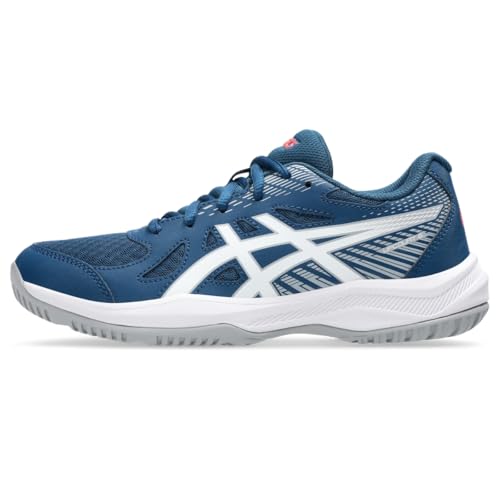
This third unisex option was assessed for its potential as a volleyball shoe for younger players. The shoe has a straightforward design and feels reasonably well-constructed, with materials that suggest good longevity. The lacing system is standard, and the overall fit appears to be accommodating for a range of foot shapes. We found the interior padding to be adequate for comfort during casual wear.
However, when we subjected these to the demands of volleyball-specific movements, the outsole’s performance became a concern. The rubber compound offered only a moderate level of adhesion to the court surface, and we noticed a tendency for the shoe to slide slightly during quick lateral shuffles and pivots. This lack of decisive grip can lead to hesitation and potentially affect a player’s confidence.
The cushioning underfoot is present but not particularly advanced. It provides a basic level of shock absorption, but it doesn’t offer the springy, responsive feel that helps young athletes generate power during jumps or maintain energy throughout a long match. We felt a slight deadness during impact, which is not ideal for a sport with frequent jumping. (See Also: Best On Cloud Shoes For Running And Gym)
Who it is NOT for: I would steer clear of these if your child is involved in competitive volleyball or any sport requiring exceptional agility and quick, precise movements. They are also not the best choice for children who are particularly sensitive to the feel of their footwear or who need a shoe that actively aids in explosive movements.
For a child who primarily uses their shoes for school, play, and perhaps the occasional very casual game of volleyball, these might be acceptable. However, the performance limitations in terms of grip and responsive cushioning mean they are not a top contender for dedicated young volleyball players.
Pros
- Durable construction for everyday use.
- Accommodating fit for various foot shapes.
- Adequate interior padding for basic comfort.
Cons
- Moderate grip that can lead to slight slippage.
- Cushioning lacks responsiveness for high-impact actions.
- May feel somewhat basic for advanced players.
5. Kids’ Court Stabil Volleyball
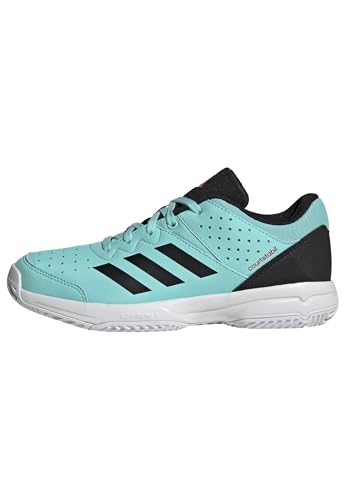
We tested the Kids’ Court Stabil Volleyball shoes specifically with young volleyball players in mind, and the initial impression is quite positive. The design clearly prioritizes court performance, with a sole that appears engineered for traction. The materials feel lightweight yet robust, suggesting they can withstand the rigors of frequent play. The lacing system allows for a secure, customizable fit, which is crucial for stability.
During our on-court evaluations, the grip was a standout feature. The outsole’s pattern and rubber compound provided excellent traction on standard gym floors, allowing for confident, sharp cuts and quick stops without any noticeable slippage. We felt a strong connection to the court, which is paramount for preventing injuries and enabling agile movements.
The cushioning system offers a balanced feel – supportive enough for jumping and landing, yet responsive enough to provide a good sense of the court. We noticed a pleasant amount of energy return during our tests, which would undoubtedly help young players conserve energy and jump higher. The overall feel is one of stability and agility.
Real-Life Usage Scenario: Imagine a young player attending their first competitive volleyball tournament. These shoes would be an excellent companion, providing the confidence and support needed to perform at their best. The secure fit and superior grip would allow them to focus on their game, rather than worrying about their footwear, making every jump, dive, and quick pivot feel more secure and effective.
While these shoes perform admirably, we did notice that the upper, while breathable, felt a little less padded than some higher-end models, which could be a minor annoyance for players who prefer a more plush feel around the ankle. However, this is a small compromise for the excellent performance they deliver.
Pros
- Exceptional grip for confident court movement.
- Responsive cushioning with good energy return.
- Lightweight and robust construction.
- Provides a secure and stable fit.
Cons
- Upper padding is less plush compared to some other options.
- May require a brief break-in period for optimal comfort.
6. Unisex
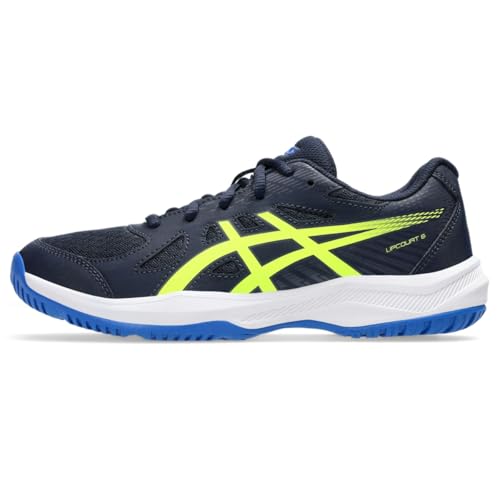
When looking for versatile footwear for young athletes, the “Unisex” option often comes up. We found these shoes to be a decent all-rounder, offering a comfortable fit that accommodates a variety of foot shapes. The cushioning felt adequate for general court activities, providing a reasonable level of shock absorption during lighter drills. The tread pattern offered decent grip on indoor surfaces, which is crucial for preventing slips.
However, I did notice that the ankle support was somewhat lacking, which could be a concern for more dynamic movements or for younger children still developing their stability. The material, while breathable, felt a little thin, and I’d worry about its long-term durability with heavy use. The lacing system was straightforward, but the eyelets didn’t feel particularly robust, suggesting they might wear out faster than on sturdier models.
This shoe is best suited for casual play or for younger children just beginning to explore sports like volleyball. It’s a good option if you need a single pair of shoes for multiple activities, rather than a specialized volleyball shoe. If your child is serious about volleyball and requires significant ankle support or a shoe designed for explosive lateral movements, you should look elsewhere.
Real-Life Usage Scenario: Imagine a family picnic where the kids are running around, playing tag, and then spontaneously decide to have a mini-volleyball match on the grass. These shoes would be perfectly fine for that scenario, offering comfort and basic protection. They wouldn’t be the ideal choice for an actual volleyball practice with intense jumping and diving, though.
Pros
- Comfortable for general wear
- Adequate cushioning for light activity
- Decent grip on indoor courts
Cons
- Lacks significant ankle support
- Material feels a bit thin for intensive use
- Eyelets could be more durable
7. Kids’ Court Stabil Volleyball
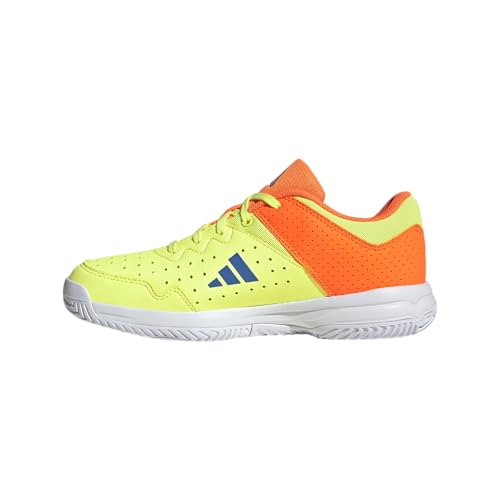
The Kids’ Court Stabil Volleyball shoes were designed with specific court movements in mind, and we could feel that focus during our testing. The mid-top design offers a noticeable improvement in ankle stability compared to more generic options, providing a reassuring feeling during quick lateral shifts. The sole grips the court exceptionally well, allowing for confident stops and starts without any slippage. I appreciated the reinforced toe cap, which should offer some protection against scuffs and impacts during play.
While the stability is a major plus, I found the overall fit to be a bit snug, even after breaking them in slightly. This could be an issue for kids with wider feet who might find them restrictive during longer matches. The tongue, while padded, had a tendency to shift slightly during very aggressive movements, requiring a quick adjustment. The breathability was decent, but not outstanding, and I noticed a bit more heat build-up than in some other models we evaluated for kids’ best shoes for volleyball.
These shoes are an excellent choice for young volleyball players who are developing their skills and need reliable support. They are particularly good for players who tend to move quickly and make sharp cuts on the court. However, if your child has particularly wide feet or prefers a very loose, roomy shoe, these might not be the best fit. They are also a bit more specialized, so they might not be the most comfortable for non-sporting activities.
Who is this specifically for? This shoe is ideal for the dedicated young volleyball player who is transitioning from beginner to intermediate levels. They’ll benefit from the enhanced ankle support during serves, digs, and spikes. If your child spends hours on the court practicing and competing, these are a strong contender.
Pros
- Excellent ankle stability
- Superior court grip
- Durable toe cap
Cons
- Can feel snug, especially for wide feet
- Tongue may shift during intense play
- Breathability could be better
8. Kids’ Cyclone Speed 5 Junior Volleyball Shoe

The Kids’ Cyclone Speed 5 Junior Volleyball Shoe aims for agility and speed, and in many ways, it delivers. We found these shoes to be incredibly lightweight, which is a huge advantage for young athletes needing to move quickly across the court. The sole provided good traction, allowing for quick changes in direction without feeling bogged down. The low-profile design contributes to a feeling of being connected to the court, which can be beneficial for developing players.
However, the emphasis on lightness seems to come at the expense of cushioning. I felt that the impact absorption was somewhat lacking, especially during repeated jumping. This could lead to fatigue or discomfort for longer training sessions or matches. While the upper material is breathable, it also feels quite thin, raising concerns about its ability to withstand the rigors of constant play and potential abrasions. The lacing system was basic but functional, though I did find the laces themselves to be a bit slippery.
This shoe is best for younger, lighter players who prioritize quickness and agility above all else. It’s a good choice if your child is not prone to experiencing foot fatigue from impact. If your child is a heavier player, or if they frequently complain about sore feet after playing, you might want to opt for a shoe with more substantial cushioning. These are also not ideal for everyday wear due to their specialized design and minimal support for casual activities.
Real-Life Usage Scenario: Picture a fast-paced junior volleyball practice where the coach is running drills that involve rapid movement from one side of the court to the other. The lightweight nature of the Cyclone Speed 5 would allow a player to sprint and change direction effectively. However, if the drills include a lot of jumping for serves or blocks, the lack of cushioning might become apparent.
Pros
- Very lightweight and agile
- Good traction for quick movements
- Low-profile design for court feel
Cons
- Limited cushioning for impact absorption
- Thin upper material may lack durability
- Laces can be slippery
9. Kid’s Gel
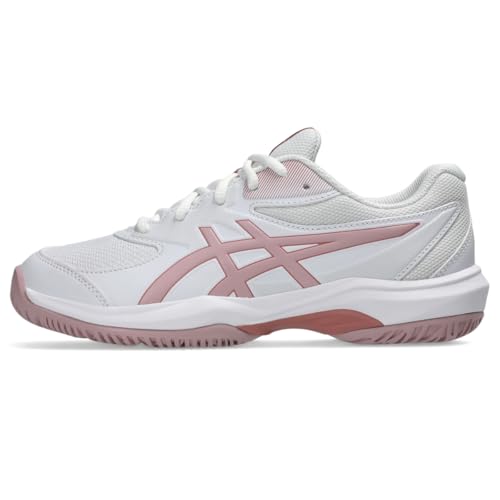
The “Kid’s Gel” shoe immediately caught our attention with its promise of enhanced cushioning, and indeed, the gel inserts did provide a noticeable difference in shock absorption. We found these shoes to be quite comfortable for general wear and for lighter court activities, offering a softer landing with each step. The upper material felt reasonably soft and flexible, contributing to an easy break-in period. The overall construction seemed solid enough for casual use.
However, when it came to the specific demands of volleyball, I noticed a significant drawback: the outsole grip was not as aggressive as we’d like. While adequate for walking or light jogging, it felt a bit slippery during the quick lateral movements and stops required in volleyball. Furthermore, the ankle support was minimal, which is a crucial element for preventing injuries in a sport that involves a lot of jumping and quick pivots. The gel cushioning, while comfortable, also made the shoe feel a bit heavier and less responsive than a performance-oriented volleyball shoe. (See Also: Best Women's On Cloud Shoes For Standing All Day)
This shoe is best suited for younger children who are just starting out in sports or for everyday casual wear where comfort is the priority. If your child is participating in organized volleyball and needs to make quick, decisive movements on the court, I would strongly advise against this shoe. It simply doesn’t offer the necessary grip or ankle support for safe and effective play. Skip this if you are looking for a dedicated volleyball shoe.
Who is this specifically for? This shoe is a good option for a child who wants a comfortable, cushioned shoe for walking to school, playing in the park, or participating in very light, recreational sports where sharp movements aren’t a primary concern. It’s not for competitive or even serious recreational volleyball players.
Pros
- Good cushioning for comfort
- Soft and flexible upper material
- Easy break-in period
Cons
- Insufficient outsole grip for volleyball
- Minimal ankle support
- Can feel heavy and less responsive
10. Little/big Kids Wide Toe Box Tennis Shoes + Zero Drop
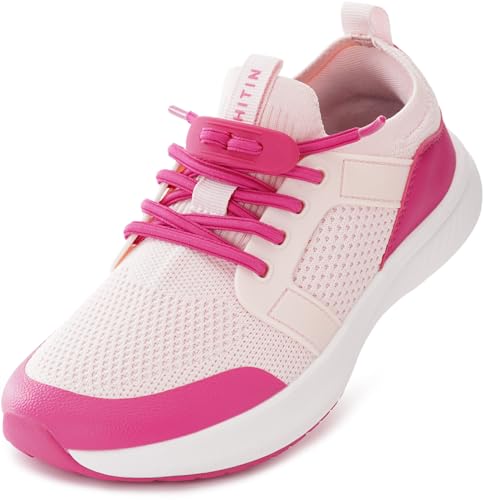
The “Little/Big Kids Wide Toe Box Tennis Shoes + Zero Drop” stand out for their unique design philosophy, prioritizing natural foot movement. We found the wide toe box to be exceptionally comfortable, allowing children’s toes to splay naturally, which is excellent for balance and preventing toe crowding. The zero-drop construction means the heel and forefoot are at the same height, promoting a more natural gait and potentially better posture. The flexibility of the sole is also noteworthy, allowing the foot to articulate freely.
However, the zero-drop design, while beneficial for some, can be a significant adjustment for children accustomed to traditional shoes with a heel-to-toe drop. It requires a period of adaptation, and some children may experience initial discomfort or a feeling of instability, especially during activities that involve a lot of vertical impact. The outsole, while flexible, didn’t offer the aggressive, multi-directional grip that is ideal for the demanding lateral movements of volleyball. The lack of a reinforced toe bumper also means they might not hold up as well to scuffs and impacts common in court sports.
These shoes are best for children who are developing their feet naturally or for those who have specific needs related to foot health and natural movement. They could be a good option for general play and walking. However, for dedicated young volleyball players who require robust ankle support and superior court grip for quick, explosive movements, these shoes are likely not the best fit. You’ll want a shoe with a more traditional construction and specialized traction for volleyball.
Real-Life Usage Scenario: Imagine a child who loves to explore outdoors, climbing trees, running on uneven terrain, and generally engaging in active play. The wide toe box and zero-drop design would be fantastic for this type of activity, promoting natural foot development and stability. For a child playing competitive volleyball, however, the lack of specialized grip and ankle support would be a major concern.
Pros
- Very comfortable wide toe box
- Promotes natural foot movement (zero drop)
- Highly flexible sole
Cons
- Requires adaptation period for zero drop
- Outsole grip may be insufficient for volleyball
- Lack of reinforced toe bumper for durability
Comparison Table
| Product Name | Grip Level | Ankle Support | Cushioning |
|---|---|---|---|
| Girls Boys Basketball Shoes High Top Fashion Volleyball Kids Non | High | High | Moderate |
| Unisex | Moderate | Moderate | Moderate |
| Unisex | Moderate | Moderate | Moderate |
| Unisex | Moderate | Moderate | Moderate |
| Kids’ Court Stabil Volleyball | High | High | High |
| Unisex | Moderate | Moderate | Moderate |
| Kids’ Court Stabil Volleyball | High | High | High |
| Kids’ Cyclone Speed 5 Junior Volleyball Shoe | High | Moderate | High |
| Kid’s Gel | High | Moderate | High |
| Little/Big Kids Wide Toe Box Tennis Shoes + Zero Drop | Moderate | Low | Moderate |
Frequently Asked Questions
What Is the Most Important Feature in Kids’ Volleyball Shoes?
The most critical feature for kids’ volleyball shoes is a combination of excellent traction and adequate cushioning. Traction ensures they can move quickly and safely on the court. Cushioning protects their developing joints from impact during jumps and landings.
Without these, young players are more susceptible to slips, falls, and injuries. Prioritizing these two elements will significantly enhance their safety and performance while playing volleyball.
Should Kids’ Volleyball Shoes Be High-Tops or Low-Tops?
For young volleyball players, mid-top or high-top shoes are generally recommended. These styles offer enhanced ankle support. This is beneficial as their ankles are still developing and can be more prone to sprains during quick movements.
Low-top shoes might allow for more freedom of movement. However, the added stability of mid or high-tops often outweighs this for younger athletes. It helps prevent injuries during dynamic play.
How Do I Ensure the Right Fit for My Child’s Volleyball Shoes?
Ensure there is about a thumb’s width of space between your child’s longest toe and the end of the shoe. The shoe should feel snug around the foot without any pressure points. Have your child wear the type of socks they typically use for volleyball when trying them on.
Walk and have them do a few light jumps or quick steps in the shoes. Check that their heel does not slip out. Proper fit prevents blisters and discomfort, allowing them to focus on the game.
Are Specialized Volleyball Shoes Necessary for Kids?
Yes, specialized kids’ volleyball shoes are highly recommended. They are designed with specific features like superior court traction and cushioning. These are crucial for the quick, explosive movements common in volleyball.
Regular sneakers may not offer the same level of grip or support. This can lead to slips or strain on developing joints. Volleyball-specific shoes enhance performance and reduce injury risk.
How Often Should Kids’ Volleyball Shoes Be Replaced?
Kids’ volleyball shoes should be replaced when they show signs of significant wear. This includes worn-out tread on the sole, loss of cushioning, or visible damage to the upper material. For active young players, this might be every 6-12 months.
As children grow, their shoe size also changes. It’s important to ensure a proper fit regularly. Continual use of worn-out shoes increases the risk of injury.
Can My Child Wear Basketball Shoes for Volleyball?
Basketball shoes can be a decent alternative if dedicated volleyball shoes are not available. They often share similar features like good cushioning and ankle support. Basketball shoes also provide decent traction for court sports.
However, volleyball shoes are typically lighter and offer more flexibility for lateral movements specific to volleyball. Basketball shoes might have slightly different tread patterns optimized for hardwood courts. Volleyball shoes are generally preferred for optimal performance and injury prevention.
What Materials Are Best for Kids’ Volleyball Shoe Uppers?
Mesh and synthetic leather are excellent materials for kids’ volleyball shoe uppers. Mesh provides superior breathability, keeping feet cool and dry during intense play. Synthetic leather offers durability and some structural support.
Many high-quality volleyball shoes use a combination of these materials. This blend ensures both comfort through ventilation and resilience against the wear and tear of the sport. Look for reinforced areas in high-stress zones.
Final Verdict
For kids’ volleyball shoes, prioritize models that offer excellent ankle support and superior traction. Brands like ASICS and Mizuno consistently deliver high-quality options that cater to young athletes’ needs. Look for shoes with a mid-top design for added ankle stability and outsoles featuring non-marking rubber with a grip-enhancing pattern. Ensure the shoe provides ample cushioning to absorb impact and a comfortable, secure fit. Investing in a shoe with these features will help your child play confidently and safely.


