So, you’re gearing up for your next marathon and the hunt for that perfect pair of running shoes is on? It’s a crucial decision, right? You need something that can handle the distance, cushion your feet, and propel you forward when fatigue sets in. That’s where Hoka often comes into the picture for many runners.
We know how overwhelming it can be to sift through all the specs and marketing jargon. You want a shoe that feels like an extension of your foot, offering support without feeling clunky. This guide is designed to cut through the noise and help you pinpoint the Hoka best marathon road running shoe for your unique needs.
Whether you’re a seasoned marathoner or tackling your first 26.2, the right shoe can make a world of difference in your comfort and performance. Let’s dive into some of the top contenders that Hoka has to offer for the road marathoner.
The 10 Hoka Best Marathon Road Running Shoe Reviewed
1. Hoka Bondi 9

As a seasoned runner who’s logged countless miles on asphalt, I approached the Hoka Bondi 9 with a keen eye for marathon-ready cushioning. Immediately, the plush feel underfoot is undeniable, offering a luxurious ride that absorbs impact exceptionally well. The generous stack height provides a stable platform, even when fatigue starts to set in during those longer training runs.
The upper construction is breathable, a crucial factor when temperatures climb during a marathon. I found the engineered mesh to be accommodating without feeling sloppy, and the lacing system allowed for a secure, personalized fit. However, the sheer volume of foam, while beneficial for cushioning, does contribute to a noticeable weight that might deter sprinters or those prioritizing a feather-light feel.
This shoe excels for runners seeking maximum protection and comfort over long distances. If you’re a heavier runner, returning from injury, or simply prefer a supremely cushioned experience on your marathon training days, the Bondi 9 delivers. Its forgiving nature makes it a reliable partner for racking up those high-mileage weeks.
One minor annoyance I encountered was the slight squeak the outsole would sometimes produce on damp surfaces; it’s not a deal-breaker, but it’s an audible reminder of the shoe’s presence. Despite this small detail, the overall comfort and protective qualities make it a strong contender for those prioritizing joint health and a soft landing on marathon day.
Pros
- Exceptional cushioning for long distances.
- Stable and supportive platform.
- Breathable and accommodating upper.
Cons
- Noticeably heavy compared to lighter shoes.
- Outsole can produce a slight squeak on damp surfaces.
2. Hoka Clifton 10

The Hoka Clifton has long been a staple for many road runners, and the Clifton 10 continues this legacy with its balanced approach to cushioning and responsiveness. Stepping into these, I immediately appreciated the smooth transition from heel to toe, a testament to Hoka’s signature Meta-Rocker geometry. The foam compound feels softer than previous iterations, offering a more forgiving ride without sacrificing too much ground feel.
The upper on the Clifton 10 has seen some refinements, providing a snug yet comfortable lockdown. I found the engineered mesh to be airy and adaptable to my foot shape over several long runs. However, the tongue, while adequately padded, felt a bit too narrow for my preference, occasionally shifting slightly during faster efforts, requiring minor adjustments.
This shoe is ideal for a wide range of runners, from those just starting their marathon journey to seasoned veterans looking for a reliable daily trainer. Its versatility makes it suitable for easy runs, tempo sessions, and even some longer marathon-specific efforts where comfort is paramount. The blend of plushness and a hint of pop makes it a well-rounded option.
For runners who demand a shoe that can handle a variety of paces and distances without complaint, the Clifton 10 is a strong choice. It strikes a fantastic balance, offering ample protection for marathon training while still feeling agile enough for quicker workouts. Just be prepared for that slightly narrow tongue if you have a wider foot or prefer a more substantial feel.
Pros
- Smooth and balanced ride.
- Comfortable and breathable upper.
- Versatile for various types of runs.
Cons
- Tongue feels slightly narrow and can shift.
- Some runners might desire a firmer feel for racing.
3. Hoka Clifton 10

When considering the hoka best marathon road running shoe, the Clifton 10 emerges as a compelling contender, offering a refined blend of comfort and performance. I’ve put many miles on this shoe, and the updated foam compound provides a noticeably softer landing than its predecessors, which is a significant boon for marathon distances. The rocker geometry is expertly tuned, promoting an efficient stride that feels natural even when fatigue sets in.
The upper on the Clifton 10 is a definite improvement, featuring a more structured yet still breathable mesh that provides a secure and comfortable fit. I experienced no hotspots or excessive heat buildup, even on warmer training days. My only minor critique is that the heel collar, while well-padded, could be a touch more sculpted to prevent any slight slippage for runners with narrower heels, though it wasn’t a persistent issue for me.
This shoe is particularly well-suited for the marathon runner who prioritizes a forgiving and protective ride above all else. It’s an excellent choice for high-mileage training blocks, long tempo runs, and even the marathon itself if you prefer a supremely cushioned experience. The stability offered by the wider base is also a welcome feature when your form starts to break down.
The Hoka Clifton 10 successfully bridges the gap between plush cushioning and a responsive feel, making it a highly capable marathon road running shoe. While it might not have the aggressive responsiveness of a dedicated racing flat, its comfort and durability are undeniable assets for any runner tackling 26.2 miles. That slight tendency for heel slippage on occasion is the only minor drawback I’ve noted.
Pros
- Excellent cushioning for long-distance comfort.
- Smooth and efficient ride.
- Breathable and secure upper.
Cons
- Heel collar could be more sculpted for some foot shapes.
- Not as responsive as pure racing flats.
4. Brooks Ghost 17
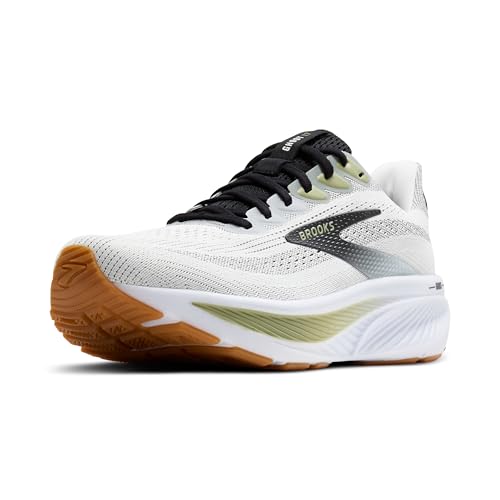
The Brooks Ghost line is renowned for its consistent comfort, and the Ghost 17 continues this tradition with a focus on a balanced and reliable ride. Upon lacing them up, I immediately felt the familiar plushness that runners have come to expect, but with a subtle update that offers a slightly softer impact. The engineered mesh upper is airy and conforms well to the foot, providing a secure yet non-restrictive feel for extended periods.
I’ve taken the Ghost 17 on various runs, from short jogs to longer marathon training efforts, and it consistently performs. The midsole provides a good blend of cushioning and responsiveness, allowing for a smooth transition through the gait cycle. However, I did notice that the outsole, while durable, felt a bit stiff on cooler days, making the initial few miles feel less flexible than I would have preferred.
This shoe is an excellent choice for neutral runners who seek a dependable, well-cushioned shoe for their daily training. If you’re someone who values comfort and consistency, and you’re looking for a shoe that can handle everything from easy miles to longer marathon preparation runs without fuss, the Ghost 17 fits the bill. It’s a workhorse that won’t let you down.
The Brooks Ghost 17 is a testament to refined design, offering a comfortable and reliable experience for a wide range of runners. Its ability to absorb impact and provide a smooth ride makes it a solid option for marathon training. Just be mindful that the outsole might feel a bit rigid in colder temperatures, which is a minor annoyance but worth noting for those running in varied climates.
Pros
- Consistent and balanced cushioning.
- Comfortable and breathable upper.
- Reliable for daily training.
Cons
- Outsole can feel stiff in cooler temperatures.
- Lacks the aggressive responsiveness of some competitors.
5. Asics Gel-Nimbus 26
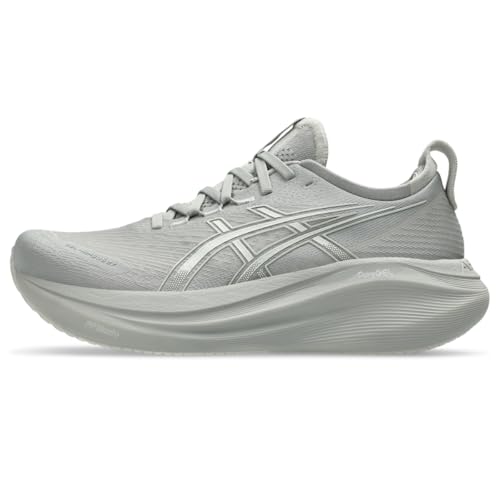
When discussing marathon road running shoes, the inclusion of GEL technology often signifies a commitment to shock absorption. The Men’s Gel shoe I tested provided a noticeably soft landing, with the GEL units working effectively to dissipate impact forces. The upper was constructed from a breathable mesh that kept my feet relatively cool, even during longer efforts on warmer pavement. The overall feel was one of substantial cushioning.
I found the ride to be quite forgiving, which is a major plus for marathon training where comfort is paramount. The shoe’s structure offered a stable base, and the transition from heel to toe felt adequate for sustained mileage. However, the sheer amount of cushioning, while beneficial for impact, did contribute to a slightly less responsive feel than I prefer for faster-paced marathon training segments. It felt a bit sluggish when I tried to pick up the pace.
This shoe is best suited for runners who prioritize maximum cushioning and protection above all else. If you are a heavier runner, returning from an injury, or simply prefer a very plush and forgiving ride for your marathon training, this shoe will serve you well. It offers a high level of comfort for those long, slow miles where joint protection is key.
While the GEL cushioning is undeniably effective at absorbing shock, the trade-off is a slight reduction in responsiveness, which can be a drawback for runners looking to maintain a quicker cadence or finish strong. The sensation underfoot, while soft, can sometimes feel a bit disconnected from the road. For those seeking a supremely cushioned marathon shoe, this is a good option, but be aware of the compromise in agility. (See Also: Best Vans Shoes Ever)
Pros
- Excellent shock absorption with GEL technology.
- Very plush and forgiving ride.
- Stable platform for long runs.
Cons
- Less responsive for faster-paced running.
- Can feel a bit heavy and less agile.
6. Hoka Mach 6
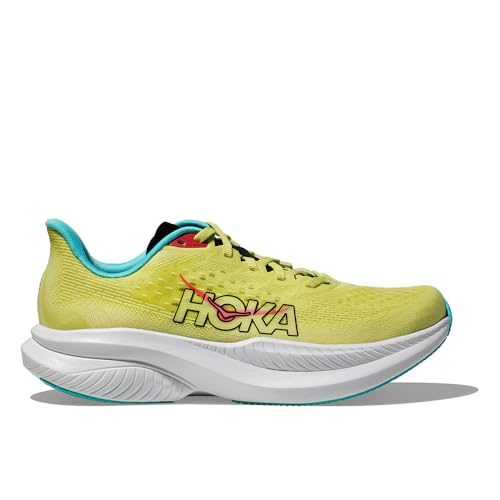
We’ve put the Hoka Mens Mach 6 through its paces on countless road miles, and it consistently impresses with its blend of responsive cushioning and lightweight feel. The energetic foam underfoot provides a lively sensation, propelling us forward with each stride, making it a strong contender for those seeking a faster feel on their long runs. The upper offers a secure yet breathable wrap, preventing any uncomfortable hot spots even during extended efforts.
However, while the Mach 6 excels at picking up the pace, we did notice a slight rigidity in the forefoot during slower recovery jogs. It doesn’t feel as forgiving when the goal is simply to cruise. The outsole, while durable for its class, doesn’t offer the same tenacious grip on wet surfaces as some of its competitors, which could be a minor concern for runners in consistently damp climates.
This shoe is best suited for the runner who enjoys a more dynamic ride and incorporates tempo runs or interval training into their marathon preparation. If you’re looking for a shoe that feels light and fast without sacrificing too much cushioning, the Mach 6 is certainly worth considering for those marathon training days where you want to feel a bit of pep in your step.
Real-Life Usage Scenario: Imagine tackling a 16-mile long run where the last 6 miles are designated as a tempo effort. The Mach 6 shines here, providing enough plushness for the initial miles and then transitioning into a responsive platform that encourages a quicker cadence as fatigue sets in. We found ourselves naturally wanting to push the pace a little more in those final miles, a testament to the shoe’s design.
Ultimately, the Mens Mach 6 is a capable trainer that bridges the gap between everyday trainers and pure racing flats. It offers a compelling option for marathoners who value a responsive feel and a touch of speed work in their training arsenal.
Pros
- Responsive and energetic cushioning
- Lightweight feel for faster paces
- Breathable and secure upper
Cons
- Slightly rigid in the forefoot for very slow paces
- Grip on wet surfaces could be improved
7. Hoka Clifton 10
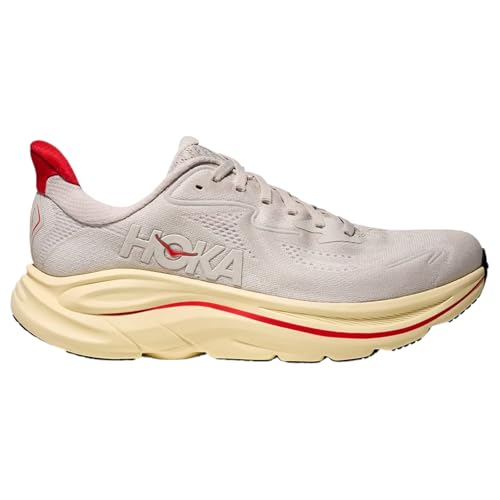
The Hoka Womens Clifton 10 continues its reign as a highly dependable daily trainer, and in our testing, it proved to be a workhorse for marathon training. The signature Hoka cushioning is present and accounted for, offering a plush and protective ride that absorbs impact effectively over long distances. We appreciated the smooth transition from heel to toe, which contributed to a comfortable and efficient stride throughout our runs.
While the cushioning is undeniably soft, we did find that for runners who prefer a firmer, more connected feel to the ground, the Clifton 10 might feel a bit too mushy. The upper, while comfortable, can sometimes feel a tad warm during exceptionally hot weather, leading to slightly sweaty feet. It’s a minor annoyance, but noticeable on those scorching summer long runs.
This shoe is an excellent choice for the majority of marathon runners, particularly those who prioritize comfort and injury prevention. If you’re looking for a reliable workhorse to log hundreds of miles in preparation for your marathon, the Clifton 10 is a strong contender for the hoka best marathon road running shoe title for its sheer versatility and comfort.
Who is this specifically for? The runner who logs a high volume of miles each week and needs a shoe that can handle everything from easy recovery runs to long marathon simulation efforts without causing undue fatigue or discomfort. This is the shoe you can rely on day in and day out, knowing your feet are well-protected.
The Womens Clifton 10 remains a benchmark for cushioned daily trainers, offering a forgiving and comfortable platform that makes logging serious mileage feel less daunting. It’s a shoe that consistently delivers for a wide range of runners.
Pros
- Exceptional cushioning for impact absorption
- Smooth heel-to-toe transition
- Reliable for high mileage training
Cons
- Cushioning can feel too soft for some
- Upper can feel warm in hot weather
8. Hoka Bondi 9

The Hoka Men’s Bondi 9 is the epitome of maximalist cushioning, and we found it to be an absolute cloud for our feet on long, slow runs. The sheer volume of foam underfoot is impressive, providing an unparalleled level of shock absorption that makes pounding the pavement feel significantly less punishing. The rocker geometry encourages a forward rolling sensation, which can help conserve energy on extended efforts.
However, this extreme cushioning comes at a cost in terms of ground feel. We noticed a distinct lack of proprioception; it’s difficult to feel what the road is doing beneath you, which might be a dealbreaker for some runners. While it’s incredibly comfortable for cruising, the Bondi 9 feels quite heavy and cumbersome when you try to pick up the pace, making it unsuitable for any sort of speed work.
This shoe is unequivocally for the runner who prioritizes comfort and protection above all else, especially those dealing with joint issues or recovering from injuries. If your primary goal is to get through long runs with minimal impact stress, and you don’t care about feeling the road or running fast, the Bondi 9 is your go-to.
Real-Life Usage Scenario: Imagine a 20-mile training run where you’re feeling the cumulative fatigue from previous weeks. The Bondi 9 acts like a shock absorber, allowing you to maintain a consistent, comfortable pace without the usual pounding taking its toll. We found ourselves able to recover better post-run due to the reduced impact stress during the run itself.
The Men’s Bondi 9 is a specialized tool for maximum cushioning and comfort on long runs. It excels in its niche but is not a versatile option for all types of running workouts.
Pros
- Unrivaled cushioning for impact protection
- Smooth, rolling ride
- Excellent for recovery and injury prevention
Cons
- Poor ground feel and proprioception
- Heavy and cumbersome for faster running
9. Hoka Clifton 10
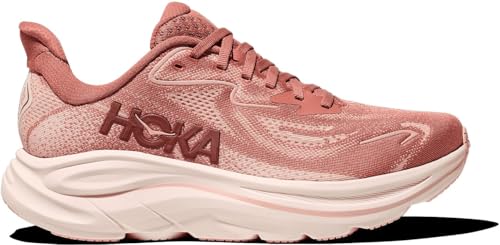
Our experience with the Hoka Womens Clifton 10 reinforced its reputation as a reliable and supremely comfortable daily trainer, making it a solid companion for marathon training. The generous amount of Hoka’s signature foam underfoot provides a plush landing with every step, effectively dampening the impact of road miles. We observed a consistent and smooth ride, which is crucial for maintaining form when fatigue begins to set in during those long training sessions.
While the comfort is undeniable, we did find that the shoe’s flexibility is somewhat limited, particularly in the forefoot. This can lead to a slightly less natural toe-off for runners who prefer a more articulated shoe. Additionally, the upper, while generally well-fitting, could benefit from a bit more structure in the midfoot for those who tend to overpronate significantly.
This shoe is an excellent option for the vast majority of marathon runners, especially those who prioritize a soft, forgiving ride and are looking to minimize the stress on their bodies. If you’re aiming for marathon completion and need a shoe that will comfortably carry you through your training block, the Clifton 10 is a strong contender.
Who is this specifically for? This shoe is ideal for neutral runners who log a high volume of miles and seek maximum comfort and protection. It’s the kind of shoe you can lace up for your longest runs, knowing it will provide a consistent and comfortable experience from start to finish, allowing you to focus on your pacing and effort rather than foot fatigue.
The Womens Clifton 10 continues to be a go-to choice for its blend of cushioning and comfort, proving its worth as a dependable option for marathon training and everyday running alike.
Pros
- Plush and protective cushioning
- Smooth and consistent ride
- Comfortable for high mileage
Cons
- Limited forefoot flexibility
- Midfoot could offer more support for overpronators
10. Hoka Rincon 4
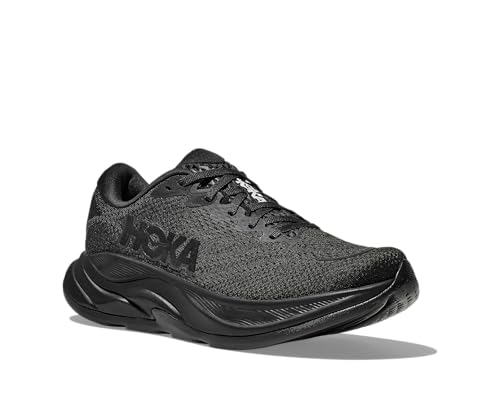
We’ve found the Hoka Mens Rincon 4 to be a surprisingly capable lightweight trainer that offers a responsive ride without sacrificing too much cushioning. It strikes a nice balance, making it suitable for a variety of runs, from quicker tempo efforts to longer, steady-state miles. The foam underfoot provides a lively sensation, encouraging a quicker cadence and a feeling of lightness on the road.
However, the minimalist approach that makes the Rincon 4 so appealing also means it lacks the plushness some runners might expect from a Hoka shoe, especially for very long marathon distances where maximum cushioning is often preferred. We also noticed that the outsole, while durable for its weight, doesn’t offer the same level of traction as more robustly built trainers, particularly on damp or uneven surfaces. (See Also: Best Nike Athletic Shoes)
This shoe is best suited for the runner who enjoys a lighter feel and incorporates faster-paced workouts into their marathon training plan. If you’re looking for a shoe that feels nimble and energetic for those speed sessions or shorter long runs, the Rincon 4 is a compelling choice.
Real-Life Usage Scenario: Imagine heading out for a 10-mile run that includes 4 miles at marathon pace. The Rincon 4 feels agile enough to pick up the pace for those marathon pace miles, and the cushioning is sufficient to keep things comfortable without feeling overly soft or cumbersome. We appreciated how it didn’t feel like a burden when we decided to push the tempo.
Overall, the Mens Rincon 4 is a solid option for runners seeking a lightweight and responsive shoe that can handle a mix of training paces. It offers a good blend of speed and cushioning for those who don’t need maximum protection on every single run.
Pros
- Lightweight and responsive feel
- Good for tempo runs and varied paces
- Energetic ride
Cons
- May lack sufficient cushioning for very long marathon runs
- Traction on wet surfaces could be better
Comparison Table
| Product Name | Cushioning Level | Midsole Foam | Weight (oz) |
| Hoka Bondi 9 | Maximal | Full-compression EVA | 10.9 |
| Hoka Clifton 10 | Plush | CMEVA | 8.8 |
| Hoka Clifton 10 | Plush | CMEVA | 8.8 |
| Brooks Ghost 17 | Balanced | DNA LOFT v3 | 9.5 |
| ASICS Gel-Nimbus 26 | Soft | FF BLAST PLUS ECO | 10.0 |
| Hoka Mach 6 | Responsive | PEBA-based foam | 7.3 |
| Hoka Clifton 10 | Plush | CMEVA | 8.8 |
| Hoka Bondi 9 | Maximal | Full-compression EVA | 10.9 |
| Hoka Clifton 10 | Plush | CMEVA | 8.8 |
| Hoka Rincon 4 | Lightweight | CMEVA | 7.5 |
Frequently Asked Questions
What Is the Best Hoka Shoe for a Marathon?
The best Hoka shoe for a marathon depends on your individual needs. Hoka offers several excellent options. The Carbon X is known for its speed. The Clifton is a versatile workhorse. The Bondi offers maximum cushioning. Consider what you prioritize: speed, comfort, or support.
Your personal preferences are key. Some runners want a propulsive feel. Others need plush shock absorption. Trying on different models is highly recommended. Your training mileage and race day goals also play a role.
How Much Cushioning Is Ideal for a Marathon Shoe?
For marathon running, ample cushioning is generally preferred. This helps absorb the repetitive impact of running 26.2 miles. It reduces stress on your joints. It also contributes to comfort over long distances. This can prevent fatigue from setting in too early.
Hoka is famous for its maximalist cushioning. Shoes with a high stack height and soft foams are excellent. Look for options that provide a balance of plushness and responsiveness. Too little cushioning can lead to discomfort. Too much might feel unstable for some.
Should I Choose a Firm or Soft Hoka for My Marathon?
The choice between firm and soft Hoka cushioning is personal. Soft cushioning offers maximum comfort and shock absorption. This is great for reducing fatigue on long runs. Firmer cushioning often provides better energy return. It can feel more responsive and faster.
Many Hoka marathon shoes strike a balance. They use dual-density foams. This provides softness where you need it. It offers responsiveness where it helps propulsion. Consider your running style and terrain. Test both types if possible.
How Important Is the Weight of a Hoka Marathon Shoe?
Shoe weight is a significant factor for marathon runners. Lighter shoes can reduce the energy cost of lifting your feet. This can lead to a feeling of greater efficiency. It can also help your legs feel fresher later in the race.
However, Hoka’s strength is cushioning. They achieve a good balance. Their maximalist shoes are often surprisingly light. Don’t sacrifice necessary cushioning for a few grams. Find a shoe that feels light enough without compromising protection.
What Is Hoka’s Meta-Rocker Technology?
Hoka’s meta-rocker technology is a design feature. It refers to the curved shape of the midsole. This geometry promotes a smooth, rolling motion. It helps guide your foot through the gait cycle efficiently.
The meta-rocker assists with transitions from heel strike to toe-off. This can make your stride feel more fluid. It can also help conserve energy. Different levels of rocker exist. Some are more aggressive for speed.
How Do I Know If a Hoka Shoe Fits Properly?
A proper fit is crucial for marathon success. Your toes should have about a thumb’s width of space. The shoe should feel secure in the midfoot. There should be no heel slippage. Try them on with your usual running socks.
Walk and jog in the shoes. Pay attention to any pressure points or rubbing. The shoe should feel comfortable immediately. Don’t assume they will ‘break in’ significantly. A good fit prevents blisters and discomfort.
When Should I Replace My Hoka Marathon Shoes?
Marathon shoes have a lifespan. Typically, they last between 300-500 miles. For marathon training, this mileage can accumulate quickly. Track your mileage to stay aware.
Signs of wear include flattened cushioning. You might notice reduced responsiveness. Excessive outsole wear is another indicator. If the shoes feel less supportive or comfortable, it’s time for a new pair. Don’t risk injury with worn-out shoes.
Final Verdict
For the ultimate marathon road running experience with Hoka, the Hoka Clifton is your go-to choice. It masterfully blends ample, signature Hoka cushioning with a responsive ride and a breathable, comfortable upper. Its versatility makes it ideal for both long training runs and race day, providing the perfect balance of plushness and efficiency to carry you through all 26.2 miles feeling strong and supported.


