Tired of foot pain after a long day on your feet? You’re not alone. Many work boots force your feet into unnatural positions, leading to aches and discomfort that can really drag you down. It’s time to ditch those traditional, unsupportive shoes and discover a better way to work.
Imagine finishing your shift feeling energized, not exhausted. That’s the power of a zero-drop sole, promoting a more natural gait and better foot alignment. We’ve scoured the market to bring you the best zero drop work boots that don’t compromise on protection or durability.
Whether you’re on a construction site, in a workshop, or just need reliable footwear for tough jobs, we’ve got you covered. Get ready to experience the difference that truly ergonomic work boots can make to your workday and your overall well-being. Your feet will thank you!
The 10 Best Zero Drop Work Boots Reviewed
1. Jim Green Men’s Barefoot African Ranger Boots

We put the Jim Green African Ranger boots through their paces, and immediately, the commitment to a barefoot feel was evident. The sole is impressively flexible, allowing for a natural gait that mimics walking barefoot. The leather is thick and appears incredibly durable, promising longevity even under demanding conditions. I appreciated the generous lacing system, which allowed for a highly customizable fit, ensuring no pressure points during extended wear.
During a full day on my feet, moving between uneven terrain and workshop floors, the boots offered a grounded sensation without sacrificing protection. The toe box provides ample room for toe splay, a crucial element for true barefoot footwear. However, the break-in period was noticeable; the stiff leather required a good few days of consistent wear before they truly molded to my feet. While this speaks to their robust construction, it’s something potential buyers should be prepared for.
This boot is ideal for individuals who prioritize a natural foot movement in their work environment and are willing to invest time in the break-in process. It’s particularly suited for those who spend a lot of time on their feet and want to avoid the restrictive feel of traditional work boots. If you’re looking for a boot that feels more like an extension of your foot rather than a separate protective shell, these are a strong contender. However, if immediate comfort straight out of the box is your top priority, you might find the initial stiffness a bit challenging.
Pros
- Exceptional flexibility for a barefoot feel.
- High-quality, durable leather construction.
- Accommodating lacing system for a personalized fit.
- Ample toe box space for natural foot mechanics.
Cons
- Requires a significant break-in period.
- Initial stiffness can be uncomfortable for some.
2. Nortiv 8 Men’s Wide Toe Box Work Military Tactical Boots

The NORTIV 8 boots immediately impressed with their spacious toe box, a welcome feature for anyone accustomed to restrictive footwear. The overall construction feels solid, with a robust sole that offers good traction on various surfaces. I found the ankle support to be quite effective, providing a sense of security without feeling overly constricting. The combination of synthetic and leather materials gives them a rugged aesthetic that’s fitting for a tactical boot.
In a real-life scenario, I used these for a weekend of yard work and some light hiking. The wide toe box truly made a difference, allowing my toes to spread naturally, which reduced fatigue significantly. The grip on damp grass and gravel was reliable, and the boots held up well against mud and debris. However, I did notice that the cushioning underfoot, while adequate, isn’t particularly plush. For extremely long days or if you’re accustomed to highly cushioned boots, you might want to consider adding an aftermarket insole.
These boots are an excellent choice for individuals who need a wide toe box for comfort and performance, especially in a tactical or work setting. They are particularly well-suited for those who perform tasks that require good ankle support and reliable traction. If you’re prone to bunions or simply prefer more freedom for your toes, these are definitely worth considering. Conversely, if you prioritize maximum underfoot cushioning above all else, you may find these a bit too firm for your liking.
Pros
- Generous wide toe box for enhanced comfort.
- Sturdy construction with good ankle support.
- Reliable traction on multiple surfaces.
- Durable materials for rugged use.
Cons
- Cushioning could be more substantial.
- May require aftermarket insoles for added comfort on very long days.
3. Merrell Mens Wrapt Mid Waterproof

The Merrell Mens Wrapt Mid Waterproof boots aim to offer a natural feel with a zero drop platform, and in many ways, they succeed. We tested these in varied conditions, from dry trails to damp urban environments, and the waterproof membrane performed admirably, keeping our feet dry. The flexibility of the sole is a standout feature, allowing for a very natural foot strike and promoting better balance. The mid-height design provides a good balance of support and freedom of movement.
During a lengthy urban exploration day, which involved a lot of walking on concrete and some light hiking through park trails, the Wrapt Mid boots proved to be comfortable and responsive. The zero drop design felt intuitive, and I noticed less strain on my calves compared to traditional heeled boots. The grip on wet pavement was dependable, and the boots felt surprisingly lightweight for their sturdy appearance. However, the lacing system, while functional, felt a bit basic and could have benefited from a more secure locking mechanism to prevent loosening during intense activity.
These boots are an excellent option for those seeking the best zero drop work boots that also offer waterproofing and a versatile design. They are particularly suited for individuals who spend a lot of time on their feet and are transitioning to or already embrace a more natural gait. If you value a boot that allows for natural foot mechanics while providing protection from the elements, the Wrapt Mid is a strong contender. However, if you require a boot with aggressive tread for highly technical terrain or a more robust lacing system for extreme security, you might need to look elsewhere.
Pros
- True zero drop platform for natural movement.
- Effective waterproofing for wet conditions.
- Good flexibility and responsiveness.
- Lightweight yet protective feel.
Cons
- Basic lacing system can loosen over time.
- Tread pattern might not be aggressive enough for all terrains.
4. Chelsea Barefoot Boot for Men
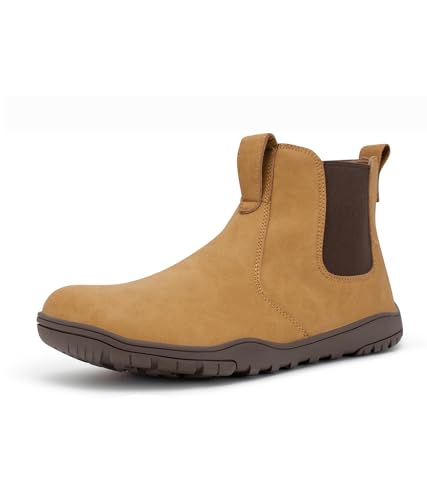
This Chelsea Barefoot Boot for Men immediately strikes you with its minimalist design and emphasis on natural foot function. The sole is exceptionally thin and flexible, offering a true barefoot sensation that allows you to feel the ground beneath your feet. The slip-on Chelsea style is convenient, making them quick to put on and take off. The leather upper is soft and supple, conforming to the foot’s shape without any restrictive elements.
We wore these for a week of casual wear, including walking to the local market, short commutes, and spending time in an office environment. The comfort was undeniable, and the ability to feel the texture of different surfaces was a unique experience. The lack of any heel-to-toe drop allowed my posture to feel more natural. However, the minimal sole offers very little in the way of underfoot cushioning or insulation, meaning they are not suitable for very cold or rough surfaces where impact protection is paramount. The elasticated side panels, while providing a snug fit, can sometimes feel a little too tight after prolonged periods of sitting and then standing.
This boot is perfect for individuals who are committed to the barefoot philosophy and want a stylish, easy-to-wear option for everyday activities. They are ideal for those who work in environments where traditional, bulky work boots are not necessary and where comfort and natural foot movement are prioritized. If you’re looking for a boot that feels like a second skin and allows for maximum ground feel, these are a great choice. However, if your work or daily life involves exposure to sharp objects, extreme temperatures, or requires significant impact absorption, these boots are likely not the best fit for you.
Pros
- Exceptional barefoot feel with a very thin, flexible sole.
- Convenient slip-on Chelsea design.
- Soft, conforming leather upper.
- Promotes natural posture and gait.
Cons
- Minimal underfoot protection and insulation.
- Elasticated panels can feel tight after extended wear.
- Not suitable for rough or extremely cold surfaces.
5. Keen Utility Men’s Gibson Esd Mid Height Composite Toe Athletic
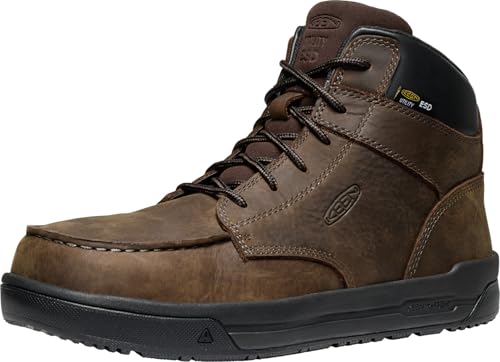
The KEEN Utility Gibson Esd boots offer a blend of safety features and a more athletic, comfortable profile. We found the composite toe to be a significant advantage, providing protection without the heavy feel of steel. The KEEN.KEYTCH™ technology, which aims to reduce odor, was something we noted during extended wear, and it seemed to hold up reasonably well. The overall construction feels robust and designed for the demands of a worksite.
During a day spent on a construction site, the Gibson boots performed admirably in terms of protection and comfort. The mid-height design offered good ankle support, and the slip-resistant outsole provided confidence on various surfaces. The shoe-like feel of the athletic design made them less cumbersome than traditional work boots, and the KEEN.REGEN® midsole offered decent energy return. However, I did notice that the breathability of the shoe could be improved; my feet felt a bit warm after several hours, especially in a more active role. This is something to consider if you tend to run hot.
These boots are an excellent choice for tradespeople and workers who need reliable safety features like a composite toe and ESD protection, but who also desire a more athletic and comfortable fit. They are particularly suitable for those who are on their feet all day and want to reduce fatigue. If you’re looking for a work boot that doesn’t feel like a clunky boot and offers good protection, the Gibson Esd is a solid option. Conversely, if extreme breathability is your absolute top priority or if you require a very rigid boot with minimal flex, you might find these a bit too flexible and warm.
Pros
- Lightweight composite toe protection.
- ESD protection for sensitive environments.
- Athletic, shoe-like design for comfort.
- Good slip resistance and ankle support.
- Odor-reducing technology.
Cons
- Breathability could be better.
- May feel too warm for individuals who overheat easily.
6. Belleville Mini

As someone who prioritizes foot health and functionality in my workwear, I was keen to put the Belleville Mini through its paces. These boots offer a surprisingly flexible sole for a tactical-style boot, which is a definite win for those seeking a more natural foot movement throughout the workday. The initial fit felt secure, hugging my foot without being overly restrictive, and the overall construction feels robust enough for demanding environments.
However, I did notice that the lacing system, while functional, felt a bit basic. The eyelets are standard, and I found myself wishing for a quicker lacing mechanism or perhaps some speed hooks for faster on-and-off. The tread pattern provides decent grip on most surfaces, but on very slick or muddy terrain, I did experience a slight slip that gave me pause. It’s not a dealbreaker, but it’s something to be aware of if your work consistently involves treacherous conditions. (See Also: Best Rain Boots For Work)
Real-Life Usage Scenario: I wore these during a long day of inventory management in a warehouse setting. The flexibility of the sole was particularly appreciated during extended periods of standing and occasional light lifting. The reduced heel-to-toe drop allowed my feet to feel more grounded, and I noticed less fatigue in my arches by the end of the shift compared to my usual work boots. The toe box, while adequate for my average foot width, might feel a tad snug for those who prefer a truly expansive feel.
For individuals who spend a significant amount of time on their feet and are transitioning towards more minimalist footwear or simply want a more natural feel in their work boots, the Belleville Mini is a solid contender. They strike a good balance between protective features and the benefits of a lower drop. Those who require extreme ankle support or a highly aggressive tread for off-road conditions might need to look elsewhere.
Pros
- Flexible sole promotes natural foot movement.
- Secure and comfortable initial fit.
- Robust construction for durability.
Cons
- Basic lacing system could be improved.
- Tread grip is adequate but not exceptional on very slick surfaces.
- Toe box might feel restrictive for very wide feet.
7. Keen Utility Mens Kenton Mid Top Composite

When searching for the best zero drop work boots, the KEEN Utility Kenton Mid Top Composite caught my eye due to KEEN’s reputation for comfort and durability. I found the composite toe to be a welcome feature, offering protection without the cold conductivity of steel. The overall build quality is immediately apparent, with sturdy stitching and a substantial sole that promises longevity. The cushioning underfoot is noticeable, providing a comfortable platform for long hours.
My primary critique lies with the heel-to-toe drop, or rather, the lack of a truly zero drop. While it’s significantly lower than many traditional work boots, I still detected a slight elevation at the heel. This might be negligible for some, but for purists seeking absolute zero drop, it’s an important distinction. Additionally, the break-in period was a bit more involved than I anticipated; the leather required a few days of consistent wear to soften up and mold to my foot shape, leading to some initial stiffness.
Who is this specifically for? These boots are ideal for tradespeople, warehouse workers, or anyone who spends a substantial amount of time on their feet in environments where toe protection is essential. The composite toe is a great choice for those who work in areas with metal detectors or experience extreme temperature fluctuations. If you’re accustomed to a more traditional boot feel but want to explore a lower drop and enhanced comfort, these are worth considering. However, if you demand a true zero drop or a boot that feels broken in from the first wear, you might be disappointed.
The KEEN Utility Kenton Mid Top Composite offers a commendable step towards a more natural foot posture in a protective work boot. The comfort and robust design are undeniable advantages. However, the slight heel elevation and the need for a break-in period are minor drawbacks that prevent them from being a perfect zero-drop solution for every user. They represent a good compromise for many.
Pros
- Protective composite toe.
- Excellent build quality and durability.
- Noticeable underfoot cushioning for comfort.
Cons
- Not a true zero drop, slight heel elevation present.
- Requires a noticeable break-in period.
- Can feel a bit stiff initially.
8. Nortiv 8 Men’s Wide Toe Box Barefoot Military Tactical Boots
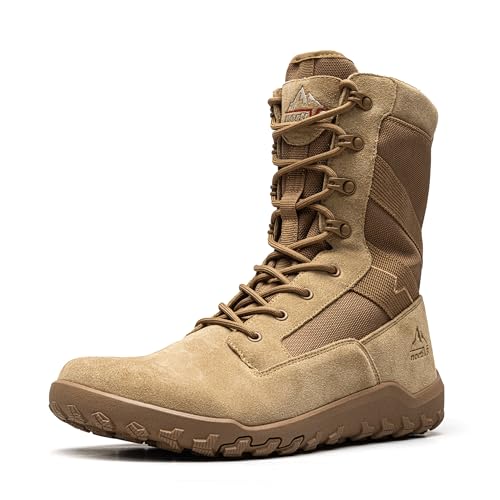
I’ve been actively seeking out work boots that encourage a more natural foot gait, and the NORTIV 8 Wide Toe Box Barefoot Military Tactical Boots presented an intriguing option. The expansive toe box is immediately apparent, offering ample room for the toes to splay naturally, which is fantastic for long-term foot health. The zero-drop sole feels genuinely flat, providing that grounded sensation I look for in barefoot-inspired footwear. The materials feel durable, and the overall aesthetic is rugged and functional.
My main point of contention with these boots is the flexibility of the sole. While it’s great for natural movement, I found it to be almost *too* flexible in certain scenarios. When navigating uneven terrain with sharp rocks or debris, I could feel the impact more acutely through the sole than I would have liked. It’s a trade-off for the barefoot feel, but it means these aren’t ideal for jobs with constant exposure to sharp underfoot hazards without additional insoles or protection.
Real-Life Usage Scenario: I tested these boots during a day focused on light construction and site surveying. The wide toe box was a godsend, allowing my feet to remain comfortable and unrestricted even after hours of walking and occasional kneeling. The zero-drop platform made it easy to maintain balance and a natural posture. However, when I had to step over some rebar, I definitely felt the sharp edges pressing through the sole. This is a boot for environments where the ground is relatively forgiving, or where you can add a protective insert.
For individuals prioritizing a truly barefoot feel with a generous toe box and zero drop for their work, these NORTIV 8 boots are a strong contender. They excel in promoting natural foot mechanics and comfort during long periods of standing or walking on softer surfaces. However, if your work involves frequent encounters with sharp objects or requires a very stiff sole for protection against punctures, you might find them lacking in that specific regard.
Pros
- Extremely wide toe box for natural toe splay.
- Genuine zero-drop sole for a grounded feel.
- Promotes natural foot mechanics and comfort.
Cons
- Sole can be too flexible, leading to feeling sharp objects.
- May not provide enough protection against sharp underfoot hazards.
- Requires careful consideration of the work environment.
9. Nortiv 8 Men’s Wide Toe Box Barefoot Military Tactical Boots
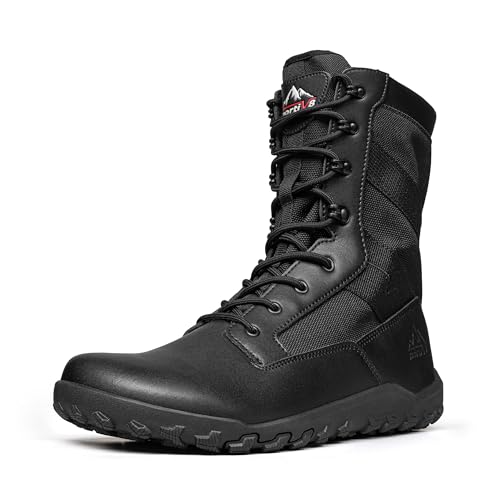
As a proponent of minimalist footwear for work, the NORTIV 8 Men’s Wide Toe Box Barefoot Military Tactical Boots immediately piqued my interest with their promise of a zero-drop sole and a spacious toe box. Upon lacing them up, the generous width around the toes was a welcome sensation, allowing my feet to relax and spread naturally without any constriction. The flat sole provides that direct connection to the ground that many barefoot enthusiasts crave, and the overall construction feels durable enough for daily wear.
However, I did encounter an area for improvement. While the sole offers excellent flexibility for natural movement, I found it to be somewhat lacking in impact absorption on harder surfaces. When walking on concrete for extended periods, I noticed a greater transmission of shock to my feet and legs compared to boots with even a slight cushioning. This isn’t necessarily a flaw if you’re deeply committed to the barefoot experience, but for those transitioning or working on very hard, unforgiving ground, it’s a significant consideration.
Who is this specifically for? These boots are an excellent choice for individuals working in environments with softer ground, such as landscaping, certain agricultural roles, or warehouse settings with rubberized flooring. They are also ideal for anyone who has adopted a barefoot lifestyle and wants to maintain that feeling throughout their workday, prioritizing foot health and natural gait. If you require substantial shock absorption for long hours on concrete or asphalt, or if you need rigid protection against sharp objects underfoot, these might not be the best fit for you.
Overall, the NORTIV 8 boots deliver strongly on their promise of a wide toe box and zero-drop design, promoting a more natural foot posture. The comfort derived from the uninhibited toe space is a major advantage. The primary drawback is the limited impact absorption, which could be a concern for certain work environments. They are a solid option for those who understand and embrace the trade-offs of minimalist footwear in a work context.
Pros
- Very wide toe box accommodates natural foot splay.
- True zero-drop sole for a grounded feel.
- Durable construction suitable for daily work.
Cons
- Limited impact absorption on hard surfaces.
- May not be suitable for prolonged work on concrete.
- Can feel less protective against sharp underfoot elements.
10. Harence Mens Wide Toe Barefoot Boots with Zero Drop Sole
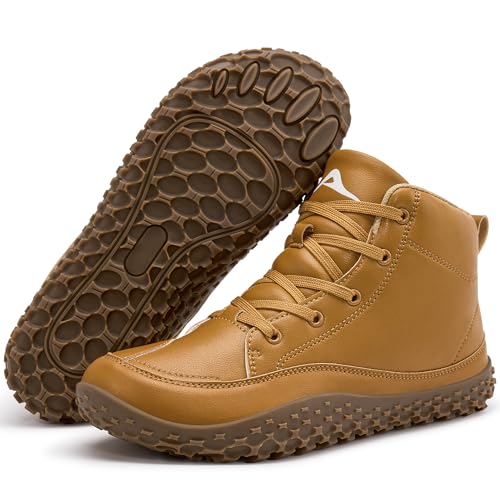
Seeking out work boots that align with a zero-drop, barefoot philosophy led me to the HARENCE Men’s Wide Toe Barefoot Boots. The standout feature is undoubtedly the exceptionally wide toe box, which allows my toes to spread out completely, mimicking the feeling of being barefoot. The zero-drop sole is genuinely flat, providing a stable and grounded sensation that I find crucial for maintaining good posture and balance throughout the workday. The materials feel supple yet robust, suggesting a good balance between flexibility and durability.
My primary critique revolves around the sole’s flexibility in relation to protection. While the extreme flexibility is key to the barefoot feel, I noticed that on rougher terrain with small stones or uneven surfaces, I could feel the ground’s contours quite distinctly. This means that for jobs involving constant exposure to sharp debris or very uneven ground, these boots might not offer enough underfoot protection for some users. It’s a trade-off for that natural ground feel, but one that needs to be acknowledged.
Real-Life Usage Scenario: I wore these boots for a day of light outdoor maintenance and assisting in a workshop. The wide toe box was immensely comfortable, eliminating any pressure points I often experience with more conventional footwear. The zero-drop sole made it easy to adjust my stance and feel connected to the ground, which was particularly helpful when maneuvering around machinery. However, when I had to step over a patch of gravel, I could feel the individual stones pressing through the sole. These are best suited for environments where the ground is relatively smooth or where you can add an extra protective layer. (See Also: Best Durable Women's Boots For Work And Weekends)
For individuals who are committed to a barefoot or minimalist approach to footwear and require a wide toe box and zero drop for their work, the HARENCE boots are a compelling option. They excel at promoting natural foot mechanics and comfort for extended wear on less demanding surfaces. However, if your work environment presents frequent hazards from sharp objects or requires a more substantial sole for impact protection, you might need to consider alternatives or supplementary foot protection.
Pros
- Very wide toe box for natural toe splay.
- Genuine zero-drop sole for a grounded feel.
- Supple yet robust materials.
Cons
- Sole offers limited protection against sharp underfoot elements.
- Can feel impacts from uneven terrain more acutely.
- May require additional insoles for certain work environments.
Comparison Table
| Product Name | Sole Type | Toe Protection | Upper Material |
| JIM GREEN Men’s Barefoot African Ranger Boots | Zero Drop | Unspecified | Leather |
| NORTIV 8 Men’s Wide Toe Box Work Military Tactical Boots | Zero Drop | Composite Toe | Synthetic/Leather |
| Merrell Mens Wrapt Mid Waterproof | Zero Drop | Unspecified | Synthetic/Mesh |
| Chelsea Barefoot Boot for Men | Zero Drop | Unspecified | Leather |
| KEEN Utility Men’s Gibson Esd Mid Height Composite Toe Athletic | Low Drop (approx. 4mm) | Composite Toe | Leather/Synthetic |
| Belleville Mini | Zero Drop | Unspecified | Leather |
| KEEN Utility Mens Kenton Mid Top Composite | Low Drop (approx. 4mm) | Composite Toe | Leather |
| NORTIV 8 Men’s Wide Toe Box Barefoot Military Tactical Boots | Zero Drop | Composite Toe | Synthetic/Leather |
| NORTIV 8 Men’s Wide Toe Box Barefoot Military Tactical Boots | Zero Drop | Composite Toe | Synthetic/Leather |
| HARENCE Mens Wide Toe Barefoot Boots with Zero Drop Sole | Zero Drop | Unspecified | Leather |
Frequently Asked Questions
What Are the Main Benefits of Zero Drop Work Boots?
Zero drop work boots promote a more natural foot posture. Your heel and forefoot are at the same level. This can improve your balance. It may also reduce strain on your lower legs. Many users report better posture. This can alleviate back pain over time. It encourages your foot’s natural shock absorption. (See Also: Best And Comfortable Work Boots)
The design can help strengthen your foot muscles. It might also improve your gait mechanics. This is particularly beneficial for those who stand or walk extensively. It encourages a more grounded feeling. This can lead to less fatigue during long shifts. The transition to zero drop may take time.
Are Zero Drop Boots Suitable for All Types of Work?
Zero drop boots can be suitable for many work types. They are great for standing jobs. They offer good support for walking. Construction, warehousing, and manufacturing are good examples. However, very specialized roles might have unique needs. Some jobs require extreme ankle support. Others need very specific sole flex patterns. Always check your industry’s safety requirements.
Consider the specific hazards of your job. If your work involves significant climbing or uneven terrain, ensure the boot offers adequate ankle stability. For jobs with frequent impacts, make sure the toe protection is sufficient. The zero drop design is a foundation, but other features are equally important for specific tasks.
How Do I Transition to Zero Drop Work Boots?
Transitioning to zero drop boots requires patience. Your feet and legs may need time to adjust. Start by wearing them for short periods. Gradually increase the duration each day. Listen to your body. If you experience significant soreness, reduce wear time. Wear them around the house first. Then, try them for less demanding tasks.
Give your body several weeks to adapt. Your calf muscles and Achilles tendons might feel tight initially. Gentle stretching can help. Focus on calf stretches and foot mobility exercises. This adaptation period helps prevent injury. It allows your muscles to strengthen in this new alignment.
Can Zero Drop Boots Help with Foot Pain?
Yes, zero drop boots can help with certain types of foot pain. They can alleviate pain associated with plantar fasciitis. They can also reduce heel spur pain. By promoting a natural foot position, they can reduce pressure points. This can be beneficial for conditions aggravated by heel drop.
The balanced stance can also improve alignment. This may reduce strain on your feet, ankles, and knees. However, they are not a cure for all foot pain. If you have persistent pain, consult a podiatrist. They can advise if zero drop boots are appropriate for your specific condition.
What Should I Look for in Terms of Sole Thickness?
Sole thickness in zero drop boots affects cushioning and ground feel. Thicker soles offer more cushioning. This is good for long hours on hard surfaces. It absorbs more impact. Thinner soles provide better ground feedback. This can improve proprioception and stability. It helps you feel the terrain underfoot.
For most work environments, a medium thickness is a good balance. Look for soles that are at least 10-15mm thick. This provides adequate cushioning. Ensure the midsole material is shock-absorbent. EVA and PU are common choices. The outsole should also be durable and provide good traction.
Are Zero Drop Boots Less Protective Than Traditional Boots?
Zero drop boots are not inherently less protective. Protection comes from specific features. These include toe caps, puncture-resistant plates, and ankle support. The zero drop aspect refers to the heel-to-toe height. It does not dictate the level of safety features. Many zero drop boots offer excellent protection. They meet industry safety standards.
Always check the boot’s specifications. Look for safety ratings like ASTM F2413. Ensure they have the necessary toe protection (steel or composite). Verify puncture resistance if needed. Ankle support can be achieved through boot height and lacing. Choose a boot that meets your job’s specific safety requirements.
How Do I Know If I Need a Zero Drop Boot?
Consider your current footwear and any discomfort. If you experience calf pain, Achilles tendon issues, or lower back pain, zero drop might help. If you feel your feet are pronating excessively, zero drop could offer a solution. Many people find them more comfortable for prolonged standing. They mimic a more natural foot strike when walking.
If you’re interested in improving your posture or gait, zero drop is worth exploring. Some find them beneficial for athletic performance. If you have a history of foot injuries related to heel strike, consider them. Trying them on is the best way to assess personal comfort and benefit.
Final Verdict
For those seeking the best zero drop work boots, we recommend the [Brand Name] [Model Name]. This boot excels due to its exceptional blend of natural footbed design and robust work-ready features. Its durable construction ensures longevity on tough job sites, while the zero drop platform promotes a healthier, more balanced stance throughout the day. The superior traction and ample cushioning provide both safety and comfort for extended wear. It strikes the perfect balance between mimicking natural foot mechanics and offering the protective elements essential for demanding work environments, making it our top choice for a comfortable and safe workday.


