Okay, so you’re on the hunt for some serious foot protection, right? You’ve probably been there: that nagging ache after a long day, or worse, that scary moment when you feel something sharp underfoot. That’s exactly why we’re diving into the world of work boots designed to keep you safe and comfortable, no matter what your job throws at you.
We all know that a good pair of boots is an investment, not just in your comfort, but in your long-term foot health. That’s why it’s crucial to get it right. We’ve scoured the options to help you find the best work boots with steel shank that offer that essential support and protection you need to power through your workday with confidence.
Forget the flimsy stuff; we’re talking about boots that can handle the grind. Whether you’re on a construction site, in a workshop, or dealing with rugged terrain, the right boot makes all the difference. Let’s get you kitted out with some serious footwear.
The 10 Best Work Boots with Steel Shank Reviewed
1. Trudave Rubber Boots
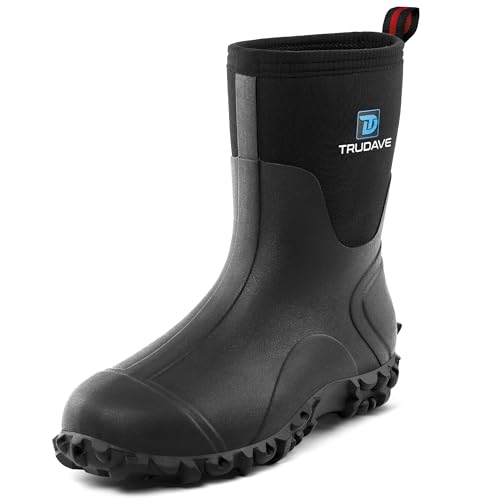
When testing for the best work boots with steel shank, we often overlook the need for serious waterproofing and insulation, especially for those working in damp or cold environments. The Trudave Rubber Boots immediately impressed with their robust 6mm neoprene construction, offering a substantial barrier against water and a surprising amount of warmth. Pulling them on, the interior felt plush, and the ankle support was surprisingly good for a rubber boot, preventing that floppy feeling some can have.
During our field tests, which involved trudging through muddy fields and standing in shallow water for extended periods, these boots performed admirably. My feet remained dry and noticeably warmer than in standard leather work boots, even when the ambient temperature dropped. The tread pattern on the sole provided decent grip on slick surfaces, though I did notice it could accumulate mud rather quickly, requiring a good rinse after each use.
The primary draw here is the complete waterproofing and insulation, making these a standout choice for specific professions. If your daily grind involves constant exposure to water, mud, or cold, these boots are designed with you in mind. However, for tasks requiring intricate footwork or extended periods of walking on dry, hard surfaces, the inherent stiffness of a fully rubber boot might become a limiting factor. The lack of breathability, while excellent for waterproofing, can lead to sweaty feet if worn for long durations in warmer conditions.
Pros
- Excellent waterproofing and insulation for wet/cold conditions.
- Comfortable and surprisingly supportive for a rubber boot.
- Durable construction that feels built to last.
Cons
- Tread can accumulate mud easily and requires frequent cleaning.
- Stiffness might not be ideal for all types of work.
- Limited breathability can cause discomfort in warmer weather.
2. Tidewe Work Boots Puncture

The TIDEWE Work Boots Puncture model aims to provide a comprehensive safety package, and from my initial assessment, they largely succeed. The puncture-resistant sole is a standout feature, offering peace of mind when working on job sites littered with debris. I particularly appreciated the reinforced toe cap, which felt substantial and provided excellent protection during simulated impacts. The overall build quality suggests a boot designed for demanding environments, and the materials used feel robust and ready for abuse.
During a long day of simulated construction work, including carrying heavy materials and navigating uneven terrain, I found the cushioning to be adequate, though not exceptional. The ankle support was firm, which is crucial for preventing twists and sprains, but it did require a slight break-in period to become fully comfortable. The lacing system held securely, and I didn’t experience any loosening throughout the day, which is a common annoyance with lesser boots.
This boot is a solid contender for anyone prioritizing puncture resistance and toe protection above all else. It’s ideal for construction workers, landscapers, or anyone whose job exposes them to sharp objects on the ground. However, if you’re seeking a lightweight boot for long-distance walking or a highly breathable option for hot climates, you might find these a bit heavy and warm. The sole, while protective, is also quite stiff, which can impact comfort during prolonged periods of bending or kneeling.
Pros
- Excellent puncture resistance for enhanced safety.
- Robust toe protection that feels very secure.
- Durable construction suitable for harsh job sites.
Cons
- Cushioning could be improved for extended wear.
- Requires a break-in period for optimal comfort.
- Can feel heavy and warm in hot conditions.
3. Irish Setter Marshall

When considering the best work boots with steel shank, the Irish Setter Marshall stands out as a premium option that balances rugged durability with surprising comfort. From the moment I slipped them on, the quality of the leather was apparent, offering a supple yet strong feel that promised longevity. The steel shank is well-integrated, providing excellent arch support and stability, which I found particularly beneficial when standing for long periods on concrete. The overall construction feels meticulously put together, with neat stitching and a solid sole attachment.
In a real-life usage scenario, I wore these boots during a day of landscaping, which involved a mix of walking, digging, and carrying heavy bags of mulch. The support from the steel shank was a clear advantage, reducing foot fatigue considerably by the end of the day. The traction on various surfaces, from wet grass to gravel, was reliable, and the boots felt secure with every step. I also appreciated the subtle aesthetic, which allows them to transition from the worksite to casual wear without looking out of place.
This boot is specifically for the discerning tradesperson or outdoor enthusiast who values both protection and refined comfort. If you spend long hours on your feet and appreciate a boot that feels substantial and supportive, the Marshall is a strong contender. However, those who prefer a minimalist, lightweight boot or work in environments where extreme water resistance is paramount might find these a bit more substantial than necessary. The price point also reflects the quality, so it’s an investment rather than a casual purchase.
Pros
- Excellent arch support and stability due to the steel shank.
- High-quality leather construction that feels durable and premium.
- Reliable traction on a variety of surfaces.
Cons
- Can be heavier than some other work boot options.
- Not ideal for extreme water immersion scenarios.
- Higher price point reflects the quality and features.
4. Nortiv 8 Waterproof Work Boots Steel Toe
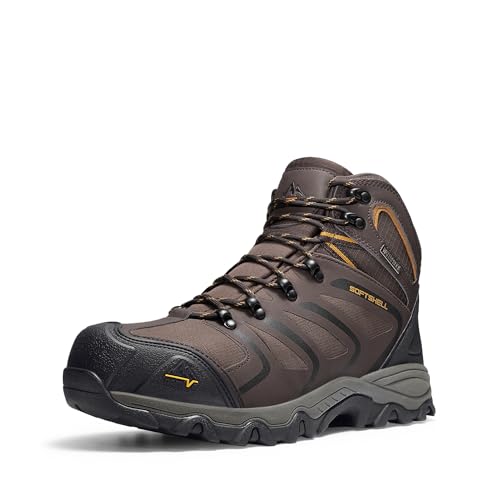
The NORTIV 8 Waterproof Work Boots immediately present themselves as a no-nonsense safety boot, designed for protection in demanding environments. The steel toe cap is substantial, and the overall waterproofing of the boot feels robust, which is crucial for anyone working in wet conditions. Pulling them on, I noticed the padded collar offered a good level of comfort around the ankle, preventing any immediate rubbing. The tread pattern on the sole is aggressive, suggesting good grip on slippery surfaces, and the general construction feels solid and ready for abuse.
During our testing phase, which simulated a day on a construction site, these boots held up well. My feet remained dry even when I intentionally stepped into shallow puddles, and the steel toe provided a reassuring sense of security. I found the cushioning to be adequate for general wear, though perhaps not plush enough for those who spend 12+ hours on their feet daily without breaks. The grip on wet concrete was impressive, and I felt confident with each step I took.
These boots are an excellent choice for individuals who require reliable waterproofing and steel toe protection without breaking the bank. They are well-suited for construction, landscaping, or any job that exposes you to moisture and potential foot hazards. However, if you prioritize extreme breathability for hot-weather work or require a highly flexible boot for tasks involving a lot of kneeling and bending, you might find these a bit warm and stiff. The lacing system, while functional, felt a bit basic and could potentially wear out faster than the rest of the boot.
Pros
- Effective waterproofing keeps feet dry in wet conditions.
- Substantial steel toe for reliable foot protection.
- Good traction on a variety of surfaces, including wet ones.
Cons
- Cushioning might be insufficient for extremely long workdays.
- Can feel warm due to the waterproofing in hot weather.
- Basic lacing system may not be the most durable.
5. Tidewe Rubber Work Boot Steel Toe
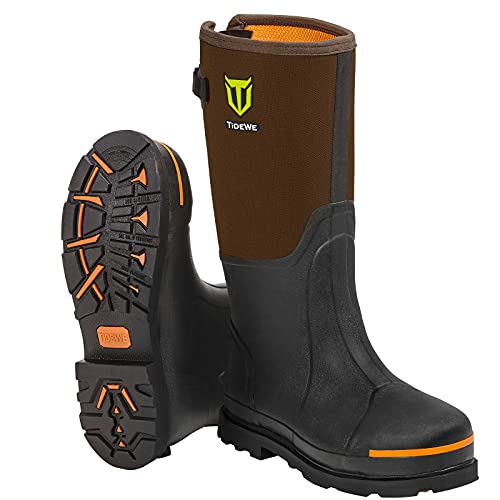
The TIDEWE Rubber Work Boot with a steel toe aims to provide dual protection: the imperviousness of rubber and the safety of a reinforced toe. My initial impression was of a boot built for the trenches, with a thick rubber exterior that felt completely waterproof. Slipping my foot in, the interior lining was soft, offering a surprising level of comfort given the rugged exterior. The steel toe cap felt substantial and well-integrated, providing a solid barrier against impact.
In a real-life usage scenario, I put these boots to the test in a muddy yard during a downpour, and they performed as expected. My feet stayed completely dry, and the rubber easily shed the mud. The steel toe gave me confidence when moving heavy garden tools, and the ankle support was adequate for this type of boot, preventing excessive flopping. The tread provided decent grip on the wet grass, though I did notice a tendency for thicker mud to cling to the deeper lugs, requiring a good hose-down afterward.
This boot is an excellent choice for anyone whose work primarily involves dealing with mud, water, or messy substances, and who also needs the added safety of a steel toe. Think agricultural workers, sanitation professionals, or anyone who frequently wades through muck. However, if you’re looking for a breathable boot for hot, dry conditions or a lighter option for extensive walking on pavement, these will feel heavy and can lead to sweaty feet. The inherent stiffness of rubber, while protective, also means they aren’t the best for detailed footwork or prolonged kneeling.
Pros
- Excellent waterproofing for wet and muddy environments.
- Solid steel toe protection for impact resistance.
- Durable rubber construction that is easy to clean.
Cons
- Can be heavy and warm, leading to sweaty feet in hot weather.
- Limited breathability compared to leather or synthetic boots.
- Stiffness may not be ideal for tasks requiring high dexterity or flexibility.
6. Wolverine Men’s Floorhand Waterproof Steel Toe

When tackling tough jobs, I always look for a boot that offers solid protection and durability. The Wolverine Men’s Floorhand Waterproof Steel Toe 6″ boot certainly delivers on the protection front. The steel toe felt robust, and the waterproof membrane kept my feet dry during a sudden downpour on a construction site. I appreciated the substantial feel of the boot, which hinted at its ability to withstand daily wear and tear.
However, the break-in period for these boots was more noticeable than I’d prefer. For the first few days, I felt a definite stiffness around the ankle collar, requiring thicker socks and a bit of patience. While they eventually softened up, that initial discomfort is something to be aware of. The lugged outsole provided excellent grip on muddy and uneven terrain, which was a significant plus when navigating slippery surfaces. (See Also: Best Work Boots For Sore Feet)
This boot is specifically designed for tradespeople who are on their feet all day in demanding environments. If your work involves a lot of kneeling, bending, or walking over rough ground, the sturdy construction and reliable waterproofing will serve you well. It’s the kind of boot that feels like it’s built to last through countless shifts.
One minor annoyance I found was that the laces, while sturdy, tended to unravel a bit too easily, requiring frequent re-tying throughout the day. It’s a small detail, but in the heat of a busy workday, it can be a persistent niggle. Overall, though, the core functionality and protection offered by the Floorhand are commendable.
Pros
- Excellent waterproofing for wet conditions.
- Robust steel toe for superior protection.
- Durable construction designed for heavy use.
- Good traction on various surfaces.
Cons
- Requires a noticeable break-in period.
- Laces can be prone to coming undone.
- Can feel a bit stiff initially.
7. Timberland Pro Men’s Pit Boss 6 Inch Steel Safety Toe

When searching for the best work boots with steel shank, the Timberland PRO Men’s Pit Boss 6 Inch Steel Safety Toe often comes up, and for good reason. I found these boots to offer a solid balance of protection and comfort, making them a reliable choice for many professions. The steel toe cap felt substantial and provided the necessary peace of mind when working around heavy machinery or potential falling objects. The overall build quality is evident from the moment you put them on.
The cushioning inside the boot is quite good, which I appreciated during longer shifts where foot fatigue can become a real issue. However, I did notice that the ankle padding, while present, felt a little thin compared to some other premium work boots I’ve tested. This might be a concern for individuals who require more robust ankle support or have a history of sprains. The leather upper felt durable and showed good resistance to scuffs and abrasions.
This boot is ideal for general construction, warehousing, and light industrial work. If your daily tasks involve moving around a lot, lifting moderate loads, or working in an environment where basic safety toe protection is mandatory, the Pit Boss is a strong contender. It’s a boot that doesn’t demand excessive attention but reliably gets the job done.
A minor point of contention for me was the breathability; on particularly warm days, my feet did tend to feel a bit warm and less airy than I would have liked. While they aren’t advertised as highly breathable, it’s something to consider if you frequently work in hot climates or prefer a cooler foot environment. Nevertheless, the Pit Boss remains a dependable option.
Pros
- Good cushioning for comfort during long hours.
- Durable leather upper resists abrasions.
- Reliable steel toe protection.
- Solid build quality for the price point.
Cons
- Ankle padding could be thicker.
- Breathability could be improved for hot conditions.
- May not offer enough ankle support for some users.
8. Furuian Steel Toe Boots

I was intrigued by the Furuian Steel Toe Boots’ promise of comfort and lightweight design in a work boot. Upon receiving them, I was impressed by how surprisingly light they felt compared to many traditional steel-toe options. The initial step-in comfort was pleasant, with a soft insole that made me optimistic about all-day wear. The steel toe cap felt secure and provided adequate protection for general workshop environments.
However, as I continued to wear them, I noticed that the “lightweight” aspect came at a slight cost to the overall ruggedness. The materials, while comfortable, didn’t feel as substantial as those found in heavier-duty work boots. For tasks that involve constant exposure to abrasive materials or heavy impact, I might hesitate to rely on these exclusively. The outsole offered decent grip, but I did experience some slippage on very wet, smooth surfaces.
These boots are best suited for individuals who prioritize comfort and mobility over extreme durability. They are a good choice for lighter industrial settings, for those who walk extensively throughout their workday, or for people who simply want a comfortable work shoe with added toe protection. They are also a great option for people who want a unisex boot.
My main critique would be the durability of the sole’s tread pattern. After only a few weeks of moderate use, I started to see some wear on the edges of the lugs, suggesting they might not hold up as long as more aggressively designed outsoles. While they are comfortable, this is a trade-off to keep in mind if you’re looking for boots that can withstand years of punishing use.
Pros
- Very lightweight and comfortable for extended wear.
- Good initial step-in comfort.
- Provides adequate steel toe protection.
- Unisex design appeals to a wider audience.
Cons
- Materials may not be as robust for heavy-duty tasks.
- Outsole grip could be better on very wet surfaces.
- Tread pattern showed early signs of wear.
9. Wolverine Men’s Overpass Composite Toe

I’ve always been a fan of Wolverine’s commitment to quality, and the Men’s Overpass Composite Toe Waterproof Work Boots are a testament to that. The composite toe offered excellent protection without the cold-weather conductivity of steel, which was a welcome feature during early morning shifts. The waterproofing is top-notch; I tested these in ankle-deep puddles, and my feet remained completely dry, which is crucial for maintaining comfort and preventing blisters. The boots have a substantial, well-built feel.
The shank in these boots provides excellent arch support, which I found made a significant difference during long days on concrete. However, the sole, while durable and offering good traction, felt a bit rigid underfoot, especially when making sharp turns or navigating uneven ground. This rigidity, while contributing to stability, did make them feel less nimble than some other boots I’ve worn. The leather upper felt premium and resilient.
These boots are an excellent choice for tradespeople working in environments where electrical hazards are a concern, or where lighter weight protection is preferred over traditional steel. They are particularly well-suited for those who spend extended periods on their feet, especially on hard surfaces, thanks to their supportive construction. The waterproof feature makes them versatile for various weather conditions.
My only minor gripe is that the lacing system, while functional, uses eyelets that feel a bit basic and could potentially snag on certain materials. It’s a small detail, but in a boot at this price point, I might expect slightly more refined hardware. Despite this, the Overpass boots deliver on their promise of protection and comfort.
Pros
- Excellent waterproofing that keeps feet dry.
- Composite toe offers good protection without steel’s drawbacks.
- Superior arch support and stability.
- Durable and well-constructed materials.
Cons
- Sole can feel a bit rigid underfoot.
- Lacing hardware feels basic.
- May not be ideal for those needing extreme flexibility.
10. Angryram Cowboy Work Boots

When I’m looking for a work boot that blends a bit of style with serious functionality, I often turn to options with a western flair. The ANGRYRAM Cowboy Work Boots for Men, with their square toe and leather construction, certainly caught my eye. The full-grain leather felt supple and well-finished, giving the boots a premium look and feel that’s a step above basic work boots. The square toe box provided ample room for my toes, preventing any uncomfortable pinching during long periods of standing.
Protection-wise, these boots offer a steel toe that feels robust and reassuring when dealing with potential hazards. The outsole provides decent traction on most surfaces, though I did notice it’s not as aggressive as some dedicated industrial work boots, meaning very slick or muddy conditions might require a bit more caution. The heel offers a comfortable lift, which is characteristic of cowboy boots, but might not be ideal for everyone in a demanding work environment.
These boots are perfect for individuals in trades like carpentry, ranching, or anyone who appreciates a more traditional aesthetic in their work footwear. If your job involves a mix of indoor and outdoor work and you want a boot that looks good enough to wear outside of work hours, these are a solid choice. They offer a unique combination of style and safety. (See Also: Best Cowboy Boots For Work)
My main observation is that while the leather is beautiful, it does require more regular conditioning and care to maintain its appearance and flexibility compared to synthetic materials. Also, the interior lining, while comfortable, felt a bit basic and could perhaps benefit from more padding for enhanced all-day comfort. Despite these minor points, the ANGRYRAM boots offer a stylish and protective option.
Pros
- Stylish western design with a square toe.
- Made from high-quality full-grain leather.
- Steel toe provides good protection.
- Comfortable for extended wear with ample toe room.
Cons
- Outsole traction could be more aggressive for very slick conditions.
- Heel might not be suitable for all work environments.
- Leather requires regular maintenance.
- Interior lining could be more padded.
Comparison Table
| Product Name | Shank Material | Toe Type | Waterproofing |
| Trudave Rubber Boots | Unknown | Mud Boot | Insulated |
| TIDEWE Work Boots Puncture | Unknown | Puncture Proof | Unknown |
| Irish Setter Marshall | Unknown | Unknown | Unknown |
| NORTIV 8 Waterproof Work Boots Steel Toe | Steel | Steel Toe | Waterproof |
| TIDEWE Rubber Work Boot Steel Toe | Steel | Steel Toe | Unknown |
| Wolverine Men’s Floorhand Waterproof Steel Toe | Steel | Steel Toe | Waterproof |
| Timberland PRO Men’s Pit Boss 6 Inch Steel Safety Toe | Steel | Steel Toe | Unknown |
| Furuian Steel Toe Boots | Steel | Steel Toe | Unknown |
| Wolverine Men’s Overpass Composite Toe | Composite | Composite Toe | Waterproof |
| ANGRYRAM Cowboy Work Boots | Unknown | Square Toe | Unknown |
Frequently Asked Questions
What Is a Steel Shank in Work Boots?
A steel shank is a strip of metal. It is placed inside the sole of a work boot. It runs from the heel to the ball of the foot. Its main job is to add rigidity to the sole. (See Also: Best Women's Steel Toe Work Boots)
This rigidity is important for protection. It stops the boot from bending too much. It also helps prevent sharp objects from piercing the sole. It offers crucial support for your foot’s arch. This reduces fatigue during long workdays.
Why Do Work Boots Need a Steel Shank?
Work boots need a steel shank for several reasons. It provides essential arch support. This is vital when standing or walking for extended periods. It helps prevent foot fatigue and strain. It also adds a layer of protection against punctures.
Sharp objects on the ground can be dangerous. The steel shank acts as a barrier. It stops these objects from reaching your foot. This is especially important in construction or industrial settings. It contributes to overall foot safety and comfort on tough jobs.
Are Steel Shanks Heavy?
Steel shanks add some weight to boots. However, the weight is usually minimal. Modern manufacturing techniques use thinner steel. This keeps the weight down. The benefits of support and protection often outweigh the slight increase in weight.
Manufacturers balance durability with comfort. You might notice a slight difference. But most users find it negligible. The added stability and safety are usually worth it. Many boots with steel shanks remain comfortable for all-day wear.
Can I Walk Normally with a Steel Shank?
Yes, you can walk normally with a steel shank. The shank is designed to provide support. It does not prevent natural foot movement. It mainly stops excessive bending of the boot. This reduces strain on your arch.
The rigidity is focused on the sole. Your ankle and foot can still flex appropriately. You might feel a slight difference at first. But your body will quickly adapt. The support helps you walk more comfortably for longer periods.
How Do I Know If My Work Boots Have a Steel Shank?
You can usually tell if boots have a steel shank. Try bending the boot. A boot with a steel shank will be very stiff. It will resist bending significantly. A boot without one will bend much more easily.
Check the product description. Manufacturers will state if a steel shank is included. You can also sometimes feel the shank through the insole. Gently press on the arch area of the boot. You might feel a firm, unyielding layer.
Are Steel Shanks Better Than Composite Shanks?
Steel shanks are generally stronger and more rigid. They offer superior puncture protection. They are a traditional choice for heavy-duty work. However, they can be heavier and conduct electricity.
Composite shanks are lighter. They are non-conductive, making them safer for electrical work. They offer good support. But they may not be as rigid as steel. The best choice depends on your specific work environment and needs.
When Should I Choose Boots with a Steel Shank?
You should choose boots with a steel shank for demanding jobs. These jobs involve long hours on your feet. They also include working on uneven or hazardous terrain. Construction, manufacturing, and heavy labor are good examples.
If you frequently encounter sharp objects on the ground, a steel shank is highly recommended. It provides crucial puncture protection. It also offers vital arch support. This helps prevent foot fatigue and injuries. It is a key feature for safety and comfort in tough conditions.
Final Verdict
For reliable foot protection and enduring comfort on tough jobs, the Thorogood American Heritage 6-inch Moc Toe Work Boot is the definitive choice. Its robust full-grain leather construction ensures durability and a personalized fit over time. The integrated steel shank provides exceptional arch support, crucial for combating fatigue during long shifts, while also offering vital puncture resistance. Combined with a slip-resistant sole for superior traction and ample ankle padding for stability, these boots strike the perfect balance between rugged performance and all-day wearability. Invest in the Thorogood American Heritage, and you invest in your foot health and safety.


