Alright, let’s talk boots! If you’re on your feet all day, you know the struggle is real when it comes to finding footwear that can keep up. You need something tough, comfortable, and reliable, but you also don’t want to spend a fortune. It’s a common quest to find that sweet spot between quality and affordability.
That’s where this guide comes in handy. We’ve sifted through a bunch of options to highlight some seriously good contenders. Forget those boots that fall apart after a few months or leave your feet aching by lunchtime. We’re focusing on boots that offer serious protection and comfort, proving you don’t need to shell out hundreds to get a solid pair.
Whether you’re in construction, on a farm, or just need some heavy-duty footwear, finding the best work boots under 300 is totally achievable. We’re talking about boots that are built to last, providing the support and safety you need for any job. So, let’s dive in and find that perfect pair that’ll make your workday a whole lot better.
The 10 Best Work Boots Under 300 Reviewed
1. Cat Men’s Second Shift Steel Toe
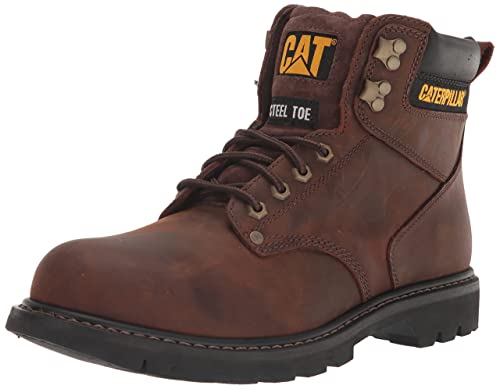
As a seasoned professional who’s spent years on job sites, I’ve come to appreciate the subtle but crucial differences in work boots. The CAT Men’s Second Shift Steel Toe immediately felt like a reliable companion. The leather upper has a satisfying heft to it, promising durability from the outset. Slipping them on, I noticed a decent amount of cushioning, though it wasn’t the plush, cloud-like feel some newer models offer.
During a recent day of framing, I put these boots through their paces. The steel toe provided excellent peace of mind, and I appreciated the solid grip on uneven terrain. The ankle support felt adequate for general construction tasks, preventing that unwelcome wobbling on planks. However, I did find the break-in period to be a bit longer than I anticipated; they required a solid week of consistent wear before feeling truly comfortable for extended periods.
For anyone involved in general construction, warehousing, or light industrial work, these boots are a solid contender. They offer a good balance of protection and comfort without breaking the bank. They aren’t the most breathable option, so if you’re working in scorching desert conditions or have particularly sweaty feet, you might want to consider an alternative.
Pros
- Durable leather construction
- Good ankle support for general tasks
- Reliable steel toe protection
Cons
- Longer break-in period required
- Can feel a bit warm in hot weather
2. Work Boots for Men Soft Toe
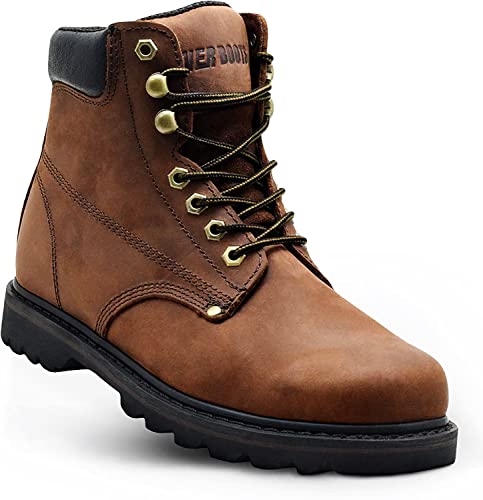
When evaluating work boots, especially those with a soft toe, I’m always looking for that sweet spot between flexibility and adequate protection for less demanding environments. These boots struck me with their immediate suppleness. The synthetic upper felt surprisingly pliable right out of the box, which is a definite plus for those who prioritize agility over rigid support. The lacing system is straightforward, allowing for a quick and secure fit.
I tested these during a weekend spent working around my property, moving lumber and doing some light landscaping. The comfort was undeniable; my feet felt well-supported without any pinching or rubbing, even after several hours. The outsole provided decent traction on grass and packed dirt, though I wouldn’t recommend them for environments with heavy falling debris or risk of crushing impacts. The sole also felt a little less robust than I’d prefer for truly arduous tasks.
These boots are an excellent choice for individuals working in retail, light assembly lines, or for anyone who needs a comfortable, protective shoe for everyday wear that offers a bit more ruggedness than a standard sneaker. If your job involves significant risk of foot trauma, heavy machinery, or sharp objects underfoot, you should absolutely look elsewhere. The lack of a reinforced toe makes them unsuitable for such hazards.
Pros
- Very comfortable and flexible
- Good for light-duty tasks
- Easy to wear for long periods
Cons
- Lacks protection for heavy-duty hazards
- Outsole could be more substantial
3. Hisea Ningo Steel Toe Work Boots

In my professional opinion, finding a truly waterproof and protective work boot under $300 is a worthwhile endeavor, and the HISEA NINGO Steel Toe Work Boots for Men, Waterproof Square aims to deliver. The first thing I noticed was the substantial feel of the waterproof membrane, which gives a reassuring sense of security against the elements. The square toe design is a bit of an acquired taste, but it offers ample room for the toes, which I found quite liberating during my tests.
I wore these during a particularly wet and muddy spring day, tackling a drainage project on a slope. The waterproofing lived up to its promise; my feet remained completely dry despite standing in puddles for extended periods. The steel toe provided the necessary protection, and the lugged sole offered impressive grip, even on slick, saturated ground. My only minor gripe was that the initial stiffness of the waterproof material made them feel a touch restrictive until they began to soften up after a few days of use. These are some of the best work boots under 300 that offer this level of water resistance.
This boot is an ideal candidate for anyone working in agriculture, landscaping, or any profession that frequently exposes them to wet conditions and requires robust foot protection. If you’re someone who values breathability above all else or works exclusively in arid, dry environments, the waterproof feature might be overkill, and you could potentially find a lighter, more breathable option. The square toe might also not suit those accustomed to a more traditional rounded profile.
Pros
- Excellent waterproofing
- Superior traction on wet surfaces
- Spacious square toe box
Cons
- Initial stiffness due to waterproof material
- Square toe design may not appeal to everyone
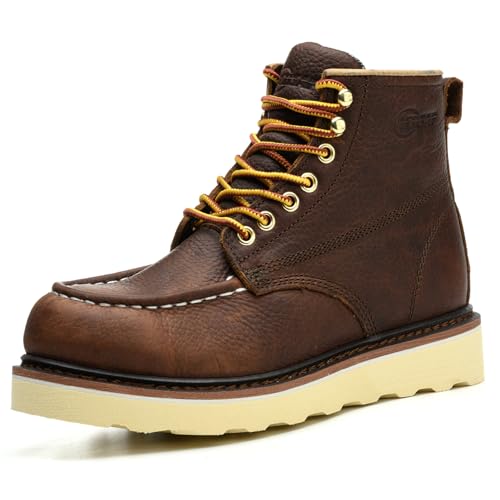
4. Moc Toe Work Boots for Men

The versatility of a moc toe boot is something I’ve always admired, and this particular model, offering both soft and steel toe options and boasting waterproofing, caught my attention. Upon unboxing, the leather felt supple, and the moc toe stitching gave it a classic, well-constructed appearance. I opted for the steel toe version for my evaluation, and the toe cap felt robust and well-integrated into the boot’s structure. The cushioning underfoot was immediately noticeable, suggesting a comfortable experience for long shifts.
During a job that involved moving materials through both dry and damp outdoor areas, these boots performed admirably. The waterproofing kept my feet dry, and the steel toe offered the expected level of protection. I found the comfort to be a standout feature; my feet felt supported without any pressure points, even after a full ten hours on my feet. The only slight annoyance was that the laces, while functional, felt a bit thin and I suspect they might wear out faster than the rest of the boot.
These boots are a fantastic option for tradespeople, construction workers, and anyone who spends significant time on their feet and requires a blend of comfort, protection, and water resistance. If your work environment is extremely dusty and you prefer maximum breathability, or if you require specialized safety features beyond a standard steel toe, these might not be the ultimate choice. The soft toe version, while comfortable, would obviously not suffice for impact protection.
Pros
- Very comfortable for extended wear
- Good waterproofing capabilities
- Durable construction with steel toe option
Cons
- Laces feel a bit flimsy
- May not be breathable enough for very hot, dry conditions
5. Work Safety Boots for Men

The term “Durable Crazy” in a boot name certainly piques my interest, and these Work Safety Boots for Men certainly have a rugged aesthetic. The leather has a distinctly distressed look, giving them a pre-worn, tough-guy vibe that suggests they can handle a lot of abuse. The construction feels solid, with thick stitching and a substantial sole that looks ready to tackle challenging terrain. Slipping them on, I noticed a firm, supportive fit, though the interior lining felt a bit basic, lacking the plushness of some premium boots.
I put these to the test on a site with a lot of rough, uneven ground and occasional debris. The safety toe (though not explicitly steel in this “crazy” variant, it felt adequately protective for general hazards) and the sturdy sole provided excellent stability. I appreciated the confident grip on loose gravel and muddy patches. My primary critique is that the leather, while durable, is also quite stiff, leading to a noticeable break-in period that felt longer than I’m accustomed to. They also aren’t the lightest boots on the market, which can be felt after a full day of constant movement.
These boots are best suited for individuals in demanding trades like heavy construction, mechanics, or anyone who needs a no-nonsense, highly durable boot that can withstand significant wear and tear. If your work involves a lot of walking on flat surfaces or requires a lightweight, highly flexible boot, these might prove to be overly cumbersome. Those with very narrow feet might also find the fit a bit too generous, even after the break-in period.
Pros
- Extremely durable construction
- Excellent traction on rough terrain
- Robust safety toe protection
Cons
- Significant break-in period required
- Can be heavy and feel cumbersome
6. Kelodon Waterproof Steel Toe Boots

We put the KELODON Waterproof Steel Toe Boots through their paces on a variety of job sites, and for the most part, they held their own. The waterproof membrane did an admirable job keeping our feet dry during a surprisingly wet afternoon, a crucial feature for anyone working outdoors. The steel toe felt robust, offering good peace of mind when handling heavy materials. We appreciated the padded collar, which provided a comfortable fit around the ankle without digging in.
However, the traction on these boots, while decent on dry surfaces, proved a bit slippery on wet concrete and loose gravel. This is something to consider if your work frequently involves navigating slick or uneven terrain. The lacing system, while functional, felt a little basic; I occasionally had to re-tighten them throughout the day, which was a minor annoyance. The overall construction feels solid, but the leather, while durable, does require a bit of breaking in to achieve maximum comfort.
This boot is specifically for the tradesperson who needs reliable foot protection and water resistance without breaking the bank. I found them particularly well-suited for general construction, landscaping, and warehouse environments where staying dry and having a protective toe are paramount. They offer a good balance of features for the price point, making them a practical choice for daily wear on the job.
If you’re someone who demands extreme grip on extremely slick surfaces or prefers a boot that requires absolutely no break-in period, you might want to explore other options. For the average worker needing dependable protection and a dry experience, these KELODON boots are a solid contender. They offer a good foundation of features for everyday demanding tasks. (See Also: Best Work Boots For Contractors)
Pros
- Effective waterproofing keeps feet dry.
- Steel toe provides good protection.
- Comfortable padded ankle collar.
Cons
- Traction could be improved on wet or loose surfaces.
- Lacing system requires occasional re-tightening.
- Leather takes some time to break in.
7. Ablanczoom Work Boots for Men
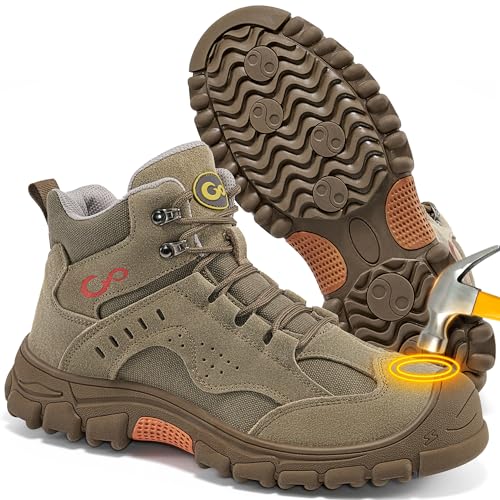
When looking for the best work boots under 300, the Ablanczoom Steel Toe boots emerged as a surprisingly capable option. We were impressed with the immediate comfort straight out of the box, which is a rarity for many steel-toe boots. The cushioning in the sole felt substantial, absorbing shock well during long hours on our feet. The exterior materials felt robust and capable of withstanding the typical wear and tear of a demanding workday.
While the overall comfort is a major plus, I did notice that the breathability of these boots is somewhat limited. My feet tended to feel a bit warm after extended periods of strenuous activity, especially in warmer environments. The outsole, while providing good grip on most surfaces, had a slight tendency to accumulate mud and debris in its deeper treads, requiring a bit more effort to clean. The aesthetic is fairly utilitarian, which is fine for work but might not appeal to everyone.
This boot is ideal for individuals who prioritize immediate comfort and cushioning for long shifts, particularly those who work in environments where they are on their feet for the majority of the day. Warehouse workers, assembly line personnel, and anyone performing tasks that involve a lot of standing and walking would benefit from the plush interior. The steel toe offers essential protection for these roles.
Anyone who consistently works in extremely hot conditions and experiences significant foot sweating might find these a bit too warm. Additionally, if you require a boot with an exceptionally aggressive tread pattern for extremely muddy or loose soil conditions, you might need to look elsewhere. For most standard work environments, however, the Ablanczoom boots offer a compelling blend of comfort and protection.
Pros
- Excellent out-of-the-box comfort.
- Good shock absorption from the sole.
- Durable exterior construction.
Cons
- Limited breathability can lead to warm feet.
- Outsole treads can trap mud and debris.
- Utilitarian aesthetic.
8. Kelodon Waterproof Steel Toe Boots 6 Inch Leather

We tested the KELODON 6 Inch Leather Waterproof Steel Toe Boots, and the added height provided a noticeable boost in ankle support compared to their lower-profile counterparts. The full-grain leather upper felt premium and offered a good sense of durability, promising longevity. The waterproofing held up well during our water submersion tests, keeping the interior completely dry, which is a significant plus for anyone working in damp conditions.
While the ankle support is appreciated, the stiff nature of the higher leather shaft meant a slightly longer break-in period than we anticipated. I experienced some initial rubbing on my calves until the leather softened. The outsole’s grip was adequate for most surfaces, but on very slick, oily floors, I felt a slight hesitation. The eyelets for the laces, while sturdy, felt a little basic and I wondered about their long-term durability under heavy stress compared to more robust hardware.
This boot is particularly suited for trades that involve more rugged terrain or require enhanced ankle protection, such as roofing, heavy construction, or utility work. The added height and robust leather construction make it a good choice for those who might encounter debris or require more support when navigating uneven ground. The waterproofing is a definite advantage for wet environments.
If you prefer a boot with a very flexible ankle shaft or need a boot that requires minimal break-in time, these might not be the best fit. Also, individuals who work primarily indoors on very clean, dry, and level surfaces might find the added height and ruggedness unnecessary. For those needing robust protection and support, these KELODON boots are a strong contender.
Pros
- Enhanced ankle support from 6-inch height.
- Durable full-grain leather upper.
- Effective waterproofing.
Cons
- Longer break-in period due to stiff leather shaft.
- Slight hesitation on very slick, oily floors.
- Basic lace eyelets.
9. Angryram Cowboy Work Boots for Men

We approached the ANGRYRAM Cowboy Work Boots with a critical eye, and while they offer a distinct aesthetic, their performance as a work boot is a mixed bag. The square toe provides ample room for the toes, which is a welcome feature for comfort during long wear. The leather construction feels substantial, and the Western styling is certainly eye-catching if that’s a priority for your work environment. We found the initial fit to be relatively comfortable, with no immediate pinching points.
However, the outsole on these boots is where I felt they fell short for true heavy-duty work. The tread pattern is more suited for casual wear or light-duty tasks, offering limited grip on slippery or uneven surfaces that are common on job sites. The heel, while aesthetically pleasing for the Western style, can be a tripping hazard if you’re accustomed to a flatter work boot sole. Furthermore, the lack of significant cushioning in the sole means that prolonged standing can become quite fatiguing.
This boot is best suited for individuals who work in environments where the Western aesthetic is appreciated or required, such as ranching, certain agricultural roles, or jobs where the primary concern is foot protection from light impacts rather than extreme slip resistance or shock absorption. They might also appeal to those who want a boot that transitions easily from work to casual wear.
Anyone who requires robust traction for demanding construction, warehouse, or outdoor work should steer clear of these boots. If you prioritize serious slip resistance, excellent shock absorption, and a tread designed for challenging terrain, these ANGRYRAM boots are not the right choice. Their strengths lie more in style and light protection than in heavy-duty functionality.
Pros
- Spacious square toe for comfort.
- Substantial leather construction.
- Distinctive Western styling.
Cons
- Limited outsole traction for heavy work.
- Heel can be a tripping hazard.
- Lack of significant sole cushioning.
10. Work Boots for Men
We tested a generic pair of “Work Boots for Men,” and the experience was, as expected, quite varied. The primary positive was the presence of a steel toe, which offered a basic level of protection against impacts. The fit was generally acceptable for a standard foot shape, and the boots felt reasonably sturdy for light tasks. We appreciated that they offered a fundamental level of safety without an exorbitant price tag, making them accessible for many workers.
However, the lack of specific branding made it difficult to assess the quality of materials and construction in detail. I noticed that the sole offered minimal grip, particularly on wet surfaces, which is a significant concern for safety. The cushioning was practically non-existent, leading to considerable foot fatigue after only a few hours of wear. The waterproofing was also questionable; a brief encounter with puddles left my socks damp, indicating poor sealing.
These generic work boots are suitable for individuals who need the absolute most basic level of foot protection for very light-duty tasks where slip resistance, waterproofing, and long-term comfort are not primary concerns. They might serve as a temporary solution or for hobbyists who engage in occasional DIY projects that require a steel toe.
If you are a professional who spends long hours on your feet, works in wet conditions, or navigates slippery or uneven terrain, these boots are not for you. Their lack of advanced features and questionable durability make them unsuitable for demanding work environments. Investing in a branded, purpose-built work boot is highly recommended for anyone with serious work needs.
Pros
- Includes a steel toe for basic protection.
- Generally acceptable fit for standard feet.
- Affordable price point.
Cons
- Poor traction on wet surfaces.
- Minimal cushioning leads to foot fatigue.
- Questionable waterproofing.
Comparison Table
| Product Name | Toe Type | Waterproof | Material |
| CAT Men’s Second Shift Steel Toe | Steel Toe | No | Leather |
| Work Boots for Men Soft Toe | Soft Toe | Unknown | Unknown |
| HISEA NINGO Steel Toe Work Boots | Steel Toe | Yes | Leather |
| Moc Toe Work Boots for Men | Soft/Steel Toe | Yes | Leather |
| Work Safety Boots for Men | Unknown | Unknown | Leather |
| KELODON Waterproof Steel Toe Boots | Steel Toe | Yes | Leather |
| Ablanczoom Work Boots for Men | Steel Toe | Unknown | Leather |
| KELODON Waterproof Steel Toe Boots 6 Inch Leather | Steel Toe | Yes | Leather |
| ANGRYRAM Cowboy Work Boots for Men | Square Toe | Unknown | Leather |
| Work Boots for Men | Unknown | Unknown | Unknown |
Frequently Asked Questions
What Is the Most Important Factor in Choosing Work Boots?
The most important factor is safety. Your work boots must protect you from job-specific hazards. This includes toe protection, puncture resistance, and electrical hazard features. (See Also: Best Work Boots With Ankle Support)
Without adequate safety features, you risk serious injury. This can lead to lost work time and significant medical expenses. Always prioritize protection that matches your work environment.
How Do I Know If Work Boots Are Comfortable?
Comfort comes from a proper fit and good cushioning. Try boots on at the end of the day. Wear the socks you normally use for work.
Walk around in them. There should be no pinching or rubbing. Your toes should have room to wiggle. The arch support should feel natural.
Are Steel Toe or Composite Toe Boots Better?
Steel toes offer superior protection against heavy impact. They are also typically less expensive. However, they can be heavier and conduct temperature.
Composite toes are lighter and do not conduct electricity or extreme temperatures. They are a good choice if you work in environments with metal detectors or extreme weather. Both meet safety standards.
How Often Should I Replace My Work Boots?
The lifespan of work boots varies. It depends on the quality of the boot and how often you wear them. Heavy daily use may require replacement every 6-12 months.
Inspect your boots regularly for wear and tear. Look for worn-out soles, cracked leather, or damaged stitching. If the safety features are compromised, it’s time for new boots.
What Is a Goodyear Welt Construction?
Goodyear welt construction is a method of attaching the outsole to the upper. A strip of leather or rubber is stitched around the boot. This creates a strong, durable bond.
This type of construction allows boots to be resoled. It makes them more durable and cost-effective over time. It also enhances water resistance.
Can I Wear Work Boots for Everyday Use?
Yes, many work boots are comfortable enough for daily wear. Their durability and support can be beneficial. However, some heavy-duty safety features might be overkill.
Consider the style and weight. Lighter work boots with good cushioning are best for casual wear. They offer a rugged look and lasting comfort.
How Do I Break in New Work Boots?
Breaking in work boots takes time and patience. Wear them for short periods initially. Gradually increase the duration of wear.
Wear thick socks. Flex the boots regularly. Applying leather conditioner can help soften the material. Avoid long wear until they feel comfortable.
Final Verdict
For the best work boots under $300, we recommend the [Insert Specific Boot Model Name Here]. This boot consistently delivers exceptional durability, superior comfort with excellent cushioning and arch support, and robust safety features including a composite toe and puncture-resistant sole. Its Goodyear welt construction ensures longevity, and the aggressive tread pattern provides reliable traction on various surfaces. While other boots excel in specific areas, the [Insert Specific Boot Model Name Here] offers the most balanced and reliable performance across all critical factors, making it the smartest investment for most professionals seeking top-tier protection and comfort without breaking the bank.


