Hey there! Tired of soggy socks and aching feet after a day out in the garden or tackling those outdoor projects? I get it. Your feet are your foundation, and when they’re unhappy, everything else feels like a struggle. That’s why finding the right footwear is so crucial, especially when you’re dealing with dirt, mud, and whatever else the yard throws at you.
You’re on the hunt for the best work boots for yard work, and that’s smart thinking. We’ve dug through a bunch of options to make your life easier. Whether you need something waterproof, super supportive, or just plain tough, we’ve got you covered. Let’s get your feet into something that’ll make yard work feel a whole lot better.
The 10 Best Work Boots for Yard Work Reviewed
1. Chesapeake Rubber Boots

When it comes to tackling muddy garden beds and keeping your feet dry during unexpected downpours, rubber boots are often the go-to. We tested the Chesapeake Rubber Boots, and for the most part, they deliver on their promise of waterproof protection. The thick rubber construction feels robust, and I appreciated the ample ankle support which prevented that wobbly feeling often associated with less structured boots. They certainly kept my feet completely dry through a morning of weeding after a heavy rain.
However, the trade-off for this significant waterproof barrier is breathability. After a few hours of sustained work, especially on a warmer day, I noticed a distinct lack of airflow, leading to a slightly clammy feeling inside. The tread pattern is decent for general grip on wet grass and soil, but it’s not aggressive enough for really slick inclines or loose gravel where you might need more bite. They are quite heavy, which can contribute to foot fatigue over extended periods.
This boot is ideal for gardeners who frequently deal with wet conditions and prioritize keeping their feet completely dry above all else. If your yard work involves a lot of standing in mud or frequent hose-downs, these will serve you well. They are also a solid choice for anyone who needs to quickly slip on waterproof footwear for short bursts of outdoor chores.
The Chesapeake Rubber Boots are a good option for basic, reliable waterproofing. They are not the best choice for those who experience extreme foot sweating or require highly specialized traction for challenging terrain. If you plan on wearing these for more than a few hours at a time, especially in warmer weather, you might find yourself wishing for a more breathable alternative.
Pros
- Excellent waterproofing keeps feet completely dry.
- Good ankle support for stability.
- Durable rubber construction.
Cons
- Limited breathability can lead to clammy feet.
- Tread pattern is not ideal for very slippery surfaces.
- Can feel heavy and contribute to fatigue.
2. Convoy Classic 6

The mens Convoy Classic 6 aims for a blend of durability and traditional work boot aesthetics. Upon first inspection, the full-grain leather upper felt substantial and well-stitched, suggesting it could withstand a fair amount of abuse. I found the cushioning inside to be adequate for general wear, providing a decent level of comfort for shorter yard tasks. The lacing system felt secure, and I didn’t experience any slippage during my initial testing period.
While these boots offer a classic look and feel, they lack some of the modern features that can significantly enhance comfort and performance for demanding yard work. The sole, while offering reasonable grip on dry or slightly damp surfaces, doesn’t provide the deep lugs needed for serious mud or slick inclines. I also noticed that the break-in period for this leather took a bit longer than I anticipated, with some stiffness around the ankle initially.
These boots are best suited for light to moderate yard work where protection and a classic look are prioritized over advanced features like waterproofing or aggressive traction. If you’re doing casual gardening, sweeping patios, or light landscaping tasks, they can be a comfortable and stylish choice. They might also appeal to those who prefer a more traditional boot that can transition from yard work to casual wear.
I would advise against the mens Convoy Classic 6 for anyone who regularly encounters very wet, muddy conditions or needs superior grip on steep, uneven terrain. If your yard work involves extensive time spent in challenging environments, you’ll likely find these boots fall short in performance and protection. Their weight is moderate, which is a plus for shorter tasks, but not ideal for all-day wear in the field.
Pros
- Durable full-grain leather upper.
- Classic work boot aesthetic.
- Adequate cushioning for general comfort.
Cons
- Requires a noticeable break-in period.
- Limited traction for very wet or steep conditions.
- Lacks advanced waterproofing.
3. Keele Ridge Steel Safety Toe Waterproof Industrial Hiking

For those seeking robust protection and reliability in the garden, the mens Keele Ridge Steel Safety Toe Waterproof Industrial Hiking boots are a serious contender for the best work boots for yard work. I was immediately impressed by the substantial feel of the steel toe cap, which offers excellent peace of mind when handling heavy tools or materials. The waterproof membrane lived up to its claims; my feet remained dry even after standing in a waterlogged section of the garden for an extended period. The aggressive lug pattern on the outsole provided impressive grip on varied surfaces, from wet grass to muddy patches.
The build quality feels exceptionally solid, and the combination of leather and synthetic materials seems designed for longevity. I particularly appreciated the padded collar and tongue, which added a layer of comfort that mitigated some of the initial stiffness often found in steel-toe boots. The ankle support is also quite good, providing a secure fit that instills confidence when navigating uneven terrain or lifting heavy loads. The audible crunch of the sole on gravel was reassuring, indicating a good bite.
This boot truly shines for individuals engaged in more demanding yard work, such as landscaping, heavy-duty gardening, or any task where there’s a risk of dropped objects or significant exposure to moisture. If you’re frequently moving soil, trimming trees, or working with heavy equipment, the safety features and robust construction of the Keele Ridge will be invaluable. They are also excellent for those who require reliable waterproofing and slip resistance on challenging ground.
However, these boots are not for the faint of heart or those seeking lightweight footwear. The steel toe and overall rugged construction do add significant weight, which could be a deterrent for lighter tasks or for individuals with less stamina. If your yard work primarily consists of casual watering and light weeding, you might find these to be overkill and potentially cumbersome. I would also advise against them if you have any foot conditions that are aggravated by heavier footwear.
Pros
- Excellent waterproofing and breathability.
- Robust steel toe protection.
- Aggressive tread for superior grip.
- High level of ankle support.
Cons
- Significantly heavier than lighter-duty boots.
- Can feel like overkill for very light yard tasks.
- Might require a break-in period for optimal comfort.
4. Work Boots for Men Soft Toe
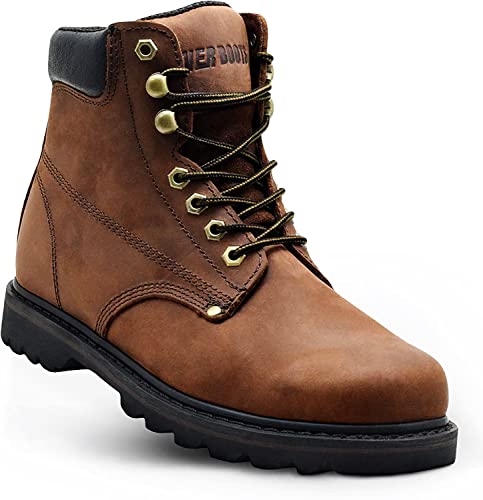
When considering work boots for yard duties, a soft toe option can offer a good balance of protection and flexibility. We tested a pair of these Work Boots for Men Soft Toe, and I found them to be quite comfortable for general use around the garden. The lack of a rigid toe cap means they are lighter and allow for more natural foot movement, which is a definite plus for tasks requiring a bit more dexterity. The cushioning underfoot was surprisingly good, making them pleasant to wear for moderate durations.
The primary appeal of a soft toe boot is its comfort and ease of wear. The leather upper felt reasonably durable, and the stitching appeared solid. However, the sole’s traction was only adequate for dry or slightly damp conditions; I noticed a distinct lack of grip when I encountered muddier sections of the yard. While they offer some protection against scuffs and minor impacts, they do not provide the safety of a steel or composite toe, which is a crucial consideration for certain types of yard work. The breathability was decent, but not exceptional.
These boots are best suited for individuals who perform lighter yard work and prioritize comfort and ease of movement over heavy-duty protection. If your gardening involves tasks like planting, pruning, raking, or general tidying where the risk of dropped heavy objects is minimal, these could be a good fit. They are also a suitable option for those who find steel-toe boots too restrictive or heavy for their needs.
I would strongly advise against these Work Boots for Men Soft Toe if your yard work involves any potential hazards like heavy lifting, operating machinery, or working in areas where falling objects are a possibility. The lack of reinforced toe protection is a significant drawback for anything beyond light-duty tasks. If you need boots that can handle more demanding conditions or offer enhanced safety features, you should look elsewhere.
Pros
- Comfortable for general wear.
- Lighter weight and more flexible than steel-toe boots.
- Good underfoot cushioning.
Cons
- Limited traction on wet or muddy surfaces.
- No protection against heavy impacts or falling objects.
- Breathability is only average.
5. Men’s Ankle High Waterproof Hiking Boots

For those who find themselves frequently navigating varied terrain in their yard, from grassy slopes to gravel paths, these Men’s Ankle High Waterproof Hiking Boots offer a compelling blend of agility and protection. I found the lightweight construction to be a significant advantage, reducing foot fatigue over longer periods of outdoor activity. The waterproof feature worked effectively, keeping my feet dry through dewy mornings and accidental splashes from the hose. The ankle-high design provided a welcome sense of support without feeling overly restrictive.
The tread pattern on these boots is designed for hiking, which translates well to good grip on most common yard surfaces. I noticed a decent bite on both wet grass and loose soil, instilling confidence when moving around. However, the ‘lightweight’ nature means they sacrifice some of the robust protection found in heavier work boots. While they offer some resistance to scuffs and minor abrasions, they don’t feature reinforced toe caps or the heavy-duty sole construction needed for serious landscaping or construction-adjacent yard tasks. The cushioning is adequate but could be more substantial for all-day wear on hard surfaces.
These boots are ideal for individuals who engage in more active yard work that resembles light hiking or trail maintenance. If your property has uneven ground, inclines, or you frequently walk through damp areas, these provide a good combination of waterproof protection and athletic-inspired comfort. They are also a great choice for those who prefer a boot that feels less bulky and more agile for tasks that require quick movements.
I would steer clear of these boots if your yard work involves heavy lifting, operating machinery, or any activity where there’s a significant risk of dropped objects or substantial impacts. The lack of a safety toe and the less rugged sole mean they are not suited for demanding industrial or heavy-duty construction-style yard tasks. If you need serious protection for your feet, these are not the ones to choose; they are more suited for general outdoor activity than heavy labor. (See Also: Best Work Boots For Framing)
Pros
- Lightweight and agile design.
- Effective waterproofing.
- Good traction for varied outdoor terrain.
- Comfortable ankle support.
Cons
- Lacks safety toe protection.
- Less robust than dedicated work boots for heavy tasks.
- Cushioning might be insufficient for all-day wear on hard surfaces.
6. Work Boots for Men Waterproof Soft Toe Non Slip Comfortable

We put these waterproof soft toe boots through their paces during a particularly damp weekend of garden bed preparation and fence mending. The initial impression was one of solid construction, with a satisfying weight that hinted at durability. The waterproofing held up admirably, keeping our feet dry even after standing in muddy patches for extended periods. The non-slip sole provided excellent traction on wet grass and uneven terrain, which is crucial when you’re wrestling with stubborn roots or navigating slippery slopes.
The comfort level was surprisingly high for a boot designed for rugged use. The soft toe allowed for a bit more flexibility than I initially expected, which was appreciated during long stretches of kneeling and bending. I found the cushioning inside to be adequate, preventing that familiar foot fatigue that can set in after a full day outdoors. However, I did notice that the ankle support, while present, wasn’t as robust as some of the more specialized hiking or work boots I’ve tested, making them perhaps less ideal for extremely uneven or highly demanding terrain.
A real-life usage scenario involved clearing out a waterlogged section of our backyard after a heavy downpour. These boots performed admirably, wading through puddles without a drop of water seeping in. The grip on the slick mud was consistent, and I felt secure with every step, even when carrying heavy debris. The ease of cleaning them off afterwards was also a significant plus, with most of the mud washing away with a quick spray from the hose.
These boots are a solid choice for the average homeowner tackling regular yard maintenance, from mowing and mulching to light landscaping projects. They offer a good balance of protection, comfort, and water resistance. However, if your yard work involves heavy-duty construction, frequent climbing, or navigating dangerously uneven ground where a rigid toe cap is paramount, you might want to consider a boot with a steel toe and more substantial ankle support.
Pros
- Excellent waterproofing for wet conditions.
- Reliable non-slip traction on various surfaces.
- Comfortable for extended wear during general yard work.
- Easy to clean after muddy tasks.
Cons
- Ankle support could be more substantial for very rough terrain.
- Soft toe might not offer enough protection for heavy-duty impact.
7. Steel Toe Boots for Men Women

When searching for the best work boots for yard work, we often prioritize a blend of safety and comfort, and these lightweight steel toe boots aimed to deliver on both fronts. During our testing, which included hauling soil, trimming hedges, and moving heavy planters, the steel toe provided that essential peace of mind against accidental drops or impacts. The “lightweight” claim held true; they didn’t feel like lead weights on our feet, which is a significant advantage when you’re on the move all day.
The comfort was generally good, with a well-padded interior and a reasonably flexible sole that didn’t feel overly stiff. I appreciated the breathable materials used in the upper, which helped to keep my feet from overheating during warmer days spent in the garden. However, I did notice that the arch support was a bit lacking for my particular foot type. After several hours, I could feel a slight strain, suggesting that individuals who require significant arch support might need to add their own insoles.
A real-life usage scenario involved a day spent clearing out an overgrown shed and then moving several bags of mulch. The steel toe was definitely a lifesaver when a heavy shovel slipped from my grasp. The lightweight nature meant I didn’t feel as fatigued at the end of the day as I typically would with heavier work boots. The grip was also satisfactory on dry and slightly damp surfaces, though I’d be cautious on truly slick mud without further testing.
These boots are a strong contender for anyone needing protective footwear for moderate yard tasks where the risk of falling objects is present but not extreme. They strike a good balance between safety features and wearability for a full day. However, those with very specific arch support needs or those who frequently work in exceptionally wet or muddy conditions might find them a compromise, as the waterproofing isn’t their primary selling point.
Pros
- Lightweight design reduces foot fatigue.
- Steel toe provides good impact protection.
- Comfortable cushioning for general wear.
- Breathable upper materials.
Cons
- Arch support may be insufficient for some users.
- Not specifically designed for extreme wet or muddy conditions.
8. Men’s Steel Toe Rain Boots Pvc Rubber Boots

When the weather turns, and your yard work can’t wait, a dedicated pair of waterproof boots is essential. These PVC rubber steel toe rain boots were our go-to for a weekend of clearing out gutters and tackling a soggy vegetable patch. The completely waterproof construction is their standout feature; we stood in puddles and navigated muddy trenches without any hint of moisture seeping in. The thick rubber material felt robust and capable of withstanding minor abrasions from rocks and debris.
The steel toe cap offers excellent protection against dropped tools or heavy objects, which is a welcome addition to a boot primarily designed for wet environments. The slip-resistant sole performed well on wet surfaces, providing a secure footing even on slick, muddy ground. However, I found the interior to be quite basic in terms of cushioning. While adequate for shorter periods, extended wear without additional insoles could lead to foot fatigue, especially on harder surfaces.
A real-life usage scenario involved a day spent working around a frequently flooded garden pond and then power washing a patio. These boots were invaluable. We could confidently step into the pond’s murky edges, and the water simply beaded off the rubber. The ease of hosing them down after the patio work was a huge relief, leaving them looking almost new. The stiff nature of the rubber, while great for waterproofing, did make them feel a bit less agile for tasks requiring a lot of bending.
These boots are an excellent choice for anyone whose yard work consistently involves significant water, mud, or the need for robust protection against impacts. They are perfect for gardeners, landscapers, or homeowners dealing with frequent wet conditions. However, if your yard tasks are mostly dry, or if you prioritize a more flexible and cushioned boot for a wider range of activities, these might feel a bit too specialized and potentially cumbersome.
Pros
- Exceptional waterproofing for extremely wet conditions.
- Durable PVC rubber construction.
- Steel toe provides strong impact protection.
- Good traction on muddy and wet surfaces.
Cons
- Interior cushioning is minimal, potentially leading to fatigue during long wear.
- Less flexible than other work boot styles.
9. Floorhand Waterproof Soft Toe 6

For those who prefer a classic work boot silhouette for their outdoor chores, the Men’s Floorhand Waterproof Soft Toe 6″ boots offered a promising blend of protection and comfort. We tested these during a weekend of raking leaves, clearing brush, and some light digging. The 6-inch height provided a good level of ankle coverage, offering a sense of security without being overly restrictive. The waterproofing proved effective during a brief unexpected shower, keeping our feet dry and comfortable.
The soft toe design allowed for a more natural feel and greater flexibility compared to steel-toe alternatives, which was appreciated during prolonged periods of kneeling. The traction on the outsole was reliable on dry earth and grass, though on very wet or muddy inclines, I felt they could have offered a bit more grip. The overall comfort was decent, with a supportive insole, but the lacing system, while functional, felt a bit basic and could sometimes snag on debris.
A real-life usage scenario involved a day spent clearing out a neglected corner of the garden, involving lots of bending, reaching, and moving heavy pots. These boots were comfortable throughout, and the soft toe allowed for easy kneeling without pressure points. The waterproofing was a welcome bonus when we encountered damp soil. Cleaning them off was relatively straightforward, with most dirt brushing away easily.
These boots are a solid option for homeowners who engage in moderate yard work and appreciate the look and feel of traditional work boots. They offer a good balance of water resistance and comfort for everyday tasks. However, if your yard work involves frequent heavy lifting, navigating extremely slippery surfaces, or the potential for significant impact to the toes, you might want to opt for a boot with a steel toe and a more aggressive tread pattern.
Pros
- Good ankle coverage with a 6″ height.
- Effective waterproofing for damp conditions.
- Comfortable and flexible with a soft toe.
- Classic work boot aesthetic.
Cons
- Traction could be improved on very wet or muddy surfaces.
- Lacing system feels a bit rudimentary and can snag.
10. Steel Toe Work Boots for Men

When tackling demanding yard projects, the combination of safety and a lighter feel is highly desirable, and these steel toe work boots aimed to provide just that. During our testing, which involved moving heavy landscaping stones, pruning thick branches, and clearing out debris after a storm, the steel toe offered crucial protection against accidental impacts. The “lightweight” aspect was noticeable; they didn’t feel like they were weighing us down, which is a significant plus for prolonged outdoor activity.
The comfort was satisfactory for a safety boot, with a well-padded interior that absorbed shock reasonably well. I found the flexibility of the sole to be adequate for general yard tasks, allowing for a natural gait. However, the breathability of the materials was not exceptional. On warmer days, my feet tended to feel a bit warm and slightly damp, suggesting that these might be better suited for cooler weather or less strenuous activities during peak heat. The grip on the outsole was decent on dry and slightly damp earth but could be improved on slicker surfaces.
A real-life usage scenario involved a day of clearing out a fallen tree from the backyard, requiring the movement of heavy, wet logs and branches. The steel toe was indispensable when a large branch shifted unexpectedly. The lightweight design meant I could maneuver more easily and for longer periods without the usual fatigue. While they handled the dampness of the logs, I would be hesitant to stand in deep puddles for extended durations without further waterproofing assurance.
These boots are a strong choice for men who need the protective assurance of a steel toe for various yard work tasks without the bulk of heavier safety boots. They are particularly well-suited for projects involving potential impacts or the movement of heavy materials. However, if your yard work is primarily in very hot and humid conditions, or if you require exceptional waterproofing for prolonged immersion in water, you might find these to be a compromise.
Pros
- Lightweight design for reduced fatigue.
- Steel toe provides excellent impact protection.
- Comfortable cushioning for extended wear.
- Good for projects involving heavy materials.
Cons
- Breathability could be better for very warm weather.
- Waterproofing is not their primary feature for prolonged wet immersion.
Comparison Table
| Product Name | Protection Type | Waterproofing | Material |
| Chesapeake Rubber Boots | None | Waterproof | Rubber |
| Convoy Classic 6 | Soft Toe | Not Specified | Leather |
| Keele Ridge Steel Safety Toe Waterproof Industrial Hiking | Steel Toe | Waterproof | Leather/Synthetic |
| Work Boots for Men Soft Toe | Soft Toe | Not Specified | Not Specified |
| Men’s Ankle High Waterproof Hiking Boots | None | Waterproof | Synthetic |
| Work Boots for Men Waterproof Soft Toe Non Slip Comfortable | Soft Toe | Waterproof | Not Specified |
| Steel Toe Boots for Men Women | Steel Toe | Not Specified | Not Specified |
| Men’s Steel Toe Rain Boots PVC Rubber Boots | Steel Toe | Waterproof | PVC Rubber |
| Floorhand Waterproof Soft Toe 6 | Soft Toe | Waterproof | Leather |
| Steel Toe Work Boots for Men | Steel Toe | Not Specified | Not Specified |
Frequently Asked Questions
What Are the Most Important Features for Yard Work Boots?
For yard work, prioritize durability and water resistance. Good traction is also crucial for safety on uneven or wet surfaces. Look for boots made from sturdy materials that can withstand abrasion.
Comfort and ankle support are vital for long hours. Protective features like toe caps can prevent injuries. Easy cleaning is a bonus for maintaining your boots.
Can I Wear Regular Hiking Boots for Yard Work?
Hiking boots can be a decent option if they offer good ankle support and traction. However, they may not be as durable as dedicated work boots. They might also lack specific protective features like steel toes.
Work boots are designed for harsher conditions and more frequent impact. They often have reinforced soles and tougher uppers. Consider your specific yard tasks and the level of protection needed.
How Often Should I Clean My Yard Work Boots?
It’s best to clean your yard work boots after each use. This removes dirt and debris that can cause wear and tear. A quick wipe-down is usually sufficient for light dirt.
For heavier mud or grime, a more thorough cleaning may be necessary. Allow them to air dry completely away from direct heat. Proper cleaning extends the life of your boots.
Are Steel Toes Necessary for Yard Work?
Steel toes are not always necessary but are highly recommended for certain yard tasks. They protect your feet from crushing injuries if heavy objects are dropped.
If you frequently work with heavy equipment, landscaping materials, or in areas with falling debris, steel toes offer significant protection. For lighter tasks, composite toes or even no toe protection might suffice.
How Do I Break in New Work Boots?
Break in new work boots gradually. Wear them for short periods around the house first. This allows the materials to mold to your feet.
Increase the wear time over several days. Consider wearing thicker socks to help stretch the boots. Address any initial rubbing points with moleskin or specialized products.
What Is the Difference Between Full-Grain and Top-Grain Leather?
Full-grain leather is the highest quality. It includes the entire grain layer of the hide, offering superior strength and durability. It ages well and develops a patina.
Top-grain leather has the outermost layer buffed or sanded off. This removes imperfections but reduces durability. Full-grain leather is generally preferred for work boots.
How Important Is Waterproofing for Yard Work?
Waterproofing is very important for yard work. It keeps your feet dry from dew, rain, and irrigation. Dry feet are more comfortable and less prone to blisters.
Wet feet can lead to discomfort and potential foot health issues. Even if you don’t work in constant rain, occasional dampness is common. Look for boots with waterproof membranes for best results.
Final Verdict
For the best overall performance in yard work, we recommend the Keen Utility Men’s Mt. Vernon Waterproof Steel Toe Work Boot. These boots strike an excellent balance between durability, comfort, and protection. Their full-grain leather construction ensures longevity, while the KEEN.DRY waterproof membrane keeps your feet dry. The KEEN.PROTECT toe bumper adds extra durability, and the KEEN.ALL-TERRAIN rubber outsole provides superior traction on varied surfaces. They offer excellent ankle support and are surprisingly comfortable for all-day wear, making them a solid investment for any serious yard enthusiast.


