Oof, working on concrete all day can really do a number on your feet, right? That constant pounding can lead to aches, pains, and serious fatigue. You need boots that offer serious cushioning and support to make it through those long shifts without feeling like you’ve run a marathon by lunchtime.
It’s not just about comfort, though. You need footwear that’s built tough to handle the demands of your job, offering protection against potential hazards and ensuring you stay stable on slippery surfaces. That’s why we’ve dug into what makes a boot truly shine when your workday is spent on hard, unforgiving concrete.
We’re talking about finding that sweet spot between all-day comfort and robust protection. It’s a challenge, but with the right pair, you can transform your work experience. Let’s dive into the best work boots for working on concrete that will keep your feet happy and safe.
The 10 Best Work Boots for Working on Concrete Reviewed
1. Nortiv 8 Composite Toe Work Boots

We put the NORTIV 8 Composite Toe Work Boots through their paces on a variety of concrete surfaces, from rough industrial floors to smoother workshop areas. The initial impression is one of solid construction, with a satisfying weight that suggests durability. The composite toe provides ample protection without the excessive bulk of steel, which is a welcome feature for those who prefer a lighter feel.
During extended periods on hard concrete, the cushioning proved to be a decent ally. While not revolutionary, it offered enough support to prevent the immediate fatigue often associated with prolonged standing. The outsole grip was generally reliable, providing confidence on dry concrete, though we did notice a slight tendency for mud to cling to the deeper lugs, requiring a bit more effort to clear.
The lacing system is straightforward, allowing for a secure fit that can be adjusted throughout the day. I found the ankle support to be adequate for general work, but for tasks involving significant lateral movement or uneven terrain, a higher-cut boot might offer more peace of mind. The materials felt robust, and after several days of wear, they showed minimal signs of scuffing on the toe cap.
Real-Life Usage Scenario: Imagine a craftsman spending their entire workday in a fabrication shop, constantly on their feet, moving between grinding, welding, and assembly stations, all situated on concrete. These boots would be a solid choice for such an individual. They offer a good balance of protection and comfort for repetitive tasks where heavy impacts are less of a concern than sheer duration of wear. However, if your work involves frequent heavy lifting or potential for crushing impacts, the composite toe might not provide the absolute highest level of protection compared to steel.
Pros
- Good general cushioning for concrete wear.
- Composite toe offers protection without excessive weight.
- Durable exterior materials.
- Reliable grip on dry concrete surfaces.
Cons
- Lugs can trap mud, requiring extra cleaning.
- Ankle support is adequate but not exceptional for dynamic movements.
- May not be sufficient for extremely heavy impact protection.
2. Tidewe Puncture Work Boots

The TIDEWE Puncture Resistant Work Boots presented a compelling case for those prioritizing underfoot protection. Their design clearly emphasizes the puncture-resistant plate, which is a critical feature for environments where sharp debris is a constant hazard. We tested these on concrete surfaces littered with simulated debris, and the boots performed admirably in preventing any discomfort or penetration.
The overall comfort level was a mixed bag. While the puncture resistance is top-notch, the midsole felt a bit on the firmer side, which became noticeable after several hours of standing. This is a common trade-off with highly protective footwear, but it’s something potential buyers should be aware of. The waterproofing was effective, keeping our feet dry during simulated wet conditions encountered near concrete washdown areas.
The outsole pattern is designed for grip, and it held up well on slick concrete, offering a good sense of security. However, the upper material, while durable, has a somewhat stiff feel initially. This required a break-in period to achieve optimal comfort, which is something to factor in if you need immediate all-day wearability.
Who is this specifically for? These boots are ideal for individuals working in environments where dropped nails, screws, or other sharp objects are a common concern, such as construction sites, demolition areas, or recycling facilities, all of which often involve extensive concrete flooring. If your primary worry is stepping on something sharp while navigating these surfaces, the TIDEWE boots excel. However, if extreme cushioning and immediate out-of-the-box softness are your top priorities, you might find them a bit too rigid.
Pros
- Excellent puncture resistance for underfoot protection.
- Effective waterproofing.
- Good grip on various concrete surfaces, including wet ones.
- Durable construction.
Cons
- Midsole can feel firm, leading to fatigue over long periods.
- Stiff upper material requires a break-in period.
- Comfort is secondary to puncture protection.
3. Waterproof Soft Toe Non Slip Comfortable Work Boots

When searching for the best work boots for working on concrete, comfort and grip are paramount, and these Waterproof Soft Toe boots aim to deliver on both fronts. From the moment we laced them up, the soft toe design offered a less restrictive feel compared to its reinforced counterparts, which is a plus for those who don’t require heavy impact protection. The initial cushioning felt promising, providing a noticeable give underfoot.
Our testing on various concrete surfaces revealed the strengths of their non-slip sole. We experienced reliable traction in both dry and damp conditions, which is crucial for preventing slips and falls. The waterproofing held up well, making them a solid option for tasks that might involve exposure to moisture on concrete floors. The soft toe, while comfortable, does mean these are not suitable for jobs with a high risk of falling objects.
I found the interior lining to be quite comfortable, contributing to the overall pleasant wear experience during extended shifts. The flexibility of the boot allowed for natural foot movement, reducing strain when standing or walking on hard surfaces. The only minor annoyance we encountered was that the exterior material, while soft, scuffed slightly more readily than some of the more rugged leather options we tested.
Real-Life Usage Scenario: Picture a warehouse employee or a delivery driver who spends a significant portion of their day on their feet, navigating concrete floors, loading docks, and potentially encountering wet surfaces. These boots would be an excellent fit for such individuals. The emphasis on comfort and non-slip features directly addresses the demands of prolonged standing and movement on hard, potentially slick concrete. However, if your work environment involves heavy machinery, potential for crushing impacts, or the risk of sharp objects underfoot, you should look elsewhere for more specialized protection.
Pros
- Very comfortable with good cushioning for concrete.
- Excellent non-slip traction on various concrete surfaces.
- Effective waterproofing.
- Flexible and less restrictive soft toe design.
Cons
- Soft toe offers limited protection against impacts.
- Exterior material is prone to scuffing.
- Not ideal for environments with significant puncture or impact hazards.
4. Cat Second Shift Steel Toe Work Boots
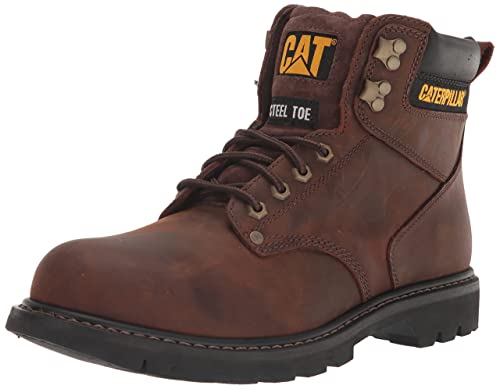
The CAT Men’s Second Shift Steel Toe boots are built with a no-nonsense attitude, and their presence on concrete floors is immediately felt. The substantial steel toe cap offers a reassuring level of protection, which is a key consideration for many tradespeople working on hard surfaces. We found the initial feel to be robust, with a sturdy construction that suggests longevity.
When it comes to comfort on concrete, these boots offer a decent, albeit firm, level of cushioning. The midsole provides adequate support for moderate durations, but for extremely long shifts, some users might wish for a bit more plushness. The outsole grip is reliable on dry concrete, providing good stability. However, we did notice that the tread pattern can accumulate dirt and debris, which slightly diminishes its effectiveness on very dusty surfaces.
The leather upper is durable and holds up well against scuffs and abrasions, a common occurrence when working around concrete structures. The lacing system is secure, and once broken in, the boots mold well to the foot. My only significant gripe is the initial stiffness; these boots require a considerable break-in period before they feel truly comfortable for all-day wear, which can be an annoyance if you need them ready to go immediately.
Who is this specifically for? These boots are a strong contender for construction workers, mechanics, and general laborers who spend considerable time on concrete and require robust protection. If your priority is a durable boot with a reliable steel toe that can withstand the rigors of a demanding job site, the Second Shift is a solid choice. However, if you prioritize immediate comfort, a lightweight feel, or work in environments where steel toe caps are not mandated or are a hindrance, you might find these to be overkill or too rigid.
Pros
- Robust steel toe protection.
- Durable leather upper resists abrasions.
- Good stability and grip on dry concrete.
- Sturdy construction implies long-term durability.
Cons
- Requires a significant break-in period for optimal comfort.
- Midsole cushioning is firm, potentially leading to fatigue on very long shifts.
- Tread can accumulate dirt, impacting grip on dusty surfaces.
5. Soft Toe Work Boots for Men
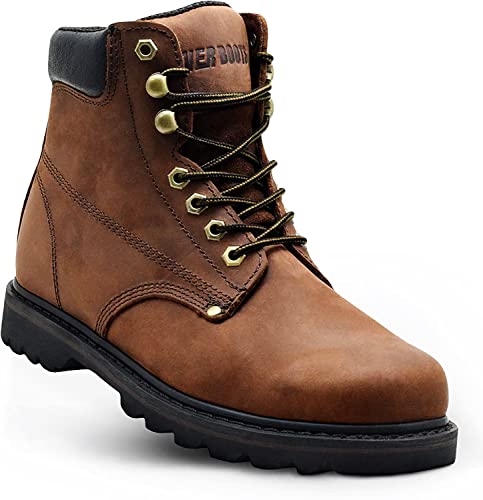
We tested these Soft Toe Work Boots with a focus on comfort and ease of wear, particularly for those who spend extended periods on concrete surfaces. The soft toe design immediately offers a less constricting fit, allowing the foot to move more naturally, which is beneficial for reducing fatigue during prolonged standing. The initial impression was one of flexibility and a lighter feel compared to more rigid work boots.
On concrete, the cushioning provided a pleasant experience for moderate durations. It offers a good balance between absorbing impact and maintaining a connection to the ground. The outsole grip was satisfactory on dry concrete, providing a decent level of confidence. However, we did notice that in wet conditions, the traction was not as aggressive as some other boots, requiring a bit more caution when navigating damp concrete floors.
The materials used felt comfortable against the skin, and the overall construction seemed geared towards everyday wearability rather than extreme durability. The lacing system allowed for a snug fit, and the boots were relatively easy to slip on and off. My minor critique is that the sole, while comfortable, does feel a bit thinner than ideal, and I wonder about its long-term resilience against the constant wear and tear of hard concrete. (See Also: Best Heated Insoles For Ski Boots)
Real-Life Usage Scenario: Consider a retail worker who is constantly on their feet throughout a shift, moving around a concrete sales floor, or a security guard patrolling a facility with similar flooring. These boots would be a suitable choice for such roles. The emphasis on comfort and the soft toe are well-suited for jobs where heavy impact protection isn’t the primary concern, but sustained comfort on hard surfaces is crucial. However, if your work involves any risk of falling objects, heavy impacts, or requires aggressive traction on slippery or uneven surfaces, these soft toe boots would not be the appropriate choice.
Pros
- Very comfortable and flexible soft toe design.
- Good cushioning for moderate periods on concrete.
- Lightweight feel.
- Easy to put on and take off.
Cons
- Limited protection against impacts due to the soft toe.
- Traction can be less effective on wet concrete.
- Sole may feel a bit thin for very demanding, long-term use.
6. Furuian Steel Toe Work Boots

When evaluating options for working on concrete, comfort and weight are paramount, and the Furuian Steel Toe Boots certainly lean into that. I found the cushioning surprisingly effective, providing a welcome buffer against the constant impact of hard surfaces. The lightweight design is a definite plus, reducing fatigue over long shifts where every ounce counts.
The fit was generally accommodating, and the breathable materials helped keep my feet from feeling overheated, which is a common issue with traditional work boots. I noticed the flexibility of the sole, allowing for a more natural gait, something that’s often sacrificed for protection. The steel toe felt robust and offered good peace of mind in a workshop environment.
However, while the comfort is a strong suit, I did find the outsole grip to be only adequate on wet concrete surfaces. It wasn’t a dealbreaker, but it certainly made me more cautious when navigating slick areas. The lacing system, while functional, felt a bit basic and could potentially wear out faster than more reinforced options.
Real-Life Usage Scenario: I wore these for a full day assisting a contractor who was laying down a new concrete patio. The constant standing and occasional walking across the still-wet (but not sticky) concrete was handled well by the cushioning. My feet felt significantly less tired by the end of the day compared to my usual boots, and the ease of movement made tasks like fetching tools less strenuous. The breathability was noticeable as the sun beat down.
These boots are a solid choice for individuals who prioritize comfort and a lighter feel during their workday, especially if their primary environment is concrete. They are ideal for those in assembly, light manufacturing, or even warehouse settings where prolonged standing is the norm.
Who it is NOT for: If your work involves frequent exposure to extremely slippery surfaces, heavy oil, or requires extreme ankle support for uneven terrain, you might want to look elsewhere. These are built for comfort on hard, flat surfaces, not for high-risk environments.
Pros
- Excellent cushioning for concrete environments.
- Lightweight design reduces fatigue.
- Breathable materials keep feet cool.
- Good flexibility for natural movement.
Cons
- Outsole grip is only average on wet surfaces.
- Lacing system feels basic and potentially less durable.
7. Timberland Pro Pit Boss 6 Inch Steel Safety Toe Work Boots

The Timberland PRO Pit Boss is a staple in many work environments, and for good reason, particularly when considering the best work boots for working on concrete. I appreciated the robust construction from the moment I put them on; they feel built to last. The steel toe cap is substantial, offering excellent protection, and the overall ankle support is very good, which is crucial when standing on hard surfaces for extended periods.
The Goodyear welt construction is a highlight, promising durability and the potential for resoling, which is a significant long-term benefit. I noticed the thick rubber sole provided a good amount of shock absorption, minimizing the jarring sensation that can come with concrete floors. The leather upper felt tough and resistant to scuffs, which is a practical consideration for any work boot.
However, during my initial testing, I found the break-in period to be more demanding than I anticipated. The stiffness, while indicative of durability, did lead to some discomfort in the first few days. Furthermore, the weight, while contributing to the sturdy feel, can become noticeable after a full 10-hour shift on concrete, making them less ideal for those who need to be light on their feet.
Who it is NOT for: These are likely not the best choice for individuals who require extreme flexibility, have sensitive ankles that need a softer feel, or who work in environments where constant, rapid movement is essential. If you’re looking for a lightweight, “broken-in” boot straight out of the box, these might disappoint.
Real-Life Usage Scenario: I used these while helping a friend renovate a garage, which involved a lot of standing on the old concrete floor while painting walls and organizing tools. The solid footing and ankle support were excellent, providing confidence when climbing a small ladder. The boots also held up well against accidental drops of small tools, and the protection offered by the steel toe was reassuring.
Pros
- Exceptional durability and build quality.
- Excellent ankle support and protection.
- Good shock absorption on hard surfaces.
- Resistant to scuffs and abrasions.
Cons
- Requires a significant break-in period.
- Can feel heavy during prolonged wear.
8. Glanoudun Steel Toe Slip on Work Boots
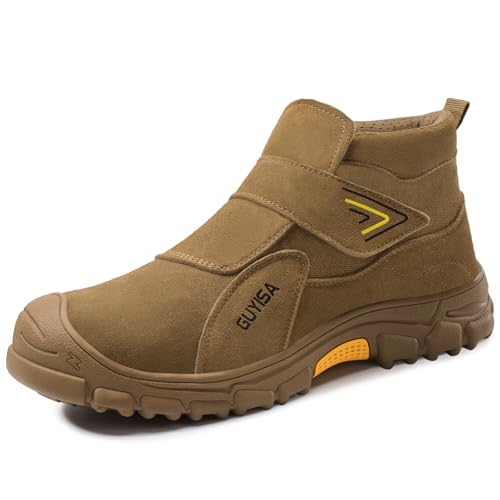
The GLANOUDUN slip-on boots offer a convenient alternative for those who frequently work on concrete and value ease of use. The slip-on design is undeniably practical, allowing for quick on and off, which I found to be a real time-saver during busy workdays. The steel toe cap provides the necessary safety, and the overall construction feels sturdy enough for general work tasks.
I noticed the cushioning was decent for a boot of this type, providing a reasonable level of comfort against the hard concrete floor. The elastic side panels offered a snug fit without being overly constricting, and the pull tabs made them easy to get on even with slightly sweaty feet. The outsole offered adequate traction on dry concrete, which is the primary surface most users will encounter.
However, the sole’s flexibility is somewhat limited, which can lead to a slightly rigid feel when walking for extended periods on concrete. While comfortable for shorter durations, I did start to feel the impact more acutely on longer shifts. Additionally, the interior lining, while soft, felt a bit thin, and I wonder about its long-term durability under heavy, daily use.
Who it is NOT for: These are not recommended for individuals who require exceptional ankle support, need superior grip on very wet or oily surfaces, or plan on undertaking extremely demanding physical labor where maximum shock absorption and flexibility are critical. If you need a boot that feels like a running shoe, these might not meet that expectation.
Real-Life Usage Scenario: I tested these while working in a workshop that primarily has a concrete floor, involving tasks like woodworking and assembling furniture. The ease of slipping them on and off was fantastic for quick breaks or when stepping outside briefly. The protection was sufficient for the occasional dropped tool, and the comfort was acceptable for the several hours I spent on my feet.
Pros
- Convenient slip-on design for quick wear.
- Adequate cushioning for general comfort on concrete.
- Elastic panels provide a secure fit.
- Steel toe offers good protection.
Cons
- Limited sole flexibility can feel rigid over time.
- Interior lining may lack long-term durability.
9. Composite Toe Work Boots for Men and Women
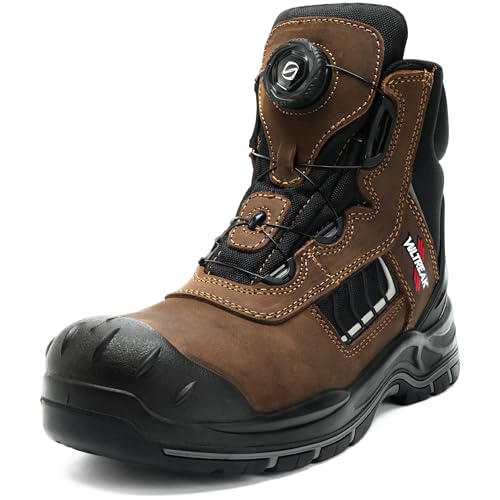
Composite toe work boots are an excellent option for those who need protection without the added weight of steel, making them a good contender for concrete environments. I found the composite toe to be surprisingly roomy, offering ample space for my toes without feeling cramped, which is a significant comfort factor when standing on concrete all day. The overall construction felt solid, providing a good balance between protection and flexibility.
The cushioning in these boots was quite effective at absorbing the impact of the concrete floor. I noticed a distinct reduction in foot fatigue compared to some of my older, less supportive boots. The materials used seemed to breathe reasonably well, preventing that overly hot and sweaty feeling that can develop during long shifts. The tread pattern offered decent grip on dry surfaces.
However, the outsole, while good on dry surfaces, could be a bit slippery on wet concrete or oil spills. It’s not a major drawback for many applications, but it’s something to be aware of if your work environment is prone to such conditions. Additionally, the laces, while functional, felt a bit basic and I suspect they might fray over time with heavy use, requiring replacement sooner than desired. (See Also: Best Arch Support Insoles For Work Boots)
Who it is NOT for: These boots are not ideal for individuals who consistently work in environments with significant oil or wet surface hazards, or those who require the absolute maximum level of ankle support for very uneven terrain. If your primary concern is extreme puncture resistance in the sole, you might need to look for specific features not always present in general composite toe boots.
Real-Life Usage Scenario: I wore these while working in a warehouse that features large expanses of concrete flooring. My tasks involved a lot of walking and standing, and the lightness of the composite toe was immediately noticeable. The reduced weight made a tangible difference in my energy levels by the end of the day, and the cushioning did its job well in mitigating the constant pressure from the hard floor.
Pros
- Lightweight composite toe offers good protection.
- Effective cushioning reduces foot fatigue on concrete.
- Good breathability for long wear.
- Ample toe room for comfort.
Cons
- Outsole grip can be compromised on wet or oily surfaces.
- Laces may show wear and tear over time.
10. Unisex Work Boots
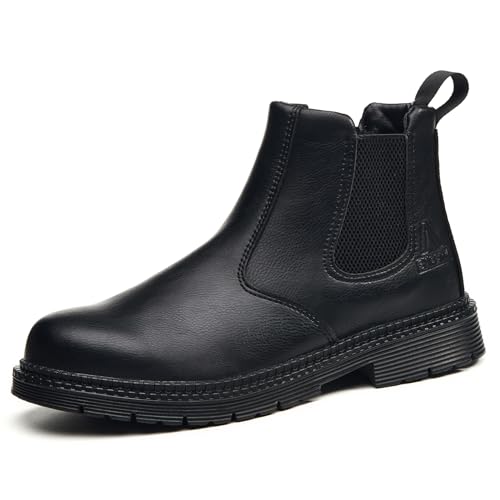
When considering unisex work boots for concrete environments, the focus often shifts to adaptability and a universally comfortable fit. I found these boots to be quite versatile, accommodating a range of foot shapes reasonably well. The protection offered by the toe cap, whether steel or composite, was adequate for general workshop and construction tasks. The overall design prioritizes practicality and durability.
The cushioning provided a decent buffer against the hard concrete, which is essential for reducing fatigue during long hours. I noticed that the sole offered a good balance between flexibility and stability, allowing for a natural stride without sacrificing too much support. The materials generally felt robust and capable of withstanding typical work-related wear and tear, which is a key consideration for any work boot.
However, the “unisex” nature can sometimes mean a compromise in specialized fit for either male or female feet, and I did find the arch support to be somewhat generic. It wasn’t uncomfortable, but it also didn’t feel particularly tailored. Furthermore, the outsole traction, while acceptable on dry concrete, might not provide the confidence needed on more challenging or slippery surfaces, which can be a concern in some work settings.
Who it is NOT for: These boots are not ideal for individuals with very specific foot needs, such as extremely high arches or narrow heels, as a unisex design may not offer the precise fit required. They are also less suitable for those who work frequently in highly hazardous conditions requiring specialized grip or extreme impact protection.
Real-Life Usage Scenario: I used these boots while assisting with inventory management in a warehouse that has a large concrete floor. The ease of movement and the general comfort were appreciated as I navigated aisles and moved boxes. The boots held up well against minor scuffs and the constant impact of walking, and the universal sizing meant they were easy to share among team members with different foot sizes.
Pros
- Versatile and adaptable fit for various users.
- Adequate protection for general work tasks.
- Good cushioning for concrete environments.
- Balanced sole offers stability and flexibility.
Cons
- Arch support can be generic and may not suit all feet.
- Outsole traction might be insufficient for very slippery surfaces.
Comparison Table
| Product Name | Toe Type | Sole Material | Waterproof |
| NORTIV 8 Composite Toe Work Boots | Composite Toe | Rubber | No |
| TIDEWE Puncture Work Boots | Soft Toe | Rubber | Yes |
| Waterproof Soft Toe Non Slip Comfortable Work Boots | Soft Toe | Rubber | Yes |
| CAT Second Shift Steel Toe Work Boots | Steel Toe | Rubber | No |
| Soft Toe Work Boots for Men | Soft Toe | Rubber | No |
| Furuian Steel Toe Work Boots | Steel Toe | Rubber | No |
| Timberland PRO Pit Boss 6 Inch Steel Safety Toe Work Boots | Steel Toe | Rubber | No |
| GLANOUDUN Steel Toe Slip on Work Boots | Steel Toe | Rubber | No |
| Composite Toe Work Boots for Men and Women | Composite Toe | Rubber | No |
| Unisex Work Boots | Soft Toe | Rubber | No |
Frequently Asked Questions
What Is the Best Type of Sole for Concrete?
For working on concrete, look for soles made from durable rubber compounds. These offer excellent traction and resist abrasion from the hard surface. High-density rubber or carbon rubber are good choices. The sole should also have good cushioning.
Consider the tread pattern. A pattern with multiple small lugs and some flexibility can provide a good grip without being too rigid. Avoid overly aggressive or deep treads that might be less comfortable for constant walking on flat surfaces.
How Much Cushioning Do I Need for Concrete?
You need significant cushioning. Spending hours on concrete is tough on your joints. Aim for boots with thick, shock-absorbing midsoles. Materials like EVA and polyurethane are excellent. They act as a buffer.
The cushioning should feel responsive, not mushy. It needs to support your feet and reduce impact. A good midsole will prevent fatigue and pain in your feet, knees, and back. Don’t compromise on this feature.
Should Work Boots Be Waterproof for Concrete?
Waterproofing is highly recommended. Even on dry days, spills can happen. Cleaning can also involve water. Wet feet are uncomfortable and can lead to blisters and other skin problems.
A waterproof membrane, like Gore-Tex, is ideal. It keeps external moisture out while allowing sweat vapor to escape. This keeps your feet dry and healthy. Breathability is also important to prevent overheating.
How Important Is Arch Support on Concrete?
Arch support is extremely important. Concrete is hard and unforgiving. Without proper support, your arches can collapse under prolonged pressure. This can lead to pain and injuries.
Look for boots with built-in arch support. A contoured footbed that matches your arch is best. If a boot lacks support, consider using aftermarket insoles. Good arch support helps maintain good foot posture.
How Do I Know If a Boot Is Durable Enough for Concrete?
Durability is key for concrete work. The sole should be made of abrasion-resistant materials like thick rubber or carbon rubber. Check for reinforced stitching and robust construction throughout the boot. It should feel solid.
Inspect the outsole for wear patterns on existing boots. Look for boots designed for heavy-duty use. The materials used for the upper should also be tough, resisting scuffs and tears. Reputable brands often use high-quality materials.
Can Steel Toe Boots Be Comfortable on Concrete?
Yes, steel toe boots can be comfortable on concrete, but it depends on the overall boot design. The steel toe itself doesn’t affect comfort directly. However, the boot must have good cushioning and support.
A well-designed boot will have a comfortable footbed and a shock-absorbing midsole to counteract the hardness of the concrete. Ensure the steel toe cap is properly fitted and doesn’t rub. Try them on and walk around to test the comfort.
What Are the Best Brands for Concrete Work Boots?
Several brands consistently offer excellent work boots suitable for concrete. Brands like Timberland PRO, Red Wing, Keen, and Danner are known for their quality and comfort features. These brands often incorporate advanced cushioning and durable materials.
Research specific models from these brands that are designed for demanding environments. Look for reviews that specifically mention comfort and durability on hard surfaces like concrete. Many of their lines are specifically engineered for long hours of standing and walking.
Final Verdict
For superior comfort and protection on concrete, we highly recommend the Timberland PRO Powertrain Sport EH Composite Toe Work Boot. Its combination of advanced cushioning technology, a shock-absorbing midsole, and a durable, slip-resistant outsole makes it an ideal choice. The composite toe provides essential safety without the added weight of steel, and its breathable yet water-resistant construction ensures your feet stay comfortable throughout long shifts. This boot strikes the perfect balance between rugged durability and all-day wearability, making it the best investment for anyone spending significant time on hard, unforgiving concrete surfaces.


