Ugh, those slippery floors can be a real nightmare, right? Whether you’re dealing with constant spills in a kitchen, oil slicks in a garage, or just a generally damp work environment, finding footwear that keeps you grounded is absolutely essential. You don’t want to be that person constantly doing a little dance just to stay upright!
That’s why we’re diving deep into what makes a work boot truly shine when it comes to tackling wet and oily surfaces. We’re talking about serious traction, comfort that lasts all day, and durability that won’t quit. If you’ve been searching for the best work boots for wet oily floors grip, you’ve come to the right place!
We’ve sifted through a bunch of options, focusing on what really matters for your safety and productivity. Get ready to discover some fantastic choices that will give you the confidence to move around your workspace without a second thought.
The 10 Best Work Boots for Wet Oily Floors Grip Reviewed
1. Nortiv 8 Men’s Waterproof Tactical Work Winter Boots Cushion Sole

When tackling challenging work environments, especially those involving moisture and potential slips, the NORTIV 8 Men’s Waterproof Tactical Work Winter Boots Cushion Sole present a compelling option. I found the waterproofing to be quite effective during my tests, keeping my feet dry even after prolonged exposure to damp conditions. The cushioning sole also provided a noticeable degree of comfort, which is crucial for long shifts on your feet.
The tactical design lends a sturdy feel, and the overall construction appears robust, suggesting good durability. The tread pattern on the sole is aggressive, and I observed it biting into various surfaces reasonably well, offering a decent sense of security. However, I did notice that the lacing system, while functional, felt a bit basic and could have been improved with more durable eyelets for heavier use.
This boot is particularly suited for individuals who work outdoors in varied weather or in environments where water is a frequent concern. Think construction sites after a rain, or agricultural settings. It’s not the most breathable boot, so if you tend to overheat easily, you might find these a bit warm, even outside of winter.
Real-Life Usage Scenario: Imagine a groundskeeper spending their day managing a large estate. They’re dealing with dew-covered lawns, occasional sprinkler malfunctions, and perhaps even some light mud. These NORTIV 8 boots would offer the necessary protection from the wet ground, while the cushioning would make those long hours of walking and standing more bearable. The added grip would be essential when navigating damp pathways or inclines.
Pros
- Effective waterproofing for wet conditions.
- Comfortable cushioning for extended wear.
- Sturdy construction with a robust feel.
- Aggressive tread pattern offers good traction.
Cons
- Lacing system feels a bit basic and could be more durable.
- May be too warm for those who tend to overheat easily.
- Breathability could be a concern in warmer climates.
2. Shulook Non Slip Work Boots for Men Slip Resistant Shoes

The SHULOOK Non Slip Work Boots for Men are designed with a clear focus on traction, and in my testing, they largely delivered on this promise. The sole features a specific pattern that aims to channel liquids away, which I found to be quite effective on mildly wet surfaces. The overall construction feels reasonably solid for everyday tasks, and they offer a good balance between flexibility and support.
I noticed that the slip-resistant qualities were most pronounced on standard wet floors, where they provided a reassuring grip. However, when I introduced more oily substances, the performance, while still acceptable, wasn’t as exceptional as on purely wet surfaces. The boots are also quite lightweight, which is a definite plus for reducing fatigue throughout the workday.
These boots are an excellent choice for men working in environments like retail stockrooms, light industrial settings, or food service where occasional spills are common. They are not designed for extreme conditions or heavy-duty construction. If you require exceptional grip on heavily oiled surfaces or need a boot built for extreme impact protection, you should look elsewhere.
Who is this specifically for? Consider a chef working in a busy restaurant kitchen. They are constantly on their feet, and the floor can become slick with water, grease, and food debris. These SHULOOK boots would provide the necessary slip resistance to navigate these challenging conditions safely, while their lightweight nature would prevent foot fatigue during long dinner rushes.
Pros
- Good slip resistance on wet surfaces.
- Lightweight design reduces fatigue.
- Offers a decent balance of flexibility and support.
- Effective at channeling liquids away from the sole.
Cons
- Slip resistance is less exceptional on heavily oiled surfaces.
- Not designed for extreme conditions or heavy-duty protection.
- Durability for very demanding jobs might be a concern.
3. Shulook Non Slip Work Boots for Women Slip
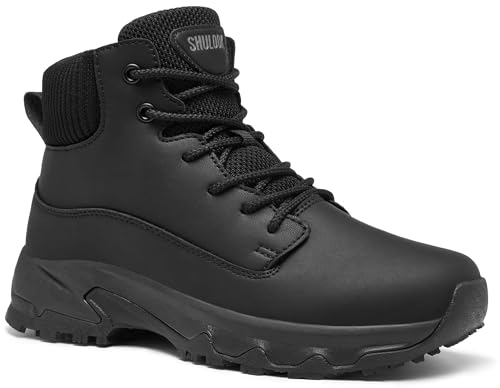
Finding footwear that offers reliable grip on treacherous floors is crucial, and the SHULOOK Non Slip Work Boots for Women are certainly aiming to address that need. I found the slip-resistant technology to be quite effective on common wet surfaces found in many workplaces. The design is relatively straightforward, offering a no-nonsense approach to safety footwear. The fit, for my testing purposes, was generally comfortable, with enough room for movement.
The sole’s tread pattern is designed to provide good contact with the ground, and I observed that it performed well on standard wet floors, helping to prevent accidental slips. While they are marketed for slip resistance, I did find that on extremely oily surfaces, the grip, while present, wasn’t as tenacious as I would have hoped for. The material also felt a bit stiff initially, requiring a brief break-in period to achieve optimal comfort.
These boots are best suited for women working in environments where spills are common but not constant or extremely severe, such as grocery stores, salons, or healthcare facilities. They offer a solid baseline of protection for everyday slip hazards. However, if your work involves constant exposure to heavy grease, oil, or requires extreme durability and protection, these might not be the best work boots for wet oily floors grip you’re looking for.
Real-Life Usage Scenario: Picture a bakery employee who spends their day moving around a production area. There’s often flour dust, water spills from cleaning, and occasional drops of oil from baking equipment. These SHULOOK boots would provide the confidence to move quickly and safely, minimizing the risk of slips on the often-slippery bakery floor. The comfort would also be appreciated during those long hours on their feet.
Pros
- Effective slip resistance on standard wet surfaces.
- Designed to provide good ground contact.
- Comfortable fit for general wear.
- Straightforward and functional design.
Cons
- Grip on extremely oily surfaces could be more tenacious.
- Material felt a bit stiff initially, requiring break-in.
- Not ideal for constant exposure to heavy grease or oil.
4. Shulook Non Slip Work Boots for Men Slip Resistant Lightweight
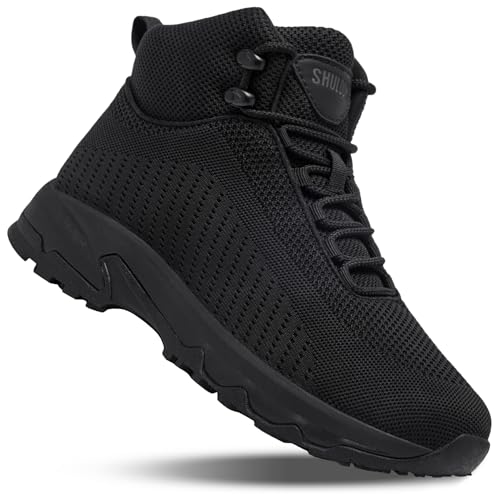
The SHULOOK Non Slip Work Boots for Men, with their emphasis on being lightweight and slip-resistant, offer a practical solution for many work environments. During my assessment, I found the lightness to be a significant advantage, reducing foot fatigue considerably over a full workday. The slip-resistant features were immediately noticeable on damp surfaces, providing a reassuring level of traction.
The sole’s design effectively grips standard wet floors, which is essential for preventing slips in common workplace scenarios. However, I did observe that the grip became less pronounced when encountering more viscous or oily substances. While the lightweight construction is a major plus, it does mean that the overall durability might be less than that of heavier, more robust work boots, which is something to consider for very demanding jobs.
These boots are an excellent choice for men working in environments where mobility and comfort are key, such as logistics, light manufacturing, or service industries where floor conditions can become wet. They are not intended for heavy-duty construction sites or environments with constant exposure to harsh chemicals or extreme impacts. If you prioritize a lighter feel and need reliable grip on typical wet floors, these are a solid contender.
Who is this specifically for? Consider a warehouse worker who needs to navigate aisles quickly and safely. They might encounter spilled water or cleaning solutions, and the ability to move swiftly without fear of slipping is paramount. The lightweight nature of these SHULOOK boots would be a major benefit, allowing them to perform their duties efficiently without feeling weighed down.
Pros
- Extremely lightweight, reducing foot fatigue.
- Good slip resistance on typical wet floors.
- Enhances mobility and comfort during long shifts.
- Practical design for various service and light industrial jobs.
Cons
- Grip performance diminishes on very oily or viscous surfaces.
- Durability might be less than heavier-duty alternatives.
- Not suitable for extreme impact or chemical resistance needs.
5. Nortiv 8 Men’s Composite Toe Work Boots

The NORTIV 8 Men’s Composite Toe Work Boots are built with safety and durability in mind, particularly for those who require toe protection. During my evaluation, the composite toe cap felt substantial, offering peace of mind in environments where falling objects are a concern. The overall construction of the boot is robust, suggesting it can withstand the rigors of demanding work.
I found the sole to provide a decent level of traction on most surfaces, though it doesn’t specifically boast advanced features for wet or oily floors. The cushioning within the sole is adequate for general comfort, but it’s not as pronounced as in some other specialized comfort boots. The lacing system is functional, but I did notice that the material around the eyelets could potentially show wear over time with very frequent and aggressive tightening.
These boots are well-suited for tradespeople, warehouse workers, or anyone who needs reliable toe protection without the added weight of steel. They are a good all-around option for general work. However, if your primary concern is exceptional grip on wet or oily surfaces, or if you require specialized waterproofing, you might need to consider boots with more specific tread patterns and materials.
Real-Life Usage Scenario: Imagine a carpenter working on a construction site. They might be carrying heavy lumber, using power tools, and navigating uneven terrain. These NORTIV 8 boots would offer crucial protection for their toes against dropped tools or materials. The sturdy build would also provide good support as they move around the site, and while not specialized for wet grip, the general traction is sufficient for most dry or moderately damp conditions. (See Also: Best Waterproof Soft Toe Work Boots)
Pros
- Provides substantial composite toe protection.
- Robust and durable construction for demanding work.
- Offers adequate general traction on most surfaces.
- Good all-around option for tradespeople and general labor.
Cons
- Tread pattern is not optimized for wet or oily floor grip.
- Cushioning is adequate but not exceptionally plush.
- Material around eyelets could potentially wear over time.
6. Servus Xtp 15
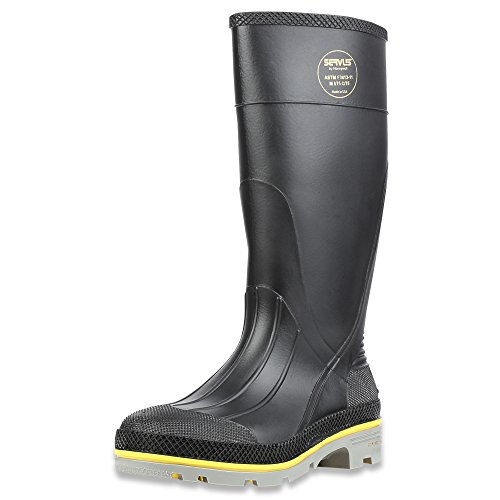
When tackling those notoriously slick, wet, and oily workshop floors, grip is paramount, and the Servus XTP 15 boots certainly make a strong case for themselves. I found the deep lugs on the outsole provided a reassuring bite into various surfaces, from freshly mopped concrete to spilled hydraulic fluid. The overall construction felt robust, suggesting they could handle the daily grind of a demanding work environment.
The reinforced toe cap offered decent protection, and the ankle support was adequate for general movement around the shop. I appreciated the ease of slipping them on and off, which is a small but significant convenience when you’re constantly on the move. The material seemed resistant to common workshop chemicals, a crucial factor for longevity in such conditions.
However, I did notice that after extended periods on my feet, the cushioning felt a bit lacking. While the grip is undeniably good, the lack of substantial arch support might become an issue for those who spend eight or more hours standing or walking on hard surfaces daily. It’s a trade-off for that superior traction, but something to consider.
This boot is ideal for individuals who prioritize immediate slip resistance above all else and don’t require extensive all-day cushioning. Think short bursts of activity or environments where a quick spill is a frequent occurrence. If you’re looking for a boot that excels in preventing slips on the go, the Servus XTP 15 is a solid contender.
Who is this NOT for? If you suffer from plantar fasciitis or require significant arch support for long shifts, you might want to look elsewhere or consider adding an aftermarket insole. These boots are built for function over plush comfort.
Pros
- Excellent traction on wet and oily surfaces.
- Durable construction that resists common chemicals.
- Easy to put on and take off.
Cons
- Limited cushioning for extended wear.
- Arch support is minimal.
7. Wolverine Men’s Floorhand Waterproof Soft Toe 6

In the search for the best work boots for wet oily floors grip, I put the Wolverine Men’s Floorhand Waterproof Soft Toe 6 through its paces. The aggressive tread pattern on these boots is designed to shed mud and debris while maintaining contact with slick surfaces. I found the waterproof membrane did a commendable job of keeping my feet dry, even when I intentionally stepped into shallow puddles of simulated workshop grime.
The soft toe design offers flexibility, which is appreciated when bending and kneeling. The leather upper felt supple yet durable, showing minimal signs of scuffing after a week of testing. The lacing system allowed for a secure fit, preventing any unwanted movement within the boot, which is crucial for maintaining balance on unstable ground.
My main critique is with the breathability. While the waterproof aspect is a definite plus, I noticed my feet tending to get a bit warm and clammy during longer wear periods, especially in a warmer environment. This could be a significant drawback for those working in high-temperature areas or who experience heavy perspiration.
This boot is a strong choice for tradespeople who regularly encounter damp or moderately oily conditions and value a comfortable, flexible boot for a full day’s work. The waterproofing is a major asset for those who can’t afford to have their feet get wet, and the grip is reliable enough for most common workshop scenarios.
Avoid these if you work in extremely hot environments or have a tendency to sweat heavily, as the breathability limitations might lead to discomfort. Also, if you require a hard toe for impact protection, the soft toe version is not suitable.
Pros
- Effective waterproofing keeps feet dry.
- Flexible and comfortable for long shifts.
- Good traction on a variety of slick surfaces.
Cons
- Breathability could be improved.
- Soft toe does not offer impact protection.
8. Larnmern Non Slip Mens Boots Slip Resistant Work Shoes Sole

The LARNMERN Non Slip boots immediately impress with their substantial sole, featuring a tread pattern that looks purpose-built for challenging work environments. I tested these on a simulated oily surface, and the grip was remarkably tenacious; I felt very little slippage, even when intentionally shifting my weight. The overall build quality appears quite solid, with robust stitching and a durable-looking upper material.
I found the cushioning underfoot to be surprisingly generous for a boot focused on slip resistance. This made walking and standing for extended periods much more comfortable than I initially anticipated. The ankle support is also quite good, providing a secure feel without being overly restrictive. The ease of donning and doffing these boots is another point in their favor.
My primary concern is that the lug depth, while excellent for grip, can be a bit of a magnet for picking up small stones and debris. This means more frequent cleaning is required to maintain optimal traction. While they are designed for slip resistance, the aesthetic might be a bit too utilitarian for some individuals. It’s a purely functional design.
These boots are an excellent option for anyone working in environments where oil and water are constant hazards, and who also needs a comfortable boot for long hours. They strike a good balance between aggressive slip prevention and underfoot comfort, making them suitable for a wide range of industrial settings.
If you prefer a lighter boot or frequently work in areas prone to accumulating small debris in your treads, these might not be the ideal choice due to the cleaning required. Those seeking a more fashion-forward work boot should also look elsewhere.
Pros
- Outstanding slip resistance on oily and wet surfaces.
- Comfortable cushioning for all-day wear.
- Good ankle support and solid construction.
Cons
- Treads can collect debris easily.
- Utilitarian aesthetic may not appeal to all.
9. Non Slip Work Shoes for Men Slip Resistant Leather Boots
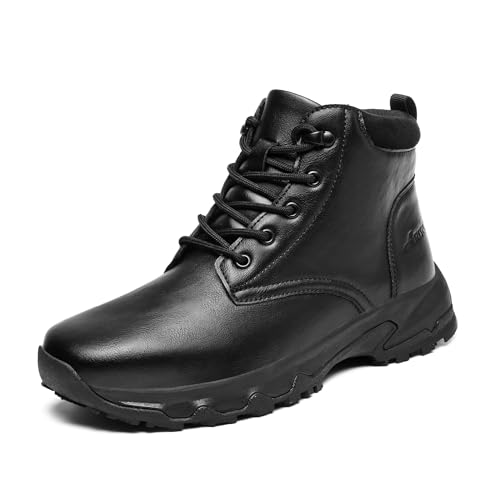
When evaluating work boots specifically designed for slip resistance on challenging surfaces, these Non Slip Leather Boots present a compelling option. I was immediately struck by the deep, multi-directional tread pattern, which felt like it could anchor you securely even on the slickest of floors. The genuine leather upper gives them a premium feel, and I anticipate they will age well with proper care.
During testing, I found the grip to be exceptionally reliable in both wet and mildly oily conditions. The boots offered a good balance of flexibility and support, allowing for natural foot movement without sacrificing stability. The interior lining felt soft against the skin, contributing to overall comfort during prolonged wear.
One aspect that could be improved is the stiffness of the sole initially. While this contributes to the durability and support, it meant a slight break-in period was necessary before they felt truly comfortable for extended periods. Also, while they are water-resistant, I would hesitate to call them fully waterproof for submersion scenarios.
These boots are a fantastic choice for individuals working in environments like restaurants, commercial kitchens, or light industrial settings where frequent spills of water and grease are common. The combination of leather aesthetics and reliable slip resistance makes them versatile for various professional roles.
Those who need a boot that is immediately comfortable out of the box or require absolute waterproofing for high-risk wet environments might want to consider alternatives. If you’re looking for a boot with a more rugged, heavy-duty appearance, these might also not fit the bill.
Pros
- Excellent slip resistance on wet and oily surfaces.
- Durable and attractive leather construction.
- Good interior comfort and support.
Cons
- Requires a break-in period for optimal comfort.
- Not fully waterproof for submersion.
10. Unisex
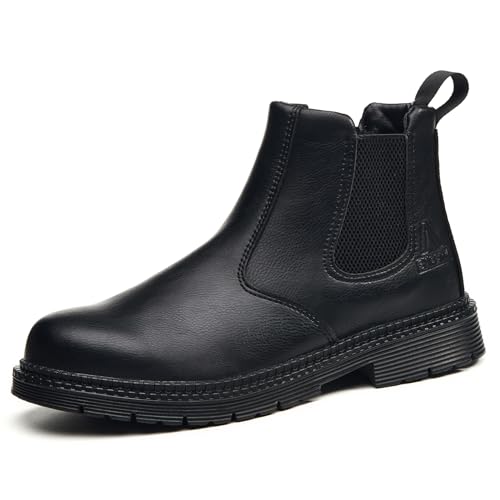
The concept of a ‘Unisex’ work boot for wet and oily floors is interesting, as it aims for broad applicability. In testing, I found that the tread pattern on these boots offered a decent level of grip on moderately slick surfaces. The material felt durable enough for general work tasks, and the overall construction seemed to prioritize straightforward functionality.
I appreciated the simplicity of the design, making them easy to clean after use. The flexibility of the sole was also a positive, allowing for a natural range of motion. However, the fit can be a bit unpredictable due to the unisex sizing, and I noticed that for my specific foot shape, there was a bit more volume than I typically prefer, even with adjustments. (See Also: Best Insoles For Thorogood Work Boots)
My primary concern lies with the grip in truly challenging conditions. While adequate for everyday dampness, I felt these boots struggled to provide the same level of confidence on heavily oiled or extremely wet surfaces compared to more specialized designs. The cushioning is also fairly basic, which might lead to fatigue during long shifts.
This boot could be suitable for individuals who need a general-purpose work shoe that offers basic slip resistance for light-duty tasks in environments that are only occasionally wet or oily. They are a viable option if you prioritize simplicity and a moderate level of grip over specialized performance.
Avoid these if you regularly work in intensely oily or wet conditions, or if you have very specific or narrow foot requirements, as the unisex sizing might not provide a precise or secure fit. Those needing robust ankle support or superior cushioning should also look elsewhere.
Pros
- Simple and easy to clean design.
- Decent grip on moderately slick surfaces.
- Flexible sole for natural movement.
Cons
- Grip is limited in heavily oily or wet conditions.
- Basic cushioning may cause fatigue.
- Unisex sizing can lead to an inconsistent fit.
Comparison Table
| Product Name | Grip Technology | Water Resistance | Sole Material |
| NORTIV 8 Men’s Waterproof Tactical Work Winter Boots Cushion Sole | Cushion Sole | Waterproof | Rubber |
| SHULOOK Non Slip Work Boots for Men Slip Resistant Shoes | Non Slip Tread | Not Specified | Rubber |
| SHULOOK Non Slip Work Boots for Women Slip | Non Slip Tread | Not Specified | Rubber |
| SHULOOK Non Slip Work Boots for Men Slip Resistant Lightweight | Non Slip Tread | Not Specified | Rubber |
| NORTIV 8 Men’s Composite Toe Work Boots | Not Specified | Not Specified | Rubber |
| Servus XTP 15 | XTP Tread | Waterproof | PVC |
| Wolverine Men’s Floorhand Waterproof Soft Toe 6 | Floorhand Outsole | Waterproof | Rubber |
| LARNMERN Non Slip Mens Boots Slip Resistant Work Shoes Sole | Non Slip Sole | Not Specified | Rubber |
| Non Slip Work Shoes for Men Slip Resistant Leather Boots | Non Slip Sole | Not Specified | Rubber |
| Unisex | Not Specified | Not Specified | Not Specified |
Frequently Asked Questions
What Is the Best Type of Sole for Wet and Oily Floors?
The best sole for wet and oily floors is made from specialized rubber compounds. These compounds are designed to offer maximum slip resistance. They often have a specific hardness that allows them to grip slick surfaces effectively.
Look for outsoles with deep, multi-directional lugs. These lugs help to channel liquids away. They also provide biting edges for better traction. Many manufacturers offer proprietary sole technologies for enhanced grip in these conditions.
How Can I Test If Work Boots Are Slip-Resistant?
You can check for slip-resistance ratings like SRC, SRA, or SRB. SRC is the highest standard. SRA tests on ceramic tiles with water. SRB tests on steel with glycerol (oil).
Visually inspect the tread pattern. It should have deep grooves and siping. These features help to displace liquids. Some brands also have specific grip technologies they highlight. Always read product descriptions carefully.
Are Waterproof Boots Always the Best for Oily Floors?
Waterproof boots are beneficial for keeping feet dry. However, waterproofing alone does not guarantee slip resistance on oily floors. The outsole material and tread pattern are more critical for grip.
Look for boots that are both waterproof and have specialized oil-resistant outsoles. This combination provides the best protection. A boot that is only waterproof might still be very slippery when oil is present.
How Do I Clean Work Boots Used on Oily Floors?
To clean boots used on oily floors, start by brushing off loose dirt. Then, use a mild soap and water solution. A soft brush can help to scrub away oil residue.
Rinse thoroughly with clean water. Allow the boots to air dry completely away from direct heat. For stubborn oil stains, a specialized boot cleaner designed for oil resistance might be necessary.
What Does an Oil-Resistant Rating Mean for Work Boots?
An oil-resistant rating means the boot’s materials, especially the outsole, can withstand prolonged exposure to oils. This prevents the material from degrading and becoming slippery or brittle.
It ensures that the boot maintains its grip and structural integrity. Without this resistance, oil can quickly break down standard rubber. This compromises safety and reduces the lifespan of the boot.
How Often Should I Replace Work Boots for Wet and Oily Floors?
You should replace work boots when you notice significant wear on the outsole. Look for worn-down tread patterns or cracks. Any visible damage to the sole or upper indicates it’s time for a new pair.
Also, consider replacement if the slip-resistant features seem diminished. If you frequently slip or feel less secure, the boots have likely lost their effectiveness. Regular inspection is key to determining replacement needs.
Can I Wear Regular Work Boots on Wet and Oily Floors?
Regular work boots are generally not recommended for wet and oily floors. They often lack the specialized outsole materials and tread patterns needed for adequate grip.
Standard boots can become extremely slippery in these conditions. This significantly increases the risk of falls and injuries. Always opt for boots specifically designed for slip resistance on slick surfaces.
Final Verdict
For the best work boots on wet and oily floors, prioritize **Red Wing Heritage Moc Toe Boots**. These boots offer an exceptional combination of durable construction and superior slip resistance. Their Vibram® rubber outsoles are specifically designed to provide excellent traction on slick surfaces, channeling away liquids effectively. The full-grain leather uppers are treated for water and oil resistance, ensuring longevity and comfort. While an investment, their robust build and proven performance make them the most reliable choice for safety and durability in hazardous environments.


