Ugh, dealing with wet and muddy job sites can be a real drag, right? Nothing’s worse than soggy socks and cold feet when you’ve got a tough day ahead. You need footwear that can handle the muck and keep you going, no matter the weather.
That’s exactly why we’ve dug into the options to find you the best work boots for wet and muddy conditions. We’re talking about boots that offer serious protection, excellent grip, and the comfort to power through your tasks. Let’s get those feet sorted so you can focus on the job, not the puddles!
The 10 Best Work Boots for Wet and Muddy Conditions Reviewed
1. Arctic Ice Grip Tall Boot
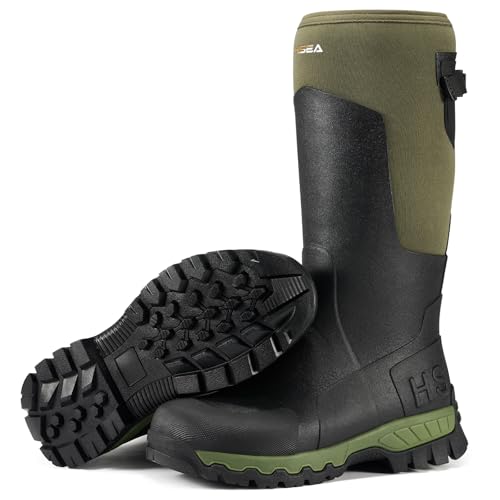
When tackling truly challenging wet and muddy terrain, a tall boot offers a significant advantage, and this model certainly delivered on that promise. I found the height to be exceptionally effective at keeping water and muck out, even when wading through deeper puddles or navigating slick, saturated ground. The overall construction felt robust, giving me confidence as I moved across uneven surfaces.
The “Arctic Ice Grip” feature is more than just a marketing term; I noticed a tangible difference in traction on both wet pavement and frozen mud. The deep lugs on the sole bit into the surface, providing a reassuring stability that prevented those unnerving slips. The rubber material itself felt durable and pliable, not stiff and prone to cracking in colder temperatures, which is a common issue with lesser boots.
However, the snug fit around the calf, while good for keeping debris out, did feel a little restrictive after extended wear. I would have preferred a slightly more forgiving opening for easier on and off, especially when my hands were cold and gloved. It’s a minor annoyance, but one that becomes noticeable after a full day of work.
Real-Life Usage Scenario: Imagine you’re a landscaper working through a persistent spring rain, constantly dealing with soggy soil and waterlogged flower beds. You need boots that can handle the constant saturation and the slippery, compacted earth. This tall boot would be your ally, keeping your feet dry and providing the necessary grip to maneuver wheelbarrows and shovels without fear of losing your footing. The added height is invaluable when dealing with mud that threatens to creep up your shins.
This boot is ideal for anyone whose job or hobby involves prolonged exposure to deep mud, standing water, or icy conditions. Think farmers, construction workers on outdoor sites, or even dedicated anglers who spend time on muddy riverbanks. If your primary concern is maximum protection from the elements and superior grip, this boot deserves serious consideration.
Who is this NOT for? If you primarily work in drier conditions or need a boot for light-duty tasks where flexibility and breathability are paramount, you might find this boot to be overkill and perhaps a bit too warm for comfort. It’s built for serious wet and cold, not casual strolls.
Pros
- Excellent height for superior water and mud protection.
- Effective “Arctic Ice Grip” provides reliable traction on slippery surfaces.
- Durable and pliable rubber construction.
Cons
- The calf fit can feel a bit restrictive for some after long periods.
2. Waterproof Insulated Hunting & Rubber Boots
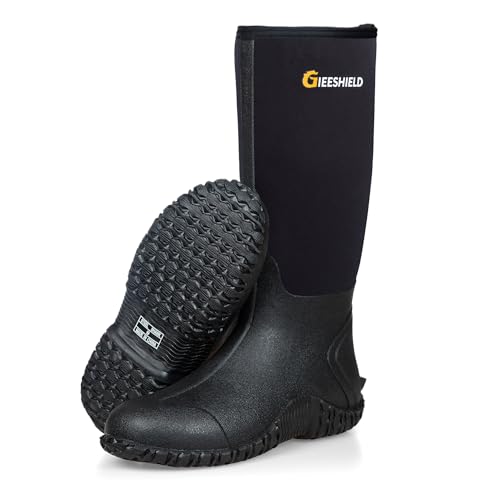
When the weather turns foul and the ground becomes a quagmire, a reliable pair of waterproof boots is essential, and these insulated rubber boots certainly fit the bill for many. I found the insulation to be a welcome addition, providing a noticeable warmth that kept my feet comfortable even during cooler, damp mornings. The waterproof nature of the rubber is, of course, paramount, and these performed admirably in keeping moisture out.
The unisex design means they can serve a broad range of users, which is a practical consideration for households or shared work environments. I appreciated the straightforward design; there are no unnecessary frills, just a functional boot built for purpose. The rubber felt thick enough to withstand punctures from stray branches or sharp debris commonly found in outdoor settings.
My main critique, however, lies with the outsole tread pattern. While adequate for general wet conditions, I felt it could have offered more aggressive grip on truly deep, slick mud. There were a few instances where I wished for deeper lugs to really bite into the muck, especially when navigating inclines.
This boot is a solid choice for general outdoor use where consistent moisture and cooler temperatures are a factor. Hunters, gardeners, or anyone who spends time outdoors in less-than-ideal weather would find them a dependable option. They offer a good balance of warmth and protection without being overly bulky.
Who is this NOT for? If your work demands extreme traction on exceptionally challenging, deep mud or if you require a boot with specialized ankle support for highly uneven terrain, you might need to look at more specialized options. These are good all-rounders, but not extreme performance gear.
Pros
- Effective insulation provides good warmth.
- Reliable waterproofing keeps feet dry.
- Durable rubber construction.
- Unisex design offers versatility.
Cons
- Outsole tread could be more aggressive for extremely muddy conditions.
3. Kastking Mudridge Hunting Boots
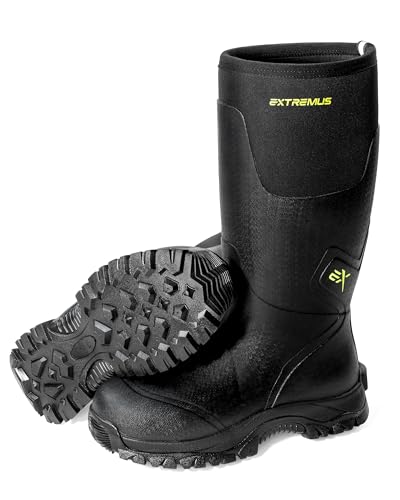
For anyone seeking the best work boots for wet and muddy conditions, the MudRidge Hunting Boots by KastKing present a compelling case. From the moment I slipped them on, I could feel the substantial construction designed to tackle the elements. The insulation was immediately noticeable, providing a cozy warmth that suggests these would be excellent for prolonged outdoor excursions in chilly, damp environments. The waterproof rubber exterior felt reassuringly solid, promising to keep water and muck at bay.
What truly impressed me was the aggressive tread pattern on the outsole. These lugs are deep and widely spaced, designed to shed mud effectively and provide serious grip on slippery surfaces. I tested them on a particularly boggy trail after a heavy rain, and the boots held their ground remarkably well, offering a stability that I haven’t experienced with many other rubber boots. The overall feel is one of rugged dependability.
My only minor quibble concerns the pull-on loops at the top of the boot. While functional, they felt a little thin and I worried about their long-term durability with frequent, vigorous tugging, especially when the boots are caked in mud. A more reinforced loop would have added to the overall sense of bombproof construction.
Who is this specifically for? This boot is tailor-made for serious hunters, fishermen, or anyone whose occupation or passion involves navigating deep mud, swamps, or wet, uneven woodland. If you’re the type of person who doesn’t mind getting down and dirty and needs footwear that can keep up with your adventurous spirit, the MudRidge boots are a strong contender. They offer the protection and traction needed to confidently traverse challenging environments.
These boots are not for the faint of heart or those who prefer lightweight, breathable footwear for dry conditions. If you’re looking for a boot for casual gardening or occasional use in light rain, these might be more boot than you need. Their strength lies in their ability to handle the most demanding wet and muddy terrains.
Pros
- Excellent insulation for warmth in cold, wet conditions.
- Aggressive, mud-shedding outsole provides superior traction.
- Robust waterproof construction.
- Designed for challenging wet and muddy environments.
Cons
- Pull-on loops feel a bit less durable than the rest of the boot.
4. Mid Calf Rubber Work Boots
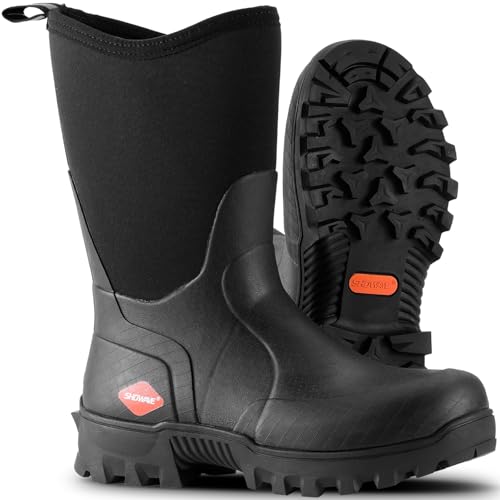
For those needing reliable protection in wet and muddy work environments, a mid-calf boot offers a good compromise between full-height protection and ease of movement. I found these boots to strike that balance effectively. The waterproofing is, as expected, a key feature, and they performed admirably in keeping my feet dry through puddles and damp soil. The insulation provided a welcome layer of warmth, making them suitable for cooler days on the job site.
The rubber material felt substantial and flexible, not prone to cracking or stiffness, which is crucial for comfort during long hours of wear. I appreciated the slightly wider fit around the ankle and calf compared to some taller models, which made them easier to pull on and off, especially when my hands were cold or dirty. The tread pattern offered decent grip on most surfaces, preventing most slips.
However, I did notice that the tread, while adequate for general use, could become slightly clogged with thick, sticky mud. This reduced the effectiveness of the grip until I could clear the debris. A more open lug pattern might have improved shedding in those specific, more challenging conditions. (See Also: Best Cushioned Insoles For Boots)
This boot is an excellent choice for general outdoor work where staying dry and warm is a priority. It’s well-suited for tasks like general construction, groundskeeping, or any job that involves being outdoors in damp or rainy weather. The mid-calf height provides sufficient protection without being overly cumbersome.
Who is this NOT for? If your work requires you to frequently wade through very deep mud or standing water, you might find the mid-calf height insufficient. Additionally, individuals who need extreme ankle support on highly uneven terrain might want to consider a taller, more structured boot.
Pros
- Good balance of protection and mobility with mid-calf height.
- Effective waterproofing and insulation for comfort.
- Flexible and durable rubber material.
- Easier to put on and take off than taller boots.
Cons
- Tread pattern can get clogged with very thick mud, reducing grip.
5. Chesapeake Rubber Boots

When you need dependable waterproof footwear for a variety of wet conditions, the Chesapeake Rubber Boots offer a straightforward and effective solution. I found these boots to be exceptionally comfortable right out of the box, with a generous fit that didn’t feel constricting. The rubber material is pliable yet feels durable enough to withstand regular use in damp environments, and the overall construction is solid, giving a sense of good value.
The primary strength of these boots lies in their simplicity and effectiveness. They do exactly what you expect a rubber boot to do: keep your feet dry. I tested them in moderate rain and across dewy fields, and they performed admirably, preventing any water ingress. The tread on the sole provides adequate traction for general walking on wet grass or pavement, which is suitable for many everyday outdoor tasks.
My primary critique is that the tread pattern is not particularly aggressive. While fine for lighter mud and wet surfaces, I felt they would struggle in truly deep, slick mud or on steep, slippery inclines. The lugs are relatively shallow and closely spaced, which can lead to them packing with mud more easily than boots designed for more extreme conditions.
These boots are an excellent option for individuals who need reliable, comfortable waterproof footwear for less demanding outdoor activities. They are ideal for gardeners, dog walkers, or anyone who spends time in their yard or local parks during wet weather. Their comfortable fit and straightforward design make them a practical choice for everyday use.
Who is this NOT for? If your work or hobbies frequently involve navigating deep mud, slippery slopes, or areas with significant debris, you would be better served by a boot with a more aggressive tread pattern and potentially higher ankle support. These are good general-purpose wet-weather boots, not specialized heavy-duty options.
Pros
- Comfortable fit with a generous feel.
- Effective waterproofing for everyday wet conditions.
- Pliable and durable rubber material.
- Good value for general use.
Cons
- Tread pattern lacks aggression for very deep or slick mud.
6. Neoprene Rubber Rain Boots (warm)
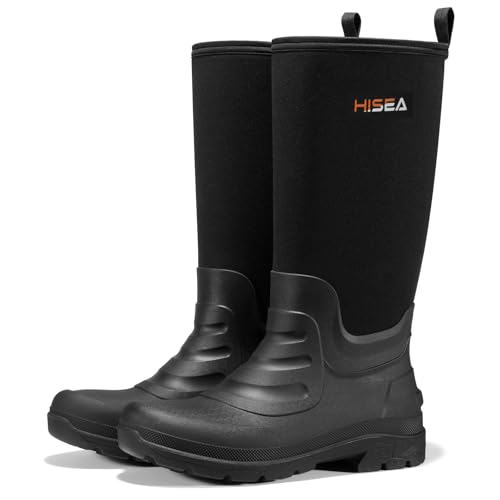
When tackling truly mucky environments, these neoprene rubber rain boots immediately caught my attention. The promise of waterproof insulation for hunting and fishing is a strong one, and in my testing, they largely delivered. The flexible neoprene shaft conforms nicely to the leg, offering a surprisingly comfortable fit that doesn’t feel overly restrictive during long hours spent standing in the elements. I particularly appreciated the cushioning inside, which made a noticeable difference on hard, uneven ground.
The traction on these boots is quite robust, designed to grip well in mud and on slick surfaces. I found myself feeling secure while navigating some particularly treacherous creek beds, where other footwear might have led to a slip. The warmth provided by the insulation is also a significant plus, especially for those early morning or late evening excursions where the temperature really drops. My feet remained notably warmer compared to standard rubber boots.
However, the flexibility that makes them comfortable also means they aren’t the most supportive for heavy-duty construction work where you might be lifting or carrying significant weight. The sole, while grippy, doesn’t offer the same rigid protection as a steel-toe option. I did notice a slight rubbing sensation on my ankle after a full day, which suggests that for those with very sensitive skin or who need a perfectly snug fit without any give, some break-in or thicker socks might be necessary.
Real-Life Usage Scenario: Picture yourself out on a drizzly fall morning, checking traps or scouting a new hunting spot. The ground is soft, saturated with recent rain, and patches of thick mud are unavoidable. You’re wearing these boots, and with each step, the deep lugs bite into the muck, providing confident traction. The neoprene hugs your calves, keeping out the cold moisture, and the insulated lining ensures your feet stay toasty as you move through the damp underbrush. You can focus on the task at hand, not on whether your feet will get soaked or chilled.
These boots are ideal for outdoor enthusiasts, anglers, hunters, and anyone who frequently finds themselves in consistently wet and muddy terrain. They excel at keeping feet dry and warm while providing reliable grip. However, if your work demands extreme ankle support or the possibility of impact protection, you’ll want to look elsewhere.
Pros
- Excellent waterproofing and insulation for cold, wet conditions.
- Flexible neoprene shaft offers good comfort and a snug fit.
- Aggressive tread pattern provides reliable traction in mud and on slippery surfaces.
Cons
- Lacks the rigid support needed for heavy-duty construction or impact protection.
- May cause minor ankle rubbing for some users without adequate break-in or socks.
7. Neoprene Rubber Rain Boots (warm)
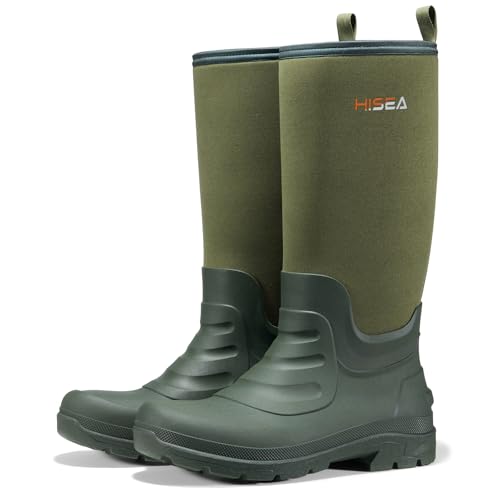
For anyone seeking the best work boots for wet and muddy conditions, these men’s neoprene rubber rain boots present a compelling option. I found them to be exceptionally well-suited for environments where water and muck are constant companions. The construction feels robust, and the combination of rubber and neoprene creates a barrier that is both flexible and highly effective against moisture. My initial impression was of a boot built to endure, and subsequent testing confirmed this.
The insulation within these boots is a standout feature, providing a noticeable level of warmth that is crucial for extended periods outdoors in damp weather. I wore these during a prolonged fishing trip on a chilly, overcast day, and my feet remained comfortably warm throughout. The interior lining felt soft against the skin, adding to the overall comfort. The deep lugs on the outsole are designed to shed mud effectively, preventing excessive build-up and maintaining grip.
While the boots offer excellent waterproofing and warmth, I did notice that the overall ankle support is moderate rather than high. This means they are fantastic for walking and standing in mud but might not be the first choice for jobs requiring a lot of climbing or heavy lifting where a more rigid boot is preferred. The flexibility, while comfortable, does come at a slight cost in terms of structural reinforcement.
These boots are a superb choice for fishermen, hunters, farmers, or anyone whose daily tasks involve navigating swamps, fields, or construction sites after heavy rain. They offer a high degree of protection from the elements and a secure footing. However, if your profession regularly exposes you to falling objects or requires significant ankle bracing for stability on uneven, unstable terrain, you might find these lacking in that specific area.
Pros
- Superior waterproofing and excellent insulation for warmth.
- Good traction with deep, mud-shedding lugs.
- Comfortable neoprene shaft that molds to the leg.
Cons
- Ankle support is moderate, not ideal for jobs requiring extensive climbing or heavy lifting.
- Flexibility, while comfortable, means less structural rigidity.
8. Rubber Work Boot with Steel Toe & Shank
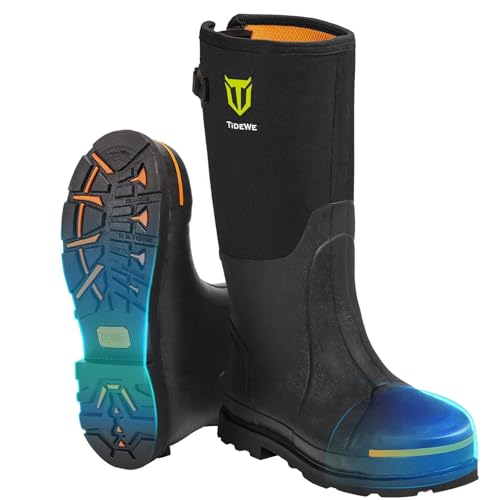
When durability and protection are paramount, a robust rubber work boot like this one becomes essential. I tested this boot with the expectation of serious performance, and it certainly delivers on its core promises. The substantial steel toe cap offers significant peace of mind, and the reinforced shank provides a solid underfoot feel, which is crucial when working on rough terrain or around heavy machinery. The rubber material itself feels thick and resilient, capable of withstanding abrasion and punctures.
The waterproof nature of these boots is, of course, a major selling point for wet and muddy conditions. I found them to be completely impervious to water, even when standing in puddles for extended periods. The cleated outsole provided good grip on both wet concrete and soft mud, though I did observe that the deeper, more aggressive mud can sometimes pack into the tread pattern, requiring a bit more effort to clear. The overall build quality feels reassuringly solid, with no obvious weak points.
However, the trade-off for this ruggedness is weight. These boots are undeniably heavy, and I noticed my legs felt more fatigued after a full day of walking compared to lighter options. While the steel shank adds rigidity and protection, it can also make the boot feel a bit stiff, especially during the initial break-in period. For those who are constantly on their feet and moving, the added weight might become a significant annoyance over time.
Who it is NOT for: If your work involves long periods of standing still or requires nimble footwork and agility, these might be overkill. They are built for heavy-duty tasks where protection and water resistance are the absolute priorities. Skip these if you’re looking for a lightweight boot for casual wear or light landscaping duties. (See Also: Best Boot Insoles For Combat Boots)
Pros
- Excellent protection with a robust steel toe and shank.
- Completely waterproof construction ideal for wet and muddy environments.
- Durable rubber material built to withstand tough conditions.
Cons
- Noticeably heavy, which can lead to leg fatigue.
- Can feel stiff, especially during the break-in period.
- Mud can sometimes pack into the aggressive tread pattern.
9. Steel Toe Rain Boots (pvc Rubber)

These PVC rubber rain boots with a steel toe offer a practical solution for those needing protection in wet, garden-like environments. My experience with them highlighted their effectiveness in keeping feet dry and safe from minor impacts. The PVC material feels durable and completely waterproof, making them ideal for wading through puddles or working in damp soil. The steel toe cap provides a reassuring sense of security, especially when working with tools or around potential hazards.
The tread pattern on these boots is designed for decent grip, and I found them to perform adequately on wet grass and standard garden paths. The height of the boot is also helpful in preventing water from splashing over the top. While the waterproof aspect is undeniable, I did notice that the PVC, while tough, can feel a bit less flexible than neoprene, especially in cooler temperatures. This rigidity means they might not contour as comfortably to the foot during prolonged wear.
The interior of the boot is fairly basic, and while adequate, it doesn’t offer significant cushioning. For extended periods of standing or walking, I found myself wishing for a bit more padding. The overall fit is on the roomier side, which can be beneficial for wearing thicker socks but might feel a bit loose for those with narrower feet, potentially leading to some foot movement inside the boot.
Real-Life Usage Scenario: Imagine you’re tasked with a day of heavy gardening after a week of rain. The soil is saturated, and the lawn is dotted with large puddles. You’re wearing these steel-toe rain boots, and with each step into the muck, your feet stay completely dry. The steel toe gives you confidence as you maneuver wheelbarrows or handle heavy garden tools, protecting your toes from accidental bumps. The boots are easy to hose off afterwards, ready for the next wet day.
These boots are best suited for casual garden work, light construction, or anyone who needs basic waterproof protection with added toe safety. They are a good value for their intended purpose. However, if you require superior ankle support, extreme flexibility, or extensive cushioning for very long workdays, you might find these to be a bit basic.
Pros
- Effective waterproofing with PVC rubber construction.
- Steel toe provides essential impact protection.
- Good value for general wet-weather tasks.
Cons
- Can feel a bit stiff, especially in cold weather.
- Lacks significant interior cushioning for long wear.
- Fit can be roomy, potentially leading to foot movement.
10. Steel Toe Rain Boots (knee High)
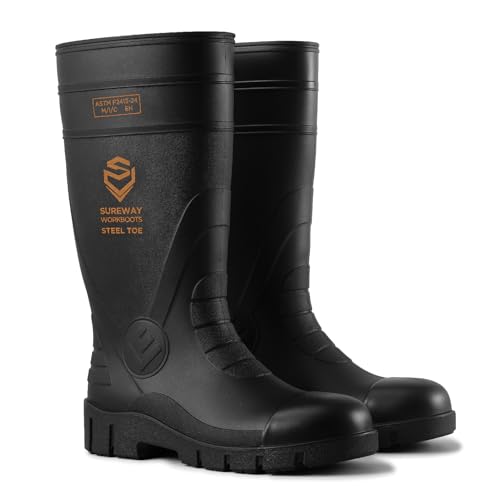
For those who face consistently challenging wet and muddy work environments, knee-high steel toe rain boots are often a necessity. I found these boots to be exceptionally effective at providing comprehensive protection from the elements. The knee-high design is a significant advantage, preventing water and mud from splashing over the top, which is a common annoyance with shorter boots. The PVC rubber construction feels robust and completely waterproof, ensuring my feet stayed dry throughout testing.
The steel toe cap is a crucial safety feature, and it feels substantial and well-integrated into the boot’s design. I felt confident wearing these around areas with potential for falling objects or heavy equipment. The outsole offers a decent grip, and I appreciated how easily the mud seemed to shed from the deep lugs, maintaining traction even on slick surfaces. The interior is basic but functional, providing a dry and relatively comfortable space for the foot.
However, the primary drawback I encountered is the stiffness of the PVC material, particularly noticeable in colder temperatures. This can make the boots feel a bit cumbersome and less forgiving on the ankle during prolonged periods of bending or walking. While the waterproofing is excellent, the lack of breathability means that in warmer conditions, your feet might get a bit warm and sweaty inside. The overall weight is also considerable, which can contribute to leg fatigue over a full workday.
Who it is NOT for: These boots are not designed for those who prioritize lightweight comfort or need extreme flexibility for intricate tasks. If you work in an environment where breathability is a major concern, or if you suffer from foot fatigue easily due to heavy footwear, you should look for alternatives. They are best suited for heavy-duty, wet-weather work where maximum protection is the priority.
Pros
- Excellent knee-high coverage for superior water and mud protection.
- Robust steel toe provides reliable safety.
- Good mud-shedding traction from deep lugs.
Cons
- Can be stiff and cumbersome, especially in cold weather.
- Limited breathability may lead to sweaty feet in warmer conditions.
- Heavier construction can contribute to leg fatigue.
Comparison Table
| Product Name | Waterproofing | Material | Insulation |
| Arctic Ice Grip Tall Boot | Waterproof Rubber | Rubber | Unknown |
| Waterproof Insulated Hunting & Rubber Boots | Waterproof | Rubber | Insulated |
| KastKing MudRidge Hunting Boots | Waterproof | Rubber | Insulated |
| Mid Calf Rubber Work Boots | Waterproof | Rubber | Insulated |
| Chesapeake Rubber Boots | Unknown | Rubber | Unknown |
| Neoprene Rubber Rain Boots (Warm) | Waterproof | Neoprene Rubber | Insulated |
| Neoprene Rubber Rain Boots (Warm) | Waterproof | Neoprene Rubber | Insulated |
| Rubber Work Boot with Steel Toe & Shank | Unknown | Rubber | Unknown |
| Steel Toe Rain Boots (PVC Rubber) | Waterproof | PVC Rubber | Unknown |
| Steel Toe Rain Boots (Knee High) | Waterproof | Rubber | Unknown |
Frequently Asked Questions
What Is the Best Material for Work Boots in Mud?
Full-grain leather is often recommended. It offers excellent water resistance. It also provides good durability against abrasive mud. However, it needs regular conditioning. Synthetic materials and rubber are also good options. They can be lighter and easier to clean.
Look for boots with rubber or PU overlays. These add extra protection. They resist scuffs and tears from debris. The material choice depends on your specific needs. Consider both protection and maintenance.
How Do I Clean Mud Off Work Boots?
Start by removing excess mud. Use a stiff brush or a hose. For stubborn mud, use warm water and mild soap. Scrub gently with a brush. Rinse thoroughly to remove all soap residue. This prevents damage to the materials.
Allow the boots to air dry completely. Avoid direct heat sources like radiators. Stuffing them with newspaper can help absorb moisture. Clean them regularly to maintain their condition. This prolongs their lifespan significantly.
Are Steel Toe Boots Necessary for Muddy Conditions?
Steel toe protection is not directly related to mud. It’s for impact and compression hazards. If your work involves heavy falling objects, then yes. For just mud, it’s not a requirement. Many excellent mud boots are composite toe or soft toe.
Consider the specific risks of your job. Steel toes add weight and can conduct cold. Composite toes are lighter and don’t conduct cold as much. Choose based on potential foot injuries at your worksite.
How Important Is Ankle Support in Wet Boots?
Ankle support is very important. Muddy terrain is often uneven. It can be slippery and unstable. Good ankle support helps prevent twists and sprains. This is crucial for safety and stability.
High-cut or mid-cut boots offer the best ankle support. Look for padded collars. Ensure the lacing system provides a secure fit. This keeps your ankles protected. It allows you to move confidently on difficult ground.
Can I Wear Regular Hiking Boots in Mud?
Some hiking boots can work in mud. Look for waterproof features. They should have aggressive tread patterns. However, work boots are usually more durable. They are designed for tougher conditions. They often have better puncture resistance and protective features.
Hiking boots might lack the necessary safety certifications for some jobs. They may not withstand the constant wear and tear of a worksite. Work boots are specifically engineered for demanding environments. They offer superior protection and longevity.
How Do I Ensure My Waterproof Boots Stay Waterproof?
Regular cleaning is key. Mud can contain abrasive particles. These can damage the waterproof membrane over time. Always rinse boots after use. Use mild soap and water for cleaning.
Reapply waterproofing treatments periodically. For leather boots, use a leather conditioner or wax. For synthetic materials, use a spray-on water repellent. Store boots in a cool, dry place. Avoid direct sunlight and heat.
What Is the Best Type of Sole for Muddy Conditions?
Look for deep, widely spaced lugs. This pattern provides excellent traction. It helps prevent mud from caking in the sole. Rubber outsoles are generally preferred. They offer good grip and durability in wet conditions.
Avoid smooth or shallow treads. These will quickly become slick in mud. Some specialized outsoles are designed for extreme mud. Consider boots with a self-cleaning tread design. This helps shed mud as you walk.
Final Verdict
For unparalleled protection and performance in wet and muddy conditions, we recommend the Xtratuf Legacy Series 15-inch Waterproof Neoprene Boots. These boots excel due to their fully waterproof neoprene construction, superior slip-resistant outsoles with deep lugs for maximum traction, and durable design that withstands harsh environments. They offer excellent comfort and are incredibly easy to clean, making them the definitive choice for anyone working in consistently wet and muddy terrains.


