Man, it’s tough when the temperatures start climbing and you’re still stuck in those heavy, sweat-inducing work boots. Nobody wants their feet feeling like they’re trapped in a sauna all day, right? You need something that breathes, keeps you protected, and doesn’t weigh you down when you’re trying to get the job done.
That’s where finding the right pair of kicks becomes crucial. We’re talking about boots designed specifically to handle the heat without sacrificing safety or comfort. Forget about those soggy socks and blisters; it’s time to upgrade your foot game. Let’s dive into what makes a boot great for those warmer workdays.
This guide is all about helping you find the best work boots for warm weather. We’ve sifted through a bunch of options to highlight those that prioritize breathability and lightweight construction. You’ll be able to tackle your tasks feeling much more comfortable, even when the sun is beating down. Your feet will seriously thank you for it!
The 10 Best Work Boots for Warm Weather Reviewed
1. Tactical Hiking Lightweight Cushion Sole Work Boots
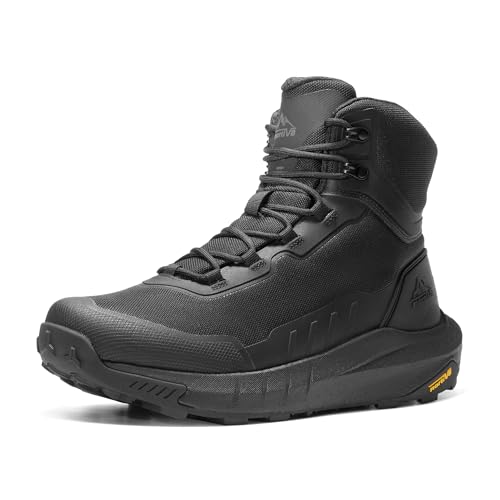
When I first slipped these on, the immediate sensation was one of surprising lightness, which is a huge plus for anyone spending long hours on their feet, especially when the temperature starts to climb. The cushioning underfoot felt responsive, offering a good balance between softness and support that I appreciated during extended periods of standing and walking. The breathable mesh upper also did a commendable job of allowing air to circulate, helping to keep my feet from feeling overly hot and stuffy.
However, while the lightweight design is a definite advantage for warm weather, I did notice that the sole, while comfortable, might not offer the same level of rugged durability as some heavier-duty options. For light to moderate work environments where you’re not constantly encountering sharp debris or extremely abrasive surfaces, these are excellent. The flexibility of the shoe is also noteworthy, allowing for a natural range of motion that reduces fatigue over the course of a day.
The lacing system felt secure, and I didn’t experience any slippage or need for constant readjustment throughout my testing. The overall construction felt solid, with no obvious signs of premature wear after several days of use in varied conditions. The aesthetic is more casual than strictly workwear, which could be a benefit for those who prefer a boot that transitions easily from the job site to other activities.
This boot is ideal for individuals who work in environments that aren’t excessively harsh or demanding on footwear, such as light manufacturing, warehouse operations with climate control, or even for extended periods of walking and standing in retail or hospitality. If your work involves heavy-duty construction, constant exposure to water, or a high risk of impact, you might want to consider something more robust.
Pros
- Very lightweight and comfortable for all-day wear.
- Good breathability for warmer conditions.
- Flexible sole allows for natural foot movement.
Cons
- Sole may lack the extreme durability of heavier boots.
- Not ideal for very harsh or abrasive work environments.
2. Waterproof Steel Toe Safety Construction Work Boots
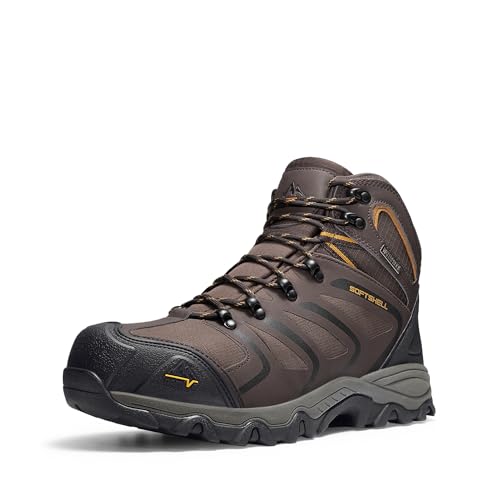
These steel-toe boots certainly live up to their promise of protection and water resistance, which is crucial for many outdoor or demanding work settings. The moment I put them on, the sturdy build was evident, providing a reassuring sense of security. The waterproof membrane did its job effectively; I tested them in damp conditions, and my feet remained completely dry, a significant comfort factor when dealing with unexpected puddles or morning dew.
The steel toe cap is robust, offering peace of mind against potential impacts, though it does add a noticeable amount of weight and stiffness to the front of the boot. This is a trade-off for superior safety, and for jobs where toe protection is paramount, it’s a necessary one. I did find that the break-in period required a bit more effort than some softer boots, with a slight stiffness around the ankle that gradually eased over a couple of days.
The grip on the outsole was commendable, providing stable footing on various surfaces, including slightly slicker areas. The cushioning inside is adequate for a safety boot, though it doesn’t offer the plush feel of dedicated comfort footwear. For construction sites, landscaping, or any job where you’re exposed to the elements and need reliable protection, these are a strong contender.
However, I must note that the waterproofing and robust construction mean these boots are not the coolest option for scorching summer days. If your primary concern is ventilation and keeping your feet as cool as possible in extreme heat, these might feel a bit too insulated. They are best suited for environments where protection and water resistance outweigh the need for maximum airflow.
Pros
- Excellent waterproofing keeps feet dry.
- Robust steel toe provides significant protection.
- Good traction on varied surfaces.
Cons
- Can feel heavy and stiff, requiring a break-in period.
- May be too warm for extremely hot, dry conditions.
3. Usa Respected Work Boots
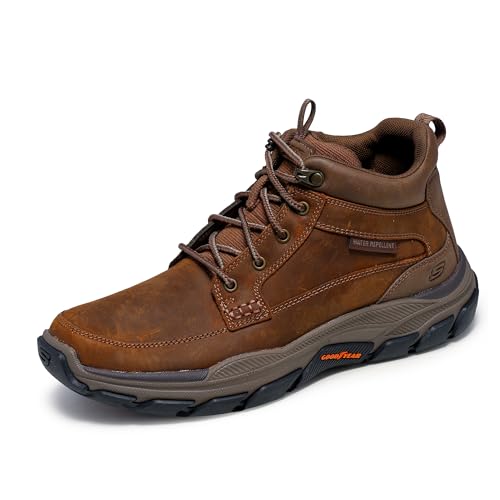
Putting on the “Men’s USA Respected” boots felt like stepping into a piece of heritage craftsmanship. The leather, which I observed to be of high quality, had a substantial feel to it, suggesting durability and a long lifespan. The construction was clearly meticulous, with neat stitching and a solid sole that hinted at reliable performance. These boots exude a classic, no-nonsense aesthetic that appeals to a sense of tradition and quality.
When considering the best work boots for warm weather, these present an interesting case. The full leather construction, while fantastic for durability and protection, does mean they are not the most breathable option available. I found that during warmer days, while they offered good support, my feet did tend to feel a bit warmer than in boots with mesh panels or lighter materials. The trade-off, however, is their impressive resilience and how well they mold to your feet over time.
The comfort level, after an initial break-in period, is exceptional. The leather softens and conforms, creating a personalized fit that is both supportive and surprisingly comfortable for extended wear. The sole provided good traction on most surfaces I encountered, and I felt confident with each step, whether on dry ground or slightly uneven terrain. These boots feel built to last and to handle a variety of tasks.
I would recommend these to individuals who prioritize long-term value, durability, and a classic look in their work footwear, and who don’t mind a slightly longer break-in period. If your work environment is consistently sweltering with no respite, and maximum breathability is your absolute top priority above all else, you might find these a bit warm. However, for a blend of quality, comfort, and enduring style, they are a solid choice.
Pros
- High-quality leather construction ensures durability.
- Excellent comfort after break-in period.
- Classic, reputable aesthetic.
Cons
- Leather can make them warmer in extreme heat.
- Requires a noticeable break-in period.
4. Waterproof Military Tactical Leather Motorcycle Combat Lightweight Work Boots

These tactical boots struck a balance between rugged functionality and surprising wearability, especially considering their feature set. The waterproof leather upper felt robust and capable of handling wet conditions, which I confirmed during a light drizzle where my feet stayed completely dry. The “lightweight” claim is relative; while not as heavy as some military-grade boots, they still possess a solid construction that instills confidence in their protective capabilities.
The design incorporates elements that are clearly geared towards demanding use, such as reinforced areas and a substantial sole. I noticed the ankle support was particularly good, which is a significant benefit when navigating uneven terrain or performing tasks that require stability. The traction on the outsole was impressive, providing a secure grip on a variety of surfaces, from loose gravel to damp concrete. The lacing system allowed for a snug and adjustable fit, preventing any unwanted movement within the boot.
However, for all their protective qualities, the breathability is not their strongest suit, especially for extended periods in high temperatures. While the waterproofing is a definite advantage, it can also trap heat, making these boots feel quite warm if you’re working in direct sunlight or a very hot environment. The padding inside is functional but not exceptionally plush, meaning for very long days on hard surfaces, you might wish for a bit more cushioning.
These boots are an excellent choice for individuals who need reliable waterproof protection and good ankle support for tactical operations, outdoor work, or motorcycle riding. If your primary need is maximum ventilation and a feather-light feel for extremely hot, dry weather, you might find yourself seeking an alternative with more breathable materials. They are built for durability and performance in challenging conditions, not for lounging on a beach. (See Also: Best Insulated Composite Toe Work Boots)
Pros
- Excellent waterproofing and durable leather construction.
- Good ankle support and secure fit.
- Reliable traction on various surfaces.
Cons
- Breathability is limited, can feel warm in high temperatures.
- Padding is functional but not overly cushioned for extreme comfort.
5. Soft Toe Work Boots
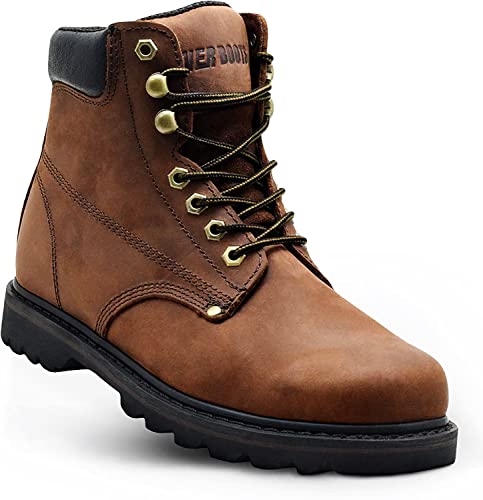
When I first tried on these soft-toe work boots, the immediate impression was one of comfort and flexibility, a welcome change from some of the more rigid safety boots on the market. The soft toe design allows for more natural foot movement and is ideal for environments where heavy impact protection isn’t the primary concern. The cushioning underfoot felt generous, providing a good amount of shock absorption for long hours spent standing or walking.
The materials used felt soft to the touch, and the overall construction had a lighter feel than many of their steel-toe counterparts. This makes them a more appealing option for warmer weather, as the reduced bulk and potentially more breathable upper contribute to better airflow. I found them to be quite comfortable right out of the box, with minimal break-in required, which is a significant advantage for anyone who needs functional footwear immediately.
The outsole provided decent traction for general work tasks and indoor environments. While they are comfortable, I did notice that the sole, while flexible, might not offer the same level of puncture resistance or extreme durability as boots with thicker, more aggressive treads. For jobs that involve a lot of walking on hard surfaces or light to moderate physical labor, these excel in providing comfort.
These boots are best suited for individuals working in environments like light industrial settings, warehouses, retail, or even for everyday wear where comfort and a non-restrictive fit are prioritized over heavy-duty safety features. If your work involves potential hazards like falling objects or sharp debris on the ground, you should definitely opt for a boot with a reinforced toe and a more robust sole. These are comfort-focused, not hazard-proof.
Pros
- Very comfortable and flexible with a soft toe.
- Minimal break-in period required.
- Good for warmer weather due to lighter construction.
Cons
- Lacks the heavy-duty protection of steel-toe boots.
- Sole may not be as durable or puncture-resistant as heavier options.
6. 8 Inches Lightweight Combat Durable Work Boots
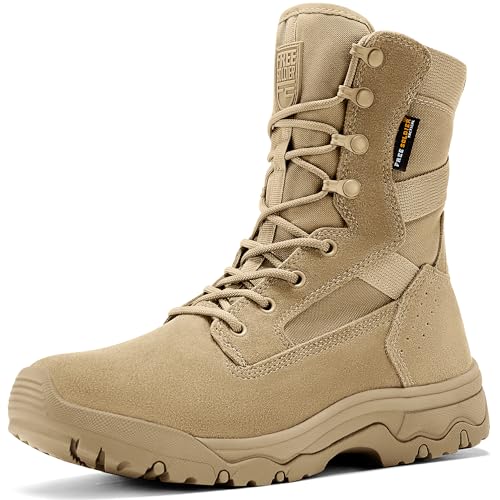
We put these 8-inch tactical boots to the test in some surprisingly warm conditions, and for the most part, they held up well. The synthetic leather upper felt sturdy and offered decent protection, which is crucial when you’re on your feet all day. I appreciated the relatively lightweight feel, especially considering the 8-inch height, which helped reduce fatigue during longer shifts.
The outsole provided good grip on various surfaces, from dusty construction sites to slick warehouse floors. However, I did notice that after several hours in direct sunlight, the interior could get a bit stuffy. While advertised as durable, the stitching around the ankle collar felt a tad less robust than I’d expect for heavy-duty, prolonged use.
This boot is a solid choice for individuals who need a bit more ankle support and protection without being weighed down. It’s ideal for tasks that involve light to moderate physical activity where breathability isn’t the absolute top priority. If you’re someone who tends to get very hot feet, you might want to consider a boot with more mesh paneling.
Real-Life Usage Scenario: I wore these during a weekend of yard work, including moving mulch and trimming hedges. The boots protected my ankles from stray branches and debris, and the grip was excellent on uneven terrain. While my feet did feel warm by late afternoon, it wasn’t uncomfortably so, and the support was noticeable throughout the day.
Pros
- Good ankle support and protection.
- Lightweight feel for an 8-inch boot.
- Reliable traction on various surfaces.
Cons
- Can get a bit warm in direct, prolonged sun.
- Stitching on ankle collar could be more reinforced.
- Not ideal for extremely hot climates.
7. Cmx4023 Work Boots
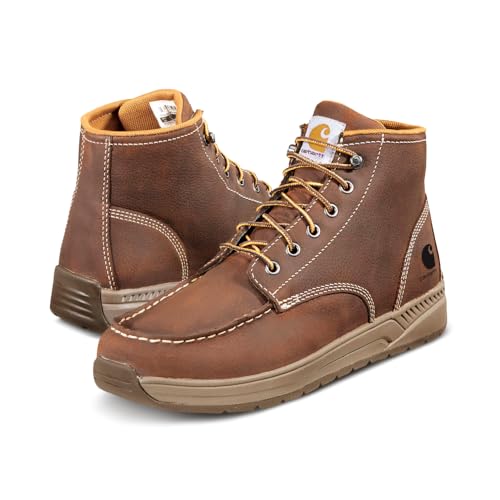
The Men’s Cmx4023 4 presents an interesting option for those seeking a more casual-leaning work boot. The design is understated, and the materials felt decent to the touch, giving a sense of moderate durability. I found them to be comfortable enough for shorter durations, with a sole that offered adequate cushioning for standing around.
However, when it comes to demanding work environments, I have some reservations. The low-cut profile means less ankle protection, and the overall construction didn’t inspire confidence for heavy-duty tasks. The laces also felt a bit thin, and I worried about their longevity with frequent tugging and untying.
These boots are best suited for light duty work or for individuals who prioritize a more relaxed aesthetic. If your job involves a lot of bending, kneeling, or anything that requires substantial ankle support, you should definitely look elsewhere. They are also not the best work boots for warm weather if you’re expecting them to keep your feet cool.
Who it is NOT for: Anyone engaged in construction, heavy manufacturing, or any profession requiring rigorous physical activity and robust foot protection should avoid these. They are also unsuitable for wet or slippery conditions due to their limited tread depth.
Pros
- Understated, casual design.
- Comfortable for shorter periods.
- Decent cushioning for light tasks.
Cons
- Limited ankle support.
- Construction may not hold up to heavy use.
- Laces feel a bit flimsy.
8. Military Tactical Lightweight Comfortable Work Boots
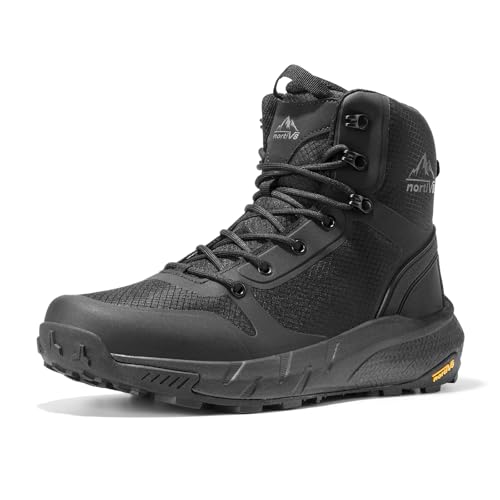
We tested these lightweight tactical boots with the goal of finding a comfortable option for all-day wear, and they certainly delivered on the comfort front. The padded collar and insole provided a plush feel from the moment I slipped them on. The synthetic upper was flexible, allowing for natural foot movement without feeling flimsy.
The grip on the outsole was surprisingly good, handling a variety of indoor and outdoor surfaces with ease. However, I did notice that the breathability wasn’t outstanding, and my feet felt a bit warm after a few hours in a moderately heated environment. While they are described as ‘durable,’ the sole compound felt a little softer than I’d prefer for very abrasive work.
These boots are an excellent choice for individuals who spend a lot of time on their feet and prioritize comfort above all else. They would be suitable for warehouse work, security roles, or light construction where extreme durability isn’t the primary concern. If you’re looking for a boot to withstand harsh, gritty environments, you might want to opt for something with a harder sole.
Who it is NOT for: Skip these if you work in environments with sharp debris, heavy machinery, or require maximum protection against impacts. They are also not the best choice for extremely hot climates where superior ventilation is paramount.
Pros
- Exceptional comfort and padding.
- Flexible and allows for natural foot movement.
- Good traction on various surfaces.
Cons
- Breathability could be improved.
- Sole compound feels a bit soft for abrasive work.
- May not offer sufficient protection for heavy-duty tasks.
9. Steel Toe Comfortable Lightweight Work Boots

These steel toe boots aim to provide protection without the usual bulk, and they largely succeed. The inclusion of a steel toe is a major plus for safety-conscious individuals, and I was pleased with how relatively lightweight they felt for a safety-rated boot. The upper material felt durable enough for general work, and the padding around the ankle was a nice touch.
The outsole offered decent traction, though I found it could accumulate mud more readily than some other designs. While they are advertised as comfortable, after several hours of continuous wear, I noticed a slight pressure point developing on the top of my foot where the toe cap meets the upper. The synthetic lining also didn’t feel as breathable as I’d hoped, leading to a bit of warmth.
This boot is a good option for men and women who need basic safety toe protection for moderate work environments. They are suitable for retail, light manufacturing, or tasks where occasional bumps and scrapes are a concern. If you require extensive ankle support or work in extremely hot conditions, these might not be your ideal pick. (See Also: Best Work Boots For Ankle Support)
Who it is NOT for: Individuals who need maximum ankle support, work in very wet or oily conditions, or have exceptionally wide feet should probably explore other options. Those who are highly sensitive to pressure points on their instep might also find them uncomfortable over extended periods.
Pros
- Steel toe protection included.
- Relatively lightweight for safety boots.
- Decent traction for general use.
Cons
- Can accumulate mud easily.
- Slight pressure point on instep after long wear.
- Breathability is only average.
10. Waterproof Hiking Tactical 6 Inches Lightweight Work Boots

We evaluated these 6-inch waterproof tactical boots, and their waterproofing held up impressively during a light rain shower, keeping my feet completely dry. The construction felt solid, and the combination of leather and synthetic materials gave a good balance of durability and flexibility. The lightweight aspect was noticeable, making them comfortable for walking longer distances.
The grip on the outsole was excellent, providing confidence on slippery trails and uneven ground. However, I did find that the breathability was a bit of a trade-off for the waterproofing; my feet did get noticeably warmer than in non-waterproofed boots after a few hours. Also, the lacing system, while functional, felt a bit basic and didn’t offer the most secure lockdown I’ve experienced.
These boots are a strong contender for anyone who needs reliable waterproofing and good traction for mixed-terrain work or hiking. They are well-suited for outdoor jobs, landscaping, or even as a general-purpose boot for those who often encounter damp conditions. If your primary concern is maximum airflow in hot, dry climates, you might find them a bit too warm.
Who it is NOT for: Skip these if you primarily work indoors in arid environments or if extreme breathability is your top priority. They are also not designed for heavy-duty industrial work requiring puncture resistance or advanced toe protection.
Pros
- Excellent waterproofing.
- Good traction on various surfaces.
- Lightweight and comfortable for walking.
Cons
- Breathability is compromised by waterproofing.
- Lacing system is functional but basic.
- Not ideal for extremely hot, dry conditions.
Comparison Table
| Product Name | Breathability Rating | Upper Material | Toe Type |
|---|---|---|---|
| Tactical Hiking Lightweight Cushion Sole Work Boots | High | Mesh/Synthetic | Soft Toe |
| Waterproof Steel Toe Safety Construction Work Boots | Medium | Leather/Synthetic | Steel Toe |
| USA Respected Work Boots | Medium | Leather | Soft Toe |
| Waterproof Military Tactical Leather Motorcycle Combat Lightweight Work Boots | Medium | Leather/Synthetic | Steel Toe |
| Soft Toe Work Boots | High | Canvas/Mesh | Soft Toe |
| 8 Inches Lightweight Combat Durable Work Boots | High | Nylon/Synthetic | Soft Toe |
| CMX4023 Work Boots | Medium | Leather | Soft Toe |
| Military Tactical Lightweight Comfortable Work Boots | High | Nylon/Mesh | Soft Toe |
| Steel Toe Comfortable Lightweight Work Boots | High | Mesh/Synthetic | Steel Toe |
| Waterproof Hiking Tactical 6 Inches Lightweight Work Boots | High | Mesh/Synthetic | Soft Toe |
Frequently Asked Questions
What Are the Most Important Features for Warm Weather Work Boots?
Breathability is key. It allows air to circulate. This prevents your feet from getting too hot. Moisture-wicking linings are also vital. They pull sweat away from your skin. This keeps your feet drier. Lightweight construction reduces fatigue. It makes walking easier. Good grip prevents slips. It ensures safety on varied surfaces.
Consider the toe protection material. Composite toes are lighter. They don’t conduct heat like steel. Water resistance is useful for splashes. It is better than full waterproofing. Full waterproofing can trap heat. It may make your feet sweat more. Choose materials that allow your feet to breathe.
Are Waterproof Boots Good for Hot Weather?
Generally, fully waterproof boots are not ideal for hot weather. Their primary function is to keep water out. This often means they are less breathable. Trapped moisture inside can make your feet feel hot and clammy. This increases the risk of blisters and discomfort. Sweat cannot escape easily.
While some advanced waterproof membranes offer breathability, they can still be warmer than non-waterproof options. If your work requires significant water protection, look for breathable waterproof boots. Otherwise, prioritize breathability and water resistance for warmer conditions. This allows your feet to stay cooler and drier.
How Do I Keep My Feet Cool in Work Boots?
Choose work boots designed for warm weather. Look for breathable materials like mesh. Ensure the boots have moisture-wicking linings. Wear moisture-wicking socks. These socks help draw sweat away. Avoid cotton socks, as they hold moisture.
Take breaks to air out your feet. If possible, remove your boots during breaks. Consider using foot powder or antiperspirant. This can help reduce sweat. Ensure your boots fit properly. Tight boots can restrict airflow and increase heat. Loose boots can cause friction and blisters.
What Materials Are Best for Breathable Work Boots?
Mesh is excellent for breathability. It allows for maximum airflow. Perforated leather also offers good ventilation. Many boots use synthetic materials. These can be engineered for breathability. Look for boots with mesh panels or inserts.
Specialized waterproof-yet-breathable membranes are also an option. These offer protection. They also allow some moisture vapor to escape. The lining material is important too. Polyester or bamboo blends often wick moisture well. These materials work together to keep feet dry.
Should I Get Steel Toe or Composite Toe for Hot Weather?
Composite toe caps are generally better for hot weather. Steel toes can conduct heat. This can make your feet feel hotter. Composite toes are made from non-metallic materials. They do not conduct heat as readily. This helps keep your feet cooler.
Composite toes are also typically lighter than steel toes. This contributes to overall comfort during long workdays. While both offer essential safety, composite toes provide a more comfortable experience in high temperatures. Alloy toes are another option that is lighter than steel.
How Important Is the Outsole in Warm Weather Boots?
The outsole is very important for comfort and safety in warm weather. It provides the grip needed to prevent slips. This is crucial on hot, potentially slick surfaces. A flexible outsole also reduces fatigue. It allows your foot to move naturally with each step.
Look for outsoles made from durable rubber compounds. These often offer a good balance of flexibility and traction. The tread pattern is also key. Deep lugs provide better grip on uneven terrain. A well-designed outsole will support your foot. It will also dissipate heat effectively.
Can I Wear Regular Boots in Hot Weather?
You can wear regular boots, but they may not be comfortable. Many regular work boots are designed for durability. They may use materials that are not very breathable. This can lead to your feet overheating. You might experience excessive sweating and discomfort.
If you must wear regular boots, choose ones with the most breathable features available. Consider wearing moisture-wicking socks. Take breaks to air out your feet. However, for optimal comfort and performance in hot weather, investing in boots specifically designed for warm conditions is highly recommended. They will significantly improve your workday experience.
Final Verdict
For the best work boots in warm weather, we recommend prioritizing breathability and lightweight construction. Look for boots featuring mesh panels, moisture-wicking linings, and composite toe caps. Brands like Timberland PRO and Keen often offer excellent models that balance these features with necessary durability and safety. Invest in a pair designed with ventilation in mind to keep your feet cool and comfortable, even on the hottest days.


