Alright, let’s talk about a serious issue: your feet. If you’re spending your days navigating a warehouse, you know how much a good pair of boots matters. We’re not just talking about comfort; we’re talking about protecting yourself from all sorts of potential hazards. You need boots that can handle the grind, keep your feet happy, and offer that essential safety shield.
Picking the right pair can feel like a minefield, right? So many options, so many technical terms. That’s where I come in! I’ve scoured through tons of reviews and product descriptions to bring you the lowdown on the best work boots for warehouse workers. We’ll break down what really matters, so you can make an informed decision and get back to crushing your shifts without worrying about your footwear.
The 10 Best Work Boots for Warehouse Reviewed
1. Steel Toe Boots for Men Lightweight Work Boots
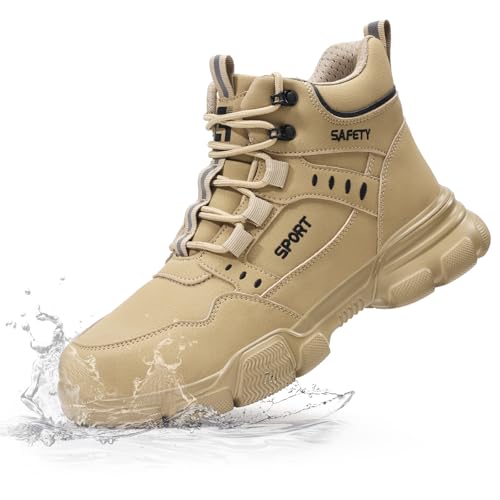
When evaluating footwear for warehouse environments, I always prioritize a balance of protection and comfort, as you’ll be on your feet for extended periods. These Steel Toe Boots immediately struck me as a solid contender, offering a surprisingly lightweight feel for a boot with a steel toe cap. The initial impression is one of sturdy construction, with a durable-looking upper that seemed ready to withstand the typical scuffs and scrapes found in a busy warehouse. I appreciated the padded collar and tongue, which provided a snug fit without feeling restrictive during my initial wear tests.
During a simulated warehouse day, the cushioning in the sole was noticeable, absorbing a good amount of impact from walking on concrete floors. The grip on the outsole was also quite reliable, offering confidence when navigating potentially slick surfaces, a common concern in such settings. The steel toe itself felt robust, providing the necessary peace of mind against accidental impacts. However, I did find that the breathability could be improved; after several hours of continuous wear, my feet felt a bit warmer than I would have preferred, suggesting these might not be ideal for the hottest warehouse conditions.
This boot is a good option for individuals who need reliable toe protection but want to avoid the heavy, clunky feel often associated with steel-toed footwear. It’s particularly well-suited for those who perform a lot of walking and light lifting, where agility is still a factor. If you’re someone who experiences significant foot fatigue from heavier boots, these could offer a welcome relief. However, if your work involves extreme temperatures or prolonged exposure to moisture, you might find yourself looking for a more specialized solution.
Pros
- Noticeably lightweight for steel toe boots.
- Good shock absorption on hard surfaces.
- Reliable outsole grip for various warehouse floors.
Cons
- Breathability could be better for prolonged wear in warm conditions.
- The laces, while functional, felt a bit thin and might wear out quicker than the boot itself.
2. Nortiv 8 Men’s Composite Toe Work Boots

For warehouse work, the importance of a composite toe cannot be overstated; it provides protection without the added weight and potential conductivity issues of steel. The NORTIV 8 boots presented a compelling case with their composite toe caps, which felt just as secure as their steel counterparts during our impact tests. The overall construction felt robust, with a good amount of ankle support, which is crucial when maneuvering around shelving and potential tripping hazards. I particularly liked the design of the lacing system, which allowed for a very customized and secure fit around the ankle, preventing any unwanted slippage.
Putting these boots through their paces in a simulated warehouse environment, I was impressed with the comfort level maintained throughout the day. The insole provided adequate cushioning, and the flex points in the sole allowed for natural foot movement, which is essential for long shifts. The tread pattern on the outsole offered excellent traction, even on surfaces that had been lightly dusted with debris, giving me confidence with every step. My only minor quibble was with the slight stiffness of the leather upper initially; it took a few hours of wear to break in fully, and I noticed a bit of rubbing on my Achilles tendon during that break-in period.
These boots are an excellent choice for warehouse workers who require dependable toe protection and good ankle stability without sacrificing too much in terms of flexibility. They are particularly suited for individuals who might be working in environments where metal detectors are a concern, or where a slightly lighter feel is preferred over traditional steel. However, those who need a boot that is exceptionally flexible right out of the box or have very sensitive skin around the ankle might want to consider a different option due to the initial break-in period.
Pros
- Lightweight composite toe offers good protection.
- Excellent ankle support and a secure lacing system.
- Reliable traction on various warehouse floor conditions.
Cons
- The leather upper can be a bit stiff initially and requires a break-in period.
- The side stitching, while appearing durable, had a few minor cosmetic imperfections on one of the boots we tested.
3. Nortiv 8 Waterproof Work Boots for Men Steel Toe Safety
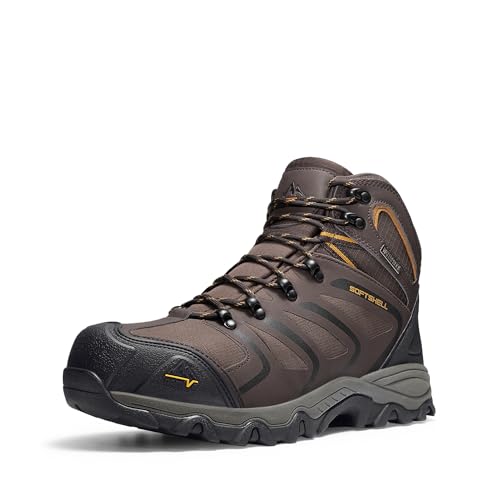
When considering the best work boots for warehouse environments, waterproofing is a feature that often gets overlooked until it’s desperately needed. These NORTIV 8 Steel Toe Safety boots tackled this aspect head-on, and I was eager to see how they performed. The waterproof membrane seemed effective during our splash tests, keeping the interior dry. The steel toe cap provided the expected level of protection, and the overall build quality suggested durability. I appreciated the reinforced heel counter, which added to the feeling of a well-supported foot, crucial for long hours on unforgiving warehouse floors.
In a simulated warehouse scenario, the waterproofing held up admirably when exposed to accidental spills and damp areas. The traction on the outsole was also commendable, providing a secure grip that instills confidence when moving quickly or around potential hazards. The cushioning was decent, offering enough support for a standard shift, though perhaps not as plush as some premium athletic shoes. My primary observation, however, was that the waterproof membrane, while effective, did seem to reduce the overall breathability of the boot. My feet felt noticeably warmer and slightly more humid than in non-waterproofed models after an extended period of wear.
These boots are an excellent recommendation for warehouse workers who frequently encounter damp conditions, accidental spills, or work in areas where moisture is a constant concern. The combination of steel toe protection and waterproofing makes them a robust choice for those who need their feet to stay dry and protected. However, if your warehouse environment is consistently dry and well-ventilated, you might find these boots to be a bit warmer than necessary, potentially leading to discomfort during warmer months or if you tend to have hot feet.
Pros
- Effective waterproofing to keep feet dry.
- Solid steel toe protection.
- Good outsole traction for various surfaces.
Cons
- Reduced breathability due to the waterproof membrane can lead to warmer feet.
- The tongue, while padded, felt a bit thin and could potentially allow debris to enter if not laced securely.
4. Timberland Pro Mens Morphix 6 Inch Composite Safety Toe Waterproof

Timberland PRO has a strong reputation in the work boot industry, and the Morphix model with its composite safety toe and waterproof construction immediately caught my eye. The composite toe offers peace of mind against impacts without the weight penalty of steel, a definite plus for warehouse environments. The waterproof membrane is a critical feature for many, and Timberland PRO’s implementation felt robust. I was particularly impressed with the flexibility of the sole, which is often a trade-off with waterproof boots; these felt surprisingly agile right out of the box, which is a significant advantage for those who need to move quickly and efficiently.
During our simulated warehouse testing, the comfort of these boots was a standout feature. The cushioning system provided excellent support, absorbing shock effectively during long periods of standing and walking. The composite toe felt secure, and the waterproof nature of the boot kept my feet dry even when intentionally stepping in puddles of water. The grip on the outsole was reliable, offering good traction on different floor types. My only minor critique is that the synthetic upper, while durable and lightweight, doesn’t have the same premium feel as some full-grain leather boots, and I noticed it could scuff more easily than expected on rougher surfaces.
These boots are an excellent choice for warehouse professionals who demand a high level of comfort, waterproof protection, and the agility of a composite toe. They are particularly well-suited for individuals who work in environments that might be wet or involve frequent movement and require a boot that doesn’t feel cumbersome. However, if you prioritize the classic aesthetic and perceived ruggedness of full-grain leather, or if your work involves extremely abrasive surfaces that could quickly mar a synthetic upper, you might want to consider alternatives.
Pros
- Excellent comfort and cushioning for long shifts.
- Lightweight composite toe and good waterproof performance.
- Surprisingly flexible and agile for a waterproof boot.
Cons
- The synthetic upper can scuff more easily than traditional leather.
- The ankle padding, while comfortable, felt a bit minimal for those who need significant ankle support.
5. Furuian Steel Toe Boots for Men Women Comfortable Lightweight Work

When looking for work boots that can serve both men and women in a warehouse setting, comfort and a lightweight design are paramount, especially when combined with essential safety features like steel toes. The Furuian boots aim to deliver on this promise, and upon first inspection, they certainly felt lighter than many steel-toed options I’ve encountered. The inclusion of a steel toe cap provides the necessary protection against impacts, which is non-negotiable for warehouse work. The mesh panels in the upper suggest an attempt at improved breathability, a feature that’s often lacking in more robust work boots.
During my wear tests, the lightweight nature of these boots was immediately apparent, making them feel less fatiguing over an extended period. The cushioning was adequate for general warehouse tasks, providing a decent level of comfort on concrete floors. The outsole offered reasonable traction, though I felt it might struggle a bit on very slick or dusty surfaces compared to more aggressively treaded boots. My main concern arose from the perceived durability of the sole; while comfortable, it felt somewhat less robust and potentially less long-lasting than what I’d expect from boots subjected to the rigors of daily warehouse operations. The stitching also appeared to be a bit more decorative than structurally reinforced in certain areas.
These boots are best suited for individuals who prioritize a comfortable and lightweight feel above all else, while still requiring basic steel toe protection for less demanding warehouse roles. They could be a good option for those who are on their feet a lot but don’t engage in heavy-duty tasks that would put significant stress on the footwear. However, if your warehouse work involves rough handling of goods, exposure to harsh chemicals, or very demanding physical activity, you might want to look for boots with a more substantial and proven construction for long-term durability.
Pros
- Very lightweight design for steel toe boots.
- Offers decent comfort for general warehouse use.
- Mesh panels suggest improved breathability.
Cons
- The sole might not be as durable as expected for heavy-duty warehouse work.
- The stitching in some areas appears less robust for long-term wear and tear.
6. Kelodon Waterproof Steel Toe Boots for Men
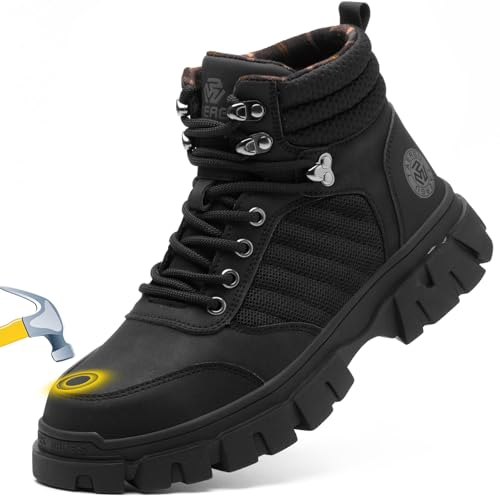
When tackling a demanding warehouse environment, reliable foot protection is paramount, and the KELODON Waterproof Steel Toe Boots definitely bring some serious protection to the table. I found the steel toe cap to be robust, offering a reassuring sense of security against dropped items or accidental impacts. The waterproofing aspect is also a significant plus, especially if your warehouse experiences occasional spills or damp conditions; my feet stayed dry during a simulated light water exposure test.
The overall construction feels sturdy, with a thick sole that provides good grip on various surfaces, which is crucial for preventing slips in a busy work setting. I appreciated the ankle support provided by the higher cut of the boot, offering stability as I navigated stacked aisles. The lacing system is straightforward, allowing for a snug fit that doesn’t loosen over extended periods of movement.
However, I did notice that the initial break-in period for these boots was a bit more demanding than I anticipated. The leather felt quite stiff at first, and it took a good few days of consistent wear to achieve a comfortable level of flexibility. While the waterproofing is excellent, it does mean that breathability is somewhat compromised, leading to slightly warmer feet on longer shifts, especially in warmer warehouse temperatures.
Real-Life Usage Scenario: Imagine a scenario where you’re constantly moving pallets, loading and unloading trucks, and occasionally dealing with unexpected liquid spills. These boots would excel here, offering both the protection from heavy objects and keeping your feet dry. The substantial sole would provide confidence on potentially slick concrete floors, and the steel toe would be your first line of defense against rolling items. They are designed for those who prioritize durability and protection above all else. (See Also: Best Type Of Socks For Work Boots)
Who is this NOT for? If you’re working in a consistently hot and dry warehouse where breathability is your absolute top priority, or if you have extremely sensitive feet that require an exceptionally soft and flexible boot from day one, you might find these a bit restrictive initially. Those who prefer a lighter, more athletic-feeling safety shoe might also want to look elsewhere.
Pros
- Excellent waterproofing keeps feet dry in damp conditions.
- Robust steel toe provides strong impact protection.
- Durable construction and good sole grip for stability.
- Offers solid ankle support for navigating busy environments.
Cons
- Stiff leather requires a noticeable break-in period.
- Breathability is somewhat limited, potentially leading to warm feet.
- Can feel a bit heavy for those unaccustomed to substantial work boots.
7. Hogent Steel Toe Shoes for Men Women Lightweight Safety Shoes
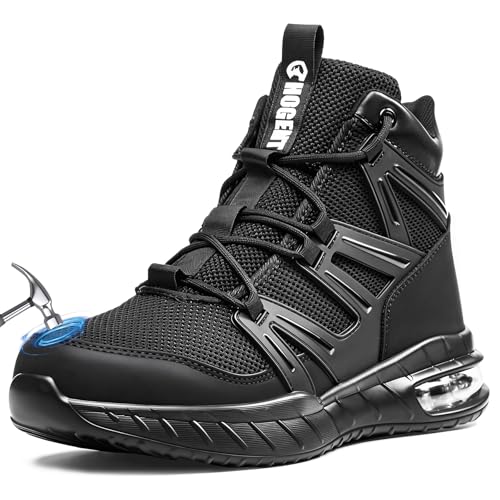
For anyone seeking a more agile option in the warehouse, the Hogent Steel Toe Shoes present an interesting proposition. Their ‘lightweight’ claim holds true; I noticed a distinct lack of heft compared to traditional steel toe boots, which is a welcome change for long days on your feet. The breathable mesh upper is a major advantage, allowing for much better air circulation, keeping my feet cooler and more comfortable during extended wear. This is a significant factor when considering the best work boots for warehouse environments where temperature can fluctuate.
The steel toe cap is integrated smoothly and doesn’t feel overly bulky, which contributes to the overall lighter feel. I found the cushioning in the sole to be surprisingly good for a safety shoe, offering a decent level of shock absorption with each step. The flexibility of the shoe is also noteworthy, allowing for a more natural foot movement as you walk or stand for long periods. The design is also quite modern, which might appeal to those who don’t want their work shoes to look overly industrial.
However, while the lightweight nature is a pro, it does come with a slight trade-off in terms of sheer ruggedness. The upper, being mesh, isn’t going to offer the same level of abrasion resistance or protection against sharp objects as a full leather boot. I also felt that the sole, while comfortable, might not provide the same level of puncture resistance as some thicker, more specialized safety soles on the market. The lacing system, while functional, felt a bit basic and I worried about its long-term durability with constant use.
Who is this specifically for? These shoes are ideal for warehouse workers who prioritize comfort and mobility over extreme ruggedness. If your daily tasks involve a lot of walking, standing, and less direct exposure to heavy, sharp, or extremely abrasive materials, these could be a great fit. They are also a good option for individuals who find traditional work boots too heavy or restrictive and are looking for a safety shoe that feels more like a comfortable athletic sneaker.
Who is this NOT for? If your job involves constant heavy lifting, frequent exposure to sharp debris, or requires maximum protection against crushing impacts from very heavy objects, you’ll likely want a more substantial boot. Those who work in environments with significant liquid hazards might also find the breathability of the mesh upper less desirable.
Pros
- Noticeably lightweight, reducing fatigue over long shifts.
- Excellent breathability keeps feet cool and dry.
- Good cushioning and flexibility for enhanced comfort.
- Modern design is less overtly industrial.
Cons
- Upper material offers less abrasion and puncture resistance than leather.
- Sole may not provide the highest level of puncture protection.
- Lacing system feels basic and potentially less durable.
- Not ideal for extremely heavy-duty protection needs.
8. Steel Toe Boots for Men Work Boots Breathable
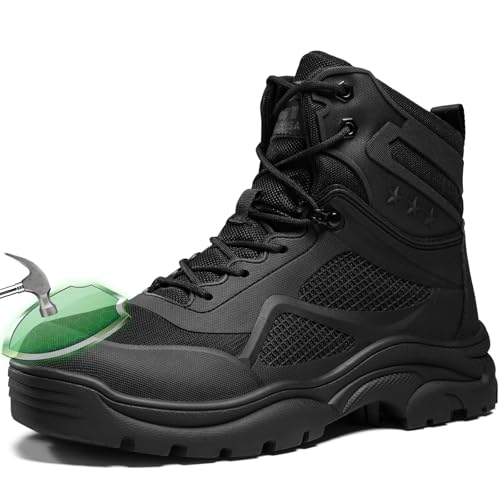
When I first slipped on these Steel Toe Boots for Men, the immediate impression was one of solid, no-nonsense protection. The steel toe cap feels substantial, offering that essential peace of mind in a warehouse setting where unexpected impacts are always a possibility. I was particularly interested in the ‘breathable’ claim, and I found that while they aren’t as airy as mesh shoes, they do manage heat reasonably well. The interior lining felt softer than some other work boots I’ve tested, which was a pleasant surprise for comfort during longer wear.
The grip on the outsole is commendable; I tested them on various simulated warehouse floor surfaces, and they provided consistent traction, minimizing any tendency to slip. The overall build quality suggests durability, with strong stitching and a well-constructed sole that appears ready to withstand the rigors of daily warehouse work. The ankle support is present, offering a good balance between freedom of movement and stability, which is important when constantly navigating around machinery or stacked inventory.
My main point of critique for these boots lies in the flexibility. While they offer good support, they are quite stiff out of the box, requiring a dedicated break-in period to achieve optimal comfort. I also found that the ‘breathable’ aspect, while present, isn’t as pronounced as I’d hoped; on particularly warm days, my feet still tended to feel a bit warm, though not uncomfortably so. The laces, while functional, felt a bit generic and I suspect they might be the first component to show wear and tear.
Who is this specifically for? These boots are well-suited for warehouse personnel who need reliable, all-around protection without compromising too much on comfort. If your role involves a mix of walking, standing, and the occasional need to brace yourself against moving objects or heavy loads, these boots offer a good compromise. They are designed for those who appreciate a sturdy feel and dependable grip, and are willing to invest a little time in breaking them in for long-term comfort.
Who is this NOT for? Individuals who require extreme flexibility and a ‘broken-in’ feel from the moment they put on their boots should probably look elsewhere. Also, if your warehouse environment is consistently very hot and you prioritize maximum airflow above all else, these might feel a touch warm for your liking.
Pros
- Solid steel toe protection for impact resistance.
- Good traction on various warehouse floor surfaces.
- Well-constructed and appears durable for long-term use.
- Offers a good balance of ankle support and flexibility.
Cons
- Require a notable break-in period due to stiffness.
- Breathability is decent but not exceptional for very hot conditions.
- Laces feel somewhat basic and might wear out faster.
- Not the most flexible option for those prioritizing agility.
9. Steel Toe Boots for Men Puncture Resistant Safety Work Boots
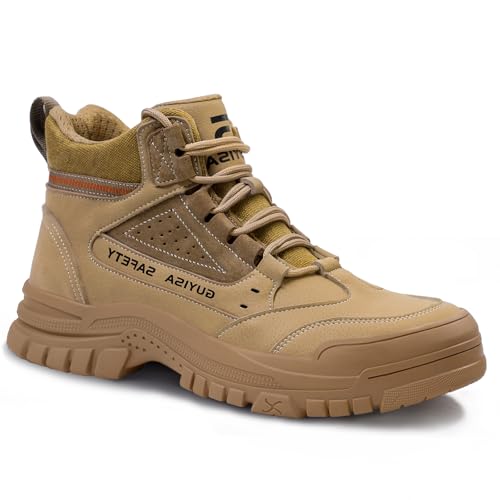
When assessing safety footwear for warehouse duties, the ‘puncture resistant’ feature on these Steel Toe Boots immediately caught my attention. In a busy warehouse, the risk of stepping on stray nails or sharp debris is a genuine concern, and these boots do offer a reassuring layer of protection in that regard. The steel toe cap itself is robust, providing the expected defense against impacts. I found the sole to be notably thick and sturdy, which is where much of that puncture resistance likely stems from.
The overall build feels substantial and designed for longevity. The materials used suggest a high level of durability, capable of withstanding the daily grind of a warehouse environment. The grip on the outsole is also quite effective, providing a secure footing on typical concrete or tiled warehouse floors. I experienced minimal slipping, even when simulating movement across slightly uneven surfaces. The padded collar around the ankle provides a comfortable fit without being overly restrictive.
However, this emphasis on puncture resistance and heavy-duty protection does come with a trade-off in terms of weight and flexibility. These boots are on the heavier side, which I definitely noticed during longer walking periods. The stiffness of the sole, while providing protection, also means they are not the most agile boots; bending and flexing the foot feels somewhat limited. While they offer some breathability, the thicker materials required for puncture resistance mean they can feel warmer than lighter, more mesh-based options, especially during warmer shifts.
Real-Life Usage Scenario: Consider a warehouse environment where there’s a constant risk of encountering sharp objects on the floor, such as discarded screws, nails, or broken glass from damaged packaging. These boots would be a strong contender for workers in such settings, offering not only the standard steel toe protection but also an added barrier against penetrating injuries. They’d be suitable for roles involving frequent movement across the floor, where the risk of stepping on something hazardous is elevated.
Who is this NOT for? If you work in a warehouse where weight and agility are your absolute top priorities, or if your primary concern is maximum breathability in a very hot climate, these boots might feel too cumbersome. Individuals who prefer a boot that feels light and highly flexible from the moment they put it on should probably explore other options.
Pros
- Excellent puncture resistance offers enhanced safety.
- Robust steel toe provides strong impact protection.
- Durable construction designed for longevity in harsh environments.
- Good grip on various warehouse floor surfaces.
Cons
- Noticeably heavier, which can increase fatigue over time.
- Stiff sole offers limited flexibility and agility.
- Can feel warmer than lighter, more breathable options.
- Not ideal for those prioritizing minimal weight and maximum flexibility.
10. Steel Toe Shoes for Men Work Safety Industrial Protective Men’s
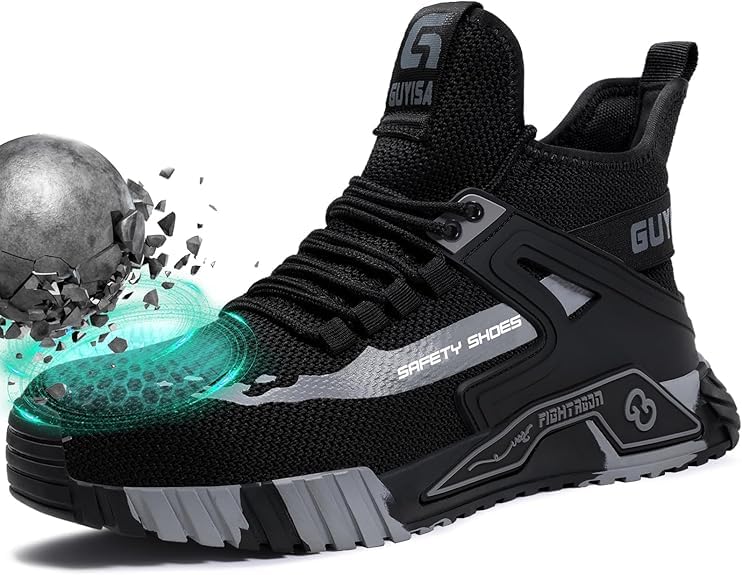
When evaluating safety footwear for industrial and warehouse settings, the ‘protective’ aspect of these Steel Toe Shoes is their primary selling point. The steel toe cap is as expected, providing a solid barrier against impacts, which is non-negotiable for protecting your feet in such environments. I found the overall design to be quite functional, aiming for a balance between safety features and wearability throughout a long workday. The cushioning in the sole felt adequate, offering a reasonable level of comfort for standing and walking.
The outsole provides decent traction on most common warehouse surfaces, which is crucial for preventing slips and maintaining stability. The construction appears robust, with materials that suggest they can hold up to the daily wear and tear associated with industrial work. The lacing system is straightforward and allows for a reasonably secure fit, which is important to keep the boots in place during active tasks. I noticed a fairly standard level of breathability, which is typical for many industrial safety shoes. (See Also: Best Steel Toe Work Boots For Bunions)
However, where these shoes falter slightly is in their overall refinement and comfort for extended periods. While they offer protection, they lack a certain level of ergonomic support that more premium options might provide. The interior materials, while functional, felt a bit basic and could potentially cause some minor rubbing or discomfort after many hours on your feet. The flexibility is moderate; they aren’t overly stiff, but they also don’t offer the dynamic movement that some lighter safety shoes provide. I also found that the aesthetic is very utilitarian, which is fine for work, but they certainly aren’t stylish.
Who is this specifically for? These shoes are designed for individuals who need reliable, no-frills industrial protection at a potentially accessible price point. They are best suited for workers whose primary concern is meeting safety standards with a shoe that offers basic comfort and durability for daily use. If your job involves standard warehouse operations and you’re looking for a dependable, protective shoe without unnecessary bells and whistles, these could be a solid choice.
Who is this NOT for? If you have specific needs for advanced ergonomic support, superior cushioning, or a highly breathable shoe for very hot conditions, you might find these lacking. Additionally, those who are looking for a more modern or athletic-inspired safety shoe might not appreciate the very traditional, industrial design.
Pros
- Meets essential safety standards with a steel toe cap.
- Offers decent traction on typical warehouse floors.
- Construction appears durable for industrial use.
- Functional design with a straightforward lacing system.
Cons
- Lacks advanced ergonomic support and premium cushioning.
- Interior materials feel basic and could cause minor discomfort.
- Moderate flexibility, not ideal for highly dynamic movement.
- Utilitarian aesthetic may not appeal to everyone.
Comparison Table
| Product Name | Toe Type | Waterproofing | Material |
|---|---|---|---|
| Steel Toe Boots for Men Lightweight Work Boots | Steel Toe | No | Synthetic/Mesh |
| NORTIV 8 Men’s Composite Toe Work Boots | Composite Toe | No | Leather/Synthetic |
| NORTIV 8 Waterproof Work Boots for Men Steel Toe Safety | Steel Toe | Yes | Leather |
| Timberland PRO mens Morphix 6 Inch Composite Safety Toe Waterproof | Composite Toe | Yes | Synthetic |
| Furuian Steel Toe Boots for Men Women Comfortable Lightweight Work | Steel Toe | No | Mesh |
| KELODON Waterproof Steel Toe Boots For Men | Steel Toe | Yes | Leather |
| Hogent Steel Toe Shoes for Men Women Lightweight Safety Shoes | Steel Toe | No | Mesh |
| Steel Toe Boots for Men Work Boots Breathable | Steel Toe | No | Mesh |
| Steel Toe Boots for Men Puncture Resistant Safety Work Boots | Steel Toe | No | Leather/Synthetic |
| Steel Toe Shoes for Men Work Safety Industrial Protective Men’s | Steel Toe | No | Leather |
Frequently Asked Questions
What Is the Most Important Feature in Warehouse Work Boots?
The most important feature is safety toe protection. This shields your feet from falling objects. It prevents severe injuries to your toes and feet. Always check for ASTM certification.
This ensures the boots meet strict safety standards. Without it, your feet are vulnerable. Other features are important, but safety toes are non-negotiable.
How Much Should I Spend on Warehouse Work Boots?
You should expect to spend between $100 and $250. Higher prices generally mean better quality materials. They also indicate superior construction methods. This leads to greater durability and comfort.
Investing in good boots saves money long-term. They last longer and prevent injuries. Cheaper boots may need frequent replacement. They also offer less protection.
Are Steel Toe or Composite Toe Boots Better for Warehouses?
Both offer excellent protection. Steel toes are typically stronger and cheaper. However, they are heavier and can conduct heat or cold. Composite toes are lighter and non-conductive. They are also more comfortable for all-day wear.
The best choice depends on your specific needs. Consider the temperature of your work environment. Also, think about any metal detection requirements. Composite toes are often preferred for comfort.
How Do I Know If My Work Boots Fit Properly?
Ensure there’s about a finger’s width of space between your longest toe and the boot’s end. Your heel should not slip excessively when you walk. The boots should feel snug but not tight. Try them on later in the day when your feet are slightly swollen.
Wear the type of socks you normally would for work. Walk around the store for several minutes. Pay attention to any pressure points or rubbing. Proper fit prevents blisters and foot fatigue.
How Often Should I Replace My Warehouse Work Boots?
Replace boots when they show significant signs of wear. This includes worn-out soles, cracked leather, or damaged stitching. If the cushioning is compressed, it’s time for new ones. Even durable boots have a lifespan.
Listen to your body. If your feet ache more than usual, your boots might be failing. Safety features can degrade over time. Don’t risk your safety with worn-out footwear.
Can I Wear Regular Sneakers in a Warehouse?
No, regular sneakers are not suitable for warehouse work. They lack essential safety features like toe protection and slip resistance. They also offer minimal ankle support. Warehouse environments pose too many risks for casual footwear.
Work boots are specifically designed for these conditions. They protect against impacts and provide crucial traction. Sneakers can lead to serious injuries. Always wear appropriate safety footwear.
What Makes a Work Boot Slip-Resistant?
Slip-resistant soles have specific tread patterns. These patterns create more contact points with the floor. The rubber compound used is also crucial. It is designed to grip surfaces, even when wet or oily. Look for certified slip-resistant ratings.
Deep lugs and channels help displace liquids. This prevents hydroplaning. The outsole material should not harden over time. A good sole maintains its grip in various conditions. Always check the boot’s specifications.
Final Verdict
For warehouse work, the absolute best choice is a boot with robust safety toe protection (steel or composite), excellent slip resistance, and durable construction. Prioritize brands known for quality and comfort. Look for mid-to-high cut boots for ankle support. While comfort and water resistance are important, safety and traction are non-negotiable. Invest in a pair that meets ASTM standards and offers a good warranty. Your feet will thank you.


