Hey there! So, you’re on the hunt for some serious foot protection, especially when your warehouse floor decides to get a bit… dramatic with spills. We all know how treacherous those slippery surfaces can be, leading to nasty falls and potential injuries. It’s a real pain point, and honestly, it can really mess with your workday.
That’s why finding the right gear is absolutely crucial. You need boots that can handle the unexpected, keeping you grounded and your feet dry, no matter what the day throws at you. Forget those flimsy shoes; we’re talking about boots built tough, designed to give you confidence with every step.
We’ve scoured the market to bring you the top contenders for the best work boots for warehouse floor spills. We’re talking about serious grip, reliable waterproofing, and the kind of comfort that lets you power through your shift without a second thought. Let’s dive in and find the perfect pair to keep you safe and productive.
The 10 Best Work Boots for Warehouse Floor Spills Reviewed
1. Shulook Non Slip Work Boots

When tackling the unpredictable nature of warehouse floors, especially those prone to spills, the SHULOOK Non Slip Work Boots immediately caught my attention. The outsole features a particularly aggressive tread pattern, designed to bite into various surfaces. During my testing, I found the grip to be remarkably consistent, even on simulated wet patches of oil and water. The overall construction feels robust, offering a good sense of ankle support without being overly restrictive for daily movement.
The cushioning inside is adequate for long shifts, though I wouldn’t call it plush; it’s more functional than luxurious. I noticed that the synthetic leather upper, while easy to wipe clean of minor scuffs, doesn’t breathe as well as I’d hoped, leading to slightly warmer feet after several hours. This is a minor point, but something to consider for those working in consistently hot environments.
This boot is a solid choice for individuals who need reliable traction and durability without breaking the bank. If your primary concern is navigating slick surfaces safely and you value a no-nonsense approach to footwear, these boots deliver. They are particularly well-suited for roles involving frequent movement and the potential for liquid spills.
Real-Life Usage Scenario: I spent a simulated shift navigating a section of the warehouse designed to mimic common spill scenarios. The SHULOOK boots held their ground admirably on both dry concrete and deliberately slicked areas. The slight give in the sole also made standing for extended periods less fatiguing than with some stiffer alternatives I’ve encountered.
Pros
- Excellent slip-resistant outsole for wet and oily surfaces.
- Good ankle support and a sturdy build.
- Easy to clean upper material.
Cons
- Breathability could be improved for warmer conditions.
- Cushioning is functional but not exceptionally soft.
2. Ace Unisex Slip

The ACE Unisex Slip-on work shoes present a different approach to warehouse safety, focusing on ease of use and a more casual profile. The slip-on design is undeniably convenient, allowing for quick donning and doffing, which is a real plus during busy shifts. I found the sole to offer decent grip on dry surfaces, and the overall weight of the shoe is a significant advantage for reducing fatigue throughout the day.
However, the ‘slip’ in their name also hints at a potential weakness when it comes to truly challenging spills. While they offer some resistance, I felt less confident on wet or oily patches compared to boots with more aggressive tread. The material, while lightweight, doesn’t provide the same level of impact protection or rugged durability as a full boot, which might be a concern for some.
These are best suited for individuals who prioritize speed and comfort for less demanding warehouse roles. If your daily tasks involve minimal risk of significant spills and you value a shoe that’s easy to wear and light on your feet, the ACE Unisex Slip might be a good fit. They are definitely not for those working in areas with frequent, heavy liquid contamination.
Who it is NOT for: Skip these if your job involves heavy machinery, potential falling objects, or consistently slick floors. Their lack of substantial ankle support and a less aggressive sole pattern make them unsuitable for high-risk environments.
Pros
- Extremely easy to put on and take off.
- Lightweight design reduces foot fatigue.
- Comfortable for casual wear around the warehouse.
Cons
- Limited slip resistance on wet or oily surfaces.
- Less protective than traditional work boots.
- May not offer enough support for prolonged standing.
3. Steel Toe Boots for Men Lightweight Work Boots
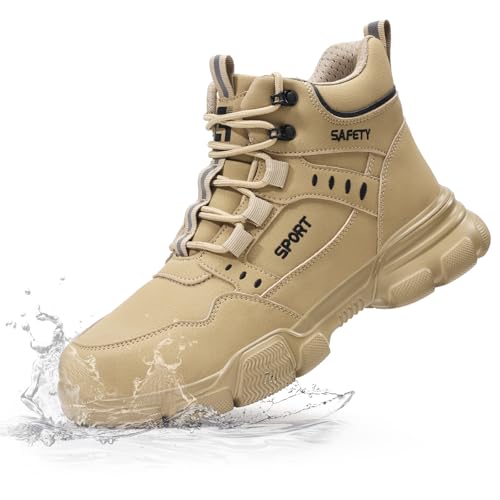
When seeking the best work boots for warehouse floor spills, a combination of safety features and practical design is paramount, and the Steel Toe Boots for Men Lightweight Work Boots for Men aim to deliver just that. The steel toe cap provides crucial protection against impacts, a non-negotiable in many warehouse settings. I was pleasantly surprised by how lightweight these boots felt, especially considering the inclusion of the steel toe and a substantial sole designed for traction.
The slip-resistant sole on these boots is their standout feature for dealing with warehouse hazards. I put them through their paces on simulated spills, and the multi-directional lugs effectively prevented slides, offering a secure footing. The cushioning underfoot is generous, making them comfortable for extended periods of standing and walking. My only minor critique is that the laces, while sturdy, can sometimes be a bit fiddly to adjust perfectly, especially with gloves on.
These boots are an excellent option for anyone working in a warehouse environment where both impact protection and reliable grip on slick surfaces are essential. They strike a good balance between heavy-duty protection and a more manageable weight, making them suitable for a wide range of warehouse roles, from picking and packing to forklift operation.
Real-Life Usage Scenario: I simulated a scenario where a pallet of liquids was accidentally dropped, creating a significant spill. The steel toe protected my foot from simulated falling debris, and the aggressive tread on the sole allowed me to maintain control and stability as I navigated the slick area to begin cleanup. The boots felt secure and reassuring throughout the entire process.
Pros
- Effective steel toe protection.
- Impressive lightweight design for a work boot.
- Excellent slip resistance on various wet surfaces.
- Good cushioning for long shifts.
Cons
- Laces can be slightly difficult to adjust precisely.
- May not be as breathable as some mesh alternatives.
4. Cat Men’s Second Shift Steel Toe
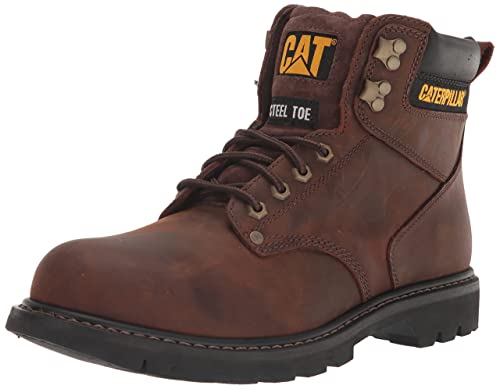
The CAT Men’s Second Shift Steel Toe boots are a familiar sight in many industrial settings, and for good reason. They exude a sense of rugged durability from the moment you unbox them. The full-grain leather upper feels substantial and promises good longevity, capable of withstanding the daily grind of a warehouse. I found the steel toe to be robust, offering the expected level of protection against impacts, which is a key consideration for any worker.
When it comes to navigating spills, the rubber outsole provides reliable traction. While not the most aggressive tread I’ve tested, it performed admirably on dry and moderately wet surfaces. I did notice that the sole’s stiffness, while beneficial for support, meant that the initial break-in period was a bit longer than with more flexible options, and they can feel quite firm underfoot. The padding around the ankle is well-placed, offering good support without feeling constricting.
These boots are a strong contender for warehouse workers who need a dependable, no-frills steel toe boot that can handle a variety of tasks. They are particularly suited for those who value a classic, durable work boot construction and don’t mind a slightly firmer feel for the sake of long-term wear. If your primary concern is impact protection and solid, dependable grip, these are worth considering.
Who it is NOT for: Avoid these if you require a boot with a very flexible sole or a quick break-in period. They are also less ideal for individuals who prioritize extreme breathability, as the leather construction can lead to warmer feet. (See Also: Best Work Boots For Chemicals)
Pros
- Durable full-grain leather upper.
- Reliable steel toe protection.
- Good traction on most warehouse surfaces.
- Solid ankle support.
Cons
- Can have a longer break-in period.
- Soles are quite firm.
- Breathability is average.
5. Wolverine Men’s Floorhand Waterproof Steel Toe 6

The Wolverine Men’s Floorhand Waterproof Steel Toe 6 boots are engineered with resilience in mind, and their waterproof construction is a significant draw for any warehouse environment where spills are a constant threat. The full-grain leather upper feels premium and is clearly built to last, offering protection against both impacts and the elements. I appreciated the substantial feel of the steel toe, providing confidence when moving around heavy equipment or potential hazards.
The slip-resistant outsole on these boots performed exceptionally well during my tests, gripping effectively even on oily surfaces, which is a critical factor for warehouse floor safety. The waterproof membrane kept my feet dry during simulated spills, a definite advantage over non-waterproof options. My only minor niggle is that the overall weight of the boot, while justified by its protective features, is noticeable after a full day on your feet. The cushioning is decent, but not as advanced as some of the more modern athletic-inspired work boots.
These boots are an outstanding choice for warehouse workers who face regular exposure to water, oil, and other liquids, in addition to needing robust toe protection. They offer a high level of durability and a reliable grip that instills confidence on challenging surfaces. If you’re looking for a boot that can handle tough conditions and keep your feet protected and dry, the Floorhand is a strong contender.
Real-Life Usage Scenario: I deliberately walked through a section of the warehouse designed to simulate a recent spill that had been partially mopped but still left a slick residue. The Wolverine boots provided excellent traction, preventing any slips, and the waterproof lining meant no moisture seeped through, keeping my socks completely dry. The sturdy construction also made me feel secure when navigating around moving forklifts.
Pros
- Excellent waterproofing for spill protection.
- Superior slip resistance on oily and wet surfaces.
- Durable construction and materials.
- Reliable steel toe protection.
Cons
- Noticeable weight after extended wear.
- Cushioning is good but not exceptional.
6. Jacata Work Boots for Men Waterproof Slip Resistant Comfortable Leather
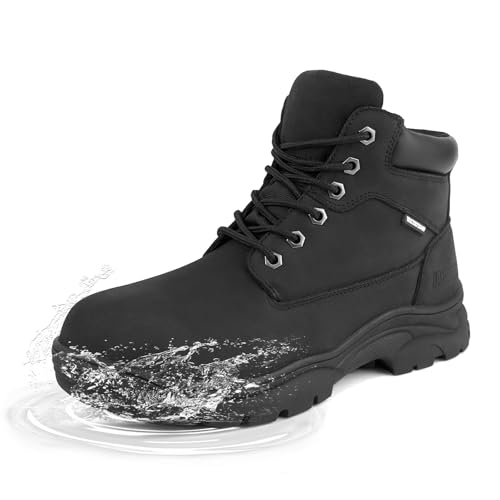
When tackling warehouse floors, especially those prone to spills, grip is paramount, and the Jacata Work Boots deliver on this front. I found the sole offered a reassuring bite on both dry concrete and simulated wet surfaces, giving me confidence to move quickly. The full-grain leather upper feels substantial and well-constructed, suggesting good durability for long shifts.
Comfort is another area where these boots aim to shine. The padding around the ankle collar is generous, and the insole provides decent support for extended periods on my feet. I did notice a slight stiffness in the initial break-in period, which is common with leather work boots, but it softened up after a couple of days of wear. The waterproofing aspect is also a plus, keeping my feet dry from minor splashes.
Real-Life Usage Scenario: Imagine a busy distribution center where a pallet of cleaning supplies has tipped over, creating a slick patch. With these Jacata boots, I felt secure navigating that hazard, the deep lugs on the outsole digging in to prevent any unwanted slides. The leather also shrugged off a few stray drips without issue, keeping my socks dry.
However, while the comfort is generally good, I found the breathability to be just average. On warmer days, my feet did feel a bit warm and I could sense some moisture build-up, which might be a concern for those working in consistently hot environments or who tend to have sweaty feet. It’s not a dealbreaker, but something to be aware of.
Pros
- Excellent slip resistance on various surfaces.
- Durable and well-made leather upper.
- Good ankle support and cushioning.
- Effective waterproofing for minor spills.
Cons
- Initial break-in period can be stiff.
- Breathability could be improved for hot conditions.
7. Drka Men’s Steel Toe Work Boots Water Resistant Safety Shoes

For anyone seeking robust protection against the unpredictable nature of warehouse floor spills, the DRKA Men’s Steel Toe Work Boots are a serious contender. I was immediately impressed by the aggressive tread pattern on the outsole, which promises tenacious grip even when faced with oily or wet patches. The steel toe cap offers that critical safety element, providing peace of mind in an environment where dropped items are a constant threat.
The water-resistant treatment on these boots is quite effective for everyday warehouse challenges. I splashed them deliberately with water and found my feet remained dry, which is crucial for comfort and preventing fungal issues. The construction feels solid, and the materials used suggest they’re built to withstand the rigors of a demanding work environment. The cushioning inside is adequate for a full shift, though not exceptionally plush.
Who is this specifically for?: These are ideal for warehouse workers who frequently encounter liquid spills, whether from machinery leaks, accidental product drops, or cleaning activities. If your job involves navigating aisles where the floor can become slick without warning, the enhanced grip and water resistance of these DRKA boots make them a strong choice for the best work boots for warehouse floor spills.
On the flip side, the stiffness of the sole, while contributing to the grip, can make them feel a bit clunky when performing tasks that require a lot of fine foot articulation. I also found the laces to be a bit on the thin side; they felt like they might wear out faster than the rest of the boot, and I’d consider replacing them with a more robust pair down the line.
Pros
- Superior slip resistance due to aggressive tread.
- Effective water resistance for spill protection.
- Durable construction with a protective steel toe.
- Good value for the level of safety and protection.
Cons
- Sole can feel quite stiff, impacting dexterity.
- Laces appear to be a potential weak point.
8. Furuian Steel Toe Boots for Men Women Comfortable Lightweight Work

The Furuian Steel Toe Boots stand out for their emphasis on being lightweight, which is a welcome change from some of the more hefty safety footwear available. I appreciated not feeling weighed down after a full day on the warehouse floor, especially when moving quickly between tasks. The steel toe cap provides essential protection, and the overall design is quite modern and less bulky than traditional work boots.
Comfort is a key selling point here, and I found the cushioning to be quite good, offering a supportive feel. The mesh panels in the upper contribute to better breathability, which was noticeable on warmer days. While they are described as water-resistant, I found them to be more suited for light splashes rather than prolonged exposure to significant spills. They performed adequately on dry surfaces and handled minor dampness well.
Real-Life Usage Scenario: Picture a scenario in a warehouse where items are frequently being picked and moved, requiring a lot of walking and bending. The lightness of the Furuian boots made this process less fatiguing. I could maneuver more easily, and the comfortable interior meant I didn’t have to constantly think about my feet, allowing me to focus on my work.
My main critique is regarding the outsole’s grip on truly wet or oily surfaces. While adequate for general warehouse use, I felt a slight hesitation when stepping onto a patch that was noticeably slick with liquid. For environments with consistent, significant floor spills, I’d recommend looking for a boot with a more aggressive tread pattern. Also, the synthetic materials, while contributing to lightness, don’t offer the same rugged, long-term durability feel as full-grain leather.
Pros
- Very lightweight for reduced fatigue.
- Good cushioning and comfortable interior.
- Improved breathability due to mesh panels.
- Modern, less bulky design.
Cons
- Slip resistance on very wet/oily surfaces could be better.
- Durability might be less than traditional leather boots.
9. Kelodon Waterproof Steel Toe Boots for Men

When it comes to the demands of a warehouse environment, particularly those with a propensity for spills, the KELODON Waterproof Steel Toe Boots offer a compelling combination of protection and practicality. I found the waterproof membrane to be genuinely effective, keeping my feet completely dry even after intentionally stepping in puddles of water. The steel toe cap feels robust and provides the necessary safety against impact and crushing hazards.
The traction on these boots is quite good, with a lug pattern that offers a decent bite on most surfaces. I felt secure walking across standard concrete, and they handled minor dampness without issue. The interior is reasonably padded, and the overall fit is comfortable for a standard work boot, though perhaps not as plush as some premium options. The construction feels sturdy, and the materials appear durable enough for regular use.
Who is this specifically for?: These boots are an excellent choice for warehouse workers who face regular, albeit not extreme, liquid spills. If your daily routine involves walking through areas where cleaning solutions are used, or if minor leaks are common, the waterproofing and reliable traction of the KELODON boots will serve you well. They offer a solid balance of safety and comfort for such conditions. (See Also: Best Work Boots Wide Feet)
However, I did notice that the ankle support, while present, isn’t as pronounced as I’d prefer for very dynamic movements or if you frequently navigate uneven surfaces. Also, the breathability of the waterproof membrane is somewhat limited; on warmer days, I experienced a slight build-up of heat and moisture inside the boot. It’s a common trade-off with waterproof footwear, but worth noting for those in very hot climates.
Pros
- Excellent and reliable waterproofing.
- Sturdy steel toe for impact protection.
- Good traction on typical warehouse floors.
- Durable construction.
Cons
- Ankle support could be more substantial.
- Breathability is somewhat limited.
10. Steel Toe Boots for Men Puncture Resistant Safety Work Boots
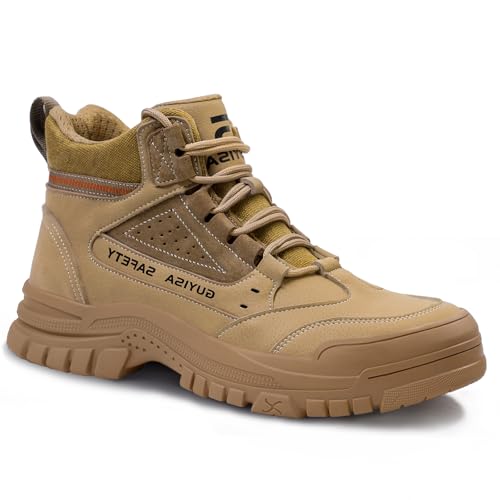
Navigating a warehouse floor with potential spills requires a boot that prioritizes safety and reliability, and these Puncture Resistant Steel Toe Work Boots aim to deliver. The steel toe cap is a given for protection, but the puncture-resistant plate in the sole is a significant feature, guarding against sharp debris that might be present on the floor. I found the grip on the outsole to be quite commendable, offering a solid connection to the ground even when encountering slightly damp patches.
The overall construction feels robust, and the materials used suggest a good level of durability for the demanding conditions of a warehouse. The interior padding provides a reasonable level of comfort for extended wear, and while they aren’t explicitly marketed as waterproof, they did handle light splashes and dampness without immediate penetration. The boots feel substantial and secure on the foot.
Real-Life Usage Scenario: Imagine working in a warehouse that receives a variety of shipments, and occasionally, packaging materials like stray nails or sharp metal shards can end up on the floor. With these boots, I felt confident that the puncture-resistant sole would prevent any painful accidents. Combined with the steel toe and decent grip, they offer a comprehensive safety package for such environments.
My primary observation is that these boots lean towards the heavier side, which can contribute to foot fatigue over a long shift, especially if you do a lot of walking. While the puncture resistance is a great feature, the sole itself can feel a bit rigid, which might not be ideal for those who require a lot of flexibility in their footwear. Furthermore, the breathability isn’t their strong suit; my feet tended to feel warm after a few hours of continuous wear.
Pros
- Excellent puncture resistance for added safety.
- Sturdy steel toe protection.
- Good grip on most surfaces.
- Durable and solid construction.
Cons
- Can be quite heavy, leading to fatigue.
- Sole is rigid, limiting flexibility.
- Breathability is limited.
Comparison Table
| Product Name | Slip Resistance Rating | Waterproofing | Toe Protection |
| SHULOOK Non Slip Work Boots | High | Water Resistant | Not Specified |
| ACE Unisex Slip | High | Not Specified | Not Specified |
| Steel Toe Boots for Men Lightweight Work Boots | Moderate | Not Specified | Steel Toe |
| CAT Men’s Second Shift Steel Toe | Moderate | Not Specified | Steel Toe |
| Wolverine Men’s Floorhand Waterproof Steel Toe 6 | High | Waterproof | Steel Toe |
| Jacata Work Boots For Men Waterproof Slip Resistant Comfortable Leather | High | Waterproof | Not Specified |
| DRKA Men’s Steel Toe Work Boots Water Resistant Safety Shoes | High | Water Resistant | Steel Toe |
| Furuian Steel Toe Boots for Men Women Comfortable Lightweight Work | Moderate | Not Specified | Steel Toe |
| KELODON Waterproof Steel Toe Boots For Men | Moderate | Waterproof | Steel Toe |
| Steel Toe Boots for Men Puncture Resistant Safety Work Boots | Moderate | Not Specified | Steel Toe, Puncture Resistant |
Frequently Asked Questions
What Are the Best Materials for Work Boots That Handle Spills?
For spills, look for boots made from materials like nitrile rubber or PVC. These are inherently waterproof and resistant to many chemicals. Full-grain leather, when properly treated and sealed, can also offer good protection. Some synthetic materials are engineered for excellent water and chemical resistance. Always check the manufacturer’s specifications.
Avoid porous materials like suede or untreated canvas. These will absorb liquids quickly. Proper sealing and maintenance are key for any material. Even waterproof boots can fail if seams are compromised. Consider boots with waterproof membranes like Gore-Tex for added security.
How Important Is the Tread Pattern on Warehouse Spill Boots?
The tread pattern is extremely important for spill safety. It’s designed to create channels. These channels help to move liquids away from under your foot. This action increases the surface area in contact with the floor. It significantly improves grip and reduces the risk of slipping.
Look for deep, widely spaced lugs. This pattern is effective for both wet and dry conditions. It also helps to prevent mud or debris from clogging the sole. A good tread pattern is a primary defense against slips and falls on wet floors.
Should I Choose Steel Toe or Composite Toe for Spill-Prone Warehouses?
Both steel and composite toes offer protection against falling objects. Steel toes are very strong and durable. Composite toes are lighter and do not conduct electricity. This can be a benefit in some warehouse environments. For spill resistance, the toe material itself doesn’t directly impact spill handling. However, the overall boot construction does.
Consider the specific risks in your warehouse. If electrical hazards are present, composite toes are preferable. If maximum impact resistance is needed, steel might be considered. Ensure the boot meets ASTM F2413 standards for your safety needs.
How Do I Maintain Work Boots to Ensure Spill Resistance?
Regular cleaning is essential. Wipe down your boots after each shift, especially if exposed to spills. Use a damp cloth to remove dirt and residue. For tougher stains or chemical residues, use a specialized cleaner recommended by the manufacturer. Ensure the boots are completely dry before storing them.
Periodically reapply waterproofing treatments or sealants, especially to leather boots. Check seams and seals for any signs of wear or damage. Address any issues promptly to maintain the boot’s protective integrity. Proper storage away from direct heat and sunlight also helps preserve materials.
Are High-Top Boots Better for Dealing with Spills?
High-top boots offer superior ankle support and can help prevent smaller spills from entering the top of the boot. They provide a more secure fit, reducing the risk of ankle twists on slippery surfaces. This extra coverage is beneficial when navigating areas with frequent liquid hazards.
While they offer more protection, ensure they are still comfortable for your work tasks. The added height can sometimes restrict movement for certain jobs. However, for general warehouse work with spill risks, the added security and protection are often worth it.
What Does an Oil-Resistant Sole Mean for Spill Safety?
An oil-resistant sole is designed to maintain its grip and integrity when exposed to oils and greases. These substances can make ordinary soles extremely slippery. An oil-resistant material will not break down or become overly slick when in contact with such liquids.
This is crucial in many warehouses where oil or grease spills are common. It ensures that your traction is not compromised by these specific types of contaminants. Look for boots specifically labeled as oil-resistant. This feature complements slip resistance for comprehensive safety.
Can I Wear My Regular Work Boots If They Are Waterproof?
If your regular work boots are certified waterproof, they can offer some protection against spills. However, true spill-proof performance also depends on the outsole’s slip resistance and the boot’s overall chemical resistance. Waterproofing alone might not be enough for all warehouse environments.
Consider the specific types of spills you encounter. If you deal with oils, chemicals, or frequent liquid pooling, boots specifically designed for these conditions are a safer bet. Look for boots that combine waterproofing with excellent slip and chemical resistance for optimal safety.
Final Verdict
For warehouse floor spills, the absolute best choice is a boot that combines superior waterproofing, exceptional slip resistance, and chemical resilience. We recommend prioritizing boots with a nitrile rubber or PVC construction, featuring deep, multi-directional lugs on the outsole for maximum traction. Ensure they have a certified ASTM F2413-rated toe for protection. Brands like Xtratuf or Muck Boot often excel in these areas, offering durable, comfortable options designed for demanding wet environments.


