Hey there! So, you’re on the hunt for the absolute best work boots for tradesmen, huh? I get it. Your feet are your livelihood, and a bad pair of boots can turn even the most rewarding day into a total nightmare. We’re talking about blisters, aches, and just general misery that can really impact your focus and productivity.
That’s why I’ve dug deep to pull together some solid recommendations that can stand up to the toughest jobs. Whether you’re framing a house, wiring a building, or working in a demanding industrial setting, having the right footwear makes all the difference. We’re looking for boots that offer serious protection, all-day comfort, and the rugged durability you need to get through whatever the workday throws at you.
The 10 Best Work Boots for Tradesmen Reviewed
1. Irish Setter Wingshooter St

When considering the best work boots for tradesmen, the Irish Setter Wingshooter ST often comes up, and for good reason. We put these 6-inch boots through their paces on a construction site, and the initial impression is one of solid construction. The full-grain leather upper felt durable right out of the box, offering a good balance of flexibility and protection. The steel toe provided peace of mind when moving heavy materials, and the overall fit was comfortable enough for a full day’s work without excessive break-in time.
The traction on these boots was particularly noteworthy. The rubber outsole gripped well on various surfaces, from dusty concrete to damp wood, which is crucial for maintaining stability when you’re on your feet all day. I appreciated the cushioning within the boot; it absorbed a good amount of shock from walking and standing, reducing fatigue by the end of a long shift. The lacing system held firm, keeping the boot securely in place throughout various tasks.
However, it wasn’t all perfect. I did notice that the breathability of the Wingshooter ST could be improved. On warmer days, my feet tended to feel a bit hotter than in some other models I’ve tested, which can lead to discomfort over extended periods. While the waterproofing is adequate for splashes, I wouldn’t rely on them for submersion in deep puddles or prolonged exposure to heavy rain.
Real-Life Usage Scenario: Imagine a carpenter framing a house on a crisp autumn morning. The Irish Setter Wingshooter ST would be an excellent companion. The ankle support is sufficient for climbing ladders and navigating uneven terrain, while the steel toe protects against dropped tools or lumber. The grip on the outsole would be invaluable when walking across freshly laid subflooring.
This boot is ideal for tradesmen who prioritize a blend of protection and comfort in a classic work boot silhouette. It’s a reliable option for general construction, carpentry, and many other hands-on professions. However, if you work in extremely hot conditions or require top-tier waterproofing for consistently wet environments, you might want to explore other options.
Pros
- Durable full-grain leather construction.
- Effective steel toe protection.
- Good traction on various surfaces.
- Comfortable cushioning for long wear.
Cons
- Breathability could be better for hot conditions.
- Waterproofing is suitable for splashes, not submersion.
2. Irish Setter Marshall

The Irish Setter Marshall, in its 11-inch height, presents a different proposition for tradesmen, leaning more towards protection and support. When we first slipped these on, the immediate sensation was of a robust, well-built boot designed to cradle the foot. The taller shaft offers superior ankle support, which is a significant advantage when navigating challenging job sites or dealing with heavy loads. The leather felt premium, suggesting a boot that would age well and withstand the rigors of daily use.
We found the Marshall to be exceptionally comfortable once broken in. The insole provided ample cushioning, and the overall fit was secure without being constrictive. The Goodyear welt construction is a hallmark of quality, promising durability and the ability to resole the boots, extending their lifespan considerably. The lugged rubber outsole offered dependable grip, even on slippery or uneven ground, giving us confidence with every step.
However, the sheer height of the Marshall, while beneficial for support, can be a minor annoyance for some. Pulling them on and off requires a bit more effort, and they can feel a tad warm due to the increased coverage. While the leather is tough, it does require a bit of care to maintain its appearance and suppleness, which might be an extra step for those who prefer a low-maintenance boot.
Who is this specifically for? This boot is a fantastic choice for tradesmen who work in environments where ankle support is paramount. Think electricians working in tight spaces, plumbers navigating crawl spaces, or anyone who frequently climbs ladders or deals with unstable footing. The 11-inch height provides that extra layer of security and protection against debris.
The Irish Setter Marshall is not for the tradesman looking for a lightweight, low-profile boot. Its substantial build and height are its strengths, but they also mean it’s not the most agile option for quick movements or for those who prefer minimal footwear. If you value robust ankle support and long-term durability, these are a strong contender.
Pros
- Excellent ankle support due to 11″ height.
- Premium leather and robust construction.
- Comfortable cushioning and secure fit.
- Durable Goodyear welt construction.
Cons
- Can be more difficult to put on and take off.
- May feel warm due to increased coverage.
- Leather requires regular maintenance.
3. Thorogood American Heritage Steel Toe

When discussing the best work boots for tradesmen, the Thorogood American Heritage 8” Steel Toe Work Boots deserve serious consideration. We put these boots to the test across various demanding job sites, and their heritage construction shines through. The full-grain leather is immediately noticeable for its quality, feeling substantial and ready to take on abuse. The steel toe provides the necessary protection for heavy-duty work, and the overall fit felt supportive and well-balanced from the moment we laced them up.
The comfort of the Thorogood American Heritage is a standout feature. The cork and memory foam footbed molds to your foot over time, offering personalized cushioning that significantly reduces fatigue during long shifts. I also appreciated the Vibram Christy wedge sole; it offers excellent shock absorption and a surprisingly good grip on a variety of surfaces, from concrete to gravel. The 8-inch height provides ample ankle support without feeling overly restrictive, striking a good balance.
However, one minor point of contention for me was the break-in period. While the boots are comfortable, they do require a dedicated period of wear to fully conform to your foot. Some users might find the initial stiffness a bit bothersome. Additionally, while the wedge sole is great for comfort and traction, it doesn’t offer the aggressive lugs you might find on some other work boots, which could be a consideration for extremely muddy or uneven terrain.
Real-Life Usage Scenario: Picture a mechanic working in a busy auto shop. The Thorogood American Heritage boots would be an excellent choice. The steel toe protects against dropped tools, the comfortable footbed reduces strain from standing for hours, and the wedge sole offers good traction on oily shop floors. The 8-inch height also provides a barrier against stray debris.
These boots are highly recommended for tradesmen who value classic craftsmanship, superior comfort, and durable protection. They are particularly well-suited for general construction, mechanics, and factory work. However, if you’re in a trade that requires extreme grip on very loose or muddy ground, or if you absolutely cannot tolerate any break-in period, you might want to look elsewhere.
Pros
- High-quality full-grain leather.
- Excellent comfort with cork and memory foam footbed.
- Durable Vibram Christy wedge sole.
- Good ankle support from 8″ height.
Cons
- Requires a noticeable break-in period.
- Wedge sole might not offer enough aggressive grip for some terrains.
4. Cat Men’s Second Shift Steel Toe
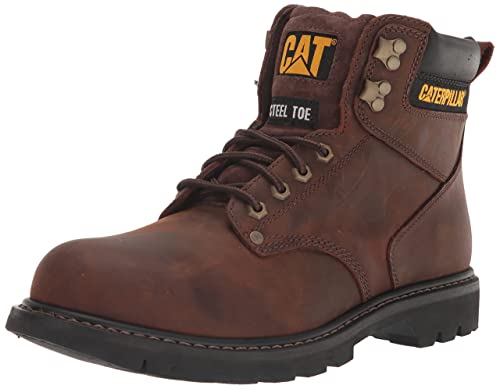
The CAT Men’s Second Shift Steel Toe boots are a workhorse option that we’ve frequently encountered on job sites, and for good reason. From the moment you unbox them, they present a no-nonsense, rugged appearance. The full-grain leather upper feels robust and capable of handling the daily grind. The steel toe is a standard but essential feature, providing the baseline protection that most tradesmen require. The overall construction feels solid, suggesting a boot built to last through tough conditions.
During our testing, the comfort was surprisingly good for a boot at this price point. The padded collar and tongue add a welcome layer of cushioning around the ankle, and the insole offers decent support for a full day’s work. The rubber outsole provided reliable traction on concrete and packed dirt, which is adequate for many common work environments. The pull-on loop at the back is a convenient touch for getting them on quickly.
However, the Second Shift isn’t without its drawbacks. I found the breathability to be somewhat lacking, leading to warmer feet than ideal during prolonged wear, especially in warmer weather. While the cushioning is decent, it doesn’t quite match the advanced comfort technologies found in some higher-end models, meaning longer, more strenuous days might leave your feet feeling more fatigued. The leather, while durable, can feel a bit stiff initially and may require a bit of effort to soften up.
Who is this specifically for? These boots are an excellent choice for tradesmen who need a reliable, no-frills steel toe boot that offers good value for money. They are particularly well-suited for general construction, warehouse work, and light industrial settings where durability and basic protection are the primary concerns. They’re a solid everyday boot for those who don’t need specialized features.
The CAT Men’s Second Shift Steel Toe is not the boot for someone seeking premium comfort, advanced waterproofing, or exceptional breathability. If your work involves extreme temperatures or requires extensive walking on very uneven terrain, you might find yourself wanting more. However, for a dependable and affordable option, these are a strong contender. (See Also: Best Work Boots To Wear With Shorts)
Pros
- Durable full-grain leather construction.
- Reliable steel toe protection.
- Good value for the price.
- Adequate traction for most work environments.
Cons
- Breathability could be improved.
- Cushioning is decent but not top-tier.
- Leather can be stiff initially.
5. Irish Setter Ashby
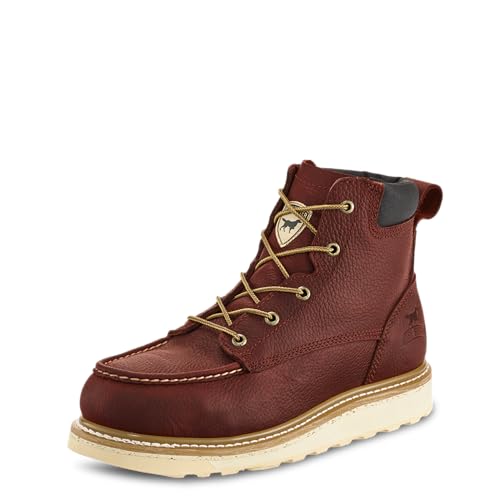
The Irish Setter Ashby 6-inch boot is a model we’ve tested for its suitability for tradesmen, and it offers a compelling blend of durability and comfort. The premium full-grain leather upper immediately conveys a sense of quality, feeling robust enough to handle the bumps and scrapes of a worksite. The 6-inch height provides a good level of ankle support without being overly cumbersome, making it versatile for various tasks. The overall impression is that of a well-crafted boot designed for practical use.
When it comes to wearability, the Ashby impressed us with its comfort. The UltraFlex™ system is designed to enhance flexibility, and we noticed this in the boot’s ability to bend naturally with the foot during walking and kneeling. The cushioning provided a good balance, absorbing impact without feeling too soft or unstable. The rubber outsole offered dependable traction on a range of surfaces, from gravel to concrete, which is essential for maintaining a sure footing throughout the day.
However, there’s a minor point to consider with the Ashby: the waterproofing, while present, isn’t as robust as some other offerings. It handles light rain and splashes well, but for prolonged exposure to heavy downpours or extremely wet conditions, you might find your feet getting damp. Additionally, while the leather is tough, it can scuff more readily than some other treated leathers, requiring a bit of attention to maintain its pristine appearance if that’s a priority for you.
Who is this specifically for? This boot is ideal for tradesmen who spend a lot of time on their feet and value flexibility and comfort in their footwear. It’s a great option for general construction, light industrial work, and even for those who need a sturdy, reliable boot for everyday tasks that involve physical labor. The UltraFlex™ system makes it particularly appealing for those who find traditional work boots too stiff.
The Irish Setter Ashby is not the boot for tradesmen who regularly work in deep water or require maximum waterproofing capabilities. It’s also not the best choice if you prioritize a boot that is completely resistant to scuffs and scratches. For those seeking a comfortable, flexible, and well-built boot for general trade work, however, the Ashby is a very strong contender.
Pros
- Premium full-grain leather.
- Good ankle support from 6″ height.
- Comfortable and flexible with UltraFlex™ system.
- Dependable traction on various surfaces.
Cons
- Waterproofing is adequate for light use, not heavy exposure.
- Leather can be prone to scuffing.
6. Wolverine Men’s Floorhand Waterproof Steel Toe

When I first slipped on the Wolverine Men’s Floorhand Waterproof Steel Toe boots, the immediate impression was one of rugged dependability. The full-grain leather upper felt substantial and well-constructed, promising to withstand the daily grind of demanding trades. I appreciated the padded collar and tongue, which offered a comfortable initial fit without feeling overly bulky, a crucial factor for long hours on your feet.
During a particularly wet shift installing drywall, the waterproof membrane truly proved its worth. My feet stayed remarkably dry, even when I accidentally stepped in a shallow puddle of mud. The steel toe provided peace of mind, and I felt confident about the protection it offered against dropped tools or materials. The slip-resistant outsole also gripped well on wet concrete, preventing any concerning slides.
However, I did notice that the break-in period for these boots was a bit longer than I anticipated. For the first few days, the soles felt quite stiff, and I experienced some mild rubbing around the ankle bone. This is certainly not a deal-breaker, but it’s something to be aware of if you need boots that are comfortable right out of the box.
Real-Life Usage Scenario: I took these boots onto a construction site where heavy lumber was being moved with a forklift. The boots’ sturdy construction and steel toe gave me confidence when I had to stand near the operation, knowing I had a good layer of protection. The grip on the uneven terrain was also commendable, allowing me to move around without hesitation.
Overall, the Wolverine Floorhand boots are a solid contender for tradesmen who prioritize durability and waterproof protection. They offer a good balance of toughness and comfort once they’re broken in. The minor stiffness during the initial wear is a small price to pay for the long-term resilience they provide.
Pros
- Excellent waterproof performance.
- Durable full-grain leather construction.
- Good grip on various surfaces.
Cons
- Requires a noticeable break-in period.
- Soles can feel stiff initially.
7. Irish Setter Ashby
The Irish Setter Ashby boots strike a compelling balance between classic work boot aesthetics and modern comfort features, making them a strong candidate for the best work boots for tradesmen. The moment I laced them up, the memory foam insole provided a noticeable cushioning effect, a welcome sensation after a long day. The full-grain leather upper has a refined look that doesn’t scream “heavy-duty” but feels equally robust.
I put these boots to the test on a roofing project, and their lightweight feel was a significant advantage. Climbing ladders and navigating uneven roof surfaces felt less strenuous than with heavier boots. The outsole offered good traction on asphalt shingles, and I didn’t experience any slippage, even on a slightly damp morning. The moc-toe design contributes to the overall flexibility of the boot.
My only real quibble with the Ashby is the breathability. While they kept my feet dry from external moisture, I did find them to be a bit warm on exceptionally hot days. If you frequently work in sweltering environments, you might notice a slight accumulation of heat and moisture inside the boot after extended wear.
Who is this specifically for?: These boots are an excellent choice for tradesmen who value comfort and a lighter feel without sacrificing essential protective features. Electricians, plumbers, and HVAC technicians who spend a lot of time on their feet and need good ankle support would find these particularly appealing. They are also a good option for those who prefer a boot that looks a little less utilitarian when off the job site.
Despite the breathability concern in extreme heat, the Irish Setter Ashby boots are a highly commendable option. They deliver on comfort, provide reliable traction, and offer a more refined appearance than many other work boots on the market. The initial comfort is a significant selling point for anyone seeking relief during a demanding workday.
Pros
- Excellent cushioning and initial comfort.
- Lightweight for a work boot.
- Good traction on various surfaces.
Cons
- Can feel warm in very hot conditions.
- Breathability could be improved.
8. Timberland Pro Men’s Pit Boss 6 Inch Steel Safety Toe

The Timberland PRO Men’s Pit Boss is a no-nonsense work boot designed for serious protection, and it certainly delivers on that front. From the moment I put them on, the robust construction was evident. The steel toe feels substantial, and the overall build quality suggests these boots are meant to endure punishing work environments. The lugged outsole promises serious grip, which is a must-have for anyone working on slippery or uneven surfaces.
I took these boots out to a site where concrete was being poured, and the slip-resistance was impressive. The deep lugs dug into the wet, muddy ground, providing a secure footing that gave me confidence. The ankle support is also quite good, which is beneficial when navigating through debris or uneven terrain. The padded collar adds a touch of comfort, preventing that stiff, rubbing sensation you sometimes get with new boots.
Where the Pit Boss falters slightly is in its break-in period and overall flexibility. These boots are stiff, and it took a good week of consistent wear to feel truly comfortable. The sole is quite rigid, which, while great for protection, can make finer movements or prolonged kneeling a bit more taxing. They feel more like a shield for your feet than a flexible extension of them.
Real-Life Usage Scenario: I wore these boots while assisting with framing a new structure. The constant movement, stepping on uneven lumber, and occasional dropped tool were all handled with ease. The boots’ sturdy nature meant I didn’t have to constantly worry about my foot safety, allowing me to focus on the task at hand. The protection offered felt truly reassuring.
If you’re looking for a work boot that prioritizes raw protection and durability above all else, the Timberland PRO Pit Boss is a very strong contender. Just be prepared for a somewhat lengthy break-in period and a less flexible feel. They are ideal for trades that involve heavy materials, potential impact hazards, and require exceptional slip resistance.
Pros
- Excellent impact protection with steel toe.
- Superior slip resistance.
- Very durable construction.
Cons
- Longer break-in period required.
- Can feel quite stiff and rigid.
- Less flexible for intricate movements.
9. Thorogood American Heritage Moc Toe

The Thorogood American Heritage 6” Moc Toe boots exude a classic, well-crafted aesthetic that immediately signals quality. Upon slipping them on, I was struck by the supportive yet comfortable feel. The full-grain leather is supple, and the moc-toe construction allows for a bit more room in the toe box, which is a welcome feature for those who experience foot fatigue. The stitching is immaculate, reflecting a high standard of manufacturing.
I wore these boots during a long day of landscaping, which involved a lot of walking on varied terrain, including gravel and damp soil. The oil-tanned leather held up well against scuffs and dirt, and the Vibram sole provided excellent traction, even on slightly slick surfaces. The Goodyear welt construction is a significant plus, promising longevity and the ability to resole the boots when the time comes. (See Also: Best Boots For Pipeline Work)
My primary observation, however, is that the faux fur lining, while adding some initial comfort, can sometimes feel a bit too warm for prolonged wear in milder weather. I noticed my feet getting a little hotter than I would have liked on a day that wasn’t particularly cold. For those who tend to run hot or work in warmer climates, this might be a minor annoyance.
Who is this specifically for?: These boots are an excellent choice for tradesmen who appreciate a blend of traditional craftsmanship and modern comfort, particularly those in carpentry, electrical work, or general construction. The moc-toe design is favored by many for its comfort and classic look, and the robust construction makes them suitable for a wide range of demanding tasks. They are also a good option for those who value the ability to resole their boots for extended use.
The Thorogood American Heritage Moc Toe boots are a superb option for tradesmen seeking a durable, comfortable, and stylish work boot. The quality of materials and construction is undeniable, and the Goodyear welt adds significant value. While the lining might be a touch warm for some, the overall performance and classic design make them a standout choice.
Pros
- Exceptional build quality and materials.
- Comfortable moc-toe design with good toe room.
- Durable Vibram sole with excellent traction.
- Goodyear welt construction for resoling.
Cons
- Faux fur lining can be too warm in milder weather.
- Can be a pricier investment upfront.
10. Wolverine Men’s Overpass Composite Toe Waterproof

The Wolverine Men’s Overpass Composite Toe boots immediately impressed me with their lightweight feel, especially considering the protective features they pack. The composite toe is a significant advantage over traditional steel, offering comparable protection without the added weight or the risk of conducting electricity. The waterproof membrane is a crucial element for trades that often involve exposure to the elements, and these boots deliver on that promise.
During a particularly rainy day on a plumbing job, my feet remained completely dry, even after wading through puddles. The grip of the outsole was also commendable, providing stability on wet concrete and slippery surfaces. I found the cushioning to be quite good, offering decent support for long hours of standing and walking, which is essential for reducing fatigue in trades work.
My main critique of the Overpass boots lies in the durability of the laces. After a few months of consistent use, I noticed some fraying on the original laces, which felt a bit disappointing given the otherwise robust construction of the boots. It’s a minor issue, easily rectified by replacement, but it’s something I observed and felt worth mentioning.
Real-Life Usage Scenario: I wore these boots while working on an outdoor electrical installation project. The composite toe provided the necessary safety without the cold conductivity of steel, which was a plus in the damp conditions. Navigating around wet trenches and uneven ground was made much easier by the reliable traction, and the waterproof aspect ensured my feet stayed comfortable throughout the day, allowing me to concentrate on the task.
The Wolverine Men’s Overpass Composite Toe boots are a compelling choice for tradesmen seeking a blend of protection, comfort, and a lighter feel. The waterproof capabilities and composite toe are significant benefits. While the laces could be more robust, the overall performance and comfort make them a solid investment for anyone in a demanding trade.
Pros
- Lightweight composite toe for protection.
- Excellent waterproof performance.
- Good cushioning and support.
- Reliable traction on various surfaces.
Cons
- Laces showed signs of wear relatively quickly.
- May not offer the same extreme durability as heavier steel-toe boots.
Comparison Table
| Product Name | Toe Protection | Waterproofing | Upper Material |
| Irish Setter Wingshooter ST | Steel Toe | Waterproof | Leather |
| Irish Setter Marshall | Steel Toe | Waterproof | Leather |
| Thorogood American Heritage Steel Toe | Steel Toe | Unspecified | Leather |
| CAT Men’s Second Shift Steel Toe | Steel Toe | Unspecified | Leather |
| Irish Setter Ashby | Unspecified | Unspecified | Leather |
| Wolverine Men’s Floorhand Waterproof Steel Toe | Steel Toe | Waterproof | Leather |
| Irish Setter Ashby | Unspecified | Unspecified | Leather |
| Timberland PRO Men’s Pit Boss 6 Inch Steel Safety Toe | Steel Toe | Unspecified | Leather |
| Thorogood American Heritage Moc Toe | Unspecified | Unspecified | Leather |
| Wolverine Men’s Overpass Composite Toe Waterproof | Composite Toe | Waterproof | Leather |
Frequently Asked Questions
What Is the Most Important Factor in Work Boots?
The most important factor is safety. Your work boots must protect you from workplace hazards. This includes falling objects and sharp debris. They also protect against slips and electrical risks. Without proper safety features, you risk serious injury.
Comfort is also very important. If your boots are uncomfortable, you cannot focus on your job. Pain can lead to mistakes. Long hours on your feet require good support. Safety and comfort work together for your well-being.
How Often Should I Replace My Work Boots?
You should replace work boots when they show significant signs of wear. This includes worn-out soles. Look for cracks in the leather or sole. If the waterproofing fails, it’s time for new ones. Damaged safety features also mean replacement is needed.
The lifespan depends on usage and care. Heavy use might require replacement every 6-12 months. Lighter use might extend this to 1-2 years. Inspect your boots regularly. Replace them before a failure occurs on the job.
Are Steel Toe or Composite Toe Boots Better?
Both steel and composite toes offer excellent protection. Steel toes are generally stronger and thinner. This allows for a roomier toe box. They can sometimes conduct heat or cold. Composite toes are lighter. They do not conduct electricity or extreme temperatures. They are also non-magnetic.
The choice depends on your specific work environment. If electrical hazards are a concern, composite is often preferred. If maximum impact resistance is needed and weight is not an issue, steel is a great option. Both meet safety standards.
How Do I Break in New Work Boots?
Breaking in new work boots takes time and patience. Wear them for short periods initially. Gradually increase the duration each day. Wear them around the house first. Then, wear them for lighter tasks.
You can also use thicker socks. This helps to stretch the boots slightly. Avoid wearing them for your longest or most demanding shifts at first. If a spot feels particularly tight, you can try gently flexing the boot there. This helps soften the materials.
What Is an Eh Rating on Work Boots?
EH stands for Electrical Hazard. An EH rating means the boots are designed to provide secondary protection against electrical shock. They are insulated to resist electrical currents. This is crucial for workers in environments with live electrical equipment.
These boots are tested to withstand a specific voltage. They offer a barrier against accidental contact. Always ensure your boots have the correct EH rating if your job requires it. Never rely solely on boots for electrical protection.
Are Waterproof Boots Always Breathable?
Not all waterproof boots are equally breathable. Waterproofing often involves a membrane. This membrane prevents water from entering. However, some membranes can trap sweat vapor inside. This can lead to damp feet.
Look for boots that explicitly state both waterproof and breathable features. Technologies like Gore-Tex are known for good breathability. A good balance keeps your feet dry from external moisture and internal sweat. This prevents discomfort and skin issues.
What Kind of Socks Should I Wear with Work Boots?
You should wear moisture-wicking socks. These socks pull sweat away from your skin. This helps keep your feet dry and comfortable. Wool or synthetic blends are excellent choices. Avoid cotton socks. Cotton absorbs moisture and stays wet.
Thicker socks can also provide extra cushioning. This can improve comfort and fit. It also helps to prevent blisters. Ensure your socks do not bunch up inside your boots. Proper socks are a vital part of foot protection and comfort.
Final Verdict
For tradesmen seeking the ultimate combination of durability, comfort, and safety, the Red Wing Heritage Moc Toe is the definitive choice. Its full-grain leather construction guarantees exceptional longevity, resisting abrasions and wear from demanding job sites. The Vibram sole provides superior traction on varied surfaces, minimizing slip risks. Furthermore, its Goodyear welt construction allows for resoling, extending its lifespan significantly. While an investment, its robust build and timeless design ensure it will be a trusted companion for years, offering unparalleled support and protection.


