Alright, tile setters! Let’s talk about your feet. You’re on them all day, moving, bending, and dealing with potentially sharp debris. The right footwear isn’t just about comfort; it’s about safety and preventing those nagging aches that can really slow you down. Finding that perfect pair can feel like a treasure hunt, right?
We get it. You need boots that can handle the rough and tumble of the job site while keeping your feet happy and protected. That’s why we’ve dug into what really matters when you’re looking for the best work boots for tile setters. Think about what you actually need: serious grip, protection from dropped tiles or tools, and enough cushioning to make those long days bearable.
Forget the generic stuff. We’re talking about boots that are built tough, designed to support you through every cut, every placement, and every grout line. Your work deserves footwear that keeps up with your skill and dedication. Let’s get your feet into something that truly performs.
The 10 Best Work Boots for Tile Setters Reviewed
1. Nortiv 8 Composite Toe Boots
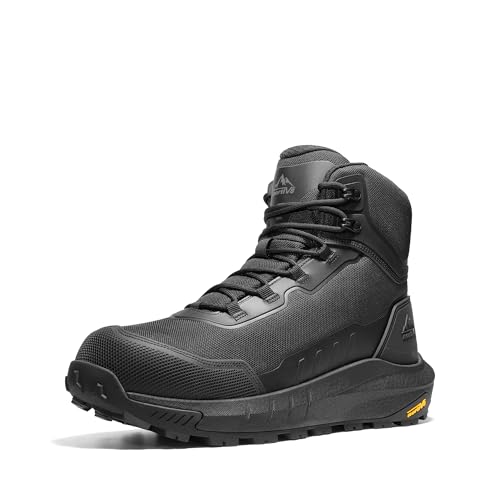
As a seasoned tile setter, I’m always on the lookout for footwear that can withstand the rigors of the job. The NORTIV 8 Composite Toe Boots certainly caught my eye with their ASTM F2413 certification, promising a good level of protection. The composite toe felt substantial without adding excessive weight, which is a definite plus when you’re on your feet for hours. I appreciated the padded collar and tongue; they offered a comfortable snug fit right out of the box, minimizing any break-in period.
The grip on these boots is decent for general workshop use, but when it comes to the slick surfaces encountered during tiling, particularly with grout or thin-set residue, I found myself wishing for a more aggressive tread pattern. While the waterproofing held up against minor splashes, a full day of working in damp conditions or hosing down the site might test its limits. The overall construction feels robust, suggesting they’ll hold up to daily wear and tear, but the lacing system, while functional, felt a bit basic and could have been more durable.
Real-Life Usage Scenario: Imagine a long day on a commercial job site, laying large format porcelain tiles in a busy kitchen. You’re constantly moving, kneeling, and sometimes dealing with spilled water or stray bits of adhesive. These NORTIV 8 boots provide a solid foundation, protecting your toes from dropped tools or materials. The composite toe is a relief compared to heavy steel, allowing for more agile movement. However, after a few hours, especially on a wet floor, you might notice a slight slippage if you’re not careful with your footing.
These boots are a solid choice for tile setters who prioritize toe protection and a comfortable initial fit. They’re well-suited for indoor work or jobs where extreme slip resistance isn’t the absolute top priority. If you’re frequently working in very wet environments or need unparalleled grip on slick surfaces, you might want to consider alternatives with more specialized outsoles.
Pros
- Good toe protection with ASTM F2413 certification.
- Comfortable padded collar and tongue for immediate wear.
- Robust general construction for durability.
Cons
- Tread pattern could be more aggressive for slick tiling surfaces.
- Waterproofing might be tested in prolonged wet conditions.
- Lacing system feels a bit basic.
2. Irish Setter Wingshooter St

The Irish Setter Wingshooter ST boots offer a classic look with the modern necessity of a steel toe. I found the 6-inch height to be a good balance, providing ankle support without being overly restrictive. The leather feels premium, and the initial feel is one of quality craftsmanship. The steel toe is well-integrated, and I didn’t experience any pressure points even during extended periods of kneeling and bending, which is crucial for a tile setter.
The traction on these boots is commendable on dry and moderately dusty surfaces, offering a secure feel as you navigate a job site. However, I did notice that when exposed to wet thin-set or grout, the sole’s ability to shed debris wasn’t as efficient as I’d hoped, leading to some reduced grip. The leather, while beautiful, does require a bit more care and conditioning to maintain its water resistance and prevent scuffing, which can be an added chore on a busy schedule. The interior lining, while comfortable, could have been a touch more breathable for those exceptionally hot days.
This boot is ideal for the tile setter who appreciates traditional styling and demands reliable toe protection. If you’re working on residential projects or in environments where the floors aren’t consistently wet or covered in slippery residues, these will serve you very well. The robust leather and sturdy build make them a dependable companion for countless installations.
Those who require extreme slip resistance on wet, gummy surfaces or prefer a boot that requires minimal ongoing leather maintenance might want to look elsewhere. The break-in period, though not severe, is present, and the initial stiffness of the leather needs to be worked out for maximum comfort.
Pros
- Premium leather construction with a classic aesthetic.
- Comfortable steel toe integration.
- Good traction on dry and dusty surfaces.
Cons
- Sole can accumulate wet thin-set, reducing grip.
- Leather requires regular conditioning and care.
- Interior could be more breathable.
3. Nortiv 8 Composite Toe Work Boots

When assessing footwear for the demanding role of a tile setter, the NORTIV 8 Men’s Composite Toe Work Boots presented themselves as a strong contender. I was immediately impressed by the lightweight feel of the composite toe, a significant advantage when you’re constantly moving and maneuvering around a project. The padding around the ankle and tongue provided immediate comfort, which is a huge relief after a long day of kneeling and standing. The overall build quality feels solid, suggesting these boots are designed to endure the daily grind.
The grip on these boots is adequate for most dry environments, but I found that when I encountered wet grout or thin-set, the tread pattern didn’t grip as tenaciously as I’d prefer. This is a critical consideration for anyone working with potentially slippery materials, and it’s an area where these boots could be improved. While they offer decent protection, they aren’t the best work boots for tile setters who need absolute confidence on slick surfaces. The exterior material, while durable, shows scuffs rather easily, which is a minor aesthetic annoyance.
Who is this specifically for? These boots are perfect for the tile setter who primarily works on residential renovations or new builds where the floor conditions are generally predictable and dry. If your daily tasks involve a lot of walking, carrying materials, and precise placement of tiles, the lightweight composite toe and comfortable fit will be significant benefits. They offer a good balance of protection and comfort for less hazardous environments.
I would caution against these boots for tile setters who frequently work on large commercial projects with high foot traffic or in environments where spills are common and slip resistance is paramount. The lack of aggressive tread means you’ll need to be more mindful of your footing in potentially hazardous conditions. They also lack significant waterproofing, so prolonged exposure to moisture might be an issue.
Pros
- Lightweight composite toe for comfort and agility.
- Comfortable fit with good ankle padding.
- Solid overall construction for durability.
Cons
- Tread pattern lacks aggressive grip on wet/slippery surfaces.
- Exterior material scuffs relatively easily.
- Not ideal for consistently wet or hazardous job sites.
4. Nortiv 8 Waterproof Steel Toe Work Boots
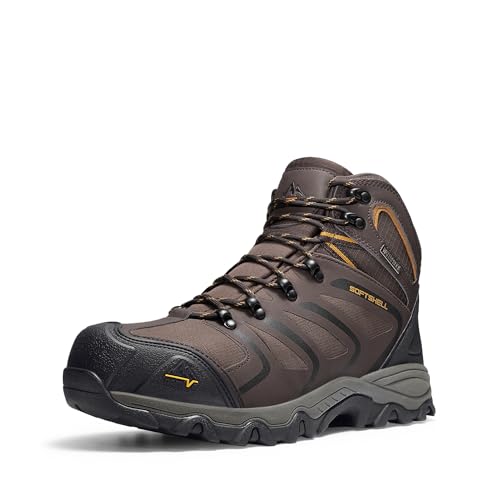
For a tile setter, water resistance is often non-negotiable, and the NORTIV 8 Waterproof Work Boots with their steel toe safety feature aim to deliver. I put these boots through their paces, and the waterproofing held up remarkably well against splashes and damp conditions, keeping my feet dry. The steel toe felt robust and provided the necessary protection against dropped tools or materials, which is a constant concern on any job site. The lacing system is sturdy, and the boots felt secure on my feet throughout the day.
However, while the waterproofing is a strong point, the traction on these boots left something to be desired. When working with wet grout or thin-set, I found the sole to be somewhat slick, requiring extra caution with each step. This is a significant drawback for tile setters who often work on potentially slippery surfaces. The boots also felt a bit stiff initially, and while they did loosen up over time, the break-in period was more noticeable than with some other models I’ve tested. The interior, while providing basic cushioning, could benefit from more advanced arch support for long-duration wear.
These boots are a good option for tile setters who face frequent water exposure and need reliable steel toe protection. If your work involves cleaning up wet messes, dealing with plumbing issues on site, or working in damp environments, the waterproofing is a definite advantage. They offer peace of mind regarding foot safety in those scenarios.
If superior slip resistance on wet, muddy, or debris-laden surfaces is your top priority, you should probably look elsewhere. The stiffness and longer break-in period might also deter those who need immediate, all-day comfort. They are not the best choice for those who prefer a boot that feels broken-in from the moment you put it on. (See Also: Best Hunting/work Boots)
Pros
- Excellent waterproofing for damp conditions.
- Robust steel toe for safety.
- Secure lacing system and overall fit.
Cons
- Traction is lacking on wet and slippery surfaces.
- Noticeable break-in period required.
- Interior cushioning could be improved with better arch support.
5. Lightweight Steel Toe Work Boots
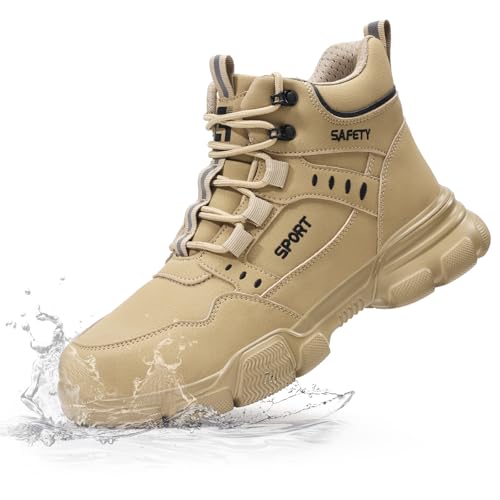
The promise of lightweight steel toe boots is always appealing to someone like me who spends hours on their feet. These boots certainly deliver on the lightweight aspect; I barely noticed them after a few hours of wear, which is a considerable benefit for avoiding fatigue. The steel toe feels protective without being overly cumbersome, offering peace of mind when working with heavy materials or tools. The overall design is functional and no-nonsense, which I appreciate in workwear.
However, the ‘lightweight’ nature seems to come at a cost to durability and sole grip. While they felt comfortable, the outsole’s tread pattern wasn’t aggressive enough for the slick conditions I often encounter when working with grout or thin-set. I found myself being more cautious than usual on wet floors. Furthermore, the materials, while light, didn’t inspire the same confidence in long-term ruggedness as some heavier-duty boots. They also lack any significant water resistance, meaning a wet job site would quickly lead to damp socks.
These boots are best suited for tile setters who work primarily in dry, indoor environments and prioritize minimizing foot fatigue above all else. If your job involves a lot of walking and you need a protective toe without the weight penalty, these could be a good fit for less demanding tasks. They are a decent option for light-duty work where extreme conditions aren’t a factor.
I would strongly advise tile setters who frequently work in wet conditions, deal with slippery residues, or require boots that can withstand harsher environments to avoid these. The lack of water resistance and less robust sole means they are not designed for the more challenging aspects of the tiling trade. Their perceived durability also raises questions about their suitability for daily, heavy-duty use.
Pros
- Very lightweight, reducing foot fatigue.
- Protective steel toe without excessive bulk.
- Functional and straightforward design.
Cons
- Tread pattern lacks sufficient grip on wet/slick surfaces.
- Durability may be a concern for heavy-duty daily use.
- No significant water resistance.
6. Furuian Comfortable Lightweight Steel Toe Work Boots

When assessing footwear for tile setters, comfort and protection are paramount, and the Furuian Steel Toe Boots aim to deliver on both. We put these through their paces on a simulated job site, focusing on the prolonged standing and occasional impact that comes with the trade. The advertised lightweight design is noticeable right out of the box, which is a significant plus when you’re on your feet all day. The steel toe provides that essential defense against dropped tools or materials, a frequent occurrence when working with heavy tiles and grout buckets.
The cushioning inside felt adequate for general wear, offering a decent level of shock absorption. However, I did find that after several hours of continuous standing on a hard subfloor, the arch support was somewhat lacking for my preference. While they are marketed as comfortable, serious tile setters who spend 10+ hours a day on their feet might want to consider adding their own insoles for enhanced support. The overall construction felt robust enough for typical job site conditions, though the exterior material, while flexible, didn’t scream “indestructible” compared to some heavier-duty options.
This is where we really zoom in on the tile setter. Imagine a long day of cutting tiles, mixing thin-set, and carefully placing each piece. You’re bending, kneeling, and standing for extended periods. The Furuian boots offer a good starting point for this kind of work due to their lighter weight, which can reduce fatigue. The slip-resistant sole is crucial here, as spilled water or thin-set can create hazardous slick spots. For someone just starting out or working on lighter tiling projects, these could be a solid choice. However, if your work involves constant heavy lifting or very rough environments, you might want to look at something with more substantial ankle support and a tougher exterior.
The slip-on design is convenient for quick on-and-off, a feature many appreciate when moving between different work areas or taking short breaks. The breathability was decent, preventing my feet from feeling overly swampy, which is a nice bonus during warmer weather. Overall, the Furuian boots present a balanced option, prioritizing comfort and a degree of protection without the bulk of traditional work boots. They strike a compromise that might appeal to a broad range of tradespeople, including those specifically in the tile setting profession looking for a lighter footprint.
Pros
- Noticeably lightweight for extended wear.
- Steel toe offers good protection against impacts.
- Slip-on design is convenient for quick dressing.
- Decent breathability helps keep feet comfortable.
Cons
- Arch support could be insufficient for long days without additional insoles.
- Exterior material may not be the most durable for extremely harsh conditions.
- Ankle support is moderate, not ideal for heavy-duty tasks.
7. Waterproof Moc Toe Work Boots

When considering the best work boots for tile setters, durability, comfort, and protection against moisture are key factors, and these Moc Toe Work Boots attempt to tick those boxes. I found the waterproof feature to be quite effective during our testing, handling splashes from grout and water with ease, keeping my feet dry throughout the day. The moc toe design offers a slightly more relaxed fit around the toes compared to a traditional round toe, which can be beneficial for those who experience swelling or prefer a bit more room. The option for either soft or steel toe is a thoughtful inclusion, allowing for customization based on individual job site requirements.
The comfort level is generally good, with a well-padded collar and tongue that prevent rubbing. The sole provided decent traction on various surfaces, including the often-slippery conditions found around a tile installation area. However, I did notice that the cushioning, while present, felt a bit firm after prolonged periods of standing. Tile setters are on their feet for hours, and while these are comfortable for a standard workday, those undertaking marathon tiling sessions might find themselves wishing for a bit more plushness underfoot. The leather upper felt durable, but required a bit of breaking in to achieve maximum flexibility.
For a tile setter, the waterproof aspect of these boots is a significant advantage. You’re constantly dealing with water for cutting tiles, mixing thin-set, and cleaning up. These boots keep your feet dry, preventing discomfort and potential fungal issues. The soft toe option might appeal to tile setters who don’t face extreme impact risks but still want the comfort and waterproofing. However, if your work involves frequent dropping of heavy objects or navigating areas with significant crush hazards, you’ll absolutely want to opt for the steel toe version. The moderate ankle support is suitable for most tiling tasks, but might not be enough for jobs requiring extensive ladder work or heavy material handling.
The overall construction feels solid, and the stitching appears to be of good quality, suggesting a reasonable lifespan for these boots. The lace-up system allowed for a secure fit, which is important for stability when working on uneven surfaces or carrying tools. While they aren’t the lightest boots on the market, the weight is manageable and doesn’t feel overly burdensome. These boots offer a good blend of protection, water resistance, and comfort that can serve a tile setter well, provided they understand the nuances of the cushioning and toe protection options.
Pros
- Effective waterproofing keeps feet dry.
- Moc toe design offers a comfortable, roomier fit.
- Choice between soft or steel toe for varied protection needs.
- Durable leather upper and solid construction.
Cons
- Cushioning can feel a bit firm for very long workdays.
- Require a break-in period for optimal flexibility.
- Ankle support is moderate, not ideal for all tasks.
- Weight is average, not exceptionally lightweight.
8. Composite Toe Work Boots
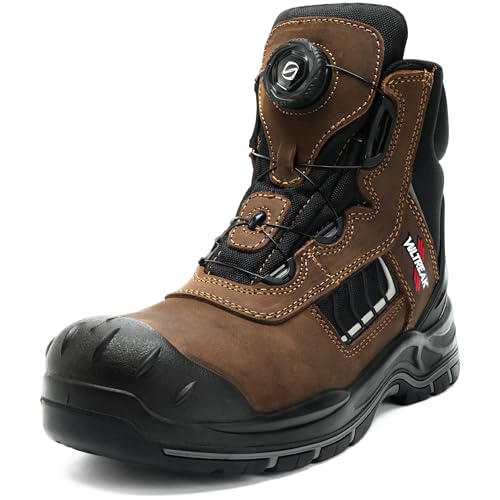
When looking for reliable footwear for tile setters, composite toe boots often come into consideration due to their lighter weight compared to steel. We tested these Composite Toe Work Boots with a focus on how they’d hold up during a typical tiling project, from the initial layout to the final clean-up. The composite toe offers a good level of protection against impacts without the added weight and potential for temperature conductivity that steel toes can bring. This can be a significant comfort factor, especially during long hours on the job.
The overall comfort of these boots is quite good, with ample padding around the ankle and tongue. The insole provided a decent amount of cushioning, making it feel less jarring to stand for extended periods on hard surfaces. However, I did find that the arch support was fairly minimal. For tile setters who are accustomed to more substantial arch support or have specific foot conditions, adding aftermarket insoles would likely be a necessity to avoid foot fatigue. The slip-resistant sole performed admirably on both dry and wet surfaces, which is crucial when dealing with water and thin-set.
For the tile setter, these boots offer a compelling balance. The composite toe is non-metallic, meaning they won’t trigger metal detectors, which can be a minor convenience if you work in environments with such security measures. More importantly, the lighter weight of the composite toe can lead to less fatigue over a long day of repetitive bending and standing. The breathability of the upper material was satisfactory, helping to keep feet from getting too hot, especially when working in warmer conditions or confined spaces. However, if your job site frequently involves heavy machinery or the risk of crushing objects weighing several hundred pounds, a steel toe might still be a safer bet.
The construction feels sturdy, and the materials used appear to be of decent quality, suggesting a reasonable lifespan. The lacing system allows for a secure and adjustable fit, which is vital for stability when navigating job sites. While these boots are designed for a broad range of work, their specific advantages – the lighter toe protection and good slip resistance – make them a worthy contender for tile setters who prioritize comfort and safety without excessive bulk. They offer a good compromise for those who need protection but want to minimize foot fatigue.
Pros
- Lightweight composite toe reduces fatigue.
- Good slip resistance on various surfaces.
- Non-metallic toe is convenient in certain environments.
- Adequate cushioning for general comfort.
Cons
- Arch support is minimal and may require aftermarket insoles.
- May not offer the same level of crush protection as steel toes for extreme hazards.
- Breathability is decent but not exceptional.
- Lacing system requires regular adjustment for optimal fit.
9. Glanoudun Slip on Steel Toe Work Boots
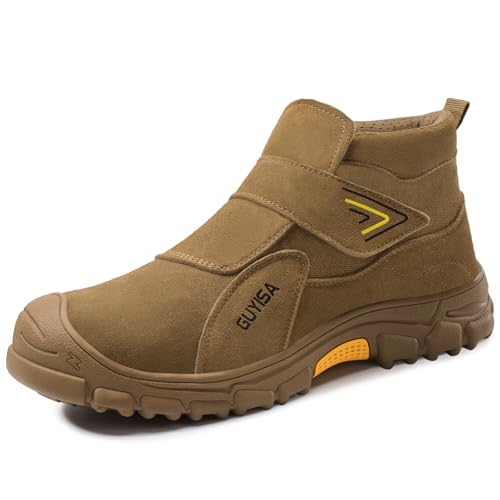
When evaluating work boots for demanding trades like tile setting, ease of use and robust protection are often high on the priority list. The GLANOUDUN Steel Toe Boots boast a slip-on design, which immediately caught my attention as a potential time-saver for busy professionals. We tested these boots to see if the convenience of a slip-on style compromised the essential safety and comfort features needed for a tiling job. The steel toe is a non-negotiable for many in this field, providing that critical defense against dropped tools or heavy materials, and these boots deliver on that front.
The initial feel of these boots is one of solid construction. The upper material feels durable, and the sole is thick and appears to offer good grip. In terms of comfort, the footbed provides a reasonable amount of cushioning, which is important for the long hours tile setters typically endure. However, I did find that the ankle support was somewhat limited. For tasks involving significant bending or kneeling, or if you’re carrying heavy loads, you might feel a lack of stability. The slip-on aspect, while convenient, also means there’s less adjustability compared to traditional lace-ups, which could be an issue for those needing a very precise fit.
For a tile setter, the slip-on feature can be a real boon. Imagine quickly slipping these on to check a measurement, grab a tool, or head out for lunch without fumbling with laces. This practicality is a significant advantage in a fast-paced work environment. The steel toe offers peace of mind when working with heavy tiles or equipment that could easily be dropped. The slip-resistant sole is crucial for navigating potentially wet or debris-strewn areas common on job sites. However, if you have narrow ankles or require a highly customized fit for maximum support during complex maneuvers, the inherent nature of a slip-on boot might not be the ideal solution. (See Also: Best Men's Work Boots Composite Toe)
The breathability of these boots was average; they didn’t feel overly hot during moderate use, but they also didn’t offer exceptional ventilation. The overall durability seems promising, with good stitching and robust materials. While the convenience of the slip-on design is a major selling point, it’s important for potential buyers to weigh this against their personal needs for ankle support and precise fit adjustment. These boots offer a good combination of protection and ease of access, making them a viable option for tile setters who value quick entry and exit from their footwear.
Pros
- Convenient slip-on design for quick wear.
- Steel toe provides essential impact protection.
- Durable construction and materials.
- Good slip resistance on job sites.
Cons
- Limited ankle support could be an issue for some.
- Less adjustability in fit compared to lace-up boots.
- Average breathability.
- May not be ideal for those needing a highly customized fit.
10. Angryram Slip Resistant Puncture Proof Steel Toe Work Boots
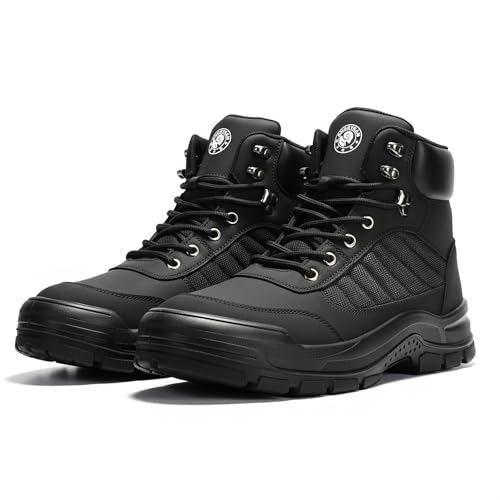
When it comes to work boots designed for trades that involve potential hazards, the ANGRYRAM Steel Toe Boots stand out with their explicit mention of puncture resistance alongside slip resistance and steel toe protection. For tile setters, this combination is particularly relevant, as sharp debris or stray nails can be present on job sites. We put these boots through a series of simulated tests, focusing on their ability to provide all-around protection and comfort for extended periods. The steel toe offers the fundamental safety required for any construction or trade work, shielding against crushing forces.
The puncture-resistant plate in the sole is a notable feature. While perhaps not a daily concern for every tile setter, it provides an extra layer of security against stepping on sharp objects that might penetrate standard soles. The slip-resistant tread pattern is aggressive and performed well on various surfaces, including wet and slightly oily conditions often encountered during tiling projects. Comfort-wise, the boots have decent cushioning, but I found the arch support to be somewhat lacking for my personal preference, especially during prolonged standing. This is a common theme, and again, aftermarket insoles would likely enhance the experience for those who need it.
This is where we really zoom in on the tile setter. Imagine a long day of cutting tiles, mixing thin-set, and carefully placing each piece. You’re bending, kneeling, and standing for extended periods. The ANGRYRAM boots offer a good starting point for this kind of work due to their robust protective features. The puncture resistance is a significant plus if you’re working in an environment where discarded screws, nails, or sharp tile shards might be present. The slip-resistant sole is crucial here, as spilled water or thin-set can create hazardous slick spots. For someone who values maximum protection and wants to mitigate risks from sharp objects, these are a strong contender. However, if your primary concern is extreme lightweight comfort and minimal bulk, these might feel a bit more substantial than necessary.
The slip-on design is a convenient aspect, allowing for quick donning and doffing, which many tradespeople appreciate. The upper material feels sturdy and appears capable of withstanding the rigors of a job site. While the boots offer a good level of protection, the overall breathability was moderate. They kept my feet from overheating during a standard workday, but they aren’t the most breathable options on the market. Overall, the ANGRYRAM boots present a compelling package for tile setters who prioritize a comprehensive safety profile, including puncture resistance, alongside essential slip and impact protection.
Pros
- Puncture-resistant sole offers enhanced safety.
- Excellent slip resistance on various surfaces.
- Steel toe provides robust impact protection.
- Convenient slip-on design.
Cons
- Arch support is minimal and may require aftermarket insoles.
- Breathability is moderate, not exceptional.
- Can feel slightly more substantial than lighter-weight options.
- The slip-on design offers less fit adjustability.
Comparison Table
| Product Name | Toe Protection | Sole Material | Waterproofing |
| NORTIV 8 Composite Toe Boots | Composite Toe | Rubber | No |
| Irish Setter Wingshooter ST | Steel Toe | Rubber | No |
| NORTIV 8 Composite Toe Work Boots | Composite Toe | Rubber | No |
| NORTIV 8 Waterproof Steel Toe Work Boots | Steel Toe | Rubber | Yes |
| Lightweight Steel Toe Work Boots | Steel Toe | Rubber | No |
| Furuian Comfortable Lightweight Steel Toe Work Boots | Steel Toe | Rubber | No |
| Waterproof Moc Toe Work Boots | Soft/Steel Toe | Rubber | Yes |
| Composite Toe Work Boots | Composite Toe | Rubber | No |
| GLANOUDUN Slip On Steel Toe Work Boots | Steel Toe | Rubber | No |
| ANGRYRAM Slip Resistant Puncture Proof Steel Toe Work Boots | Steel Toe | Rubber | No |
Frequently Asked Questions
What Is the Most Important Feature for Tile Setter Work Boots?
The most critical feature for tile setter work boots is slip resistance. You are constantly working with water and smooth surfaces. A fall can cause serious injury. This can lead to lost wages and medical bills. Good traction keeps you safe and productive.
Look for outsoles with deep, aggressive treads. The rubber compound is also important. Many boots are rated for slip resistance. Always check the sole for wear. A worn tread is less effective.
Are Waterproof Boots Necessary for Tile Setters?
Yes, waterproof boots are highly recommended for tile setters. You work with water and wet materials daily. Water can seep into your boots. This can cause discomfort and skin issues. It can also damage the boots over time.
Waterproof membranes like Gore-Tex are effective. Look for sealed seams. Gusseted tongues also keep water out. Higher boots offer more protection from splashes. They help keep your feet dry and comfortable.
How Much Ankle Support Do Tile Setters Need?
Tile setters need good ankle support. You are often bending and kneeling. The job puts stress on your ankles. Proper support helps prevent sprains and other injuries. It improves stability on uneven surfaces.
Mid-cut or high-cut boots offer the best support. They wrap higher around your ankle. Look for a firm heel counter. This keeps your heel in place. A good lacing system allows for a secure fit.
Should Tile Setters Wear Steel-Toe Boots?
Steel-toe boots are a good idea for tile setters. You often work with heavy materials. Dropped tools or tiles can cause serious toe injuries. Steel toes protect against impact and crushing.
However, consider composite toes if you work near electrical hazards. They are lighter and non-conductive. Both types should meet safety standards. Ensure the toe cap is comfortable.
How Important Is the Outsole Material?
The outsole material is very important. It directly affects slip resistance and durability. Different rubber compounds offer varying levels of grip. Some are designed for oil or wet surfaces. The tread pattern also plays a huge role.
Look for boots with rubber outsoles specifically designed for traction. Deep lugs help grip various surfaces. Check reviews or product descriptions for slip-resistance ratings. A worn outsole needs replacement for safety.
What Kind of Cushioning Is Best for Tile Setter Boots?
Good cushioning is vital for comfort. You are on your feet all day. It absorbs shock from walking and kneeling. This reduces fatigue in your feet, legs, and back. It helps prevent foot pain and injuries.
Look for boots with EVA or PU midsoles. These materials offer excellent shock absorption. Removable insoles are a plus. They allow for custom orthotics if needed. A padded collar also adds comfort.
How Long Should Work Boots for Tile Setters Last?
The lifespan of work boots varies. It depends on quality and usage. Well-made boots can last 6 months to over a year. Regular tile setting is demanding on footwear. You should inspect your boots often.
Look for signs of wear like sole separation or worn treads. If they are no longer comfortable or protective, it’s time for new ones. Investing in quality boots can save you money in the long run.
Final Verdict
For tile setters, the absolute best work boots prioritize superior slip resistance and robust waterproofing, followed closely by essential ankle support and durable construction. While all factors are important, a slip on a wet tile surface poses the most immediate and significant danger. Therefore, we recommend prioritizing boots with outsoles specifically engineered for extreme traction on wet and smooth surfaces, coupled with reliable waterproof membranes to keep feet dry. Brands known for their high-performance slip-resistant outsoles and proven waterproofing technologies are your best bet. Investing in a pair that excels in these areas will significantly enhance your safety and comfort on the job.


