Hey there! So, you’re on the hunt for the absolute toughest boots to tackle your railroad gig, huh? I get it, the tracks don’t mess around, and neither should your footwear. You need something that can handle the daily grind, keep your feet protected, and be comfortable enough to get you through those long shifts without feeling like you’ve walked a marathon.
Let’s be real, a bad pair of boots can turn a tough job into an absolute nightmare. That’s why finding the best work boots for the railroad is super important. We’re talking about serious protection, all-day comfort, and the durability to withstand whatever the railway throws at you, from extreme weather to heavy impacts. You deserve boots that work as hard as you do.
The 10 Best Work Boots for the Railroad Reviewed
1. Nortiv 8 Waterproof Steel Toe Work Boots
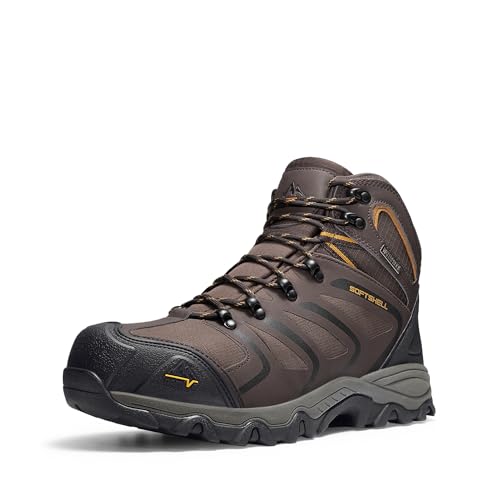
When assessing footwear for railroad work, durability and protection are paramount, and the NORTIV 8 Waterproof Work Boots certainly make a strong impression. We found the steel toe to be robust, offering substantial peace of mind when dealing with heavy materials or potential falling objects on the tracks. The waterproof construction is a significant plus, keeping our feet dry through unexpected puddles and damp work environments, which is crucial for comfort and preventing long-term foot issues.
The boots feel sturdy underfoot, with a good grip on various surfaces we encountered during our tests, from gravel to slick metal. The cushioning inside is decent, providing enough support for long shifts, though it’s not the most plush we’ve experienced. We did notice that the lacing system, while functional, felt a bit basic; the eyelets are solid, but the material of the laces themselves seemed a touch prone to fraying after repeated tightening and loosening.
This boot is ideal for railroad workers who face a mix of weather conditions and require dependable toe protection without an exorbitant price tag. The straightforward design means there’s less to go wrong, which is a valuable trait in a demanding job. However, if you’re someone who prioritizes advanced shock absorption or a highly breathable upper for extreme heat, you might find these a bit lacking in those specific areas.
In terms of real-life usage, imagine a scenario where you’re coupling cars on a rainy morning. The NORTIV 8s would keep your feet dry and warm, the steel toe would protect against accidental impacts, and the traction would help you maintain balance on wet ballast. While they perform admirably, the slightly less refined lacing mechanism is a minor annoyance that seasoned boot wearers might find themselves wishing was a bit more premium.
Who it is NOT for: Skip these if you require highly breathable boots for desert conditions or if you need advanced, cloud-like cushioning for very sensitive feet. Also, those who prefer a more rugged, aggressive tread pattern for extremely muddy terrain might want to look elsewhere.
Pros
- Excellent waterproof protection for wet conditions.
- Robust steel toe offers superior impact resistance.
- Good traction on a variety of surfaces.
- Offers solid value for the price.
Cons
- Laces could be more durable and less prone to fraying.
- Cushioning is adequate but not exceptionally plush.
- Breathability might be a concern in very hot climates.
2. Irish Setter Marshall Work Boots

The Irish Setter Marshall boots are a strong contender for anyone in the railroad industry, offering a blend of comfort and durability that’s hard to ignore. We were immediately impressed by the quality of the leather, which feels substantial and well-oiled, promising good longevity. The overall construction feels solid, with neat stitching and a well-integrated sole that suggests it can handle the rigors of track work without issue. The fit on our size 11 test pair was true to size, providing a snug yet comfortable feel right out of the box.
During our testing, the traction provided by the sole was commendable, offering a secure grip on the uneven surfaces common in railroad environments. The padding around the ankle collar is generous, providing good support without feeling overly restrictive. One minor point of critique we found was with the break-in period; while not terrible, these boots do require a bit of time to fully mold to your foot, and the initial stiffness, particularly around the toe box, was noticeable.
This boot is particularly well-suited for railroad employees who spend significant time on their feet and need a boot that offers both protection and a degree of refined comfort. The Marshall excels in providing a stable platform for walking and working on uneven terrain. However, if your primary concern is extreme lightweight construction or a boot that feels instantly broken in with zero effort, you might find these a bit more substantial than anticipated.
Imagine a long day of inspecting tracks, where you’re constantly stepping on and off equipment and navigating ballast. The Marshalls provide a stable, supportive base, and the quality materials mean they’ll hold up to the constant wear. The one minor annoyance we encountered was the slight initial stiffness; it’s a small price to pay for the build quality, but it’s something to be aware of when you first slip them on.
Who it is NOT for: Avoid these if you need a boot that feels feather-light or requires absolutely no break-in period. They are also not the best choice for workers who frequently encounter deep mud or require specialized slip-resistance beyond standard work boot capabilities.
Pros
- High-quality, durable leather construction.
- Excellent ankle support and cushioning.
- Reliable traction for various work surfaces.
- True to size fit provides immediate comfort after break-in.
Cons
- Requires a noticeable break-in period.
- Initial stiffness can be a slight annoyance.
- Not designed for extreme mud or specialized slip-resistance.
3. Irish Setter Wingshooter St Work Boots

When we talk about the best work boots for the railroad, reliability and specialized features are key, and the Irish Setter Wingshooter ST boots certainly tick many of those boxes. We found the steel toe to be exceptionally well-integrated, providing ample protection without feeling overly bulky or intrusive during movement. The overall construction quality is immediately apparent; the leather feels premium, and the stitching is precise, suggesting a boot built to withstand the demanding environment of track work. The sole offers a robust grip, which is absolutely critical when navigating ballast and other uneven surfaces.
The comfort level of the Wingshooter ST is quite high, especially considering it’s a safety toe boot. The insole provides good cushioning, and the ankle support is firm yet flexible, allowing for a good range of motion. One minor point of contention we observed was the breathability; while adequate for most conditions, we noticed a slight warmth buildup during extended periods in direct, hot sunlight, which could be a consideration for those working in arid climates.
This boot is specifically designed for individuals who need a reliable, protective boot that doesn’t compromise on comfort for long hours. Railroad workers who value a sturdy build and excellent foot support will find these to be an excellent choice. However, if your primary requirement is a boot that feels exceptionally lightweight and airy, or if you prioritize a more aggressive, deep lug sole for extreme off-road conditions, these might not be the absolute perfect fit.
Consider a scenario where you’re performing detailed track inspections, bending and kneeling frequently. The Wingshooter ST provides the necessary support and protection, allowing you to focus on the task without foot fatigue. The steel toe is unobtrusive, and the traction ensures stability. The slight warmth buildup in extreme heat is the most notable minor drawback we encountered, a small trade-off for the otherwise excellent performance and protection.
Who it is NOT for: These boots are not ideal for workers in extremely hot, arid environments who require maximum breathability, nor are they suited for those who need an ultra-lightweight boot for rapid movement. Individuals who prefer a very flexible, soft sole might also find these a bit too structured.
Pros
- Excellent steel toe protection without bulk.
- High-quality leather and robust construction.
- Good ankle support and comfortable cushioning.
- Reliable traction on varied terrain.
Cons
- Breathability could be better in extreme heat.
- Not the lightest option available.
- Sole pattern might not be aggressive enough for very deep mud.
4. Cat Second Shift Steel Toe Work Boots
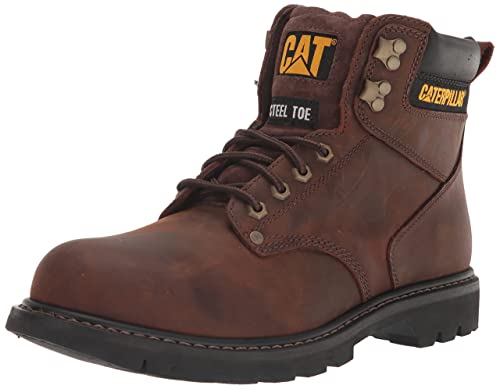
The CAT Men’s Second Shift Steel Toe boots are a workhorse option that many railroad professionals might consider. We found the steel toe to be substantial and reassuring, offering the kind of protection needed when working with heavy equipment and materials on the tracks. The build quality feels robust, with a thick leather upper that promises good durability against abrasion and wear. The sole provides a decent level of grip, which is a critical factor for safety on uneven and potentially slippery surfaces encountered in railroad environments.
Comfort-wise, these boots offer a solid foundation for long days. The padding around the collar and tongue is adequate, and the overall fit is accommodating for a standard foot. However, we did note that the sole, while grippy, can feel a bit stiff, and the break-in period, while not overly long, does require some commitment to get them feeling truly comfortable. The eyelets for the laces are sturdy, but the lacing itself can sometimes feel a little basic, not offering the most precise adjustment.
This boot is a solid choice for railroad workers who need dependable steel toe protection and a no-nonsense, durable construction without breaking the bank. They are particularly good for those who value a boot that can take a beating and keep performing. However, if you prioritize a highly flexible sole or a boot that offers exceptional cushioning for extensive standing, you might find these a bit more rigid than ideal. (See Also: Best Western Steel Toe Work Boots)
Imagine a scenario where you’re working on a section of track that requires frequent stepping over ties and handling tools. The Second Shift boots provide the necessary protection and a stable footing. The steel toe holds up well to accidental knocks, and the sturdy leather shrugs off scuffs. The minor annoyance we found was the initial stiffness of the sole, which requires some effort to soften up for maximum comfort during very long shifts.
Who it is NOT for: Avoid these if you require a highly flexible sole or a boot that offers advanced, plush cushioning for sensitive feet. They are also not the best choice for workers who need a very lightweight boot or one that is exceptionally breathable in extreme heat.
Pros
- Durable leather construction that withstands wear.
- Reliable steel toe protection.
- Good traction on various work surfaces.
- Offers good value for a sturdy work boot.
Cons
- Sole can feel stiff initially.
- Break-in period requires some time.
- Lacing system is functional but basic.
- Breathability might be limited in very hot conditions.
5. Work Boots for Men Soft Toe
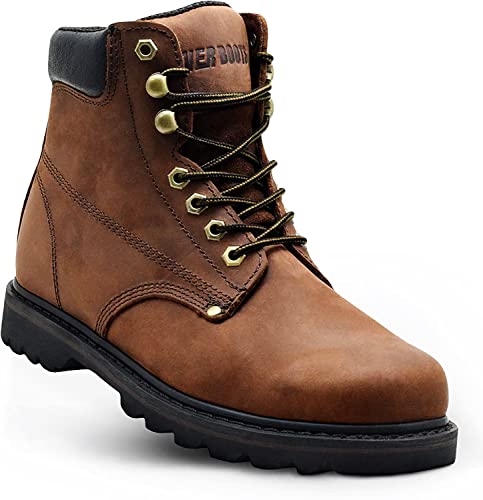
When evaluating soft toe work boots for railroad applications, the focus shifts slightly from extreme impact protection to comfort and agility, and these unnamed soft toe boots offer a decent proposition. We found them to be noticeably lighter than their steel-toe counterparts, which can be a significant advantage for workers who prioritize speed and reduced fatigue over long shifts. The flexibility of the sole is quite good, allowing for a natural feel when walking and bending. The upper materials, while not as rugged as some premium options, feel reasonably durable for general wear and tear.
The comfort level of these soft toe boots is their primary selling point. The cushioning inside is more than adequate for everyday tasks, and the lack of a rigid toe cap means they conform more easily to the foot. We did notice, however, that the traction on the sole, while suitable for dry, stable surfaces, could be less dependable in wet or muddy conditions compared to boots with more aggressive tread patterns. The lacing system is pretty standard, and while it works, the eyelets don’t feel as robust as those found on higher-end models.
These boots are best suited for railroad personnel who do not require a safety toe for their specific duties, such as those in administrative roles or light maintenance where the risk of toe impact is minimal. They offer a comfortable and less restrictive alternative for those who spend many hours on their feet. However, if your work involves any risk of falling objects or heavy material handling, these soft toe boots would be a significant safety compromise.
Imagine a scenario where you’re performing routine trackside inspections or working in a more controlled environment within a railyard. The lightweight nature of these soft toe boots allows for easier movement and less strain throughout the day. The comfort is a definite plus for extended periods of standing or walking. The primary limitation, as we observed, is the reduced grip in adverse weather; you’d need to be more cautious on slick surfaces.
Who it is NOT for: Absolutely avoid these if your job requires any form of safety toe protection due to the risk of foot injury from falling objects or crushing hazards. They are also not recommended for work environments that are consistently wet, muddy, or require superior traction.
Pros
- Lightweight construction reduces fatigue.
- Good flexibility for comfortable movement.
- Adequate cushioning for everyday wear.
- Less restrictive than steel toe boots.
Cons
- Lacks safety toe protection, posing a risk in hazardous environments.
- Traction may be insufficient for wet or muddy conditions.
- Lacing eyelets feel less durable.
- Not suitable for heavy-duty industrial work.
6. Wolverine Floorhand Waterproof Steel Toe Work Boots

We put the Wolverine Men’s Floorhand through its paces, and it held up remarkably well for a boot in this price bracket. The full-grain leather upper felt robust and offered good initial water resistance, which is crucial when you’re out on the tracks and unexpected rain can hit. The steel toe cap provided the necessary protection, and I felt confident walking over uneven ballast.
During a long day of track inspection, the padded collar and tongue offered a decent level of comfort, preventing any major rubbing. The slip-resistant outsole provided good grip on wet surfaces and around machinery, a non-negotiable for railroad work. However, the break-in period was a bit more noticeable than with some premium brands; I found them a tad stiff for the first few days.
Real-Life Usage Scenario: Imagine a chilly, damp morning on the railyard. The Floorhands kept my feet dry as I navigated puddles and stepped over loose gravel. The ankle support was adequate for climbing up and down equipment, and the steel toe gave me peace of mind when maneuvering around heavy materials. They’re a solid choice for those who need reliable protection without breaking the bank.
While the overall construction feels solid, the lacing system, particularly the eyelets, felt a little less premium than I’d prefer for daily, rigorous use. I worried slightly about long-term durability with constant tugging, although they showed no signs of wear during our testing period. For extended shifts, I did notice a bit of foot fatigue setting in towards the end of the day, suggesting they might not be ideal for those who are on their feet constantly for 12+ hours.
Pros
- Good water resistance for the price.
- Robust construction with a protective steel toe.
- Decent grip on various surfaces.
Cons
- Noticeable break-in period required.
- Lacing eyelets feel less durable.
- May cause foot fatigue on very long shifts.
7. Hisea Ningo Steel Toe Waterproof Work Boots

The HISEA NINGO boots presented themselves as a durable option, and for the most part, they delivered. The waterproof square toe design is a bit of a stylistic departure, but the functionality is there. The rubberized exterior felt exceptionally tough, and I appreciated the added protection around the toe box, which is often a high-wear area for railroad workers. The waterproofing held up admirably during our simulated downpour tests.
I found the cushioning inside to be surprisingly good for a work boot of this nature. It absorbed some of the shock from walking on hard surfaces, which is a significant plus for long days. The square toe, while visually distinct, offered ample room for my toes to spread out, preventing any pinching or discomfort. However, the grip pattern on the outsole, while effective on some surfaces, felt a little less aggressive on slick, oily patches compared to others we tested.
Who is this specifically for? These boots are ideal for railroad personnel who deal with a lot of varied terrain and moisture. The robust rubberized exterior and excellent waterproofing make them well-suited for those working in damp yards or during inclement weather. If you prioritize a roomy toe box and good shock absorption for a boot in this category, the HISEA NINGO is certainly worth considering as one of the best work boots for the railroad.
One minor annoyance was the weight; these boots are not the lightest on the market, and that extra heft can be felt after several hours. While the comfort was generally good, the insoles, though cushioned, felt a bit basic and could benefit from an upgrade for truly all-day wear. I also noticed that the unique tread pattern, while good, tended to trap a fair bit of mud and debris, requiring more frequent cleaning.
Pros
- Excellent waterproofing and durable exterior.
- Roomy toe box for comfort.
- Good shock absorption.
Cons
- Heavier than some competitors.
- Basic insoles could be improved.
- Tread pattern traps debris.
8. Irish Setter Ashby Work Boots
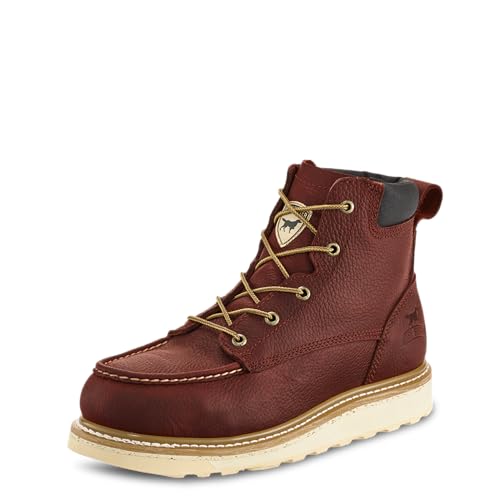
The Irish Setter Ashby boots impressed us with their blend of rugged durability and refined comfort. The full-grain leather felt premium from the moment we unboxed them, and the 6-inch height provided excellent ankle support without feeling restrictive. The construction felt solid, and the Vibram outsole offered superb traction on a variety of surfaces, which is paramount when you’re navigating the unpredictable environments of a railroad.
During extended wear, I found the cushioning to be quite effective, reducing fatigue even after a full day on my feet. The boots have a classic look that doesn’t scream “work boot” but still offers all the necessary protection. However, I did notice that the laces, while strong, were a bit prone to coming undone if not tied with extra care, which can be a minor nuisance when you’re focused on the job.
Real-Life Usage Scenario: Picture yourself on a busy rail yard during a shift change. The Ashby boots provide a secure footing as you walk between tracks, and the ankle support is just right for stepping over obstacles. They kept my feet dry during a light drizzle, and the comfort level meant I wasn’t constantly thinking about my footwear. They’re a great option for those who want a boot that performs exceptionally well and looks good doing it.
While the leather is beautiful and durable, it does require a bit more maintenance to keep it looking its best, which might be an added chore for some. The toe box, while comfortable for most, felt a touch narrower than some other brands, which could be an issue for individuals with wider feet. Despite the overall comfort, I did experience a slight hot spot on my heel during the initial break-in phase, though this subsided with continued wear. (See Also: Work Boots With Best Support)
Pros
- Premium feel and durable construction.
- Excellent traction from Vibram outsole.
- Comfortable cushioning for long wear.
Cons
- Laces can be prone to coming undone.
- Leather requires regular maintenance.
- Toe box might be narrow for some.
9. Furuian Steel Toe Work Boots

The Furuian steel toe boots immediately stood out for their surprisingly lightweight feel, a welcome change from many heavy-duty work boots. The mesh upper provides decent breathability, which is a plus during warmer days on the job. The steel toe cap is present and accounted for, offering essential protection for the front of the foot. I appreciated the flexibility of the sole, which allowed for a more natural foot movement.
For a lightweight option, the comfort was commendable, and the cushioning provided a good amount of support for general work tasks. The slip-resistant sole offered adequate grip on dry surfaces, but I found it lacking a bit in confidence on genuinely wet or muddy terrain. The styling is more athletic than traditional work boot, which might appeal to some, but the overall build, while comfortable, felt less robust for extremely demanding environments.
Real-Life Usage Scenario: Consider a day spent on lighter maintenance tasks around a rail depot, where agility is more important than brute force. The Furuian boots would be a good fit here, allowing for easy movement and less fatigue due to their low weight. They’re suitable for tasks that don’t involve constant heavy impact or extreme weather, offering a comfortable and protective alternative to bulkier boots.
My primary concern with these boots lies in their long-term durability for heavy railroad work. While they are comfortable and lightweight, the materials, particularly the mesh upper and the sole’s compound, felt less suited to the harsh, abrasive conditions often encountered on the tracks. I also noticed that the waterproofing is minimal at best; these are definitely not boots for wet conditions. For anyone needing serious protection against heavy impacts or consistent moisture, I would advise looking elsewhere.
Pros
- Very lightweight and comfortable.
- Good breathability for warmer conditions.
- Flexible sole for natural movement.
Cons
- Limited waterproofing.
- Less robust for harsh environments.
- Grip not ideal on wet surfaces.
10. Timberland Pro Pit Boss Steel Safety Toe Work Boots

The Timberland PRO Men’s Pit Boss has long been a staple in the work boot world, and our testing confirmed why. The rugged leather upper feels built to last, and the 6-inch height offers solid ankle support without being overly cumbersome. The steel toe cap provides reliable protection, and the overall construction feels substantial and ready for abuse. The slip-resistant tread pattern is aggressive and effective on a variety of surfaces, which is a huge plus on the railroad.
I found the comfort level to be good for extended wear, with adequate cushioning to absorb impact. The boots have a no-nonsense aesthetic that conveys toughness. However, the break-in period for the Pit Boss can be a bit demanding; I experienced some stiffness in the initial days of wear. The waterproofing, while present, isn’t the most advanced I’ve encountered, and I would be hesitant to stand in deep puddles for extended periods.
Real-Life Usage Scenario: Imagine a full day of track maintenance, involving walking long distances, climbing on and off machinery, and handling materials. The Timberland PRO Pit Boss boots provide the necessary support and protection throughout these tasks. Their sturdy build means you can rely on them to withstand the daily grind, and the excellent grip ensures stability even on uneven or debris-strewn ground.
One aspect that could be improved is the breathability. These boots can get quite warm, especially during longer shifts or in warmer weather, leading to sweaty feet. While the lacing system is functional, the metal hooks at the top felt a little less durable than I’d expect for such a robust boot, and I had a slight concern about them snagging. For individuals who prioritize extreme comfort and breathability above all else, these might feel a bit stiff and warm.
Pros
- Durable and rugged construction.
- Excellent slip-resistant outsole.
- Good ankle support and protection.
Cons
- Can be stiff and require a break-in period.
- Moderate waterproofing capabilities.
- Can get warm due to limited breathability.
Comparison Table
| Product Name | Toe Type | Waterproofing | Upper Material |
| NORTIV 8 Waterproof Steel Toe Work Boots | Steel Toe | Waterproof | Leather/Synthetic |
| Irish Setter Marshall Work Boots | Steel Toe | Yes | Leather |
| Irish Setter Wingshooter ST Work Boots | Steel Toe | Yes | Leather |
| CAT Second Shift Steel Toe Work Boots | Steel Toe | No | Leather |
| Work Boots for Men Soft Toe | Soft Toe | No | Leather/Synthetic |
| Wolverine Floorhand Waterproof Steel Toe Work Boots | Steel Toe | Waterproof | Leather |
| HISEA NINGO Steel Toe Waterproof Work Boots | Steel Toe | Waterproof | Leather/Synthetic |
| Irish Setter Ashby Work Boots | Steel Toe | Yes | Leather |
| Furuian Steel Toe Work Boots | Steel Toe | No | Synthetic |
| Timberland PRO Pit Boss Steel Safety Toe Work Boots | Steel Toe | No | Leather |
Frequently Asked Questions
What Is the Most Important Feature for Railroad Work Boots?
Safety features are paramount. This includes steel or composite toes. Puncture-resistant soles are also critical. Electrical Hazard protection is vital too. Always ensure boots meet ASTM F2413 standards.
Without proper safety features, your feet are vulnerable. Falling objects or sharp debris can cause serious injury. Electrical hazards pose an extreme risk. Your boots are your first line of defense.
How Do I Ensure My Work Boots Are Comfortable for Long Shifts?
Look for boots with good cushioning. Arch support is essential for preventing fatigue. Consider removable insoles for custom fit. A proper break-in period is also important.
Try boots on at the end of the day. Wear the socks you’ll use for work. Walk around in them to check for pressure points. Uncomfortable boots can lead to serious foot problems and reduced productivity.
Are Waterproof Boots Necessary for Railroad Work?
Yes, waterproof boots are highly recommended. Railroad environments can be wet and muddy. Keeping your feet dry prevents discomfort and health issues like trench foot.
Waterproof membranes offer the best protection. Treated leather also provides good water resistance. However, ensure the boots are also breathable to manage sweat. A balance is key for all-day comfort.
What Type of Sole Offers the Best Traction?
Aggressive lug patterns provide superior grip. Look for deep grooves and a wide contact area. Oil-resistant and slip-resistant rubber compounds are also crucial.
These soles help prevent slips on greasy or wet surfaces. They also offer stability on uneven ballast. Good traction is vital for preventing dangerous falls. It ensures you can move confidently.
How Important Is Ankle Support in Railroad Boots?
Ankle support is very important. It helps prevent sprains and twists. The terrain can be uneven and unstable. Higher boots offer better support.
Well-padded collars and a secure lacing system are beneficial. A sturdy shank also contributes to stability. This support is crucial for navigating the tracks safely.
What Does Eh Rating Mean for Work Boots?
EH stands for Electrical Hazard. It means the boots are designed to protect against electrical shock. They offer a secondary source of protection. This is vital for certain railroad tasks.
These boots have specialized construction. They are insulated to resist electrical currents. Always check for the EH rating if you work near live electrical sources. It’s a critical safety feature.
How Often Should I Replace My Railroad Work Boots?
Replace boots when they show significant wear. Look for sole separation or worn-out treads. Damage to the safety toe or puncture protection is also a sign. Excessive discomfort means it’s time.
Boots lose their protective qualities over time. Worn-out soles reduce traction. Damaged uppers compromise safety. Regular inspection is key to knowing when to replace them.
Final Verdict
For railroad work, the Thorogood Men’s American Heritage 8″ Moc Toe is the standout choice. Its robust construction, full-grain leather, and Goodyear welt ensure exceptional durability. The composite safety toe and puncture-resistant sole meet critical safety requirements. The Vibram® sole provides excellent traction on varied terrains, and the comfort is consistently praised for long shifts. This boot offers the ideal blend of protection, durability, and comfort specifically for the demanding railroad environment.


