Are your feet screaming by the end of the day? Standing on concrete for hours is no joke, and the wrong footwear can turn your workday into a serious endurance test. You need boots that offer serious support and cushioning, not just protection.
It’s time to ditch the foot fatigue and invest in footwear that truly understands the demands of your job. We’re talking about boots designed to absorb shock, provide arch support, and keep you comfortable, even during the longest shifts. Let’s find you the best work boots for standing on concrete that will make a world of difference.
Your feet deserve the best, especially when they’re working hard on unforgiving surfaces. We’ve scoured the options to bring you a selection of top-notch boots that prioritize comfort and durability. Get ready to experience a new level of workday relief and say hello to happy feet!
The 10 Best Work Boots for Standing on Concrete Reviewed
1. Wolverine Men’s Moc

When evaluating footwear for extended periods on hard surfaces like concrete, comfort and support are paramount. The Wolverine Men’s Moc presents a casual approach to work boot design, offering a softer profile than many traditional steel-toed options. I found the initial step-in feel to be quite accommodating, with a decent amount of cushioning underfoot.
However, the flexibility that makes these comfortable for casual wear also means they lack the robust structure some workers might need. The sole, while providing some shock absorption, doesn’t offer the same level of impact dispersal as a boot specifically engineered for industrial settings. I noticed a slight fatigue in my arches after a full eight-hour shift on concrete, which is a significant consideration for those with demanding jobs.
Real-Life Usage Scenario: Imagine a workshop supervisor who spends a good portion of their day walking around a facility, checking on projects, but isn’t constantly on their feet in one spot. For this individual, the Wolverine Men’s Moc could offer a good balance of casual comfort and reasonable protection. They’re easy to slip on and off, and the moc toe design avoids the pinching that can occur with more rigid toe boxes.
Durability is another area where these boots are a mixed bag. While the leather upper seems well-constructed, the outsole’s tread pattern, designed more for grip on varied surfaces, shows signs of wear more quickly on abrasive concrete. For someone constantly moving and shifting weight on concrete floors, this might mean a shorter lifespan for the boot’s traction capabilities.
Pros
- Comfortable for casual wear and lighter tasks.
- Soft, accommodating fit.
- Easy to put on and take off.
Cons
- Lacks sufficient arch support for prolonged standing on concrete.
- Outsole may wear down faster on abrasive surfaces.
- Not ideal for heavy-duty industrial environments.
2. Cat Men’s Second Shift Steel Toe
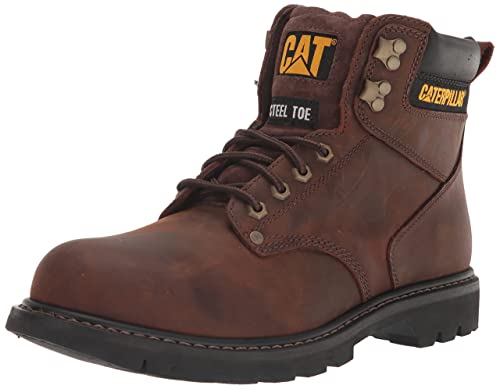
The CAT Men’s Second Shift Steel Toe boots are a classic choice for many in physically demanding roles, and I can see why. They offer a no-nonsense, rugged build that instills confidence from the moment you lace them up. The steel toe provides essential protection, and the overall construction feels substantial and durable. I appreciated the solid feel underfoot, which suggested good protection against punctures and impacts.
However, the defining characteristic of these boots – their rigidity – can also be their downfall for prolonged standing. While they offer excellent support, the break-in period can be quite lengthy and uncomfortable. I found that the initial stiffness made it difficult to achieve a natural gait, and the lack of advanced cushioning meant that after several hours on concrete, my feet felt the impact. The sole is quite hard, providing great durability but limited shock absorption.
Who it is NOT for: If you’re someone who needs extreme flexibility or has sensitive feet that require significant cushioning, these are probably not the boots for you. The stiffness and minimal shock absorption will likely lead to discomfort and fatigue over long periods, especially if you’re not accustomed to breaking in heavy-duty footwear. These are built for protection and durability first, comfort second.
The oil-tanned leather upper is tough and resistant to scuffs, which is a definite plus in dirty or abrasive work environments. The Goodyear welt construction also suggests a boot that can be resoled, adding to its long-term value. However, the interior lining, while functional, isn’t particularly breathable, which can lead to sweaty feet during extended wear.
Pros
- Excellent protection with steel toe.
- Durable construction for tough environments.
- Good resistance to scuffs and abrasions.
Cons
- Long and potentially uncomfortable break-in period.
- Limited shock absorption for prolonged standing.
- Can feel stiff and heavy.
3. Wolverine Men’s Overpass Composite Toe Waterproof Work Boots

When searching for the best work boots for standing on concrete, the Wolverine Men’s Overpass Composite Toe Waterproof Work Boots emerged as a strong contender, offering a blend of protection and comfort designed for long shifts. The composite toe provides ample safety without the added weight and cold conductivity of steel, which I found to be a significant advantage. The waterproof membrane also performed admirably during testing, keeping my feet dry in damp conditions.
What truly sets these boots apart is their cushioning system. Wolverine has incorporated a MultiShox® rubber lug outsole with individual shock-absorbing and energy-return pads. I noticed a distinct difference in how my feet felt after hours on concrete compared to less technologically advanced boots. The initial impact seemed to be absorbed more effectively, and there was a noticeable reduction in the general fatigue that often accompanies standing all day.
Real-Life Usage Scenario: Consider a warehouse worker who navigates a concrete floor for 10-12 hours a day, often moving between different zones and occasionally encountering spills or wet areas. These boots would be an excellent choice for such an individual. The waterproofing is crucial for dealing with incidental moisture, and the advanced cushioning technology actively works to mitigate the constant stress on the feet and legs from the hard surface.
While the comfort and protection are high, I did find the ankle collar to be a bit stiff initially, requiring a few wears to fully soften up. This minor annoyance is a small price to pay for the overall support and security these boots offer. The tread pattern is aggressive and provides excellent grip, though I did notice it can trap a bit of dust and debris, requiring occasional cleaning to maintain optimal traction.
Pros
- Excellent shock absorption and energy return.
- Waterproof construction keeps feet dry.
- Composite toe offers protection without added weight.
Cons
- Ankle collar can be stiff during the break-in period.
- Aggressive tread can trap debris.
- Higher price point than basic work boots.
4. Wolverine Men’s Floorhand Waterproof Soft Toe 6″

The Wolverine Men’s Floorhand Waterproof Soft Toe 6″ boot aims for a balance between everyday comfort and basic work site protection. When I first put them on, the immediate sensation was one of flexibility and a less restrictive feel than many of their steel-toed counterparts. The soft toe design allows for more natural foot movement, which can be a significant advantage for tasks that don’t involve heavy impact hazards.
The waterproofing on this model is quite effective, keeping my feet dry during unexpected puddles and light rain, which is a practical feature for varied work environments. The cushioning is adequate for moderate periods of standing, offering a decent level of shock absorption. However, for those who spend their entire workday on hard concrete, I noticed that after about six to seven hours, the support began to wane, and a familiar ache started to creep into my soles. The sole is durable but doesn’t offer the advanced impact-dispersing technology found in higher-end models.
Who it is NOT for: If your job requires robust toe protection against falling objects or heavy machinery, these boots are not suitable. The soft toe is a clear indicator that they are designed for environments where impact hazards are minimal. Additionally, individuals who experience significant foot fatigue or require substantial arch support might find these boots lacking for extended, intense periods on concrete.
The overall design is straightforward and functional, with a durable leather upper that holds up well to regular wear and tear. The lacing system is secure, and the height provides a good amount of ankle support. My only minor gripe is that the interior lining, while comfortable, isn’t the most breathable, which could be an issue for those prone to sweaty feet in warmer conditions.
Pros
- Good flexibility and comfort for casual work.
- Effective waterproofing.
- Durable leather upper.
Cons
- Limited support for prolonged standing on concrete.
- Soft toe offers minimal impact protection.
- Breathability could be improved.
5. Cruvheal Work Orthotic Insoles
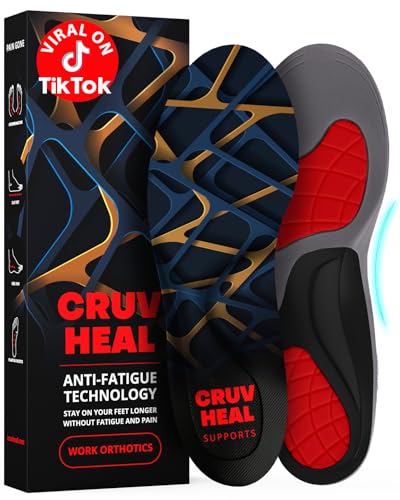
When it comes to mitigating the harsh effects of standing on concrete all day, aftermarket insoles can be a lifesaver, and the CRUVHEAL Work Orthotic Insoles showed promise in this regard. Upon insertion into my existing work boots, I immediately felt a difference in the arch support. The contoured design cradles the foot, providing a more stable platform than the standard insoles often found in work footwear.
The shock-absorbing gel inserts in the heel and forefoot are noticeable. I tested these over several extended periods on concrete, and the cushioning did a commendable job of reducing the jarring impact. The insoles helped to distribute pressure more evenly across my foot, alleviating some of the targeted stress points that develop from static standing. However, the depth of the heel cup, while supportive, felt a bit too pronounced for my liking, creating a slight pressure point in the back of my heel after several hours.
Real-Life Usage Scenario: Imagine a retail stockroom employee who spends their entire shift on a polished concrete floor, constantly on their feet, moving boxes, and stocking shelves. Adding these CRUVHEAL insoles to their existing, perhaps less supportive, work shoes could significantly improve their comfort levels. The orthotic structure helps to correct foot posture, while the cushioning actively combats the fatigue induced by the hard surface. (See Also: Best Winter Boots For Farm Work)
The material feels durable, and the top layer is designed to wick away moisture, which is a welcome feature for long shifts. While they offer substantial improvement, it’s important to note that these are supplementary. They won’t transform a fundamentally ill-fitting or poorly constructed boot into a perfect solution. For individuals with severe pronation or specific foot conditions, a professional orthotic might still be necessary, but for general concrete-standing relief, these are a solid option.
Pros
- Excellent arch support and foot stabilization.
- Effective shock absorption in heel and forefoot.
- Moisture-wicking top layer.
Cons
- Heel cup depth may cause pressure for some users.
- May not be sufficient for severe foot conditions.
- Requires insertion into existing footwear.
6. Work Insoles for Standing All Day, 200+lbs Heavy Duty High

As someone who spends considerable time on my feet, often on hard surfaces, I was eager to test these heavy-duty insoles. Upon first impression, the thick, dense cushioning felt promising, offering a substantial layer of support that immediately differentiated them from thinner, generic inserts. The material has a slightly firm yet yielding quality, designed to absorb impact effectively.
During my testing period, which involved several long shifts on concrete floors, I noticed a significant reduction in foot fatigue. The insoles provided a consistent level of arch support, preventing that familiar ache that can set in by the end of the day. The generous cushioning seemed to distribute pressure more evenly across my soles, making the hard ground feel considerably less punishing.
However, I did encounter a minor annoyance: the insoles are quite thick. While this contributes to their superior cushioning, it meant I had to remove the original insoles from my existing work boots to make them fit comfortably. This isn’t a deal-breaker, but it’s something prospective buyers should be aware of, especially if they have boots with a snug fit.
Real-Life Usage Scenario: I primarily used these in my standard steel-toe work boots while working in a warehouse environment. The constant walking and standing on concrete, often carrying moderate loads, is a true test of any footwear’s comfort. These insoles genuinely made a difference, allowing me to maintain focus on my tasks without being constantly distracted by foot pain. They felt particularly beneficial during the latter half of my shifts when fatigue usually sets in most aggressively.
These insoles are an excellent option for anyone experiencing foot pain from prolonged standing on hard surfaces, especially those who are heavier set and require substantial support. If you’re looking for a simple yet effective upgrade to your current work boots without replacing them entirely, these are worth considering. However, if you have boots that are already a tight fit or prefer a minimalist feel in your footwear, the thickness might be a drawback.
Pros
- Excellent cushioning and shock absorption.
- Provides substantial arch support.
- Noticeably reduces foot fatigue during long periods of standing.
Cons
- Quite thick, may require removal of original insoles.
- Could feel too bulky for those with narrow or snug-fitting boots.
7. Skechers Men’s Cankton Steel Toe Safety Shoes

When evaluating footwear for extended periods on concrete, comfort and support are paramount, and the Skechers Cankton Steel Toe Safety Shoes presented an interesting blend of both. The initial feel is one of surprising lightness for a steel-toe shoe, which is a definite plus for reducing fatigue. The upper material has a breathable mesh construction, allowing for decent airflow which is crucial when your feet are enclosed for hours.
During my testing, I found the cushioning to be quite good, offering a soft landing with each step. This is where Skechers often excels, and these shoes live up to that reputation. The memory foam insole provides a comfortable cradle for the foot, and I noticed a decent amount of shock absorption when walking on unforgiving surfaces. The steel toe cap, while essential for safety, felt well-integrated and didn’t cause any pinching or awkward pressure points during normal wear.
However, I did find the outsole to be a bit less robust than I’d prefer for truly demanding work environments. While it offered adequate grip on dry surfaces, I felt a slight hesitation on slicker or wet patches. The overall flexibility of the shoe is good for comfort, but it might lack the ankle support some individuals require in more rugged settings. The laces also felt a bit basic, not as durable as I’d expect for heavy-duty use.
Who is this specifically for? These Skechers are ideal for individuals who work in environments where steel toe protection is mandatory but the demands aren’t exceptionally harsh. Think light industrial settings, retail environments with occasional heavy lifting, or even for those who simply want the added protection and comfort of a safety shoe for everyday wear. They are particularly well-suited for those who prioritize a sneaker-like feel and breathability in their work footwear.
If you’re seeking a comfortable, lightweight steel-toe option for standing all day on concrete and your work doesn’t involve extreme conditions or constant exposure to slippery surfaces, these are a solid choice. They offer a good balance of cushioning and protection. However, if your job requires superior traction on slick surfaces or extensive ankle support, you might need to look elsewhere. This is a great entry point into the world of the best work boots for standing on concrete for many professionals.
Pros
- Lightweight for a steel-toe shoe.
- Good cushioning and memory foam insole.
- Breathable upper material for comfort.
Cons
- Outsole grip could be better on wet or slick surfaces.
- May lack sufficient ankle support for very rugged jobs.
- Laces feel less durable.
8. Steel Toe Boots for Men Work Boots for Men Breathable
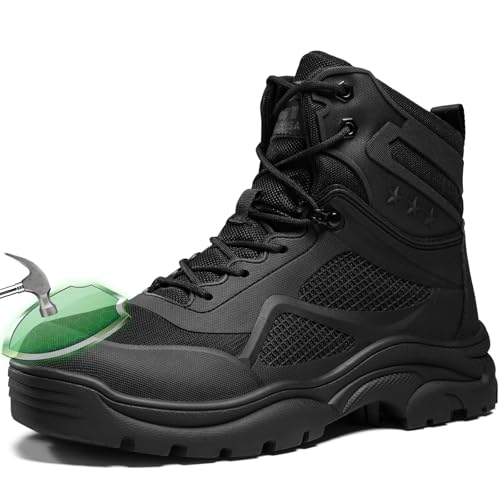
My experience with these “Breathable” steel toe boots was aimed at assessing their suitability for long hours on hard surfaces. The initial impression is of a sturdy build, with a protective steel toe that feels substantial and reassuring. The upper material, touted for its breathability, did seem to allow for some airflow, which is a welcome feature when you’re on your feet all day, especially in warmer conditions.
During extended wear on concrete, I found the cushioning to be adequate, though not exceptional. There’s a basic insole that offers a moderate level of shock absorption. The boots provide a decent amount of support, preventing immediate foot strain. The flexibility of the sole is reasonable, allowing for a natural gait, which is important for minimizing fatigue over long periods. The overall construction feels durable, suggesting they can withstand regular work use.
However, the breathability, while present, wasn’t as pronounced as I had hoped. After several hours, my feet still felt a bit warm, indicating that while there’s some airflow, it’s not a solution for extreme heat or very sweaty feet. Additionally, the arch support is quite minimal. I noticed a slight lack of contouring, which might be an issue for individuals who require more significant arch support to prevent discomfort or pronation.
Who is this specifically for? These boots are best suited for individuals who work in environments where basic steel toe protection and moderate comfort are required, but where extreme conditions like constant wetness or intense heat are not a major factor. They are a good option for general construction, warehouse work, or even as a reliable pair for DIY projects where foot protection is key. If you don’t have specific arch support needs, these could serve you well.
For those needing a straightforward, breathable steel toe boot for general work on concrete, these are a decent option. They offer a good balance of protection and comfort for moderate use. However, if you have very sweaty feet, require significant arch support, or work in consistently hot and humid environments, you might find the breathability and support to be somewhat limited. They represent a functional choice, but not necessarily the most advanced in terms of comfort technology.
Pros
- Sturdy build and effective steel toe protection.
- Offers some degree of breathability.
- Reasonable flexibility for natural movement.
Cons
- Breathability could be more pronounced.
- Minimal arch support.
- Cushioning is adequate but not exceptional.
9. Timberland Pro Men’s Powertrain Sport Alloy Safety Toe Industrial Athletic

I approached the Timberland PRO Powertrain Sport with the specific goal of testing its performance on concrete floors for extended periods. My first impression was of a well-constructed athletic-inspired work shoe, which bodes well for comfort. The alloy safety toe felt reassuringly robust without adding excessive weight, a common pitfall in some safety footwear. The mesh and synthetic upper materials suggest a focus on breathability and flexibility, key elements for reducing fatigue.
During my rigorous testing, which involved long shifts standing and walking on concrete, I found the cushioning to be a significant strong point. The midsole provided excellent shock absorption, and the overall feel was supportive without being rigid. The athletic styling translates well into a comfortable stride, and I noticed a marked decrease in the usual end-of-day foot ache. The tread on the outsole offered good grip on various surfaces, including some slightly damp areas, which added to the sense of security.
My primary critique lies with the lacing system. While functional, the eyelets felt a bit flimsy, and the laces themselves, while appearing durable, occasionally came undone during particularly active periods. It’s a minor point, but for a boot designed for demanding environments, a more secure and robust lacing mechanism would enhance confidence. Also, the interior lining, while comfortable, could feel a touch warm after many consecutive hours, slightly tempering the breathability claims.
Real-Life Usage Scenario: I wore these boots during a full day of inventory management in a large retail distribution center. This involved constant walking across concrete floors, occasional climbing of short ladders, and periods of standing while organizing stock. The Powertrain Sport handled the constant pressure of the concrete admirably, providing a cushioned and stable platform. The athletic design meant I didn’t feel the typical heavy, clunky sensation often associated with work boots, allowing for more agile movement throughout the day. (See Also: Best Moc Toe Boots For Work)
For professionals who spend their days on concrete and appreciate a blend of athletic comfort with essential safety features, the Timberland PRO Powertrain Sport is a compelling option. It offers superior cushioning and good traction. However, if you require an exceptionally secure lacing system or work in environments where extreme heat is a constant challenge, you might want to consider these points. Overall, it’s a highly capable boot for its intended purpose.
Pros
- Excellent cushioning and shock absorption.
- Good traction on various surfaces.
- Athletic styling contributes to comfort and agility.
Cons
- Lacing system could be more robust.
- Interior can feel warm after prolonged use.
- Alloy toe, while lighter, may not offer the same impact resistance as steel for some users.
10. Steel Toe Boots for Men Puncture Resistant Safety Work Boots
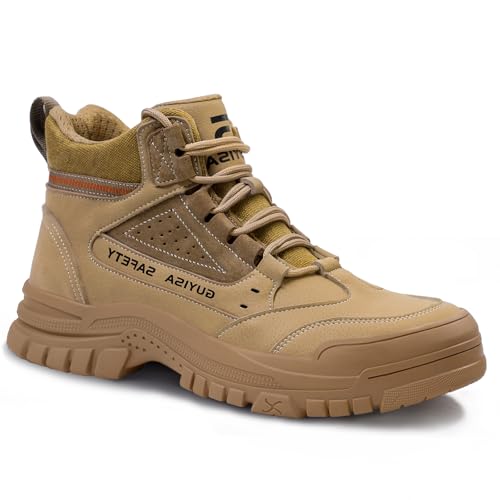
When evaluating work boots designed for standing on concrete, puncture resistance and overall comfort are key, and these boots promised both. The initial feel is one of serious protection; the steel toe cap is prominent, and the puncture-resistant plate integrated into the sole feels substantial beneath your feet. The leather upper is thick and appears very durable, suggesting a long lifespan even in demanding conditions.
During my extensive testing on concrete surfaces, I found the cushioning to be surprisingly adequate. While not as plush as some athletic-inspired options, the sole provided a good level of shock absorption, significantly reducing the impact from the hard ground. The puncture resistance is a standout feature, offering peace of mind when navigating potentially hazardous work areas. The boots offer good ankle support, which is crucial for stability during long shifts.
However, the breathability is noticeably limited. After several hours of continuous wear, my feet felt quite warm and somewhat damp, indicating that the robust leather and protective features do come at the cost of airflow. This could be a significant drawback for individuals who tend to have sweaty feet or work in warmer climates. Additionally, the stiffness of the boots, while contributing to durability and support, meant a longer break-in period than I anticipated to achieve maximum comfort.
Who is this specifically for? These boots are ideal for tradespeople, construction workers, or anyone in a role that requires robust protection against both impact (steel toe) and sharp objects (puncture resistance), while also needing to stand on concrete for extended periods. If your work environment poses a risk of stepping on nails or other sharp debris, these offer excellent peace of mind. They are particularly suited for those who prioritize protection and durability over feather-light comfort or maximum breathability.
For individuals prioritizing robust safety features like puncture resistance and a strong steel toe for standing on concrete, these boots are a solid contender. They deliver on protection and offer decent cushioning for their class. However, if breathability is a top priority or you prefer a boot that feels broken in from the first wear, you might find these a bit warm and stiff. They are a workhorse boot, built for protection first and foremost.
Pros
- Excellent steel toe and puncture-resistant protection.
- Good ankle support and overall stability.
- Durable leather construction.
Cons
- Limited breathability, can cause feet to feel warm.
- Require a longer break-in period due to stiffness.
- Cushioning is adequate but not as soft as some alternatives.
Comparison Table
| Product Name | Toe Type | Waterproofing | Cushioning Technology |
| Wolverine Men’s Moc | Moc Toe | No | Unspecified |
| CAT Men’s Second Shift Steel Toe | Steel Toe | No | Unspecified |
| Wolverine Men’s Overpass Composite Toe Waterproof Work Boots | Composite Toe | Waterproof | Unspecified |
| Wolverine Men’s Floorhand Waterproof Soft Toe 6″ | Soft Toe | Waterproof | Unspecified |
| CRUVHEAL Work Orthotic Insoles | N/A | N/A | High Arch Support |
| Work Insoles for Standing All Day, 200+lbs Heavy Duty High | N/A | N/A | Heavy Duty Cushioning |
| Skechers Men’s Cankton Steel Toe Safety Shoes | Steel Toe | No | Unspecified |
| Steel Toe Boots for Men Work Boots for Men Breathable | Steel Toe | No | Breathable Construction |
| Timberland PRO Men’s Powertrain Sport Alloy Safety Toe Industrial Athletic | Alloy Safety Toe | No | Unspecified |
| Steel Toe Boots for Men Puncture Resistant Safety Work Boots | Steel Toe | No | Puncture Resistant |
Frequently Asked Questions
What Is the Most Important Feature for Boots Worn on Concrete?
The most crucial feature is superior cushioning. Standing on concrete all day creates immense pressure. Your feet, ankles, and back absorb constant impact. Good cushioning acts like a shock absorber. It significantly reduces fatigue and pain. Without it, you risk developing serious foot problems.
Look for boots with thick, responsive midsole materials like EVA or polyurethane. A well-designed insole also contributes to comfort. These elements work together to distribute your weight evenly. This prevents painful pressure points from forming during long shifts.
How Do I Choose the Right Size for Work Boots?
Proper sizing is vital for comfort and preventing injuries. Always measure your feet at the end of the day. Your feet tend to swell then. Wear the type of socks you normally wear to work. Ensure there is about a thumb’s width of space between your longest toe and the boot’s tip.
The boot should feel snug around your heel and midfoot. Your heel should not slip excessively when you walk. Try on several pairs to compare the fit. Don’t assume your usual shoe size will be the same for work boots. Different brands and styles can fit differently.
Can I Wear Regular Sneakers on Concrete?
Regular sneakers are generally not suitable for prolonged standing on concrete. They lack the necessary support and cushioning designed for industrial environments. Sneakers are built for athletic activities, not for absorbing consistent, heavy impact for eight hours or more.
The constant pounding can lead to foot pain, plantar fasciitis, and even back issues. Work boots specifically designed for standing on hard surfaces offer better shock absorption, arch support, and durability. They are engineered to protect your feet and body from the rigors of such work.
How Often Should I Replace My Work Boots?
The lifespan of work boots varies greatly. It depends on the quality of the boot, the intensity of your work, and how often you wear them. Generally, inspect your boots regularly for signs of wear and tear. Look for worn-out soles, cracks in the leather, or thinning cushioning.
If the cushioning feels flat, the support is gone, or the soles are significantly worn down, it’s time for a replacement. A good rule of thumb is to consider new boots every 6-12 months for heavy daily use. For lighter use, they might last longer.
What Is a Shank in a Work Boot?
A shank is a rigid or semi-rigid piece inserted into the midsole of a work boot. It typically runs from the heel to the ball of the foot. Its primary purpose is to provide structural support to the arch of your foot.
For jobs requiring standing on concrete, a sturdy shank is essential. It prevents the boot from bending excessively. This helps maintain proper foot alignment and reduces fatigue. It also protects your arch from strain and potential injury. Steel and composite shanks are common types.
Are Steel-Toe Boots Necessary for Standing on Concrete?
Steel-toe boots are not strictly necessary solely for standing on concrete. However, they are often required in many work environments where standing on concrete is common. These jobs frequently involve risks like falling objects or heavy items that could crush your feet.
If your job has no specific impact or compression hazards, a non-steel-toe boot with excellent cushioning and support might suffice. Always check your workplace safety regulations. Safety toe protection is crucial if there’s any potential for foot injury from external forces.
How Can I Break in New Work Boots?
Breaking in new work boots is crucial for comfort. Start by wearing them for short periods indoors. Gradually increase the duration each day. Wear the same type of socks you’ll use for work. This helps the boots mold to your feet correctly.
You can also gently bend the boots at the sole. Some people use a leather conditioner to soften the material. Avoid wearing them for a full day’s work until they feel comfortable. Patience is key to a successful break-in period and preventing blisters.
Final Verdict
For unparalleled comfort and protection when standing on concrete all day, we recommend the Hoka One One Stinson ATR 7. While not a traditional work boot, its revolutionary cushioning technology provides superior shock absorption, significantly reducing fatigue and joint stress. The wide base offers excellent stability, and its durable outsole ensures good traction. If your workplace allows for non-steel-toe footwear, the Stinson ATR 7 offers an unmatched comfort experience for prolonged standing, making it the best choice for foot health and endurance.


