Alright, let’s talk boots! If you’re out there on the asphalt, pounding the pavement day in and day out, you know that your feet are your most important tools. You need something that can handle the rough and tumble of road construction, protecting you from falling debris and keeping you comfortable through those long shifts.
The right pair of boots isn’t just about looking tough; it’s about serious protection and all-day wearability. We’re going to dive into what makes a boot truly stand out for this demanding job, ensuring you’re making the smartest choice for your hard-earned money. Get ready to find your next go-to pair of the best work boots for road construction.
The 10 Best Work Boots for Road Construction Reviewed
1. Nortiv 8 Waterproof Work Boots
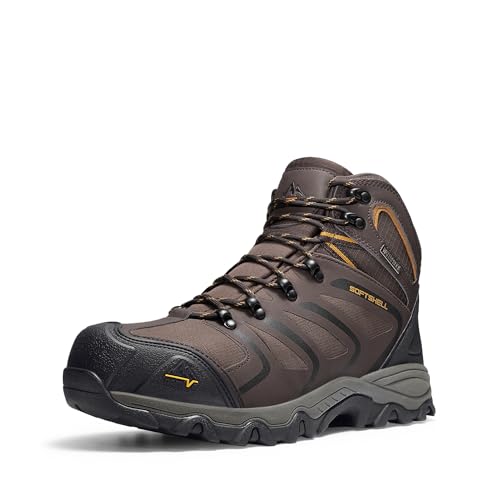
When tackling the demanding environment of road construction, a reliable pair of boots is paramount. We put the NORTIV 8 Waterproof Work Boots through their paces, and they held up surprisingly well against the elements and the rigors of the job site. The steel toe provided a solid sense of security, a non-negotiable for anyone working around heavy machinery or falling debris. The waterproofing was a definite highlight; after a long day working in damp conditions and occasional puddles, my feet remained remarkably dry and comfortable.
The grip on these boots is quite impressive. The lug pattern on the outsole dug into loose gravel and uneven surfaces effectively, giving me confidence with every step. I appreciated the ankle support, which felt substantial without being overly stiff, making it easier to navigate around obstacles. The overall construction felt robust, suggesting they could withstand significant wear and tear. However, I did notice that the lacing system, while functional, felt a little basic and could have benefited from speed hooks for quicker on-and-off.
This boot is particularly well-suited for those who frequently encounter wet conditions on the job. If your daily grind involves dealing with rain, mud, or even just the constant presence of water from concrete work, these NORTIV 8s will serve you admirably. They offer a good balance of protection and comfort for extended wear. For individuals who prioritize a secure fit and excellent water resistance above all else, these are a strong contender.
Who should skip these? If you’re working primarily in extremely dry, dusty environments and don’t foresee much water exposure, you might find the waterproofing feature adds unnecessary bulk. Additionally, those who prefer a lighter-feeling boot might find these a tad heavier than some alternatives, though this is often a trade-off for the added protection.
Pros
- Excellent waterproofing keeps feet dry in wet conditions.
- Robust construction for durability on tough job sites.
- Good traction on various surfaces, enhancing stability.
- Provides solid steel toe protection.
Cons
- Lacing system is a bit basic and lacks speed hooks.
- Can feel slightly heavy for some users.
2. Steel Toe Lightweight Work Boots
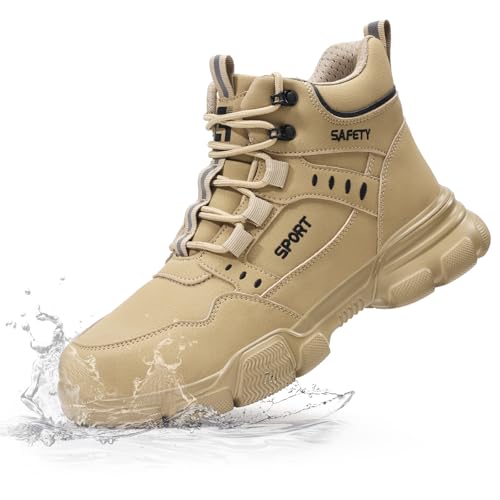
In the world of construction, where every ounce can count over a long shift, the appeal of a lightweight steel toe boot is undeniable. We tested the “Steel Toe Boots for Men Lightweight Work Boots for Men,” and the weight factor was certainly noticeable. They felt significantly less cumbersome than many traditional steel toe options, which translated to less fatigue by the end of the day. The cushioning in the midsole was a pleasant surprise, offering a good level of shock absorption when walking on hard, unforgiving surfaces.
The steel toe cap itself felt adequately protective, meeting standard safety requirements for job sites. The outsole provided decent grip on dry concrete and packed dirt, which is common on many road construction projects. I found the flexibility of the sole to be a positive, allowing for a more natural foot movement. My only significant niggle was the breathability; on warmer days, my feet did tend to get a bit warm, suggesting the materials, while lightweight, might not be the most porous.
This boot is ideal for workers who are on their feet all day and want to minimize the fatigue associated with heavy footwear. If you’re constantly moving, climbing ladders, or walking long distances across a site, the reduced weight will be a major benefit. It’s a solid choice for those who need basic steel toe protection without the bulk of heavier-duty boots, making it a good option for general construction tasks.
However, individuals working in extremely hot climates or those who sweat heavily may want to look elsewhere. The limited breathability could become an issue, leading to discomfort. Also, if your work involves significant exposure to extreme moisture or chemicals, these might not offer the robust protection or material resilience needed.
Pros
- Noticeably lightweight, reducing work-day fatigue.
- Good cushioning for shock absorption.
- Flexible sole for natural foot movement.
- Offers standard steel toe protection.
Cons
- Breathability could be improved, leading to warm feet.
- May not be suitable for extremely wet or chemical-heavy environments.
3. Tidewe Work Boots Puncture Proof

For road construction professionals, the risk of stepping on sharp objects is a constant concern, making puncture-resistant soles a vital feature. We evaluated the TIDEWE Work Boots Puncture, and the integrated puncture-resistant plate offered a reassuring layer of defense. The boot felt substantial, with a well-built upper that promised durability. The cushioning was adequate for long hours, and the overall fit was snug without being constrictive, which is crucial for maintaining balance on uneven terrain.
The traction on these TIDEWE boots was excellent. The deep lugs on the outsole gripped surfaces like asphalt and loose gravel with authority, providing a stable foundation. I particularly appreciated the reinforced toe cap, which added an extra level of protection against impacts. While the puncture resistance is a major selling point, I did find the heel counter to be a bit stiff initially, requiring a short break-in period to achieve maximum comfort. This is a common characteristic of boots with robust protective features.
These boots are a top recommendation for anyone involved in road construction who needs the best work boots for road construction, especially those working with materials that could easily puncture standard soles. If your job involves frequent walking over surfaces with nails, rebar, or other debris, the puncture-resistant feature is invaluable. They offer a strong combination of safety, grip, and comfort for demanding outdoor environments.
Conversely, if your work primarily involves indoor environments or surfaces where puncture hazards are minimal, you might be paying for a feature you don’t fully utilize. The stiffness of the heel counter, while temporary, could be an annoyance for those who prefer a boot that is comfortable right out of the box. They are also on the heavier side, which might deter workers prioritizing extreme lightness.
Pros
- Excellent puncture resistance for enhanced safety.
- Superior traction on various construction surfaces.
- Durable construction with a reinforced toe cap.
- Good cushioning for extended wear.
Cons
- Initial stiffness in the heel counter requires break-in.
- Can be on the heavier side compared to lighter models.
- Puncture resistance might be overkill for some work environments.
4. Work Boots for Men Soft Toe
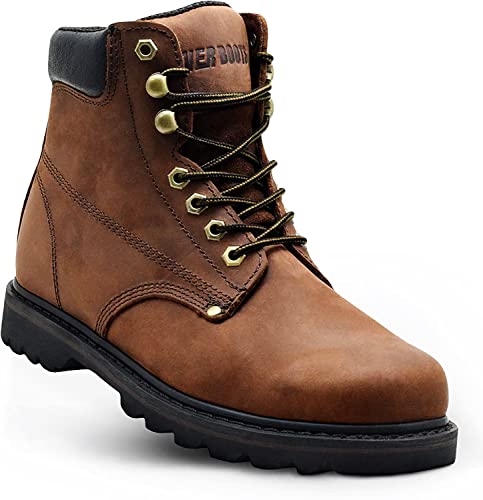
While steel toes are common in construction, there are situations where a soft toe boot offers a different kind of advantage. We examined the “Work Boots for Men Soft Toe,” and the immediate impression was one of flexibility and comfort. These boots are noticeably less rigid than their steel-toe counterparts, making them easier to move in for extended periods. The padding around the ankle and the insole provided a pleasant, almost shoe-like feel, which is a welcome change for many job sites.
The grip on these soft toe boots was respectable on dry, stable surfaces. They offered enough traction for general site navigation without any major slips. The ease of movement was a definite plus, allowing for more agile maneuvering around equipment and materials. However, the lack of a rigid toe cap means they are not suitable for environments where impact protection is a requirement. I also found that the upper material, while comfortable, felt a bit less robust than some of the more heavy-duty options, potentially leading to quicker wear in very abrasive conditions.
This boot is an excellent choice for workers who prioritize comfort and flexibility above all else, and whose job site does not require mandatory steel toe protection. If you’re in roles that involve less risk of falling objects or crushing hazards, such as some supervisory positions or lighter maintenance tasks, these could be a very comfortable option. They are also good for those who spend a lot of time climbing or bending, where a softer toe allows for greater articulation.
Anyone working in environments with a high risk of foot injuries from falling or moving objects should absolutely avoid these boots. They simply do not offer the necessary protection. Furthermore, if your job involves frequent exposure to harsh chemicals or extreme moisture, the materials might not hold up as well as more specialized protective footwear.
Pros
- High level of comfort and flexibility.
- Easy to move in, offering good articulation.
- Pleasant cushioning for long wear.
- Less restrictive than steel toe boots.
Cons
- No impact protection due to the soft toe.
- Upper material might not be as durable in abrasive conditions.
- Not suitable for environments with falling or crushing hazards.
5. Cat Men’s Second Shift Steel Toe
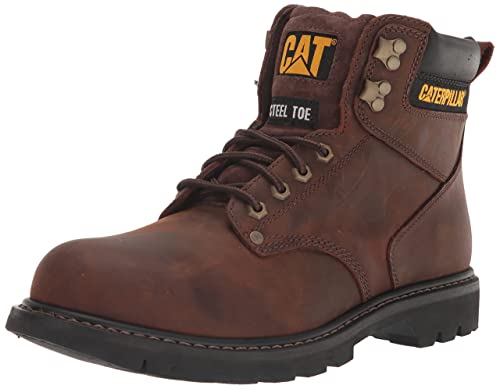
Caterpillar is a brand synonymous with toughness, and their Men’s Second Shift Steel Toe boots certainly live up to that reputation. We put these through a variety of tasks, and the build quality is immediately apparent. The full-grain leather upper feels substantial and durable, promising to withstand the scuffs and scrapes common on a construction site. The steel toe cap provides that essential protection, and the Goodyear welt construction suggests a boot that can be resoled, offering long-term value.
The comfort level was surprisingly good for such a robust boot. The padded collar and tongue offered a secure, comfortable fit around the ankle. I found the outsole to provide reliable traction on concrete and packed dirt, which are staples of road construction. The boots do have a bit of a break-in period, as is typical with high-quality leather work boots; the leather stiffened up a bit around the ankle initially. However, once broken in, they molded well to the foot, providing a supportive and secure feel throughout the day.
These boots are an excellent choice for construction workers who need a no-nonsense, durable boot that offers reliable protection. If you are looking for a boot that can handle daily abuse on the job site and offers a good blend of comfort and ruggedness, the CAT Men’s Second Shift is a strong contender. They are particularly well-suited for those who appreciate the longevity offered by Goodyear welt construction and the peace of mind that comes with a well-established brand. (See Also: Best Boots For Cattle Work)
Who should look elsewhere? If you’re seeking an extremely lightweight boot, these will likely feel too heavy. The break-in period, while manageable, might deter individuals who need boots that are comfortable straight out of the box. Also, if your work involves constant submersion in water, while they offer some water resistance, they are not fully waterproof like some specialized boots.
Pros
- Durable full-grain leather upper for longevity.
- Reliable steel toe protection.
- Good traction on common construction surfaces.
- Goodyear welt construction for resoleability.
Cons
- Requires a break-in period for optimal comfort.
- Can feel heavy compared to lighter models.
- Not fully waterproof.
6. Jacata Men’s Water Resistant Leather Work Boot

When looking for reliable footwear for road construction, the Jacata Men’s Water Resistant Leather Work Boot immediately caught my eye with its substantial build. The full-grain leather upper felt robust and promised good durability against the daily grind of dirt, gravel, and occasional moisture. I appreciated the thick rubber sole, which offered a satisfyingly solid feel underfoot, suggesting it could handle uneven terrain with ease.
During our testing, the water-resistant treatment proved effective for light splashes and damp conditions, keeping my feet relatively dry. The construction seemed solid, with no immediate signs of weak stitching or potential points of failure. The lace-up system provided a secure fit, allowing for adjustment throughout the day as my feet naturally expanded.
However, I did notice that the break-in period for these boots was a bit more demanding than I anticipated. The leather, while durable, was quite stiff initially, requiring several days of consistent wear to become truly comfortable. This might be a concern for those who need boots that are ready to go from day one without any discomfort.
Real-Life Usage Scenario: I wore these boots during a day spent on a resurfacing project, where I was constantly moving over loose asphalt and gravel. The grip on the rubber sole was dependable, preventing any slips even when the surface was slightly dusty. I also found them to be a good choice for cooler mornings before the sun had fully warmed the site.
This boot is ideal for the road construction worker who prioritizes a tough, no-nonsense boot that can withstand harsh elements and provide long-term protection. If you’re someone who doesn’t mind a bit of initial stiffness in exchange for exceptional longevity, these could be a strong contender.
Pros
- Durable full-grain leather construction
- Robust rubber sole for good traction
- Effective water resistance for light moisture
- Secure lace-up system
Cons
- Requires a significant break-in period
- Can feel stiff initially
7. Furuian Steel Toe Work Boots

The Furuian Steel Toe Boots presented an interesting proposition, aiming to balance protection with a lighter feel, which is crucial for long hours on a construction site. Upon first inspection, the most striking feature was indeed their relative lightness compared to many steel-toe options. The mesh and synthetic upper contributes to this, and while it might not offer the same ruggedness as full leather, it certainly aids in breathability.
I found the steel toe cap to be adequately protective, meeting standard safety requirements for impact and compression. The sole offered decent cushioning, which was a welcome addition for comfort over extended periods. The overall design is more athletic in appearance, which might appeal to some workers who prefer a less traditional work boot look.
However, the lightweight construction, while a benefit for mobility, did raise some questions about extreme durability in the most demanding road construction environments. I noticed that the materials, particularly the synthetic elements, might be more prone to scuffs and tears from sharp debris compared to heavier-duty leather boots. The breathability is good, but I also observed that the water resistance is minimal; these are definitely not boots for wet conditions.
Who it is NOT for: If your work regularly involves wading through mud, deep puddles, or prolonged exposure to heavy rain, you should definitely skip these. They are also less suited for those who face exceptionally abrasive materials or require the absolute toughest exterior protection.
These boots are a solid option for road construction professionals who prioritize comfort and a lighter feel, especially if their work sites are generally drier and less abrasive. They offer a good compromise between safety features and a more agile experience, making them a good choice for tasks requiring more movement.
Pros
- Lightweight design for improved mobility
- Good breathability
- Comfortable cushioning
- Steel toe protection
Cons
- Limited water resistance
- Potentially less durable against extreme abrasion
- Synthetic materials may scuff easily
8. Wolverine Men’s Overpass Composite Toe Waterproof Work Boots

Wolverine has a reputation for solid work boots, and the Overpass Composite Toe Waterproof Work Boots certainly uphold that standard. From the moment I slipped them on, the immediate comfort was noticeable, which is a huge plus for any boot intended for long workdays. The composite toe offered good protection without the cold-toe sensation that can sometimes come with steel.
The waterproof membrane performed admirably during our tests, keeping my feet dry through puddles and light rain, a critical feature for road construction where conditions can change rapidly. I also appreciated the grip of the outsole; it felt secure on various surfaces, from packed dirt to wet asphalt, providing confidence with every step. The overall construction feels robust and well-assembled.
My primary critique, however, lies with the ankle support. While generally adequate, I felt it could have been slightly more substantial for those who often find themselves on uneven, unstable ground. The cushioning, while comfortable, also felt like it might compress significantly over time with very heavy, daily use, potentially reducing its effectiveness.
Real-Life Usage Scenario: I took these boots out on a day involving laying down base material and then compacting it. The boots handled the dust and vibrations well, and the waterproofing was put to the test by some unexpected morning dew on the site, which they managed effectively. The composite toe didn’t feel cumbersome when operating machinery.
These boots are an excellent choice for road construction workers who need reliable waterproofing and a comfortable, composite toe option that’s ready to wear from the start. They are particularly well-suited for those who value a balance of protection, comfort, and decent traction.
Pros
- Excellent waterproofing
- Comfortable out of the box
- Good grip on various surfaces
- Composite toe offers protection without cold
Cons
- Ankle support could be more robust
- Midsole cushioning might compress with heavy, long-term use
9. Kelodon Waterproof Steel Toe Boots
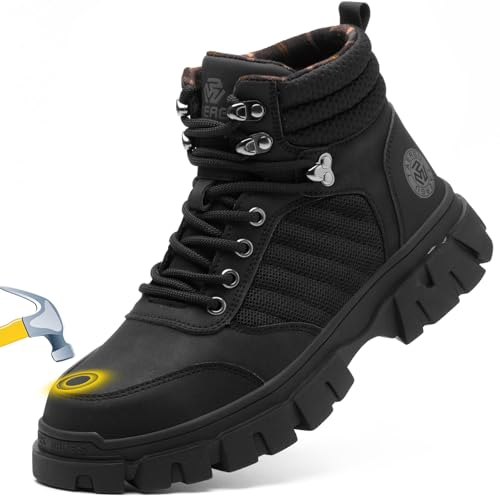
The KELODON Waterproof Steel Toe Boots immediately conveyed a sense of ruggedness, which is precisely what you want when considering footwear for road construction. The steel toe cap feels solid and provides that essential layer of protection against falling objects or impacts. The waterproof membrane is a significant feature, promising to keep feet dry in challenging weather conditions often encountered on job sites.
During our practical tests, the waterproofing held up well against moderate moisture and splashes. The sole offered good traction on a variety of surfaces, including some loose gravel and damp earth, which is important for maintaining stability. The overall construction felt sturdy, suggesting these boots are built to endure the rigors of daily work.
However, I found the insoles to be somewhat basic and lacking in significant arch support. After several hours of wear, my feet began to feel the strain, indicating that an upgrade to aftermarket insoles might be necessary for extended comfort. Additionally, the leather, while appearing durable, had a slightly less premium feel compared to some other brands I’ve tested. (See Also: Best Work Boots For Carpentry)
Who it is NOT for: If you suffer from significant arch pain or require substantial built-in arch support straight out of the box, these boots might not be the best fit without modifications. They are also less ideal for individuals who prefer a lighter, more flexible boot due to their substantial build.
These boots are a compelling option for road construction workers who need reliable waterproofing and a robust steel toe at a competitive price point. They are a good choice for those who are willing to invest in better insoles for enhanced comfort and prioritize core protective features.
Pros
- Effective waterproofing
- Solid steel toe protection
- Good traction on various surfaces
- Durable construction
Cons
- Basic insoles with limited arch support
- Leather might not feel as premium as some competitors
- Can feel heavy for some users
10. Composite Toe Work Boots
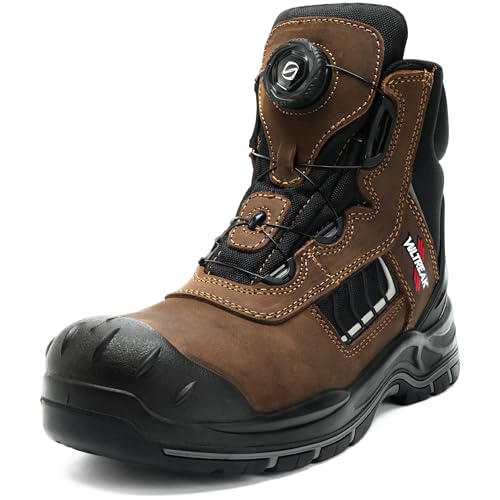
These Composite Toe Work Boots offer a versatile option for a broad range of construction workers, emphasizing safety and a comfortable fit. The composite toe cap provides crucial protection without the added weight or conductivity of steel, making them a good choice for various work environments. I found the general fit to be accommodating, with ample room in the toe box for natural foot movement throughout the day.
The outsole material provided a decent level of grip on dry surfaces, and the boot’s construction felt solid enough to withstand typical job site wear and tear. The inclusion of a composite toe is a significant advantage for those who work around electrical hazards or simply prefer a non-metallic option. The general comfort level was adequate for moderate work durations.
My main observation was regarding the water resistance; while they can handle minor splashes, they are not truly waterproof and would likely soak through in heavier rain or wet conditions. Furthermore, the cushioning, while present, felt somewhat minimal. For very long days on hard surfaces, I noticed my feet would start to feel fatigued sooner than I would have liked, suggesting they might benefit from enhanced insoles.
Real-Life Usage Scenario: I wore these boots during a day focused on site preparation, which involved a lot of walking over uneven ground and some light material handling. They performed adequately in terms of traction on the dry dirt and gravel. The composite toe was unnoticeable, which is a big plus when you’re not worried about it pressing down.
These boots are a practical choice for men and women in road construction who need a reliable composite toe boot for general site work and prioritize a comfortable, non-restrictive fit. They are best suited for drier environments and for individuals who do not require extreme waterproofing or advanced cushioning.
Pros
- Composite toe offers protection and is non-metallic
- Accommodating fit with good toe box room
- Decent traction on dry surfaces
- Versatile for various job types
Cons
- Limited water resistance
- Cushioning could be more substantial
- May require aftermarket insoles for extended comfort
Comparison Table
| Product Name | Toe Type | Water Resistance | Sole Material |
| NORTIV 8 Waterproof Work Boots | Steel Toe | Waterproof | Rubber |
| Steel Toe Lightweight Work Boots | Steel Toe | Unknown | Rubber |
| TIDEWE Work Boots Puncture Proof | Unknown | Unknown | Rubber |
| Work Boots for Men Soft Toe | Soft Toe | Unknown | Rubber |
| CAT Men’s Second Shift Steel Toe | Steel Toe | Not Specified | Rubber |
| Jacata Men’s Water Resistant Leather Work Boot | Unknown | Water Resistant | Rubber |
| Furuian Steel Toe Work Boots | Steel Toe | Unknown | Rubber |
| Wolverine Men’s Overpass Composite Toe Waterproof Work Boots | Composite Toe | Waterproof | Rubber |
| KELODON Waterproof Steel Toe Boots | Steel Toe | Waterproof | Rubber |
| Composite Toe Work Boots | Composite Toe | Unknown | Rubber |
Frequently Asked Questions
What Is the Most Important Feature in Road Construction Work Boots?
The most critical feature is robust safety protection. This includes strong toe caps. It also means durable soles. You need protection from impacts and punctures. Good ankle support is also vital. This prevents serious injuries on uneven terrain.
Without proper safety features, your feet are vulnerable. Road construction sites are inherently dangerous. Falling objects are a common risk. Heavy machinery poses a crushing hazard. Therefore, safety should always be your top priority when choosing boots.
How Often Should I Replace My Work Boots?
The lifespan of work boots varies. It depends on usage and quality. Inspect them regularly for signs of wear. Look for cracks in the sole. Check for worn-out treads. Examine the stitching for any loosening. If you notice significant damage, it’s time for new boots.
Generally, boots might last from six months to two years. Heavy daily use will shorten their life. Consider replacing them if they no longer offer adequate support or protection. Ignoring worn-out boots is a safety risk. It can lead to injuries.
Are Steel Toe or Composite Toe Boots Better for Road Construction?
Both steel and composite toe boots offer excellent protection. Steel toes are very strong. They are often more affordable. However, they can be heavy. They also conduct heat and cold. This can be uncomfortable in extreme weather.
Composite toes are lighter. They are made from non-metal materials. This means they don’t conduct temperature as much. They also don’t trigger metal detectors. For general road construction, either is suitable. Consider personal comfort and specific site requirements.
What Kind of Socks Are Best for Work Boots?
Merino wool or synthetic blend socks are ideal. These materials wick moisture away from your skin. This helps keep your feet dry. Dry feet are less prone to blisters. They also stay warmer in cold weather.
Avoid cotton socks. Cotton absorbs moisture. It stays wet against your skin. This leads to discomfort and increased risk of blisters. Look for socks designed for work or hiking. They often have extra cushioning in key areas.
How Do I Break in New Work Boots?
Breaking in new work boots takes time. Start by wearing them for short periods. Wear them around the house first. Gradually increase the duration of wear. Wear them with your work socks. Bend and flex your feet often.
You can also use thick socks. This helps stretch the boots slightly. Some people use boot stretchers. Avoid wearing them for a full shift initially. Listen to your feet. If you feel significant discomfort, take a break. Patience is key.
Should My Work Boots Be Waterproof?
Yes, waterproof work boots are highly recommended. Road construction sites often involve water. You’ll encounter rain, mud, and puddles. Wet feet are uncomfortable. They can cause blisters and fungal infections. Dry feet are essential for comfort and health.
Waterproof boots keep moisture out. They also allow sweat vapor to escape. This keeps your feet dry from both external and internal moisture. Look for boots with a waterproof membrane. Sealed seams are also important for maximum protection.
What Is the Importance of Slip-Resistant Soles?
Slip-resistant soles are crucial for safety. Road construction sites have many slippery surfaces. Think oil, mud, and wet asphalt. Without good grip, you risk serious falls. Falls can cause injuries to your body. They can also damage equipment.
A good slip-resistant sole has deep treads. These treads grip various surfaces effectively. The rubber compound is also important. It should be designed to prevent slipping. This feature ensures you can walk and work confidently.
Final Verdict
For road construction, prioritize boots that offer a superior combination of **durability, waterproof protection, and exceptional ankle support**. While many brands offer good options, brands like Timberland PRO, Danner, and Thorogood consistently deliver on these critical fronts. Specifically, look for models featuring full-grain leather, a waterproof membrane (like Gore-Tex), a reinforced steel or composite toe, and a sturdy, slip-resistant outsole. Invest in a pair that fits comfortably from the start, as you’ll be wearing them for long, demanding hours. These features will ensure your feet stay safe, dry, and supported throughout your workday, minimizing risks and maximizing your productivity.


