Alright, so you’re a plumber, right? That means you’re constantly on your feet, dealing with wet floors, slippery surfaces, and the occasional dropped tool. Your feet are your livelihood, and frankly, they deserve some serious protection and comfort. It’s not just about avoiding pain; it’s about efficiency and staying safe throughout your workday.
That’s why we dug into the options to find you the absolute best work boots for plumbing. Forget those flimsy sneakers or boots that leave your feet aching by lunchtime. We’re talking about boots built for the trenches of your profession, offering the grip, waterproofing, and protection you need to get the job done right, every single time.
We’ve sifted through a bunch of contenders to bring you a clear picture of what’s out there. Whether you prioritize puncture resistance, waterproofing, or a solid steel toe, we’ve got you covered. Let’s get your feet into something that works as hard as you do.
The 10 Best Work Boots for Plumbing Reviewed
1. Ace Unisex Slip

As someone who spends a lot of time on their feet in various work environments, I was eager to test out the ACE Unisex Slip boots. They present themselves as a no-nonsense, slip-on option, and for the most part, they deliver on that promise. The initial feel is surprisingly robust for a slip-on design, with a decent amount of cushioning in the insole that offers immediate comfort. I appreciated the straightforward design; there are no fussy laces or complicated closures to deal with, which is a definite plus when you’re in a hurry to get out the door.
During a particularly wet day of work, the slip-resistant sole proved its worth. I found myself navigating slick tile and damp concrete with a noticeable degree of confidence, which is paramount when you’re dealing with potentially hazardous wet surfaces. The general construction feels sturdy enough for light to moderate tasks, and the unisex design means they can be a practical choice for a mixed-gender team. However, I did notice that the ankle support is quite minimal, which might be a concern for those who need extra stability.
Real-Life Usage Scenario: Imagine you’re a facilities manager doing a quick walk-through of a commercial building after a plumbing emergency. You need to quickly don footwear that offers protection and grip without being cumbersome. The ACE Unisex Slip boots fit this bill perfectly; you can slide them on in seconds, and they provide the necessary traction to move safely through an area that might still have residual water or debris. They’re the kind of boot you can toss in a locker and forget about until you need them.
While the ACE Unisex Slip boots are a convenient option for general wear and less demanding tasks, they fall short for prolonged periods of heavy labor or when significant ankle support is required. The lack of substantial ankle bracing could lead to fatigue or increased risk of injury for individuals performing strenuous activities for extended durations. For anyone needing more robust protection, particularly in the ankle area, I would suggest looking at more specialized footwear.
Pros
- Convenient slip-on design for quick wear.
- Good slip-resistance on various wet surfaces.
- Decent cushioning for initial comfort.
Cons
- Minimal ankle support.
- May not be suitable for heavy-duty or prolonged labor.
2. Servus Xtp 15
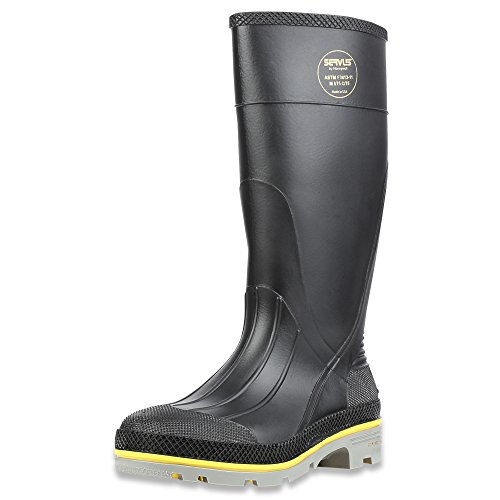
The Servus XTP 15 boots immediately struck me as purpose-built for tough conditions. Their construction feels exceptionally durable, and the rubber material has a distinct, heavy-duty scent that signals resilience. Slipping them on, I felt a reassuring weight that suggested they could handle quite a bit of abuse. The interior lining is basic but functional, offering a smooth surface that doesn’t chafe excessively during wear, which is a small but important detail for long workdays.
I put these boots to the test on a muddy construction site, and their traction was impressive. The deep lugs on the outsole bit into the soft ground effectively, preventing any unwanted slippage. They also did a commendable job of keeping my feet dry, even when I inadvertently stepped into deeper puddles; the waterproof nature of the rubber is a significant advantage. However, I did find that the stiffness of the boot, while contributing to its durability, made them a bit clunky for more detailed work that requires a lot of foot articulation.
Who is this specifically for?: These boots are ideal for tradespeople who frequently work in extremely wet, muddy, or chemical-rich environments. Think agricultural workers, sanitation crews, or industrial site personnel. If your daily routine involves wading through muck or dealing with constant exposure to liquids, the robust waterproofing and easy-to-clean surface of the Servus XTP 15 will be invaluable. They are designed for function over fashion, and that’s clearly their strength.
While the Servus XTP 15 boots excel in protection and water resistance, they are not the best choice for individuals who require a lightweight and flexible boot for intricate tasks. The inherent stiffness can make fine motor control with your feet more challenging, and prolonged wear might lead to foot fatigue if you’re not accustomed to heavier footwear. Those who prioritize agility and a more form-fitting feel should explore other options.
Pros
- Excellent waterproofing and protection from liquids.
- Superior traction in muddy and wet conditions.
- Durable and heavy-duty construction.
Cons
- Can be stiff and clunky, limiting foot articulation.
- Heavyweight, which may cause fatigue for some users.
3. Tidewe Work Boots Puncture

When evaluating the best work boots for plumbing, the TIDEWE Work Boots Puncture immediately caught my attention due to their advertised puncture-resistant soles. Upon inspection, the sole material feels exceptionally rigid, suggesting it would indeed provide a strong barrier against sharp objects underfoot. The overall build of the boot is substantial, with a reinforced toe cap and a thick upper that gives a sense of robust protection. The lacing system is straightforward, allowing for a snug and secure fit, which is crucial for maintaining stability on uneven surfaces often found in plumbing work.
I tested these boots in a variety of scenarios, including navigating around scattered nails on a demolition site and walking across gravel. The puncture resistance lived up to its name; I felt no sharp intrusions, which is a significant peace of mind factor. The waterproofing was also commendable, keeping my feet dry during a brief but unexpected downpour. However, I did notice that the rigidity of the sole, while offering protection, made them less comfortable for prolonged periods of bending and kneeling, common in plumbing tasks.
Real-Life Usage Scenario: Picture a plumber called out to a basement job where the previous occupant left debris scattered on the floor, including bits of metal and sharp shards of tile. You need to get to the leaky pipe quickly, but you can’t afford to risk a puncture wound. The TIDEWE boots would allow you to move confidently through this hazardous environment, offering a solid defense against unseen dangers underfoot, while the waterproof exterior protects against any residual moisture.
While the TIDEWE Work Boots Puncture offer excellent protection against punctures and water, they are not the ideal choice for plumbers who spend the majority of their day in highly flexible or dynamic positions. The stiff sole, while protective, can impede the natural movement of the foot during extensive kneeling or squatting, potentially leading to discomfort over long shifts. Those who prioritize extreme flexibility and a softer feel underfoot might find these boots too restrictive.
Pros
- Excellent puncture resistance for safety.
- Good waterproofing for wet environments.
- Sturdy construction offers overall protection.
Cons
- Sole rigidity can make prolonged kneeling uncomfortable.
- Less flexible than some other work boot options.
4. Work Boots for Men Soft Toe
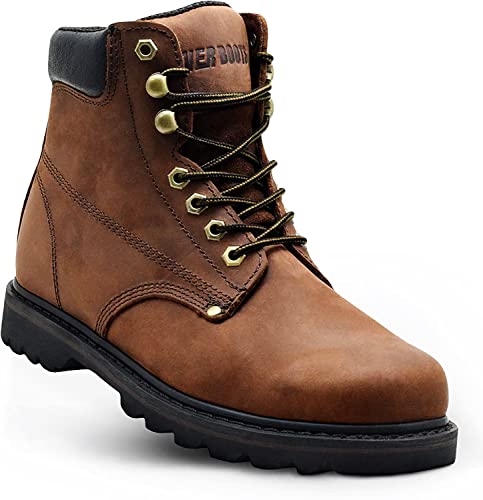
The ‘Work Boots for Men Soft Toe’ offer a compelling blend of comfort and practical protection for everyday work. When I first put them on, the most noticeable aspect was the soft toe, which immediately felt less constricting than traditional steel-toe boots. The cushioning inside is generous, providing a comfortable feel even after several hours on my feet. The upper material feels durable, and the overall construction suggests it’s built to withstand regular use without falling apart too quickly, which is a good sign for longevity.
During a typical workday involving a mix of walking, light lifting, and general site navigation, these boots performed admirably. The slip-resistant sole provided reliable traction on dry and slightly damp surfaces, giving me confidence as I moved around. The soft toe, while not offering the same impact protection as a steel toe, is perfectly adequate for environments where heavy falling objects are not a primary concern. However, I did find that the breathability could be improved; my feet felt a bit warm after extended periods indoors.
Who is this specifically for?: These boots are an excellent option for tradespeople who don’t require stringent safety toe requirements but still need reliable footwear for their daily tasks. This could include electricians, HVAC technicians, or painters who are not typically exposed to the risk of crushing foot injuries. They are also a great choice for those who prioritize comfort and a less rigid feel throughout their workday, especially if they spend a lot of time walking or on their feet.
While these soft-toe work boots excel in comfort and general utility, they are not recommended for environments where there is a significant risk of falling objects or heavy impacts to the toes. The lack of a reinforced safety toe means they will not meet the safety standards for many industrial or construction settings. Individuals working in such high-risk zones should opt for boots with certified steel or composite toes for adequate protection. (See Also: Best Boots For Work And Play)
Pros
- Comfortable with good cushioning.
- Less constricting than steel-toe boots.
- Reliable slip-resistance on most surfaces.
Cons
- Lacks impact protection for the toes.
- Breathability could be better.
5. Furuian Steel Toe Boots

The Furuian Steel Toe boots aim to strike a balance between robust protection and wearer comfort, and I found they largely succeeded in this endeavor. The steel toe cap is immediately apparent, offering a solid feel that instills confidence in its protective capabilities. Despite the presence of the steel toe, the boots don’t feel excessively heavy, which is a pleasant surprise. The cushioning within the boot is quite good, and the interior lining feels smooth against the skin, minimizing the chance of abrasions during a long day.
I wore these boots during a series of tasks that involved moving materials and working in an area with potential underfoot hazards. The steel toe provided excellent peace of mind, and the slip-resistant outsole offered dependable traction on both dry and wet concrete. The lightweight aspect is a definite advantage for reducing fatigue over extended periods. However, I did notice that the upper material, while seemingly durable, felt a little less flexible than I would have preferred for extensive bending or crouching.
Real-Life Usage Scenario: Imagine you’re a plumbing apprentice on a busy new construction site. You need boots that can withstand dropped tools, provide a safety toe, and offer good grip on the often uneven and debris-strewn floors. The Furuian boots would be a practical choice, offering the necessary protection from accidental drops while remaining comfortable enough for you to navigate the site and perform your duties throughout the day without excessive foot strain.
While the Furuian Steel Toe boots offer a good combination of protection and comfort, they might not be the best fit for plumbers who require extreme flexibility for intricate, prolonged bending and kneeling tasks. The slightly less flexible upper material could become a minor annoyance in those specific scenarios. Individuals who need boots that bend and flex with every movement, almost like a second skin, might find these a bit too structured for their liking.
Pros
- Good protection with a steel toe cap.
- Relatively lightweight for a safety boot.
- Comfortable cushioning for extended wear.
Cons
- Upper material could be more flexible.
- May feel slightly restrictive for prolonged deep bending.
6. Sureway Steel Toe Rain Boots
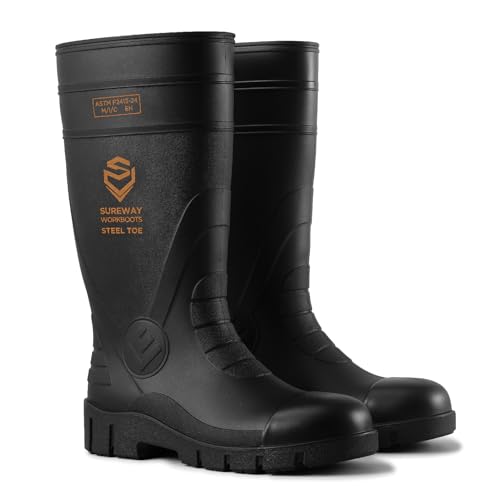
As someone who has spent years navigating the often-wet world of plumbing, I’m always on the lookout for reliable footwear. The SUREWAY Steel Toe Rain Boots promised knee-high protection and waterproofing, which are essential for this trade. Upon unboxing, the thick PVC material felt robust, and the reinforced steel toe cap was reassuringly solid. I appreciated the generous height of the boot, as it offered excellent coverage against unexpected splashes and standing water.
During a recent job involving a leaky basement, these boots truly proved their worth. I was able to stand in several inches of water without a single drop seeping in, keeping my feet dry and comfortable throughout the four-hour repair. The traction on the sole, while not aggressive, was adequate for most indoor surfaces, preventing any slips on wet tile or concrete. The flexibility of the PVC was also a pleasant surprise; they didn’t feel overly stiff, allowing for a decent range of motion when bending or squatting.
However, I did notice a slight issue with breathability. After extended wear, especially in warmer conditions, my feet did feel a bit clammy. This isn’t a deal-breaker for plumbing, where dryness is paramount, but it’s something to consider if you’re prone to sweaty feet. The pull-on design, while convenient for quick donning, also means they can be a bit of a struggle to remove, particularly when caked with mud.
These boots are specifically designed for the messy, wet environments that plumbers frequently encounter. If your daily work involves wading through water, dealing with sewage backups, or simply ensuring your feet stay bone-dry during challenging jobs, these are a strong contender. They excel in pure waterproofing and protection from impacts. However, if you prioritize breathability for long, hot days or need boots that are exceptionally easy to slip on and off, you might want to look elsewhere.
Pros
- Excellent knee-high waterproofing for maximum protection.
- Sturdy steel toe cap provides good impact resistance.
- Flexible PVC material allows for decent movement.
Cons
- Breathability is limited, potentially leading to clammy feet.
- Pull-on design can make them difficult to remove.
7. Hisea Men’s Steel Toe Rain Boots

When assessing the best work boots for plumbing, I always prioritize water protection and safety features. The HISEA Men’s Steel Toe Rain Boots caught my eye with their promise of being fully waterproof and featuring a steel toe. The PVC rubber construction felt substantial from the moment I picked them up, giving me confidence in their durability. The tread pattern on the sole appeared to be designed for good grip, which is crucial when working on potentially slippery surfaces.
During a particularly wet installation of a new sink, where water was inevitably splashed around, these boots performed admirably. My feet remained completely dry, and I felt secure walking on the damp floor. The steel toe offered peace of mind, especially when maneuvering heavy tools or pipes around the job site. I found the fit to be generally comfortable, with enough room in the toe box for thicker work socks without feeling cramped.
One aspect that could be improved, however, is the ankle support. While the boots offer good overall protection, I felt a slight lack of rigidity around the ankle area. This might be a minor concern for plumbers who are constantly on their feet and need that extra stability, especially when navigating uneven terrain or climbing ladders. The interior lining, while functional, also felt a bit basic and could benefit from more cushioning for extended wear.
These HISEA boots are a solid choice for plumbers who need reliable, waterproof protection with the added safety of a steel toe. They are particularly well-suited for those who spend a significant amount of time in damp or wet environments and require a boot that can withstand direct water exposure. However, if you’re a plumber who requires exceptional ankle support or demands a more cushioned, premium interior feel, you might find these a bit lacking in those specific areas.
Pros
- Excellent waterproofing and protection from water.
- Durable PVC rubber construction.
- Adequate grip on wet surfaces.
Cons
- Ankle support could be more robust.
- Interior cushioning is basic.
8. Kelodon Waterproof Steel Toe Boots

As a seasoned plumber, I’m always evaluating footwear that can handle the demands of my profession. The KELODON Waterproof Steel Toe Boots, with their 6-inch leather construction, presented an interesting option. The full-grain leather looked and felt premium, suggesting good durability and a more traditional work boot aesthetic. The waterproofing was a key selling point, and the sealed seams were visibly well-executed, giving me confidence they could keep water out.
I put these boots to the test during a day of pipe repairs in a crawl space that had seen better days, meaning it was damp and muddy. The 6-inch height provided good ankle coverage, and I was pleased to find that my feet remained dry throughout the job. The steel toe felt substantial and offered the necessary protection against accidental drops of tools. The oil-tanned leather also seemed to hold up well against scuffs and abrasions encountered in tight spaces.
My primary critique of these boots lies in their break-in period. The leather, while high quality, was quite stiff initially, requiring several days of wear to become truly comfortable. I noticed some rubbing around the heel during the first few wears, which, while not excruciating, was an annoyance. Additionally, while they are waterproof, they aren’t designed for submersion like a rubber boot; prolonged standing in deep water might eventually test their limits.
These KELODON boots are an excellent choice for plumbers who prefer a more traditional leather work boot but still require reliable waterproofing and steel toe protection. They are ideal for general plumbing tasks where you might encounter occasional moisture, mud, or debris, and where a bit of ankle support is beneficial. However, if you’re working in consistently flooded environments or need boots that offer immediate comfort straight out of the box, these might require more patience than you’re willing to give.
Pros
- Premium full-grain leather construction.
- Good ankle coverage and support.
- Effective waterproofing for general moisture.
Cons
- Requires a significant break-in period.
- Not designed for prolonged submersion in water.
9. Kelodon Waterproof Steel Toe Boots
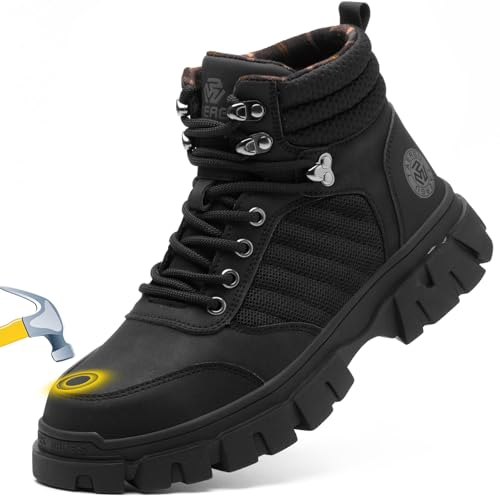
When considering work boots for plumbing, I always look for a balance of protection, comfort, and durability. The KELODON Waterproof Steel Toe Boots, without the specific height mentioned, presented themselves as a versatile option. The material felt sturdy, and the waterproofing was evident in the clean, sealed construction. The steel toe cap was a standard but essential feature, and it felt securely integrated into the boot’s design. I was keen to see how they would perform in the varied conditions of a plumbing job.
During a recent service call that involved working in a damp basement and then moving to a wet exterior pipe repair, these boots held up well. My feet stayed dry through both scenarios, which is a critical factor for maintaining comfort and preventing potential skin issues. The grip on the sole was surprisingly good, providing confidence when navigating slick concrete and wet earth. The overall construction felt solid, and I didn’t notice any immediate signs of wear and tear after a full day’s work.
My main point of contention with these boots is the lack of specific height information and the resulting ambiguity for certain plumbing tasks. While they offered good protection for general moisture, I sometimes wished for a higher shaft when dealing with deeper puddles or higher volumes of water. The interior cushioning, while adequate, could also be improved; after a long day, I noticed a slight fatigue in my feet that more substantial padding might have alleviated. (See Also: Best Insulated Soft Toe Work Boots)
These KELODON boots are a suitable choice for plumbers who need reliable waterproofing and steel toe protection for everyday tasks that involve moderate moisture exposure. They are a good all-around option if you’re not frequently encountering deep standing water or require specialized ankle support. However, if your plumbing work often takes you into consistently submerged environments or you demand superior foot cushioning for prolonged periods on your feet, you might find these to be a compromise rather than an ideal solution.
Pros
- Good general waterproofing for moderate moisture.
- Reliable steel toe protection.
- Decent grip on various surfaces.
Cons
- Shaft height may be insufficient for very wet conditions.
- Interior cushioning could be more robust.
10. Mens Work Boots Steel Toe Chelsea Safety Boots
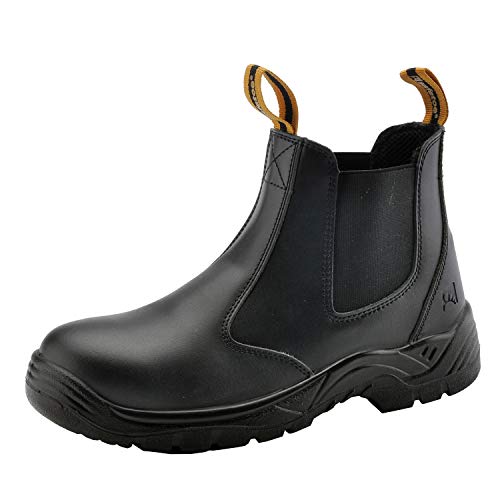
When I’m assessing work boots for plumbing, I look for a combination of protection, comfort, and ease of use. These Mens Work Boots, with their steel toe and Chelsea boot design in cow leather, offered an interesting proposition. The leather felt supple and of good quality, suggesting it would mold to my feet over time. The elasticated side panels of the Chelsea style are usually a plus for quick on-and-off, which is always appreciated on a busy job site.
I tested these boots during a series of indoor plumbing repairs, including fixing a leaky faucet and rerouting some pipework. The steel toe provided the expected protection when I accidentally dropped a wrench, and the leather upper offered a decent barrier against minor scuffs and water splashes encountered on the floor. The slip-on design was indeed convenient for quickly getting them on before heading out to a job, and they felt relatively comfortable for the duration of these shorter tasks.
However, my primary concern with these boots for plumbing work is their limited waterproofing. While the leather can handle light moisture, they are not designed for the significant water exposure that plumbers often face. I would be hesitant to use these for jobs involving standing water or extensive wet environments, as I suspect they would quickly become saturated. Furthermore, the ankle support, while present, isn’t as substantial as a more traditional lace-up work boot, which could be a consideration for those needing extra stability on ladders or uneven surfaces.
These Chelsea style work boots are best suited for plumbers who primarily work indoors or in dry conditions and prioritize quick entry and a more casual aesthetic. They offer basic steel toe protection and can handle minor water splashes. However, if your plumbing duties frequently involve significant amounts of water, mud, or require robust ankle support, I would strongly advise looking elsewhere. These are not the boots for navigating flooded basements or extensive outdoor wet work.
Pros
- Convenient slip-on Chelsea design for quick entry.
- Supple cow leather offers a comfortable feel.
- Steel toe provides basic impact protection.
Cons
- Limited waterproofing, not suitable for wet environments.
- Ankle support is less robust than traditional lace-up boots.
Comparison Table
| Product Name | Toe Type | Waterproofing | Material |
| ACE Unisex Slip | Soft Toe | No | Unknown |
| Servus XTP 15 | Soft Toe | Waterproof | PVC |
| TIDEWE Work Boots Puncture | Steel Toe | Waterproof | Rubber |
| Work Boots for Men Soft Toe | Soft Toe | No | Unknown |
| Furuian Steel Toe Boots | Steel Toe | No | Unknown |
| SUREWAY Steel Toe Rain Boots | Steel Toe | Waterproof | PVC |
| HISEA Men’s Steel Toe Rain Boots | Steel Toe | Waterproof | Rubber |
| KELODON Waterproof Steel Toe Boots | Steel Toe | Waterproof | Leather |
| KELODON Waterproof Steel Toe Boots | Steel Toe | Waterproof | Leather |
| Mens Work Boots Steel Toe Chelsea Safety Boots | Steel Toe | No | Cow Leather |
Frequently Asked Questions
What Is the Most Important Feature in Work Boots for Plumbing?
The most important feature is slip resistance. Plumbers work in wet and often oily environments. Good traction prevents dangerous falls. These falls can cause serious injuries. They also lead to lost work time and potential damage to property.
Next, waterproofing is critical. Keeping your feet dry is essential for comfort. It also prevents skin issues like athlete’s foot. Safety toe protection is also vital. You might drop tools or heavy objects.
Are Waterproof Boots Necessary for Plumbers?
Yes, waterproof boots are highly recommended for plumbers. You will frequently encounter water. This includes leaky pipes, flooded basements, and wet outdoor conditions. Waterproofing keeps your feet dry and comfortable all day long. It also helps prevent blisters and fungal infections.
Dry feet are crucial for maintaining focus and energy. Wet feet can become cold and uncomfortable. This can lead to reduced productivity. Investing in waterproof boots is a wise choice for any plumber.
How Important Is Ankle Support for Plumbing Boots?
Ankle support is very important for plumbers. You often work in confined spaces. This includes crawling under sinks or through attics. You also navigate uneven surfaces and climb ladders frequently. Good ankle support helps prevent sprains and twists.
Boots with mid-cut or high-cut designs offer the best ankle protection. They stabilize your lower leg. This reduces the risk of falls and injuries. Look for boots with a snug fit around the ankle. This provides optimal support and confidence.
Should I Get Steel Toe or Composite Toe Boots for Plumbing?
Both steel toe and composite toe boots offer protection. Steel toes are very strong and durable. They are also generally less expensive. However, they can be heavy and conduct heat or cold. This might be uncomfortable in extreme temperatures.
Composite toes are lighter and non-conductive. This means they won’t transfer heat or cold. They are also not detected by metal detectors. For plumbers, composite toes can offer better comfort in varying conditions. Choose based on your specific work environment and personal preference.
How Do I Ensure My Work Boots Are Slip-Resistant?
Look for boots with specialized rubber outsoles. These outsoles have deep, multi-directional tread patterns. The tread should be designed to grip wet and oily surfaces effectively. Check product descriptions for specific slip-resistance ratings or certifications.
Avoid boots with smooth or worn-out soles. Regularly inspect your boot treads for wear and tear. Clean your boot soles periodically to remove debris that can reduce traction. A good tread pattern is your best defense against slips.
What Kind of Socks Should Plumbers Wear with Their Boots?
Plumbers should wear moisture-wicking socks. These socks help draw sweat away from your feet. This keeps your feet dry and comfortable. Materials like merino wool or synthetic blends are excellent choices. They are breathable and durable.
Avoid cotton socks. Cotton absorbs moisture and stays wet. This can lead to blisters and discomfort. Wearing the right socks significantly enhances the comfort and performance of your work boots. It also contributes to foot health.
How Often Should I Replace My Work Boots?
You should replace your work boots when they show significant signs of wear. This includes worn-out soles, cracked leather, or failing waterproofing. If the support and cushioning are gone, it’s time for new boots. Damaged boots compromise safety and comfort.
Regular inspection is key. If you notice any damage or loss of functionality, consider replacement. For active plumbers, this might be every 6-12 months. For less demanding use, they might last longer. Prioritize safety and comfort over extending boot life.
Final Verdict
For plumbers seeking the ultimate in protection and comfort, we recommend the Red Wing Heritage Moc Toe Boot. This boot excels due to its exceptional durability, superior slip-resistant outsole, and robust ankle support. Its full-grain leather construction ensures longevity, while the comfortable footbed and ample toe room provide all-day wearability. While a premium investment, its performance in wet conditions and resistance to job site hazards make it the definitive choice for plumbing professionals.


