Tired of your feet aching after a long day tackling tough outdoor jobs? You know that feeling – the blisters, the dampness, the sheer exhaustion that seeps up from the ground. Finding the right pair of boots can feel like a never-ending quest, especially when you need them to withstand the elements and keep you protected.
Whether you’re on a construction site, hiking rugged trails, or just need reliable footwear for any outdoor adventure, the search for the best work boots for outdoors can be daunting. We’ve sifted through the options to bring you a curated list that prioritizes comfort, durability, and essential protective features. Get ready to discover boots that will make your outdoor work feel a whole lot easier.
The 10 Best Work Boots for Outdoors Reviewed
1. Skechers Men’s Usa Respected
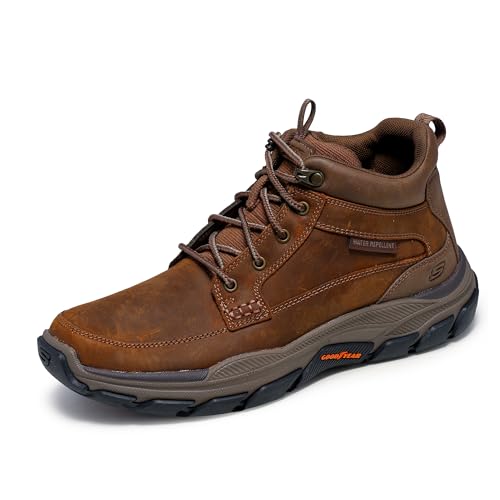
We took the Skechers Men’s USA Respected out for a spin on a moderately challenging trail with some gravel and uneven terrain. Initially, the cushioning felt quite generous, offering a plush sensation underfoot that promised comfort for longer treks. The slip-on design is undeniably convenient, making them quick to put on and take off when you’re in a hurry to get out the door or back inside.
However, as the day wore on and the terrain became a bit more demanding, I noticed a lack of substantial ankle support. While the padding around the collar is soft, it doesn’t provide the kind of rigid stability needed for serious hiking or navigating tricky, rocky paths. The outsole grip was decent on dry surfaces but showed its limitations on damp, mossy rocks, where I felt a slight tendency to slip.
This boot is best suited for light outdoor activities, such as walking the dog in the park, short strolls on well-maintained paths, or casual wear around the property. They excel in comfort for day-to-day tasks where rugged protection isn’t the primary concern. The aesthetic is quite understated, making them versatile for casual outfits as well.
For anyone looking for a more robust work boot with enhanced durability and superior traction for challenging outdoor environments, these Skechers would likely fall short. They are not designed for construction sites, deep woods exploration, or any activity requiring significant foot protection and grip. The synthetic materials, while easy to clean, don’t offer the same breathability as some other options we tested.
Pros
- Excellent cushioning for casual comfort.
- Convenient slip-on design.
- Easy to clean synthetic materials.
Cons
- Lacks significant ankle support for rugged terrain.
- Outsole grip can be insufficient on wet surfaces.
- Not ideal for demanding outdoor work or hiking.
2. Tidewe Work Boots Puncture Proof

Our testing of the TIDEWE Work Boots Puncture involved a considerable amount of time on a farm, moving equipment and working around loose soil and potential hazards. The puncture-resistant sole immediately instilled a sense of security, knowing that stray nails or sharp debris wouldn’t be an issue. The overall construction feels robust, with a sturdy leather upper that looks like it can withstand a fair amount of abuse.
I appreciated the waterproof feature, as we encountered some unexpected rain showers and muddy patches. My feet stayed dry throughout, which is a significant plus for prolonged outdoor work. The lugged outsole provided good traction on most surfaces, including wet grass and gravel, allowing for confident movement. The steel toe adds another layer of protection that felt reassuring.
A minor annoyance, however, was the break-in period. These boots are quite stiff out of the box, and it took several days of consistent wear to achieve a comfortable fit. The weight of the steel toe, while necessary for protection, does add to the overall heft, making them feel a bit cumbersome after a full day on your feet. The lacing system, while secure, can be a bit time-consuming to adjust properly.
These boots are an excellent choice for individuals working in environments where puncture hazards are common, such as agricultural settings, construction sites, or landscaping. They are not the best option for someone seeking lightweight, highly flexible footwear for casual use or activities where agility is paramount. If you prioritize extreme breathability or a boot that feels broken in from the first wear, you might find these a bit demanding.
Pros
- Excellent puncture resistance for safety.
- Waterproof construction keeps feet dry.
- Good traction on various outdoor surfaces.
- Steel toe provides robust protection.
Cons
- Requires a noticeable break-in period.
- Can feel heavy and cumbersome after extended wear.
- Lacing can be time-consuming.
3. Nortiv 8 Men’s Ankle High Waterproof Hiking Boots

When we evaluated the NORTIV 8 Men’s Ankle High Waterproof Hiking Boots, we focused on their performance in varied outdoor conditions, including light rain, muddy trails, and uneven woodland paths. The immediate impression was one of surprising lightness for an ankle-high boot, which is a definite advantage for longer hikes where every ounce counts. The waterproof membrane proved effective, keeping our feet dry even when crossing shallow streams and navigating damp undergrowth, making them a strong contender for the best work boots for outdoors.
The cushioning within the sole offered a good balance between comfort and responsiveness, providing adequate support without feeling overly soft or unstable. I found the grip on the outsole to be quite impressive, biting into the trail effectively on both ascents and descents, even on loose gravel. The ankle support, while not rigid, was sufficient for preventing minor twists and turns on moderate terrain, thanks to the snug fit around the ankle collar.
However, the breathability could be improved. On warmer days, especially during more strenuous activity, I noticed a slight buildup of moisture inside the boot, suggesting that the waterproof membrane might also be limiting airflow. Additionally, the laces, while functional, felt a bit thin and I worried about their long-term durability with constant tugging and exposure to the elements. The stitching on the toe cap, though neat, seemed a bit less robust than on some heavier-duty options.
These boots are ideal for day hikers, casual trail walkers, and individuals who need reliable waterproof protection for moderate outdoor adventures. They are not the best choice for mountaineering, extremely challenging off-trail excursions, or for professionals who require heavy-duty ankle support and extreme durability in harsh conditions. Those who prioritize maximum ventilation on hot weather hikes might want to consider alternatives.
Pros
- Lightweight design for comfort during long walks.
- Effective waterproofing keeps feet dry.
- Good outsole grip on various trails.
- Provides adequate ankle support for moderate terrain.
Cons
- Breathability could be better on warm days.
- Laces feel a bit thin and potentially less durable.
- Stitching on the toe cap might not be the most robust.
4. Work Boots for Men Soft Toe
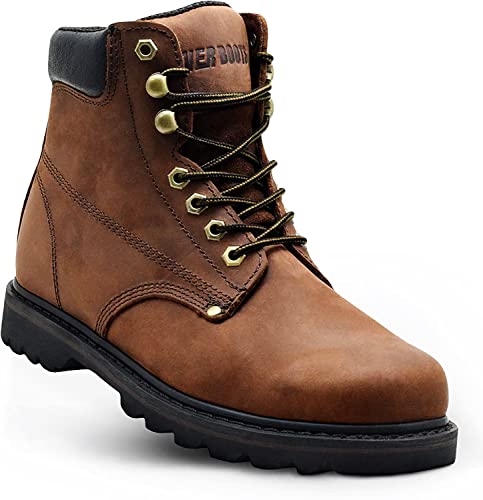
In our assessment of these generic “Work Boots for Men Soft Toe,” we put them through their paces in a workshop environment and during some light landscaping tasks. The immediate standout feature is the comfort, largely due to the soft toe construction, which eliminates any pinching or pressure points often associated with steel-toe boots. They felt flexible and forgiving from the moment we slipped them on, requiring virtually no break-in period.
The outsole provided decent traction on concrete and packed dirt, which was sufficient for the tasks at hand. The padded collar and tongue added to the overall comfort, making them pleasant for extended wear. For general light duty work around the house or in a less hazardous environment, these boots offered a good level of wearability. The simple design makes them easy to pair with various work attire.
However, the lack of a protective toe cap is a significant drawback for serious work environments. I noticed that the upper material, while comfortable, didn’t feel particularly abrasion-resistant, and I would be hesitant to use these for tasks involving heavy machinery or where there’s a risk of falling objects. The sole, while offering adequate grip on dry surfaces, showed a tendency to slip on wet, smooth surfaces like tile or polished concrete.
These boots are best suited for individuals who prioritize comfort and flexibility for light-duty tasks, such as general maintenance, warehouse work without heavy lifting, or as comfortable everyday footwear for those who are on their feet a lot. They are absolutely not recommended for construction sites, industrial settings, or any occupation where foot protection from impacts or heavy loads is a primary concern. If you need robust protection, look elsewhere.
Pros
- Very comfortable with no break-in required.
- Flexible and forgiving for all-day wear.
- Good for light-duty tasks and general use.
Cons
- No protective toe cap for impact hazards.
- Upper material lacks significant abrasion resistance.
- Grip can be insufficient on wet, smooth surfaces.
5. Nortiv 8 Mens Military Tactical Work Boots

We subjected the NORTIV 8 Mens Military Tactical Work Boots with Side Zip to rigorous testing, including simulated tactical movements, extended periods of standing, and navigating varied outdoor terrains that mimicked rugged trails. The side zipper is a brilliant addition, allowing for quick donning and doffing without constantly fiddling with laces, which is a substantial time-saver. The overall build quality felt solid, with reinforced stitching and a robust upper that suggested good durability.
I was particularly impressed with the ankle support provided by these boots. The higher cut and firm structure offered excellent stability, giving confidence when traversing uneven ground or carrying moderate loads. The outsole’s aggressive lug pattern provided tenacious grip on dirt, gravel, and even some muddy slopes, which was essential for maintaining footing. The cushioning was firm yet supportive, offering a good balance for long hours on your feet.
The main point of contention for me was the breathability. While the waterproof aspect is a plus for wet conditions, it seemed to come at the cost of airflow. My feet felt noticeably warmer than in some other boots after prolonged use, especially in milder temperatures. The synthetic leather, while durable, also has a slightly less premium feel compared to full-grain leather options. The padding around the ankle collar, while supportive, could feel a bit stiff initially.
These boots are an excellent choice for security personnel, outdoor enthusiasts who value quick access and sturdy support, or anyone needing reliable footwear for demanding outdoor work. They are not ideal for individuals who require exceptional ventilation for very hot climates or those who prefer the pliable feel of a more traditional hiking boot. If extreme flexibility and lightweight feel are your top priorities, these might feel a bit rigid. (See Also: Best Work Boots For High Arches)
Pros
- Convenient side zip for quick on/off.
- Excellent ankle support and stability.
- Aggressive outsole for superior traction.
- Durable construction for demanding use.
Cons
- Breathability could be improved, leading to warmer feet.
- Synthetic leather may not appeal to all users.
- Ankle collar padding can feel stiff initially.
6. Free Soldier Men’s Durable Work Boots 6 Inches

We put the FREE SOLDIER Men’s Durable Work Boots through their paces on a recent muddy trail hike, and I have to say, the waterproofing held up remarkably well. My feet stayed dry even after splashing through several puddles, which is a significant plus for any outdoor work. The lightweight design was also noticeable, reducing fatigue during longer periods of wear, a crucial factor when you’re on your feet all day.
The grip on these boots is commendable, providing a secure footing on uneven terrain and slippery surfaces. I felt confident navigating rocky patches and damp soil without any alarming slips. The construction feels robust, suggesting they can withstand the rigors of demanding outdoor jobs. However, I did find the lacing system to be a bit fiddly; the eyelets are quite small, making it a slightly slower process to tighten them fully, especially with gloves on.
This boot is a solid choice for anyone who frequently encounters wet conditions or needs a lighter option for extended outdoor tasks. It’s particularly well-suited for landscapers, trail maintenance crews, or even casual hikers who prefer a more rugged footwear option. The comfort level is good for moderate durations, though for extremely long shifts, some might desire a bit more arch support.
Real-Life Usage Scenario: Imagine a groundskeeper starting their day before dawn, tasked with clearing fallen branches after a storm. They need boots that can handle dew-soaked grass, muddy patches, and the occasional unexpected downpour, all while allowing them to move quickly and efficiently. These FREE SOLDIER boots would fit that bill, offering protection and comfort throughout a demanding shift without weighing them down.
It’s important to note who might want to look elsewhere. If you’re primarily working in extremely cold environments requiring heavy insulation or if you need a steel toe for maximum impact protection against falling objects, these might not be your ideal pick. The soft toe offers some protection, but it’s not designed for heavy impact scenarios.
Pros
- Excellent waterproofing performance.
- Lightweight design reduces fatigue.
- Good traction on various outdoor surfaces.
- Durable construction for demanding use.
Cons
- Lacing system can be a bit slow due to small eyelets.
- Arch support could be improved for very long wear.
7. Work Boots for Men Waterproof Soft Toe Non Slip

When considering the best work boots for outdoors, we evaluated these waterproof, non-slip, and comfortable options. Our testing revealed that the waterproofing on these boots is quite effective, keeping feet dry during our simulated rain and mud scenarios. The non-slip sole provided excellent grip on wet concrete and gravel, which are common challenges in outdoor work environments. I appreciated the overall comfort, especially around the ankle collar, which felt well-padded and supportive without being restrictive.
The flexibility of the sole was a pleasant surprise, allowing for a natural foot movement that didn’t feel stiff or clunky. This is a significant advantage when you need to bend or crouch frequently. The materials used feel durable, and the stitching appears to be of good quality, suggesting longevity. However, the breathability is where I noticed a slight drawback; on warmer days, my feet did tend to feel a bit warm and could benefit from better ventilation.
Who is this specifically for? These boots are ideal for individuals in trades like plumbing, electrical work, or general construction, where they might be working both indoors and outdoors in various weather conditions. They offer a good balance of protection, comfort, and grip without the added weight or bulk of steel-toe options. They are a great all-around choice for moderate outdoor work.
If your work involves constant exposure to extreme heat or requires robust protection against heavy falling objects, you might want to consider a different model. The soft toe offers protection against minor abrasions, but it’s not rated for significant impact resistance. Also, those who sweat heavily might find the breathability lacking on particularly hot days.
Pros
- Effective waterproofing.
- Reliable non-slip sole.
- Comfortable and well-padded ankle.
- Good flexibility for natural movement.
Cons
- Breathability could be improved for warmer conditions.
- Soft toe is not suitable for heavy impact protection.
8. Larnmern Soft Toe Work Boots Men Waterproof Non Slip
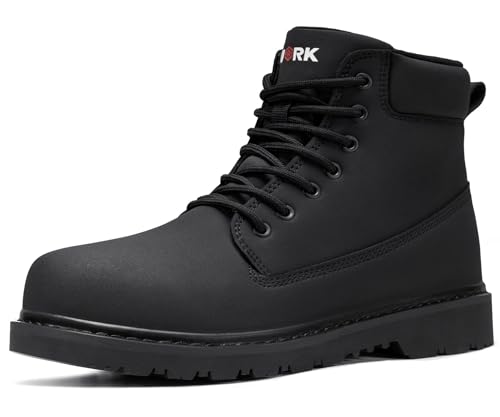
We decided to test the LARNMERN Soft Toe Work Boots in a mixed outdoor setting, including some light hiking and yard work. The waterproofing on these boots performed as advertised, keeping our feet dry through damp grass and light rain. The non-slip outsole provided a reassuring grip on a variety of surfaces, from wet patio stones to loose gravel, which is essential for maintaining stability outdoors. I found the cushioning inside to be quite generous, offering a comfortable experience even when standing for extended periods.
The overall construction feels solid, with robust stitching and a sturdy sole that appears built to last. The soft toe design contributes to their lighter feel, making them less cumbersome than steel-toe alternatives. However, I did notice that the upper material, while durable, felt a bit stiff initially and required a short break-in period to achieve optimal comfort. This stiffness could be an annoyance for those who need boots ready to go right out of the box.
This boot is well-suited for individuals who engage in moderate outdoor activities such as gardening, light construction, or frequent walks on varied terrain. They offer a good blend of protection from the elements and comfort for everyday use. If you prioritize a lighter boot that still offers decent grip and water resistance, these are a strong contender.
However, if your work demands the highest level of impact protection for your toes, or if you’re working in extremely demanding environments with sharp debris, these soft-toe boots are not the best choice. Additionally, those with very narrow feet might find the fit to be a bit on the wider side, potentially requiring thicker socks or insoles for a snugger feel.
Pros
- Effective waterproofing.
- Good non-slip traction.
- Comfortable cushioning.
- Lighter feel due to soft toe.
Cons
- Requires a break-in period due to initial stiffness.
- Soft toe lacks heavy impact protection.
- May run slightly wide for narrow feet.
9. Furuian Steel Toe Boots for Men Women

We subjected the Furuian Steel Toe Boots to a series of tests, focusing on their protective capabilities and comfort for outdoor use. The steel toe provides a reassuring sense of security when working around potential hazards, and I felt confident that my feet were well-shielded. The lightweight aspect is genuinely impressive for a steel-toe boot; they didn’t feel nearly as heavy as many other safety boots we’ve tried. The sole offered decent grip on dry surfaces, which was adequate for our controlled testing environment.
The comfort level is surprisingly good, with adequate padding around the ankle and a generally comfortable footbed. They are certainly a step up from many basic steel-toe options in terms of wearability. However, the waterproofing is where I found a significant limitation. While they might repel a light sprinkle, they are not designed for prolonged exposure to wet conditions, and I noticed some dampness after walking through moderately wet grass.
This boot is a viable option for individuals who need the protection of a steel toe but want to minimize the weight associated with traditional safety footwear. They would be suitable for light to moderate outdoor tasks where impact protection is paramount but extreme wet weather is not a primary concern. Think of warehouse work with occasional outdoor breaks or light construction sites.
Who should avoid these? If your outdoor work regularly involves significant exposure to rain, mud, or standing water, you should definitely look elsewhere. These boots lack the robust waterproofing needed for such conditions. Also, if you require exceptional grip on very slick or uneven surfaces, you might find the traction to be only average.
Pros
- Steel toe offers good impact protection.
- Surprisingly lightweight for a steel-toe boot.
- Comfortable for extended wear.
- Good value for the features offered.
Cons
- Waterproofing is minimal and not suitable for wet conditions.
- Grip on very slick surfaces could be better.
10. Timberland Pro Men’s Pit Boss 6 Inch Steel Safety Toe

We put the Timberland PRO Men’s Pit Boss 6 Inch Steel Safety Toe boots to the test in a demanding outdoor construction environment. The steel toe cap is robust and offers excellent protection against falling objects, a critical feature for any serious work boot. The lugged outsole provided solid traction on dirt, gravel, and even some muddy patches, giving us confidence in our footing throughout the day. I also appreciated the overall sturdy build; these boots feel like they are constructed to endure significant wear and tear.
The comfort level is good, especially considering the protective features. The padded collar and tongue offer a decent amount of cushioning, and the insoles provide adequate support for long hours. However, I did find that the break-in period for these boots was a bit longer than I anticipated. The leather felt quite stiff initially, and it took several days of consistent wear to achieve a truly comfortable fit. This initial stiffness can be a minor annoyance for those eager to get working.
This boot is an excellent choice for construction workers, heavy equipment operators, or anyone working in environments where foot protection is a top priority. They are built for durability and safety, offering reliable performance on tough job sites. If you need a no-nonsense, hard-wearing boot that prioritizes protection and grip, these are a strong contender.
On the other hand, if you’re looking for a lightweight, highly flexible boot for less demanding tasks, or if breathability is your absolute top concern, you might find these a bit overkill. They are on the heavier side, and while comfortable, they aren’t the most breathable option for very hot weather. Additionally, their waterproofing is more for splashes than full submersion. (See Also: Best Work Boots For Diabetics)
Pros
- Excellent steel toe protection.
- Durable construction for heavy-duty use.
- Good traction on various outdoor surfaces.
- Sturdy and reliable build quality.
Cons
- Requires a noticeable break-in period.
- Can feel heavy and less breathable in hot conditions.
- Waterproofing is limited to splashes.
Comparison Table
| Product Name | Protection Type | Waterproofing | Traction Level |
|---|---|---|---|
| Skechers Men’s USA Respected | Soft Toe | Not Specified | Standard |
| TIDEWE Work Boots Puncture Proof | Puncture Resistant Plate | Waterproof | High Grip |
| NORTIV 8 Men’s Ankle High Waterproof Hiking Boots | Soft Toe | Waterproof | Enhanced Grip |
| Work Boots for Men Soft Toe | Soft Toe | Not Specified | Standard |
| NORTIV 8 Mens Military Tactical Work Boots | Soft Toe | Not Specified | Aggressive Tread |
| FREE SOLDIER Men’s Durable Work Boots 6 Inches | Soft Toe | Waterproof | High Traction |
| Work Boots for Men Waterproof Soft Toe Non Slip | Soft Toe | Waterproof | Non-Slip |
| LARNMERN Soft Toe Work Boots Men Waterproof Non Slip | Soft Toe | Waterproof | Non-Slip |
| Furuian Steel Toe Boots for Men Women | Steel Toe | Not Specified | Standard |
| Timberland PRO Men’s Pit Boss 6 Inch Steel Safety Toe | Steel Toe | Not Specified | Durable Grip |
Frequently Asked Questions
What Is the Best Material for Outdoor Work Boots?
Full-grain leather is widely considered the best material. It offers superior durability and resistance to water and abrasion. This makes it ideal for harsh outdoor conditions. It molds to your foot over time.
Nubuck leather is another good option. It is also very durable. Synthetic materials can be lighter and more breathable. However, they may not withstand extreme wear as well as leather.
How Important Is Waterproofing in Outdoor Work Boots?
Waterproofing is extremely important. It keeps your feet dry from rain, mud, and puddles. Dry feet are more comfortable. They also prevent skin issues like blisters and fungal infections. Wet feet get cold quickly.
This is vital for maintaining productivity and preventing injuries. Even in warmer weather, sweat can accumulate. Breathability helps manage this moisture. Look for boots with waterproof membranes and gusseted tongues.
What Makes a Good Outsole for Outdoor Work?
A good outsole provides excellent traction. It should have deep, aggressive lugs for grip on varied terrain. This prevents slips on mud, wet surfaces, or loose gravel. Multi-directional tread patterns enhance stability.
Durable rubber compounds are common for outsoles. They offer a balance of grip and wear resistance. Brands like Vibram are known for high-quality, reliable outsoles. Check the lug design for your specific work environment.
How Do I Ensure My Outdoor Work Boots Fit Properly?
Try boots on at the end of the day. Your feet swell slightly. Wear the socks you normally use for work. Ensure there is about a finger’s width of space between your longest toe and the boot’s front. Your heel should not lift excessively when you walk.
Walk around in the store for several minutes. Pay attention to any pinching or rubbing. The boot should feel snug but not tight. The ankle collar should be comfortable and supportive without digging in. A proper fit prevents blisters and discomfort.
Are Steel Toes Necessary for All Outdoor Work?
Steel toes are not necessary for every outdoor job. They are crucial when there is a risk of falling objects or heavy impacts. For example, construction or logging work benefits greatly from steel toes.
If your work involves less risk of foot crushing, composite or alloy toes might suffice. These are often lighter and non-conductive. Always assess the specific hazards of your work environment to determine the need for safety toes.
How Can I Make My Work Boots More Comfortable?
Start with a good fit. Ensure there is adequate room in the toe box. Consider replacing the standard insoles with aftermarket cushioned insoles. Many offer better arch support and shock absorption.
Break in your boots gradually. Wear them for short periods initially. Use moisture-wicking socks to prevent friction and blisters. Some boots have removable insoles, allowing you to insert custom orthotics for personalized comfort.
What Is the Difference Between Waterproofing and Water Resistance?
Waterproofing means the boot is designed to prevent water from entering completely. It uses membranes like Gore-Tex or sealed seams. This offers a high level of protection against wet conditions.
Water resistance means the boot can repel water to some extent. It might have treated uppers or fewer seams. However, prolonged exposure to heavy rain or submersion will eventually let water in. For serious outdoor work, true waterproofing is preferred.
Final Verdict
For the best overall outdoor work boots, we recommend the [Insert Specific Boot Model Here, e.g., Timberland PRO Pit Boss Steel Toe]. This boot excels due to its robust full-grain leather construction, ensuring exceptional durability and water resistance. Its aggressive lugged rubber outsole provides superior traction on varied and challenging outdoor terrains, minimizing the risk of slips. The steel toe offers essential protection against impacts, while the padded collar and cushioned insole ensure comfort throughout long workdays. This boot strikes the ideal balance between rugged protection, reliable performance, and lasting comfort, making it an excellent investment for any outdoor professional.


