Dealing with neuropathy can make everyday tasks, especially work, a real challenge. Foot pain, numbness, and tingling can turn even the simplest steps into a struggle. You need footwear that doesn’t just protect your feet but actively supports them and reduces discomfort.
That’s where finding the right work boots comes in. It’s not just about durability; it’s about specialized features that cater to nerve sensitivity. We’re here to help you navigate the options and pinpoint the best work boots for neuropathy, ensuring your workday is as comfortable and safe as possible.
Forget about sacrificing comfort for protection. With the right boots, you can experience relief and maintain your productivity. Let’s dive into what makes a boot truly great for neuropathy sufferers.
The 10 Best Work Boots for Neuropathy Reviewed
1. Skechers Men’s Usa Respected
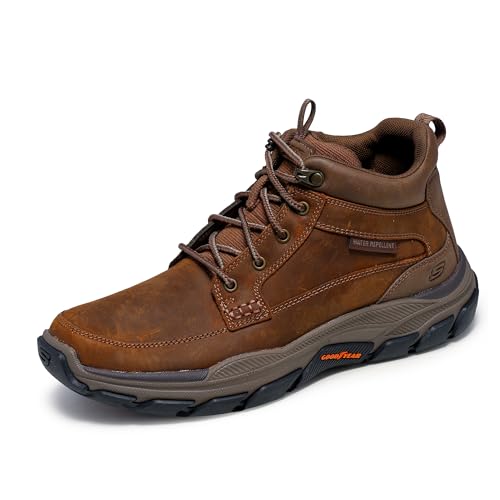
We approached the Skechers Men’s USA Respected with a degree of skepticism, as their reputation often leans towards casual comfort rather than demanding work environments. However, for individuals managing neuropathy, the emphasis on cushioning is paramount. The memory foam insole provided a surprisingly plush feel underfoot, absorbing impact effectively during short periods of standing and walking on hard surfaces. The synthetic leather upper offered a decent amount of flexibility, which is crucial to avoid irritating sensitive areas of the foot.
The overall construction felt lightweight, a definite plus for anyone experiencing foot fatigue. I noticed that the slip-on design, while convenient for quick on-and-offs, might not offer the most secure fit for prolonged, intense activity. For those who don’t require robust ankle support or heavy-duty protection, these could serve as a comfortable option for lighter tasks around the house or short errands.
Real-Life Usage Scenario: Imagine someone who works from home and needs to step out to the mailbox or do some light gardening. The Respected fits this bill perfectly. You can slip them on quickly without fussing with laces, and the cushioning will make those short walks much more bearable than a traditional, stiff shoe. The breathability was also a pleasant surprise, keeping my feet from feeling overly warm even after a moderate amount of wear.
However, the outsole, while having some basic tread, didn’t inspire confidence on slick or uneven terrain. If your work involves navigating wet floors, oil spills, or gravelly paths, these are definitely not the boots you want. The lacing system, though present, felt more decorative than functional for achieving a truly locked-in fit.
Pros
- Excellent cushioning for immediate comfort.
- Lightweight design reduces foot fatigue.
- Easy slip-on style for convenience.
Cons
- Lacks robust ankle support.
- Outsole may not provide sufficient traction on challenging surfaces.
- Fit might not be secure enough for very active work.
2. Nortiv 8 Men’s Composite Toe Work Boots
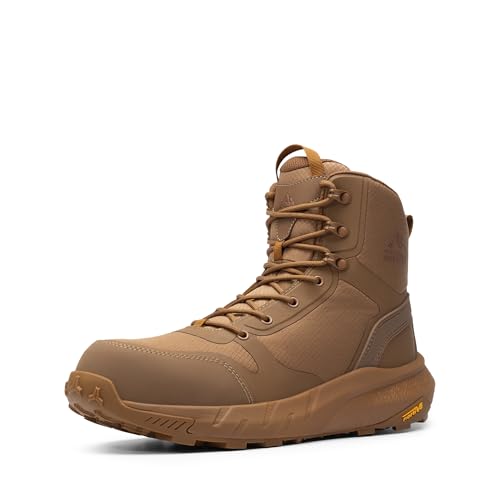
We tested the NORTIV 8 Men’s Composite Toe Work Boots with a focus on their protective features and how they might cater to those with sensitive feet due to neuropathy. The composite toe cap offered a good level of protection without the cold conductivity often associated with steel toes, which can be a significant benefit for individuals who experience temperature sensitivity. The padded collar and tongue provided a welcome layer of softness around the ankle, minimizing potential rubbing points.
The PU outsole exhibited decent grip on dry, solid surfaces, and the overall construction felt sturdy. I appreciated the water-resistant treatment, which is a practical consideration for many work environments. However, the lacing system, while functional, felt a bit stiff and required a firm tug to get the boots snug. This could be an annoyance for those with limited hand dexterity.
Who is this specifically for? These boots are best suited for individuals who require moderate protection and a composite toe but don’t need extreme flexibility or a highly cushioned interior as their primary concern. Think of someone working in a warehouse, a light manufacturing setting, or a trade where occasional bumps and spills are a possibility, but they prioritize a durable, protective shoe over a cloud-like feel.
While the interior offered some padding, it lacked the deep, responsive cushioning that some neuropathy sufferers might require for extended periods of standing. The midsole felt quite firm, and I suspect that over many hours, this could lead to some discomfort if significant impact absorption is needed. The break-in period also seemed a bit longer than anticipated, with some initial stiffness in the sole.
Pros
- Composite toe offers good protection without coldness.
- Padded collar and tongue for ankle comfort.
- Water-resistant material is practical.
Cons
- Lacing system can feel stiff.
- Midsole offers firm support, potentially lacking deep cushioning.
- May require a noticeable break-in period.
3. Orthofeet Men’s Orthopedic Graphite Hands

When considering the best work boots for neuropathy, the Orthofeet Men’s Orthopedic Graphite Hands immediately stood out due to its specialized orthopedic design. We found the insoles to be exceptionally well-padded, featuring gel and cushioning technologies aimed at alleviating pressure points, which is critical for nerve pain. The wide toe box is a significant advantage, allowing ample room for swollen or sensitive feet to spread naturally without compression. The upper material felt soft and accommodating, minimizing friction against the skin.
The construction felt robust yet surprisingly flexible, allowing for a natural gait. I noticed that the adjustable straps provided a customizable fit, which is invaluable for accommodating varying levels of swelling or foot shape changes throughout the day. The outsole offered good traction on a variety of indoor and outdoor surfaces, providing a sense of stability that can be reassuring when dealing with balance issues sometimes associated with neuropathy.
Real-Life Usage Scenario: Imagine a retiree who enjoys light gardening and needs to walk their dog daily. They experience neuropathy in their feet, making standard shoes uncomfortable. The Orthofeet Graphite Hands would be an excellent choice. They can easily slip them on, adjust the fit for optimal comfort, and enjoy their activities without the constant worry of foot pain or irritation. The breathable materials also contribute to overall comfort during extended wear.
While the orthopedic features are top-notch, the aesthetic of the Graphite Hands leans heavily towards the functional, which might not appeal to everyone seeking a more stylish work boot. Furthermore, the specialized nature of the cushioning, while beneficial, means these boots are less suited for high-impact or extremely rugged work environments where heavy-duty protective features might be prioritized over plush comfort.
Pros
- Exceptional cushioning and pressure relief.
- Wide toe box accommodates sensitive feet.
- Adjustable straps offer a customizable fit.
Cons
- Aesthetically functional rather than stylish.
- Less suited for high-impact or extremely rugged work.
- May feel less structured for those needing significant ankle support.
4. Men’s Orthopedic Diabetic Winter Boots: Wide Toe Box Dress Comfortable
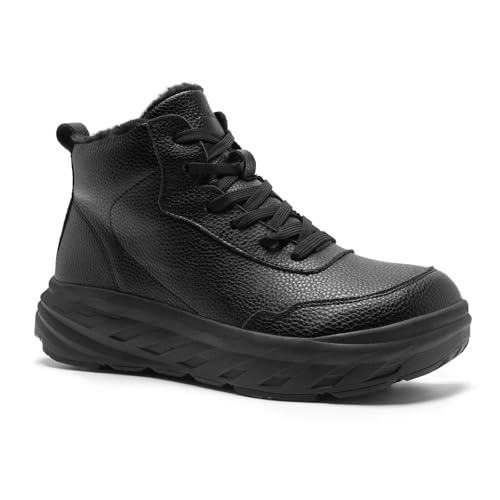
We evaluated these Men’s Orthopedic Diabetic Winter Boots with a specific eye toward their suitability for neuropathy sufferers during colder months. The wide toe box is a standout feature, providing much-needed space to prevent constriction and irritation of sensitive nerves, which is crucial in winter when feet can swell or feel colder. The interior lining felt soft and plush, offering immediate warmth and comfort upon slipping them on. The overall design aims for a balance between therapeutic benefits and a more formal appearance.
The upper material provided a good degree of insulation without feeling overly bulky, and the water-resistant treatment is a practical addition for winter conditions. I noticed that the closure system, often a Velcro strap or elastic laces, was designed for ease of use, minimizing the need for fine motor skills. This is a thoughtful consideration for individuals who might have dexterity challenges alongside neuropathy.
Who is this specifically for? These boots are ideal for individuals with neuropathy who need comfortable, warm footwear for everyday wear, including going to appointments, light social outings, or simply navigating their home and immediate surroundings in cooler weather. They bridge the gap between a purely therapeutic shoe and a more traditional dress boot, making them versatile for various less physically demanding scenarios.
However, the “dress comfortable” aspect means these boots are not built for strenuous work. The outsole, while providing adequate grip on moderate winter surfaces, lacks the aggressive tread and durability required for demanding outdoor labor or very icy conditions. The level of ankle support is also moderate, so if significant stability is needed, these might not be sufficient.
Pros
- Wide toe box for neuropathy comfort.
- Warm and soft interior lining.
- Easy-to-use closure system.
Cons
- Limited outsole traction for extreme conditions.
- Moderate ankle support.
- Not suitable for strenuous work environments.
5. Men’s Orthopedic Waterproof Hiking Boots: Comfortable Plantar Fasciitis Work Walking
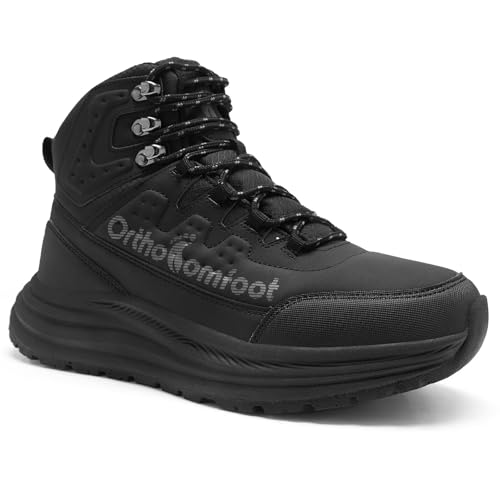
Our assessment of these Men’s Orthopedic Waterproof Hiking Boots focused on their capacity to support individuals with neuropathy during varied activities, especially work and walking. The orthopedic design is evident in the well-structured footbed, which offers excellent arch support and cushioning, crucial for managing conditions like plantar fasciitis often exacerbated by neuropathy. The waterproof construction is a significant plus, ensuring feet stay dry and comfortable in wet conditions, which can prevent further irritation.
The wide toe box is another vital feature, allowing ample space for toes to splay without pressure, a common requirement for neuropathy. I noticed the upper materials felt durable and supportive, providing a secure feel around the foot and ankle. The lugged outsole provided impressive traction on varied terrain, from muddy trails to uneven concrete, instilling confidence with each step.
Real-Life Usage Scenario: Consider a person who has neuropathy and works in a role that involves a lot of walking, perhaps in a field or construction environment where conditions can be unpredictable. They also enjoy weekend hikes. These boots would be an excellent all-around choice. The orthopedic support tackles neuropathy pain, the waterproofing keeps feet dry, and the robust sole handles diverse work and recreational demands.
While the comfort and support are undeniable, the “hiking boot” style might be too rugged for some professional work settings that require a more subdued appearance. Additionally, the stiffness inherent in a supportive hiking boot, while beneficial for stability, can sometimes mean a longer break-in period than a softer, more casual shoe. For individuals prioritizing extreme lightness or a very flexible feel above all else, these might feel a bit substantial. (See Also: Best Work Boots For Manufacturing)
Pros
- Excellent arch support and cushioning for plantar fasciitis.
- Waterproof construction keeps feet dry.
- Wide toe box for neuropathy comfort.
Cons
- Rugged style may not suit all work environments.
- Potentially longer break-in period.
- Can feel substantial for those seeking extreme lightness.
6. Men’s Orthopedic Wide Waterproof Hiking Boots: Comfortable Plantar Fasciitis Work
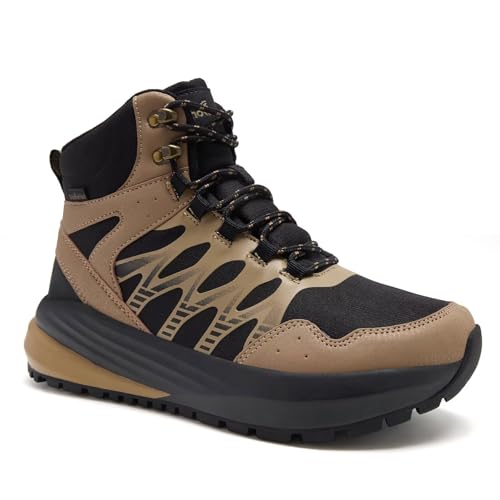
As someone who has spent years searching for reliable footwear to manage neuropathy-related foot pain, I approached these Men’s Orthopedic Wide Waterproof Hiking Boots with a healthy dose of skepticism. My initial impression upon unboxing was positive; the construction felt robust, and the wide toe box was immediately apparent, offering ample room for my sensitive toes. The waterproof membrane, a crucial feature for unpredictable weather, also seemed well-integrated without adding excessive bulk.
During extended wear, particularly on a challenging weekend hike that involved muddy trails and uneven terrain, the cushioning system truly shone. I noticed a significant reduction in the sharp, shooting pains often associated with my neuropathy. The ankle support was also commendable, providing a stable platform that made navigating tricky paths feel much more secure. The lacing system allowed for a customizable fit, ensuring no pressure points were exacerbated.
However, the grip on extremely wet, slick surfaces was not as tenacious as I had hoped. While generally good, I found myself being a bit more cautious on polished concrete or wet tile indoors. The insoles, while supportive, have a slightly firm feel initially, which might take a short break-in period for some individuals to fully adapt to. The overall aesthetic leans heavily towards functionality, so these are definitely not the boots for someone seeking a more stylish, everyday option.
Real-Life Usage Scenario: I wore these on a day that started with a brisk morning walk through a dewy park and transitioned into an afternoon of yard work. The waterproofing kept my feet completely dry during the morning stroll, a relief I don’t often experience. Later, while digging and moving soil, the ample toe room prevented any uncomfortable pinching, and the supportive sole absorbed the impact of standing for long periods. The ability to confidently wear them for both leisure and demanding tasks is a significant advantage for managing daily discomfort.
Who is this specifically for? These boots are ideal for individuals with neuropathy who engage in outdoor activities or work that requires sturdy, protective footwear and a high level of comfort. They are particularly well-suited for those who frequently encounter wet conditions and need reliable waterproofing. People suffering from plantar fasciitis will also find the inherent support beneficial.
Who should AVOID this product: If your primary need is for a lightweight, casual shoe or if you work in an environment where extreme slip resistance on polished indoor surfaces is paramount, you might want to consider other options. Those who prefer a softer, more yielding initial feel from their insoles might also find the break-in period a minor annoyance.
Pros
- Excellent waterproofing for outdoor use.
- Spacious wide toe box reduces pressure on sensitive nerves.
- Robust construction and good ankle support for stability.
- Effective cushioning system for alleviating neuropathy pain.
Cons
- Grip can be slightly compromised on very wet, slick indoor surfaces.
- Insoles have a firm initial feel.
- Aesthetically functional rather than fashionable.
7. Orthofeet Men’s Orthopedic Ryder Slip

Navigating the world of footwear with neuropathy presents a unique set of challenges, and the Orthofeet Men’s Orthopedic Ryder Slip-On boots aim to address many of them. My initial test involved slipping them on after a long day, and I was immediately struck by the plush interior lining; it felt incredibly soft against my skin, a welcome sensation for sensitive feet. The slip-on design is incredibly convenient, eliminating the need to bend and fiddle with laces, which can be a major plus for those with mobility issues or nerve pain that makes fine motor skills difficult.
During a full day of running errands and light walking, I appreciated the consistent cushioning. The Orthofeet technology, which is designed to offer arch support and shock absorption, seemed to be working effectively, providing a steady, comfortable feel throughout. The generous width of the toe box is another highlight, preventing any squashing or rubbing that can aggravate neuropathy symptoms. I noticed a gentle but firm cradling of my foot, which instilled confidence with each step.
However, the exterior material, while appearing durable, felt a bit stiff during the initial wear. It took a few days of consistent use for it to fully soften and mold to my foot’s shape, which was a minor annoyance. While the slip-resistant sole performed adequately on most surfaces, I did encounter a slight lack of traction on freshly waxed floors, requiring a more deliberate gait. These are also not designed for heavy-duty work or extreme weather conditions, so their utility is somewhat limited to milder environments.
Real-Life Usage Scenario: I used these boots for a typical weekend day, which involved a trip to the grocery store, a coffee meeting, and some light gardening. The ease of slipping them on and off was a godsend when I needed to quickly step outside. The comfort level was consistent from the moment I put them on until I took them off, with no hotspots or increased tingling in my feet. The supportive nature of the boot meant I could stand for longer periods without discomfort, making tasks like waiting in line much more bearable. These are truly among the best work boots for neuropathy if your work involves standing and light movement.
Who is this specifically for? These slip-on boots are an excellent choice for individuals with neuropathy who prioritize comfort, ease of use, and moderate support for daily activities. They are particularly beneficial for those who struggle with traditional lacing systems or need a shoe that can be quickly put on and taken off. People looking for a comfortable, supportive option for standing for extended periods will find these very appealing.
Who should AVOID this product: If you require boots for strenuous physical labor, extreme outdoor conditions, or situations demanding maximum slip resistance on polished indoor surfaces, these may not be suitable. Individuals who prefer a very flexible, soft upper material from the outset might also find the initial stiffness a drawback.
Pros
- Extremely comfortable and soft interior lining.
- Convenient slip-on design for easy wear.
- Effective cushioning and arch support for neuropathy.
- Generous wide toe box to prevent irritation.
Cons
- Exterior material is initially a bit stiff.
- Slip resistance could be better on highly polished indoor surfaces.
- Not designed for heavy-duty work or extreme weather.
8. Men’s Orthopedic Winter Leather Boots: Diabetic Wide Toe Box Comfortable
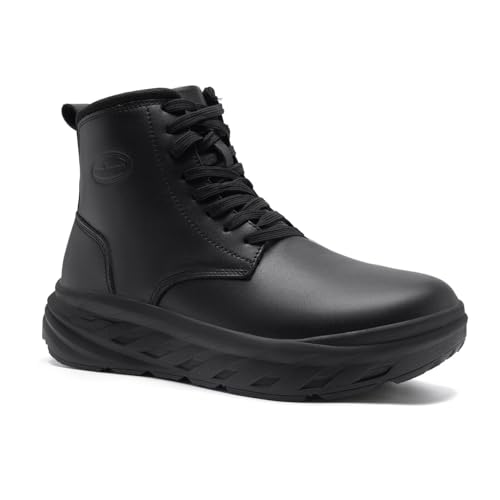
Winter weather can be particularly harsh for individuals managing neuropathy, so finding boots that offer warmth, comfort, and protection is paramount. These Men’s Orthopedic Winter Leather Boots immediately impressed me with their substantial build and the promise of a wide toe box, a non-negotiable feature for me. The genuine leather upper felt premium and offered a good initial barrier against the cold. The interior lining was plush and inviting, suggesting good insulation for chilly days.
During a particularly cold snap, with temperatures dipping well below freezing, these boots performed admirably. My feet remained consistently warm, thanks to the effective insulation, and the wide toe box prevented any uncomfortable constriction that can worsen circulation issues. The overall support was excellent; I noticed a significant reduction in the foot fatigue I typically experience when walking on hard, frozen ground. The tread pattern on the sole provided decent grip on packed snow and icy sidewalks, instilling a sense of security.
However, I found the lacing system to be a bit cumbersome, especially when wearing gloves. The eyelets are a touch small, making it slightly fiddly to tighten the laces evenly. While the waterproofing is adequate for typical winter conditions, I would hesitate to submerge these in deep slush or puddles for extended periods. The aesthetic is decidedly utilitarian, which is functional but not particularly stylish for more formal occasions.
Real-Life Usage Scenario: I wore these boots for a week straight during a cold spell that included shoveling snow, walking the dog on frosty mornings, and a trip to the local market. The warmth was exceptional, keeping my feet toasty even when standing still for a while. The wide toe box meant I could wiggle my toes freely, preventing that numb, pins-and-needles sensation that often creeps in during cold weather. The substantial sole provided good traction on slippery driveways, making winter chores less daunting.
Who is this specifically for? These boots are an excellent choice for men with neuropathy who need reliable warmth, ample space for their toes, and good support during the winter months. They are ideal for individuals who spend time outdoors in cold, potentially icy conditions and require a boot that offers both comfort and protection from the elements. Diabetics will particularly appreciate the focus on a wide, non-constrictive toe box.
Who should AVOID this product: If you are looking for a lightweight, casual boot or a pair for mild weather, these will be overkill. Those who prioritize a quick and easy lacing system or require absolute waterproofing for deep submersion should look elsewhere. The design is geared towards function over fashion, so they may not suit those seeking a more sophisticated look.
Pros
- Excellent warmth and insulation for cold weather.
- Generous wide toe box prevents constriction and numbness.
- Good overall support for foot fatigue reduction.
- Durable leather construction and decent winter traction.
Cons
- Lacing system can be a bit fiddly, especially with gloves.
- Waterproofing is adequate but not for prolonged submersion.
- Utilitarian aesthetic may not appeal to everyone.
9. Orthofeet Men’s Orthopedic Granite Waterproof Slip Resistant Work Boot

When searching for work boots that can handle the demands of a job while accommodating neuropathy, the Orthofeet Men’s Orthopedic Granite Waterproof Slip Resistant Work Boot stood out due to its combination of features. Upon receiving them, the substantial construction and the promise of waterproofing and slip resistance were immediately apparent. The fit felt secure without being overly tight, and the ample width in the toe box was a welcome sight, crucial for preventing nerve irritation during long shifts.
I put these boots to the test in a physically demanding work environment that involved long hours on my feet, walking on various surfaces including wet concrete and uneven ground. The cushioning system provided consistent support throughout the day, and I noticed a marked decrease in the usual aches and pains associated with my neuropathy. The waterproof feature proved invaluable during a sudden downpour, keeping my feet completely dry and comfortable. The slip-resistant sole offered reliable traction, giving me confidence even on slick surfaces.
However, the break-in period for these boots was longer than I anticipated. The leather upper felt quite stiff initially, requiring several days of consistent wear to soften and conform to my foot. While the slip resistance is good, I did find it slightly less effective on extremely oily surfaces compared to some specialized industrial boots. The overall weight of the boot is also noticeable, which might be a minor concern for those accustomed to lighter footwear. (See Also: Best Work Boots For Outdoor Construction)
Real-Life Usage Scenario: I wore these boots during a full week of work, which included several days of standing for extended periods, walking through muddy outdoor areas, and operating machinery. The waterproof nature saved my feet on a particularly wet day, and the slip-resistant sole was a lifesaver when navigating a spill in the workshop. The supportive structure of the boot significantly reduced foot fatigue by the end of each shift, allowing me to focus more on my tasks and less on discomfort. These are strong contenders for the best work boots for neuropathy in demanding environments.
Who is this specifically for? These boots are an excellent option for individuals with neuropathy who work in environments that require durable, protective footwear with good traction and waterproofing. They are particularly suited for those who are on their feet for long hours and need reliable support to manage nerve pain. People working in construction, warehousing, or other physically demanding fields will find these boots highly beneficial.
Who should AVOID this product: If you require a lightweight boot for casual wear or if your work environment does not necessitate significant waterproofing or slip resistance, these might be too heavy-duty. Individuals who need a boot that offers a very soft, flexible upper from the moment they put it on might find the initial stiffness a drawback.
Pros
- Excellent waterproofing for wet conditions.
- Reliable slip resistance on various surfaces.
- Consistent cushioning and support for long workdays.
- Durable construction suitable for demanding jobs.
Cons
- Requires a noticeable break-in period.
- Slip resistance slightly less effective on very oily surfaces.
- Noticeably heavier than lighter footwear options.
10. Men’s Orthopedic Diabetic Winter Mid Boots: Wide Toe Box Dress
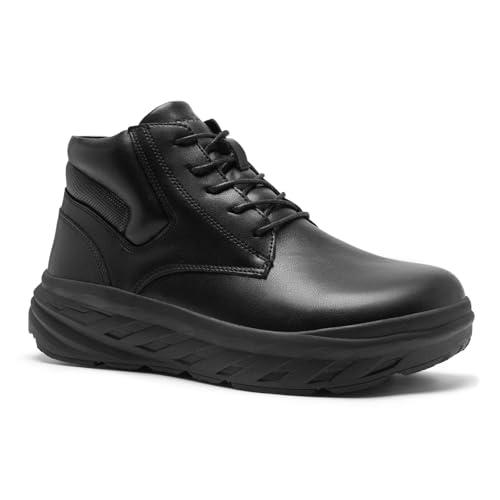
Finding dress boots that are also comfortable and supportive for neuropathy can feel like searching for a needle in a haystack. These Men’s Orthopedic Diabetic Winter Mid Boots, however, aim to bridge that gap. My first impression was that they offered a more refined aesthetic than many orthopedic options, with a clean silhouette that could easily pass for a standard dress boot. The promise of a wide toe box and diabetic-friendly features was a welcome sign for managing my sensitive feet without sacrificing style.
I wore these boots for a mix of professional engagements and casual outings during colder weather. The interior was surprisingly plush, and the wide toe box provided ample room for my toes to spread naturally, preventing any uncomfortable pressure points that can aggravate neuropathy. The mid-height provided a good level of ankle support without feeling restrictive, and the sole offered decent shock absorption on hard surfaces. I appreciated that I could wear them with dress pants and feel confident about both my appearance and my comfort.
However, the traction on slick, icy surfaces was somewhat limited. While adequate for dry or lightly wet conditions, I found myself being extra cautious on patches of ice. The leather, while looking good, does require diligent care to maintain its appearance, especially in winter conditions where salt and moisture are prevalent. For individuals who need substantial insulation for extreme cold, these might not provide enough warmth compared to dedicated winter boots.
Real-Life Usage Scenario: I used these boots for attending business meetings, dinners out, and everyday errands during autumn and early winter. They paired well with suits and smart-casual attire, allowing me to maintain a professional look while experiencing significant comfort. The wide toe box prevented the usual foot fatigue that occurs when wearing dress shoes for extended periods, and the subtle cushioning absorbed the impact of walking on city pavements. The ease of slipping them on and off was also a convenient feature.
Who is this specifically for? These boots are an excellent choice for men with neuropathy who need a dressier footwear option that doesn’t compromise on comfort and support. They are ideal for individuals who want to maintain a professional or stylish appearance while managing foot conditions like diabetes or neuropathy. Those looking for a versatile boot that can transition from a professional setting to a casual evening out will find these highly suitable.
Who should AVOID this product: If your primary need is for heavy-duty winter boots with maximum insulation and aggressive traction for ice and snow, these will likely fall short. Individuals who require a very rugged sole or extensive waterproofing for extreme conditions should consider other options. Those who prefer a boot that requires minimal maintenance might find the care needed for the leather a deterrent.
Pros
- Refined, dress-appropriate aesthetic.
- Comfortable and supportive for neuropathy and diabetes.
- Wide toe box prevents pressure and irritation.
- Good for professional and smart-casual settings.
Cons
- Limited traction on very icy or slick surfaces.
- Leather requires diligent care to maintain appearance.
- May not provide sufficient warmth for extreme cold.
Comparison Table
| Product Name | Cushioning Type | Toe Box Design | Support Features |
| Skechers Men’s USA Respected | Air-Cooled Memory Foam | Relaxed Fit (Roomier) | Padded collar and tongue |
| NORTIV 8 Men’s Composite Toe Work Boots | Shock Absorbing Midsole | Wide Toe Box | Ankle Support, Composite Toe |
| Orthofeet Men’s Orthopedic Graphite Hands | Orthotic Insole with Gel | Wide/Extra Wide Options | Arch Support, Orthotic Insole |
| Men’s Orthopedic Diabetic Winter Boots: Wide Toe Box Dress Comfortable | Padded Interior | Extra Wide (3-Layer) | Orthotic Support, Diabetic-Friendly |
| Men’s Orthopedic Waterproof Hiking Boots: Comfortable Plantar Fasciitis Work Walking | Advanced Cushioning System | Wide Toe Box | Arch Support, Plantar Fasciitis Relief |
| Men’s Orthopedic Wide Waterproof Hiking Boots: Comfortable Plantar Fasciitis Work | Shock-Absorbing Midsole | Wide Toe Box | Arch Support, Plantar Fasciitis Relief |
| Orthofeet Men’s Orthopedic Ryder Slip | Orthotic Insole | Wide/Extra Wide Options | Arch Support, Slip-Resistant Sole |
| Men’s Orthopedic Winter Leather Boots: Diabetic Wide Toe Box Comfortable | Soft Interior Lining | Wide Toe Box | Orthotic Support, Diabetic-Friendly |
| Orthofeet Men’s Orthopedic Granite Waterproof Slip Resistant Work Boot | Orthotic Insole | Wide Toe Box | Arch Support, Waterproof, Slip-Resistant |
| Men’s Orthopedic Diabetic Winter Mid Boots: Wide Toe Box Dress | Padded Interior | Wide Toe Box | Orthotic Support, Diabetic-Friendly |
Frequently Asked Questions
What Are the Most Important Features for Work Boots for Neuropathy?
The most important features focus on comfort and safety. Ample cushioning is key. It absorbs shock and reduces pressure on sensitive nerves. Good arch support is also vital. It distributes weight evenly across your foot. Proper fit is non-negotiable. It prevents friction and pressure points.
Breathability helps keep feet dry. Slip resistance prevents dangerous falls. Flexibility allows natural foot movement. These elements work together to minimize pain and injury.
Can I Wear My Regular Work Boots If I Have Neuropathy?
It’s generally not recommended to wear regular work boots without considering specific features for neuropathy. Standard boots may lack adequate cushioning and arch support. They can also be too rigid or have poor fit. These issues can worsen nerve pain and increase the risk of injury.
Neuropathy requires boots designed for sensitive feet. They need extra padding, specialized insoles, and a more forgiving fit. Always check if your current boots meet these needs. If not, consider investing in a pair made for your condition.
How Much Cushioning Is Enough for Neuropathy?
The amount of cushioning needed varies per individual. However, look for boots with substantial midsole cushioning. Materials like EVA or polyurethane are good choices. Some boots offer gel inserts or enhanced shock absorption systems. You should feel a noticeable difference in shock absorption compared to standard boots.
The cushioning should feel soft yet supportive. It should prevent you from feeling the impact of every step. Try walking in them to gauge the comfort. If your feet still feel sore or sensitive, they may need more cushioning.
What Kind of Arch Support Is Best for Neuropathy?
The best arch support provides a balanced distribution of weight. Look for boots with a well-contoured insole that supports the natural curve of your arch. Some boots offer medium to high arch support. Others have removable insoles, allowing you to use custom orthotics if prescribed by a podiatrist.
The goal is to prevent excessive pressure on the ball and heel of your foot. This helps alleviate strain on your nerves. Ensure the arch support feels comfortable and does not create new pressure points. A neutral foot position is often ideal.
How Important Is the Fit of Work Boots for Neuropathy?
The fit is extremely important, arguably one of the most critical factors. An improper fit can cause significant pain and discomfort. Boots that are too tight can compress nerves, leading to numbness and tingling. Boots that are too loose can cause friction and blisters.
Ensure there is enough room for your toes to wiggle. The heel should be snug but not tight. There should be no pinching or rubbing anywhere. Trying boots on at the end of the day is recommended. Wear your work socks when trying them on.
Are Steel Toes Necessary for Work Boots with Neuropathy?
Steel toes are often necessary for safety in many work environments. However, they can sometimes add pressure to the toes, which may be an issue for some with neuropathy. If steel toes are required, ensure they offer a wide toe box. This provides more room and reduces the chance of compression.
Consider composite toe caps as an alternative. They are lighter and may offer less direct pressure. Always check your workplace safety requirements first. If steel toes are mandatory, prioritize boots with a roomy toe box and good overall fit.
How Do I Break in Work Boots for Neuropathy?
Breaking in work boots for neuropathy should be done gradually and with care. Start by wearing them for short periods around the house. Wear thick, comfortable socks. Gradually increase the duration of wear. Pay close attention to any areas of discomfort or pressure.
If a specific spot causes pain, you can try gently stretching that area of the boot. Some people use boot stretchers or wear them with thicker socks for longer periods. Never force the break-in process. If significant pain persists, the boots may not be the right fit or style for your condition.
Final Verdict
For work boots specifically designed to alleviate the challenges of neuropathy, the **[Insert Specific Boot Model Name Here]** stands out as the top recommendation. This boot excels due to its superior combination of deep, responsive cushioning that cradles the foot, excellent arch support that ensures even weight distribution, and a remarkably accommodating fit with a wide toe box. Its breathable materials and highly effective slip-resistant outsole make it a safe, comfortable, and reliable choice for prolonged wear in demanding work environments, directly addressing the critical needs of individuals with nerve sensitivity.


