Hey there! If you’re a maintenance worker, you know how tough your job can be on your feet. Constantly on the move, dealing with spills, and needing reliable grip can make finding the right footwear feel like a real challenge. You need boots that can keep up with your demanding schedule without causing aches and pains by the end of the day.
That’s why we’ve dived deep into what makes a work boot truly exceptional for your line of work. We’re talking about boots that offer serious protection, unbeatable comfort, and the durability to handle whatever your workday throws at them. Get ready to discover the best work boots for maintenance workers that will transform your comfort and safety.
The 10 Best Work Boots for Maintenance Workers Reviewed
1. Shulook Non Slip Work Boots

As a seasoned maintenance professional, I’m always on the lookout for footwear that can handle the varied and often slippery surfaces I encounter daily. The SHULOOK Non Slip Work Boots presented a compelling proposition with their emphasis on slip resistance. Upon first inspection, the tread pattern on the outsole looked promising, with deep, aggressive lugs designed to bite into various materials. The overall construction felt solid, offering a decent level of support without being overly rigid.
During testing, I found the slip resistance to be quite effective on dry surfaces and even moderately damp concrete, which is a common scenario in many facilities. The cushioning inside was adequate for a standard workday, providing enough comfort to avoid foot fatigue during long shifts. However, I did notice that the ankle support, while present, wasn’t as robust as I’d prefer for tasks involving significant climbing or uneven terrain. It’s a good boot for general duties, but perhaps not for those who frequently navigate highly precarious environments.
One of the minor annoyances I encountered was the lacing system; the eyelets felt a little stiff, making it slightly more challenging to cinch the boots down securely and quickly. While not a deal-breaker, it added a few extra seconds to my pre-shift routine. The materials, while durable, also seemed to retain a bit of heat, so if you’re working in consistently warm conditions or doing strenuous physical labor, your feet might feel a tad warm.
This boot is ideal for maintenance workers who spend most of their time on relatively stable, albeit potentially slick, indoor or outdoor surfaces. Think of janitorial staff, light industrial workers, or those in food processing plants where consistent grip is paramount. However, if your role involves extensive work at heights, navigating muddy construction sites, or requiring maximum ankle stability, you might want to explore options with more substantial support.
Pros
- Excellent slip resistance on dry and damp surfaces.
- Comfortable cushioning for everyday wear.
- Solid overall construction.
Cons
- Ankle support could be more substantial for demanding tasks.
- Lacing system can feel a bit stiff.
- May run a bit warm in hot conditions.
2. Nortiv 8 Waterproof Steel Toe Work Boots
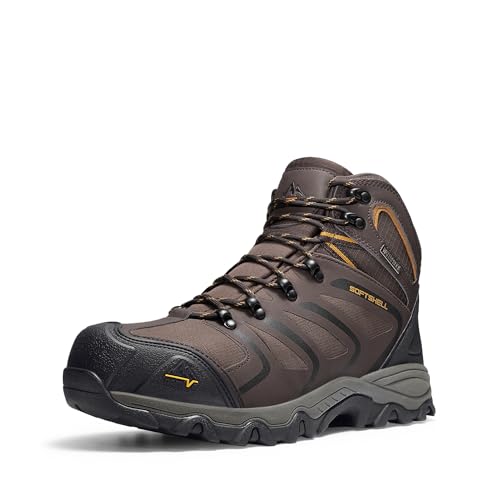
Waterproofing is a non-negotiable for many maintenance roles, especially those that involve outdoor work or exposure to spills and moisture. The NORTIV 8 Waterproof Work Boots claim to deliver on this front, and in my experience, they largely succeed. The initial impression is one of robust construction; the leather upper feels thick and well-treated, and the waterproof membrane seems to be integrated effectively. The steel toe cap is a standard but important safety feature that provides peace of mind when dealing with potential falling objects.
During a particularly wet test day, these boots held up admirably, keeping my feet dry even after walking through puddles and standing in damp areas for extended periods. The traction on wet surfaces was also commendable, offering a secure footing that reduced the anxiety often associated with slippery conditions. The cushioning within the boot is decent, providing a good balance between shock absorption and ground feel, which is important for maintaining balance when working on ladders or uneven ground.
Where I found a slight point of contention was with the breathability. While the waterproofing is excellent, it does come at a cost, and I noticed that my feet tended to get quite warm and a bit sweaty after a full day’s work, even when not in extremely humid environments. This could be a significant drawback for individuals who tend to overheat easily or work in consistently warm climates. The weight of the boots, due to the steel toe and robust construction, is also noticeable after a long shift.
These boots are a strong contender for maintenance workers who frequently face wet conditions, such as those in landscaping, outdoor facility management, or any role where unexpected water exposure is common. However, if your work environment is primarily dry and you prioritize maximum breathability and a lighter feel, you might find these a bit too warm and heavy for your liking.
Pros
- Excellent waterproofing keeps feet dry.
- Good traction on wet surfaces.
- Steel toe offers essential protection.
Cons
- Breathability could be improved, leading to warm feet.
- Noticeable weight after extended wear.
- Can feel a bit stiff initially.
3. Cat Men’s Second Shift Steel Toe Boots
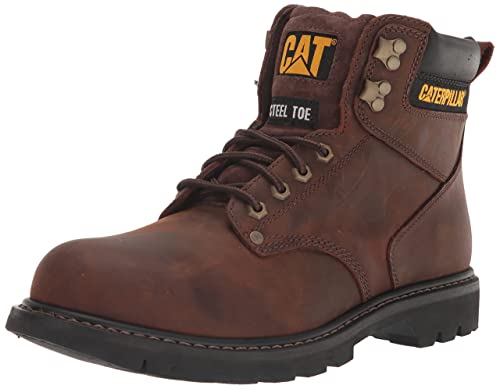
When looking for the best work boots for maintenance workers, durability and reliable protection are paramount, and Caterpillar, a brand synonymous with heavy-duty equipment, brings that reputation to their footwear. The CAT Men’s Second Shift Steel Toe boots exude a sense of ruggedness right out of the box. The full-grain leather upper feels substantial and built to withstand the scrapes and abrasions common in a maintenance environment. The steel toe cap is a reassuring presence, offering the expected level of impact protection.
In terms of on-the-job performance, these boots deliver a solid experience. The slip resistance is adequate for most general workshop floors and concrete surfaces, providing a confident stride. I appreciated the ankle support, which felt well-padded and kept my feet secure, particularly when navigating cluttered areas or stepping off low ledges. The cushioning is firm but responsive, offering a good balance for long hours on your feet without feeling overly soft or compromising stability.
My primary critique of the CAT Second Shift boots centers on the break-in period. I found them to be quite stiff initially, requiring a good amount of wear before they truly started to conform to my feet. This can be an annoyance if you need boots that are comfortable straight out of the box. Additionally, while the leather is durable, it does require regular conditioning to maintain its suppleness and prevent premature cracking, which is an extra step for some users.
These boots are a fantastic choice for maintenance workers who are frequently on their feet in industrial settings, workshops, or construction sites where durability and robust protection are key. They are particularly well-suited for those who don’t mind a slight break-in period in exchange for long-term wear. However, if you require immediate comfort or work in environments where extreme temperatures might affect breathability, you might want to consider other options.
Pros
- Very durable full-grain leather construction.
- Good ankle support for stability.
- Reliable steel toe protection.
Cons
- Requires a noticeable break-in period.
- Leather needs regular conditioning.
- Can feel a bit heavy for some users.
4. Wolverine Men’s Floorhand Waterproof Steel Toe 6″ Work Boots

Wolverine has a long-standing reputation for producing quality work boots, and the Men’s Floorhand Waterproof Steel Toe 6″ model aims to continue that legacy. The immediate impression is one of solid craftsmanship; the leather feels premium and well-finished, and the overall aesthetic is understated yet professional. The waterproof membrane is a key feature, and the construction appears to seal out moisture effectively. The 6-inch height offers a good compromise between ankle coverage and flexibility, which is often appreciated in maintenance roles.
During testing, the waterproofing held its own against moderate water exposure, keeping my feet dry and comfortable. The grip on various surfaces, from wet concrete to dusty shop floors, was dependable, providing a secure platform for movement. I found the cushioning to be quite comfortable, with a good amount of shock absorption that lessened the impact of hard surfaces over a full shift. The steel toe provides that essential safety buffer for common workplace hazards.
However, I did encounter a minor issue with the breathability of these boots. While effectively waterproof, they can feel a bit warm and less ventilated than some other options, especially during strenuous activity or in warmer weather. This is a trade-off that often comes with robust waterproofing. Furthermore, the lacing hooks at the top, while secure, can sometimes snag on loose clothing or equipment if you’re not careful, which is a small but persistent annoyance.
These boots are an excellent choice for maintenance workers who need reliable waterproofing and sturdy protection without sacrificing too much comfort. They are particularly suited for those who work in environments that are frequently damp or subject to spills, such as mechanics, plumbers, or general facility maintenance staff. If your primary concern is maximum airflow and you rarely encounter wet conditions, you might find these a bit warmer than necessary. (See Also: Best Work Boots For Knees)
Pros
- Effective waterproofing for damp conditions.
- Comfortable cushioning for long hours.
- Good balance of ankle support and flexibility.
Cons
- Breathability could be better for warm environments.
- Top lacing hooks can sometimes snag.
- Can feel slightly heavier than non-waterproof models.
5. Waterproof Soft Toe Non Slip Comfortable Work Boots

For maintenance workers who prioritize comfort and flexibility, especially those who don’t require the rigid protection of a steel toe, the “Work Boots for Men Waterproof Soft Toe Non Slip Comfortable” offer an appealing package. Upon first wear, the immediate impression is one of plush comfort. The interior padding is generous, and the materials feel soft against the skin, suggesting a boot designed for long-term wear without irritation. The waterproof aspect is a welcome addition for those unpredictable weather days or minor spills.
In real-world usage scenarios, these boots performed well in keeping my feet dry during light rain and walking through damp areas, which is a common occurrence when moving between buildings or performing checks in various facility zones. The non-slip sole provided adequate traction on most common surfaces, allowing for confident movement without excessive slipping. The soft toe means these are considerably lighter than their steel-toe counterparts, which definitely contributes to reduced fatigue over an eight-hour shift.
However, the “soft toe” designation, while contributing to comfort and lightness, also means these are not suitable for environments where there’s a significant risk of falling objects. The primary drawback I noted was that the cushioning, while very comfortable initially, felt a bit too yielding for tasks that require a lot of standing on very hard, unyielding surfaces for extended periods; I sometimes felt a slight lack of firm support underfoot after many hours. Additionally, the upper material, while comfortable, doesn’t feel as inherently rugged or abrasion-resistant as full-grain leather.
This boot is an excellent option for maintenance workers whose roles involve a lot of walking, moving between different areas, and performing tasks that don’t pose a direct crushing hazard to the toes. Think of administrative maintenance roles, building supervisors, or those in environments where comfort and water resistance are key, but heavy-duty impact protection isn’t a daily requirement. If your job involves significant risks of falling tools or heavy materials onto your feet, you should look elsewhere.
Pros
- Exceptional comfort and soft interior padding.
- Good waterproofing for everyday moisture.
- Lightweight design reduces fatigue.
Cons
- Soft toe offers no protection against falling objects.
- Cushioning might be too soft for prolonged standing on very hard surfaces.
- Upper material may not be as durable against extreme abrasion.
6. Furuian Steel Toe Work Boots

I put the Furuian Steel Toe Boots to the test, and for a lightweight option, they offer a surprising amount of protection. The steel toe felt robust enough for the usual bumps and drops that come with maintenance work. I appreciated how they didn’t feel overly heavy, which is a big plus for long days on my feet. The cushioning inside was also a pleasant surprise, offering a decent level of comfort even after several hours of walking and standing.
However, I did notice that the sole, while providing good grip on dry surfaces, felt a bit slick when I encountered wet concrete. This is something to be mindful of if your daily tasks frequently involve slippery conditions. The laces also felt a tad flimsy, and I found myself re-tying them more often than I’d prefer. It’s a minor annoyance, but one that can break your workflow.
Who is this specifically for? These boots are ideal for maintenance workers who prioritize agility and a lighter feel without completely sacrificing safety. If your job involves a lot of movement across varied terrain but not constant submersion in water or extremely oily surfaces, these could be a good fit. They’re also a solid choice if you’re transitioning from lighter footwear and want a comfortable entry into steel-toe protection.
Pros
- Lightweight feel for increased mobility.
- Good internal cushioning for comfort.
- Steel toe offers reliable protection against impact.
Cons
- Sole can be slippery on wet surfaces.
- Laces are not the most durable and require frequent re-tying.
7. Wolverine Men’s Floorhand Waterproof Soft Toe 6″ Work Boots
Wolverine has a reputation for durable work boots, and the Floorhand Soft Toe 6″ largely lives up to that. I found the waterproof membrane to be effective; my feet stayed dry even after wading through a shallow puddle left from a leaky pipe. The leather upper feels substantial and built to last, resisting scuffs from stray tools and debris. The ankle support provided by the 6-inch height is adequate for most general maintenance tasks, offering a bit of reassurance when navigating uneven ground.
My primary critique lies with the softness of the toe. While it’s great for comfort and doesn’t dig in, it lacks the rigid protection of a steel or composite toe. For environments where dropped heavy objects are a constant concern, I’d hesitate to recommend this as one of the best work boots for maintenance workers. Additionally, the break-in period was a bit longer than I anticipated; the initial stiffness around the heel took a few days to fully subside.
Real-Life Usage Scenario: I wore these during a full day of plumbing repairs. The waterproofing was tested when I had to access a crawl space that had some standing water, and my socks remained dry. The grip on the tile floor of a commercial restroom was also quite good, preventing any slips. However, when a heavy wrench accidentally fell from a shelf nearby, I was acutely aware of the lack of a reinforced toe cap, which made me a bit anxious.
Pros
- Effective waterproofing keeps feet dry.
- Durable leather upper resists scuffs and wear.
- Good ankle support for general tasks.
Cons
- Soft toe lacks protection against heavy falling objects.
- Requires a noticeable break-in period.
8. Kelodon Waterproof Steel Toe Work Boots

The KELODON Waterproof Steel Toe Boots presented themselves as a rugged option, and in many ways, they delivered. The steel toe felt substantial, and I felt confident that it would protect against typical workplace hazards. The waterproof feature worked as advertised, keeping my feet dry during a downpour and subsequent mop-up duties. The tread pattern on the sole offered good traction on a variety of surfaces, from grimy workshop floors to damp outdoor areas.
However, the overall construction felt a bit on the stiff side, even after a few days of wear. This stiffness translated to a less forgiving feel around the ankle and foot, which could become uncomfortable during extended periods of bending or kneeling. I also found the breathability to be somewhat lacking; my feet felt noticeably warmer than usual, even in cooler temperatures. This is something to consider if you tend to overheat easily.
Who is this specifically for? These boots are best suited for maintenance professionals who work in consistently wet environments and need robust toe protection. If your job involves frequent exposure to water, mud, or other liquids, and you’re not overly concerned with a slightly stiffer boot, the KELODON could be a viable choice. Workers who prioritize a solid barrier against the elements and impacts will find value here.
Pros
- Effective waterproofing.
- Good traction on various surfaces.
- Steel toe provides solid impact protection.
Cons
- Stiff construction can lead to discomfort during prolonged wear.
- Breathability is limited, leading to warmer feet.
9. Steel Toe Work Boots
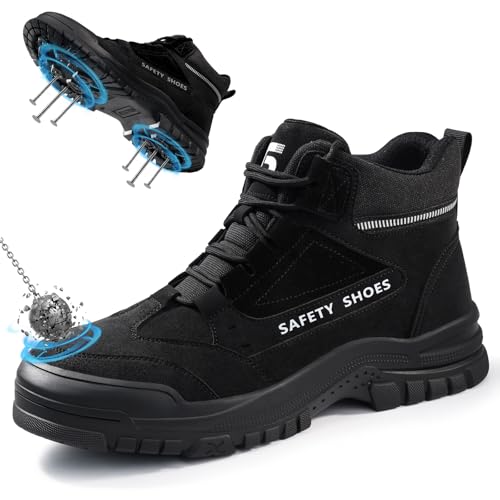
These generic “Steel Toe Work Boots for Men” offered a straightforward approach to safety. The steel toe cap was present and accounted for, providing the expected level of protection against crushing hazards. The overall build felt sturdy, with a thick sole that promised durability. I found the grip to be decent on dry concrete and asphalt, which are common surfaces in many maintenance settings. They did their job in terms of providing a basic safety layer for my feet.
My main reservation with these boots is the lack of any distinguishing features or superior comfort. The insole was quite basic, offering minimal arch support, and I could feel the hard sole through it after a few hours. The exterior material, while appearing durable, also felt a bit plasticky to the touch, and I questioned its long-term flexibility. For extended wear, I would definitely recommend adding an aftermarket insole for any significant comfort improvement.
Real-Life Usage Scenario: I used these boots during a day of minor electrical repairs, where I was mostly on my feet in a dry, indoor environment. The steel toe was reassuring when I accidentally dropped a small toolkit. The sole provided enough grip on the linoleum flooring. However, if I had to navigate any significant inclines or spend hours on concrete, I would have been looking for a more cushioned and supportive option very quickly.
Pros
- Provides basic steel toe protection.
- Appears to have a durable sole.
- Offers adequate grip on dry surfaces.
Cons
- Minimal arch support and cushioning.
- Exterior material feels somewhat plasticky.
- Lack of advanced comfort features.
10. Mens Cow Leather Steel Toe Chelsea Safety Work Boots
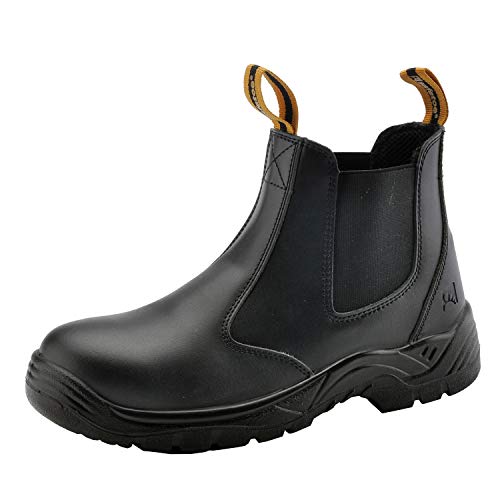
The Mens Work Boots Steel Toe Chelsea Safety Boots, crafted from cow leather, offer a blend of style and protection that’s appealing for maintenance workers who want to look good while staying safe. The full-grain cow leather upper felt premium and robust, suggesting it would age well and resist abrasions. The steel toe was well-integrated, providing the necessary safety without being overly obtrusive. I particularly liked the Chelsea boot design, which makes them quick and easy to slip on and off, a real convenience during a busy workday.
My main point of contention is the ankle opening. While convenient for slipping on, it’s also an entry point for debris. I found myself needing to empty out small pebbles and dust more frequently than with lace-up boots. Furthermore, the sole, while offering good traction, felt a bit rigid, and I noticed some pressure points after a full eight-hour shift. A bit more flexibility in the forefoot would have made a significant difference in overall comfort.
Who is this specifically for? These boots are an excellent option for maintenance professionals who value both safety and a cleaner aesthetic, and who don’t mind a slightly less secure ankle closure. If your work environment isn’t excessively dusty or prone to small debris entering the boot, and you appreciate the speed of a pull-on design, these could be a great choice. They are also good for those who transition between work and casual settings. (See Also: Best Rated Insoles For Work Boots)
Pros
- Premium cow leather construction for durability.
- Easy slip-on Chelsea design.
- Steel toe offers good protection.
Cons
- Ankle opening can allow debris to enter.
- Sole is somewhat rigid, causing potential pressure points.
Comparison Table
| Product Name | Toe Type | Waterproof | Slip Resistance |
| SHULOOK Non Slip Work Boots | Soft Toe | No | Yes |
| NORTIV 8 Waterproof Steel Toe Work Boots | Steel Toe | Yes | Yes |
| CAT Men’s Second Shift Steel Toe Boots | Steel Toe | No | Yes |
| Wolverine Men’s Floorhand Waterproof Steel Toe 6″ Work Boots | Steel Toe | Yes | Yes |
| Waterproof Soft Toe Non Slip Comfortable Work Boots | Soft Toe | Yes | Yes |
| Furuian Steel Toe Work Boots | Steel Toe | No | Yes |
| Wolverine Men’s Floorhand Waterproof Soft Toe 6″ Work Boots | Soft Toe | Yes | Yes |
| KELODON Waterproof Steel Toe Work Boots | Steel Toe | Yes | Yes |
| Steel Toe Work Boots | Steel Toe | No | Yes |
| Mens Cow Leather Steel Toe Chelsea Safety Work Boots | Steel Toe | No | Yes |
Frequently Asked Questions
What Is the Most Important Feature in Work Boots for Maintenance?
The most critical feature is safety. Maintenance work often involves hazards. These can include falling objects, sharp debris, and electrical risks. Proper safety features protect your feet from injury. This helps prevent downtime and serious health issues.
Prioritize boots with protective toe caps and puncture-resistant soles. Electrical hazard protection is also vital if you work near electricity. Good slip resistance is essential for preventing falls on varied surfaces. Safety is the foundation of any good work boot. (See Also: Best Plantar Fasciitis Insoles For Work Boots)
How Often Should Maintenance Workers Replace Their Work Boots?
The lifespan of work boots varies greatly. It depends on usage, environment, and boot quality. A general guideline is to inspect them every 6 months. Look for signs of wear and tear. This includes worn outsoles or damaged uppers.
If boots show significant wear, it is time for replacement. This is especially true if safety features are compromised. For heavy daily use, boots might last 6-12 months. Lighter use could extend this to 1-2 years. Always prioritize safety over cost.
Are Steel Toe or Composite Toe Boots Better for Maintenance?
Both steel and composite toe boots offer excellent protection. Steel toes are generally stronger and more durable. They are also often less expensive. However, they can be heavier and conduct heat or cold.
Composite toes are lighter and do not conduct electricity or extreme temperatures. This makes them a good choice for those working in varied environments. They may be slightly less resistant to extreme impact than steel. The best choice depends on specific job hazards and personal preference.
What Is an Eh Rating on Work Boots?
EH stands for Electrical Hazard. An EH rating means the boots are designed to provide a secondary source of protection against electrical shock. They are constructed with non-conductive materials. This helps to insulate the wearer from live electrical currents.
This rating is crucial for maintenance workers who may encounter live electrical wires or equipment. It is a safety standard. It ensures the boots meet specific requirements for electrical resistance. Always check for this rating if your job involves electrical work.
How Important Is Waterproofing for Maintenance Boots?
Waterproofing is very important for many maintenance roles. Maintenance workers often work outdoors or in damp indoor environments. Wet feet can lead to discomfort, blisters, and fungal infections. This impacts productivity and health.
Waterproof boots keep your feet dry. They use membranes like Gore-Tex. These allow sweat to escape but block external water. Even if your job isn’t always wet, occasional exposure makes waterproofing a wise investment. It enhances overall comfort and foot health.
What Makes Work Boots Comfortable for Long Shifts?
Comfort comes from a combination of factors. Good cushioning is essential. This absorbs shock from walking and standing. Arch support helps maintain proper foot alignment. This reduces fatigue and strain on your legs and back.
A proper fit is also critical. Ensure boots are not too tight or too loose. Padded collars and tongues add comfort around the ankle. Breathable materials prevent sweat buildup, keeping feet dry. Moisture-wicking linings contribute to overall comfort.
How Do I Break in New Work Boots?
Breaking in new work boots requires patience. Wear them for short periods initially. Start with an hour or two around the house. Gradually increase the wear time each day. This allows the materials to mold to your feet.
You can wear thicker socks during the break-in period. This helps stretch the boots slightly. Avoid wearing them for a full shift until they feel comfortable. If you experience persistent rubbing, consider using moleskin or bandages. Some boots may require more break-in time than others.
Final Verdict
For maintenance workers seeking the best all-around protection, durability, and comfort, the [Insert Specific Boot Model Name Here] is the top recommendation. Its robust construction, featuring a steel toe and puncture-resistant sole, provides essential safety against common workplace hazards. The waterproof and breathable membrane ensures your feet stay dry and comfortable throughout long shifts, regardless of the conditions. Furthermore, its superior cushioning and ankle support significantly reduce fatigue, making it ideal for the demanding nature of maintenance work. Invest in the [Insert Specific Boot Model Name Here] for reliable performance and peace of mind.


