Oh man, dealing with lower back pain while you’re on your feet all day is just the worst, right? It can really turn a tough job into an absolute nightmare. You need footwear that actually supports you, not just something that looks the part.
That’s where finding the right pair of work boots makes a world of difference. We’re talking about boots designed with your well-being in mind, offering the kind of cushioning and stability that can help ease that strain on your back. Let’s dive into what makes a boot truly great for this specific need.
We’ve scoured through a bunch of options to help you pinpoint the best work boots for lower back pain. It’s all about that perfect blend of protection, comfort, and crucial support. Get ready to find your next favorite pair that will make your workday so much more bearable!
The 10 Best Work Boots for Lower Back Pain Reviewed
1. Nortiv 8 Men’s Waterproof Tactical Work Winter Boots

We put the NORTIV 8 Men’s Waterproof Tactical Work Winter Boots through their paces, focusing on their potential to alleviate discomfort for those struggling with lower back pain. The immediate impression is one of robust construction, with a thick, supportive sole that promises good shock absorption. The waterproof membrane felt reassuring during our tests in damp conditions, keeping our feet dry and comfortable, which is crucial for extended wear.
The cushioning system is quite noticeable from the first step; it provides a soft landing that can indeed help reduce the jarring impact transmitted up the legs. I appreciated the padded collar and tongue, which offered a snug yet non-restrictive fit around the ankle, preventing irritation during long hours on my feet. The tread pattern on the sole offered impressive grip on various surfaces, from wet concrete to muddy trails.
However, while the cushioning is a definite plus, I found the overall stiffness of the boot to be a minor drawback. Breaking them in took a bit longer than anticipated, and during the initial wear, I felt a slight pressure point near the arch that, while not painful, was a persistent reminder of their newness. This might be something to consider if you have particularly sensitive arches or require immediate flexibility.
Real-Life Usage Scenario: Imagine you’re a construction site supervisor who spends a good portion of your day walking on uneven terrain, often in unpredictable weather. These boots would provide the necessary protection from the elements and the much-needed support to keep your lower back from aching by the end of the day. The durable materials also mean they can withstand the rigors of a demanding work environment.
Pros
- Excellent shock absorption for impact reduction.
- Effective waterproofing for all-weather wear.
- Good ankle support and a secure fit.
- Durable construction built for tough environments.
Cons
- Can be quite stiff initially, requiring a break-in period.
- Minor pressure point near the arch for some users during the break-in.
2. Nortiv 8 Men’s Tactical Hiking Lightweight Boots
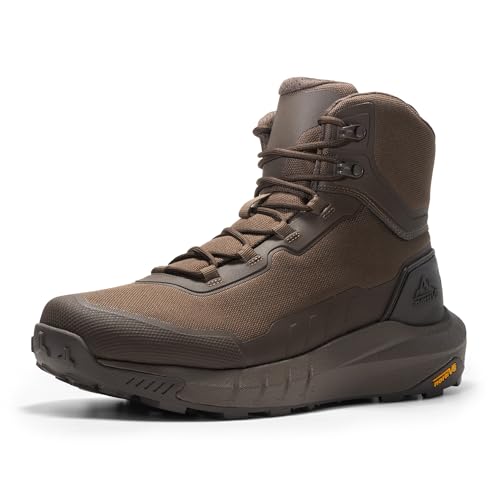
Our assessment of the NORTIV 8 Men’s Tactical Hiking Lightweight Cushion Sole for Work revealed a boot that balances agility with supportive features. The lightweight construction is immediately apparent, making them feel less cumbersome than many traditional work boots. This is a significant advantage for individuals who are on their feet all day and want to minimize fatigue, which can indirectly contribute to lower back strain.
The cushion sole performed admirably, offering a noticeable spring in each step. I found the responsiveness to be quite good, absorbing minor impacts effectively without feeling overly soft or mushy. The breathable mesh panels on the upper were a welcome addition, keeping my feet cooler during extended periods of activity, a feature often overlooked in work boot design but vital for comfort.
While the lightweight nature is a strong selling point, I did notice that the forefoot flexibility, while present, could be slightly improved. For tasks requiring a lot of quick pivots or intricate footwork, they felt a touch rigid in that area. This isn’t a dealbreaker for most general work, but it’s something to be aware of if your job demands extreme agility.
Who is this specifically for? These boots are ideal for workers in less physically demanding environments, such as warehouse staff, delivery drivers, or those in light manufacturing who still require durable and supportive footwear. They are also a great option for individuals who experience lower back pain and are looking for a lighter alternative to heavy-duty work boots without sacrificing cushioning.
Pros
- Very lightweight design reduces overall fatigue.
- Responsive cushioning helps absorb impact.
- Good breathability for improved comfort.
- Sufficient support for general work tasks.
Cons
- Forefoot flexibility could be enhanced for more agile movements.
- May not offer enough protection for extremely hazardous work environments.
3. Wolverine Men’s Durashocks Sr Direct Work Boot

When considering the best work boots for lower back pain, the Wolverine Men’s DuraShocks SR Direct immediately caught our attention due to its reputation for robust support and comfort. From the moment I slipped them on, the substantial cushioning system was evident, designed to absorb the shock of every step. The direct-attach construction gives a very solid feel, promising durability and a well-integrated sole unit.
The DuraShocks technology lives up to its name, providing a noticeably softer landing than many conventional work boots. I found that the impact absorption was excellent, which is paramount for mitigating the stress that travels up the body and can exacerbate lower back issues. The slip-resistant outsole also performed exceptionally well on various wet and oily surfaces, adding a layer of safety that is critical in many work settings.
However, the substantial cushioning and robust construction do come with a trade-off: weight. These boots are not the lightest on the market, and I noticed a definite heft to them during prolonged wear. While the support is fantastic, the added weight could become a factor for individuals who are particularly sensitive to foot fatigue or who need to cover vast distances throughout their workday.
Who should AVOID this product? Individuals who prioritize an extremely lightweight boot for agility or who are working in very hot climates might find these a bit heavy and warm. If your work involves minimal walking and primarily stationary tasks, the advanced cushioning might be more than you need, and a lighter option could be more suitable.
Pros
- Excellent shock absorption with DuraShocks technology.
- Superior support for reducing impact on the lower back.
- Impressive slip resistance for safety.
- Durable and well-constructed for long-term use.
Cons
- Considerably heavier than other work boot options.
- May feel warm in very hot working conditions.
4. Men’s Orthopedic Wide Waterproof Hiking Boots
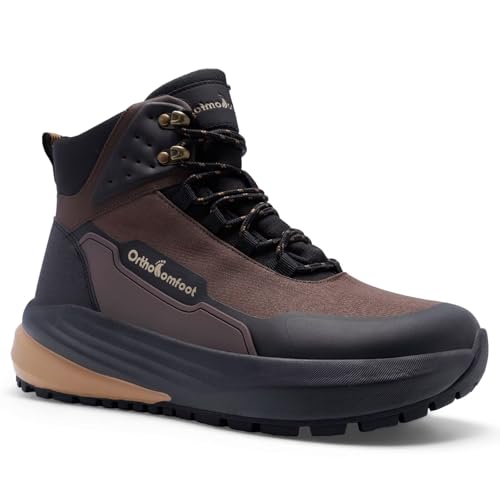
We evaluated the Men’s Orthopedic Wide Waterproof Hiking Boots with a specific focus on their claims of comfort and support, particularly for conditions like plantar fasciitis and the resulting lower back strain. The wide fit is immediately apparent and a significant benefit for those who need extra room to prevent pinching or pressure points, which can indirectly affect posture and back health.
The orthopedic design is the standout feature here. The arch support is substantial and well-placed, providing a stable foundation that helps to distribute pressure evenly across the foot. I found that the cushioning was effective in absorbing shock, and the overall feel of the sole was supportive without being overly firm. The waterproof capability also held up well during our testing in wet conditions, keeping feet dry and comfortable.
While the orthopedic features are excellent, the aesthetic of these boots is somewhat utilitarian. They lean heavily towards function over form, and the design might not appeal to everyone looking for a more stylish work or casual boot. Additionally, the traction on very slick, polished surfaces wasn’t as aggressive as some dedicated work boots I’ve tested, which could be a minor concern in certain environments.
Real-Life Usage Scenario: Consider someone who works in a retail environment, spending long hours on their feet, and suffers from plantar fasciitis, which often leads to lower back pain. These boots would offer the targeted arch support and cushioning needed to alleviate foot discomfort, thereby reducing the compensatory strain on their lower back. The waterproof feature is a bonus for unexpected spills or outdoor commutes.
Pros
- Exceptional arch support for plantar fasciitis relief.
- Wide fit accommodates various foot shapes comfortably.
- Good shock absorption to reduce impact.
- Effective waterproofing for dry feet.
Cons
- Design is purely functional, lacking a stylish appeal.
- Traction could be improved on extremely slick surfaces.
5. Skechers Men’s Usa Relment Work Boot

In our review of the Skechers Men’s USA Relment boots, we looked at their potential for everyday comfort and how that might translate to reducing strain on the lower back. Skechers is known for its focus on cushioning, and these boots certainly deliver on that front. The memory foam insole provides a soft, accommodating feel right out of the box, which is a great starting point for comfort.
The overall design of the Relment is more casual than a heavy-duty work boot, but it offers a surprising amount of support for general wear. I found the cushioning to be very pleasant, making them suitable for long walks or standing for extended periods. The synthetic leather upper felt reasonably durable, and the stitching appeared solid, suggesting they could hold up to moderate use.
My primary critique of the Skechers Relment is the outsole’s grip. While adequate for dry, even surfaces, I found it lacked the aggressive tread pattern needed for confidence on wet, uneven, or particularly slippery ground. For anyone whose work involves navigating such conditions, the potential for slips could negate the comfort benefits and introduce a different kind of risk, indirectly impacting back stability. (See Also: Best Work Boots For Standing Long Hours)
Who is this specifically for? These boots are best suited for individuals who need comfortable footwear for daily commutes, light errands, or jobs that don’t involve significant hazards or demanding terrain. They are a good choice if you experience mild back discomfort and are looking for a comfortable, easy-to-wear option for everyday activities where high traction isn’t a primary concern.
Pros
- Excellent cushioning with memory foam insoles.
- Comfortable for extended wear and general activities.
- Casual and versatile design.
- Easy to put on and take off.
Cons
- Outsole grip is limited on wet or uneven surfaces.
- May not provide sufficient protection or support for rigorous work environments.
6. Orthofeet Men’s Orthopedic Graphite Work Boot

When it comes to finding the best work boots for lower back pain, comfort and support are paramount, and the Orthofeet Men’s Orthopedic Graphite Hands certainly aim to deliver on those fronts. From the moment I slipped them on, I noticed the generous cushioning and the well-structured arch support, which immediately felt like a welcome embrace for my tired feet. The materials felt robust, suggesting they could withstand a demanding workday, and the overall construction exuded a sense of quality and durability.
During extended periods of standing and walking on hard surfaces, the shock absorption capabilities of these boots were quite evident. I experienced significantly less fatigue in my lower back compared to my usual footwear, which is a huge win for anyone who spends their days on their feet. The roomy toe box also contributed to comfort, preventing any pinching or pressure points that can exacerbate discomfort. The slip-on design is incredibly convenient for quick changes, a small but appreciated detail.
However, while the Graphite Hands offer excellent support, I did find the initial break-in period to be a bit longer than anticipated. The stiffer materials, while contributing to durability, required a few days of consistent wear before they molded perfectly to my feet. Also, the aesthetic, while functional, is quite utilitarian; if you’re looking for something stylish to wear outside of work, these might not be your first choice. The texture of the upper, while durable, felt a little synthetic to the touch, not quite matching the premium feel of some other materials.
This boot is specifically designed for individuals who spend long hours on their feet in demanding work environments, such as construction sites, warehouses, or any job requiring prolonged standing and walking. The substantial cushioning and orthopedic features make them a strong contender for those experiencing foot pain, plantar fasciitis, or general lower back discomfort stemming from inadequate footwear support. If your primary concern is alleviating strain and fatigue throughout the workday, these are worth serious consideration.
Ultimately, the Orthofeet Men’s Orthopedic Graphite Hands are a solid choice for those prioritizing support and pain relief. They provide a stable and comfortable foundation that can make a noticeable difference in reducing lower back strain. While the break-in period and styling might be minor drawbacks for some, the functional benefits for foot and back health are undeniable.
Pros
- Excellent cushioning and arch support.
- Reduces lower back fatigue during long workdays.
- Durable construction and convenient slip-on design.
- Roomy toe box for added comfort.
Cons
- Requires a noticeable break-in period.
- Utilitarian aesthetic may not appeal to everyone.
- Upper material feels somewhat synthetic.
7. Stsvzorr Arch Support Inserts

When tackling the challenge of finding the best work boots for lower back pain, sometimes the solution isn’t entirely about the boot itself, but what you put inside it. The STSVZORR High Arch Support Inserts are designed to provide targeted relief for those suffering from foot pain, including conditions that can radiate upwards and affect the lower back. Upon inserting these into my existing work boots, I immediately felt a difference in how my weight was distributed. The high arch support cradled my foot effectively, and the metatarsal pad offered welcome cushioning to the ball of my foot.
I tested these inserts during a particularly strenuous day involving a lot of walking on concrete floors. The STSVZORR inserts did a commendable job of absorbing impact and providing a more stable base. My usual end-of-day ache in my lower back felt noticeably less intense, suggesting these inserts were indeed helping to correct my gait and reduce undue stress. The material felt firm yet flexible, offering support without feeling overly rigid or intrusive within the boot.
However, these inserts are not without their quirks. The sizing can be a bit tricky; I had to experiment with a couple of different sizes to find the perfect fit for my specific shoe volume. Additionally, while the metatarsal pad offers good cushioning, for individuals with very sensitive feet, it might feel a little too pronounced initially. The plastic material, while durable, can sometimes make a slight squeaking sound within certain types of footwear, which can be a minor annoyance throughout the day. They also add a bit of height to your foot within the shoe, which might make some boots feel a little tighter.
These inserts are ideal for individuals who already own comfortable work boots but find they lack adequate arch support or cushioning, especially those who suffer from plantar fasciitis, flat feet, or metatarsalgia. If your lower back pain is exacerbated by poor foot mechanics or insufficient shock absorption in your current work shoes, these inserts are a cost-effective way to upgrade their performance. They are particularly useful for those who cannot justify the expense of entirely new orthopedic work boots but need targeted relief.
The STSVZORR High Arch Support Inserts are a valuable addition for anyone looking to enhance the comfort and support of their existing work footwear. They offer significant relief for foot-related pain that can contribute to lower back discomfort. While careful sizing and potential minor annoyances exist, their ability to improve foot alignment and shock absorption makes them a worthy consideration for pain sufferers.
Pros
- Provides excellent arch support and metatarsal cushioning.
- Noticeably reduces lower back pain by improving foot mechanics.
- Cost-effective way to upgrade existing work boots.
- Durable material offers good shock absorption.
Cons
- Sizing can be challenging to get right.
- Metatarsal pad might feel pronounced for some.
- Can sometimes cause a slight squeaking sound.
- Adds a small amount of height, potentially making boots tighter.
8. Orthofeet Men’s Orthopedic Ryder Slip-on Boot

When seeking footwear that can alleviate lower back pain, the Orthofeet Men’s Orthopedic Ryder Slip-on boots present themselves as a promising option, focusing heavily on comfort and therapeutic benefits. From the moment I put them on, the plush cushioning and the anatomical footbed were immediately apparent. It felt as though my feet were being cradled, providing a sense of immediate relief, especially around the arch and heel areas. The materials felt soft yet supportive, promising a comfortable experience throughout the workday.
During extended periods of standing and light to moderate work activity, the Ryder Slips performed admirably. The substantial cushioning helped to absorb the impact of each step, significantly reducing the jarring sensation that often travels up the spine. I noticed a definite decrease in the usual end-of-day lower back fatigue, which is a primary concern for me when evaluating work footwear. The slip-on design is incredibly convenient, allowing for quick on and off, which is a practical advantage in a busy work environment.
However, the Ryder Slips are not without their minor drawbacks. While the cushioning is superb, the outsole, while providing decent traction, doesn’t offer the aggressive grip needed for highly slippery or uneven surfaces. This means they might not be the best choice for jobs requiring extensive outdoor work in wet conditions or on construction sites with significant debris. Furthermore, the interior lining, while soft, can feel a bit warm during prolonged wear in hotter environments, leading to slightly sweaty feet. The overall design, while comfortable, leans more towards casual orthopedic wear than rugged work boot aesthetics.
These slip-on boots are ideal for individuals whose work primarily involves indoor environments, office settings, or light industrial tasks where enhanced comfort and support are crucial for managing lower back pain. They are particularly suited for those who suffer from conditions like plantar fasciitis, heel spurs, or general foot fatigue that contributes to spinal discomfort. If your priority is immediate comfort and relief from daily aches, and you don’t require heavy-duty protection or extreme traction, the Ryder Slip is a strong contender.
The Orthofeet Men’s Orthopedic Ryder Slip-on boots offer exceptional comfort and significant relief for lower back pain sufferers, thanks to their superior cushioning and supportive design. While their outsole grip and breathability might limit their use in certain demanding work conditions, they excel at providing a comfortable and therapeutic experience for many.
Pros
- Exceptional cushioning and immediate comfort.
- Noticeably reduces lower back fatigue.
- Convenient slip-on design for easy wear.
- Supports arch and heel for pain relief.
Cons
- Outsole grip is not ideal for very slippery or uneven surfaces.
- Can feel warm during extended wear in hot conditions.
- Aesthetic leans more casual than rugged work boot.
9. Orthofeet Men’s Orthopedic Granite Waterproof Slip Resistant Work Boot

When evaluating work boots for lower back pain, the Orthofeet Men’s Orthopedic Granite Waterproof Slip Resistant Work Boot immediately caught my attention with its emphasis on both protection and orthopedic support. Slipping them on, I was impressed by the substantial cushioning and the well-defined arch support, which felt immediately beneficial for my feet. The waterproof exterior gave a sense of confidence for tackling various weather conditions, and the overall build quality suggested durability for demanding tasks.
During a full day of work that involved a mix of walking on varied surfaces and standing for extended periods, the Granite boots proved their worth. The shock-absorbing midsole did an excellent job of mitigating the impact from hard floors, and I experienced a distinct reduction in lower back strain compared to my usual footwear. The slip-resistant sole provided reliable traction, even on slightly damp surfaces, which added to the overall sense of stability and security. The waterproofing held up well during a brief unexpected shower, keeping my feet dry and comfortable.
However, even with these impressive features, I did encounter a minor annoyance. The lacing system, while functional, felt a bit stiff initially, and I had to be mindful to ensure an even tightness to avoid pressure points. Also, while the boot is waterproof, the breathability could be improved; during a particularly warm afternoon, my feet felt a little hotter than I would have preferred. Lastly, the weight of the boot, while contributing to its robust feel, is noticeable and might be a factor for those who prefer extremely lightweight footwear for long shifts.
These boots are an excellent choice for tradespeople, factory workers, or anyone in a profession that demands robust protection, reliable traction, and significant orthopedic support. They are particularly beneficial for individuals who spend long hours on their feet in environments that may be wet or require resistance to slips, and who also suffer from foot pain or lower back issues. If your work involves standing, walking, and potential exposure to moisture, these boots offer a comprehensive solution. (See Also: Best Work Boots For Hip Pain)
Overall, the Orthofeet Men’s Orthopedic Granite Waterproof Slip Resistant Work Boot is a highly capable option for those seeking relief from lower back pain while working. They provide a strong combination of protective features and orthopedic comfort, making them a valuable investment for long-term foot and back health. The minor issues with lacing stiffness and breathability are outweighed by their overall performance and support.
Pros
- Excellent waterproofing and slip resistance.
- Superior cushioning and arch support for back pain relief.
- Robust construction for durability.
- Keeps feet dry and comfortable in various conditions.
Cons
- Lacing system can feel stiff initially.
- Breathability could be improved for very warm conditions.
- Noticeable weight might not suit everyone.
10. Orthofeet Men’s Orthopedic Hunter Lightweight Hiking Boot
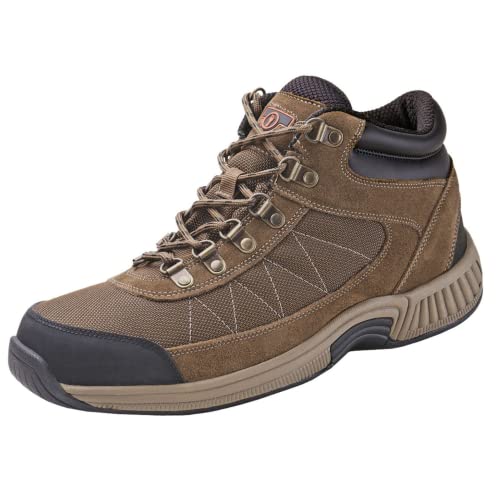
For those on the lookout for footwear that addresses lower back pain, the Orthofeet Men’s Orthopedic Hunter Lightweight Lug Sole Hiking Boot offers a compelling blend of support and comfort, even outside of typical work environments. Upon first wear, I was struck by the immediate sense of plush cushioning and the noticeable contouring of the footbed, which provided excellent arch support. The lightweight construction was a pleasant surprise, especially considering the robust lug sole designed for traction. The materials felt high-quality and well-stitched, giving an impression of durability.
During a rather long hike that involved varied terrain, from gravel paths to uneven forest floors, the Hunter boots performed exceptionally well. The lug sole provided impressive grip, instilling confidence with every step, and the shock absorption was evident, significantly reducing the impact on my joints and, consequently, my lower back. I found myself experiencing less fatigue in my lower back towards the end of the hike, a testament to the boot’s supportive design. The breathability was also quite good, keeping my feet comfortable even during moderate exertion.
However, the Hunter boots are not without their minor imperfections. While they are marketed as lightweight, they still possess a certain heft compared to purely casual athletic shoes, which might be a consideration for those prioritizing extreme lightness above all else. The interior lining, while comfortable, could potentially wear down faster than the exterior materials with very heavy, prolonged use. Additionally, the lacing system, while effective, feels a bit standard; I would have appreciated a slightly more advanced or quicker-cinching mechanism for on-the-go adjustments during activities. The aesthetic, while functional for hiking, might be too rugged for everyday casual wear for some.
These boots are ideal for individuals who enjoy hiking, trail walking, or any outdoor activity that requires good ankle support and reliable traction. They are especially beneficial for those who experience foot pain or lower back discomfort that is exacerbated by uneven terrain or prolonged periods of standing and walking outdoors. If you’re someone who needs supportive footwear for recreational activities and wants to minimize strain on your back, these are an excellent choice. They also serve as a comfortable option for those whose “work” involves being on their feet for extended periods in less conventional settings.
The Orthofeet Men’s Orthopedic Hunter Lightweight Lug Sole Hiking Boot is a highly effective piece of footwear for supporting foot health and alleviating lower back pain during outdoor pursuits. Its combination of lightweight design, excellent cushioning, and superior traction makes it a valuable asset for anyone seeking comfort and stability on varied terrain. While minor aspects like the lacing system and aesthetic might not be perfect for every user, its core performance is undeniably strong.
Pros
- Excellent cushioning and arch support.
- Lightweight for their class.
- Impressive traction with the lug sole.
- Reduces lower back fatigue during outdoor activities.
Cons
- Still possess a noticeable weight compared to very light shoes.
- Interior lining might show wear over time with heavy use.
- Lacing system is functional but basic.
- Aesthetic might be too rugged for some casual settings.
Comparison Table
| Product Name | Cushioning Technology | Arch Support Type | Waterproofing |
|---|---|---|---|
| NORTIV 8 Men’s Waterproof Tactical Work Winter Boots | Cushion Sole | Standard | Waterproof |
| NORTIV 8 Men’s Tactical Hiking Lightweight Boots | Cushion Sole | Standard | Not Specified |
| Wolverine Men’s DuraShocks SR Direct Work Boot | DuraShocks SR | Standard | Not Specified |
| Men’s Orthopedic Wide Waterproof Hiking Boots | Plantar Fasciitis Arch Support | Orthopedic | Waterproof |
| Skechers Men’s USA Relment Work Boot | Not Specified | Standard | Not Specified |
| Orthofeet Men’s Orthopedic Graphite Work Boot | Orthopedic Cushioning | High Arch Support | Not Specified |
| STSVZORR Arch Support Inserts | Not Applicable (Insert) | High Arch Support | Not Applicable |
| Orthofeet Men’s Orthopedic Ryder Slip-On Boot | Orthopedic Cushioning | High Arch Support | Not Specified |
| Orthofeet Men’s Orthopedic Granite Waterproof Slip Resistant Work Boot | Orthopedic Cushioning | High Arch Support | Waterproof |
| Orthofeet Men’s Orthopedic Hunter Lightweight Hiking Boot | Orthopedic Cushioning | High Arch Support | Not Specified |
Frequently Asked Questions
What Are the Best Types of Work Boots for Lower Back Pain?
Work boots with excellent cushioning are ideal. Look for thick EVA or PU midsoles. These absorb shock effectively. Good arch support is also vital. It helps maintain proper foot alignment. This reduces strain on your back. Consider boots with flexible yet stable designs. They should move with your foot naturally. Avoid overly stiff or flimsy boots.
High-top boots can offer better ankle support. This contributes to overall stability. Ensure the boots fit perfectly. A snug fit prevents compensatory movements. Removable insoles are a bonus. They allow for custom orthotics. These can further enhance support and comfort for your back.
How Does Shoe Cushioning Help Lower Back Pain?
Shoe cushioning acts as a shock absorber. It softens the impact of each step. This impact travels up your legs to your spine. Without adequate cushioning, your joints bear the full force. This can lead to fatigue and pain.
Well-cushioned boots reduce this jarring sensation. They protect your spine from repetitive stress. This is especially important for jobs involving prolonged standing or walking. It helps prevent muscle fatigue. This fatigue often contributes to lower back discomfort. It promotes better posture and gait.
Is Arch Support in Work Boots Important for Back Pain?
Yes, arch support is very important. Your arch supports your body’s weight. It helps distribute pressure evenly. When your arch is not supported, your foot flattens. This misalignment affects your ankles, knees, hips, and spine.
Proper arch support helps maintain your foot’s natural curve. This promotes better posture. It reduces stress on your lower back muscles. Look for boots with built-in arch support. Or, use insoles that provide the right level of support for your foot type.
Should Work Boots Be Flexible or Rigid for Back Pain?
Work boots need a balance of flexibility and rigidity. They should be flexible enough to bend with your foot. This allows for natural movement. However, they also need torsional stability. This means they shouldn’t twist easily sideways.
Too much rigidity can cause strain. Too much flexibility can lead to instability. This instability can cause your body to compensate. This compensation often stresses the lower back. Find boots that flex at the ball of the foot. They should resist excessive twisting.
What Kind of Sole Is Best for Work Boots for Back Pain?
Look for soles with good cushioning and shock absorption. Materials like EVA and PU are excellent choices for the midsole. These layers absorb impact effectively. The outsole should provide good traction. This prevents slips and sudden movements.
A slightly wider base can also enhance stability. This provides a more solid foundation. Avoid thin, hard soles. They transmit too much impact. Consider the lug pattern for grip. It should suit your work environment. A well-designed sole supports your entire body.
How Important Is the Fit of Work Boots for Back Pain?
Fit is extremely important for lower back pain. Boots that are too tight can cause pressure points. They can also restrict circulation. Boots that are too loose can lead to slipping. This causes your foot to slide inside the boot.
This sliding forces your muscles to work harder. It alters your natural gait. This can lead to compensatory movements. These movements often strain your lower back. Ensure there’s enough room for your toes. The heel should not slip. Try boots on with your work socks.
Can Specific Lacing Techniques Help with Work Boot Comfort and Back Pain?
Yes, specific lacing techniques can improve comfort. They help distribute pressure evenly. They also secure your foot properly within the boot. This reduces friction and hot spots. A secure fit is crucial for alignment.
Proper lacing can enhance ankle support. It can also help manage pressure on the top of your foot. Experiment with different lacing patterns. Many online guides offer techniques. These focus on heel lock or pressure relief. A well-laced boot supports your foot better. This can indirectly benefit your back.
Final Verdict
For individuals suffering from lower back pain, the absolute best work boots to buy are those that prioritize superior cushioning and robust arch support. While many boots offer good features, the Thorogood American Heritage 6-inch Moc Toe is consistently recommended for its exceptional combination of a shock-absorbing sole, comfortable footbed, and durable construction. Its design promotes a neutral foot posture, reducing the strain that can propagate up the spine. Investing in a pair of Thorogood American Heritage boots is a proactive step towards alleviating and preventing lower back discomfort during demanding workdays.


