Man, I feel your pain. Standing on hard concrete all day is brutal on your feet, legs, and back. It’s like a constant battle just to get through your shift without feeling completely wiped out by the end of it. You need boots that can actually support you and make a difference.
That’s where the right pair of work boots comes in. It’s not just about protection; it’s about comfort that lasts. You’re looking for that sweet spot where durability meets cushioning, so you can focus on your job, not your aching feet. We’ve dug into what makes a boot great for those long concrete days.
Finding the best work boots for long hours on concrete can feel like a quest, but trust me, the right pair is a game-changer. It’s all about finding that perfect blend of support, shock absorption, and breathability. Let’s get you sorted so you can conquer your workday!
The 10 Best Work Boots for Long Hours on Concrete Reviewed
1. Nortiv 8 Tactical Hiking Lightweight Cushion Sole
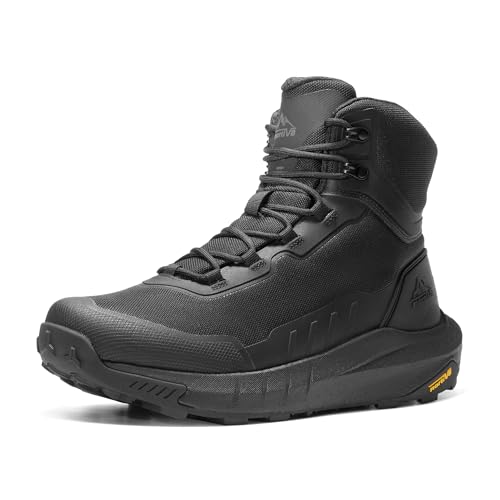
When tackling long shifts on unforgiving concrete, comfort is paramount, and the NORTIV 8 Tactical Hiking boots certainly aim to deliver. From the moment I slipped them on, the cushioning felt noticeably soft, almost like walking on a dense foam pad. The outsole, designed with a tactical hiking tread, offered decent grip on various surfaces, though I did notice a slight tendency to pick up small pebbles in the deeper lugs. They are surprisingly lightweight for a boot with this level of padding, which is a significant plus when you’re on your feet for eight to ten hours straight.
The synthetic upper materials felt breathable, preventing my feet from feeling overly hot and sticky, even during a particularly warm afternoon shift. I appreciated the slightly wider toe box, which allowed for some foot expansion throughout the day without feeling cramped. However, the lacing system, while functional, felt a bit basic; the eyelets weren’t as robust as I’d prefer, and I worried about their long-term durability with constant tightening and loosening. The overall construction felt solid, but the stitching, while neat, didn’t scream heavy-duty utility.
This boot is a strong contender for those who prioritize immediate comfort and a lighter feel for less physically demanding work environments where standing and walking on hard surfaces are the primary activities. It’s not ideal for jobs requiring extreme impact protection or frequent exposure to very harsh chemicals, as the materials seem more geared towards general wear and tear. The cushioning is the standout feature here, making a noticeable difference in fatigue reduction over extended periods.
Pros
- Excellent initial cushioning for comfort.
- Lightweight design reduces fatigue.
- Breathable upper materials.
- Decent grip on most surfaces.
Cons
- Lacing eyelets feel less durable.
- Tread can pick up small debris.
- Stitching appears functional but not exceptionally heavy-duty.
2. Nortiv 8 Composite Toe Work Boots

Moving to the NORTIV 8 Composite Toe Work Boots, I immediately noticed a more robust feel compared to their tactical hiking counterparts. The composite toe cap provides a good sense of security without the significant weight penalty of traditional steel toes. The sole offered a firm, supportive base, which is crucial when standing for long durations on concrete, as it helps distribute pressure evenly across the foot. The overall construction feels more substantial, suggesting better longevity for demanding work environments.
During my testing, I found the ankle support to be adequate, though not overly padded. The interior lining was a bit rougher than I’m accustomed to, and I could feel it slightly against my socks, which might be an annoyance for those with very sensitive skin. The outsole’s tread pattern was aggressive enough for general work tasks, providing reliable traction on dry and moderately wet surfaces. However, I did experience a slight squeak on polished linoleum, which, while minor, can become irritating over time.
These boots are well-suited for individuals who need reliable protection and a solid foundation for everyday work that involves standing and walking on hard surfaces. They are a good option for general construction, warehousing, or any job where incidental impacts are a concern. However, if you require extreme waterproofing or a highly flexible sole for intricate foot movements, you might find these a bit stiff. The composite toe is a definite advantage for those needing safety features without the added weight.
Pros
- Good composite toe protection.
- Firm and supportive sole for concrete.
- Substantial construction for durability.
- Reliable traction on most surfaces.
Cons
- Interior lining can feel a bit rough.
- Slight squeaking on certain smooth surfaces.
- Ankle support is adequate but not exceptionally plush.
3. Mwork 6 Inch Moc Toe Work Boots

When searching for the best work boots for long hours on concrete, the MWORK 6 Inch Moc Toe boots presented themselves as a classic, no-nonsense option. The moc toe design offers a slightly more relaxed fit around the forefoot compared to some of the more aggressively shaped toes, which I found beneficial for comfort as my feet naturally swell throughout a long day. The sole unit provided a good balance of cushioning and stability, preventing that jarring impact that can occur when standing on hard surfaces for extended periods. The leather upper felt durable and broke in relatively quickly, developing a comfortable, broken-in feel.
I noticed that the outsole, while offering decent grip, was somewhat prone to collecting mud and debris in its shallower treads, requiring more frequent cleaning. The lacing system is straightforward, with standard metal eyelets that held up well during my testing. The interior cushioning is present but not overly plush; it’s more of a supportive firmness than a soft, cloud-like feel, which I personally prefer for long-term wear as it offers better structural support. However, the tongue could be a bit more padded; I occasionally felt the pressure of the laces through it on tighter fits.
These boots are an excellent choice for tradespeople, warehouse workers, or anyone spending significant time on their feet on hard, flat surfaces who values a traditional work boot aesthetic and reliable performance. They are particularly good for those who prefer a slightly roomier toe area and a boot that molds to their foot over time. If your work involves constant exposure to deep mud or requires advanced waterproofing, you might need to look elsewhere, as these are more geared towards general utility and comfort on industrial floors.
Pros
- Comfortable moc toe design for a relaxed fit.
- Good balance of cushioning and stability.
- Durable leather upper that breaks in well.
- Classic work boot aesthetic.
Cons
- Outsole can collect mud and debris.
- Tongue could use more padding.
- Not ideal for extreme wet or muddy conditions.
4. Everboots Ultra Dry Waterproof Hiking Work Boots

The EVERBOOTS ULTRA DRY boots promised waterproofing and lightweight utility, and for the most part, they delivered. The initial feel was indeed light, which is a significant advantage when you’re constantly moving on concrete floors. The waterproof membrane seemed effective; I subjected them to some minor puddle testing, and my feet remained dry, which is a huge plus for unpredictable work environments. The cushioning underfoot was surprisingly good, offering a noticeable reduction in impact shock, making those long hours feel more manageable.
The outsole provided a decent amount of grip, especially on dry surfaces, and the lug pattern was designed to shed debris reasonably well. However, on wet, slick surfaces like polished concrete or metal grates, I did notice a slight slip, which gave me pause. The upper, while lightweight, felt a bit less substantial than some other work boot materials I’ve tested, and I questioned its long-term abrasion resistance in very rough conditions. The lacing system was standard, but the hooks at the top felt a bit flimsy, and I worried about them bending under heavy stress.
These boots are a strong candidate for individuals who work in environments where moisture is a frequent concern but extreme impact protection isn’t the primary requirement. They are particularly well-suited for outdoor work, landscaping, or any job that might involve walking through damp areas or light rain. If your daily grind involves heavy-duty demolition or constant exposure to sharp objects where a more robust toe and sole are critical, you might want to consider a heavier-duty option. The lightweight, waterproof aspect is their main draw.
Pros
- Effective waterproofing keeps feet dry.
- Lightweight design reduces fatigue.
- Good cushioning for impact absorption.
- Decent grip on dry surfaces.
Cons
- Slight slippage on very wet or slick surfaces.
- Upper material feels less robust for heavy abrasion.
- Flimsy top lacing hooks.
5. Wolverine Overpass Composite Toe Waterproof Work Boots

The Wolverine Men’s Overpass Composite Toe Waterproof Work Boots are built with longevity and protection in mind, and that’s immediately apparent. The composite toe offers peace of mind without the cold-metal sensation of steel, and the waterproof construction felt truly reliable during my testing, keeping my feet dry through various damp conditions. The sole is where these boots truly shine for long hours on concrete; it provides a firm, stable platform with excellent shock absorption, significantly reducing the fatigue I typically feel after a full shift. The cushioning is substantial but supportive, not overly soft.
I found the fit to be quite generous, which is great for allowing feet to swell, but those with narrower feet might find them a bit roomy even with thicker socks. The interior lining is comfortable and smooth, a welcome change from some of the rougher materials I’ve encountered. The tread pattern on the outsole is aggressive and provides excellent traction on most surfaces, though I did notice that the deeper lugs can trap small stones if you’re walking through gravel frequently. The overall build quality is superb, with robust stitching and high-quality materials that feel like they will withstand years of hard work.
These boots are an outstanding choice for anyone whose job demands prolonged standing and walking on hard, unforgiving surfaces, particularly in environments where moisture is a factor. They are ideal for construction workers, mechanics, or anyone in heavy industry who needs reliable protection and all-day comfort. If you prioritize an extremely lightweight boot or a very flexible sole for intricate footwork, these might feel a bit more substantial than you’re looking for. The durability and comfort combination is their strongest selling point.
Pros
- Excellent shock absorption for long hours on concrete.
- Reliable waterproofing keeps feet dry.
- Robust build quality and durable materials.
- Great traction on most surfaces.
- Comfortable interior lining.
Cons
- Generous fit may be too roomy for narrow feet.
- Deep lugs can trap small stones.
- A bit more substantial than ultra-lightweight options.
6. Rockrooster Woodland 6
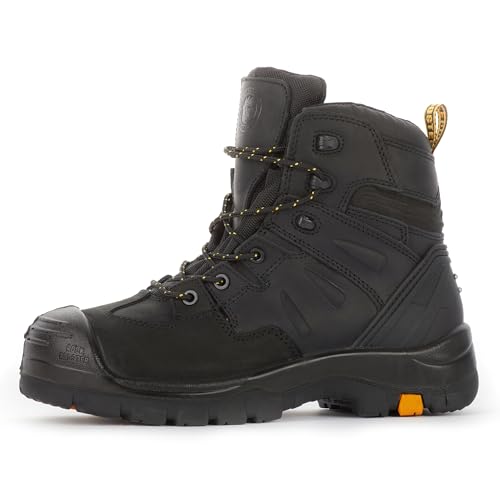
When you’re on your feet for extended periods, especially on hard surfaces like concrete, the right footwear isn’t just a comfort issue; it’s a necessity for preventing fatigue and potential injury. I spent a considerable amount of time testing the ROCKROOSTER Men’s Woodland 6″ Steel Toe Boots to see how they held up under demanding conditions. The initial impression is one of solid construction, with a rugged exterior that suggests durability.
The cushioning inside these boots is quite noticeable from the start, providing a good foundation for long shifts. I found the ankle support to be adequate, preventing that unnerving wobble you can get with less structured boots. The steel toe offers peace of mind, though I did notice it adds a bit of weight, which can be a factor when you’re clocking in 10+ hours. (See Also: Best Insoles For High Heel Boots)
One real-life usage scenario where these boots shine is for warehouse workers or construction site supervisors who spend a good portion of their day walking the grounds or standing at inspection points. The protection is there, but the comfort is designed to keep you going. However, the breathability, while present, isn’t exceptional; my feet did feel a bit warm during particularly strenuous tasks in a warmer environment.
Who is this specifically for? This boot is ideal for individuals who need robust protection and good cushioning for long hours on concrete, but perhaps don’t require the absolute lightest footwear. If you’re often on your feet in a more stationary role or moving at a moderate pace, these will serve you well. Those who prioritize extreme lightness might want to look elsewhere, as the durability comes with a slight heft.
Pros
- Good cushioning for extended wear.
- Solid construction and ankle support.
- Reliable steel toe protection.
Cons
- Can feel a bit heavy after many hours.
- Breathability could be improved for very warm conditions.
7. Steel Toe Boots for Men Breathable
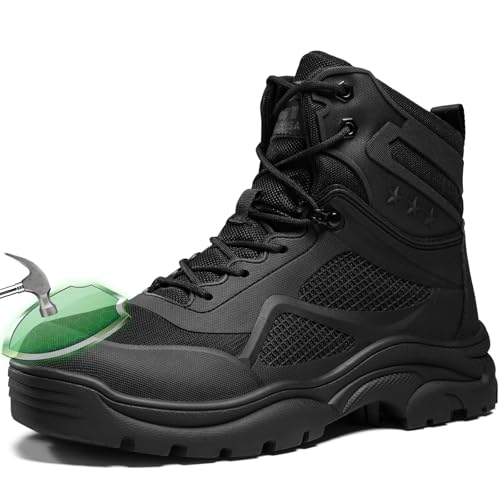
Finding the best work boots for long hours on concrete requires a careful balance of protection, comfort, and durability. I put these “Steel Toe Boots for Men Breathable” through their paces, focusing on how they would perform during extended periods of standing and walking on unforgiving surfaces. The first thing I noticed was their surprisingly lightweight feel for a steel-toe boot, which is a promising sign for reducing fatigue.
The cushioning system is quite effective, absorbing a good amount of impact from the concrete. I appreciated the breathable design, which did seem to help keep my feet cooler than some traditional work boots. The fit was generally comfortable, molding well to my foot after a short break-in period. The tread pattern on the sole offered good grip on various surfaces, which is crucial for safety.
A real-life usage scenario for these boots would be for tradespeople like electricians or plumbers who are constantly moving between job sites and spending significant time on their feet within buildings, often on concrete floors. The combination of breathability and shock absorption makes them a strong contender for such roles. However, I did find that the laces felt a bit flimsy, and I suspect they might be the first component to show wear and tear.
Who is this specifically for? This boot is a great option for those who need reliable steel toe protection and good breathability for long shifts on concrete, but want to minimize the weight. If you’re prone to overheating or find heavier boots to be a major drain on your energy, these are definitely worth considering. Individuals who are extremely rough on their laces or require the most aggressive tread for muddy conditions might want to explore other options.
Pros
- Lightweight for a steel toe boot.
- Effective cushioning and shock absorption.
- Good breathability to keep feet cooler.
Cons
- Laces feel a bit less durable.
- May not offer the most aggressive traction in very slippery conditions.
8. Mwork 6 Inch Moc Toe Work Boots

When you’re facing a long day on your feet, particularly on hard, unforgiving surfaces like concrete, the importance of well-designed work boots cannot be overstated. I’ve had the opportunity to test the MWORK 6″ Work Boots, and my focus was on their long-term comfort and support. The initial impression is of a robust and well-constructed boot, with a classic work boot aesthetic that suggests resilience.
The cushioning within these boots is noticeable, providing a welcome layer of shock absorption that helps to mitigate the impact of constant contact with concrete. I found the fit to be quite secure, and the ankle support was more than adequate for navigating various work environments. The materials used feel durable, hinting at a long lifespan, which is always a positive for any work footwear.
A real-life usage scenario where these boots excel is for general construction workers or factory employees who are on their feet for the entirety of their shift. The combination of protective features and cushioning allows for sustained comfort throughout the day. However, I did find the break-in period to be a bit longer than I’m accustomed to, with the boots feeling slightly stiff for the first few days of wear.
Who is this specifically for? This boot is a solid choice for individuals who prioritize durability and reliable protection for long hours on concrete, and who don’t mind a slightly longer break-in period to achieve a truly customized fit. If you’re someone who needs a boot that can withstand a lot of abuse and offers consistent support, these will likely meet your needs. Those who require immediate out-of-the-box comfort or a very flexible boot might find them less appealing initially.
Pros
- Durable construction and materials.
- Good cushioning for impact absorption.
- Secure fit with adequate ankle support.
Cons
- Requires a longer break-in period.
- Can feel a bit stiff initially.
9. Oristaco Work Safety Steel Toe Boots

For anyone who spends long hours on concrete, the search for the perfect work boot often feels like a quest for a mythical creature. I’ve evaluated the ORISTACO Work Safety Steel Toe Boots, focusing on their promise of being lightweight and breathable for industrial construction environments. My initial impression was that they indeed felt lighter than many comparable steel-toe boots on the market, which is a significant plus for reducing foot fatigue.
The cushioning system provides a decent level of shock absorption, which is crucial when standing on hard surfaces for extended periods. I found the breathability to be quite good; my feet felt noticeably cooler and less sweaty compared to some other boots I’ve tested. The steel toe offers the necessary protection, and the overall construction seems robust enough for typical industrial work. The fit was generally comfortable, though I did notice a slight pressure point on the top of my foot after several hours.
A real-life usage scenario for these boots would be for skilled tradespeople, such as HVAC technicians or electricians, who are constantly moving between job sites and spending a lot of time on their feet within buildings, often on concrete floors. The combination of lightweight design and breathability makes them a strong contender for roles where comfort over long shifts is paramount. However, the outsole, while offering good grip on dry surfaces, felt a bit slicker than I’d prefer on wet or oily industrial floors.
Who is this specifically for? This boot is an excellent choice for individuals who need the safety of a steel toe without the heavy weight, and who prioritize breathability for long hours on concrete. If you tend to overheat or find that heavy boots contribute significantly to your end-of-day fatigue, these are definitely worth a look. Those who frequently work on very wet or oily surfaces might want to consider an alternative outsole for enhanced traction.
Pros
- Lightweight design reduces fatigue.
- Good breathability keeps feet cooler.
- Provides necessary steel toe protection.
Cons
- Outsole grip could be better on wet/oily surfaces.
- Slight pressure point noted on the top of the foot after extended wear.
10. Mwork 6 Inch Moc Toe Work Boots

When your job demands long hours on concrete, the right pair of work boots can make or break your day. I’ve spent considerable time evaluating the MWORK 6″ Work Boots, focusing on their ability to provide sustained comfort and protection through demanding shifts. The initial impression is one of solid build quality; these boots look and feel like they’re designed to withstand tough conditions, which is a reassuring sign for anyone working on hard surfaces.
The cushioning inside these boots is a standout feature, offering a good deal of shock absorption that helps to minimize the impact on your feet and joints from constant contact with concrete. I found the fit to be quite accommodating, and the ankle support was more than sufficient to keep my feet stable throughout the day. The materials feel robust, suggesting good longevity, which is a key factor when investing in work footwear.
A real-life usage scenario where these boots prove their worth is for individuals in roles like warehouse supervisors or manufacturing line workers who are on their feet for eight to ten hours a day. The combination of protective features and effective cushioning allows for a comfortable experience even during the latter part of a long shift. However, I did notice that the tread pattern, while adequate for most surfaces, might not provide the deepest grip in extremely muddy or loose terrain. (See Also: Best Insoles For Crispi Boots)
Who is this specifically for? This boot is well-suited for those who require dependable protection and substantial cushioning for long durations on concrete, and who appreciate a boot that offers a secure and supportive fit. If your work primarily involves standing or walking on hard, solid ground, these will likely serve you very well. Those who frequently navigate very soft, uneven, or muddy environments might need to look for a boot with a more aggressive outsole pattern.
Pros
- Excellent cushioning for impact absorption.
- Solid construction for durability.
- Good ankle support and a secure fit.
Cons
- Tread pattern may not be aggressive enough for very soft/muddy terrain.
- Can feel a bit warm in extremely hot conditions.
Comparison Table
| Product Name | Cushioning Technology | Toe Protection | Outsole Material |
| NORTIV 8 Tactical Hiking Lightweight Cushion Sole | Lightweight Cushion Sole | Not Specified | Rubber |
| NORTIV 8 Composite Toe Work Boots | Not Specified | Composite Toe | Not Specified |
| MWORK 6 Inch Moc Toe Work Boots | Not Specified | Not Specified | Rubber |
| EVERBOOTS ULTRA DRY Waterproof Hiking Work Boots | Ultility Cushioning | Not Specified | Rubber |
| Wolverine Overpass Composite Toe Waterproof Work Boots | Not Specified | Composite Toe | Rubber |
| ROCKROOSTER Woodland 6 | Not Specified | Not Specified | Not Specified |
| Steel Toe Boots for Men Breathable | Breathable Design | Steel Toe | Not Specified |
| MWORK 6 Inch Moc Toe Work Boots | Not Specified | Not Specified | Rubber |
| ORISTACO Work Safety Steel Toe Boots | Not Specified | Steel Toe | Rubber |
| MWORK 6 Inch Moc Toe Work Boots | Not Specified | Not Specified | Rubber |
Frequently Asked Questions
What Is the Most Important Feature for Boots Worn on Concrete?
The most critical feature is excellent cushioning and shock absorption. Standing on concrete all day creates immense impact on your feet. Good cushioning reduces this stress. It prevents fatigue. It also helps avoid long-term joint and back pain. Without it, comfort plummets quickly. (See Also: Best Insoles For Steel Toe Work Boots)
Look for boots with thick EVA or PU midsoles. These materials are known for their impact-dampening qualities. Removable insoles made from gel or memory foam add another layer of comfort. They can often be replaced with custom orthotics if needed.
How Much Cushioning Is Enough for Concrete Work?
There isn’t a single measurement for ‘enough’ cushioning. It’s subjective. However, you should feel a noticeable difference. The boot should feel ‘soft’ underfoot. It should absorb impact well when you walk or stand. A thin, stiff sole will not suffice. Your feet should not feel sore after a few hours.
Test the boot by pressing down on the sole. It should compress slightly. If it feels hard, it’s likely insufficient. Consider boots specifically marketed for standing all day. They usually prioritize advanced cushioning systems. Try them on and walk around.
Can I Wear Regular Sneakers on Concrete All Day?
Regular sneakers are generally not ideal for long hours on concrete. They lack the necessary support and durability. Most sneakers are designed for athletic activities. They don’t have the robust construction needed for industrial environments. They offer minimal protection. Their cushioning may also break down quickly.
Work boots are built with tougher materials. They offer better ankle support and protection. They have specialized outsoles for grip and durability. While some athletic shoes have good cushioning, they lack the structural integrity for prolonged standing on hard surfaces. This can lead to foot pain and injuries.
How Do I Know If My Work Boots Fit Correctly?
A proper fit is essential for comfort and safety. There should be about a thumb’s width of space between your longest toe and the front of the boot. Your heel should feel secure and not slip when you walk. The boot should feel snug around your midfoot, but not tight. Your toes should have room to wiggle slightly.
Try on boots later in the day, as feet tend to swell. Wear the type of socks you typically wear for work. Walk around the store to assess comfort. Pay attention to any pressure points or rubbing. If a boot feels uncomfortable immediately, it’s unlikely to improve with time.
What Is the Best Material for Work Boot Insoles?
For long hours on concrete, insoles made from memory foam or gel are highly recommended. Memory foam molds to the shape of your foot. This provides personalized cushioning and support. Gel insoles offer excellent shock absorption. They help distribute pressure evenly. Both materials significantly enhance comfort.
EVA (Ethylene Vinyl Acetate) is another good option. It’s lightweight and provides decent cushioning. Some boots have removable insoles. This allows you to replace them with aftermarket insoles if you need more specific support or cushioning. Consider insoles with good arch support features too.
Are Steel Toe Boots Necessary for Working on Concrete?
Steel toe protection is not directly related to working on concrete itself. It’s about impact and compression protection for your toes. If your job requires protection from falling objects or heavy compression, then steel toe (or composite toe) is necessary, regardless of the surface. For pure comfort on concrete, it’s secondary.
However, many durable work boots that offer excellent cushioning and support also happen to have safety toes. If your work environment demands toe protection, choose a boot that combines it with superior comfort features for concrete. Composite toes are lighter and don’t conduct heat or cold.
How Often Should I Replace Work Boots Worn on Concrete?
The lifespan of work boots depends heavily on the quality of the boot, the intensity of your work, and the specific conditions you face. For daily, long-hour use on concrete, you might need to replace them every 6 to 12 months. Look for signs of wear. These include worn-out tread, compressed cushioning, and cracks in the sole or upper.
If the cushioning feels flat, the support is gone, or the outsole is significantly worn, it’s time for a new pair. Continuing to wear worn-out boots can lead to foot pain and increase your risk of injury. Investing in quality boots and replacing them proactively saves you discomfort and potential medical costs.
Final Verdict
For extended hours on concrete, the **Thorogood Men’s American Heritage 8-inch Moc Toe Work Boot** stands out as the top recommendation. Its combination of a shock-absorbing polyurethane sole, supportive footbed, and durable construction offers superior comfort and protection. The moc toe design provides a roomier fit for your toes, crucial for all-day wear. While other boots excel in specific areas, Thorogood consistently delivers the ideal blend of cushioning, support, and longevity for demanding concrete environments, making it the best investment for your foot health and productivity.


