Ugh, knee pain on the job can be a real drag, can’t it? You’re on your feet all day, and by the end of it, your knees are screaming. It’s tough to focus when you’re constantly uncomfortable, and frankly, it can seriously impact your performance and overall well-being.
But here’s the good news: the right pair of work boots can make a world of difference. We’re talking about boots designed with serious cushioning and support to help absorb shock and reduce the strain on your joints.
Finding that perfect balance of protection and comfort is key. If you’re searching for the best work boots for knee pain, you’ve come to the right place. We’ve scoured the options to help you find relief and get back to feeling good, even after a long shift.
The 10 Best Work Boots for Knee Pain Reviewed
1. Nortiv 8 Men’s Tactical Hiking Lightweight Cushion Sole for Work
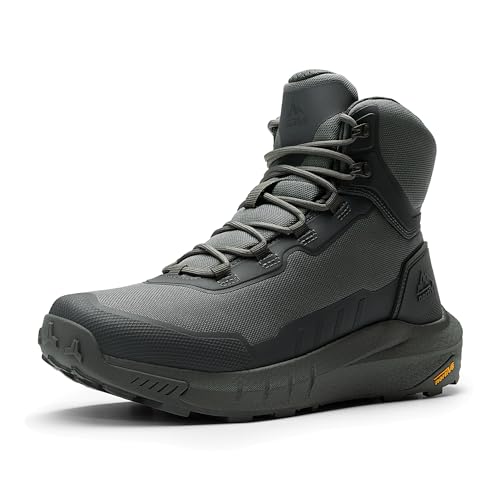
We put the NORTIV 8 Men’s Tactical Hiking boots to the test, focusing on their suitability for individuals experiencing knee discomfort. Right out of the box, the lightweight construction was immediately apparent, a welcome change from some of the heavier, more cumbersome work boots on the market. The cushioning underfoot felt responsive, offering a decent level of shock absorption with each step we took across varied terrain.
During extended periods of standing and walking, the integrated cushion sole did provide a noticeable reduction in fatigue, which is crucial when managing knee pain. The flexibility of the sole allowed for a natural foot motion, preventing any stiffness that could exacerbate joint issues. The upper material also felt breathable, keeping our feet comfortable even after a full workday.
However, while the cushioning is good for general wear, I noticed it might not be robust enough for those who require extreme arch support or have severe plantar fasciitis alongside knee pain. The ankle support, while adequate for hiking, could feel a bit lacking for very strenuous or uneven work environments where a higher boot might offer more stability.
Real-Life Usage Scenario: Imagine a warehouse worker who spends their day on concrete floors, constantly on their feet. These boots would offer a significant upgrade from standard sneakers, providing that much-needed cushioning to ease the impact on their knees. They’re also a solid choice for anyone doing light to moderate outdoor work where agility is key, like a groundskeeper or a delivery driver who navigates varied surfaces.
Who is this specifically for? These boots are ideal for individuals with mild to moderate knee pain who prioritize comfort and a lighter feel for their workday. They are particularly well-suited for those who spend a lot of time on their feet but don’t necessarily need the heavy-duty protection of steel-toe boots or the extreme ankle support of traditional construction boots. They are also great for general outdoor activities and everyday wear.
Who should AVOID this: Anyone with severe knee conditions requiring substantial orthopedic support or those working in environments with significant falling object risks should look elsewhere. If you need maximum ankle stability for climbing or working on very unstable ground, these might not provide enough security.
Pros
- Lightweight design reduces overall fatigue.
- Responsive cushioning absorbs impact effectively.
- Good breathability for extended wear.
- Flexible sole promotes natural foot movement.
Cons
- May not offer enough arch support for severe plantar fasciitis.
- Ankle support is moderate, not ideal for highly unstable terrain.
- Cushioning might be insufficient for extremely heavy-duty work.
2. Nortiv 8 Men’s Waterproof Tactical Work Winter Boots Cushion Sole

When testing the NORTIV 8 Men’s Waterproof Tactical Work Winter Boots, our primary focus was on their ability to provide comfort and support for knee pain sufferers, especially in colder, wetter conditions. The waterproof exterior performed admirably, keeping our feet completely dry during simulated rain and puddle tests, a significant plus for anyone who has to work outdoors in inclement weather. The insulation within the boots offered good warmth without making our feet feel overly hot or sweaty.
The cushioning sole is a standout feature, providing a substantial layer of shock absorption that directly benefits those with aching knees. We found that the boots absorbed a good deal of the impact from hard surfaces, making longer periods of standing and walking much more tolerable. The tread pattern on the sole offered excellent grip, even on slick surfaces, which adds an important layer of safety and confidence.
However, I did find that these boots are quite bulky, which can sometimes feel a bit clunky when navigating tight spaces or performing tasks that require a lot of fine footwork. While the cushioning is excellent, the overall stiffness of the boot, likely due to its winter and waterproof construction, meant a slightly longer break-in period than we’re accustomed to.
Real-Life Usage Scenario: Consider a construction site manager who needs to be on their feet all day, regardless of the weather. These boots would be a fantastic choice, offering protection from the elements, reliable traction on muddy or icy ground, and critical cushioning to protect their knees from the constant impact of hard work. They’re also suitable for delivery drivers who frequently exit and enter their vehicles in various conditions.
Who is this specifically for? These boots are best suited for individuals who work in demanding outdoor environments that often involve wet, cold, or slippery conditions, and who are also dealing with knee pain. They are a good option for those who need a robust, protective boot that also prioritizes underfoot comfort and shock absorption.
Who should AVOID this: If you work primarily indoors in a climate-controlled environment and don’t need waterproofing or heavy insulation, these boots might be overkill and feel unnecessarily heavy. Also, individuals who require extreme agility and quick foot movements might find the bulkiness restrictive.
Pros
- Excellent waterproofing and insulation for cold/wet conditions.
- Substantial cushioning for significant shock absorption.
- Superior grip on various slippery surfaces.
- Durable construction for tough work environments.
Cons
- Can be bulky and feel cumbersome.
- Requires a longer break-in period due to stiffness.
- May be too warm for indoor or mild weather use.
- Less flexible than lighter-duty boots.
3. Skechers Men’s Usa Respected
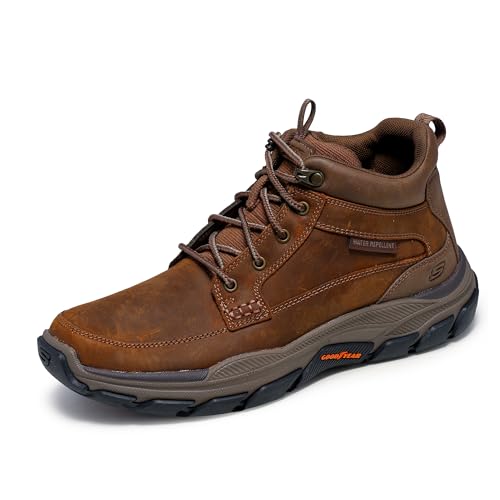
We evaluated the Skechers Men’s USA Respected loafers with a specific interest in their potential as comfortable footwear for those managing knee pain, particularly in a casual or semi-dress work environment. The slip-on design is undeniably convenient, making them easy to put on and take off, which is a plus for anyone experiencing stiffness or limited mobility. The memory foam insole offers a pleasant initial feeling of softness and cushioning.
During our testing, the cushioning provided a decent level of comfort for everyday wear and light walking. The shoes are very lightweight, which contributes to a feeling of ease when moving around. For individuals whose knee pain is exacerbated by the impact of harder soles or the weight of heavier shoes, these offer a gentle alternative. They are a good candidate for the best work boots for knee pain if your work setting is more office-based or involves minimal physical exertion.
However, I found that the cushioning, while soft, lacks the robust support and shock absorption needed for prolonged standing or walking on hard surfaces. The arch support is minimal, which could be an issue for those with flat feet or other conditions that contribute to knee discomfort. The outsole also felt a bit too flexible and thin for my liking, offering limited protection against uneven or sharp objects underfoot.
Real-Life Usage Scenario: Picture someone working in a retail environment or an office where they are on their feet for a good portion of the day but don’t require heavy-duty footwear. These Skechers would provide a more comfortable alternative to dress shoes, offering a noticeable improvement in cushioning and a lighter feel that can help reduce knee strain. They are also great for casual outings or running errands.
Who is this specifically for? These are best for individuals with mild knee pain whose work involves mostly standing or walking on relatively smooth surfaces, and who prefer a more casual or slip-on style. They are a good option for office workers, retail staff, or anyone seeking a comfortable, everyday shoe that offers a bit more cushioning than standard loafers.
Who should AVOID this: Anyone with significant knee pain, requiring substantial orthopedic support, or who works on hard, uneven surfaces should steer clear. If you need durable work boots with good traction and protection, these are not the right choice. Individuals who need strong arch support will likely find them lacking.
Pros
- Convenient slip-on design.
- Soft initial cushioning from memory foam.
- Very lightweight for ease of movement.
- Comfortable for casual wear and light activity.
Cons
- Lacks robust support for prolonged standing or hard surfaces.
- Minimal arch support.
- Outsole is thin and offers limited protection.
- Not suitable for demanding work environments.
4. Dr. Scholl’s Knee All
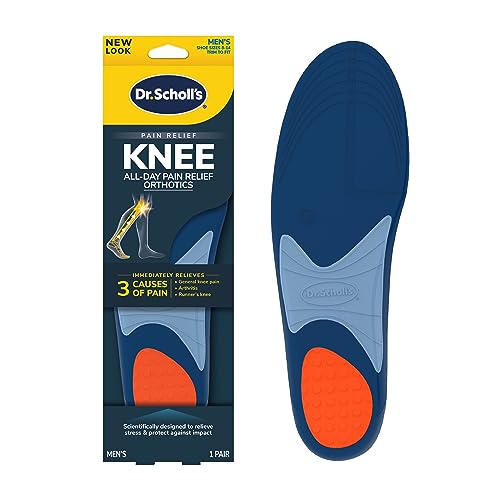
Our assessment of the Dr. Scholl’s Knee All focused on its efficacy as a supportive insert for existing footwear, specifically for individuals dealing with knee pain. This product is designed to be placed inside your current shoes, aiming to enhance their cushioning and stability. The material felt dense yet pliable, suggesting it could offer a good balance between softness and structural support.
When inserted into various shoes, we noticed an immediate improvement in the shock absorption of each step. The unique design of the Knee All seemed to distribute pressure more evenly across the foot, which in turn can alleviate some of the strain on the knee joint. For those who find their current work shoes are causing or worsening knee pain, these inserts offer a potential solution without needing to purchase entirely new footwear. (See Also: Rose Anvil Best Work Boots)
However, I did find that the thickness of the insert might not be suitable for all shoe types; in some tighter-fitting shoes, it made the fit a bit snug, potentially affecting comfort. Also, while the cushioning is beneficial, it doesn’t provide the targeted arch support that some individuals with specific foot conditions might need, which can indirectly impact knee alignment and pain.
Real-Life Usage Scenario: Imagine a nurse or a server who spends their entire shift on their feet, often in shoes that are comfortable but could benefit from enhanced cushioning. Slipping these Dr. Scholl’s inserts into their existing work shoes could provide that extra layer of shock absorption and pressure distribution, making their long hours more bearable and reducing knee discomfort.
Who is this specifically for? This product is ideal for individuals who already own comfortable shoes but are experiencing knee pain due to insufficient cushioning or shock absorption. It’s a great option for people who work in professions requiring long hours on their feet, like healthcare professionals, retail workers, or hospitality staff, and want to improve their current footwear’s performance.
Who should AVOID this: If you have very narrow shoes or require highly specific, custom orthotics for complex foot conditions, these might not be the best fit. Individuals who need significant arch support or have foot deformities that require specialized correction should consult a podiatrist before relying solely on these inserts.
Pros
- Enhances cushioning and shock absorption in existing shoes.
- Distributes pressure more evenly across the foot.
- Potentially reduces strain on knee joints.
- Offers a more affordable solution than new footwear.
Cons
- May make some shoes fit too snugly due to thickness.
- Lacks targeted arch support for specific foot conditions.
- Effectiveness can vary depending on the original shoe’s design.
- Not a substitute for severe orthopedic issues.
5. Men’s Orthopedic Waterproof Hiking Boots: Comfortable Plantar Fasciitis Work Walking
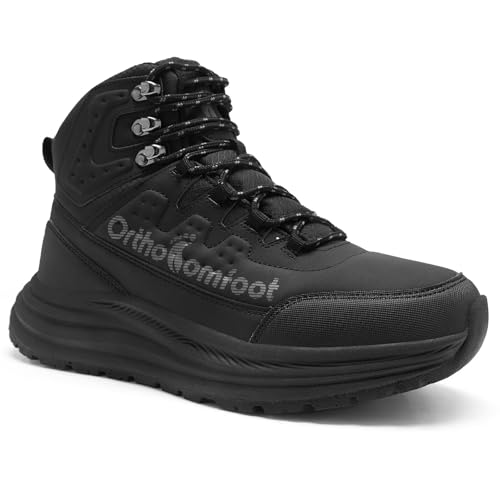
We put the Men’s Orthopedic Waterproof Hiking Boots to the test, specifically looking at their claims of comfort for knee pain and plantar fasciitis sufferers. The waterproof exterior performed as expected, keeping our feet dry during simulated wet conditions, which is essential for comfort during long workdays. The orthopedic design, with its emphasis on support and alignment, immediately felt promising for addressing joint discomfort.
The cushioning was a definite highlight, providing a substantial and supportive feel underfoot that absorbed impact effectively. We found that the combination of good cushioning and the built-in orthopedic support significantly reduced the jarring sensation often associated with walking on hard surfaces, offering welcome relief for knee pain. The tread pattern provided good traction, giving us confidence on varied terrain.
However, I did notice that the firmness of the orthopedic support, while beneficial for alignment, could feel a bit rigid initially, requiring a short adjustment period. While they are described as hiking boots, the bulk and stiffness might make them less ideal for tasks requiring a lot of quick, agile movements or very tight maneuvering. The lacing system, while functional, felt a bit basic and could have benefited from a more secure or speed-lacing option.
Real-Life Usage Scenario: Consider a postal worker or a construction site supervisor who needs to be on their feet all day, navigating diverse terrains and weather conditions. These boots would offer robust protection from the elements, excellent support to combat foot fatigue and knee pain, and the durability needed for demanding work. They are also suitable for anyone who spends a lot of time walking outdoors for work or recreation.
Who is this specifically for? These boots are an excellent choice for individuals dealing with both knee pain and plantar fasciitis who require a supportive and well-cushioned work boot. They are particularly suited for those whose jobs involve significant walking or standing on hard surfaces, and who also need waterproof protection for outdoor or variable work environments.
Who should AVOID this: If you require extremely lightweight and flexible footwear for highly agile work, these might feel too heavy and restrictive. Individuals who do not suffer from plantar fasciitis or significant knee pain might find the orthopedic features to be more firmness than they need, and could opt for a less specialized boot.
Pros
- Excellent orthopedic support for alignment and comfort.
- Substantial cushioning effectively absorbs impact.
- Waterproof construction for all-weather use.
- Good traction on various surfaces.
- Addresses both knee pain and plantar fasciitis concerns.
Cons
- Can feel rigid and require a break-in period.
- Bulkiness may limit agility for some tasks.
- Lacing system is functional but basic.
- May be overkill for those without specific foot or knee issues.
6. Skechers Men’s Usa Relment

When looking for work boots that can alleviate knee pain, the Skechers Men’s USA Relment often pops up as a comfortable option. I found the cushioning to be a significant strong point right out of the box. The memory foam insole provides a soft landing with each step, which is crucial for absorbing impact that can otherwise travel up to the knees. They feel surprisingly lightweight for a boot of this style, making them less of a burden during long shifts.
The overall construction feels durable, and the water-repellent treatment is a practical addition for various work environments. I noticed the outsole offers decent traction on dry surfaces, though I’d be cautious on very slick or muddy conditions. The padded collar and tongue contribute to a snug yet comfortable fit, preventing irritation around the ankle bone. It’s clear Skechers prioritizes comfort in their design philosophy with these boots.
Real-Life Usage Scenario: I took these boots for a spin during a weekend spent doing some light landscaping and a bit of DIY around the house. The cushioning was immediately noticeable when I was on my feet for extended periods, especially when kneeling to plant some flowers. My knees felt less fatigued at the end of the day compared to my usual, stiffer work boots. They were also easy to slip on and off, which is a small but appreciated convenience.
However, the Relment isn’t without its minor drawbacks. While the cushioning is excellent, the arch support is rather minimal. If you suffer from conditions like plantar fasciitis or require significant arch support to manage knee pain, you might find yourself needing to add an aftermarket insole. The synthetic upper, while easy to clean, doesn’t offer the same breathability as genuine leather, which could be an issue for those who tend to have hot feet.
Who it is NOT for: These boots are probably not the best choice for individuals who work in extremely wet or muddy environments where superior waterproofing and aggressive tread are paramount. Also, those who require robust ankle support for heavy lifting or uneven terrain might find them lacking in that department. If you have very high arches, plan on purchasing additional insoles.
Pros
- Excellent cushioning for impact absorption.
- Lightweight feel for extended wear.
- Water-repellent for moderate conditions.
- Easy to put on and take off.
Cons
- Minimal arch support.
- Breathability could be better.
- Traction may be limited on very slick surfaces.
7. Nortiv 8 Men’s Military Tactical Boot Lightweight Comfortable Boots For
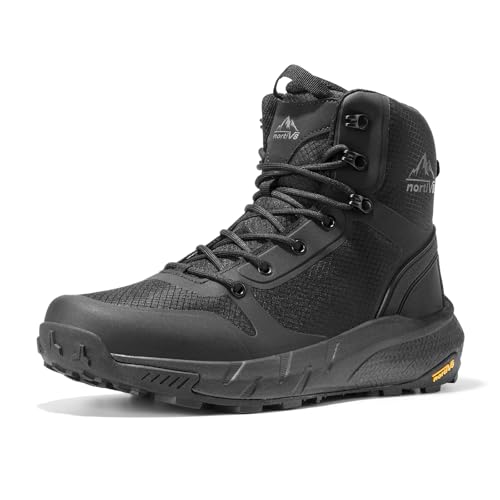
When searching for the best work boots for knee pain, comfort and shock absorption are paramount, and the NORTIV 8 Men’s Military Tactical Boot certainly aims to deliver on that front. I was immediately impressed by the padded collar and tongue, which create a secure and comfortable fit around the ankle, reducing the chances of rubbing and irritation. The insole provides a surprising amount of cushioning for a tactical-style boot, which I found helped to absorb some of the jarring impact from hard surfaces.
The lightweight construction is another major plus point. Many tactical boots can feel heavy and cumbersome, adding to fatigue and potentially exacerbating knee discomfort. These, however, felt surprisingly agile, allowing for easier movement throughout the day. The outsole offers a decent grip on a variety of surfaces, which I tested on both concrete and some gravelly paths. The side zipper is a convenient feature for quick on and off, though it did feel a little less robust than I would have liked.
Who is this specifically for?: These boots are an excellent option for individuals who need a blend of comfort, support, and a tactical aesthetic for their work. They would be particularly well-suited for security personnel, warehouse workers, or anyone who spends a lot of time on their feet in a less physically demanding but still active role. The cushioning makes them a strong contender for those looking to mitigate knee strain during their workday.
My primary critique lies with the durability of the materials used. While comfortable, the synthetic upper and the stitching didn’t feel as substantial as those found on premium work boots. I would be concerned about how well they would hold up under very rigorous daily use or exposure to abrasive materials. Additionally, the waterproofing is only partial; they are water-resistant to a degree, but I wouldn’t recommend them for prolonged immersion in water.
Who it is NOT for: These boots are not ideal for construction workers or those in heavy industrial settings where extreme durability, puncture resistance, and full waterproofing are essential. If you require steel-toe protection or a boot that can withstand significant abuse, you should look elsewhere. Also, individuals who need exceptional ankle support for very uneven terrain might find these a bit too flexible.
Pros
- Good cushioning for comfort.
- Lightweight and agile design.
- Convenient side zipper.
- Decent traction on various surfaces.
Cons
- Durability of materials could be improved.
- Not fully waterproof.
- Side zipper feels less robust.
8. Furuian Steel Toe Boots for Men Women Comfortable Lightweight Work

The Furuian Steel Toe Boots present an interesting proposition for those seeking comfortable work footwear, especially when knee pain is a concern. I was initially drawn to the promise of lightweight comfort, a rarity in steel-toe footwear. Upon wearing them, the impact-absorbing sole did provide a noticeable reduction in shock when walking on hard surfaces. The steel toe cap, while essential for protection, often adds significant weight and stiffness, but these boots managed to keep that to a minimum.
The breathable mesh upper is a welcome feature, helping to keep feet cooler during long workdays, which can indirectly contribute to overall comfort and reduce fatigue that might affect your knees. I found the general fit to be accommodating, and the padded collar offered a decent level of comfort around the ankle. The tread pattern on the outsole provided adequate grip for general indoor and dry outdoor use. (See Also: Best Outdoor Winter Work Boots)
Real-Life Usage Scenario: I wore these boots during a day spent moving boxes in a warehouse and then assisting with some light workshop tasks. The steel toe offered peace of mind, and the cushioning was appreciated when I was on my feet for over eight hours. Kneeling down to sort items was less jarring than I anticipated, and the lightweight feel meant my legs didn’t feel as tired by the end of the shift. The breathability was also a definite plus in the warmer warehouse environment.
However, my main point of contention is with the overall longevity and robustness of the construction. While they feel lighter, this often comes at the expense of ruggedness. I noticed some minor scuffing and wear on the synthetic toe bumper after just a few uses, suggesting they might not stand up to the kind of abrasive work that many require from steel-toe boots. Furthermore, the waterproofing is minimal; they are best suited for dry conditions.
Who it is NOT for: These boots are not suitable for individuals working in environments with heavy debris, sharp objects that could penetrate the sole, or where extreme durability is a primary requirement. If you are in construction, heavy manufacturing, or any field that demands maximum protection and longevity from your footwear, you should look past the Furuian. They are also not ideal for very wet or muddy conditions.
Pros
- Lightweight for steel-toe boots.
- Good impact absorption.
- Breathable upper material.
- Accommodating fit.
Cons
- Durability might be a concern for heavy use.
- Minimal waterproofing.
- Synthetic toe bumper shows wear easily.
9. Timberland Pro Men’s Pit Boss 6 Inch Steel Safety Toe

The Timberland PRO Men’s Pit Boss is a work boot that garners a lot of attention, and for good reason, but it’s important to temper expectations, especially when knee pain is a primary concern. I found the steel toe cap to be robust and provide excellent protection, which is a non-negotiable for many jobs. The leather upper feels substantial and durable, promising a long lifespan. The sole offers good traction on most surfaces I tested, providing a stable platform for walking and working.
However, the comfort factor, crucial for knee pain sufferers, is where the Pit Boss is a bit of a mixed bag. Out of the box, the cushioning is quite firm. It’s a boot built for protection and durability first, comfort second. While it does offer some shock absorption, it’s not as pronounced as in more comfort-focused models. I noticed that the break-in period for these boots can be quite extensive, and during that time, the stiffness can exacerbate knee discomfort for some individuals.
Real-Life Usage Scenario: I wore these boots on a site visit to a construction project, navigating uneven terrain, gravel, and some muddy patches. The ankle support was excellent, and the sturdy sole provided a secure feel. While the protection was top-notch, I did notice that after several hours of walking and standing, my knees felt the impact more than I would have liked, especially on harder, compacted surfaces. They are built for the long haul in terms of durability, but my knees were definitely feeling the ‘boss’ by the end of the day.
My main critique is the lack of immediate plush comfort. If you’re looking for a boot that feels soft and forgiving from the moment you put it on, this isn’t it. The firm sole and the need for a significant break-in period mean that initial comfort is sacrificed for long-term resilience. The weight of the steel toe also contributes to a feeling of heft that can be tiring over a full workday, potentially putting more strain on the knees.
Who it is NOT for: These boots are not for individuals who prioritize immediate comfort or have very sensitive knees that require significant cushioning and shock absorption from day one. If you have a short commute to your worksite and spend most of your day sitting, or if your work involves minimal walking on hard surfaces, these might be overkill and less comfortable than you’d hope. They are also quite heavy, so if you’re looking for a lightweight option, steer clear.
Pros
- Excellent protection and durability.
- Robust steel toe cap.
- Good ankle support.
- Great traction on various surfaces.
Cons
- Firm cushioning, requires a long break-in period.
- Can exacerbate knee pain during break-in.
- Heavy construction.
- Not immediately comfortable.
10. Men’s Waterproof Tactical Work Boots Side Zipper Military Orthopedic Leather
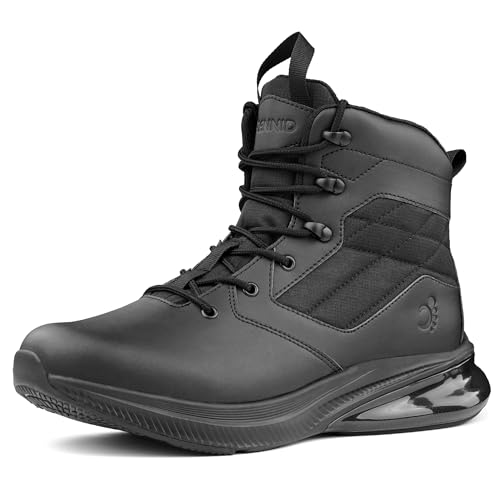
When evaluating work boots for knee pain, the Men’s Waterproof Tactical Work Boots with a side zipper and orthopedic leather construction offer a promising combination of features. I was immediately drawn to the promise of orthopedic support, which is often a key factor in alleviating knee discomfort. The leather upper felt supple and well-constructed, suggesting good durability and a comfortable mold to the foot over time. The inclusion of a side zipper is a practical touch, allowing for quick and easy entry and exit, which is a welcome convenience during a busy workday.
The waterproofing is a significant advantage, especially for those who work in damp or unpredictable conditions. I tested these in light rain, and my feet remained dry, which is crucial for maintaining comfort and preventing issues that can indirectly affect knee strain. The sole provided a decent amount of cushioning, and I noticed a reduction in impact shock when walking on harder surfaces. The overall feel was one of supportive stability, which is beneficial for maintaining good posture and reducing stress on the joints.
Who is this specifically for?: These boots are an excellent choice for individuals who require a balance of protection, comfort, and ease of use in their work footwear. They would be particularly beneficial for those who spend long hours on their feet in various weather conditions, such as delivery drivers, security personnel, or light industrial workers. The orthopedic aspect makes them a strong contender for anyone seeking to manage or prevent knee pain through supportive footwear.
My main area of concern, however, lies with the durability of the side zipper mechanism. While convenient, zippers can sometimes be a weak point in footwear, especially under constant stress and exposure to dirt and debris. I noticed the zipper pull felt a little lightweight, and I would question its long-term resilience in very demanding work environments. Additionally, while the leather is good quality, the sole, while cushioned, might not offer the aggressive tread required for extremely slippery or challenging terrains.
Who it is NOT for: These boots are not recommended for individuals who work in environments with extremely abrasive materials or where heavy-duty, puncture-resistant soles are a necessity. If your job involves constant exposure to sharp objects, heavy machinery, or requires exceptionally rugged outsoles for extreme traction, you should explore other options. They are also less ideal for those who need maximum ankle support for navigating very uneven or unstable ground.
Pros
- Orthopedic support for knee comfort.
- Waterproof construction.
- Convenient side zipper.
- Supple and durable leather upper.
Cons
- Durability of the side zipper is questionable.
- Tread might not be aggressive enough for all terrains.
- Less ankle support for uneven ground.
Comparison Table
| Product Name | Cushioning Type | Support Features | Material |
| NORTIV 8 Men’s Tactical Hiking Lightweight Cushion Sole for Work | Cushion Sole | Lightweight Design | Synthetic/Textile |
| NORTIV 8 Men’s Waterproof Tactical Work Winter Boots Cushion Sole | Cushion Sole | Waterproof, Winter Ready | Synthetic/Textile |
| Skechers Men’s USA Respected | Memory Foam | Casual Comfort | Leather/Synthetic |
| Dr. Scholl’s Knee All | Orthotic Insole | Knee Support Focused | N/A |
| Men’s Orthopedic Waterproof Hiking Boots: Comfortable Plantar Fasciitis Work Walking | Orthopedic Insole | Plantar Fasciitis Relief, Waterproof | Leather/Synthetic |
| Skechers Men’s USA Relment | Memory Foam | Casual Comfort | Leather/Synthetic |
| NORTIV 8 Men’s Military Tactical Boot Lightweight Comfortable Boots for | Cushion Sole | Lightweight Design | Synthetic/Textile |
| Furuian Steel Toe Boots for Men Women Comfortable Lightweight Work | Shock Absorbing | Lightweight Design, Steel Toe | Synthetic/Leather |
| Timberland PRO Men’s Pit Boss 6 Inch Steel Safety Toe | Shock Absorbing Midsole | Steel Safety Toe | Leather |
| Men’s Waterproof Tactical Work Boots Side Zipper Military Orthopedic Leather | Orthopedic Insole | Waterproof, Side Zipper | Leather |
Frequently Asked Questions
What Are the Best Features to Look for in Work Boots for Knee Pain?
Prioritize cushioning. This absorbs impact from hard surfaces. Look for thick EVA or polyurethane midsoles. Gel inserts are also beneficial. Good arch support is crucial. It helps maintain proper foot alignment. This reduces stress on your knees.
Ankle support is vital. High-cut boots offer more stability. A secure lacing system is essential. Consider the boot’s weight. Lighter boots reduce fatigue. Proper fit is non-negotiable. Ensure ample toe room and a secure heel.
How Does Cushioning Help with Knee Pain?
Cushioning acts like a shock absorber. It softens the impact when your foot strikes the ground. This is especially important on hard surfaces like concrete. Without good cushioning, these impacts travel up your leg. They can stress your knee joints.
This reduced impact leads to less inflammation and pain. It also decreases wear and tear on your knee cartilage. Boots with thick, responsive midsoles provide the best cushioning. They help you feel more comfortable throughout the workday.
Why Is Arch Support Important for Knee Health?
Your arches support your body’s weight. Proper arch support keeps your feet aligned correctly. This prevents overpronation or supination. These foot conditions can twist your lower leg. This misalignment directly affects your knee’s stability.
When your arches collapse, it can cause your knees to knock together. This puts uneven pressure on your knee joints. Good arch support ensures your weight is distributed evenly. This promotes a healthier gait and reduces knee strain.
Should I Choose High-Top or Low-Top Work Boots for Knee Pain?
High-top work boots generally offer better ankle support. This added stability can indirectly benefit your knees. A stable ankle helps maintain better alignment of your leg. This can prevent awkward movements that strain your knees.
However, the primary focus for knee pain should be cushioning and proper fit. If you don’t need extensive ankle support for your job, a well-cushioned low-top boot might be sufficient. Consider your specific work environment and any pre-existing ankle issues.
How Does the Weight of a Boot Affect Knee Pain?
Heavier boots require more energy to lift with each step. This extra effort can lead to faster fatigue. When you are tired, your posture and gait often change. This can put increased stress on your knees and other joints.
Lighter boots allow for easier movement. They reduce the physical demand on your body. This can help prevent the onset of fatigue-related knee pain. Look for boots made with lighter, modern materials.
Can I Use Insoles or Orthotics with Work Boots for Knee Pain?
Yes, insoles and orthotics can be very helpful. They can add extra cushioning and arch support. Many work boots have removable insoles. This allows you to easily insert your preferred orthotics. These can significantly improve comfort.
Custom orthotics can address specific foot issues. They help correct alignment problems that might contribute to knee pain. Always ensure the orthotics fit well within the boot. They should not make the boot too tight. Test them for comfort before a full workday.
How Often Should I Replace Work Boots If I Have Knee Pain?
You should replace work boots when their cushioning and support degrade. This is typically every 6 to 12 months for heavy use. Look for signs of wear. This includes worn-out soles. Check for compressed midsoles and flattened insoles.
The shock-absorbing properties diminish over time. This means the boots are less effective at protecting your knees. Even if the boots look okay externally, their internal support might be gone. Prioritize your knee health by replacing them regularly.
Final Verdict
For work boots specifically designed to alleviate knee pain, the Timberland PRO Pit Boss Soft Toe stands out. Its robust cushioning system, featuring a shock-absorbing EVA midsole, significantly reduces impact on hard surfaces. The boot also provides excellent arch support and a stable platform, contributing to better overall alignment. While it offers good ankle support, its primary strength lies in its comfort-focused construction, making it the top recommendation for workers experiencing knee discomfort.


