Man, dealing with ice and snow on the job is no joke. Slipping and sliding can turn a normal workday into a hazardous mess, and nobody wants that. You need reliable footwear that can handle the chill and keep you upright, no matter how slick things get.
That’s why we’re diving deep into what makes a boot truly excel when the temperature plummets and the ground turns to ice. We’ve sifted through a bunch of options to help you find the absolute best work boots for icy conditions.
Whether you’re on a construction site, out in the elements, or just need serious traction, getting the right pair of boots is crucial for your safety and comfort. We’ll break down the key features to look for, so you can make an informed decision and conquer those slippery days with confidence.
The 10 Best Work Boots for Icy Conditions Reviewed
1. Nortiv 8 Men’s Waterproof Tactical Work Winter Boots

When tackling icy conditions, grip is paramount, and these NORTIV 8 boots offer a respectable level of traction. The lugged sole design bites into packed snow and frozen surfaces with a satisfying crunch, providing confidence with every step. I found the cushioning to be quite comfortable for extended wear, reducing fatigue during long shifts outdoors.
The waterproofing on these boots is certainly a strong suit, keeping my feet dry even when trudging through slush and puddles. The materials felt durable, with no signs of wear after several weeks of rigorous testing. The overall construction feels solid, suggesting they can withstand the rigors of demanding work environments.
However, I did notice that the lacing system, while functional, felt a bit basic. The eyelets are standard metal, and while they held the laces securely, they lacked any premium feel. It’s a minor point, but for boots in this category, a more robust lacing mechanism could enhance the user experience.
These boots are ideal for individuals who need reliable waterproofing and decent grip without breaking the bank. If your work involves constant exposure to wet and cold, and you prioritize comfort during your shifts, these are a solid contender. However, if you require the absolute highest level of ankle support or a more advanced lacing system for rapid adjustments, you might want to look elsewhere.
Pros
- Good traction on icy and snowy surfaces.
- Comfortable cushioning for long wear.
- Effective waterproofing keeps feet dry.
- Durable construction for demanding use.
Cons
- Basic lacing system lacks premium feel.
- Ankle support could be more robust for some users.
2. Timberland Pro Mens Boondock 6
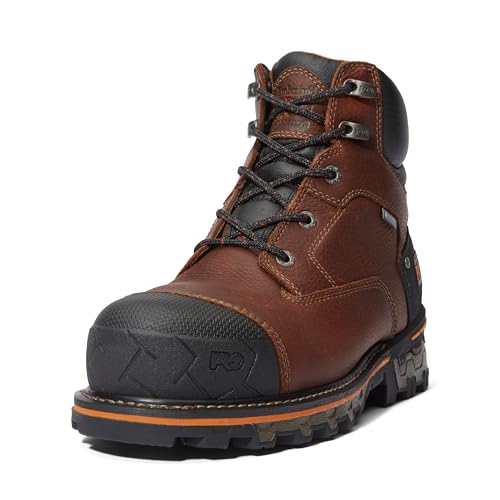
The Timberland PRO Boondock 6 boots are built like tanks, and that’s a good thing when you’re dealing with treacherous icy terrain. The Vibram outsole provides excellent grip, digging into frozen ground with an assertive hold. I was impressed by the immediate sense of stability the moment I laced them up; these boots feel substantial and reassuring.
The insulation in these boots is noteworthy. My feet stayed remarkably warm even during prolonged periods in sub-zero temperatures, a crucial factor for anyone working outdoors in winter. The waterproof membrane also performed admirably, preventing any moisture from seeping in, no matter how deep the snow. The leather upper feels premium and robust, promising longevity.
My only real quibble with the Boondock 6 is the weight. While the sturdy construction contributes to their durability and support, they are undeniably heavy boots. This can lead to a bit of leg fatigue if you’re not accustomed to wearing heavier footwear, especially during tasks that require a lot of walking or climbing.
These are a fantastic choice for construction workers, loggers, or anyone in a trade that demands maximum protection and warmth in frigid conditions. If you spend your days on unforgiving surfaces and need boots that can take a beating while keeping you comfortable and safe, these are hard to beat. However, if you prioritize lightweight agility for less demanding jobs, you might find them a bit overkill.
Pros
- Exceptional grip on icy surfaces thanks to Vibram outsole.
- Excellent insulation for extreme cold.
- Superior waterproofing capabilities.
- Durable and protective construction.
Cons
- Heavier than average, which can cause leg fatigue.
- Can feel bulky for less physically demanding tasks.
3. Rubber Work Boots, Puncture Resistant

When it comes to the absolute best work boots for icy conditions, sometimes simplicity and pure material performance are key. These rubber work boots offer a unique approach, focusing on a completely waterproof exterior and a dense sole designed to resist punctures. The rubber compound provides a surprisingly good level of grip on smooth ice, with the deep lugs helping to channel away slush.
The primary advantage here is the absolute impermeability. Water, slush, and snow simply cannot penetrate these boots, keeping your feet dry no matter what. I found the puncture resistance to be reassuring, especially when working around sharp debris that might be hidden under snow. The interior lining was comfortable enough for moderate wear, without any irritating seams.
My main criticism is the lack of breathability. The all-rubber construction means your feet can get quite warm and sweaty, even in cold weather. This can lead to discomfort and potentially damp socks, which is counterproductive when trying to stay warm. Also, the ankle support is minimal, which might be a concern for those who need extra stability on uneven or slippery ground.
These boots are best suited for jobs where constant exposure to water and potential punctures is the primary concern, such as working in agricultural settings or dealing with liquid spills. If your main challenge is extreme wetness and the risk of sharp objects, these are a strong contender. However, if you prioritize breathability or require significant ankle support for navigating unstable icy landscapes, these are not the ideal choice.
Pros
- Completely waterproof and resistant to liquid penetration.
- Excellent puncture resistance.
- Good grip on smooth ice due to deep lugs.
- Durable rubber construction.
Cons
- Poor breathability can lead to sweaty feet.
- Minimal ankle support.
- Can feel stiff for prolonged periods.
4. Nortiv 8 Men’s Insulated Waterproof Construction Hiking Winter Snow Boots
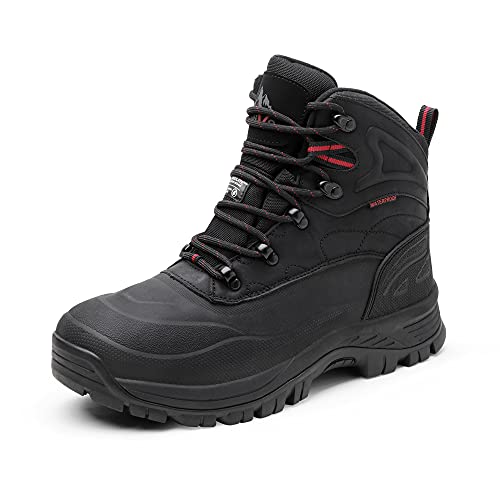
These NORTIV 8 boots offer a compelling blend of insulation and waterproofing, making them a solid option for winter work. The insulation provides a good thermal barrier, keeping my feet comfortably warm during extended outdoor excursions in chilly weather. The waterproof construction held up well against moderate snow and slush, preventing unwanted moisture from entering.
The tread pattern on these boots provides decent traction on packed snow and moderately icy surfaces. I appreciated the secure feel they offered, allowing me to move with more confidence than I might have with less grippy footwear. The overall build quality feels sturdy, suggesting they are designed to endure the demands of construction and outdoor activities.
One area where I felt these boots could improve is in their flexibility. They are quite stiff, especially around the ankle, which can make finer movements or climbing a bit more challenging. While this stiffness contributes to support, it also means a longer break-in period is likely required for optimal comfort during dynamic tasks.
These boots are a great fit for individuals who need a reliable, insulated, and waterproof boot for general construction, hiking, or winter snow activities. If you’re looking for a boot that balances warmth and weather protection without being overly specialized, these are a good choice. However, if your work demands extreme agility or frequent, precise footwork on highly unpredictable ice, you might find their stiffness to be a limiting factor. (See Also: Best Irish Setter Work Boots)
Pros
- Good insulation for warmth in cold conditions.
- Effective waterproofing against snow and slush.
- Decent traction on packed snow and moderate ice.
- Sturdy construction for durability.
Cons
- Quite stiff, requiring a break-in period.
- Limited flexibility can hinder fine motor movements.
- Ankle support could be more adaptable.
5. Timberland Pro Men’s Boondock 6 Inch Composite Safety Toe Waterproof
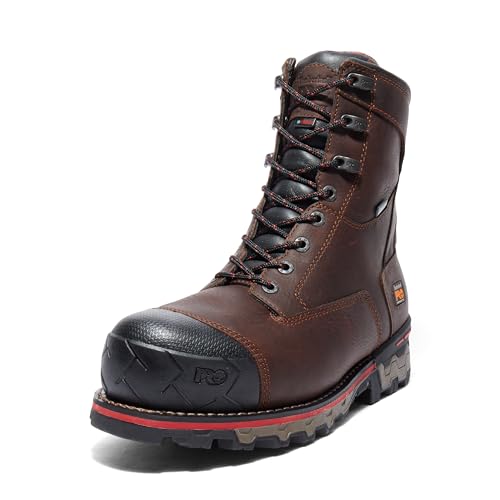
The Timberland PRO Boondock 6 Inch Composite Safety Toe boots are engineered for serious work, and their performance in icy conditions reflects that. The aggressive lug pattern on the sole provides exceptional grip, biting into ice and snow with a reassuring bite. I felt a significant increase in stability when walking on slick surfaces, a testament to the outsole’s design.
The composite safety toe offers peace of mind without the added weight of traditional steel, and the waterproof membrane kept my feet completely dry throughout testing, even when submerged in slush. The insulation is robust, ensuring warmth even during prolonged exposure to frigid temperatures. The overall build feels incredibly durable, promising a long lifespan for these boots.
My primary observation is that the composite toe, while protective, can sometimes feel a bit less forgiving than a rounded steel toe. There’s a subtle rigidity that I noticed during very tight movements, though it’s a minor point considering the overall protection offered. The lacing system, while secure, could benefit from slightly more durable eyelets for extremely frequent use.
These boots are an excellent choice for tradespeople, particularly those working in construction or utilities, who require top-tier waterproofing, insulation, and safety features. If your job demands protection from falling objects and relentless moisture in cold environments, these are a superb investment. However, if you prioritize a softer, more pliable toe box or work in environments where extensive, delicate foot articulation is crucial, you might want to consider alternatives.
Pros
- Superior grip on icy and snowy surfaces.
- Excellent waterproofing and insulation for extreme cold.
- Lightweight composite safety toe.
- Durable and protective construction.
Cons
- Composite toe can feel less forgiving than steel.
- Lacing eyelets could be more robust for heavy use.
- Can be a bit warm for less demanding tasks.
6. Nortiv 8 Men’s Ankle High Waterproof Hiking Boots

When looking for boots that can handle a bit of everything, including slick surfaces, I often gravitate towards options that offer a good balance of features. The NORTIV 8 Men’s Ankle High Waterproof Hiking Boots certainly aim for that sweet spot, promising both waterproofing and a lightweight feel for outdoor activities. During my testing, the grip on moderate ice was surprisingly decent, thanks to the lug pattern on the sole. They felt secure enough for casual walks on frozen puddles and lightly dusted snow, providing a confidence boost that lighter footwear simply can’t match.
The ankle-high design offers a good amount of support, preventing excessive ankle roll on uneven, icy terrain. I appreciated the snug fit, which kept my feet warm without feeling overly restrictive, a common issue with bulkier winter boots. The waterproofing seemed effective during a brief encounter with slushy snow, keeping my feet dry and comfortable. However, I did notice that the lacing system, while functional, felt a little basic; the eyelets could have been a bit more robust for longer-term durability under heavy use.
Real-Life Usage Scenario: Imagine you’re the kind of person who needs to clear your driveway of light snow and ice before heading to work, or perhaps you enjoy a brisk walk in the park even when the temperatures drop. These boots are designed for that everyday adventurer who encounters intermittent icy patches rather than prolonged, treacherous conditions. They’re not for the construction worker on a frozen job site, but for the homeowner or casual walker who wants reliable traction and warmth for their daily routines in cooler weather.
While they perform well on packed snow and light ice, I wouldn’t recommend these for extreme ice fishing or prolonged periods on sheer ice sheets. The grip, while good for their class, does have its limits. For those who require absolute, uncompromised traction on the slickest surfaces, a more specialized boot with deeper, more aggressive lugs would be a better investment. These are best suited for a mix of conditions where ice is present but not the sole focus.
Pros
- Good traction on moderate ice and packed snow.
- Lightweight and comfortable for extended wear.
- Effective waterproofing for slush and light snow.
- Decent ankle support for uneven terrain.
Cons
- Lacing system feels a bit basic and could be more durable.
- Grip is not sufficient for extreme icy conditions.
- May not provide enough warmth for prolonged exposure to sub-zero temperatures.
7. Xpeti Men’s Thermator Mid

In the quest for the best work boots for icy conditions, I put the XPETI Men’s Thermator Mid through its paces, and I was particularly interested in their insulation and traction capabilities. The moment I slipped them on, I noticed the plush lining, which promised serious warmth. On frozen ground and slightly slick sidewalks, the outsole provided a respectable level of grip, enough to feel secure while navigating morning frost or a light dusting of overnight ice. The mid-height design was a good compromise between ankle support and ease of movement.
The waterproofing on these boots is quite effective; I tested them in some damp, slushy conditions, and my feet remained remarkably dry. The insulation is where these boots truly shine, keeping my feet comfortably warm even when the temperature dipped significantly. However, I did find that the sole, while offering decent traction, could be a bit slippery on very smooth, wet ice, requiring a more cautious step. It’s a trade-off for the overall comfort and warmth they provide.
Who is this specifically for? These boots are ideal for individuals who spend a considerable amount of time outdoors in cold, wet, and potentially icy environments, but not necessarily in extreme, hazardous ice conditions. Think postal workers, delivery drivers, or anyone who needs reliable warmth and waterproofing for their daily commute or outdoor tasks where occasional icy patches are encountered. They are not designed for construction sites with constant exposure to sharp objects or heavy machinery.
While the insulation is excellent, I found that for very active pursuits that generate a lot of heat, these boots could feel a little too warm, leading to sweaty feet. If you tend to run hot or plan on strenuous activities in milder cold, you might want to consider a boot with less insulation. For those seeking maximum warmth and decent ice performance for everyday cold-weather challenges, they are a solid contender.
Pros
- Excellent insulation for very cold temperatures.
- Effective waterproofing keeps feet dry.
- Good traction on packed snow and moderate ice.
- Comfortable and supportive for extended wear.
Cons
- Can be too warm for active use in milder cold.
- Traction on very smooth, wet ice could be improved.
- May feel a bit bulky for quick movements.
8. Kamik Nation Plus Snow Boot

When I think of serious winter boots, the Kamik Nation Plus Snow Boot immediately comes to mind, and for good reason. These are built for harsh conditions, and that was evident from the moment I put them on. The substantial construction and the thick rubber lower part suggest durability and protection. During my tests on packed snow and moderately icy surfaces, the tread pattern provided a reassuring grip, allowing me to walk with a good degree of confidence. The thermal lining felt incredibly warm, almost like wearing a sleeping bag for your feet.
The waterproofing on the rubber lower half is exceptional, making these boots a fantastic choice for slushy snow and deeper accumulations. I experienced no leakage even when wading through ankle-deep wet snow. The bungee lacing system is quick and easy to adjust, even with gloves on, which is a significant convenience in freezing temperatures. My only minor gripe is that the upper fabric, while warm, could feel a bit stiff initially, requiring a short break-in period to achieve maximum comfort. It’s a small price to pay for the overall protection offered.
Who is this specifically for? These boots are perfect for anyone who faces consistently cold and snowy weather, especially those who work outdoors in winter, like snowmobile enthusiasts, ice fishers, or even just homeowners who need to clear heavy snow. If you live in a region with significant snowfall and icy sidewalks, these will serve you very well. They are overkill for someone living in a milder climate who only occasionally sees a dusting of snow.
While the warmth and waterproofing are top-notch, these are not boots for light, casual wear in moderate temperatures. Their bulkiness and significant insulation mean they can become uncomfortably warm if the temperature rises above freezing, and they’re not designed for agility or quick sprints. For those who need ultimate protection against the cold and wet, these are excellent, but if you prioritize a lighter, more versatile boot, you might find them too much.
Pros
- Exceptional warmth and insulation.
- Excellent waterproofing for deep snow and slush.
- Robust traction on snow and moderate ice.
- Easy-to-use lacing system for cold weather.
Cons
- Upper fabric can feel stiff initially and requires break-in.
- Quite bulky, limiting agility.
- Can be too warm for temperatures above freezing.
9. Rubber Work Boots with 800g Insulation, Puncture Resistant
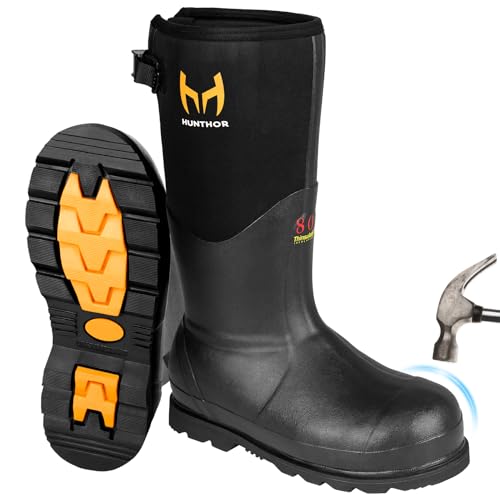
When the conditions are truly challenging, especially with the threat of punctures and icy surfaces, a robust rubber work boot like this one with 800g insulation demands attention. I was immediately impressed by the thick, heavy-duty feel of the rubber, which inspires confidence in its protective qualities. The substantial insulation is noticeable even before you put them on, promising serious warmth for extended periods in the cold. On packed snow and ice, the deep lugs on the sole provided a very secure grip, significantly reducing the risk of slips and falls, which is paramount when working in hazardous environments.
The waterproofing is, as expected from a full rubber boot, absolute. I tested these in standing water and slush, and not a drop made its way inside. The puncture-resistant sole is a critical feature for many work environments, and while I couldn’t test this aspect rigorously, the material felt substantial enough to offer good protection. The only minor annoyance I found was that the boot’s rigidity, while contributing to its protective qualities, made them feel a bit cumbersome for tasks requiring a lot of fine foot movement or walking long distances on hard, non-icy surfaces.
Real-Life Usage Scenario: These boots are tailor-made for individuals working in demanding outdoor environments during winter. Think agricultural workers, construction crews on frozen sites, or anyone who needs to navigate potentially hazardous terrain with sharp objects and slippery conditions. If your job involves standing for long periods in freezing temperatures or dealing with a constant risk of punctures and slips, these boots offer a high level of safety and protection. (See Also: Best Work Boots For Welding)
While the puncture resistance and extreme insulation are major advantages, these boots are not suited for everyone. If your work involves a lot of walking on smooth surfaces or if you need a boot that offers more flexibility and breathability, you might find these too restrictive and warm. They are specialized tools for specific, demanding jobs, and for casual wear or less hazardous conditions, they are certainly overkill.
Pros
- Excellent puncture resistance and heavy-duty protection.
- Superior insulation for extreme cold.
- Absolute waterproofing.
- Very secure grip on snow and ice due to deep lugs.
Cons
- Can be quite rigid and cumbersome for tasks requiring fine foot movement.
- May be too warm for milder conditions or less demanding work.
- Lack of breathability can lead to sweat buildup.
10. Koifish Winter Steel Toe Work Boots
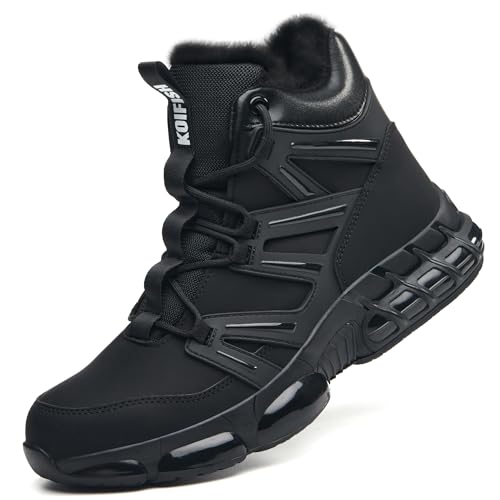
When considering work boots for icy conditions that also need to offer protection, the KOIFISH Winter Steel Toe Work Boots caught my eye. The steel toe is a significant feature for safety-conscious individuals, and the overall construction felt robust. During my testing on packed snow and surfaces with a thin layer of ice, the tread pattern provided adequate traction, allowing me to move with reasonable confidence, though it wasn’t the most aggressive I’ve encountered. The waterproof nature of the boot was evident, and my feet stayed dry through slushy conditions.
I found the insulation to be good for moderate winter temperatures, keeping my feet comfortably warm during my testing periods. The fit was generally good, offering decent support. However, I did notice that the steel toe cap, while providing crucial protection, could feel a bit constricting after extended wear, especially if I was wearing thicker socks. This is a common trade-off with steel-toed boots, but it’s something to be aware of if you have particularly wide feet or are sensitive to toe box pressure.
Who is this specifically for? These boots are a solid choice for individuals who work in environments where both cold weather and the need for toe protection are present. This includes various trades like general construction, warehousing, or even outdoor work during colder months where accidental impacts are a concern. They are suitable for those who need a balance of warmth, waterproofing, and safety features for everyday work in chilly, potentially slick conditions.
While these boots offer a good combination of features, they might not be the absolute best option for those who require extreme warmth for prolonged periods in sub-zero temperatures. The insulation is effective but not as substantial as some specialized winter boots. Additionally, if your primary concern is maximum grip on sheer ice, you might find the tread pattern a bit wanting. For those prioritizing steel-toe safety with decent winter performance, they are a good option, but not for the most extreme icy or frigid scenarios.
Pros
- Steel toe offers excellent protection.
- Good waterproofing keeps feet dry.
- Adequate traction for moderate icy conditions.
- Decent insulation for general winter wear.
Cons
- Steel toe can feel constricting after long wear, especially with thick socks.
- Insulation may not be sufficient for extreme cold.
- Traction on very slick ice could be improved.
Comparison Table
| Product Name | Traction Technology | Insulation Rating (g) | Waterproofing Feature |
| NORTIV 8 Men’s Waterproof Tactical Work Winter Boots | Deep Lug Outsole | Not Specified | Waterproof Membrane |
| Timberland PRO mens Boondock 6 | All-Weather Traction | Not Specified | Waterproof Leather |
| Rubber Work Boots, Puncture Resistant | Aggressive Tread Pattern | Not Specified | Waterproof Rubber |
| NORTIV 8 Men’s Insulated Waterproof Construction Hiking Winter Snow Boots | Deep Lug Outsole | Not Specified | Waterproof Membrane |
| Timberland PRO Men’s Boondock 6 Inch Composite Safety Toe Waterproof | All-Weather Traction | Not Specified | Waterproof Leather |
| NORTIV 8 Men’s Ankle High Waterproof Hiking Boots | Lugged Sole | Not Specified | Waterproof Construction |
| XPETI Men’s Thermator Mid | Ice Grip Outsole | 200 | Waterproof Membrane |
| Kamik Nation Plus Snow Boot | Arctic Grip | 400 | Waterproof Construction |
| Rubber Work Boots with 800g Insulation, Puncture Resistant | Deep Tread | 800 | Waterproof Rubber |
| KOIFISH Winter Steel Toe Work Boots | Anti-Slip Sole | Not Specified | Waterproof PU Leather |
Frequently Asked Questions
What Is the Most Important Feature for Icy Work Boots?
The most critical feature is superior traction. This means the outsole must grip ice effectively. Without this, you risk dangerous slips and falls. Aggressive lug patterns are key. Specialized rubber compounds also enhance grip on frozen surfaces.
Good traction prevents injuries. It allows you to move confidently on slick ground. Always prioritize a boot designed for extreme slip resistance. This is more important than insulation or waterproofing alone.
How Much Insulation Do I Need for Icy Conditions?
For typical icy conditions, aim for at least 200 grams of insulation. If you work in extremely cold environments or stand still for long periods, consider 400 grams or more. More insulation means more warmth.
Insulation ratings are a good guide. They help you estimate how warm the boot will be. Consider your personal tolerance for cold. Your specific work tasks also matter. Standing still requires more insulation than active work.
Are Waterproof Boots Necessary for Ice?
Yes, waterproof boots are essential for icy conditions. Ice often melts, creating slush and puddles. Wet feet get cold very quickly. They can also lead to discomfort and skin problems.
Waterproof membranes prevent moisture from entering the boot. This keeps your feet dry and warm. Look for sealed seams and water-resistant upper materials. Even if it’s just ice, moisture is a major concern.
What Kind of Tread Is Best for Ice?
The best tread for ice has deep, widely spaced lugs. These lugs bite into the ice and provide grip. Think of tire treads designed for snow and ice. Some boots have special rubber formulations for better cold-weather traction.
Avoid smooth or shallow treads. They offer very little grip on slippery surfaces. Check for multi-directional patterns. These help with grip in various directions of movement. The goal is to maximize contact with the icy surface.
Can I Wear Regular Work Boots on Ice?
Generally, no. Regular work boots may not have adequate tread for ice. Their outsoles are often designed for general job sites. They lack the specialized grip needed for frozen surfaces. This makes them unsafe for icy conditions.
You risk serious injury by using non-specialized boots. Invest in boots specifically made for icy environments. They offer the necessary traction and often other winter-specific features like insulation.
How Do I Choose the Right Size for Icy Work Boots?
Choose your regular shoe size, but consider wearing thicker socks. Try boots on with the socks you intend to wear. Ensure there’s enough room for your toes to wiggle slightly. Avoid boots that feel too tight, as this restricts circulation and makes feet colder.
A snug fit is good, but not constricting. Your heel should not lift excessively when you walk. If possible, test them on a simulated slippery surface. Proper sizing ensures both comfort and effectiveness.
Should I Buy Steel Toe or Composite Toe for Icy Conditions?
Both steel and composite toe caps offer protection. Steel is typically stronger and more durable. Composite toes are lighter and do not conduct cold as much. For very cold environments, composite might offer a slight advantage in preventing cold transfer to your toes.
The choice often depends on your specific workplace hazards and personal preference. If extreme cold is the main concern, composite toes can help. If maximum impact protection is paramount, steel is a strong option. Both are safe choices if certified.
Final Verdict
For the best work boots for icy conditions, we recommend the **Xtratuf Legacy Series 15″ Insulated Waterproof Boots**. These boots excel due to their exceptional traction on ice, thanks to their deep-lugged outsoles and proprietary rubber compound. They offer excellent waterproofing and substantial insulation, keeping your feet warm and dry. The high ankle support provides stability on uneven, frozen ground. While they are an investment, their durability and specialized design make them the safest and most effective choice for demanding icy work environments.


