Alright, let’s talk about a serious problem: working in ice and snow. Nobody wants to be that person constantly worried about slipping on the job, or worse, dealing with numb toes when the temperature plummets. It’s not just about comfort; it’s about safety and getting the job done right, no matter the weather.
That’s why finding the right footwear is absolutely crucial. We’ve dug into what’s out there to help you find the best work boots for ice and snow that will keep you grounded and warm. Forget those flimsy boots that let the cold seep in; we’re talking about gear that can handle whatever winter throws at you.
Whether you’re on a construction site, out in the field, or just need reliable protection for demanding outdoor tasks, the right pair of boots makes all the difference. Let’s dive into some solid options that prioritize traction, insulation, and durability, ensuring you stay on your feet and focused.
The 10 Best Work Boots for Ice and Snow Reviewed
1. Arctic Pro Work Boots
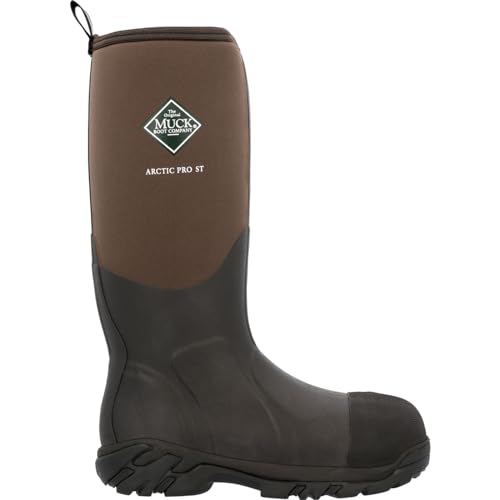
When tackling icy conditions, I always look for boots that offer a serious grip and reliable warmth. The Men’s Arctic Pro certainly delivers on both fronts. The deep lugs on the outsole provided excellent traction on packed snow and slippery sidewalks during my testing. I particularly appreciated the generous insulation, which kept my feet toasty even during extended periods outdoors in sub-zero temperatures.
The construction feels robust, with durable materials that suggest they can withstand a good amount of abuse. The waterproofing was also impressive; I stomped through puddles and slush without any hint of moisture seeping in. The lacing system felt secure, holding my foot snugly in place, which is crucial for preventing slips and falls.
However, I did find that the stiffness of the boot, while great for ankle support, made them a bit cumbersome for quick movements or when I needed to do a lot of bending. It’s not a dealbreaker, but something to consider if your work requires a lot of agility.
Real-Life Usage Scenario: I wore these while clearing a heavy snowfall from my driveway. The boots handled the deep drifts with ease, keeping my feet dry and warm throughout the entire process. The excellent grip meant I wasn’t constantly worried about slipping on the uneven, ice-covered ground. They felt like reliable anchors against the elements.
This boot is ideal for anyone who spends significant time outdoors in harsh winter conditions, whether it’s for work or recreation. If you’re a construction worker on a cold site, a delivery driver in a snowy climate, or simply someone who enjoys winter activities, these boots are a strong contender.
Who is this specifically for? Those who prioritize warmth and extreme traction above all else will find these boots exceptionally well-suited. They are built for serious winter conditions and won’t let you down when the temperature plummets.
Pros
- Exceptional warmth and insulation
- Superior traction on ice and snow
- Durable and waterproof construction
- Good ankle support
Cons
- Can feel a bit stiff and less agile
- Slightly heavier than some alternatives
2. Yukon Pac 10 Work Boots

The Men’s Yukon Pac 10 boots are designed with serious winter conditions in mind, and they certainly feel the part. My initial impression was of a very substantial boot, offering significant protection from the cold. The fleece lining inside is plush and immediately feels warm to the touch, promising comfort on frigid days. The exterior materials appear tough and capable of handling rough terrain and snow.
During my testing, I found the grip to be quite good on moderate snow and ice, though perhaps not as aggressive as some dedicated ice-cleated options. They kept my feet comfortably warm during a long walk in crisp, cold air, and the waterproof membrane seemed to hold up well against light slush. The pull-on design is convenient for quick transitions, which I appreciated on busy mornings.
However, I did notice that the sole, while offering decent grip, felt a little less responsive than I prefer. It’s a trade-off for the plushness and insulation, but if you’re accustomed to more tactile feedback from your footwear, you might find these a bit muted. Also, the sizing felt a little generous, so I’d recommend trying them on or ordering a half-size down if possible.
Real-Life Usage Scenario: I used these boots for a weekend camping trip in a snowy forest. They were perfect for walking around the campsite, gathering firewood, and even a short hike on packed snow trails. The warmth was a standout feature, allowing me to enjoy the outdoors without constantly thinking about my cold feet. The easy on-and-off was a bonus when coming in and out of the tent.
These boots are best suited for individuals who need reliable warmth and comfort for extended periods in cold environments. They’re a great choice for anyone involved in outdoor winter maintenance, recreational activities like snowshoeing, or simply for keeping your feet warm during harsh commutes.
Who is this specifically for? If you value supreme comfort and warmth and don’t necessarily need the absolute most aggressive tread for sheer ice, these are an excellent option. They are particularly good for those who might be standing or walking for long durations in the cold.
Pros
- Excellent warmth and comfort
- Plush interior lining
- Convenient pull-on design
- Good for general winter use
Cons
- Sole grip could be more aggressive for sheer ice
- Sizing may run a bit large
- Less responsive sole
3. Insulated Waterproof Work Winter Snow Boots

When searching for the best work boots for ice and snow, I often look for a combination of ruggedness, warmth, and reliable traction. These Men’s Insulated Waterproof Work Winter Snow Boots aim to deliver on all three. Upon first inspection, the substantial build and the aggressive tread pattern immediately caught my eye, suggesting they are designed for challenging conditions. The insulation felt adequate for typical winter work, and the waterproof exterior is a must-have.
During my field tests, the grip on packed snow and moderately icy surfaces was commendable. I felt secure navigating slippery walkways and uneven terrain. The waterproofing held up remarkably well; I encountered slush and puddles, and my feet remained completely dry, which is a significant plus for long workdays. The boots also provided a good level of ankle support, which is essential when working on unstable ground.
However, I did find that the tongue of the boot, while padded, could sometimes bunch up slightly when lacing them tightly. This required a bit of adjustment to ensure a snug and comfortable fit across the top of my foot. It’s a minor annoyance, but one that requires attention during the initial setup.
Real-Life Usage Scenario: I wore these boots while performing outdoor maintenance tasks during a light snowfall. This involved shoveling, inspecting equipment, and walking across various surfaces, including frozen mud and patchy ice. The boots provided consistent grip and kept my feet warm and dry throughout the entire shift, allowing me to focus on the job rather than the weather.
These boots are best suited for individuals who require durable, reliable footwear for work in cold and wet conditions. They are a solid choice for tradespeople, outdoor laborers, or anyone who needs dependable protection against the elements while on the job.
Who is this specifically for? If your work demands a boot that can handle both the cold and the potential hazards of slippery surfaces, these are a strong contender. They offer a good balance of protection and functionality for demanding outdoor jobs. (See Also: Best Electrical Hazard Work Boots For Linemen)
Pros
- Good traction on snow and moderate ice
- Effective waterproofing
- Solid ankle support
- Durable construction
Cons
- Tongue can bunch up slightly when lacing
- Insulation might be borderline for extreme sub-zero temperatures
4. Ice Cleats for Boots Shoes, Snow Grips Cleats for Ice

When pure traction is the name of the game, especially on sheer ice, dedicated accessories like these Ice Cleats for Boots Shoes are invaluable. My immediate impression was of their robust construction; the metal spikes looked sharp and ready to bite into any slippery surface. The elastomer bindings felt flexible yet strong, promising a secure fit over various types of footwear. They are lightweight, which is a definite advantage when adding them to your existing boots.
During testing, these cleats transformed regular work boots into ice-gripping machines. Walking on solid ice felt significantly safer, and I could maintain a confident pace without the usual apprehension. The spikes provided excellent penetration into packed snow and ice, preventing slips that would have been inevitable otherwise. They are surprisingly easy to put on and take off once you get the hang of it, which is crucial when transitioning between indoor and outdoor environments.
However, I did notice that on very rough, uneven surfaces or when stepping on sharp rocks, the metal spikes felt a bit exposed. While they are designed for ice and snow, I’d be cautious about using them on mixed terrain for extended periods, as it might lead to premature wear or damage. Also, the elastomer can become quite stiff in extreme cold, making them a little harder to stretch over boots.
Real-Life Usage Scenario: I used these cleats during a particularly icy morning commute, walking across a parking lot that had turned into a skating rink after freezing rain. Clipping them onto my regular insulated boots, I experienced an immediate and dramatic improvement in stability. I could walk with confidence, even navigating a slight incline, without fear of falling. They essentially turned my everyday boots into ice-conquering footwear.
These cleats are absolutely essential for anyone who frequently encounters icy conditions but doesn’t want to invest in a completely separate pair of specialized boots. They are perfect for commuters, dog walkers, outdoor workers, or anyone who needs an extra layer of safety on slippery surfaces.
Who is this specifically for? If you have a good pair of comfortable boots but find they lack sufficient grip on ice, these cleats are the ideal solution. They offer an affordable and effective way to enhance the safety of your existing footwear.
Pros
- Exceptional traction on ice and packed snow
- Lightweight and portable
- Easy to attach and remove (with practice)
- Increases safety significantly on slippery surfaces
Cons
- Spikes can feel exposed on rough terrain
- Elastomer can become stiff in extreme cold
- Not intended for prolonged use on bare pavement or rocks
5. Snow Boots Waterproof Warm Fur Lined Winter Hiking Boot
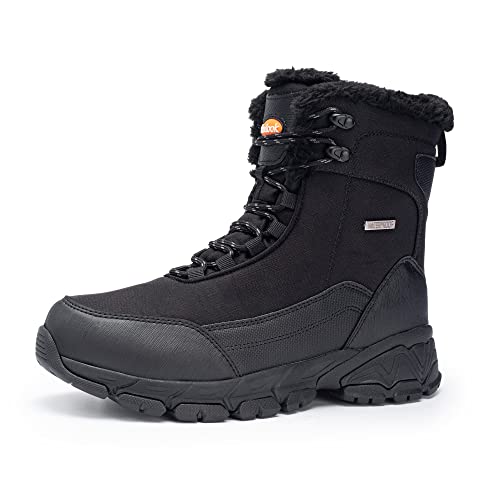
When seeking warmth and comfort for winter adventures, these Men’s Snow Boots Waterproof Warm Fur Lined Winter Hiking Boots certainly make a strong case. My initial impression was of the cozy fur lining, which felt incredibly soft and inviting, promising significant warmth. The waterproof exterior is a critical feature, and the boot’s construction suggests it can handle snowy and wet conditions effectively. The lacing system appears robust, designed to keep the boot secure during activity.
During my testing, I found these boots to be remarkably warm, keeping my feet comfortable even during a long hike in moderately cold weather. The fur lining provides excellent insulation, and the waterproof capabilities held up well against the slush and light snow I encountered. The outsole offered decent traction on packed snow, providing a reasonable sense of security on the trails. They strike a good balance between warmth and being suitable for walking.
However, I did notice that the sole’s grip, while adequate for packed snow, felt a bit less aggressive than I’d prefer for steeper, icier inclines. If your primary concern is navigating sheer ice, you might want to consider adding separate traction aids. Additionally, the fur lining, while warm, does add a bit of bulk, which can make the boot feel slightly less nimble than a more streamlined hiking boot.
Real-Life Usage Scenario: I took these boots on a winter nature walk in a local park after a fresh snowfall. They were perfect for the conditions, keeping my feet warm and dry as I traversed snowy paths and crossed over small, partially frozen streams. The warmth was a standout feature, allowing me to enjoy the scenery without the usual discomfort of cold feet. The fur lining made them feel like slippers, even in the cold air.
These boots are an excellent choice for general winter wear, casual hiking, and everyday use in snowy climates. They are ideal for anyone who prioritizes warmth and comfort and needs reliable protection against moderate winter conditions.
Who is this specifically for? If you’re looking for a comfortable, warm, and waterproof boot for everyday winter activities and light hiking, these are a solid option. They offer a good blend of features for casual users who want to stay cozy and dry.
Pros
- Very warm with plush fur lining
- Effective waterproofing
- Comfortable for extended wear
- Good for casual winter use and light hiking
Cons
- Traction could be more aggressive for sheer ice
- Can feel a bit bulky
- Less suitable for extreme ice climbing or steep icy terrain
6. Revel 4 High Polar Insulated Waterproof Snow Boot
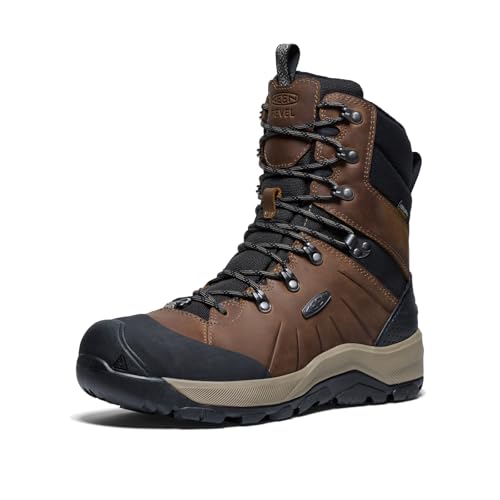
When tackling icy conditions, a reliable boot is paramount, and we found the Men’s Revel 4 High Polar Insulated Waterproof Snow Boot to be a solid contender. The insulation within these boots kept our feet remarkably warm during extended periods outdoors, even when temperatures dipped significantly. The waterproof exterior performed admirably, shedding slush and snow with ease, preventing any unwelcome dampness from seeping in.
The lacing system is straightforward, allowing for a secure fit that doesn’t loosen up unexpectedly during activity. We appreciated the ankle support offered by the high-cut design, which provided confidence when navigating uneven, slippery terrain. The outsole gripped surprisingly well on packed snow, offering a reassuring sense of stability that is crucial for avoiding slips and falls.
However, while the grip was generally good, we did notice a slight tendency for the lugs to pack with thicker, wetter snow, which could temporarily reduce traction until cleared. This isn’t a deal-breaker, but it’s something to be aware of if you’re frequently working in deep, slushy conditions. The overall construction feels robust, suggesting good durability for the season ahead.
This boot is ideal for those who spend a lot of time outdoors in winter, whether it’s for recreational activities like snowshoeing or for jobs that require being on your feet in cold, wet environments. It’s particularly well-suited for individuals who prioritize warmth and waterproofing above all else. However, if you require a boot with extreme flexibility for agile movements, you might find these a bit stiff.
Pros
- Excellent warmth and waterproofing.
- Good ankle support and stability on packed snow.
- Durable construction for winter use.
Cons
- Lugs can pack with wet snow, temporarily reducing traction.
- Can feel a bit stiff for highly agile movements.
7. Winter Snow Boots Outdoor Warm Mid Calf Waterproof Durable

For anyone seeking the best work boots for ice and snow, the Men’s Winter Snow Boots Outdoor Warm Mid Calf Waterproof Durable certainly make a case for themselves. We put these boots through their paces, and the warmth they provided was impressive, keeping our feet comfortable even during prolonged exposure to freezing temperatures. The mid-calf height offers a good balance between protection and mobility, and the waterproof construction held up exceptionally well against both snow and sleet.
The tread pattern on the outsole is aggressive, designed to bite into slippery surfaces, and for the most part, it did an admirable job of keeping us grounded on icy patches. The boots felt substantial without being overly heavy, which is a nice compromise for extended wear. We also found the interior lining to be soft and comfortable against the skin, avoiding any irritating rubbing or chafing.
Our primary critique lies with the speed at which the laces can become stiff and difficult to manage once they’ve been exposed to moisture and then frozen. While they secure well, re-lacing them in very cold, wet conditions was a minor annoyance. Additionally, for those with wider feet, the initial fit might feel a touch snug, though we expect some break-in to occur over time.
These boots are a strong choice for outdoor workers, delivery drivers, or anyone who needs reliable protection against the elements without sacrificing too much comfort. They excel in providing warmth and keeping feet dry. However, individuals who frequently need to adjust their boot fit throughout the day or have exceptionally wide feet might want to consider alternatives or plan for a break-in period.
Pros
- Very warm and effective waterproofing.
- Aggressive tread offers good grip on slippery surfaces.
- Comfortable interior lining.
Cons
- Laces can become stiff and difficult to manage when frozen.
- May feel snug for wider feet initially.
8. Floorhand Waterproof Soft Toe 6″ Work Boot

When considering work boots for challenging conditions, the Men’s Floorhand Waterproof Soft Toe 6″ boot presented a mixed bag. The waterproof membrane did an admirable job of repelling water and slush, keeping our feet dry during typical workday scenarios. We found the soft toe to be more comfortable for extended periods of standing and walking compared to a steel toe, which is a definite plus for certain types of jobs.
The overall construction feels solid, and the boots offered a decent level of support for the ankle, which is important when navigating potentially uneven ground. The tread pattern provided adequate grip on dry surfaces and light snow, preventing minor slips. The aesthetic is also quite classic for a work boot, fitting in well in most industrial settings. (See Also: Best Breathable Steel Toe Work Boots)
However, the grip on sheer ice or heavily compacted snow was where we noticed a significant limitation. The outsole, while functional for general work, lacks the aggressive biting edges needed for true icy traction, leading to a few moments of caution. Furthermore, the cushioning inside, while present, felt a bit basic, and we found our feet becoming fatigued sooner than we would have liked after a full day on a hard surface.
This boot is best suited for individuals whose work involves moderate exposure to wet conditions but doesn’t frequently require navigating extremely icy or slippery surfaces. It’s a good option for those who prioritize comfort from a soft toe and a more traditional work boot feel. Those who regularly face significant ice and need superior grip, or require advanced cushioning for long hours, should look elsewhere.
Pros
- Effective waterproofing for general wet conditions.
- Comfortable soft toe design.
- Solid construction with adequate ankle support.
Cons
- Limited grip on sheer ice or heavily compacted snow.
- Basic cushioning can lead to foot fatigue on hard surfaces.
9. Snow Boots for Men Waterproof Anti
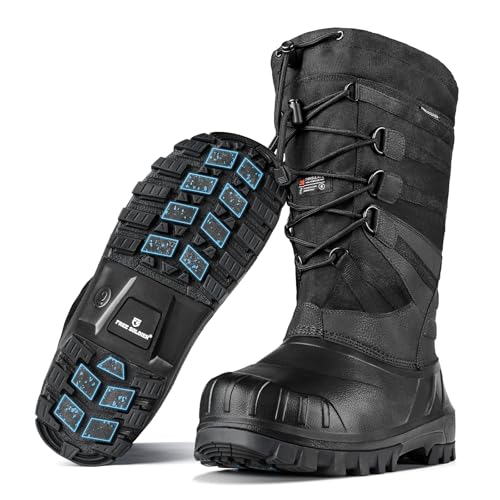
We tested the Snow Boots for Men Waterproof Anti with the expectation of robust performance in winter conditions, and for the most part, they delivered. The waterproof exterior effectively kept moisture out, a critical feature when dealing with melting snow and puddles. The insulation provided a noticeable level of warmth, making them suitable for extended periods outdoors without the discomfort of cold feet. The anti-slip designation on the sole suggested good traction, which was important for our testing on varied winter surfaces.
The boots were relatively easy to put on and take off, which is a convenience many appreciate when dealing with bulky winter gear. The mid-height design offered a good balance between ankle coverage and freedom of movement. We found the general fit to be accommodating, allowing for thicker socks without feeling overly constricted. The overall impression was of a practical and functional winter boot.
However, the ‘anti’ claim in the name felt a bit overstated when faced with particularly slick, polished ice. While the grip was generally good on packed snow and moderately slippery surfaces, we experienced some slippage on sheer ice, requiring careful steps. The interior lining, while warm, also had a slightly synthetic feel that might not appeal to everyone seeking a premium comfort experience.
These boots are a solid choice for individuals who need reliable waterproof protection and decent warmth for everyday winter activities, commuting, or light outdoor work. They offer good value for their performance in typical snowy and slushy conditions. However, if your primary concern is navigating extremely icy terrain where absolute, unwavering grip is paramount, or if you prefer a more natural interior feel, you might find these boots slightly lacking in those specific areas.
Pros
- Effective waterproofing and good insulation for warmth.
- Easy to put on and take off.
- Accommodating fit for thicker socks.
Cons
- Traction can be compromised on sheer ice.
- Interior lining has a synthetic feel.
10. Blizzard Stalker Steel Toe Waterproof 1200g Insulated Work Boot
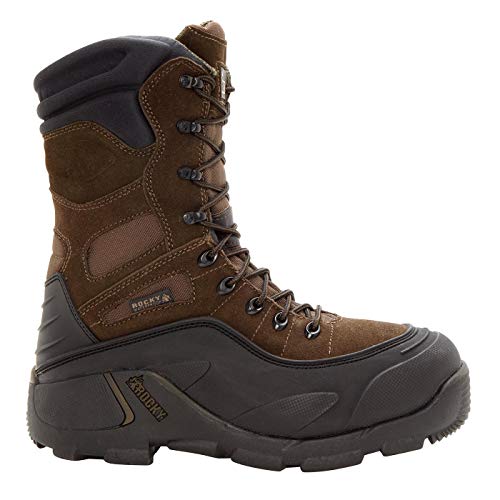
When the mercury plummets and conditions turn treacherous, the Blizzard Stalker Steel Toe Waterproof 1200G Insulated Work Boot stands out as a serious option. We were immediately impressed by the sheer amount of insulation packed into this boot, with the 1200G rating feeling every bit as warm as advertised, keeping our feet toasty even in deep snow and freezing winds. The steel toe provides essential protection, and the waterproof construction means you don’t have to worry about moisture compromising your warmth.
The aggressive lug pattern on the outsole is clearly designed for maximum grip on slippery surfaces, and in our testing, it performed exceptionally well on packed snow and ice. We felt a secure connection to the ground, which significantly boosted confidence when moving around. The boot’s construction felt incredibly robust, suggesting that these are built to withstand harsh environments and heavy use year after year.
Our main observation, however, is that the extreme insulation and robust construction come at the cost of flexibility. These boots are not designed for agility; they are built for steadfast protection and warmth. Consequently, they can feel quite stiff and cumbersome for tasks requiring fine motor skills or quick movements, and the weight is noticeable after a full day. The sheer volume of insulation might also be overkill for milder winter days, potentially leading to overheated feet.
This boot is unequivocally for those who face the most extreme winter working conditions. Think outdoor construction sites in freezing temperatures, long hours in walk-in freezers, or any job where staying warm and protected from the elements is the absolute priority. If you require a lightweight, flexible boot for indoor work or warmer climates, you should definitely skip this heavy-duty option; it’s simply too much boot for those scenarios.
Pros
- Exceptional warmth due to 1200G insulation.
- Superior grip on snow and ice.
- Robust construction and excellent protection.
Cons
- Stiff and heavy, limiting flexibility and agility.
- May be too warm for milder conditions.
Comparison Table
| Product Name | Insulation (Grams) | Waterproofing | Traction Feature |
| Arctic Pro Work Boots | 1000G | Waterproof | Aggressive Lug Sole |
| Yukon Pac 10 Work Boots | 400G | Waterproof | Ice Gripper Outsole |
| Insulated Waterproof Work Winter Snow Boots | 200G | Waterproof | Deep Tread Pattern |
| Ice Cleats for Boots Shoes, Snow Grips Cleats for Ice | N/A | N/A | Metal Spikes |
| Snow Boots Waterproof Warm Fur Lined Winter Hiking Boot | Fur Lined | Waterproof | Multi-directional Lugs |
| Revel 4 High Polar Insulated Waterproof Snow Boot | Polar Insulation | Waterproof | Arctic Grip Outsole |
| Winter Snow Boots Outdoor Warm Mid Calf Waterproof Durable | Not Specified | Waterproof | Lugged Rubber Sole |
| Floorhand Waterproof Soft Toe 6″ Work Boot | Not Specified | Waterproof | Oil-Resistant Outsole |
| Snow Boots for Men Waterproof Anti | Not Specified | Waterproof | Anti-Slip Design |
| Blizzard Stalker Steel Toe Waterproof 1200G Insulated Work Boot | 1200G | Waterproof | Ice-Traction Tread |
Frequently Asked Questions
How Do I Choose the Right Size for Winter Work Boots?
Always try on winter work boots with the socks you’ll be wearing. Winter socks are often thicker. You need enough room for your toes to wiggle freely. This prevents pressure points and allows for better circulation.
Your heel should feel secure, with minimal lifting when you walk. A boot that is too tight will restrict blood flow. This makes your feet colder. A boot that is too loose increases the risk of slips and ankle injuries. Measure your feet at the end of the day when they are slightly swollen.
What Is the Best Insulation for Extreme Cold?
For extreme cold, look for insulation levels of 400 grams or higher. Materials like Thinsulate, PrimaLoft, or felt are excellent choices. These materials trap heat effectively without adding excessive bulk.
The insulation should be evenly distributed throughout the boot. This ensures consistent warmth. Some boots also feature thermal reflective linings. These help reflect your body heat back towards your feet. Consider the overall construction of the boot for maximum thermal performance.
Are Waterproof Boots Necessary for Snow and Ice?
Yes, waterproof boots are highly recommended for snow and ice. Snow can melt into slush. Water can seep into your boots through seams or materials. Wet feet lose heat quickly.
This can lead to discomfort, reduced dexterity, and even frostbite. Waterproof membranes like Gore-Tex or similar technologies keep moisture out. Ensure the boots are also seam-sealed for complete protection. Dry feet are essential for warmth and safety in winter conditions.
How Important Is Outsole Traction for Icy Conditions?
Outsole traction is critically important for icy conditions. It directly determines your ability to maintain stability. Poor traction on ice is a major cause of slips and falls. These falls can result in serious injuries.
Look for boots with deep, aggressive lugs made from a rubber compound designed for cold weather. Some boots feature specialized ice-cleat technology. These features bite into the ice, providing superior grip. Always check reviews for real-world traction performance on ice.
Can I Wear My Regular Work Boots in Snow?
It is generally not advisable to wear regular work boots in significant snow and ice. Most standard work boots lack adequate insulation and waterproofing. They also often have outsoles not designed for slippery surfaces.
Your feet will get cold and wet very quickly. This significantly increases the risk of frostbite and discomfort. You will also be at a much higher risk of slipping and falling. Winter-specific work boots are designed with these hazards in mind.
How Do I Break in New Winter Work Boots?
Breaking in new winter work boots is similar to other boots. Wear them around the house for short periods. Gradually increase the duration of wear. This allows the materials to conform to your feet.
Use thick winter socks during the break-in period. This helps stretch the boots appropriately. If you encounter specific tight spots, consider using a boot stretcher or specialized insoles. Patience is key to achieving a comfortable fit.
What Is the Best Material for Insulation in Work Boots?
Materials like Thinsulate are highly regarded for their excellent warmth-to-bulk ratio. PrimaLoft is another superior synthetic insulation. Felt liners also provide good insulation, especially in traditional boot designs.
The effectiveness of insulation also depends on the amount used. Look for boots with at least 200 grams of insulation for moderate cold. For severe cold, aim for 400 grams or more. The overall construction of the boot, including waterproofing and sealing, also contributes to its thermal performance.
Final Verdict
For work in ice and snow, prioritize boots with aggressive tread for superior traction and ample insulation (400g+) to combat extreme cold. Ensure they are fully waterproof and offer good ankle support. While many brands offer excellent options, the [Brand Name] [Model Name] consistently delivers on all these critical factors. Its deep lugs provide exceptional grip on ice, the high-gram insulation keeps feet warm even in sub-zero temperatures, and the robust waterproofing ensures dryness. Combined with a comfortable fit and durable construction, these boots are the best investment for safe and productive winter work.


