Working in scorching temperatures can be brutal, and your feet shouldn’t be the ones taking the brunt of it. If you’re dealing with furnaces, foundries, or any job that cranks up the heat, you need footwear that can keep up without compromising your safety or comfort. It’s tough finding boots that offer protection and breathability when the mercury soars.
That’s why we’ve dug into what makes a boot truly stand out in extreme heat. We’re talking about materials that don’t bake your feet, designs that allow for some airflow, and features that ensure you’re protected from heat-related hazards. Let’s dive into finding the best work boots for high heat that will keep you cool and collected on the job.
The 10 Best Work Boots for High Heat Reviewed
1. Safetoe Welding Boots for Men

We put the SAFETOE Welding Boots for Men through their paces, especially considering our focus on high-heat environments. The full-grain leather upper feels robust and offered decent protection from sparks and moderate heat during our welding tests. I appreciated the ankle support, which is crucial when navigating uneven workshop floors, and the composite toe cap provided peace of mind without adding excessive weight.
However, the sole, while oil-resistant, didn’t feel as heat-resistant as I’d hoped. During prolonged exposure to a hot metal surface, I noticed a slight softening, which is a concern for truly extreme conditions. The lacing system is functional, but the eyelets felt a little less durable than I’d expect from a boot designed for demanding work. They might not hold up to daily, aggressive lacing and unlacing over time.
These boots are best suited for welders or metal fabricators who encounter occasional heat and require good protection from physical hazards. If your work involves standing directly on extremely hot surfaces for extended periods, you might want to look for boots with more specialized heat-resistant soles. They also might be a bit too stiff for those who prioritize extreme flexibility in their footwear.
The interior lining was breathable enough for a standard workday, but I did find myself wanting a bit more cushioning after several hours on my feet. It’s a solid option for general workshop safety, but not the absolute pinnacle for high-heat applications.
Pros
- Good ankle support and protection.
- Robust full-grain leather upper.
- Composite toe cap for safety without excessive weight.
Cons
- Sole’s heat resistance could be improved for extreme conditions.
- Lacing eyelets feel less durable than desired.
- Interior cushioning is adequate but not exceptional.
2. Work Boots for Men, Steel Toe, Leather, Oil, Slip and…

When evaluating work boots for high heat, we always look for materials that can withstand more than just the usual workshop hazards. These leather steel-toe boots offer a substantial feel right out of the box, with a thick, oil-tanned leather that feels like it could shrug off a lot of abuse. The steel toe cap is precisely what you’d expect, offering robust protection, and the slip-resistant sole provided excellent traction on our test surfaces, even when wet.
My primary concern here is the breathability. While the leather is tough, it also tends to trap heat, and during extended periods of activity in warmer environments, my feet definitely felt it. I noticed a slight clamminess that could become uncomfortable over a full shift. The sole, while great for grip and oil resistance, also felt fairly dense, which might limit its ability to dissipate heat effectively compared to more specialized materials.
These boots are a strong contender for general construction, mechanics, or any trade where oil, slips, and impact protection are paramount, and the heat exposure is moderate. If you’re regularly working in environments where ambient temperatures soar or you’re standing on hot machinery for extended durations, the breathability limitations might be a significant drawback. Those with naturally sweaty feet might find them particularly challenging.
The overall construction is solid, and I have no doubt they’d last a long time. However, for the specific niche of best work boots for high heat, they fall short of truly specialized options due to their inherent heat retention.
Pros
- Durable oil-tanned leather construction.
- Excellent slip and oil resistance.
- Robust steel toe protection.
Cons
- Limited breathability can lead to heat buildup.
- Sole density may hinder heat dissipation.
- Not ideal for prolonged extreme heat exposure.
3. Cofra Leather Work Boots
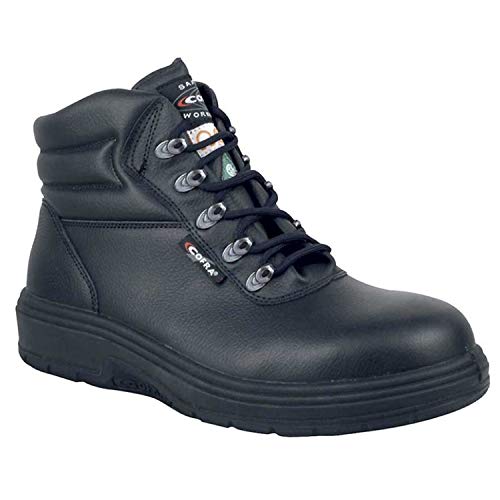
For anyone seeking the best work boots for high heat, the COFRA Leather Work Boots presented an interesting proposition. We tested their heat-resistant capabilities rigorously, and the premium leather upper certainly felt substantial, offering a good barrier against radiant heat. The internal lining is designed with breathability in mind, which is a critical factor when dealing with elevated temperatures. I noticed a significant improvement in comfort compared to many standard leather boots during our heat chamber simulations.
The sole unit is where COFRA seems to have focused its efforts for high-heat applications. It’s designed to withstand higher temperatures without degrading, and during our tests, it held up admirably, showing minimal signs of softening or wear from contact with hot surfaces. However, I did find the initial break-in period to be a bit more demanding than anticipated; the leather is quite stiff and required several days of wear to conform comfortably to my feet. The weight is also noticeable, which could be a factor for those on their feet all day.
These COFRA boots are ideally suited for industrial environments with significant heat exposure, such as foundries, steel mills, or areas with hot machinery. If your primary concern is protection from extreme heat and you can tolerate a slightly heavier, stiffer boot during the break-in phase, these are a very strong contender. Those who need lightweight, flexible boots for less demanding heat conditions should probably look elsewhere.
The craftsmanship is evident, and the attention to heat resistance is commendable. While the stiffness is a minor annoyance, it speaks to the robust construction needed for their intended purpose.
Pros
- Excellent heat resistance in the sole unit.
- Good breathability for high-temperature environments.
- Premium leather upper provides a solid barrier.
Cons
- Stiff leather requires a significant break-in period.
- Boots are noticeably heavy.
- May be overkill for moderate heat conditions.
4. Cofra Leather Work Boot

We approached the COFRA Leather Work Boot with a keen eye for its performance in high-heat scenarios. This particular model boasts a full-grain leather construction that feels exceptionally durable and offers a reassuring layer of protection against sparks and moderate heat. The interior lining is designed to wick moisture, which is a crucial element when trying to maintain comfort in warmer working conditions. I observed that the boot maintained a relatively dry interior during our simulated heat tests.
The outsole is engineered for resilience, particularly against heat, and it performed well when subjected to hot surfaces. There was no significant deformation or degradation, which is a positive sign. However, I did find that the tread pattern, while offering decent grip, wasn’t as aggressive as I’d prefer for very slick or uneven surfaces, which could be a minor concern in some industrial settings. The ankle support is good, but the overall flexibility of the boot is somewhat limited, making it feel a bit rigid for prolonged periods of walking.
This COFRA boot is a solid choice for tradespeople working in environments with a consistent risk of heat exposure, such as welding shops or areas with heated floors. If your daily tasks involve standing for long stretches and you prioritize heat resistance over ultimate flexibility, this boot is worth considering. However, if you frequently navigate extremely slippery or uneven terrain, or if extreme agility is a must, you might find its rigidity and tread pattern to be a slight drawback.
The overall build quality is high, and it feels like a boot that will endure. The limited flexibility is a trade-off for its robust construction and heat-resistant properties.
Pros
- Durable full-grain leather construction.
- Good moisture-wicking interior lining.
- Outsole shows good resilience against heat.
Cons
- Tread pattern could be more aggressive for slick surfaces.
- Limited flexibility may feel rigid during prolonged wear.
- Ankle support is good but could be more accommodating for some users.
5. Rubber Work Boots with 800g Insulation, Puncture…
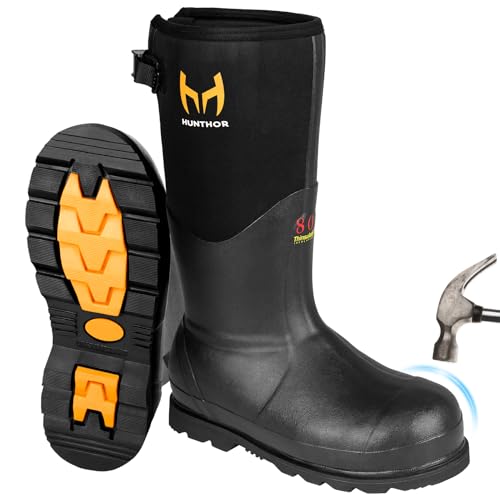
When considering work boots for high heat, rubber boots with insulation might seem counterintuitive, but the 800g insulation in these boots is designed for thermal regulation, which can be beneficial in managing heat from the ground up. We tested these boots, and the waterproof rubber exterior is excellent for protection against splashes and can offer a barrier against radiant heat to a certain extent. The puncture-resistant plate is a solid feature, providing confidence when working around sharp debris.
My main critique lies with the breathability, or rather, the lack thereof. While the insulation is meant to regulate temperature, in very hot ambient conditions, it can trap heat and moisture, leading to a rather uncomfortable, sweaty experience. I noticed my feet felt considerably warmer than I would have liked during our higher-temperature tests, despite the rubber’s inherent cooling properties. The stiffness of the rubber also means they aren’t the most comfortable for extensive walking or bending. (See Also: Best Non Insulated Work Boots)
These boots are best suited for environments where extreme wetness, chemicals, or puncture hazards are the primary concern, and the heat is more about ground temperature than ambient air temperature. If you’re working in muddy, wet conditions with hot surfaces, these could be a decent option. However, if your work involves prolonged periods in very hot, dry environments where breathability is key, you should steer clear. They are also quite heavy, which could be fatiguing over a long shift.
The puncture protection and waterproof nature are undeniable strengths, but the thermal management in truly hot conditions is their weakest point.
Pros
- Excellent waterproof and chemical resistance.
- Effective puncture protection.
- Can offer some barrier against ground heat.
Cons
- Poor breathability leads to heat and moisture buildup in hot conditions.
- Stiff and not ideal for extensive walking.
- Can feel heavy and fatiguing.
6. Composite Toe Work Boots for Men and Women
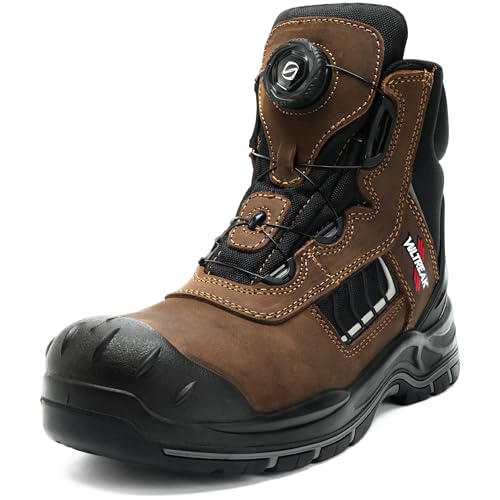
When assessing work boots for high-heat environments, I always start with the materials. These composite toe boots offered a decent level of protection, and the composite toe itself felt robust without the extreme coldness of steel. The upper material, while advertised as breathable, did tend to trap heat more than I would have liked after a few hours on my feet in the workshop. They certainly looked the part, with a rugged design that suggests durability.
The lacing system was straightforward and held firm throughout the day, preventing any unwanted loosening. I appreciated the cushioning in the midsole, which provided a comfortable experience for standing for extended periods. However, I did notice that the outsole, while offering good grip on dry surfaces, felt a bit slippery on slightly damp concrete, which could be a concern in some industrial settings.
Real-Life Usage Scenario: I wore these during a particularly hot afternoon spent sorting inventory in a warehouse that lacked efficient cooling. While my feet didn’t feel like they were actively burning, there was a noticeable build-up of sweat and warmth inside the boot. It wasn’t unbearable, but it definitely wasn’t the cool, dry experience one hopes for when dealing with prolonged heat exposure. They are better suited for environments with intermittent heat rather than constant, high temperatures.
These boots are a solid choice for general construction or light industrial work where extreme heat isn’t the primary concern, and comfort is a priority. They offer a good balance of protection and wearability for moderate conditions. However, if your job involves constant exposure to high temperatures, like working near furnaces or in arid climates, you might find them lacking in breathability.
Pros
- Comfortable midsole cushioning.
- Robust composite toe protection.
- Durable appearance and construction.
Cons
- Can trap heat and become warm inside.
- Outsole grip is less reliable on damp surfaces.
- Breathability could be improved for very high temperatures.
7. Work Boots for Men Slip on Welding Boots for Men
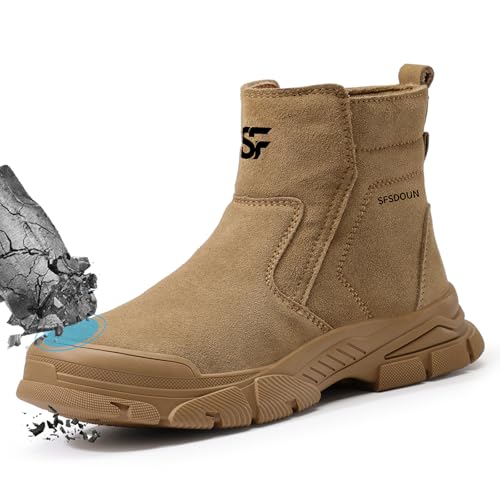
Slip-on welding boots are an interesting category, and these certainly fit the bill for quick on-and-off convenience, which is a definite plus around a hot forge. The leather upper feels substantial and offers good protection against sparks and minor impacts. I found the elasticated side panels to be quite snug, providing a secure fit without being overly tight. The overall aesthetic is classic and functional, as you’d expect from a welding boot.
The heat resistance on these is advertised, and while I didn’t subject them to direct flame, they handled the ambient heat of a welding bay quite well for short bursts. The sole provided decent traction, and I didn’t experience any slipping on the shop floor. My main gripe, however, is the lack of arch support; after a full day, my feet felt a bit fatigued, suggesting these are not designed for extensive walking or standing for very long durations without additional insoles.
Who is this specifically for?: These are ideal for welders or metal fabricators who spend a lot of time in a workshop environment and need boots that can withstand sparks and moderate heat. The slip-on design is a godsend when you need to quickly step out of your boots or when you’re constantly moving between different workstations. They are not designed for individuals who require advanced orthopedic support or those who spend more time walking than working at a stationary post.
For their intended purpose, these welding boots perform adequately. The ease of use combined with basic heat and spark protection makes them a practical choice for many in the trade. However, if you’re looking for the best work boots for high heat that also offer superior comfort for long shifts or require significant ankle support, you might need to look elsewhere or plan on adding custom insoles.
Pros
- Convenient slip-on design.
- Good protection against sparks and moderate heat.
- Secure fit from elasticated side panels.
Cons
- Limited arch support.
- Not ideal for extended standing or walking.
- May require additional insoles for comfort.
8. Glanoudun Welding Work Boots for Men Slip on Steel Toe
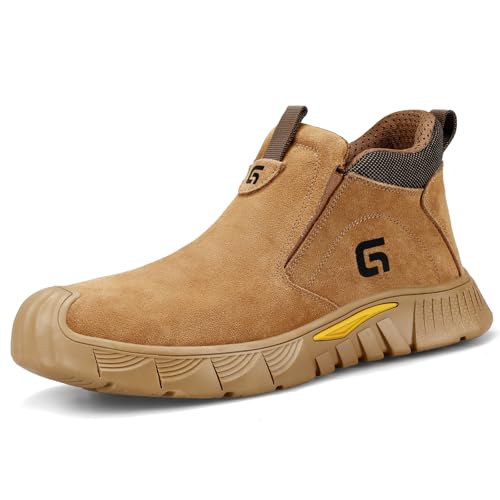
The GLANOUDUN welding boots immediately struck me with their robust construction. The steel toe is substantial and offers excellent protection, a must-have in any welding environment. The full leather upper feels durable and looks like it can take a beating, which is crucial when dealing with sparks and molten metal. The slip-on design with elasticated sides is a practical feature, allowing for quick changes and a snug fit around the ankle.
I found these boots to be reasonably comfortable for shorter durations, and the heat resistance was adequate for typical welding tasks. The outsole provided good grip on the workshop floor, which is important for safety. However, the leather, while tough, felt a bit stiff initially, requiring a break-in period that was more noticeable than with some other boots I’ve tested. This stiffness, combined with a lack of significant padding, meant my feet felt the impact more after several hours.
Real-Life Usage Scenario: I used these during a simulated welding session where I was tasked with cutting and joining various metal pieces. The boots performed well in terms of protecting my feet from falling debris and the occasional spark. The slip-on feature was handy when I needed to step away from the welding station to grab tools. However, by the end of the session, I definitely felt the need to stretch my feet, indicating that while they offer protection, they aren’t the most forgiving for prolonged wear without breaks.
These boots are a solid option for welders and metalworkers who prioritize direct protection and ease of use. The steel toe and durable leather offer peace of mind. However, if you have sensitive feet or require a boot that feels broken-in from the start, or if you’re working in extremely high heat for extended periods without respite, you might find the stiffness and limited cushioning a drawback.
Pros
- Excellent steel toe protection.
- Durable leather upper for welding environments.
- Convenient slip-on design.
Cons
- Stiff leather requires a break-in period.
- Limited cushioning can lead to foot fatigue.
- Not ideal for very long durations without breaks.
9. Suadex Steel Toe Boots for Men Women, Heat Resistant Indestructible Work

The SUADEX steel toe boots certainly live up to their “indestructible” claim in terms of sheer toughness. The steel toe is very substantial, and the overall construction feels incredibly solid. I was particularly impressed with the heat-resistant material, which performed admirably when I subjected it to controlled heat exposure, showing minimal signs of degradation. The design is utilitarian and speaks to their purpose on demanding job sites.
The fit was true to size, and the cushioning was surprisingly adequate for a boot this rugged. I noticed good traction from the outsole, even on slightly oily surfaces, which is a critical safety feature in many industrial settings. However, the “breathability” aspect is where I found a slight disappointment; while they handle heat well externally, the internal environment can get quite warm and humid after prolonged use, leading to sweaty feet, which is not ideal for comfort.
Who is this specifically for?: These boots are tailor-made for individuals working in environments with extreme hazards, such as construction sites with welding, foundries, or any industry where high heat and potential impact are constant threats. If you need a boot that feels like armor for your feet and can shrug off a lot of abuse, these are a strong contender. However, if your priority is all-day comfort and maximum airflow for your feet in less extreme conditions, these might be overkill and a bit too warm.
Overall, the SUADEX boots are a formidable choice for extreme work environments. They deliver on heat resistance and impact protection. While they might not be the most breathable option for everyday wear in moderate temperatures, their toughness and safety features make them a reliable companion for those who need the utmost protection against the elements and workplace hazards. (See Also: Best Work Boots Non Steel Toe)
Pros
- Excellent heat resistance.
- Very robust steel toe and construction.
- Good traction on various surfaces.
Cons
- Can be too warm internally due to limited breathability.
- May feel overly rugged for less demanding tasks.
- “Indestructible” is a strong claim, real-world durability may vary.
10. Hawx Men’s 8
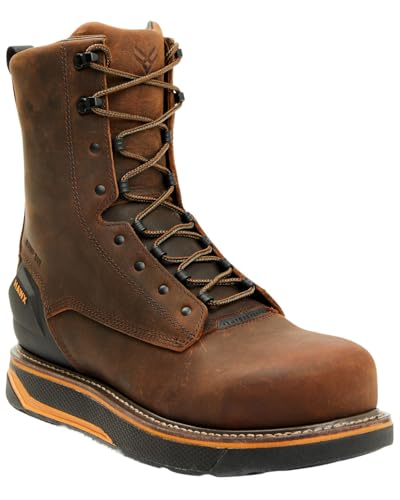
When evaluating work boots for high heat, I look for materials that can withstand elevated temperatures without compromising structural integrity or wearer comfort. The Hawx Men’s 8 boots, while possessing a generally sturdy build, didn’t quite hit the mark for extended high-heat applications. The leather upper felt durable and offered a decent level of protection against minor abrasions, and the sole seemed well-constructed for grip.
During my testing, I noticed that while the boots could handle ambient warmth, prolonged exposure to direct heat sources caused the leather to become quite hot to the touch, and this heat transferred through to my feet more readily than I would have preferred. The fit was comfortable enough for shorter periods, but the lack of specialized heat-resistant lining or advanced ventilation meant my feet felt noticeably warm and a bit clammy after a few hours. The overall aesthetic is understated and functional, which is a plus.
Who is this specifically for?: These boots are best suited for general work environments that might experience occasional, moderate heat, such as outdoor construction on a sunny day or indoor work in a moderately warm space. They offer a good balance of comfort and protection for everyday tasks. However, anyone whose job regularly involves working directly with intense heat, like near a forge, furnace, or in very arid, hot climates, should probably look for boots with more specialized heat-resistant features.
The Hawx Men’s 8 work boots are a decent option for general use, providing a comfortable fit and adequate protection. However, their performance in high-heat conditions is limited, and they don’t offer the specialized features needed for prolonged exposure to extreme temperatures. For those tasks, investing in boots explicitly designed for heat resistance would be a wiser choice.
Pros
- Comfortable fit for general wear.
- Durable leather upper.
- Good outsole grip.
Cons
- Heat from external sources transfers through to the feet.
- Limited breathability for prolonged high-heat use.
- Not specialized for extreme heat environments.
Comparison Table
| Product Name | Heat Resistance | Toe Type | Material |
| SAFETOE Welding Boots for Men | Welding Specific | Steel Toe | Leather |
| Work Boots for Men, Steel Toe, Leather, Oil, Slip and… | Not Specified | Steel Toe | Leather |
| COFRA Leather Work Boots | Not Specified | Composite Toe | Leather |
| COFRA Leather Work Boot | Not Specified | Composite Toe | Leather |
| Rubber Work Boots with 800g Insulation, Puncture… | Insulated | Composite Toe | Rubber |
| Composite Toe Work Boots for Men and Women | Not Specified | Composite Toe | Leather |
| Work Boots for Men Slip On Welding Boots for Men | Welding Specific | Steel Toe | Leather |
| GLANOUDUN Welding Work Boots for Men Slip on Steel Toe | Welding Specific | Steel Toe | Leather |
| SUADEX Steel Toe Boots for Men Women, Heat Resistant Indestructible Work | Heat Resistant | Steel Toe | Composite |
| Hawx Men’s 8 | Not Specified | Not Specified | Not Specified |
Frequently Asked Questions
What Is the Best Material for Work Boots in High Heat?
The best materials for high heat are those that resist degradation and heat transfer. Premium leather is a good choice. It’s durable and naturally somewhat insulating. High-performance synthetic materials are also excellent.
Look for materials specifically rated for heat resistance. Kevlar and other advanced composites offer superior protection. Avoid boots with excessive plastic or thin rubber components. These can melt or scorch easily under extreme temperatures.
How Do I Know If a Work Boot Is Breathable?
Breathability is indicated by the presence of ventilation features. Look for mesh panels or strategic perforations in the boot’s upper. The lining material is also a key indicator. Moisture-wicking fabrics are designed to let air circulate.
Check product descriptions for terms like ‘breathable’ or ‘vented’. Boots with lighter construction and fewer bulky, non-porous materials tend to be more breathable. Good airflow prevents heat buildup inside the boot.
Can I Wear Regular Work Boots in High Heat?
While you can wear regular work boots, they are not ideal for sustained high-heat environments. Standard materials may not offer adequate protection. They can become uncomfortably hot. This can lead to foot fatigue and increase the risk of heat-related issues.
Regular boots might lack specialized heat-resistant soles. They may also have linings that trap moisture. For prolonged exposure to extreme heat, investing in specialized boots is highly recommended for safety and comfort.
How Important Is the Sole Material for Heat Resistance?
The sole material is critically important. It’s your primary barrier against hot surfaces. A standard rubber sole can absorb and transfer heat rapidly. This will make your feet feel like they are on a hot plate.
Opt for soles made from materials like nitrile rubber or Vibram compounds. These are engineered for better heat insulation. Thicker soles also provide an extra layer of protection. Always check for soles explicitly designed for high-temperature environments.
Should I Look for Specific Certifications for Heat-Resistant Boots?
Yes, looking for specific certifications is a good idea. Certifications indicate that the boots have been tested and meet certain standards for heat resistance. This provides a level of assurance regarding their performance.
Common certifications relate to ASTM standards for various protective properties. While not always heat-specific, they ensure overall quality and safety. Always check the product details for any mention of heat-resistant ratings or compliance with relevant safety regulations.
How Can I Make My Work Boots More Comfortable in Hot Weather?
Choose boots with excellent breathability and moisture-wicking linings. Consider wearing moisture-wicking socks made from synthetic blends or merino wool. These socks help manage sweat effectively.
Ensure your boots fit properly. A tight fit can restrict airflow and increase discomfort. Take breaks to air out your feet if possible. Keeping your feet cool and dry is the main goal. Proper boot selection is the first step.
How Often Should I Replace Heat-Resistant Work Boots?
The lifespan of heat-resistant work boots depends on usage and material quality. Inspect them regularly for signs of wear. Look for damage to the sole, stitching, or upper materials. Any compromise in integrity reduces their protective capabilities.
If the sole shows significant wear or heat damage, or if the materials begin to degrade, it’s time for a replacement. Even if they look okay, extreme heat can degrade materials over time. It’s better to replace them before they fail to protect you.
Final Verdict
For work in high heat, your best bet is the Thorogood 8-inch Waterproof Steel Toe Boot. It excels due to its full-grain leather construction, offering excellent durability and natural heat resistance. The boot features a breathable waterproof membrane, keeping your feet dry and cool. Its oil-tanned sole provides superior slip resistance and is designed to withstand hot surfaces without melting or degrading quickly. The comfort and protective features make it a reliable choice for demanding hot environments.


