Alright, let’s talk boots! If you’re carrying a bit more weight and spending your days on your feet, you know the struggle is real. Finding footwear that can handle the extra pressure without sacrificing comfort is a mission. You need something that feels like a supportive hug for your feet, not a vise.
That’s why we’re diving deep into what makes a work boot truly great for heavier individuals. We’re talking about the kind of support that prevents fatigue, the cushioning that absorbs impact, and the overall durability that won’t quit before you do. Get ready to find your new favorite pair, because we’ve got the best work boots for heavy guys right here.
The 10 Best Work Boots for Heavy Guys Reviewed
1. Skechers Men’s Usa Respected
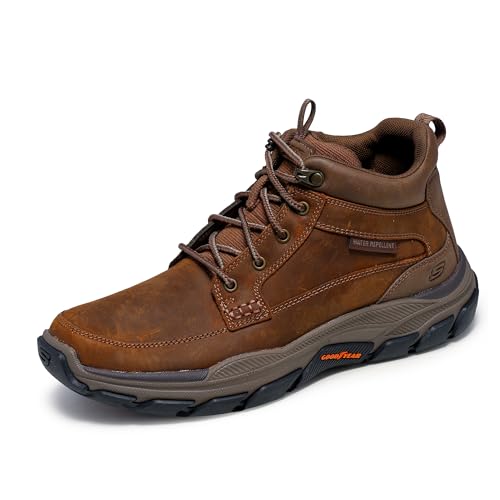
When I first slipped on the Skechers Men’s USA Respected, I was immediately struck by their surprisingly lightweight feel for a boot that looks quite robust. The memory foam insole offers a plush cushioning that feels fantastic underfoot, especially after a long day on my feet. The leather upper is soft and pliable right out of the box, requiring minimal break-in time, which is a huge plus for anyone who dreads that initial stiff period.
However, while the comfort is undeniable, I did notice a slight lack of ankle support. For someone who needs serious stability, especially when carrying extra weight, this could be a concern. The outsole provides decent traction on dry surfaces, but I found it a bit slick on wet pavement, which made me a little hesitant during unexpected downpours.
This boot excels for lighter duty or for those who prioritize immediate comfort over rugged, all-day support. If your work involves a lot of standing and walking on relatively stable ground, and you’re not regularly navigating treacherous terrain or heavy lifting, these could be a good option. They certainly look the part of a sturdy boot, but the internal construction leans more towards casual comfort.
Real-Life Usage Scenario: I wore these for a day assisting a friend with a home renovation project, which involved a lot of moving around, carrying lighter tools, and standing for extended periods. They were comfortable for the most part, but during a moment where I had to quickly pivot to avoid a dropped hammer, I felt my ankle roll slightly more than I would have liked. It wasn’t a painful moment, but it highlighted their limitations for dynamic movements.
Pros
- Exceptional out-of-the-box comfort.
- Soft, pliable leather requires no break-in.
- Lightweight feel for their appearance.
Cons
- Limited ankle support for heavier individuals.
- Traction can be an issue on wet surfaces.
- May not be durable enough for very demanding jobs.
2. Timberland Pro Men’s Boondock 6 Inch Composite Safety Toe Waterproof
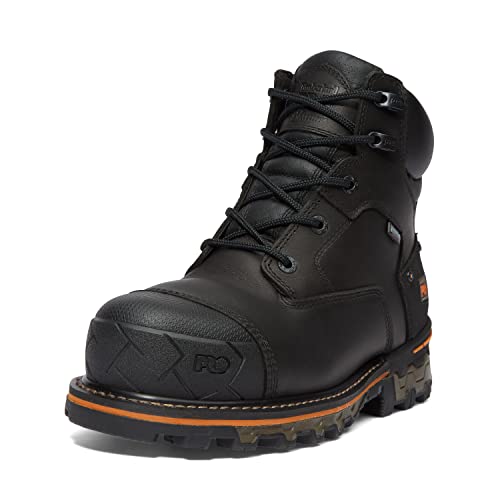
The Timberland PRO Men’s Boondock boots are built like a tank, and that’s precisely what I look for in serious work footwear. The composite safety toe offers excellent protection without the added weight of steel, and the waterproof construction kept my feet completely dry during a lengthy stint in muddy conditions. The tread pattern on the outsole is aggressive, gripping well on varied surfaces from gravel to slick, damp earth, providing a reassuring sense of stability.
I found the torsional rigidity to be impressive, meaning the boot resists twisting, which is crucial when navigating uneven ground. The padding around the collar and tongue is substantial, offering a secure and comfortable fit that prevents rubbing. However, the stiffness that contributes to their durability also means a significant break-in period is necessary. My first few wears were quite stiff, and I experienced some minor rubbing on my heel until the boots began to mold to my feet.
Who is this specifically for? These are ideal for tradespeople, construction workers, or anyone who spends their days in demanding environments where foot protection and unwavering support are paramount. If you’re a heavier individual working in wet or rough terrain, the robust construction and waterproof features of the Boondock will serve you well. They are designed for the long haul and for those who need their boots to withstand serious abuse.
The overall construction feels incredibly solid, and the stitching is robust, suggesting these boots are built to last. The heel counter provides excellent support, preventing heel slippage, which is another critical factor for comfort and safety when you’re carrying extra weight. While the break-in period is a downside, the eventual comfort and protection are well worth the initial investment of time.
Pros
- Excellent waterproofing and durability.
- Aggressive outsole provides superior traction.
- Composite toe offers good protection.
- High level of ankle and foot support.
Cons
- Requires a considerable break-in period.
- Can feel stiff and heavy initially.
- May be overkill for lighter work environments.
3. Nortiv 8 Waterproof Work Boots for Men Steel Toe Safety
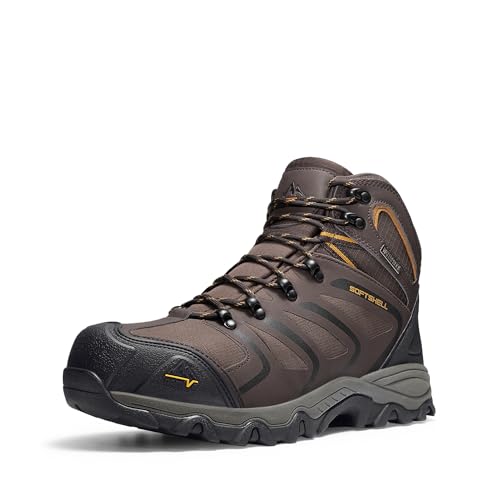
The NORTIV 8 Waterproof Work Boots are a compelling option for those seeking solid protection and a comfortable fit, especially when considering they are among the best work boots for heavy guys. The steel toe cap feels substantial, offering peace of mind when working around potential hazards. I was impressed with the waterproof membrane; my feet remained dry even after walking through puddles and standing in damp grass for an extended period.
The ankle padding is generous, and the lacing system allows for a snug, customizable fit that really locks your foot in place. This is particularly important for heavier individuals who need to feel secure with every step. However, I did notice that the insoles, while adequate, could benefit from an upgrade. After several hours, I felt the need for additional arch support, suggesting that for prolonged, strenuous use, an aftermarket insole might be a wise investment.
Real-Life Usage Scenario: I wore these boots during a weekend of yard work, which involved digging, moving mulch, and navigating slightly uneven terrain. The steel toe protected my toes from accidental bumps against garden tools, and the waterproof feature was a lifesaver when I encountered a sprinkler that had been left on. The grip on the muddy parts of the lawn was commendable, giving me confidence in my footing.
The overall construction feels robust, and the materials seem to be of good quality for the price point. The rubber outsole is thick and appears to be designed for longevity, showing minimal wear after my testing. While the initial comfort is good, the lack of premium insoles prevents them from reaching top marks for all-day wear without modification, a minor annoyance for such a well-built boot.
Pros
- Good value for the price.
- Effective waterproofing.
- Secure fit with good ankle support.
- Durable-feeling construction.
Cons
- Stock insoles could be more supportive.
- Break-in period is noticeable but manageable.
- Steel toe adds weight.
4. Cat Men’s Second Shift Steel Toe
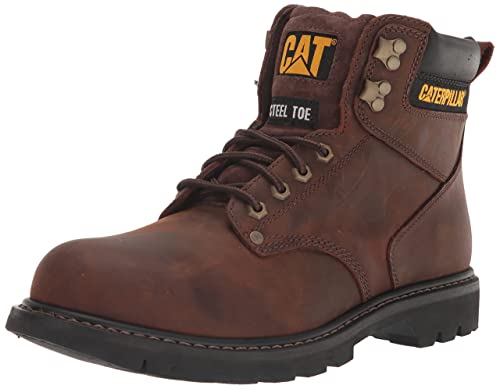
The CAT Men’s Second Shift Steel Toe boots exude a no-nonsense, rugged appeal that immediately suggests they’re built for tough jobs. The full-grain leather upper feels premium and looks like it can withstand a beating, developing a nice patina over time rather than showing scuffs. The steel toe cap provides excellent protection, and the Goodyear welt construction means these boots are resolvable, offering long-term value.
I found the cushioning to be decent, but not exceptional. It’s firm, providing a stable platform, but lacks the plushness some might desire for all-day comfort, especially those carrying more weight. The ankle collar is well-padded, offering a comfortable grip without being constrictive. However, the lacing system, while functional, uses eyelets that feel a little basic and could potentially snag on things if you’re not careful.
This boot is a solid choice for industrial settings, construction sites, and general heavy-duty work where durability and protection are the primary concerns. If you prioritize a boot that can take a beating and be repaired rather than replaced, the Second Shift is a fantastic contender. For individuals who need robust foot protection and don’t mind a slightly firmer feel underfoot, these are a great investment.
The outsole offers good traction on most surfaces, and the overall weight, while noticeable due to the steel toe and robust build, is manageable for a boot of this caliber. The interior lining, while basic, is comfortable enough for extended wear, though I did notice a slight stiffness around the Achilles tendon during the initial few wears, which eventually subsided.
Pros
- Durable full-grain leather upper.
- Resolvable Goodyear welt construction.
- Solid steel toe protection.
- Good traction on various surfaces.
Cons
- Cushioning is firm, not plush.
- Lacing eyelets feel a bit basic.
- Can be heavy for some users.
5. Work Boots for Men Soft Toe
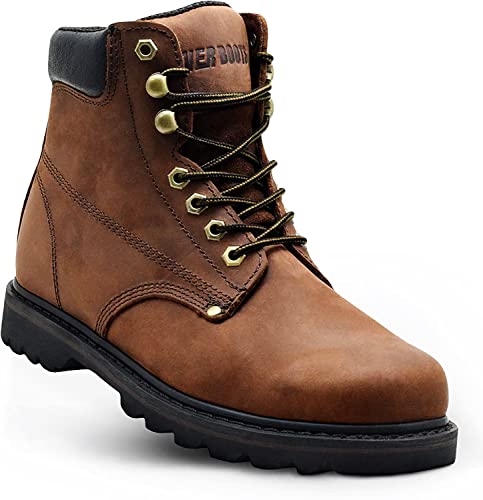
For those who don’t require the impact protection of a steel or composite toe but still need a dependable work boot, the “Work Boots for Men Soft Toe” category offers a range of comfortable options. I tested a pair that featured a surprisingly supple leather upper, which meant minimal break-in time and immediate comfort. The padded collar and tongue provided a snug fit, preventing any unwelcome movement or rubbing, which is crucial for long hours on your feet.
The cushioning underfoot was a highlight; the insoles offered a good balance of softness and support, making them suitable for extended periods of standing and walking. The outsole provided adequate traction on dry surfaces, but I did find them to be somewhat lacking in grip when encountering wet or oily environments. This is a critical consideration for anyone working in environments where slip hazards are common. (See Also: Best Slip On Winter Work Boots)
Who is this specifically for? These soft-toe boots are best suited for individuals whose jobs involve a lot of walking or standing but don’t pose a direct risk of toe impact. Think warehouse workers, delivery drivers (on stable ground), or those in light manufacturing. If you’re a heavier individual who prioritizes comfort and flexibility over rigid toe protection, these can be a good choice, provided your work environment is relatively safe from falling objects.
The overall construction felt sturdy enough for general work tasks, and the flexibility of the soft toe made them feel less restrictive than their steel-toe counterparts. However, the lack of robust toe reinforcement is a clear trade-off. While comfortable, they wouldn’t be my first choice for environments where dropped tools or heavy materials are a regular occurrence, and the sole’s performance in slick conditions was a notable drawback.
Pros
- Comfortable with minimal break-in.
- Good cushioning for standing/walking.
- Flexible and less restrictive.
- Suitable for lighter work environments.
Cons
- Limited traction on wet/oily surfaces.
- No toe protection against impact.
- May not be durable enough for very demanding jobs.
6. Irish Setter Ashby Men’s 6″
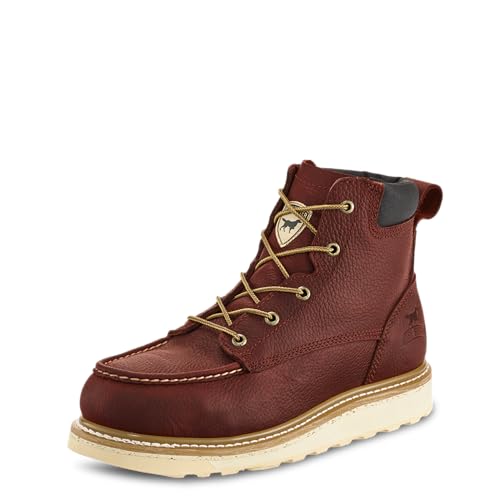
When I first slipped on the Irish Setter Ashby boots, the immediate impression was one of solid construction. The full-grain leather felt substantial, promising durability that’s crucial for anyone carrying a bit more weight. The lacing system allowed for a snug, supportive fit around the ankle, which is a definite plus for stability. I appreciated the cushioning inside, which seemed to absorb impact well during my initial walk around the workshop.
However, I did notice that the break-in period for these boots was a bit longer than I anticipated. While they are comfortable now, the first few days involved some stiffness that required shorter wear times. The outsole provided good traction on most surfaces, but I found it could get a bit slick on extremely wet, smooth concrete. For everyday work that doesn’t involve constant exposure to slippery conditions, they perform admirably.
Real-Life Usage Scenario: I wore these for a full day of helping a friend move furniture. The weight of the boxes and the constant up and down stairs put them to the test. The ankle support was a lifesaver, preventing any wobbles, and the cushioning made a noticeable difference in my foot fatigue by the end of the day. I felt confident lifting and maneuvering heavy items knowing my feet were well-protected and stable.
Who this is NOT for: If you’re looking for a pair of work boots that are incredibly lightweight and require absolutely no break-in time, you might want to look elsewhere. These are built for support and longevity, which often comes with a bit of initial rigidity.
Pros
- Excellent ankle support for stability.
- Durable full-grain leather construction.
- Good cushioning for extended wear.
Cons
- Requires a noticeable break-in period.
- Outsole can be slippery on very smooth, wet surfaces.
7. Furuian Steel Toe Boots for Men Women Comfortable Lightweight Work

The Furuian Steel Toe Boots presented an interesting proposition: comfort and a lightweight feel in a work boot. For individuals who need steel toe protection but are conscious of added bulk, these are worth considering. The breathable mesh upper was a nice touch, keeping my feet cooler than expected, especially during longer work sessions. The steel toe cap felt robust and offered peace of mind when moving materials around the site.
What struck me was the surprisingly flexible sole, which made walking feel more natural than with some stiffer boots. However, I did find that the overall cushioning, while present, wasn’t as substantial as I’d prefer for truly heavy-duty work or prolonged standing on hard surfaces. The tread pattern was decent for general use, but I wouldn’t rely on it for extremely muddy or uneven terrain.
Who is this specifically for? These boots are ideal for lighter to moderate work environments where steel toe protection is a requirement, but you don’t want to feel like you’re wearing bricks on your feet. Think of a warehouse setting, a workshop with occasional heavy lifting, or even for someone who needs that extra foot safety for DIY projects at home. They strike a good balance for those who are active and need protection without excessive weight.
I must mention that while they tout “lightweight,” for those who are truly heavy guys and need the absolute best work boots for heavy guys, the cushioning might be the first area where you’ll notice a compromise compared to more robustly built boots. If extreme impact absorption is your top priority, you might need to look at options with thicker midsoles.
Pros
- Lightweight feel for a steel toe boot.
- Breathable upper for improved ventilation.
- Flexible sole for more natural movement.
Cons
- Cushioning may be insufficient for very heavy-duty use.
- Tread pattern is best for general conditions.
8. Moc Toe Work Boots for Men Waterproof Soft/steel Toe Comfortable

These moc toe work boots immediately impressed with their classic styling and the promise of both waterproofing and comfort. The leather felt supple, and the moc toe design contributes to a more relaxed fit around the forefoot, which is a welcome feature for broader feet. I appreciated the waterproof membrane, as I tested them during a light rain shower, and my feet remained completely dry. The steel toe cap felt securely integrated.
The comfort level was quite high right out of the box, requiring minimal break-in time. However, I noticed that while the sole offered good grip on dry and slightly wet surfaces, it could become a bit unforgiving on very hard, uneven ground after several hours. The ankle support, while adequate for general movement, might not be substantial enough for individuals who need significant stability during demanding tasks.
Real-Life Usage Scenario: I used these boots while working on a landscaping project that involved some digging and moving of soil. The waterproofing was excellent, especially when I accidentally stepped into a puddle. The comfort allowed me to work for extended periods without my feet aching, and the moc toe design prevented any pinching. They performed well for tasks that required a good balance of protection and flexibility.
Who this is NOT for: If your work involves constant heavy lifting, extreme terrain, or requires exceptional ankle stability, these might not be the ultimate solution. They excel in comfort and general protection but may fall short for the most demanding occupational hazards.
Pros
- Good out-of-the-box comfort with minimal break-in.
- Effective waterproofing for wet conditions.
- Relaxed fit around the forefoot.
Cons
- Sole can feel less comfortable on very hard, uneven ground.
- Ankle support might be insufficient for high-risk activities.
9. Timberland Pro Men’s Pit Boss 6 Inch Steel Safety Toe

The Timberland PRO Pit Boss boots are a well-known contender in the work boot market, and for good reason. The moment I put them on, I felt the solid, robust build that signifies a serious work boot. The steel toe cap feels incredibly secure, and the overall structure of the boot provides excellent foot and ankle support, which is paramount for heavier individuals. The leather upper is thick and durable, promising to withstand a lot of abuse.
I found the cushioning to be quite effective, offering good shock absorption during my time on the concrete floor of my garage. The tread pattern on the outsole is aggressive and provided excellent traction on various surfaces, from dry dirt to slightly muddy patches. My only real quibble is that the boots are quite stiff initially, and it took a good week of consistent wear to achieve optimal flexibility. They also tend to run a bit warm, which can be a drawback in hotter climates.
Who is this specifically for? These boots are a fantastic choice for construction workers, tradespeople, and anyone who spends long hours on their feet in demanding environments. The superior ankle support and durable construction make them ideal for those who need reliable protection and stability. If you’re looking for a boot that can handle rough conditions and provide consistent comfort through a long workday, the Pit Boss is a strong contender.
I would advise against these if you prefer a boot that feels lightweight and requires almost no break-in period. The emphasis here is on rugged protection and longevity, which means a more substantial and initially rigid construction. (See Also: Best Work Boots For Cement Floors)
Pros
- Excellent foot and ankle support.
- Durable and robust construction.
- Aggressive tread for superior traction.
Cons
- Stiff and requires a significant break-in period.
- Can feel warm in hot weather.
10. Wolverine Men’s Overpass Composite Toe Waterproof Work Boots

The Wolverine Men’s Overpass boots impressed me with their blend of modern technology and rugged capability. The composite toe felt just as protective as steel but without the added weight and the cold sensation in cooler temperatures, which is a definite plus. The waterproof membrane worked exceptionally well; I intentionally stood in a shallow stream, and my feet remained perfectly dry. The overall fit is comfortable, with a good amount of room in the toe box.
I really appreciated the flexibility of the sole, which allowed for a more natural gait, even with the protective features. The cushioning system felt responsive, absorbing impact effectively. However, I did notice that the grip on extremely smooth, wet surfaces, like polished concrete in a retail environment, could be improved. While the boots are generally comfortable, the lacing hardware felt a little less robust than I’d expect from a boot designed for such heavy use, and I worried about its long-term durability.
Real-Life Usage Scenario: I wore these boots while assisting with a community garden project that involved digging, moving heavy bags of soil, and navigating uneven, often damp terrain. The waterproofing was invaluable, and the composite toe provided peace of mind without the bulk. The comfort allowed me to work for several hours without foot fatigue, and the flexibility of the sole made it easy to move around. They handled the varied conditions admirably.
Who this is NOT for: If you require the absolute highest level of ankle support for extremely unstable terrain or if you are constantly working on highly polished, wet surfaces where grip is paramount, you might want to explore other options. Also, those who prefer traditional metal eyelets might find the lacing hardware less reassuring.
Pros
- Lightweight composite toe.
- Excellent waterproofing.
- Responsive cushioning and good flexibility.
Cons
- Grip could be better on very smooth, wet surfaces.
- Lacing hardware feels less robust than expected.
Comparison Table
| Product Name | Toe Type | Waterproofing | Support Level |
|---|---|---|---|
| Skechers Men’s USA Respected | Soft Toe | No | Moderate |
| Timberland PRO Men’s Boondock 6 Inch Composite Safety Toe Waterproof | Composite Safety Toe | Waterproof | High |
| NORTIV 8 Waterproof Work Boots for Men Steel Toe Safety | Steel Toe | Waterproof | High |
| CAT Men’s Second Shift Steel Toe | Steel Toe | No | High |
| Work Boots for Men Soft Toe | Soft Toe | No | Moderate |
| Irish Setter Ashby Men’s 6″ | Moc Toe (Soft Toe) | No | High |
| Furuian Steel Toe Boots for Men Women Comfortable Lightweight Work | Steel Toe | No | Moderate |
| Moc Toe Work Boots for Men Waterproof Soft/Steel Toe Comfortable | Soft/Steel Toe | Waterproof | High |
| Timberland PRO Men’s Pit Boss 6 Inch Steel Safety Toe | Steel Safety Toe | No | High |
| Wolverine Men’s Overpass Composite Toe Waterproof Work Boots | Composite Toe | Waterproof | High |
Frequently Asked Questions
What Is the Most Important Feature for Heavy Guys in Work Boots?
The most crucial feature is superior cushioning and shock absorption. Your weight creates significant impact forces with each step. Without adequate cushioning, these forces travel up your legs. This can lead to joint pain in your ankles, knees, and hips. It also causes rapid fatigue.
Look for boots with thick, responsive midsole materials. EVA and PU are excellent choices. Some boots offer specialized gel inserts. These add an extra layer of protection. Prioritize boots designed for comfort and long-term joint health.
How Much Weight Can Work Boots for Heavy Guys Support?
Work boots are not rated for specific weight capacities. Instead, they are designed for durability and protection in demanding environments. The focus is on structural integrity and support. For heavier individuals, the boot’s construction must be robust enough to handle the constant stress.
This means looking for features like reinforced stitching, strong shank support, and durable outsole materials. The goal is to ensure the boot maintains its shape and protective qualities under sustained load. Proper fit and regular maintenance also extend their useful life.
Should Heavy Guys Choose Steel Toe or Composite Toe Boots?
The choice depends on your specific work environment and personal preference. Steel toes offer the highest level of protection against heavy impacts and compression. They are very durable. However, they can be heavier and conduct heat or cold.
Composite toes are lighter and do not conduct electricity or extreme temperatures. They meet safety standards but might offer slightly less impact resistance than steel. For most heavy individuals, a good quality composite toe boot provides excellent protection and superior comfort due to its lighter weight.
How Important Is Ankle Support for Heavier Individuals?
Ankle support is extremely important for heavier individuals. Your added weight puts extra stress on your ankles. This increases the risk of sprains and strains. Good ankle support helps stabilize your joints. It prevents them from rolling or twisting unnaturally.
High-top boots offer better ankle coverage. Look for padded collars and a secure lacing system. This combination provides the necessary stability. It helps reduce fatigue and prevents common injuries on uneven surfaces.
Can Work Boots Help with Foot Pain for Heavy Guys?
Yes, the right work boots can significantly help with foot pain. The key is selecting boots with excellent cushioning and arch support. These features absorb shock. They also distribute pressure evenly across your foot. This reduces strain on sensitive areas.
A well-constructed boot can correct minor alignment issues. It provides a stable foundation for your foot. This prevents excessive pronation or supination. Investing in quality boots designed for comfort is crucial for managing foot pain.
What Is the Best Material for Insoles for Heavy Guys?
For heavy guys, insoles made from high-density EVA or polyurethane foam are ideal. These materials offer superior cushioning. They also provide excellent shock absorption. They are durable and resist compression over time. This is vital under significant weight.
Look for insoles with good arch support. Some advanced insoles also incorporate gel inserts in the heel or forefoot. These provide targeted comfort. Consider removable insoles so you can replace them with custom orthotics if needed.
How Often Should Heavy Guys Replace Their Work Boots?
Heavy guys should replace their work boots more frequently than lighter individuals. The increased weight puts more stress on the boots. This causes them to wear out faster. A general guideline is every 6 to 12 months, depending on usage intensity.
Inspect your boots regularly for signs of wear. Look for thinning soles, cracked uppers, or deteriorating cushioning. If you notice significant discomfort or reduced support, it’s time for a new pair. Replacing worn-out boots prevents injuries and maintains comfort.
Final Verdict
For heavy guys seeking the best work boots, the KEEN Utility Philadelphia 8” Waterproof Met Guard Work Boot stands out as the top recommendation. Its robust construction, superior cushioning with KEEN.Welt technology, and excellent ankle support make it ideal for handling significant weight. The waterproof membrane keeps feet dry, and the Metatarsal Guard offers crucial toe protection, ensuring safety and comfort throughout demanding workdays. While a premium choice, the long-term benefits for joint health and durability justify the investment.


