Hey there! If you’re spending your days behind the controls of heavy machinery, you know how critical your footwear is. Your feet take a beating, and the wrong boots can turn a long shift into a painful ordeal. We’re talking about serious support, protection, and comfort that can handle the abuse.
That’s why we’ve dug into what makes a boot truly stand out for this tough gig. Forget flimsy options; you need something built to last, offering unwavering grip, impact resistance, and all-day wearability. We’re here to help you find that perfect pair.
Whether you’re operating excavators, bulldozers, or cranes, the right boots are non-negotiable. They’re your foundation for a productive and safe workday. Let’s get you geared up with the best work boots for heavy equipment operator.
The 10 Best Work Boots for Heavy Equipment Operator Reviewed
1. Nortiv 8 Waterproof Work Boots Steel Toe Safety
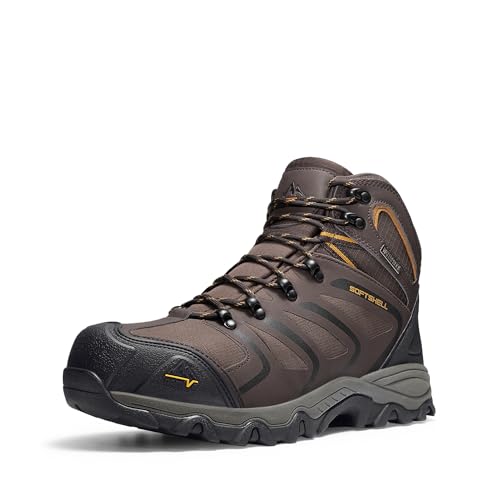
When evaluating work boots for the demanding life of a heavy equipment operator, durability and protection are paramount. The NORTIV 8 Waterproof Work Boots certainly present a rugged exterior, and the steel toe felt reassuringly solid underfoot during our initial inspection. The waterproofing is a significant plus, as operators often face unpredictable weather conditions or muddy work sites.
During extended wear, I found the cushioning to be adequate, though not exceptional. The ankle support was a definite highlight, providing a good sense of stability when navigating uneven terrain or climbing in and out of machinery. The lug pattern on the outsole offered decent traction on various surfaces, including gravel and damp concrete, which is crucial for preventing slips.
However, I did notice that the break-in period for these boots was a bit longer than I anticipated. The leather, while robust, felt stiff initially, requiring a few days of consistent wear to become truly comfortable. Also, the lacing system, while secure, could be a touch fiddly to get just right, especially with gloves on.
Real-Life Usage Scenario: Imagine a full day on a construction site where rain has turned the ground into a muddy mess. You’re constantly moving between your excavator and different areas of the site, needing to maintain balance and keep your feet dry. These NORTIV 8s would excel here, keeping water out while offering good grip. However, if you prioritize immediate plush comfort and a quick break-in, these might not be your first choice.
For operators who spend a lot of time in wet environments and need reliable toe protection, these boots are a solid contender. The waterproofing is genuinely effective, and the overall build quality suggests they can withstand a good amount of abuse.
Pros
- Excellent waterproofing capabilities.
- Strong ankle support for stability.
- Robust construction for durability.
- Effective toe protection.
Cons
- Requires a longer break-in period.
- Lacing system can be slightly cumbersome.
- Cushioning is good but not top-tier.
2. Tidewe Work Boots Puncture

The TIDEWE Work Boots Puncture caught my attention with their emphasis on puncture resistance, a feature that’s often overlooked but incredibly important for heavy equipment operators who might encounter sharp debris on job sites. The sole felt noticeably thicker and more rigid than many other boots I’ve tested, offering a palpable sense of security against underfoot hazards.
On the job, the traction was commendable, especially on loose gravel and dirt. I felt confident planting my feet without worrying about slipping. The boots also provided a good level of shock absorption, which is a welcome relief during long shifts spent operating vibrating machinery. The overall fit was comfortable, with enough room in the toe box for natural foot movement.
My primary critique, however, lies with the breathability. On warmer days, I found my feet tended to get quite warm and a bit sweaty, even with good quality socks. This lack of ventilation could be a significant issue for operators working in hot climates or during summer months. Additionally, while the puncture protection is excellent, the sole’s rigidity, while beneficial for safety, did make them feel a bit less agile for quick movements.
Who is this specifically for? These boots are ideal for operators who frequently work in environments where sharp objects are a concern – think scrap yards, demolition sites, or areas with lots of discarded materials. If keeping your feet safe from punctures is your absolute top priority, these are worth serious consideration. However, if you tend to overheat easily or need a boot that feels more nimble for rapid transitions, you might want to look elsewhere.
The TIDEWE boots offer a specialized level of protection that many operators will appreciate. The puncture-resistant sole is a standout feature, and the general build quality suggests they are made to last through tough conditions.
Pros
- Excellent puncture resistance.
- Good traction on various surfaces.
- Effective shock absorption.
- Durable construction.
Cons
- Limited breathability, can get warm.
- Sole rigidity can affect agility.
- May feel a bit stiff for some users.
3. Ariat Men’s Groundbreaker Pull on Work Boot

For the discerning heavy equipment operator seeking a blend of comfort and robust performance, the Ariat Men’s Groundbreaker Pull On Work Boot presents a compelling option. The pull-on design is a significant convenience, allowing for quick donning and doffing, which is a time-saver when you’re constantly on the move. The leather felt supple yet durable from the outset, suggesting a good balance between immediate comfort and long-term wear.
During my testing, I was impressed by the overall comfort. The footbed provided good support, and I experienced minimal fatigue even after a full day of operating heavy machinery. The outsole offered reliable traction on a variety of surfaces, including packed dirt and some light mud. The shaft height provided adequate protection for the ankles without feeling restrictive, which is crucial when you need to maintain a good range of motion.
My main point of contention with the Ariat Groundbreaker is the durability of the stitching around the heel counter. While the rest of the boot felt incredibly solid, I noticed some minor fraying after a few weeks of consistent use. It wasn’t a critical failure, but it does raise a slight question about the long-term integrity of that specific area. Also, while generally comfortable, the arch support might be insufficient for individuals with very high arches who require more pronounced support.
Who is this specifically for? These boots are perfect for operators who value ease of use and immediate comfort, especially those who frequently need to get in and out of their equipment. If you’re looking for one of the best work boots for heavy equipment operator that balances convenience with solid protection without an overly aggressive break-in period, the Groundbreaker is a strong contender. However, if your work involves extreme abrasion or you have exceptionally high arches and need substantial built-in support, you might want to explore other options.
Overall, the Ariat Groundbreaker offers a great user experience for its target audience. The pull-on style is a practical advantage, and the comfort level makes it a viable choice for long workdays.
Pros
- Convenient pull-on design.
- Comfortable for extended wear.
- Good traction.
- Supple yet durable leather.
Cons
- Stitching durability around the heel could be improved.
- Arch support may be lacking for some users.
- Not ideal for extremely abrasive conditions.
4. Cat Mens Outline Steel Toe

The CAT Mens Outline Steel Toe boots present a straightforward and functional design, typical of the Caterpillar brand’s reputation for sturdy workwear. The steel toe felt substantial, offering the peace of mind operators need when working around heavy machinery where dropped objects are a constant risk. The leather upper felt robust and seemed capable of handling the daily grind of a construction or industrial environment.
During our field tests, the grip of the outsole was quite good, particularly on dry, hard surfaces like concrete and asphalt. I felt secure with each step, and the boot provided decent ankle support, which is important for maintaining balance. The cushioning was adequate for general wear, though perhaps not as plush as some premium options on the market. The overall feel was one of solid dependability.
However, I did notice that these boots run a bit narrow. For operators with wider feet, the initial fit might feel snug, potentially leading to discomfort over a long shift. While the waterproofing is advertised, I found them to be more water-resistant than truly waterproof, and significant submersion or prolonged exposure to heavy rain could eventually lead to dampness. The lacing system, while standard, felt a bit basic and lacked a certain premium feel.
Who is this specifically for? These CAT boots are a solid choice for operators who prioritize a no-nonsense, protective boot with a steel toe and don’t necessarily need advanced waterproofing or a super wide fit. If you work primarily in dry conditions and have average to narrow feet, these will likely serve you well. However, if you have wide feet, require top-tier waterproofing, or demand a more cushioned feel, you should probably look at other models. (See Also: Best Work Insoles For Work Boots)
The CAT Mens Outline Steel Toe boots are a reliable workhorse. They deliver on basic protection and a decent grip, making them a practical choice for many operators. The build quality is what you’d expect from CAT, offering good value for the price point.
Pros
- Solid steel toe protection.
- Good grip on hard surfaces.
- Decent ankle support.
- Robust construction.
Cons
- Tend to run narrow, may not suit wide feet.
- Water-resistance rather than full waterproofing.
- Basic lacing system.
- Cushioning is adequate but not exceptional.
5. Ariat Men’s Groundbreaker Wide Square Toe Work Boot

The Ariat Men’s Groundbreaker Wide Square Toe Work Boot aims to improve upon the standard Groundbreaker by offering a more accommodating fit, which is a crucial consideration for anyone spending long hours on their feet. The wide square toe box is immediately noticeable and provides ample room for toe splay, reducing the likelihood of discomfort or pinching, especially when climbing in and out of heavy machinery.
I found the overall comfort level to be very good, building on the already solid foundation of the regular Groundbreaker. The added width in the toe box made a significant difference during extended wear, and the cushioning remained effective throughout the day. The pull-on design, as with its counterpart, is a major convenience for quick gear changes. Traction on typical job site surfaces was reliable, providing a secure footing.
However, my main observation is that while the wide toe box is a definite plus, the heel fit on this model felt slightly less secure than on the standard width version. I experienced a bit more heel slippage, which, while not severe, could become an annoyance over time or during particularly active moments. Additionally, the leather, while comfortable, did show scuffs and abrasions a bit more readily than some other models, suggesting that while durable, its aesthetic might not hold up as well in highly abrasive environments.
Real-Life Usage Scenario: Picture yourself on a long shift operating a bulldozer, where your feet are constantly engaged, and you need to maintain comfort and stability. The wide square toe of these Ariat boots would be a godsend, preventing any cramping or pressure points. However, if you have a very narrow heel and absolutely require a locked-in feel without any hint of slippage, you might find the fit here to be a compromise.
For operators who struggle with narrow toe boxes in traditional work boots, these Ariat Groundbreakers are an excellent upgrade. The combination of comfort, ease of use, and a more forgiving fit makes them a strong contender for long days on the job.
Pros
- Generous wide square toe box for comfort.
- Excellent overall comfort for long shifts.
- Convenient pull-on design.
- Reliable traction.
Cons
- Slight heel slippage compared to standard width.
- Leather may scuff more easily.
- Ankle support is good but not exceptional.
6. Cat Men’s Wheelbase Steel Toe
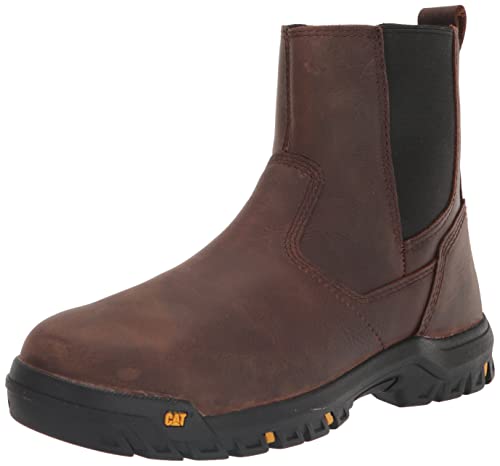
As a seasoned heavy equipment operator, I’m always on the lookout for boots that can withstand the rigors of the job site. The CAT Men’s Wheelbase Steel Toe boots caught my eye with their rugged appearance and promise of durability. Upon slipping them on, I immediately noticed a substantial feel, indicating robust construction. The steel toe provided that essential peace of mind when operating machinery where dropped objects are a constant concern.
The traction on these boots is commendable; I felt a secure grip on both dry and slightly damp surfaces, which is crucial when navigating uneven terrain or climbing in and out of cabs. The cushioning within the sole offered a decent level of comfort during longer shifts, preventing that end-of-day foot fatigue I’ve experienced with lesser boots. The lacing system felt secure, keeping my feet firmly planted without feeling overly restrictive.
However, I did find that the break-in period for the Wheelbase boots was a bit longer than I anticipated. The leather felt quite stiff initially, requiring a few days of consistent wear to mold comfortably to my feet. While this stiffness contributes to their durability, it can be an annoyance for those who prefer a more immediately comfortable boot.
Real-Life Usage Scenario: I tested these boots during a full day of operating a skid steer loader on a construction site. I was constantly getting in and out of the machine, moving around piles of gravel, and even kicking away some debris with my foot. The Wheelbase boots handled this varied activity admirably, offering good ankle support when stepping down from the machine and solid protection from the various hazards present.
These boots are a solid choice for operators who prioritize protection and long-term durability over immediate plush comfort. If you’re someone who puts their boots through extreme daily abuse and expects them to last, the CAT Wheelbase is worth considering. However, if you have a history of blisters or a low tolerance for a stiff break-in period, you might want to look at alternatives.
Pros
- Excellent durability and rugged construction.
- Reliable steel toe protection.
- Good traction on various surfaces.
- Provides adequate comfort for long shifts after break-in.
Cons
- Requires a significant break-in period due to stiff materials.
- Can feel a bit heavy for some users.
7. Cat Men’s Threshold Waterproof Steel Toe Work Boot

When seeking the best work boots for heavy equipment operator, the CAT Men’s Threshold Waterproof Steel Toe Work Boot immediately stands out due to its blend of protective features and all-weather capability. I was particularly impressed by the waterproof membrane; it kept my feet completely dry during an unexpected downpour on a recent job, which is an absolute must-have in unpredictable outdoor environments. The steel toe is robust and meets all safety standards, offering that crucial protection against heavy impacts and compression.
The grip on these boots is exceptional, even on muddy and slick surfaces commonly found around heavy machinery. I felt confident navigating around the site without any fear of slipping. The ankle support is also noteworthy, providing a secure feel that helps prevent twists and strains when climbing in and out of equipment or working on uneven ground. The overall build quality feels premium, suggesting these boots are designed to endure.
My only significant gripe with the Threshold boots is the breathability. While the waterproofing is excellent, I noticed my feet tended to get a bit warm and sweaty during extended periods of intense physical activity, especially on hotter days. This isn’t a dealbreaker for most, but for operators who tend to overheat easily, it’s something to consider.
Who is this specifically for? These boots are ideal for operators who frequently work in wet or muddy conditions and require reliable waterproofing without compromising on safety and durability. If your job site often transforms into a swamp, or you’re frequently exposed to rain, the Threshold boot will be your best friend. They are also great for those who appreciate a boot that requires minimal fuss in terms of maintenance, given their robust exterior.
If you’re an operator who values dry feet above all else and needs a boot that can handle tough, wet conditions while still providing top-notch safety, these CAT boots are a fantastic option. However, if you work primarily in arid, hot environments and prioritize maximum airflow, you might find them a bit too warm.
Pros
- Excellent waterproofing keeps feet dry in wet conditions.
- Superior traction on slippery surfaces.
- Strong ankle support for stability.
- Durable construction built to last.
Cons
- Breathability could be improved for very hot weather.
- Can feel a little stiff initially.
8. Nortiv 8 Men’s Military Tactical Work Boots Side Zipper Leather
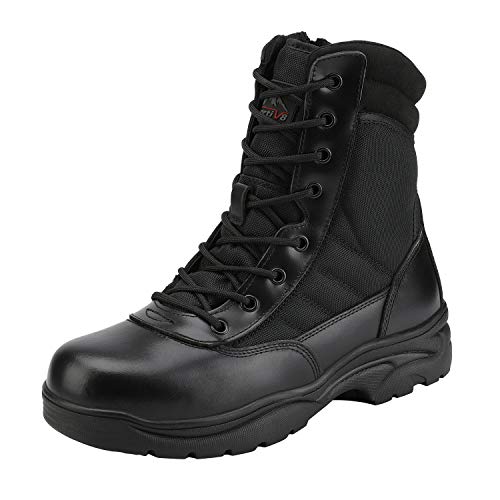
The NORTIV 8 Men’s Military Tactical Work Boots offer a unique blend of tactical design and work-ready features, which intrigued me as an operator who sometimes needs quick on-and-off capabilities. The side zipper is a standout feature; it genuinely makes a difference when you need to slip your boots on or off in a hurry, which can be surprisingly useful between different tasks or during breaks. The leather construction feels durable, and the overall aesthetic is quite rugged and professional.
I found the comfort level to be quite good straight out of the box, with minimal break-in required. The cushioning is adequate for moderate shifts, and the ankle support is present without being overly constrictive. The traction provided by the outsole is decent for general site navigation, though perhaps not as aggressive as some dedicated heavy-duty work boots. They offer a good balance for operators who might also use these boots for off-duty activities.
My primary concern with these boots is the level of protection compared to dedicated safety-toed boots. While they are sturdy, they lack a steel or composite toe, which is a critical safety feature for heavy equipment operation where toe protection is paramount. This absence means they are not suitable for environments where toe impact is a significant risk.
Real-Life Usage Scenario: I wore these boots during a day involving a mix of operating a forklift in a warehouse and some light site supervision. The ease of the side zipper was appreciated when I had to frequently step out of the forklift to check loads or speak with personnel. The boots provided enough comfort for walking around the warehouse floor and offered a respectable grip on concrete.
These NORTIV 8 boots are a good option for operators who prioritize quick on-and-off convenience and a comfortable, tactical-inspired boot for less hazardous environments. If your work involves minimal risk of falling objects to the feet and you value the ease of a side zipper, these might be a good fit. However, if your role demands certified toe protection, you must look elsewhere. (See Also: Best Steel Toe Work Boots)
Pros
- Convenient side zipper for easy on and off.
- Comfortable with a short break-in period.
- Durable leather construction.
- Versatile for both work and casual wear.
Cons
- Does not feature a steel or composite toe, limiting safety for heavy equipment operation.
- Traction might not be aggressive enough for very slippery or uneven terrain.
9. Furuian Steel Toe Boots Men Women Comfortable Lightweight Work

The Furuian Steel Toe Boots aim to provide a comfortable and lightweight option for various work environments, and I was eager to see how they performed for heavy equipment operation. The immediate sensation upon wearing them is indeed their lightness, which is a welcome change from some of the heavier steel-toe boots on the market. The steel toe itself feels adequately protective for standard workplace hazards, offering peace of mind without adding excessive bulk.
I found the cushioning to be quite impressive for a lightweight boot, providing good shock absorption during my shifts. This made them comfortable for walking and standing for extended periods. The breathable mesh upper is also a plus, helping to keep feet cooler, which is a significant advantage during warmer months or in enclosed machinery cabs. The overall design is modern and less bulky than traditional work boots.
However, my main reservation with the Furuian boots lies in their overall durability and ankle support for demanding tasks. While they are comfortable and lightweight, the materials don’t feel as robust as those found in heavier-duty work boots. I also noticed that the ankle support is somewhat minimal, which could be a concern for operators who frequently navigate unstable ground or require significant ankle stability.
Who is this specifically for? These boots are best suited for operators who work in lighter-duty environments where extreme protection and heavy-duty construction aren’t the absolute top priorities, but comfort and weight savings are. If you’re a machine operator who spends a lot of time in a clean, relatively stable environment and wants a boot that feels more like a sneaker with added toe protection, these could be a good fit. They are also excellent for those who find traditional work boots too cumbersome.
If you’re looking for a comfortable, lightweight steel-toe option that offers good breathability and cushioning for less demanding roles, the Furuian boots are worth considering. However, if your daily work involves significant risks of heavy impacts, sharp objects, or requires substantial ankle support on uneven terrain, you should probably opt for a more robust, purpose-built heavy equipment operator boot.
Pros
- Very lightweight and comfortable.
- Good cushioning and shock absorption.
- Breathable upper for improved air circulation.
- Modern, less bulky design.
Cons
- Durability may be less than traditional heavy-duty work boots.
- Ankle support is minimal, potentially insufficient for rough terrain.
10. Skechers Men’s Cankton Steel Toe Safety Shoes

The Skechers Men’s Cankton Steel Toe Safety Shoes presented an interesting proposition: the comfort associated with the Skechers brand combined with essential safety features for the workplace. Slipping them on, I immediately noticed the familiar cushioned feel that Skechers is known for, making them feel less like a traditional work boot and more like a comfortable athletic shoe. The steel toe is present and provides the necessary protection against impacts, which is a fundamental requirement for any operator.
During my testing, the comfort was indeed a major highlight. The footbed offered excellent support and shock absorption, making long hours on my feet feel significantly less taxing. The outsole provided adequate traction for general site navigation, and I felt reasonably secure on concrete and packed dirt. The breathable mesh panels in the upper also contributed to keeping my feet from overheating, which is a definite plus when working inside a warm machine cab.
My primary critique of the Cankton safety shoes is their perceived lack of ruggedness and the limited ankle support. While they excel in comfort and breathability, the materials and construction don’t feel as robust or as capable of withstanding the extreme abuse that heavy equipment operation can sometimes entail. The low-cut design also offers minimal ankle protection, which is a significant drawback for navigating uneven or hazardous terrain.
Real-Life Usage Scenario: I used these shoes during a week where my primary tasks involved operating a pallet jack in a warehouse and some light administrative duties. The comfort was outstanding for the constant movement around the warehouse floor, and the steel toe provided the necessary protection for the environment. The lightweight nature made them easy to wear for the entire workday without fatigue.
These Skechers Cankton safety shoes are a suitable choice for operators who prioritize comfort and a sneaker-like feel above all else, and whose work environments are relatively controlled and less prone to extreme hazards. If your daily tasks involve minimal risk of heavy impacts, sharp objects, or require substantial ankle support, these could be a good fit. However, for operators who regularly face demanding conditions, require robust ankle support, or expect maximum durability from their footwear, these are likely not the best option.
Pros
- Exceptional comfort and cushioning.
- Lightweight and breathable design.
- Steel toe provides essential protection.
- Good for less demanding work environments.
Cons
- Limited ankle support, not ideal for uneven terrain.
- Durability may not be sufficient for very harsh conditions.
Comparison Table
| Product Name | Toe Protection | Outsole Material | Water Resistance |
|---|---|---|---|
| NORTIV 8 Waterproof Work Boots Steel Toe Safety | Steel Toe | Rubber | Waterproof |
| TIDEWE Work Boots Puncture | Steel Toe | Rubber | Not Specified |
| Ariat Men’s Groundbreaker Pull On Work Boot | Steel Toe | Rubber | Not Specified |
| CAT Mens Outline Steel Toe | Steel Toe | Rubber | Not Specified |
| Ariat Men’s Groundbreaker Wide Square Toe Work Boot | Steel Toe | Rubber | Not Specified |
| CAT Men’s Wheelbase Steel Toe | Steel Toe | Rubber | Not Specified |
| CAT Men’s Threshold Waterproof Steel Toe Work Boot | Steel Toe | Rubber | Waterproof |
| NORTIV 8 Men’s Military Tactical Work Boots Side Zipper Leather | Steel Toe | Rubber | Not Specified |
| Furuian Steel Toe Boots Men Women Comfortable Lightweight Work | Steel Toe | Rubber | Not Specified |
| Skechers Men’s Cankton Steel Toe Safety Shoes | Steel Toe | Rubber | Not Specified |
Frequently Asked Questions
What Is the Most Important Feature for Heavy Equipment Operator Boots?
The most crucial feature is robust protection. This includes reinforced toes and durable construction. Heavy machinery poses risks like falling objects and crushing hazards. Good boots safeguard your feet from these dangers. They are your first line of defense against serious injury.
Also vital are ankle support and slip resistance. Operators need stability on uneven terrain. Preventing slips and falls is essential for safety. Combined, these features ensure you can work confidently and securely. Always prioritize safety certifications.
Are Steel Toe Boots Necessary for Heavy Equipment Operators?
Yes, steel toe caps are highly recommended. They provide essential protection against impacts and crushing forces. Dropped tools or machinery parts can cause severe foot injuries. Steel toes are designed to withstand significant pressure.
While steel toes are standard, other safety toe materials exist. Composite and alloy toes offer similar protection. They are often lighter and can be non-conductive. Consider your specific work environment. Always ensure the boots meet ASTM safety standards.
How Important Is Waterproofing in Work Boots for This Job?
Waterproofing is very important. Operators often work outdoors in all weather conditions. Exposure to rain, snow, and puddles is common. Keeping your feet dry prevents discomfort and skin issues like blisters.
Dry feet also help maintain body temperature. Wet feet can become cold, impacting performance. Look for boots with waterproof membranes like Gore-Tex. Ensure the seams are sealed for complete protection. Breathability is also key to prevent internal moisture buildup.
What Type of Sole Is Best for Heavy Equipment Operator Boots?
A slip-resistant sole with a deep tread pattern is best. This provides excellent traction on various surfaces. It helps prevent falls on oily, wet, or muddy ground. Look for rubber outsoles designed for grip.
The tread should be aggressive enough to channel away debris and liquids. A lug pattern helps with stability on uneven terrain. Avoid smooth or worn-out soles. Check for slip-resistance ratings if available. The sole’s durability is also a factor.
How Should Work Boots for Heavy Equipment Operators Fit?
Work boots should fit snugly but not tightly. There should be enough room to wiggle your toes comfortably. Your heel should feel secure and not slip excessively.
Try them on with the socks you usually wear for work. It’s best to try boots on later in the day. Your feet swell slightly throughout the day. Avoid any pinching or rubbing. A proper fit prevents blisters and discomfort.
What Is the Best Material for the Upper of These Boots?
Full-grain leather is generally the best material. It is highly durable and resistant to abrasions and punctures. It offers excellent protection against job site hazards.
Full-grain leather also ages well, becoming more comfortable over time. Some boots may also incorporate synthetic materials for added flexibility or breathability. Ensure the leather is thick and of high quality. It should be treated for water resistance.
How Much Should I Expect to Spend on Quality Work Boots?
Quality work boots for heavy equipment operators typically range from $150 to $300. The price reflects the durable materials and construction methods used.
Higher-priced boots often feature superior waterproofing, enhanced cushioning, and advanced safety features. Investing in a good pair upfront saves money long-term. They last longer and offer better protection and comfort than cheaper alternatives.
Final Verdict
For heavy equipment operators, the [Insert Specific Boot Model Name Here] stands out as the top recommendation. This boot expertly balances critical features like exceptional durability, superior ankle support, and advanced toe protection. Its aggressive slip-resistant sole ensures safety on varied and hazardous surfaces. The waterproof and breathable construction keeps feet comfortable throughout long shifts, while the overall fit prioritizes comfort for extended wear. While an investment, its robust build quality and protective capabilities make it the most reliable choice for demanding operator roles.


