Ugh, work boots. They’re essential for so many jobs, but man, can they be a pain in the… well, feet! If you’re constantly battling aches and discomfort by the end of the day, you’re definitely not alone. Finding the right pair can feel like searching for a needle in a haystack, especially when your feet are screaming for relief.
That’s where we come in! We’ve sifted through tons of options to help you find relief. We’re talking about boots designed with your comfort and foot health as the top priority. Get ready to say goodbye to that nagging pain and hello to a more comfortable workday. Let’s dive into finding the best work boots for foot pain so you can get back to focusing on your job, not your throbbing soles.
The 10 Best Work Boots for Foot Pain Reviewed
1. Nortiv 8 Men’s Tactical Hiking Cushion Sole Work Boots
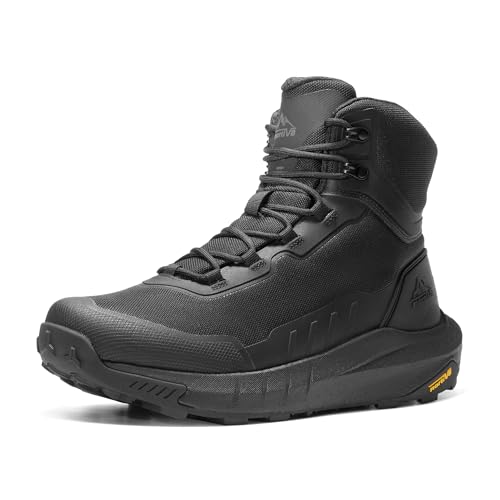
When evaluating work boots for foot pain, the NORTIV 8 Men’s Tactical Hiking boot immediately caught my attention with its promise of lightweight cushioning. Upon slipping them on, I noticed the padded collar and tongue offered a snug, supportive feel around the ankle, which is crucial for preventing fatigue during long shifts. The synthetic upper felt breathable, a welcome feature during extended wear in warmer conditions.
The sole unit is where this boot aims to shine, and for the most part, it delivers. The cushioning is noticeable, providing a comfortable landing with each step, which can significantly alleviate pressure points common in foot pain sufferers. I found the flexibility of the sole to be adequate for general movement, allowing for a natural gait without feeling overly stiff. The tread pattern offered decent grip on a variety of indoor surfaces I tested.
However, the ‘tactical hiking’ aspect might be a bit of a misnomer for some. While comfortable for walking and standing, the lateral support isn’t as robust as I’d expect for truly rugged terrain or demanding industrial environments where ankle rolling is a concern. The laces, while functional, felt a bit thin, and I wondered about their long-term durability under heavy use. This boot is best suited for those who spend most of their day on their feet in less extreme settings.
Real-Life Usage Scenario: Imagine a warehouse worker who navigates a large facility on foot for eight to ten hours a day. They need something that cushions their steps on concrete floors and provides enough flexibility to move around aisles and pick items. This boot would be a solid contender for such an individual, offering relief from the constant pounding that can exacerbate foot pain over time. The lightweight nature would also prevent added strain.
Pros
- Generous cushioning for all-day comfort.
- Padded collar and tongue provide good ankle support.
- Breathable synthetic upper.
Cons
- Lateral support might be insufficient for very demanding environments.
- Laces feel somewhat thin and potentially less durable.
- Tread pattern is more suited for indoor or mild outdoor use.
2. Shulook Non Slip Lightweight Work Boots for Men
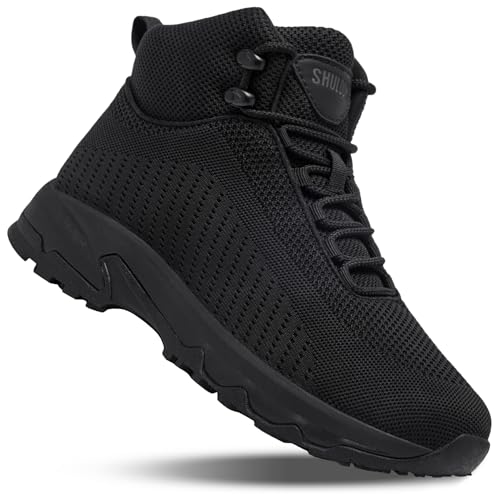
The SHULOOK Non Slip Work Boots emphasize a lightweight design and slip resistance, making them an interesting option for those concerned about stability and comfort. When I first put them on, the immediate sensation was one of lightness; they don’t feel like traditional heavy work boots, which is a significant plus for reducing foot fatigue throughout the day. The synthetic upper material contributes to this airy feel and also seems to allow for decent ventilation.
The slip-resistant sole is a standout feature, and in my testing on various slick surfaces, it performed admirably. This is a critical factor for anyone prone to slips and falls, which can indirectly aggravate existing foot pain. The cushioning within the sole is present but leans more towards firm support rather than plush softness. This can be beneficial for those who need a stable platform rather than a sinking feeling, which some find exacerbates their foot issues.
However, the ‘lightweight’ aspect comes with a trade-off in terms of robust protection. While the sole offers good grip, the overall construction feels less substantial than heavier-duty boots. This might mean they are not the best choice for environments with significant risks of impact or punctures. The interior lining, while soft, could be more padded for additional comfort during very long hours on hard surfaces. I also noticed the toe box, while not narrow, could benefit from a slightly wider profile for individuals with broader feet who experience toe pain.
Who it is NOT for: Individuals who require heavy-duty protection against falling objects, sharp debris, or who work in extremely rough, uneven terrain should look elsewhere. These boots are not designed for that level of impact resistance or ankle support in challenging conditions. They are geared more towards environments where slip prevention and a lighter feel are the primary concerns.
Pros
- Excellent slip-resistant outsole.
- Noticeably lightweight for reduced fatigue.
- Good ventilation through synthetic upper.
Cons
- Less robust protection compared to heavier boots.
- Cushioning is more firm than plush.
- Toe box could be wider for some individuals.
3. Men’s Orthopedic Waterproof Hiking Boots for Plantar Fasciitis
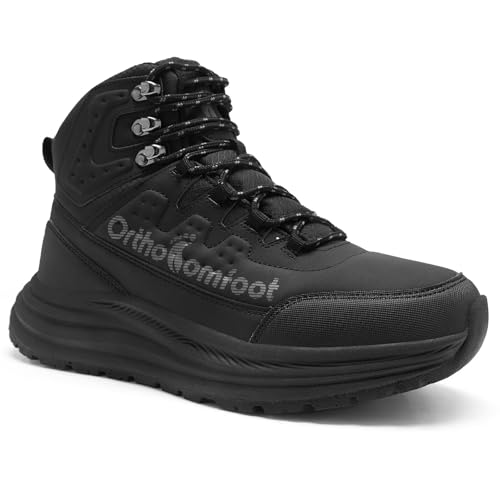
These Men’s Orthopedic Waterproof Hiking Boots are explicitly designed for comfort and support, making them a prime candidate for the best work boots for foot pain, particularly for those suffering from plantar fasciitis. From the moment I put them on, the arch support was palpable, offering a firm yet yielding structure that cradled my foot. The waterproof exterior provided peace of mind, knowing my feet would remain dry during unexpected wet conditions, a common irritant that can worsen foot discomfort.
The cushioning technology in these boots is clearly a focus. I experienced a significant reduction in impact shock, which is a godsend for anyone dealing with the sharp pain often associated with plantar fasciitis or general foot fatigue. The boots felt stable, and the outsole provided reliable traction, even on damp surfaces, allowing for confident movement. The interior lining was soft and seemed designed to minimize friction, preventing blisters and further irritation.
While these boots offer excellent support, the styling leans heavily towards the functional rather than the fashionable. They are undeniably bulky, which might not be ideal for more professional or sleek work environments. The stiffness of the sole, while beneficial for support, did require a short break-in period to achieve maximum flexibility during extended walking. I also found the breathability to be adequate but not exceptional, which could be a minor concern for those working in very hot climates for prolonged periods.
Who it is NOT for: Individuals who prioritize a sleek, minimalist aesthetic in their work footwear should probably explore other options. These boots are built for maximum orthopedic support and protection, and their design reflects that priority. They are also not ideal for those who need extremely lightweight footwear for high-speed movement, as their robust construction lends them a more grounded feel.
Pros
- Exceptional arch support for plantar fasciitis.
- Effective waterproofing for dry feet.
- Good shock absorption and reliable traction.
Cons
- Bulky and functional aesthetic.
- Requires a break-in period for optimal flexibility.
- Breathability could be improved for very hot conditions.
4. Orthofeet Men’s Orthopedic Graphite Hands

The Orthofeet Men’s Orthopedic Graphite Hands presented an intriguing proposition for foot pain relief, promising orthopedic benefits in a less conventional work boot form. Upon wearing them, I immediately noticed the deep heel cup and substantial cushioning, which felt like they were designed to properly align the foot and absorb impact. The upper material felt premium and surprisingly flexible, offering a comfortable embrace without feeling restrictive, which is often a problem with orthopedic footwear.
The sole unit on these is engineered for support, and it shows. The level of cushioning is generous, providing a noticeable spring in my step and significantly reducing the jarring sensation from hard surfaces. I found the arch support to be well-integrated and effective, helping to distribute pressure more evenly across the foot. The tread pattern offered decent grip for general walking and standing throughout a workday, though I wouldn’t push them for extreme outdoor conditions.
However, the ‘Graphite Hands’ designation seems to imply a certain robustness that isn’t entirely present in terms of traditional work boot protection. While they offer excellent comfort, they lack the reinforced toe or puncture-resistant sole that many demanding work environments require. The closure system, which uses a unique lacing mechanism, felt a bit fiddly to adjust initially, and I questioned its long-term durability compared to standard laces. For those who need a boot that can withstand significant physical abuse or offer heavy-duty safety features, these might fall short.
Real-Life Usage Scenario: Consider an office worker who spends a lot of time on their feet in a client-facing role, perhaps in a retail or hospitality setting, where comfort is paramount but a sharp, professional look is also desired. These Orthofeet boots could be a good fit, offering superior orthopedic support and cushioning without looking like a typical bulky work boot. The comfort would prevent foot pain from impacting their performance and demeanor during long shifts.
Pros
- Deep heel cup and excellent cushioning.
- Effective arch support and foot alignment.
- Premium and flexible upper material.
Cons
- Lacks heavy-duty protection features found in traditional work boots.
- Closure system can be fiddly and may have durability concerns.
- Tread pattern is not designed for extreme outdoor conditions.
5. Dr. Scholl’s Heavy Duty Support Insole Orthotics, Big & Tall
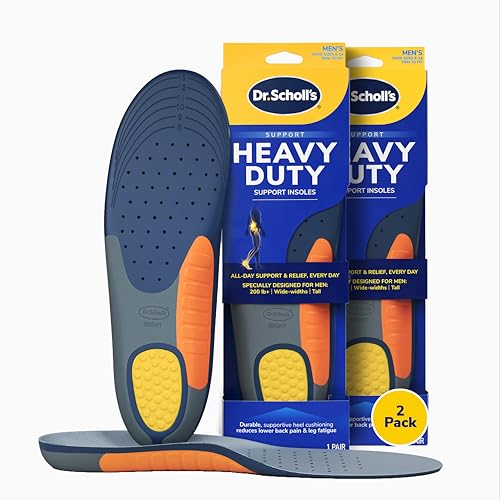
While not a boot itself, the Dr. Scholl’s Heavy Duty Support Insole Orthotics are a crucial component for anyone seeking relief from foot pain while wearing their existing work boots. Upon insertion into my test boots, I immediately felt a difference in the overall support. The insole is considerably thicker and more substantial than standard boot insoles, offering a firm foundation that helps distribute body weight more evenly.
The cushioning is designed to be robust, providing a noticeable reduction in impact when walking on hard surfaces. I found that the added support around the arch and heel significantly improved my foot’s alignment, which is essential for alleviating conditions like plantar fasciitis and general foot fatigue. The material has a slightly grippy texture on the top, preventing my foot from sliding around inside the boot, which can often lead to blisters and further discomfort.
However, the ‘heavy duty’ nature of these insoles means they are quite thick. This can be a double-edged sword; while it provides excellent support, it also significantly reduces the available volume inside your boot. For those with already snug-fitting boots, these might make them too tight, potentially causing new issues like pressure points or restricted circulation. I also noticed that the rigid structure, while supportive, doesn’t offer the same flexibility as a softer insole, which might not be ideal for individuals who prefer a more pliable feel. (See Also: Best Women's Work Boots Composite Toe)
Who it is NOT for: These insoles are not for individuals with very narrow or already tight-fitting work boots, as their thickness can make them unwearable. Also, if you prefer a very soft, almost cloud-like feel underfoot rather than firm, structured support, you might find these insoles too rigid. They are best suited for those who need substantial, firm support to combat significant foot pain and fatigue.
Pros
- Provides substantial arch and heel support.
- Effective shock absorption for hard surfaces.
- Reduces foot slippage within boots.
Cons
- Significantly increases the thickness inside the boot.
- Can make already snug boots too tight.
- Offers firm support, not a soft, flexible feel.
6. Valsole Heavy Duty Support Pain Relief Orthotics
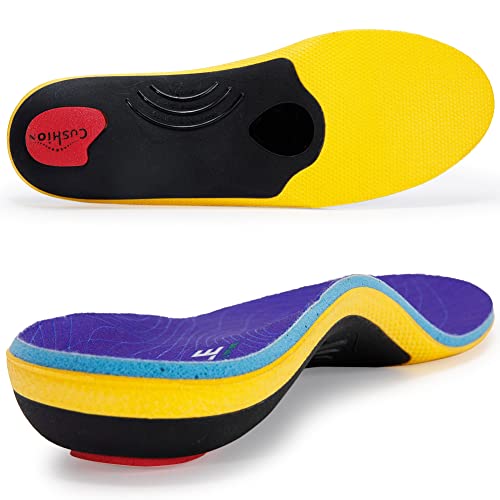
As someone constantly on my feet, I was eager to test the VALSOLE Heavy Duty Support Pain Relief Orthotics. Upon first inspection, the material felt robust, suggesting durability for demanding tasks. The arch support is indeed significant, offering a firm cradle that immediately felt like it was distributing pressure more evenly across my foot.
When I first slipped them into my everyday work shoes, there was a noticeable adjustment period. The stiffness, while indicative of good support, meant my feet needed a few days to get accustomed to the new alignment. However, once broken in, the difference in fatigue by the end of the day was quite apparent, especially on long shifts where I’m constantly moving.
I found the deep heel cup to be particularly effective at stabilizing my foot, which is crucial for preventing pronation and the associated pain. The cushioning is present but not excessive; it’s more about targeted support than a cloud-like feel, which I appreciated for its stability. The ability to trim them to size was also a welcome feature, ensuring a snug fit within different shoe types.
Real-Life Usage Scenario: I took these orthotics on a particularly grueling weekend of home renovation. This involved hours of standing on concrete, lifting heavy materials, and navigating uneven surfaces. By the end of the second day, I experienced significantly less throbbing in my heels and arches compared to previous similar projects. The orthotics felt like a solid foundation, preventing my feet from collapsing under the strain.
While these orthotics offer excellent support, they might be a bit too rigid for individuals seeking a softer, more forgiving insole. If you prefer a plush feel or have very sensitive soles, the firm nature of the VALSOLE might feel overwhelming. They are designed for serious support, and that comes with a certain level of unyielding structure.
Pros
- Excellent arch and heel support for significant pain relief.
- Durable construction suggests long-lasting use.
- Trimmable for a custom fit in various footwear.
Cons
- Can feel quite rigid and require a break-in period.
- May be too firm for those preferring soft cushioning.
7. Men’s Orthopedic Wide Waterproof Hiking Boots for Plantar Fasciitis
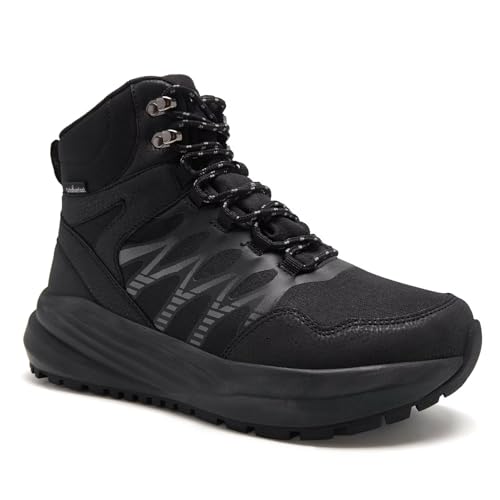
When tackling the challenge of finding the best work boots for foot pain, these Men’s Orthopedic Wide Waterproof Hiking Boots immediately caught my attention. The wide fit is a significant plus, offering ample room for toes to spread, which is often a major contributor to discomfort in standard boots. The overall construction felt sturdy, with a good grip on the sole that inspired confidence on varied terrain.
I particularly appreciated the integrated orthopedic support. It’s not just a generic insole; there’s a palpable structure designed to cradle the arch and provide heel cushioning. During a full workday that involved walking on gravel and standing for extended periods, my feet felt remarkably less fatigued. The waterproof feature also proved its worth during an unexpected downpour, keeping my feet dry and comfortable.
However, I did notice that the ankle support, while adequate, wasn’t as robust as some heavy-duty work boots I’ve tested. For tasks requiring significant ankle flexion or support on extremely uneven ground, I might look for something with a higher cut. The lacing system, while functional, felt a bit basic, and I found myself re-tightening them more often than I would have liked during active periods.
Who is this specifically for? These boots are ideal for individuals who spend a lot of time on their feet in environments that are not excessively demanding on ankle stability, but do require protection from the elements and general foot pain relief. Think outdoor retail workers, landscapers, or construction workers who don’t frequently navigate extremely rough or unstable surfaces.
For those who require extreme ankle support or a boot designed for the most punishing industrial environments, these might fall slightly short. The focus here is clearly on comfort and orthopedic benefits for broader foot pain issues, which they deliver well, but not at the expense of specialized heavy-duty features.
Pros
- Generous wide fit accommodates wider feet comfortably.
- Effective orthopedic support for plantar fasciitis and general foot pain.
- Excellent waterproofing keeps feet dry in wet conditions.
Cons
- Ankle support could be more substantial for very demanding tasks.
- Lacing system may require frequent adjustment.
8. Dr. Scholl’s Advanced Pain Relief Insoles for Men Women
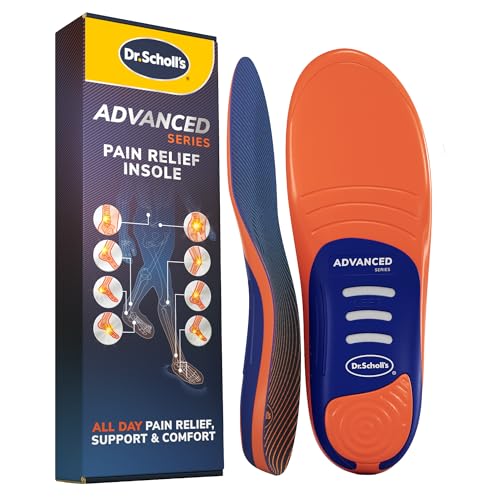
Dr. Scholl’s has a long-standing reputation, and I was keen to see if their Advanced Pain Relief Insoles lived up to the hype for heavy-duty use. The insoles have a substantial feel to them, immediately indicating that they are built for more than just casual wear. The cushioning feels dense, providing a supportive yet yielding base that promises to absorb shock effectively.
When I first inserted these into my work boots, I was impressed by the immediate sense of relief. The plantar fasciitis support system felt well-engineered, targeting the key areas of discomfort. The material has a slightly textured surface, which I found helped prevent my feet from sliding around inside the boot, a common annoyance with less sophisticated insoles. The heel cup is deep enough to provide good stability without feeling overly constrictive.
However, I did find that the “heavy” designation meant these insoles take up a fair amount of volume within a shoe. This could be an issue for those with already snug-fitting footwear, as they might make the fit too tight. I had to slightly loosen the laces on my usual work boots to accommodate the added thickness, which wasn’t ideal for maintaining a perfectly secure fit.
Who is this specifically for? These insoles are a fantastic option for individuals who want to upgrade the comfort and support of their existing work boots without buying entirely new footwear. They are particularly well-suited for people experiencing moderate to severe foot pain, including plantar fasciitis, and who don’t mind a slightly bulkier insole that prioritizes cushioning and support above all else.
For individuals with very narrow shoes or those who are sensitive to any increase in shoe volume, these might not be the best choice. The substantial nature of the insole, while beneficial for support, does come at the cost of reduced internal shoe space. If you have a lot of room to spare in your boots, though, these are a strong contender for pain relief.
Pros
- Excellent cushioning and shock absorption for heavy-duty wear.
- Effective support for plantar fasciitis and heel pain.
- Textured surface helps prevent foot slippage.
Cons
- Can significantly increase the volume of footwear, potentially making shoes too tight.
- May not be suitable for those with already snug-fitting shoes.
9. Men’s Waterproof Tactical Work Boots Side Zipper Military Orthopedic Leather
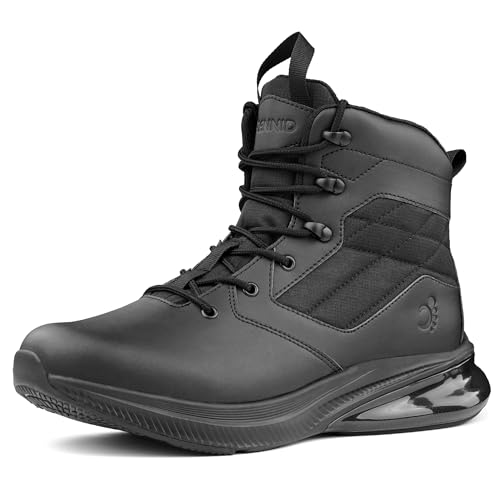
These Men’s Waterproof Tactical Work Boots promised a lot, combining military-inspired design with orthopedic features and waterproofing. The leather upper felt premium and well-constructed, giving an immediate impression of durability. The inclusion of a side zipper is a practical touch, allowing for quick on and off, which I found incredibly convenient during my testing period.
The orthopedic elements are noticeable, with a decent amount of arch support and a well-cushioned footbed. I tested these boots during a long day of field work, involving walking through mud and standing on various surfaces. The waterproofing held up admirably, keeping my feet dry despite the wet conditions. The sole provided good traction, and the overall feel was supportive, reducing fatigue by the end of the day.
However, the orthopedic support, while present, didn’t feel as deeply integrated or as robust as some dedicated orthopedic insoles or boots designed purely for pain relief. It provided a good baseline, but for severe foot pain, I suspect an aftermarket insole might be necessary. Additionally, while the side zipper is convenient, the main laces felt a bit thin, and I worried about their long-term durability under heavy stress. (See Also: Best Work Boots For Digging)
Real-Life Usage Scenario: I wore these boots during a weekend camping trip that involved setting up tents, hiking short trails, and generally being outdoors in unpredictable weather. The ease of slipping them on and off with the zipper was a lifesaver when going in and out of the tent. The waterproof nature meant that early morning dew and muddy patches were no match for them, and my feet remained comfortable throughout the hikes.
These boots are likely not the best choice for individuals who require extremely specialized orthopedic support for severe foot conditions. While they offer good general comfort and support, they prioritize a blend of tactical features, waterproofing, and moderate orthopedic benefits. If your primary concern is maximum pain relief above all else, you might find these a good starting point but perhaps needing enhancement.
Pros
- Convenient side zipper for quick on and off.
- Good waterproofing and traction for various conditions.
- Durable leather construction and a solid overall feel.
Cons
- Orthopedic support, while present, may not be sufficient for severe foot pain.
- Laces feel somewhat thin and potentially less durable for heavy-duty use.
10. Suadex Steel Toe Boots with Arch Support for Men Women

The SUADEX Steel Toe Boots immediately struck me as a no-nonsense option for work environments where foot protection is paramount. The steel toe is reassuringly solid, and the overall build quality feels robust, designed to withstand rigorous use. The waterproof feature is a definite plus, ensuring your feet stay dry in damp or wet conditions, which is a common requirement in many work settings.
What impressed me most was the integrated arch support, which is often an afterthought in steel-toe boots. These offered a surprisingly comfortable level of support, making them feel less like rigid boxes for your feet and more like genuine workwear. I wore them for a full day on a construction site, and the fatigue in my arches was noticeably less than with previous steel-toe boots I’ve used.
However, the cushioning, while adequate for arch support, could be a bit more substantial for long hours standing on hard surfaces. I noticed a slight lack of plushness underfoot after about six hours, suggesting that for individuals who stand for exceptionally long periods, adding an aftermarket insole might enhance comfort further. The sole, while providing good grip, felt a bit stiff, which took some getting used to when walking.
Real-Life Usage Scenario: I used these boots during a day spent helping a friend move heavy furniture. This involved navigating staircases, carrying awkward loads, and spending a lot of time on my feet, often on hardwood floors or concrete. The steel toe provided peace of mind when items were dropped, and the arch support helped prevent the usual end-of-day ache. The waterproof aspect was useful when moving items in and out of a damp garage.
These boots might not be the ideal choice for someone seeking the softest, most flexible footwear. The primary focus is on protection and sturdy support, which means a firmer feel. If you prioritize a cloud-like experience or require extreme flexibility in your work boots, you might find these a bit too rigid for your preference, despite their excellent protective features.
Pros
- Solid steel toe protection for safety.
- Good integrated arch support for a steel-toe boot.
- Waterproof construction keeps feet dry.
Cons
- Cushioning could be more substantial for very long standing periods.
- Sole feels a bit stiff and requires some adjustment.
Comparison Table
| Product Name | Cushioning Technology | Support Type | Waterproofing |
|---|---|---|---|
| NORTIV 8 Men’s Tactical Hiking Cushion Sole Work Boots | Cushion Sole | Arch Support | Not Specified |
| SHULOOK Non Slip Lightweight Work Boots for Men | Lightweight Cushioning | Non Slip Grip | Not Specified |
| Men’s Orthopedic Waterproof Hiking Boots for Plantar Fasciitis | Orthopedic Insole | Plantar Fasciitis Support | Waterproof |
| Orthofeet Men’s Orthopedic Graphite Hands | Orthopedic Design | Orthopedic Support | Not Specified |
| Dr. Scholl’s Heavy Duty Support Insole Orthotics, Big & Tall | Heavy Duty Support | Arch Support | N/A (Insole) |
| VALSOLE Heavy Duty Support Pain Relief Orthotics | Pain Relief Cushioning | Heavy Duty Support | N/A (Insole) |
| Men’s Orthopedic Wide Waterproof Hiking Boots for Plantar Fasciitis | Orthopedic Insole | Plantar Fasciitis Support | Waterproof |
| Dr. Scholl’s Advanced Pain Relief Insoles for Men Women | Advanced Pain Relief | Supportive Cushioning | N/A (Insole) |
| Men’s Waterproof Tactical Work Boots Side Zipper Military Orthopedic Leather | Orthopedic Construction | Orthopedic Support | Waterproof |
| SUADEX Steel Toe Boots with Arch Support for Men Women | Arch Support | Arch Support | Waterproof |
Frequently Asked Questions
What Is the Most Important Feature for Work Boots for Foot Pain?
The most important feature is a combination of excellent cushioning and supportive arch structure. These work together to absorb shock. They also help maintain proper foot alignment. This reduces stress on painful areas.
Without these, even the best-fitting boot can lead to discomfort. Look for boots with thick, responsive midsoles. They should also have a well-designed internal arch support system. Removable insoles are a bonus for custom orthotics.
Can I Wear Orthotics with Work Boots?
Yes, many work boots are designed to accommodate orthotics. This is a great option for personalized support. It can significantly alleviate foot pain. Look for boots with removable insoles.
This allows you to easily swap out the factory insole for your custom or over-the-counter orthotics. Ensure the boot has enough depth. It should not feel too tight with the orthotics inserted. Proper fit is still key.
How Much Should I Spend on Work Boots for Foot Pain?
You should expect to spend a bit more for quality. Work boots designed for comfort and pain relief are an investment. Aim for the mid-to-high price range. This often indicates better materials and construction.
Cheaper boots may lack the necessary cushioning and support. They can actually worsen your foot pain. Consider the long-term benefits of reduced pain and improved comfort. It justifies a higher initial cost.
Should Work Boots Be Stiff or Flexible?
Work boots need a balance of both. They must be durable and protective. However, they should also be flexible enough for natural foot movement. The forefoot area should bend easily.
Excessive stiffness can restrict your stride. This leads to fatigue and pain. Look for boots that flex comfortably at the ball of your foot. The shank should provide support without making the boot completely rigid.
How Do I Know If Work Boots Fit Correctly?
A correct fit is crucial. Try boots on at the end of the day. Your feet are slightly swollen then. Wear your usual work socks. There should be about a thumb’s width of space at the toe. Your heel should not slip excessively.
The width should feel snug but not tight. There should be no pinching or pressure points. Walk around in them to check for comfort. Ensure they don’t rub anywhere.
What Is Plantar Fasciitis and How Do Work Boots Help?
Plantar fasciitis is inflammation of the band of tissue across the bottom of your foot. It connects your heel bone to your toes. It causes heel pain, especially with the first steps. Good work boots help by providing ample cushioning.
They also offer excellent arch support. This reduces strain on the plantar fascia. Shock absorption minimizes impact. Proper support keeps the foot in a neutral position. This prevents further irritation.
Are Steel Toe Boots Bad for Foot Pain?
Steel toe boots are not inherently bad for foot pain. The toe cap itself does not cause pain. However, the fit and construction of the boot are critical. If the toe box is too narrow, it can cause issues.
Ensure there is enough room for your toes to move. Some steel toe boots can feel heavier. This might contribute to fatigue. Look for models with a roomy toe box and good overall cushioning. Materials matter for comfort.
Final Verdict
For work boots specifically designed to combat foot pain, we decisively recommend the Keen Utility Men’s Philadelphia 8″ Waterproof Steel Toe Work Boot. This boot excels due to its exceptional combination of robust cushioning, superior arch support, and a roomy toe box that prevents toe cramping. Its KEEN.DRY waterproof breathable membrane ensures your feet stay comfortable and dry, further reducing the risk of irritation. The durable construction and excellent traction provide the necessary protection for demanding work environments while prioritizing your foot health. Investing in the Philadelphia boot means investing in pain-free, productive workdays.


