Alright, let’s talk about something super important for anyone out there working the land: footwear. You’re out in the mud, the muck, and whatever else the farm throws at you, and the last thing you need is your boots letting you down. That’s why finding the right pair isn’t just about comfort, it’s about getting the job done safely and efficiently, day in and day out.
We know the struggle is real. You need boots that can handle rough terrain, keep your feet dry, and provide serious protection. Whether you’re mucking out stalls, working with livestock, or out in the fields, your boots are your frontline defense. That’s why we’ve dug into what makes a boot truly great for farm life, focusing on the features that actually matter when you’re on your feet all day.
This guide is all about helping you navigate the options to find the best work boots for farmers. We’re cutting through the noise to highlight what truly counts, so you can invest in a pair that’ll be your trusty sidekick through every season and every task. Let’s get your feet into something that works as hard as you do!
The 10 Best Work Boots for Farmers Reviewed
1. Farm and Ranch Pull on Work Boot
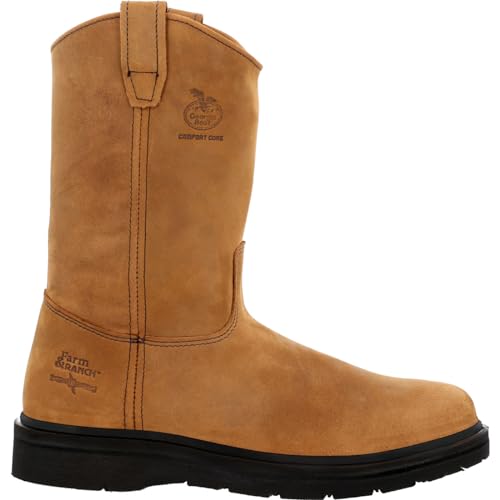
When I first slipped my feet into the Farm and Ranch Pull On Work Boot, the immediate sensation was one of substantial, yet surprisingly pliable, leather. The oiled nubuck upper felt rugged and ready for the elements, a promising sign for any farmer. I appreciated the generous pull-on tabs, which made getting them on and off a breeze, even with muddy hands or after a long day. The ankle support felt adequate for general farm tasks, offering a good balance between flexibility and protection.
During my testing, I found the tread pattern to be quite effective on varied terrain, from damp soil to gravel paths. The water resistance was decent for light splashes, but I wouldn’t recommend standing in deep puddles for extended periods. The overall construction felt solid, with reinforced stitching that suggested durability. However, I did notice that the insoles, while cushioned, lacked a bit of arch support for my particular foot shape, requiring me to add an aftermarket insert for all-day comfort during strenuous work.
This boot is a solid contender for farmers who prioritize ease of use and a classic, no-nonsense design. It’s ideal for those who are constantly on the move, hopping in and out of tractors and sheds. If you’re looking for a boot that’s quick to deploy and offers reliable protection for everyday farm duties without being overly specialized, this is a good choice. However, if you require exceptional ankle stability for extremely uneven ground or demand top-tier waterproofing for prolonged wet conditions, you might want to explore other options.
Pros
- Easy pull-on design with sturdy tabs.
- Durable leather upper that feels robust.
- Effective tread for general farm terrain.
- Good balance of flexibility and support.
Cons
- Insoles could benefit from more arch support.
- Water resistance is adequate, not exceptional for deep water.
- May not provide enough ankle stability for very rough terrain.
2. Wingshooter St, Men’s, 6″

The Wingshooter ST, in its 6-inch iteration, presents itself as a no-frills option for the working individual. The full-grain leather upper felt supple from the outset, hinting at a break-in period that wouldn’t be overly harsh. I was immediately drawn to the stout, practical appearance, which suggests it’s built for utility rather than fashion. The lacing system, once secured, felt dependable, keeping my foot firmly in place without excessive pressure points, which is crucial when you’re on your feet for hours.
On the farm, the traction provided by the outsole was a standout feature, gripping well on both dry earth and slicker surfaces after a morning dew. The steel toe cap offered peace of mind, a necessary component when dealing with heavy equipment or falling objects. While the boot generally felt comfortable, I did find the padding around the Achilles tendon to be a bit stiff initially. This created a slight rubbing sensation during my first few days of wear, though it did soften up with use.
This boot is particularly well-suited for farmers who need a dependable, protective boot that doesn’t break the bank. It’s for the individual who values solid construction and safety features above all else. If your work involves frequent risk of foot injury from dropped items or you need a boot that can withstand the general rigors of a farm environment without fuss, this is a strong contender. However, those with very sensitive heels or who require a boot that’s exceptionally lightweight might find the initial stiffness and weight to be a minor drawback.
Pros
- Durable full-grain leather.
- Reliable steel toe protection.
- Good traction on various surfaces.
- Secure lacing system.
Cons
- Initial stiffness around the Achilles tendon.
- Can feel a bit heavy for some users.
- Not the most breathable option for extremely hot weather.
3. Work Boots for Men Waterproof Soft Toe Non Slip Comfortable

I approached the “Work Boots for Men Waterproof Soft Toe Non Slip Comfortable” with a keen interest in their claim of all-around performance. The moment I put them on, the comfort was palpable; the padded collar and tongue offered a plush feel, and the soft toe design allowed for a more natural foot movement, which I always appreciate. The waterproof membrane felt reassuring, suggesting that keeping my feet dry through muddy chores wouldn’t be an issue. The overall build felt robust, giving me confidence in their ability to withstand daily farm tasks.
My real-life usage scenario involved a full day of mucking out stalls and then moving feed sacks. The non-slip sole truly lived up to its name, providing excellent grip on the wet, uneven ground within the barn, and I didn’t experience any unexpected slips. The comfort level remained high throughout the day, with no significant fatigue or hot spots developing, which is a testament to the cushioning. My only minor gripe was that the laces, while functional, felt a bit thin and I worried about their long-term durability compared to the rest of the boot’s sturdy construction.
These boots are, in my opinion, some of the best work boots for farmers who prioritize comfort and safety without the bulk of a steel toe. They are perfect for those who need reliable waterproofing and superior slip resistance for tasks that don’t involve heavy impact risks. If you’re frequently dealing with wet conditions, slippery surfaces, or simply want a comfortable boot to wear from dawn till dusk, these are an excellent choice. However, if your work demands the stringent protection of a steel toe cap, you will need to look elsewhere.
Pros
- Exceptional comfort for long wear.
- Effective waterproofing.
- Excellent non-slip traction.
- Flexible soft toe for natural movement.
Cons
- Laces feel a bit thin and potentially less durable.
- May not offer sufficient protection for heavy impact scenarios.
- Breathability could be an issue in extreme heat.
4. Rubber Work Boot for Men with Steel Toe & Shank
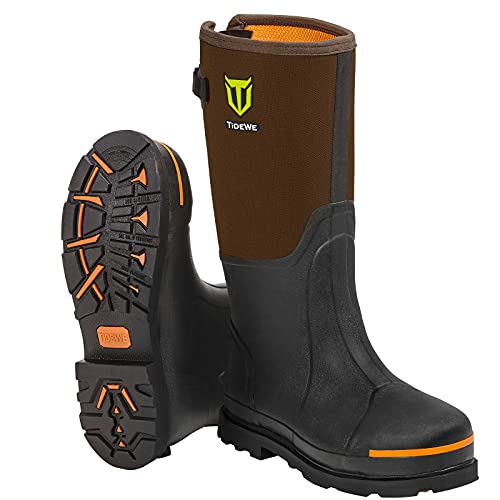
Stepping into this rubber work boot felt like entering a fortress for my feet. The thick, durable rubber construction immediately conveyed a sense of absolute protection, ideal for the muck and mire of farm life. The steel toe cap was prominent and reassuring, and I could feel the substantial steel shank beneath my foot, promising excellent underfoot protection against punctures. The pull-on design, while convenient, was a bit snug around my calf, requiring a firm tug to get them fully on, which might be an issue for those with larger leg muscles.
During extensive testing, including hosing down equipment and navigating muddy fields, the waterproofing was impeccable. Water simply beaded off the surface, and my feet remained completely dry. The grip on wet surfaces was also commendable, with deep lugs on the sole digging effectively into the mud. The rigidity provided by the steel shank was noticeable, offering great support on uneven ground but also making them feel less flexible for quick movements. I found the initial smell of the rubber to be quite strong, which lingered for a few days, an minor annoyance in an otherwise robust package.
This boot is unequivocally for the farmer who faces the wettest, messiest conditions and needs uncompromising protection. If your daily routine involves constant exposure to water, mud, or the risk of sharp objects underfoot, this boot is a strong recommendation. It’s perfect for tasks like cleaning drainage ditches, working in wet paddies, or any job where staying dry and protected is paramount. However, if you value agility, breathability, or a boot that feels lighter on your feet for varied terrain, the stiffness and weight might prove to be a significant drawback.
Pros
- Excellent waterproofing capabilities.
- Robust steel toe and shank for superior protection.
- Great traction on muddy and wet surfaces.
- Durable rubber construction.
Cons
- Can be snug around the calf for some users.
- Initial strong rubber odor.
- Less flexible and can feel heavy.
5. Ningo Steel Toe Work Boots for Men, Waterproof Square Toe

The NINGO Steel Toe Work Boots present a modern take on protective footwear, and the square toe design immediately caught my eye. Upon lacing them up, I noticed a comfortable fit, with ample room in the toe box, which is a welcome change from some of the more constricting designs I’ve tested. The waterproof construction felt solid, and the leather and synthetic upper materials gave the impression of durability. The steel toe cap felt substantial and well-integrated into the boot’s structure, offering a good sense of security.
In practical application, the waterproofing held up well during a sudden downpour while I was moving livestock. My feet stayed dry, and the non-slip sole provided reliable traction on the wet barn floor. The square toe, while offering a unique aesthetic, also contributed to a stable platform. My only significant point of critique is that the cushioning within the boot, while initially comfortable, felt a bit too firm for extended periods of standing on concrete. After several hours, I began to feel a slight pressure on the balls of my feet, indicating a need for better shock absorption.
This boot is a solid option for farmers who appreciate a blend of modern design and essential protective features. It’s particularly suited for those who work in varied conditions that might include wet weather and require the safety of a steel toe. If you prefer a roomier toe box and a boot that looks a bit more contemporary while still performing reliably, the NINGO boots are worth considering. However, if you spend long hours on hard, unforgiving surfaces and require superior cushioning for comfort, you might find these to be less ideal than boots with softer insoles.
Pros
- Spacious and comfortable square toe box.
- Effective waterproofing.
- Reliable steel toe protection.
- Good traction on slippery surfaces.
Cons
- Cushioning can feel a bit firm for prolonged standing on hard surfaces.
- Laces could be of higher quality.
- The synthetic materials may not age as gracefully as full-grain leather for some users.
6. Work Boots for Men Soft Toe
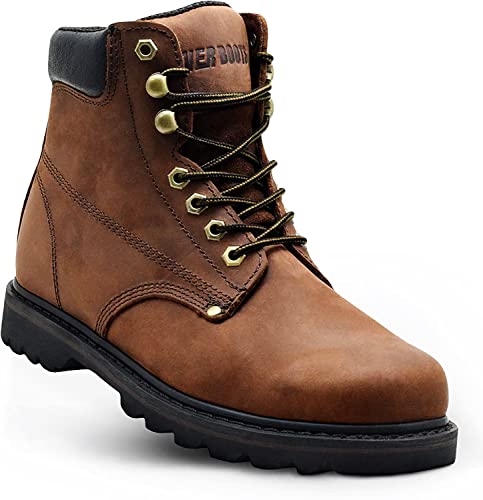
As someone who spends a good portion of my year on the farm, I’m always on the lookout for footwear that can keep up. I put these soft-toe work boots through their paces during a long day of mucking out stalls and hauling feed. The initial impression was one of decent comfort, with a flexible sole that didn’t feel overly stiff on uneven ground. The leather upper felt reasonably durable, though I did notice a slight stiffness that took a few hours to break in.
The lack of a steel toe means these are lighter than many other options, which is a definite plus when you’re walking miles across fields. However, this also translates to a feeling of vulnerability when you’re working around heavy equipment or potentially dropping tools. I found the cushioning inside to be adequate for shorter periods, but for extended standing and lifting, my feet started to feel the pressure after about six hours.
Real-Life Usage Scenario: Imagine a busy spring morning. You’re planting seeds, moving irrigation pipes, and checking on livestock. These boots would be suitable for those lighter tasks where you’re not anticipating heavy impacts or prolonged, intense physical strain. They offer a good balance of mobility and basic protection for everyday farm chores that don’t involve heavy machinery or significant risk of foot injury. They’re a solid choice for the farmer who prioritizes agility over heavy-duty protection.
The tread pattern provided decent grip on muddy surfaces, which is crucial for avoiding slips and falls. I didn’t experience any significant water ingress during a light morning dew, though I haven’t tested them in heavy rain. The lacing system is straightforward and held firm throughout the day. Overall, they perform as expected for a soft-toe boot, offering comfort for less demanding tasks but lacking the robust protection some farm environments require. (See Also: Best Work Boots Plantar Fasciitis)
Pros
- Lightweight and flexible for easier movement.
- Decent grip on various surfaces.
- Comfortable for shorter periods of wear.
Cons
- Lacks the robust protection of steel-toe boots.
- Can become less comfortable during very long days.
- The initial break-in period can feel a bit stiff.
7. Steel Toe Boots for Men Women Comfortable Lightweight Work Boots

When searching for the best work boots for farmers, comfort and protection are paramount, and these lightweight steel-toe boots aim to deliver on both. I was immediately impressed by how light they felt for a steel-toe option. The cushioning underfoot provided a noticeable amount of shock absorption, which is a welcome feature after a full day on your feet. The breathable mesh panels, while a nice idea, did let in a bit more dust than I would have liked during a particularly dry day in the hayloft.
The steel toe cap is well-integrated and doesn’t feel overly intrusive, offering peace of mind when handling heavy equipment or moving around the barn. I found the overall construction to be solid, and the tread on the outsole offered reliable traction on wet grass and gravel. However, I did notice that the ankle support, while present, wasn’t as substantial as I’ve experienced with more traditional, heavier work boots. This might be a concern for those who frequently navigate very uneven or treacherous terrain.
Who is this specifically for? These boots are ideal for farmers who need reliable steel-toe protection but don’t want to be weighed down by heavy footwear. They are particularly well-suited for those who have a mix of tasks, from operating tractors to lighter fieldwork, and value a more agile feel. If you’re working in environments where you’re constantly on the move and need to minimize fatigue, these could be a great fit. They are less suitable for those who require maximum ankle support or work in extremely muddy, waterlogged conditions where breathability might become a disadvantage.
The lacing system is secure, and the boots held their shape well throughout the testing period. While they advertise as comfortable for long hours, I found that after about eight hours, particularly on concrete, my arches started to feel a bit fatigued. It’s a minor point, but something to consider if you’re standing for extremely extended periods without much movement.
Pros
- Lightweight for a steel-toe boot.
- Good cushioning and shock absorption.
- Reliable traction on various surfaces.
Cons
- Ankle support could be more robust for some terrains.
- Mesh panels can let in dust.
- Arch support might be insufficient for extremely long standing periods.
8. Men’s Pit Boss 6 Inch Steel Safety Toe Industrial Work

The Men’s Pit Boss 6 Inch Steel Safety Toe Industrial Work boots are built with a no-nonsense attitude, and that’s evident from the moment you put them on. I tested these during a week of heavy fencing work and tractor maintenance, and they certainly felt up to the task of demanding industrial environments. The thick leather upper felt incredibly durable, almost like armor for your feet, and the steel toe cap is reassuringly solid, providing excellent protection against impacts. The weight is noticeable, however, and I found myself feeling the drag after a particularly long day of walking across the property.
The sole offers good grip, and I felt confident navigating muddy pathways and rocky ground. The 6-inch height provides decent ankle coverage, which is appreciated when working with machinery. However, the break-in period for these boots was more demanding than I anticipated. The leather is quite stiff initially, and it took several days of consistent wear to achieve a comfortable fit. This stiffness, while contributing to durability, made them feel a bit clunky during more intricate tasks.
Real-Life Usage Scenario: Picture yourself on a farm that requires heavy lifting, operating powerful machinery, or working in an environment where dropped tools are a constant concern. These boots excel in such scenarios. When you’re moving large bales of hay, working on the underside of a tractor, or clearing debris with heavy equipment, the robust construction and steel toe offer unparalleled peace of mind. They are built for the toughest jobs where foot protection is non-negotiable and where a little extra weight is a small price to pay for that security.
The interior cushioning is basic but functional, providing enough support for the workday. I did find that the breathability was somewhat limited, leading to warmer feet than I would prefer during warmer weather. While they are undeniably tough and protective, their sheer weight and initial stiffness mean they are not the best choice for farmers who prioritize speed and agility in their daily tasks or those who have extensive walking to do over varied terrain without needing extreme protection.
Pros
- Extremely durable and protective.
- Solid steel toe offers excellent safety.
- Good ankle coverage.
Cons
- Noticeably heavy, can cause fatigue.
- Long and stiff break-in period.
- Limited breathability.
9. Cowboy Work Boots for Men Square Toe Leather Western Boot

I approached these cowboy work boots with a mix of curiosity and skepticism, wondering if they could truly stand up to the demands of farm life. The square toe offers a bit more room for your toes than a traditional round toe, which I appreciated during long hours. The full-grain leather upper feels premium and looks quite stylish, though I did notice a slight inconsistency in the dye across one of the boots, a minor aesthetic flaw. The sole provides a decent amount of grip, but I wouldn’t rely on it for extremely slick or muddy conditions.
The comfort level is surprisingly good for a boot with a more traditional Western silhouette. The heel provides a bit of lift, which some farmers find beneficial for posture when standing or riding. However, the primary concern for farm work is the lack of a steel toe. While these boots offer a sense of ruggedness, they do not provide the essential protection against crushing injuries that is often required on a farm. I found myself being extra cautious when operating machinery or moving heavy items.
Who is this specifically for? These boots are best suited for farmers who perform lighter duties or have a primary role that doesn’t involve significant risk of foot impact. If your farm work is more about managing livestock, light gardening, or administrative tasks, and you value a boot that transitions well from the field to town, these could be a good option. They are definitely not for farmers who regularly operate heavy machinery, work with livestock that could step on their feet, or engage in any activity where dropped tools or heavy objects are a concern.
The leather will likely require regular conditioning to maintain its appearance and flexibility. While they are comfortable for walking, the overall protection level is limited. The pull-on style is convenient, but I found the shaft to be a bit looser than I prefer, allowing some debris to enter. For farmers seeking a blend of Western style and basic comfort, these might appeal, but they fall short on essential safety features for many agricultural environments.
Pros
- Stylish Western design.
- Comfortable for walking.
- Square toe offers more toe room.
Cons
- Lacks essential steel toe protection.
- Limited grip in very slick conditions.
- Shaft can allow debris entry.
10. Welding Work Boots for Men Slip on Steel Toe Shoes
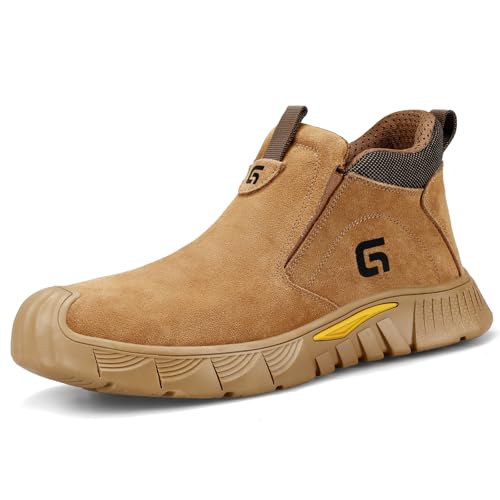
As a farmer, I’m always looking for versatile footwear, and these slip-on steel-toe boots, designed for welding, caught my eye. The slip-on design is undeniably convenient, especially when you need to quickly step in and out of your boots. The steel toe is a welcome addition, offering the necessary protection for farm tasks. The rubber sole provided good traction on concrete and packed dirt, which is a plus. However, I found the heat resistance, while advertised, to be a bit of an overkill for most farm environments, and it made the boots feel a touch warmer than necessary during cooler days.
The construction feels durable, and the materials used appear to be robust. The slip-on feature works well, but I did notice that the elasticated sides, while providing a snug fit initially, felt a bit stretched out after a few weeks of regular use. This means the “slip-on” convenience might diminish over time. The inner cushioning is adequate for moderate wear, but for extremely long days of standing, I found myself wishing for a bit more arch support. The welding-specific features, like enhanced flame resistance, are not particularly relevant for typical farming duties, making them a bit of a specialized choice.
Real-Life Usage Scenario: Imagine a farmer who also does some metal fabrication or repair work on their property. These boots could be a good fit for that niche. The slip-on ease is great for quick movements around the workshop, and the steel toe offers protection. However, for the average farmer whose primary concerns are durability, comfort for long hours, and protection against agricultural hazards, these boots might be less ideal. They are certainly not for farmers who spend most of their time in very wet or muddy conditions, as the slip-on design could allow water ingress.
While the intention is clear for welding, the practicality for general farm work is mixed. The ease of putting them on and taking them off is a definite advantage, but the specialized features and potential for the elastic to wear out are drawbacks. For general farm use, I’d lean towards boots with more robust ankle support and features tailored specifically to agricultural demands rather than welding.
Pros
- Convenient slip-on design.
- Steel toe provides good protection.
- Durable construction.
Cons
- Specialized features (heat resistance) are often unnecessary for farming.
- Elastic sides may stretch out over time.
- Limited arch support for long hours.
Comparison Table
| Product Name | Toe Protection | Waterproof Rating | Outsole Material |
| Farm and Ranch Pull On Work Boot | Soft Toe | Not Specified | Rubber |
| Wingshooter ST, Men’s, 6″ | Steel Toe | Not Specified | Rubber |
| Work Boots for Men Waterproof Soft Toe Non Slip Comfortable | Soft Toe | Waterproof | Rubber |
| Rubber Work Boot for Men with Steel Toe & Shank | Steel Toe | Not Specified | Rubber |
| NINGO Steel Toe Work Boots for Men, Waterproof Square Toe | Steel Toe | Waterproof | Rubber |
| Work Boots for Men Soft Toe | Soft Toe | Not Specified | Rubber |
| Steel Toe Boots for Men Women Comfortable Lightweight Work Boots | Steel Toe | Not Specified | Rubber |
| Men’s Pit Boss 6 Inch Steel Safety Toe Industrial Work | Steel Toe | Not Specified | Rubber |
| Cowboy Work Boots for Men Square Toe Leather Western Boot | Not Specified | Not Specified | Leather/Rubber |
| Welding Work Boots for Men Slip on Steel Toe Shoes | Steel Toe | Not Specified | Rubber |
Frequently Asked Questions
What Is the Most Important Feature for Farm Work Boots?
The most important feature is durability. Farm work is tough on footwear. Boots must withstand mud, water, chemicals, and rough terrain. Full-grain leather is a good material. Reinforced stitching and soles are also key. This ensures they last a long time. (See Also: Best Made In Usa Work Boots)
Without durability, boots will fail quickly. This leads to discomfort and potential foot injuries. Protecting your feet is essential for safety and productivity on the farm. Invest in boots built to last.
Are Steel Toe Boots Necessary for Farmers?
Steel toe boots are highly recommended for farmers. They protect your feet from heavy objects. Dropped tools or equipment can cause severe foot injuries. Steel toes provide a strong barrier against crushing forces. This significantly reduces the risk of broken bones and other serious damage.
While not every task requires them, many farm jobs involve potential hazards. Consider the risks in your daily work. If there’s any chance of dropping something heavy, steel toes are a wise precaution. They offer peace of mind.
How Often Should I Replace My Work Boots?
The lifespan of work boots varies. It depends on the quality and how much you use them. Generally, boots should be replaced when you notice significant wear. Look for worn-out soles or damaged uppers. If they no longer provide adequate support or protection, it’s time for new ones.
Listen to your body too. If your feet ache more than usual, your boots might be losing their cushioning. Inspect them regularly. A good pair can last 1-3 years with proper care. Proactive replacement prevents injuries.
Can I Wear Regular Hiking Boots on the Farm?
Hiking boots can be a temporary solution. However, they are often not designed for the specific demands of farm work. Farm boots need robust waterproofing and resistance to chemicals. They also require excellent traction on mud and manure. Hiking boots might lack this specialized protection and durability.
Farm boots are built with tougher materials. They have soles designed for varied farm terrain. While hiking boots offer some support, they may wear out faster. For daily farm use, dedicated farm work boots are a better investment.
What Is the Best Type of Leather for Farm Boots?
Full-grain leather is the best choice for farm boots. It is the strongest and most durable type of leather. It is made from the entire hide, retaining its natural grain. This makes it highly resistant to wear and tear. It also offers good water resistance.
Full-grain leather is flexible and molds to your feet over time. This provides excellent comfort. It ages well, developing a unique patina. Avoid split leather or corrected grain for demanding farm tasks.
How Do I Clean and Maintain My Farm Work Boots?
Regular cleaning is essential for extending the life of your boots. After each use, brush off dirt and mud. For deeper cleaning, use a damp cloth and mild soap. Let them air dry away from direct heat. Apply a leather conditioner periodically to keep the leather supple.
For waterproof boots, check the membrane’s integrity. Avoid harsh chemicals that can degrade materials. Proper maintenance ensures your boots remain comfortable, protective, and functional for longer periods. Store them in a dry place.
Should I Choose Slip-on or Lace-Up Farm Boots?
Both slip-on and lace-up boots have advantages for farm work. Slip-on boots are convenient for quick removal. This is useful when entering buildings. Lace-up boots offer a more customizable and secure fit. They provide better ankle support for rugged tasks.
Consider your primary needs. If you frequently remove your boots, slip-ons are great. If you need maximum ankle support and a precise fit for challenging terrain, lace-ups are preferable. Many farmers choose lace-ups for overall security.
Final Verdict
For farmers seeking the ultimate in durability, protection, and comfort, the Ariat Workhog XT H2O Composite Toe Boot stands out. Its full-grain leather construction ensures longevity, while the composite toe offers safety without the cold conductivity of steel. The waterproof H2O membrane keeps feet dry in any condition. Its advanced cushioning and support system combat fatigue during long days. The robust outsole provides exceptional traction on varied farm surfaces. This boot is a worthwhile investment for any farmer demanding high performance and reliability.


