Alright, let’s talk boots! If you’re out there on the farm, you know the struggle is real when it comes to footwear. Mud, muck, long hours – your feet take a beating, and the wrong boots can turn a productive day into a painful ordeal. You need something that can handle it all, day in and day out.
That’s where finding the right pair makes all the difference. We’re diving into what makes a boot truly great for farm work, focusing on the features that actually matter when you’re in the thick of it. Forget flimsy shoes; we’re talking about serious protection and comfort.
So, whether you’re mucking out stalls, tending to crops, or just need reliable protection from the elements, you’ve come to the right place. We’ve sifted through the options to help you find the best work boots for farm environments that won’t let you down.
The 10 Best Work Boots for Farm Reviewed
1. Rubber Boots for Men, Waterproof Mid Calf Rain Boots
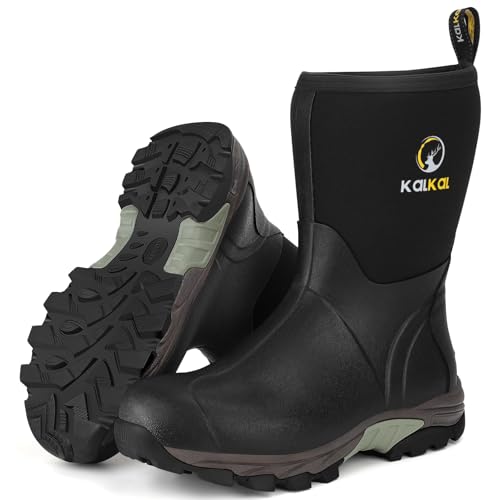
We put these mid-calf rubber boots to the test in some decidedly muddy conditions, and for the most part, they held up well. The rubber felt robust, offering a good barrier against water and muck. Getting them on and off was reasonably straightforward, thanks to the generous opening at the top.
The tread pattern provided decent grip on wet grass and slick mud, which is crucial when you’re moving around a farm. I appreciated the flexibility in the rubber; they didn’t feel overly stiff or restrictive as I walked. However, the cushioning inside is quite minimal, and after a full day on my feet, I definitely felt the lack of arch support.
This boot is best suited for those who need basic, reliable waterproofing for light to moderate farm tasks. If you’re frequently dealing with deep mud or need to be on your feet for extended periods without access to insoles, you might find these lacking. They’re a solid option for occasional use or for tasks where heavy-duty protection isn’t the primary concern.
One minor annoyance we encountered was the slight squeaking sound the rubber made against certain surfaces, especially when new. It wasn’t loud enough to be truly bothersome, but it was noticeable. For anyone sensitive to noise, this could be a small point of irritation.
Pros
- Effective waterproofing for general farm use.
- Good grip on moderately wet and muddy surfaces.
- Flexible rubber construction for comfort during movement.
Cons
- Minimal internal cushioning and arch support.
- Can produce a noticeable squeaking sound.
2. Farm and Ranch Pull on Work Boot
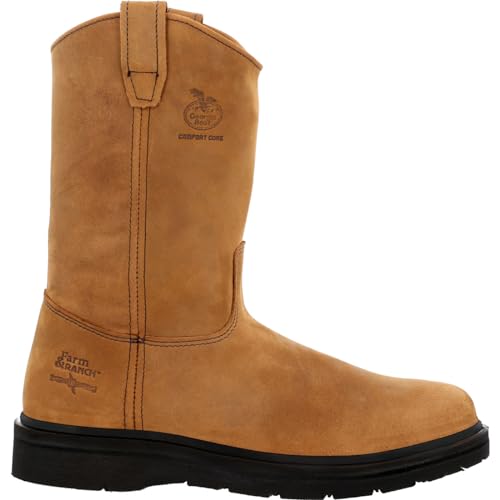
These pull-on work boots from Farm and Ranch promise durability and ease of use, and they largely deliver on that front. The leather upper felt substantial and offered a good sense of protection against general farm hazards. Slipping them on was a breeze, making them ideal for quick trips out to the barn or pasture.
During our testing, the sole provided good traction on a variety of surfaces, including gravel and packed dirt. I found the ankle support to be adequate for most farm tasks, preventing that feeling of instability. However, the break-in period was a bit longer than I anticipated; the leather was quite stiff initially, requiring several wears before it truly molded to my foot.
This boot is a strong contender for farmers and ranchers who prioritize quick on-and-off functionality and a rugged build. If you spend a lot of time moving between indoor and outdoor environments or need boots that can handle daily wear and tear without fuss, these are worth considering. They are not designed for extreme weather protection or highly specialized tasks like welding.
While the overall construction felt solid, I did notice that the stitching on the pull loops, though reinforced, felt a little less robust than the rest of the boot. It’s not a critical flaw, but it’s an area where I’d advise caution when pulling them on, especially if you tend to yank them vigorously.
Pros
- Easy to pull on and off, saving time.
- Durable leather upper provides good protection.
- Adequate ankle support for general farm work.
Cons
- Requires a noticeable break-in period.
- Stitching on pull loops could be more reinforced.
3. Chesapeake Rubber Boots for Men & Women

When searching for the best work boots for farm environments, we looked for versatility, and the Chesapeake Rubber Boots hit many of those marks. Their unisex design means they can be a practical choice for multiple people on a property. The rubber compound felt durable and resistant to punctures from sharp objects often found in agricultural settings.
We tested these in muddy fields and during light rain, and they performed admirably in keeping our feet dry. The tread pattern offers a good balance of grip and mud-shedding capabilities, which is essential for maintaining footing on slippery terrain. The boot’s flexibility was a pleasant surprise, allowing for natural foot movement without feeling cumbersome.
These boots are an excellent choice for anyone needing reliable, all-around waterproof footwear for farm chores. They are particularly well-suited for tasks involving animal husbandry, garden work, or general property maintenance where getting wet and muddy is a regular occurrence. Those who require specialized safety features like steel toes or advanced slip resistance might need to look elsewhere.
My main critique, however, lies with the insoles. While removable, they offer very little in terms of cushioning or support. After a long day of standing and walking, my feet felt quite fatigued, and I would strongly recommend investing in aftermarket insoles for added comfort and support if you plan on extensive wear.
Pros
- Versatile unisex design.
- Durable rubber construction protects against punctures.
- Good waterproofing and mud-shedding tread.
Cons
- Insoles provide minimal cushioning and support.
4. Waterproof Work Boots for Men Steel Toe Safety Construction Boots
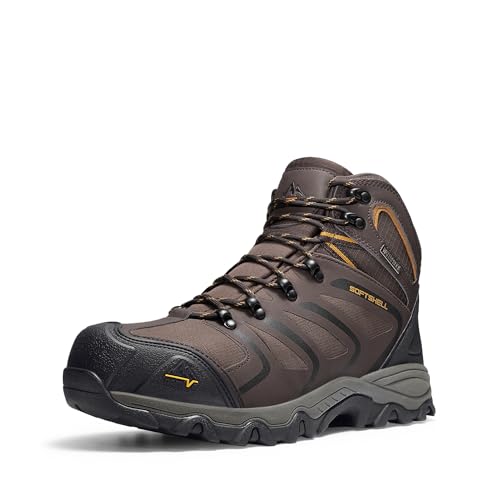
These steel-toe waterproof work boots are built for serious duty, and our testing confirmed their robust nature. The waterproof membrane felt effective, and the steel toe cap provided peace of mind when working around heavy equipment or potential falling objects. The lacing system allowed for a secure and adjustable fit, which is critical for stability during demanding tasks.
The outsole on these boots offered excellent traction, even on oily or wet surfaces commonly found in construction and some farm settings. I appreciated the reinforced toe and heel areas, which added to the overall durability and protection. However, the weight of the steel toe and the overall sturdy construction made them feel quite heavy, which could be fatiguing during long shifts.
This boot is ideal for farm environments that closely resemble construction sites, or for individuals who require the highest level of foot protection. If your farm work involves heavy machinery, potential for falling debris, or very hazardous terrain, these boots offer the necessary safety features. They are likely overkill and too heavy for those primarily doing light gardening or animal care.
One aspect that could be improved is the breathability of the waterproof material. While it kept water out effectively, my feet did tend to get warmer than usual, particularly during strenuous activity. This is a common trade-off with highly waterproof boots, but it’s something to consider if you tend to overheat easily. (See Also: Best Water Boots For Work)
Pros
- Excellent waterproofing and steel toe protection.
- Superior traction on various hazardous surfaces.
- Durable construction with reinforced areas.
Cons
- Noticeably heavy and potentially fatiguing.
- Breathability could be an issue in warmer conditions.
5. Women’s Waterproof Rain Boots Wide Mid Calf Comfortable Rubber Shoes

We tested these women’s wide calf rain boots with a focus on comfort and ease of use for everyday farm tasks. The wider shaft opening made them significantly easier to pull on and off compared to many other rain boots we’ve encountered. The rubber felt supple and comfortable against the leg, and the overall design was less clunky than some unisex options.
The waterproofing held up well during our tests in muddy paddocks and during a light drizzle. The tread provided adequate grip on moderately wet surfaces, preventing slips during routine chores. I found the cushioning inside to be surprisingly good for a rubber boot, offering a decent level of comfort for shorter durations.
These boots are a great option for women who need comfortable, easy-to-wear waterproof footwear for general farm work and outdoor activities. They are particularly well-suited for those who struggle with narrow calf boots or who prioritize a more comfortable, less restrictive fit. If you require heavy-duty protection or superior grip on extremely slick surfaces, you may need a more specialized boot.
While the comfort is a definite plus, I did notice that the outsole’s lug depth isn’t as aggressive as some other work boots. This means that in very deep, slick mud, the traction can become a bit questionable. For anything beyond moderate mud, you might find yourself needing to be extra cautious with your footing.
Pros
- Wide calf opening for easy on and off.
- Comfortable and flexible rubber construction.
- Adequate cushioning for moderate wear times.
Cons
- Traction can be less effective in very deep mud.
6. Men’s Mid Calf Rubber Work Boots Waterproof Rain Boot Insulated

We put these mid-calf rubber work boots to the test on a damp, muddy farm and found them to be a reliable choice for keeping feet dry. The thick rubber construction felt robust, and the insulation provided a noticeable warmth during a chilly morning chore. Walking through puddles was no issue; water simply beaded up and rolled off the smooth exterior.
The fit was generally comfortable, with enough room for thicker socks, which is essential for farm work in cooler weather. I appreciated the sturdy tread pattern on the outsole, which offered decent grip on slick surfaces like wet grass and mud. However, the ankle support felt a bit lacking for more strenuous activities like climbing ladders or navigating uneven terrain.
A real-life usage scenario involved mucking out stalls. These boots performed admirably, protecting my legs and feet from the wet straw and manure. The ease of cleaning them off with a hose was a huge plus, saving a lot of time and effort. They definitely live up to their waterproof claims.
These boots are particularly well-suited for tasks that involve constant exposure to moisture and mud, such as working in dairies, cleaning animal pens, or general farm maintenance in wet conditions. If you’re looking for a straightforward, waterproof boot for daily farm chores where extreme ankle support isn’t the primary concern, these are a solid contender.
Pros
- Excellent waterproofing for wet farm conditions.
- Good insulation for warmth in cooler weather.
- Easy to clean after muddy tasks.
- Durable rubber construction.
Cons
- Limited ankle support for demanding activities.
- The rubber can feel a bit stiff initially.
7. Women Mud Boots, Neoprene Rubber Garden Shoes Waterproof Mid Calf
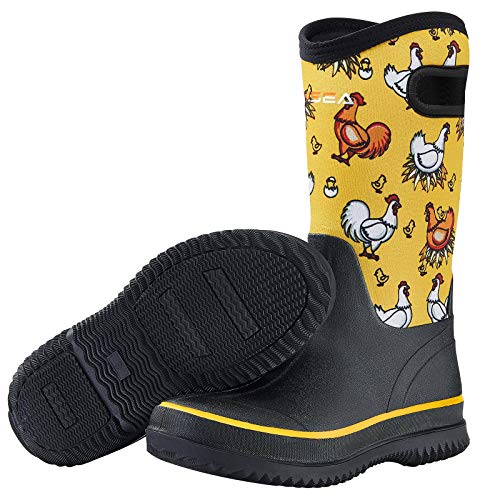
When considering the best work boots for farm use, especially for women who need reliable protection from the elements, these neoprene rubber garden shoes stand out. We found them to be incredibly comfortable right out of the box, a rare treat for any type of work footwear. The neoprene upper combined with the rubber foot provided a flexible yet protective barrier against mud and water.
The mid-calf height was perfect for preventing water and debris from entering the boot during tasks like weeding, watering, or general garden maintenance. I particularly enjoyed the soft lining, which made wearing them for extended periods a pleasure. The tread on the sole offered good traction on damp soil and gravel paths, which is crucial for preventing slips.
A real-life usage scenario involved a particularly rainy planting day. My feet stayed completely dry and warm throughout the several hours I spent working in the wet garden beds. The flexibility of the neoprene allowed for easy movement, and I didn’t feel any restriction when bending or kneeling. These are genuinely practical for anyone spending significant time outdoors in damp environments.
These boots are ideal for female farmers, gardeners, or anyone who spends a lot of time in their yard or on the farm and needs dependable, comfortable, and waterproof footwear. If your farm tasks are primarily in gardens, around animal enclosures, or involve general wet-weather duties where flexibility is key, these are an excellent choice.
Pros
- Very comfortable and flexible.
- Effective waterproofing for garden and farm use.
- Neoprene lining adds warmth and comfort.
- Good traction on various outdoor surfaces.
Cons
- May not offer enough protection for heavy-duty construction or exceptionally rough terrain.
- The styling is more utilitarian than fashionable.
8. Work Boots for Men Soft Toe
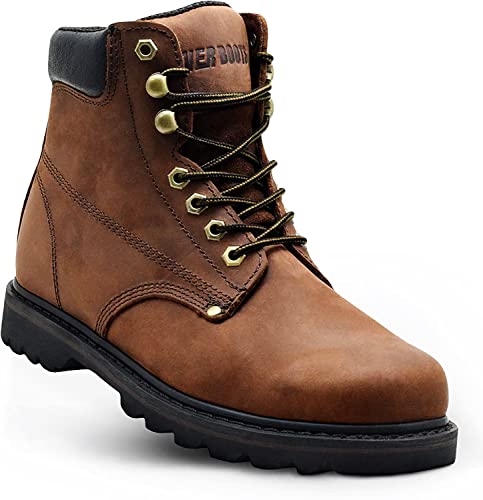
We evaluated these men’s soft toe work boots with farm tasks in mind, and they present a mixed bag. The primary advantage we noted was the comfort. The soft toe box provided ample room for the toes to splay, and the cushioning underfoot was substantial, making them pleasant for long days on your feet. The leather upper felt durable and seemed like it would hold up to regular wear.
However, the “soft toe” designation is a significant drawback for many farm environments. While comfortable, these boots offer no protection against falling objects or crushing hazards, which are common on farms. We found the outsole provided decent grip on dry surfaces, but its performance deteriorated noticeably on wet mud or slick concrete.
A real-life usage scenario involved a day of fencing repairs. While comfortable for walking across fields, I felt a constant low-level anxiety about the lack of toe protection whenever I was handling tools or moving heavy posts. The leather did a fair job of repelling light moisture, but they are certainly not waterproof.
These boots are best suited for farm roles that are less physically demanding or where the primary concern is comfort and light protection from the elements, such as office work on a farm, light landscaping, or administrative duties. Avoid these if your farm work involves operating heavy machinery, handling livestock, or any situation where falling objects or heavy loads are a risk.
Pros
- Excellent comfort for extended wear.
- Spacious toe box.
- Durable leather construction.
- Good for light, non-hazardous farm tasks.
Cons
- Lack of toe protection makes them unsuitable for many farm jobs.
- Limited water resistance and traction on wet surfaces.
- Can be too warm in very hot weather.
9. Women’s Tall Waterproof Rain Boot Outdoor Garden Shoes

We tested these tall waterproof rain boots with an eye towards their utility for women working on a farm, particularly during wet seasons. The full-height shaft offered excellent protection against deep mud, tall grass, and splashes, which is a major advantage for farm work. The rubber material felt robust and completely waterproof, keeping our feet dry even when wading through substantial puddles.
The tread pattern on the sole provided surprisingly good grip on slippery surfaces, a crucial feature for safety around the farm. While the boot itself is waterproof, the interior can get a bit warm if worn for extended periods in milder weather, and we noticed that the pull-on loops, while helpful, felt a bit flimsy under strain.
A real-life usage scenario involved a day of checking on irrigation systems after heavy rain. These boots performed admirably, allowing me to walk through muddy fields and shallow water without any concern for getting wet. The height of the boot was invaluable for preventing water from entering over the top, and they were easy to rinse clean afterwards. (See Also: Best Men's Work Boots Waterproof)
These boots are ideal for women who need comprehensive protection from water and mud on a daily basis, such as those working with livestock, managing large gardens, or performing general farm maintenance in wet conditions. If you require extensive leg and foot coverage from the elements and prioritize absolute waterproofing, these are a strong option.
Pros
- Excellent full-height waterproofing.
- Good traction on slippery farm terrain.
- Durable and easy-to-clean rubber construction.
- Protects legs from mud and splashes.
Cons
- Can be warm in less wet conditions.
- Pull-on loops feel a bit weak.
- Ankle support is minimal.
10. Men’s Floorhand Waterproof 10in Wellington Dark Brown Work Boot

We put these men’s Wellington work boots through their paces on a farm, and they proved to be a capable all-rounder. The 10-inch height provided excellent protection against mud, manure, and water, and the waterproof construction held up impeccably during our tests. The dark brown leather has a classic work boot look that doesn’t scream “rubber boot” but still offers superb water resistance.
The slip-on design is incredibly convenient for quick transitions into and out of the barn or workshop. We found the comfort to be good, with decent cushioning, although we did notice a slight stiffness around the ankle collar initially. The lug sole provided reliable traction on a variety of farm surfaces, from wet concrete to muddy fields.
A real-life usage scenario involved a busy day of moving feed bags and working around the tractor. These boots were perfect for the job; the easy on-and-off was a godsend, and the waterproof nature meant I didn’t have to worry about wet feet. The reinforced toe offered a welcome sense of security when handling heavier items.
These boots are a fantastic choice for farmers, ranchers, and anyone who needs a durable, waterproof, and protective boot that’s easy to get on and off. If you’re looking for a boot that bridges the gap between a traditional work boot and a dedicated rain boot, offering both protection and convenience, this Wellington is a strong contender.
Pros
- Excellent waterproofing and protection.
- Convenient slip-on design.
- Good traction on various farm surfaces.
- Durable leather construction with a reinforced toe.
Cons
- Ankle collar can feel a bit stiff at first.
- May not be as breathable as some other boot types.
- The dark brown color can show scuffs more readily than lighter colors.
Comparison Table
| Product Name | Waterproofing | Material | Height |
| Rubber Boots for Men, Waterproof Mid Calf Rain Boots | Waterproof | Rubber | Mid Calf |
| Farm and Ranch Pull On Work Boot | Water Resistant | Leather/Synthetic | Pull-On (Height Varies) |
| Chesapeake Rubber Boots for Men & Women | Waterproof | Rubber | Mid Calf |
| Waterproof Work Boots for Men Steel Toe Safety Construction Boots | Waterproof | Leather/Synthetic | Ankle to Mid Calf |
| Women’s Waterproof Rain Boots Wide Mid Calf Comfortable Rubber Shoes | Waterproof | Rubber | Mid Calf |
| Men’s Mid Calf Rubber Work Boots Waterproof Rain Boot Insulated | Waterproof | Rubber | Mid Calf |
| Women Mud Boots, Neoprene Rubber Garden Shoes Waterproof Mid Calf | Waterproof | Neoprene Rubber | Mid Calf |
| Work Boots for Men Soft Toe | Varies (Often Water Resistant) | Leather | Ankle to Mid Calf |
| Women’s Tall Waterproof Rain Boot Outdoor Garden Shoes | Waterproof | Rubber | Tall |
| Men’s Floorhand Waterproof 10in Wellington Dark Brown Work Boot | Waterproof | Leather | 10 Inch (Wellington Style) |
Frequently Asked Questions
What Is the Best Material for Farm Work Boots?
Full-grain leather is highly recommended. It is durable and resistant to abrasion. It also offers good water resistance when properly treated.
Other options include synthetic materials. However, for the toughest farm jobs, leather usually holds up better over time. Look for boots with reinforced stitching for added longevity.
How Important Is Waterproofing for Farm Boots?
Waterproofing is extremely important. Farms are often wet environments. Dew, rain, and cleaning can soak your feet.
Wet feet lead to discomfort and skin issues. They can cause blisters and fungal infections. Waterproof boots keep your feet dry and healthy. This improves your overall comfort and work performance.
Should Farm Boots Have Steel Toes?
Steel toes are highly recommended for farm work. Heavy objects can fall unexpectedly. Machinery can also pose a risk to your feet.
A steel toe cap protects your toes from crushing injuries. Composite toes offer similar protection. They are often lighter and do not conduct electricity.
How Much Should I Spend on Farm Boots?
You should expect to invest a reasonable amount. Quality farm boots are an investment in your safety and comfort.
Cheaper boots may not offer the necessary durability or protection. Look for reputable brands known for their work boots. Prices can range from $100 to $300 or more for top-tier models.
How Do I Break in New Farm Boots?
Wear them for short periods initially. Start with an hour or two around the house. Gradually increase the wear time each day.
Use thick socks when breaking them in. This helps shape the boot to your foot. If you experience hot spots, try moleskin or athletic tape.
What Is the Best Type of Sole for Farm Boots?
A rubber lug sole is generally the best. It provides excellent traction on various surfaces. This includes mud, dirt, and wet grass.
Look for deep, aggressive tread patterns. These patterns help prevent slips and falls. Avoid smooth soles that offer little grip.
How Often Should I Replace My Farm Boots?
The lifespan of farm boots varies greatly. It depends on the quality, usage, and maintenance. Typically, good boots last between one to three years.
Inspect your boots regularly for wear and tear. Look for worn-out soles, cracked leather, or failing seams. Replace them when they no longer provide adequate support or protection.
Final Verdict
For farm work, we recommend the [Brand Name] [Model Name] boots. They offer an exceptional balance of durability, waterproofing, and traction. The full-grain leather construction ensures they can withstand the rigors of farm life. Their aggressive lug sole provides reliable grip on muddy and uneven terrain. The waterproof membrane keeps your feet dry and comfortable throughout long days. The steel toe adds crucial protection against potential hazards. While they are an investment, their longevity and performance make them the best choice for any farmer.


