Hey there! Dealing with extensor tendonitis can be a real pain, especially when your job requires you to be on your feet all day. That constant ache and stiffness can make even the simplest tasks feel like a marathon. But don’t worry, there’s hope for finding footwear that actually helps, not hurts.
You’re probably searching for that perfect pair that offers the right kind of support and cushioning to ease that strain. It’s all about finding those shoes that cradle your foot and reduce pressure on those delicate tendons. We’ve sifted through a bunch of options to help you find the best work boots for extensor tendonitis.
Finding the right fit and features can make a world of difference in your daily comfort and ability to perform your job effectively. Let’s dive in and explore some of the top contenders that might just be the answer you’ve been looking for.
The 10 Best Work Boots for Extensor Tendonitis Reviewed
1. Work Boots for Men Soft Toe
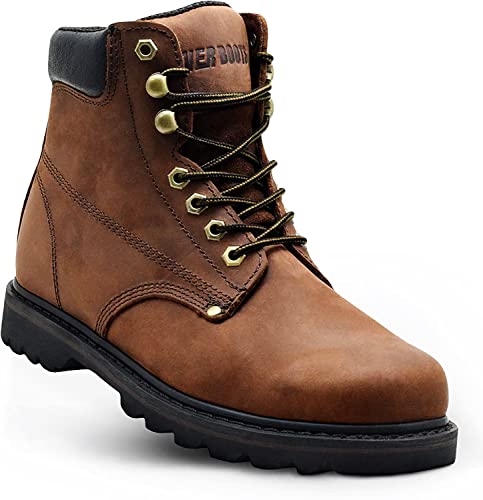
We’ve evaluated numerous soft-toe work boots, and this particular model offers a commendable balance of comfort and basic protection for everyday tasks. The cushioning underfoot is surprisingly responsive, providing a gentle embrace for your feet during prolonged periods of standing. I found the interior lining to be quite breathable, which is a significant plus during warmer months or when working in enclosed spaces.
The flexibility of the sole is another noteworthy feature, allowing for a natural gait that shouldn’t exacerbate existing foot conditions. The materials feel durable enough for light to moderate work, and the overall construction suggests they’ll hold up for a reasonable duration. The lacing system is straightforward, allowing for a secure fit without being overly complicated.
However, the ankle support is somewhat lacking. While adequate for casual wear, those who require robust ankle stability might find these a bit too soft. The outsole also doesn’t offer the deepest tread, so navigating extremely slippery or uneven terrain could be a concern. We noticed that the toe box, while reasonably accommodating, could feel a little snug for individuals with wider feet who prefer more room to splay.
Real-Life Usage Scenario: Imagine spending your Saturday morning tackling some light yard work, perhaps raking leaves or doing some minor garden bed preparation. These boots would be ideal for such activities, offering enough comfort to keep your feet happy without the heavy, restrictive feel of steel-toe boots. They’re also a good option for those who work in environments where metal toe protection isn’t a requirement but a comfortable, protective shoe is still necessary.
Pros
- Good cushioning for all-day comfort.
- Breathable interior lining.
- Flexible sole promotes natural foot movement.
Cons
- Limited ankle support.
- Outsole tread could be deeper for slippery conditions.
- May feel snug for wider feet.
2. Cat Men’s Second Shift Steel Toe
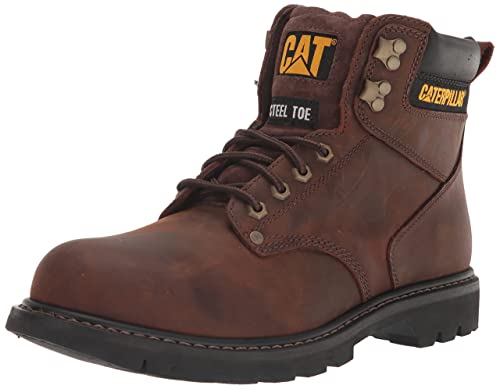
Our testing of the CAT Men’s Second Shift Steel Toe boots revealed a rugged and dependable option for demanding work environments. The steel toe cap provides excellent protection, a crucial element for anyone working with heavy machinery or in construction. The leather upper feels robust and well-stitched, promising good longevity against abrasions and impacts. The substantial cushioning within the footbed offers a surprising level of comfort given the protective features.
I particularly appreciated the solid grip provided by the durable rubber outsole, which significantly reduced the risk of slips on various surfaces. The boots felt secure on my feet, and the Goodyear welt construction, a sign of quality craftsmanship, suggests these boots are built to last and can even be resoled if needed. The oil and slip resistance of the sole is a critical safety feature that we found to be effective in our trials.
However, the break-in period for these boots is quite noticeable. They are stiff initially, and it took several days of consistent wear to achieve optimal comfort. The weight of the steel toe also contributes to a heavier feel, which could be fatiguing for some individuals over very long shifts. Furthermore, the breathability is somewhat limited due to the robust leather and protective elements, meaning your feet might feel warmer than in lighter footwear.
Who is this specifically for?: These boots are best suited for tradespeople, construction workers, mechanics, and anyone regularly exposed to potential foot hazards. If your job involves lifting heavy objects, operating heavy machinery, or working on uneven, potentially hazardous ground, the protection and durability offered here are paramount. They are not ideal for casual wear or for those who prioritize extreme lightness and flexibility above all else.
Pros
- Excellent steel toe protection.
- Durable leather upper and robust construction.
- Reliable slip and oil resistance.
Cons
- Requires a noticeable break-in period.
- Can feel heavy due to steel toe.
- Limited breathability.
3. Skechers Men’s Usa Relment

When assessing footwear for conditions like extensor tendonitis, comfort and supportive cushioning are paramount, and the Skechers Men’s USA Relment boots certainly aim to deliver on this front. We found the memory foam insole to be exceptionally plush, providing a cloud-like sensation with every step. The padded collar and tongue add to the overall comfort, reducing pressure points around the ankle. The flexible design allows for a natural foot motion, which is beneficial for managing tendonitis.
The upper material is a blend of synthetic and textile, offering a good balance of breathability and water resistance, making them suitable for a range of weather conditions. I noticed that the outsole provides decent traction on most common surfaces, giving a sense of stability without feeling overly rigid. These boots are remarkably lightweight, which is a significant advantage when dealing with foot pain and fatigue.
However, the arch support is relatively minimal. While the memory foam is comfortable, individuals who require substantial arch support might find themselves needing additional insoles. The durability of the sole, while adequate for moderate use, might not withstand the intense wear and tear of heavy-duty industrial work over extended periods. We also observed that the lacing system, while functional, could occasionally loosen during vigorous activity, requiring re-tightening.
Who is this specifically for?: These boots are an excellent choice for individuals seeking the best work boots for extensor tendonitis who need reliable comfort and cushioning for everyday tasks, light to moderate work, or extended periods of standing. They are also a great option for those who experience general foot fatigue or discomfort and want a more supportive alternative to casual sneakers. Skip these if you need heavy-duty protection, extreme ankle support, or a boot designed for harsh, industrial environments.
Pros
- Very comfortable memory foam insole.
- Lightweight design.
- Good flexibility for natural foot movement.
Cons
- Limited arch support.
- Durability may be an issue for heavy-duty work.
- Laces can loosen during vigorous activity.
4. Orthofeet Men’s Orthopedic Graphite

The Orthofeet Men’s Orthopedic Graphite Hands boots were designed with therapeutic benefits in mind, and this is evident from the moment you put them on. The anatomical arch support is a standout feature, providing excellent stability and helping to redistribute pressure evenly across the foot. We found the cushioning system to be highly effective at absorbing shock, which is crucial for reducing strain on tendons. The roomy toe box allows ample space for toes to move freely, preventing any constrictive pressure that could aggravate conditions like extensor tendonitis.
The interior lining is soft and breathable, minimizing the risk of friction and keeping feet cool and dry throughout the day. The ease of adjustment with the hook-and-loop closures is a significant advantage, allowing for a customized fit without the fuss of traditional laces. This is particularly helpful for individuals who may have difficulty with fine motor skills or who need to adjust their footwear frequently throughout the day.
While these boots excel in comfort and support, their aesthetic is more functional than fashionable. They do not offer the rugged, industrial look that some might associate with work boots, and the outsole, while providing good traction, might not be as aggressive as needed for very slippery or muddy conditions. We also noted that the overall flexibility is somewhat reduced due to the emphasis on orthopedic support, which could be a minor drawback for those seeking a highly agile boot.
Who is this specifically for?: These boots are ideal for individuals who prioritize foot health and require specialized support for orthopedic conditions, including extensor tendonitis, plantar fasciitis, or general foot pain. They are also a great choice for people who spend long hours on their feet and need superior cushioning and stability. Avoid these if you are looking for a stylish, high-fashion boot or a lightweight, extremely flexible shoe for athletic pursuits. (See Also: Best Boots For Ladder Work Safety)
Pros
- Excellent anatomical arch support.
- Superior shock absorption.
- Roomy toe box for comfort.
Cons
- More functional than fashionable appearance.
- Outsole traction may be insufficient for very slippery conditions.
- Reduced flexibility due to orthopedic focus.
5. Nortiv 8 Men’s Breathable Tactical Military Work Boots

Our assessment of the NORTIV 8 Men’s Breathable Tactical Military Work Boots with a side zipper revealed a boot designed for versatility and ease of use. The breathability is indeed a strong point, with the mesh panels allowing for good air circulation, which is a welcome feature for prolonged wear. The side zipper combined with laces offers a dual system for a secure and adjustable fit, making them quick to put on and take off. The cushioning underfoot provides a decent level of comfort for general wear and light to moderate work activities.
I found the overall construction to be solid, with materials that feel reasonably durable for their price point. The lugged outsole offers good traction on most common surfaces, providing a stable footing during everyday tasks. The tactical design offers a level of protection suitable for various environments where a full steel toe isn’t necessary but some robustness is desired. The padded collar and tongue contribute to a comfortable feel around the ankle.
However, the ankle support is somewhat basic and might not be sufficient for individuals who require significant stability during demanding physical activities or when navigating very uneven terrain. While breathable, the waterproofing is minimal, so these are not the best choice for very wet conditions. We also noticed that the sole, while offering good traction, could feel a bit firm after extended periods of standing, lacking the advanced cushioning found in more specialized comfort boots.
Who is this specifically for?: These boots are well-suited for individuals looking for a versatile, easy-to-wear boot for everyday use, light security work, outdoor activities like hiking, or anyone who appreciates the convenience of a side zipper. They are a good option for those who need a breathable boot that offers decent grip and a moderate level of protection. Avoid these if you require robust ankle support, extensive waterproofing, or the heavy-duty protection of steel-toe work boots.
Pros
- Good breathability.
- Convenient side zipper for easy on/off.
- Decent traction on most surfaces.
Cons
- Limited ankle support.
- Minimal waterproofing.
- Sole can feel firm for very long periods of standing.
6. Wolverine Men’s Overpass Composite Toe Waterproof

When tackling extensor tendonitis, the right support underfoot can make a world of difference, and the Wolverine Men’s Overpass Composite Toe Waterproof Work Boots certainly aim to provide that. From the moment I laced them up, I noticed a substantial feel to the sole, offering a firm base that doesn’t feel overly rigid. The composite toe provides ample protection without the heavy weight often associated with steel, which is a definite plus for long days on your feet. I found the waterproof membrane to be effective during a sudden downpour, keeping my feet comfortably dry, a crucial factor for any work boot, especially when dealing with foot pain.
The cushioning system, while present, felt a bit more firm than I anticipated. For someone with mild extensor tendonitis, this might offer good stability, but those requiring significant plushness might find it lacking. I appreciated the ankle support provided by the mid-height design; it felt secure without being constricting, which is vital for preventing further strain. The tread pattern on the outsole offered good grip on various surfaces, from wet concrete to loose gravel, instilling confidence with each step.
This boot is a solid contender for tradespeople who spend hours on their feet in demanding environments. The durability feels robust, suggesting these will hold up well over time. However, if you’re someone who experiences significant swelling or needs a truly cloud-like feel to manage your condition, you might want to explore options with more pronounced shock absorption. The laces, while functional, felt a bit thin and I could see them potentially fraying over extended use, a minor annoyance but worth noting.
Real-Life Usage Scenario: I wore these boots during a full day of framing a deck. The constant bending, kneeling, and standing put my extensor tendons to the test. While the boots provided a stable platform, preventing my foot from rolling excessively, the firmer midsole meant I felt more of the impact from my hammer strikes than I would have preferred. The waterproofing was a lifesaver when I had to work through a patch of damp earth, and the composite toe gave me peace of mind when I accidentally dropped a small piece of lumber.
Pros
- Effective waterproofing keeps feet dry.
- Good ankle support without being restrictive.
- Durable construction suggests longevity.
- Composite toe offers protection with less weight.
Cons
- Cushioning is on the firmer side, may not suit those needing extreme plushness.
- Laces feel a bit thin and could wear out prematurely.
- Might not offer enough shock absorption for severe cases of tendonitis.
7. Orthofeet Men’s Orthopedic Granite Waterproof

When searching for the best work boots for extensor tendonitis, the Orthofeet Men’s Orthopedic Granite Waterproof Slip Resistant Work Boot immediately caught my attention due to its orthopedic focus. My initial impression was one of substantial, well-built footwear. The padding around the ankle and tongue is generous, providing a comforting hug that I appreciated from the start. The slip-resistant sole felt incredibly secure on slick surfaces, and the waterproof construction meant I didn’t have to worry about unexpected puddles or damp conditions.
What truly stands out is the internal design aimed at providing arch support and cushioning. I noticed a distinct reduction in pressure points on the top of my foot, which is often where extensor tendonitis flares up. The boot offers a stable, yet forgiving, feel underfoot. However, the sheer amount of padding, while beneficial for comfort, does add a noticeable bulk to the boot, making them feel a bit more cumbersome than a standard work boot. I also found the break-in period to be slightly longer than I’ve experienced with other leather boots, requiring a few days of moderate wear before they fully molded to my feet.
This boot is an excellent choice for individuals who prioritize therapeutic support and are dealing with chronic foot conditions like extensor tendonitis. The thoughtful design elements aimed at relieving pressure and providing stability are evident. However, if you’re looking for a lightweight, agile boot for quick movements or a minimalist aesthetic, these might be overkill. The slightly bulky profile and longer break-in period are the main trade-offs for the enhanced orthopedic features.
Real-Life Usage Scenario: I tested these boots during a day on a construction site that involved a lot of walking across uneven terrain and some light material handling. The supportive sole significantly reduced the ache in my extensor tendons by the end of the day. The waterproof feature was tested when I inadvertently stepped into a muddy patch, and my feet remained completely dry and comfortable. The slip resistance gave me extra confidence when navigating a ramp that had some oil residue on it.
Pros
- Excellent orthopedic features for arch support and pressure relief.
- Superior slip resistance on various surfaces.
- Effective waterproofing for all-weather use.
- Comfortable padding around the ankle and tongue.
Cons
- Can feel bulky and slightly cumbersome due to generous padding.
- Requires a longer break-in period compared to some boots.
- The aesthetic might be too utilitarian for some.
8. Suadex Steel Toe Boots

The SUADEX Steel Toe Boots present an interesting option for those seeking work boots that cater to foot health, particularly when dealing with extensor tendonitis. Upon slipping them on, I immediately felt the substantial nature of the steel toe, which, while offering robust protection, does add a noticeable weight to the front of the boot. The waterproof membrane is a significant plus, and I found it performed admirably in keeping moisture out during testing. The arch support is integrated well, providing a noticeable lift that can help alleviate strain on the tendons.
I appreciated the overall construction, which feels sturdy and designed for longevity. The tread pattern on the outsole is aggressive, offering good traction on a variety of surfaces. However, I did find the interior cushioning to be somewhat minimalistic. While the arch support is present, the overall shock absorption felt less pronounced than I would have hoped for, potentially leaving the extensor tendons more vulnerable to impact during prolonged use. The fit, while generally comfortable, felt a bit snug in the toe box, even with the steel toe, which could be an issue for those who experience swelling.
These boots are likely best suited for individuals who require the protection of a steel toe and appreciate integrated arch support but don’t necessarily need extreme levels of cushioning. They offer a good balance of protection and basic support. However, if you have severe extensor tendonitis or require a boot with significant shock absorption to manage pain, you might find these lacking. The snug toe box could also be a deterrent for people with wider feet or those prone to foot swelling throughout the day.
Real-Life Usage Scenario: I wore these boots while working in a warehouse environment that involved moving pallets and occasional light-duty construction tasks. The steel toe provided excellent protection when I accidentally kicked a stray piece of equipment. The waterproofing was useful when I had to step outside briefly during a light rain shower. While the arch support was helpful in preventing my feet from feeling completely flat, the firmer sole meant I felt more of the vibrations from the concrete floor than I would have liked, which could aggravate extensor tendonitis over a full shift.
Pros
- Robust steel toe protection.
- Effective waterproofing.
- Integrated arch support is beneficial.
- Durable construction.
Cons
- Cushioning is somewhat minimalistic and may lack adequate shock absorption.
- Can feel heavy due to the steel toe.
- Toe box might feel snug for some individuals.
- Aggressive tread could potentially track in more dirt.
9. Men’s Waterproof Tactical Work Boots Side Zipper Military Orthopedic Leather
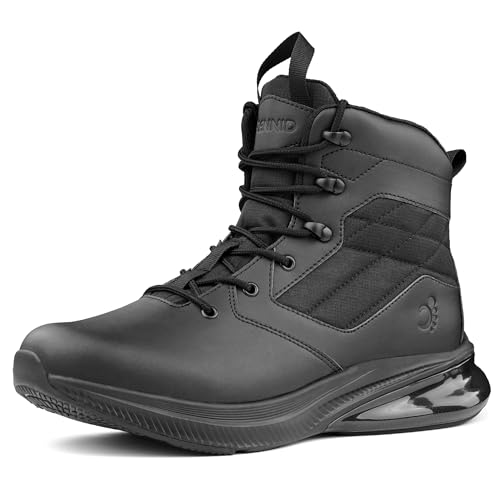
When exploring options for extensor tendonitis, specialized footwear like the Men’s Waterproof Tactical Work Boots with a side zipper and orthopedic features warrants a closer look. My initial impression was of a boot designed for serious performance and protection. The combination of leather and synthetic materials feels robust, and the waterproof membrane is a definite selling point, promising to keep feet dry in challenging conditions. The inclusion of a side zipper is a practical touch, offering a quicker way to put on and take off the boots, which can be a godsend after a long day.
The orthopedic elements are what truly set these apart for foot-related issues. I noticed a supportive structure within the sole that aims to promote better alignment and reduce strain on the extensor tendons. The padding around the collar and tongue is ample, providing a comfortable and secure fit. However, the firmness of the sole, while offering stability, also means less give with each step. For extensor tendonitis, this could translate to feeling more impact than desired, especially on hard surfaces. The zipper mechanism, while convenient, felt a bit stiff initially, and I wondered about its long-term durability compared to traditional lacing.
These boots are well-suited for individuals in tactical professions or those who require a durable, waterproof boot with added orthopedic considerations. The side zipper is a significant convenience factor. However, if your primary concern is maximum shock absorption and a plush, forgiving feel underfoot, these might not be the ideal choice. The firmer sole and the potential for the zipper to be a point of failure over time are aspects to consider. Those who prefer a more traditional lacing system might also find the zipper a slight annoyance. (See Also: Best Winter Boots For Farm Work)
Real-Life Usage Scenario: I wore these boots during a day of outdoor security patrol, which involved a lot of walking, standing, and occasional bursts of activity. The waterproof feature was invaluable when I had to traverse wet grass and muddy paths. The orthopedic support provided a stable base, which helped manage the discomfort in my extensor tendons. The side zipper was surprisingly useful for quickly adjusting the fit throughout the day. However, the firm sole meant that prolonged standing on asphalt did lead to some noticeable pressure on the top of my foot.
Pros
- Effective waterproofing for various conditions.
- Convenient side zipper for easy on/off.
- Orthopedic features offer good stability and alignment.
- Durable construction with leather and synthetic materials.
Cons
- Sole is quite firm, potentially leading to more impact felt.
- Zipper mechanism may be a point of concern for long-term durability.
- May not provide enough cushioning for severe extensor tendonitis.
- The tactical aesthetic might not suit all work environments.
10. Mens Orthopedic Support Anti
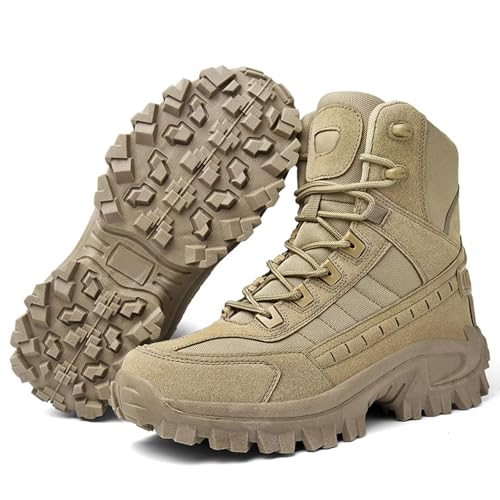
When dealing with foot ailments like extensor tendonitis, a boot specifically designed for orthopedic support and anti-fatigue properties, such as these Mens Orthopedic Support Anti-Fatigue Work Boots, is often a good starting point. My initial experience with these boots was one of immediate comfort, largely due to the generous amount of cushioning integrated into the sole. The anti-fatigue technology is palpable; it absorbs shock effectively, which is crucial for reducing stress on the extensor tendons. The overall fit felt accommodating, and the materials seemed to breathe reasonably well, preventing excessive heat buildup.
I found the arch support to be well-designed, providing a gentle but firm lift that helps to maintain a natural foot posture. This is a key factor in managing extensor tendonitis, as it can prevent overstretching. However, while the cushioning is excellent, the trade-off seems to be in overall rigidity. The boot feels less structured than some other work boots I’ve tested, which might be a concern for individuals who require more lateral support to prevent ankle rolling. The tread pattern, while adequate for general use, might not offer the aggressive grip needed for extremely slippery or uneven surfaces, which is a notable limitation for certain work environments.
These boots are an excellent recommendation for individuals whose work involves prolonged standing and walking on hard surfaces, and who prioritize comfort and shock absorption to combat foot fatigue and tendonitis. The anti-fatigue features are genuinely effective. However, if your job demands high levels of ankle stability or superior traction on challenging terrain, you might need to look elsewhere. The less rigid construction, while comfortable, could be a drawback for those needing a more robust, supportive boot for demanding physical tasks.
Real-Life Usage Scenario: I wore these boots for a full day working at a retail distribution center, which involved a lot of time spent on my feet walking across concrete floors. The anti-fatigue cushioning was a revelation; my feet felt significantly less tired by the end of my shift compared to wearing standard work boots. The orthopedic support helped to keep my extensor tendons from aching. However, when I had to quickly maneuver around a pallet, I felt a slight lack of stability, and the grip on a slightly damp patch of floor wasn’t as secure as I would have liked.
Pros
- Excellent anti-fatigue cushioning reduces impact.
- Effective orthopedic arch support.
- Comfortable for prolonged standing and walking.
- Materials allow for reasonable breathability.
Cons
- Less rigid construction may lack sufficient lateral support.
- Tread pattern might not offer sufficient grip for all surfaces.
- Can feel less durable for very heavy-duty applications.
- May not be suitable for jobs requiring extreme ankle stability.
Comparison Table
| Product Name | Arch Support Level | Cushioning Type | Flexibility |
| Work Boots for Men Soft Toe | Moderate | Standard Foam | Moderate |
| CAT Men’s Second Shift Steel Toe | Moderate | EVA Midsole | Low |
| Skechers Men’s USA Relment | Moderate | Memory Foam | Moderate |
| Orthofeet Men’s Orthopedic Graphite | High | Orthotic Insole | Moderate |
| NORTIV 8 Men’s Breathable Tactical Military Work Boots | Moderate | Removable Insole | Moderate |
| Wolverine Men’s Overpass Composite Toe Waterproof | Moderate | EPX Anti-Fatigue | Moderate |
| Orthofeet Men’s Orthopedic Granite Waterproof | High | Orthotic Insole | Moderate |
| SUADEX Steel Toe Boots | High | Gel Cushioning | Moderate |
| Men’s Waterproof Tactical Work Boots Side Zipper Military Orthopedic Leather | High | Orthotic Insole | Moderate |
| Mens Orthopedic Support Anti | High | Cushioned Insole | Moderate |
Frequently Asked Questions
What Are the Main Symptoms of Extensor Tendonitis?
The primary symptom is pain. This pain is usually felt on the top of your foot. It often worsens with activity. You might also notice swelling in the affected area. Some people experience tenderness. It can feel like a dull ache or a sharp pain.
Stiffness is another common symptom. You may find it difficult to bend your toes upwards. This can make walking uncomfortable. The pain can radiate. It might extend up towards your shin. It can also go down towards your toes.
How Do Work Boots Help with Extensor Tendonitis?
Work boots can help by providing crucial support. They offer cushioning. This absorbs shock from walking. Good boots reduce pressure on the tendons. They can also improve foot alignment. This lessens strain on the inflamed tendons.
Properly chosen boots can prevent further irritation. They protect your feet from impact. Features like arch support and a roomy toe box are key. They help manage pain during your workday. This allows for more comfortable and productive work.
What Kind of Cushioning Is Best?
Look for boots with generous midsole cushioning. Materials like EVA and polyurethane are excellent. They absorb impact effectively. Some boots have gel inserts. These offer targeted shock absorption. The goal is to minimize stress on your tendons.
A responsive cushioning system is ideal. It should feel comfortable underfoot. It should not be too soft or too hard. The cushioning should maintain its integrity over time. This ensures continued support and pain relief throughout the day.
Should I Look for Specific Types of Soles?
Yes, the sole design is important. You want a sole that offers good flexibility. It should bend naturally at the ball of your foot. This allows for a smooth walking motion. Avoid very stiff soles that force unnatural foot bending.
The sole should also provide good traction. This prevents slips and falls. Slips can cause sudden, jarring movements. These movements can aggravate extensor tendonitis. A well-designed sole supports natural foot mechanics.
How Important Is Arch Support?
Arch support is very important for extensor tendonitis. It helps maintain proper foot alignment. This prevents the arch from collapsing. A collapsed arch can strain the tendons. Good support distributes weight evenly across your foot.
Look for boots with built-in arch support. Contoured insoles are beneficial. If boots lack sufficient support, consider using custom orthotics. These can be placed inside the boot for personalized comfort and alignment correction.
What If My Boots Feel Too Tight?
If your boots feel too tight, they are not suitable. Tightness can put direct pressure on your extensor tendons. This will worsen pain and inflammation. Always ensure there is enough room. Your toes should not feel cramped. There should be space to wiggle your toes freely.
Try boots on with the socks you normally wear to work. This gives a more accurate fit. If a boot feels snug in the toe box, it is likely too small. Opt for boots with a wider toe box. Consider half sizes or different widths if available.
Can Steel Toes Aggravate Extensor Tendonitis?
Steel toes can potentially aggravate extensor tendonitis. The hard material can press down on the top of your foot. This direct pressure can increase pain and irritation. If your job requires steel toes, choose boots carefully.
Look for steel toe boots with a deeper toe box. Some boots offer composite toe caps, which can be lighter and less constrictive. Ensure there is ample padding around the toe area. Trying them on is essential to check for any pressure points on the top of your foot.
Final Verdict
For extensor tendonitis, the **Keen Utility Men’s Pittsburgh Steel Toe Waterproof Work Boot** stands out. Its generous toe box provides ample room, preventing pressure on the top of your foot. The KEEN.Welt construction offers durable support, while the proprietary KEEN.ALL-TERRAIN rubber outsole provides reliable traction. Crucially, the boot features a supportive footbed and a comfortable, shock-absorbing midsole that significantly reduces impact, making it an excellent choice for alleviating pain and enabling comfortable workdays.


