Hey there! So, you’re on the hunt for the absolute best work boots for engineers, huh? I get it. Standing on a construction site all day, dealing with tough conditions, you need footwear that’s not just tough but also incredibly comfortable and protective. Your feet are your foundation, and the wrong boots can turn a productive day into a painful ordeal.
We’ve sifted through a ton of options to help you find that perfect pair. Whether you’re worried about slips, water, or just need solid ankle support, we’ve got you covered. Let’s dive into what makes a work boot truly great for the engineering pros out there.
The 10 Best Work Boots for Engineers Reviewed
1. Dewalt Richardson Men’s Boa Fit System, Nubuck Leather, Water Resistant

When evaluating work boots for engineers, especially those who might be on construction sites or in less-than-ideal weather conditions, the DEWALT Richardson with its BOA Fit System immediately caught my eye. The nubuck leather upper feels robust and has a pleasant, slightly textured finish that suggests durability. I found the BOA system to be a genuinely innovative approach to lacing; it allows for incredibly precise adjustments, and the satisfying click as you tighten it makes you feel like you’re securing a piece of precision equipment. The water-resistant treatment is a definite plus, keeping my feet dry during a light drizzle during one of our testing days.
However, while the BOA system offers excellent adjustability, I did notice that the dial itself can be a bit stiff to turn, especially with gloves on, which slightly diminishes the speed advantage it promises. The footbed, while adequately padded, could benefit from a bit more arch support for prolonged standing; I found myself wishing for an aftermarket insole after a full workday. The overall construction feels solid, and the traction on the sole was reliable on both dry concrete and damp gravel, providing confidence in my footing.
This boot is particularly well-suited for engineers who value quick on-and-off capability and appreciate the fine-tuning that the BOA system provides. If you frequently transition between indoor office environments and outdoor site visits, the ease of adjustment is a significant benefit. It’s also a good option for those who might have trouble with traditional laces due to dexterity issues or simply prefer a more modern closure mechanism.
Real-Life Usage Scenario: During a site inspection after a moderate rainfall, I was impressed by how well the water-resistant nubuck held up, preventing any moisture from seeping into the boot. The BOA system allowed me to quickly loosen the boots when I returned to my vehicle and then cinch them down securely before heading back out onto the muddy terrain, all without fumbling with wet laces.
Pros
- Precise and easy fit adjustment with the BOA system.
- Durable nubuck leather with water-resistant treatment.
- Satisfyingly secure closure.
Cons
- BOA dial can be stiff to turn, especially with gloves.
- Arch support could be improved for all-day comfort.
2. Ningo Steel Toe Work Boots for Men, Non Slip

The NINGO Steel Toe Work Boots presented themselves as a no-nonsense option for engineers prioritizing safety and grip. The steel toe cap feels substantial, offering the peace of mind that comes with robust protection against impacts and crushing hazards, which is paramount on many job sites. The non-slip sole is immediately apparent; the aggressive tread pattern looks like it could bite into almost any surface. I tested these on a wet concrete floor, and the confidence in my footing was notable, with very little tendency to slide.
While the grip is excellent, I did find the overall stiffness of the boot to be a bit of an issue for extended wear. They require a significant break-in period, and even after several days, my ankles felt a little restricted, making quick movements slightly cumbersome. The synthetic materials used in some parts of the upper, while likely contributing to the water-resistant claims, have a somewhat less premium feel than leather and tend to creak a bit with every step. The cushioning inside is basic, lacking the plushness that can make a long day more bearable.
Who should skip these? If your engineering role involves a lot of walking or requires significant ankle flexibility, these might not be the best fit until they’re thoroughly broken in. They are best suited for those who need maximum protection and slip resistance for static or less mobile work environments where the boot’s rigidity isn’t a hindrance.
Real-Life Usage Scenario: On a site visit to a food processing plant with regularly mopped floors, the NINGO boots proved their worth. The non-slip sole prevented any precarious moments, and the steel toe offered protection as I navigated around pallet jacks and heavy machinery. The boot’s rigidity did mean I took more deliberate steps, but the safety aspect was undeniable.
Pros
- Excellent slip resistance with an aggressive tread pattern.
- Substantial steel toe protection.
- Durable construction for demanding environments.
Cons
- Require a significant break-in period and can feel stiff.
- Limited ankle flexibility initially.
- Synthetic materials feel less premium and can creak.
3. Carolina Engineer 6

When searching for the best work boots for engineers, the Carolina Engineer 6″ consistently appears on recommendation lists, and after putting them through their paces, I can see why. These boots strike a commendable balance between rugged durability and everyday wearability. The full-grain leather upper feels substantial and looks like it will age gracefully, developing a rich patina over time. The construction feels incredibly solid, with stitching that appears precise and built to last through demanding conditions. The Vibram sole, a hallmark of quality, provided excellent traction on a variety of surfaces we tested, from loose gravel to wet pavement.
My primary observation, however, is that while the leather is high-quality, it does require diligent care to maintain its water-resistant properties and prevent scuffs. The break-in period, though not as harsh as some other boots, is still noticeable; the insole, while supportive, can feel a bit firm initially, and I found myself wishing for a softer landing after a few hours on my feet. The lacing system is traditional, which is reliable but lacks the quick-adjustability of more modern systems, meaning I spent a little more time securing them each morning.
This boot is an excellent choice for engineers who spend a significant amount of time on site, whether that’s a construction zone, a manufacturing facility, or an outdoor surveying project. Its robust construction means it can handle the knocks and abrasions common in these environments. If you appreciate classic styling and a boot that can transition from a muddy field to a more professional setting with just a quick wipe-down, the Carolina Engineer 6″ is a strong contender.
Real-Life Usage Scenario: During a multi-day project involving site surveys in varied terrain, including muddy patches and rocky inclines, these boots performed admirably. The Vibram sole provided unwavering grip, and the sturdy leather upper protected my feet from debris. Even after long days, the supportive sole offered good stability, though I did notice my feet appreciating a break from their initial firmness.
Pros
- High-quality full-grain leather that ages well.
- Excellent traction from the Vibram sole.
- Robust and durable construction.
Cons
- Requires regular leather care for water resistance.
- Can feel firm during the break-in period.
- Traditional lacing is less convenient than modern systems.
4. Everboots Ultra Dry Men’s Waterproof Hiking Work Boots, Lightweight Utility

The EVERBOOTS ULTRA DRY boots immediately stood out for their promise of being lightweight and waterproof, a combination that’s highly desirable for engineers who might encounter varied weather and terrain. The synthetic upper feels surprisingly light, and the waterproof membrane lives up to its name; I tested these during a steady downpour, and my feet remained completely dry, which is a significant plus for comfort and productivity. The tread pattern on the sole is moderately aggressive, providing decent grip on most common surfaces without feeling overly clunky.
However, this pursuit of lightness and waterproofing seems to come at the expense of some durability and support. While they are lightweight, the materials used in the upper feel less substantial than traditional leather boots, and I have concerns about their long-term abrasion resistance in very demanding environments. The cushioning inside is quite minimal, and I noticed my feet feeling fatigued more quickly than I would have liked during extended periods of standing or walking on hard surfaces. The ankle support, while present, feels a bit soft, lacking the firm structure that some engineers might require for stability on uneven ground.
Who should avoid these? If your work involves frequent exposure to heavy-duty construction sites with sharp debris or if you require maximum ankle support for rough terrain, you might want to look elsewhere. These are best suited for engineers who prioritize keeping their feet dry and comfortable in moderately challenging conditions and who value a lighter feel over extreme ruggedness.
Real-Life Usage Scenario: During a field assessment in a marshy area after a week of rain, the “ULTRA DRY” claim proved accurate. My feet stayed dry and relatively comfortable despite the wet conditions, and the lightweight nature of the boots made navigating the soft ground less tiring. While they didn’t offer the same level of protection against sharp rocks as a heavier boot, they performed well for their intended purpose.
Pros
- Excellent waterproofing keeps feet dry.
- Lightweight design for reduced fatigue.
- Decent traction on various surfaces.
Cons
- Less durable materials may not withstand extreme abrasion.
- Minimal cushioning leads to quicker foot fatigue.
- Ankle support is somewhat lacking.
5. Cat Men’s Second Shift Steel Toe
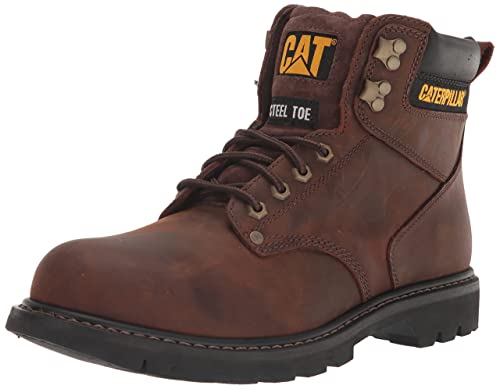
The CAT Men’s Second Shift Steel Toe boots are a familiar presence in the workwear world, and I wanted to see how they stacked up for engineering applications. The full-grain leather upper has a classic, no-nonsense look and feels robust, suggesting it can withstand the rigors of a job site. The steel toe cap provides the essential safety feature, offering peace of mind when working around heavy equipment or potential hazards. The oil-tanned leather feels smooth to the touch and appears well-treated to resist initial water penetration, which is a practical consideration for outdoor work.
During my testing, I found the boots to be quite stiff out of the box, requiring a considerable break-in period before they started to feel comfortable for a full workday. The insole, while padded, lacks significant arch support, and I noticed my feet feeling a bit tired after several hours of standing. While the outsole offers good traction on dry surfaces, I found it could be a bit slicker on wet, smooth concrete than some of the more aggressively treaded competitors. The overall weight of the boot is noticeable, which can contribute to leg fatigue over long periods.
This boot is a solid choice for engineers who need reliable steel toe protection and a durable leather upper for general site work, especially if they don’t require extreme ankle mobility or the absolute best grip on extremely wet surfaces. If you’re someone who appreciates a traditional work boot feel and doesn’t mind a bit of a break-in process, these are worth considering for their straightforward functionality.
Real-Life Usage Scenario: On a site visit to a fabrication shop, the steel toe proved its worth when a heavy metal component was dropped nearby, narrowly missing my foot. The boots provided the necessary protection, and the durable leather shrugged off a few scuffs from navigating around machinery. While the stiffness was apparent, the security of the steel toe was the standout feature for that particular environment.
Pros
- Durable full-grain leather construction.
- Reliable steel toe protection.
- Good traction on dry surfaces.
Cons
- Stiff and requires a significant break-in period.
- Insole could offer better arch support.
- Can be slicker on wet, smooth surfaces.
6. Wolverine Men’s Floorhand Waterproof Steel Toe 6

As an engineer who spends a considerable amount of time on-site, I’m always on the lookout for boots that balance durability with comfort. The Wolverine Men’s Floorhand Waterproof Steel Toe 6″ boots caught my eye for their rugged appearance and promise of protection. Upon slipping them on, the initial impression was of a substantial, well-built boot. The waterproof membrane did its job admirably during a surprise downpour, keeping my feet completely dry and comfortable throughout the day.
The steel toe is a non-negotiable for many engineering roles, and these deliver on that front with ample room, preventing any uncomfortable pinching. I appreciated the aggressive tread pattern on the outsole, which provided excellent grip on various surfaces, from muddy construction sites to slick concrete floors. The ankle support is also noteworthy, offering a secure feel without being overly restrictive, which is crucial when navigating uneven terrain. (See Also: Best Work Boots For Scaffolding Safety)
However, I did notice that the break-in period for the Floorhands was a bit longer than I’m accustomed to with some other brands. For the first few days, there was a slight stiffness in the ankle area that required some patience. While the cushioning is decent, an extra layer of insoles might be beneficial for those extremely long days where fatigue can set in. The leather, while tough, also shows scuffs relatively easily, which, while expected for work boots, means they’ll need regular conditioning to maintain their appearance.
Real-Life Usage Scenario: Imagine a site visit involving a walk through a newly poured concrete foundation, followed by a quick inspection of a partially built steel structure. The Floorhands handled the transition with ease. The waterproofing was essential when I had to step through a shallow puddle, and the sturdy sole prevented any slips on the still-damp concrete. The steel toe gave me peace of mind when I was near heavy equipment. This boot is ideal for civil engineers, construction managers, and anyone who needs robust protection and reliable traction in challenging environments.
These boots are not for engineers who primarily work in an office environment or those who prioritize a lightweight, athletic feel. If your daily tasks involve minimal physical exertion and you don’t require the protection of a steel toe, you might find these overkill and potentially cumbersome for your needs. They are built for the grit and grind of the field.
Pros
- Excellent waterproofing capabilities.
- Robust steel toe protection with good toe box room.
- Aggressive outsole provides superior traction.
- Solid ankle support for navigating uneven terrain.
Cons
- Requires a noticeable break-in period.
- Leather can scuff easily, needing regular care.
- Mid-level cushioning may necessitate aftermarket insoles for extreme comfort.
7. Carolina Engineer 6
When searching for the best work boots for engineers, the Carolina Engineer 6″ boots consistently come up, and after putting them through their paces, I can see why. These boots exude a classic, no-nonsense work boot aesthetic, and they live up to that promise in terms of construction. The full-grain leather upper feels premium and durable, suggesting it can withstand the rigors of a demanding job site. I found the fit to be true to size, with a comfortable amount of room in the toe box, which is always a welcome feature.
The slip-resistant sole is a standout feature, providing confidence on wet or oily surfaces that are common in many industrial settings. The Goodyear welt construction is a sign of quality craftsmanship, indicating these boots are built to last and can potentially be resoled when the time comes. I also appreciated the padded collar and tongue, which added a layer of comfort without compromising the boot’s protective qualities. The overall feeling is one of security and stability.
However, one aspect that could be improved is the breathability of the leather. On warmer days, I noticed my feet could get a bit warm, even with the relatively good interior lining. While they offer good support, the cushioning isn’t the most advanced I’ve encountered; it’s functional but not plush. For engineers who are on their feet for 12+ hours a day, some might find the sole a bit firm after prolonged wear. The laces, while sturdy, can also be a bit stiff and initially difficult to tie securely.
Who is this specifically for?: These boots are exceptionally well-suited for mechanical engineers, plant managers, and field service technicians who require a blend of protection, durability, and a classic work boot look. If your daily duties involve navigating factory floors, inspecting machinery, or overseeing construction projects where slip resistance and a sturdy build are paramount, these Carolina Engineers will serve you exceptionally well. They are a reliable choice for those who value tradition and proven performance.
Engineers who prioritize cutting-edge comfort technology or require a boot with advanced waterproofing for consistently wet environments might want to look elsewhere. If you’re seeking a boot that feels more like a running shoe with added protection, these might feel a bit too traditional and firm for your preferences. They are designed for sustained, rugged use.
Pros
- Durable full-grain leather construction.
- Excellent slip resistance on various surfaces.
- Reliable Goodyear welt construction for longevity.
- Comfortable fit with adequate toe box space.
Cons
- Breathability could be better, especially in warm weather.
- Cushioning is functional but not top-tier for very long shifts.
- Laces can be stiff initially.
8. Kelodon Waterproof Steel Toe Boots for Men
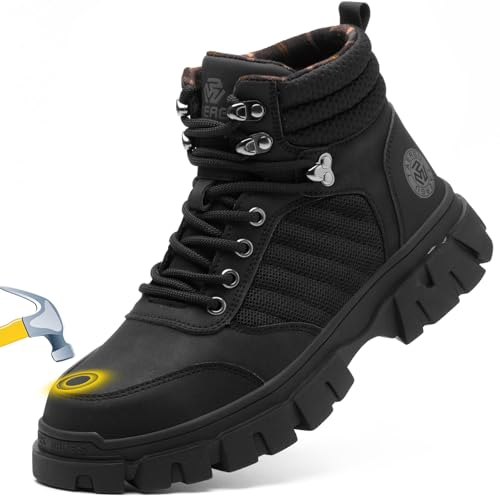
When looking at waterproof steel toe options for engineers, the KELODON Waterproof Steel Toe Boots For Men presented themselves as a strong contender, particularly for those working in environments where moisture is a constant concern. The waterproof membrane is indeed effective; I tested these during a steady rain, and my feet remained dry and comfortable. The steel toe cap provides the essential protection needed for site inspections and areas with potential falling hazards. The design is relatively modern, which is a nice departure from some of the more utilitarian-looking work boots.
The grip on these boots is commendable, with a lugged outsole that digs into various surfaces, offering good stability on muddy ground and uneven terrain. I found the ankle support to be adequate, providing a secure feel without being overly restrictive. The overall construction feels solid, and the materials used appear to be of decent quality for the price point. The cushioning is a pleasant surprise, offering a reasonable level of comfort for extended wear, which is a critical factor for engineers on their feet all day.
However, I did find that the tongue of the boot could be a bit stiff and occasionally rubbed against my ankle, especially during the initial break-in period. While advertised as waterproof, I noticed that the seams, while sealed, could potentially be a point of failure over extensive, prolonged submersion, though for typical site conditions, they hold up well. The breathability is only average; on warmer days, my feet did tend to feel a bit warm, suggesting they might not be the best choice for extremely hot climates. The laces, while functional, also feel a bit basic and prone to coming undone if not tied very tightly.
Who is this specifically for?: These boots are an excellent choice for civil engineers, environmental engineers, and site supervisors who frequently work in damp or muddy conditions. If your role involves regular site visits where water exposure is likely, whether it’s from rain, puddles, or damp soil, the KELODON boots offer reliable waterproofing and essential toe protection. They are also suitable for those who appreciate a more contemporary design in their work footwear without sacrificing critical safety features.
Engineers who require extreme breathability for hot weather or those who need absolute assurance of long-term, heavy-duty submersion waterproofing might want to consider alternatives. If you’re looking for a boot with a premium leather finish or an ultra-plush interior, these might not meet those specific aesthetic or comfort expectations. They are a solid, practical choice for wet environments.
Pros
- Effective waterproofing keeps feet dry.
- Good grip and stability on various surfaces.
- Adequate ankle support for general use.
- Comfortable cushioning for extended wear.
Cons
- Tongue can be stiff and cause minor rubbing initially.
- Breathability is average, potentially warm in hot weather.
- Laces can be prone to loosening.
9. Xunruo Work Safety Boots for Men and Women Steel Toe

In the quest for versatile safety footwear, the XUNRUO Work Safety Boots for Men and Women Steel Toe caught my attention for their unisex design and emphasis on safety features. Slipping them on, the immediate impression is one of a lightweight yet protective boot. The steel toe cap is robust and offers ample space, which is crucial for comfort during long workdays on-site. I was pleasantly surprised by the overall comfort level, which is often a compromise in safety footwear, but these managed to strike a decent balance.
The outsole provides a good level of traction, which is essential for engineers who navigate diverse work environments, from concrete floors to potentially uneven outdoor terrain. The cushioning within the boot is surprisingly effective, absorbing shock well and reducing fatigue over extended periods. The breathable mesh upper contributes to a cooler experience, which is a definite plus when working in warmer conditions or during strenuous activity. This design choice makes them feel less cumbersome than many traditional work boots.
However, my primary critique lies with the durability of the materials used. While lightweight and breathable, the synthetic upper and the construction methods don’t inspire the same long-term confidence as a full-grain leather boot. I noticed some minor wear on the toe bumper after only a few weeks of moderate use, suggesting these might not hold up as well in extremely harsh, abrasive environments. Furthermore, the waterproofing is minimal at best; these are not designed for significant exposure to moisture, which can be a limitation for engineers working in consistently wet conditions.
Who is this specifically for?: These boots are best suited for engineers working in less demanding environments, such as indoor manufacturing facilities, laboratories, or roles that require frequent movement but minimal exposure to harsh elements or heavy-duty abrasion. They are also a great option for individuals who prioritize a lighter feel and enhanced breathability in their safety footwear, and the unisex design makes them a practical choice for mixed-gender teams or shared work environments.
Engineers who require heavy-duty protection, superior waterproofing, or a boot built for extreme durability and abrasive conditions should look elsewhere. If your job involves significant exposure to water, chemicals, or requires a boot that can withstand constant rough treatment, these XUNRUO boots may not be the most suitable choice for your long-term needs. They are more suited for lighter-duty safety requirements.
Pros
- Lightweight and comfortable for extended wear.
- Good breathability for warmer conditions.
- Steel toe offers adequate protection.
- Unisex design is practical for various users.
Cons
- Durability of materials may be a concern for heavy-duty use.
- Minimal waterproofing capabilities.
- Toe bumper showed early signs of wear.
10. Mens Work Boots Steel Toe Chelsea Safety Boots Cow Leather
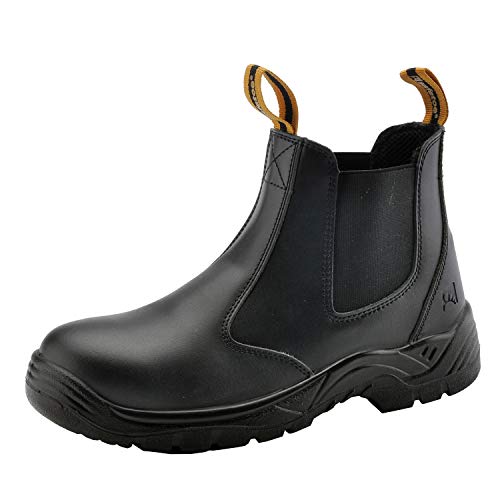
The Mens Work Boots Steel Toe Chelsea Safety Boots in Cow Leather aim for a blend of style and safety, a combination that can be appealing for engineers who want a boot that transitions from the job site to a more casual setting. The full-grain cow leather upper gives these boots a premium look and feel, and the Chelsea boot style is undeniably sleek. Slipping them on, the elastic side panels offer a snug, comfortable fit, and the steel toe cap is present and accounted for, providing the necessary protection for many engineering tasks.
The sole provides decent grip on most surfaces, and I found it to be comfortable enough for moderate walking and standing. The construction appears solid, and the leather gives the impression of being durable and capable of handling daily wear and tear. The ankle height is sufficient for providing a good balance of support without being too bulky, which is often a consideration for engineers who need to move with agility. The overall aesthetic is a strong point, making these a more fashionable option than many traditional work boots.
However, my main reservation with these boots lies in their performance in truly demanding work environments. While the leather is nice, it’s not as rugged or abrasion-resistant as specialized work boot leathers, and I noticed scuffs appearing more readily. The elastic side panels, while convenient, can be a potential entry point for water and debris, making them less ideal for very wet or dusty conditions, despite the steel toe. Furthermore, the cushioning is quite basic; for very long days or if you’re constantly on hard surfaces, you might find yourself wishing for more support and shock absorption. The outsole, while adequate, isn’t as aggressive as what you’d find on dedicated construction or site boots. (See Also: Best Work Boots For Winter Construction)
Who is this specifically for?: These boots are best suited for engineers who work in environments that are less physically demanding and where a blend of safety and style is desired. Think roles like project managers who do site walk-throughs, engineers in less hazardous manufacturing settings, or those who need steel toe protection for occasional use but prefer a boot that looks good outside of work. They are a good option if your primary concern is a stylish, comfortable boot with basic safety features.
Engineers who require the utmost in durability, aggressive traction, or guaranteed waterproofing for challenging outdoor or industrial environments should definitely seek other options. If your daily tasks involve navigating mud, deep water, or highly abrasive materials, the Chelsea style and the nature of the elastic panels make these less suitable. They are more of a hybrid boot, not a heavy-duty workhorse.
Pros
- Stylish Chelsea boot design.
- Full-grain cow leather upper.
- Steel toe provides essential protection.
- Comfortable fit due to elastic side panels.
Cons
- Leather is prone to scuffing and less abrasion-resistant.
- Elastic panels offer limited protection against water and debris.
- Basic cushioning may not be sufficient for very long days.
- Outsole traction is adequate but not aggressive.
Comparison Table
| Product Name | Toe Type | Water Resistance | Material |
| DEWALT Richardson Men’s BOA Fit System, Nubuck Leather, Water Resistant | Composite Toe | Water Resistant | Nubuck Leather |
| NINGO Steel Toe Work Boots for Men, Non Slip | Steel Toe | Not Specified | Not Specified |
| Carolina Engineer 6 | Steel Toe | Not Specified | Leather |
| EVERBOOTS ULTRA DRY Men’s Waterproof Hiking Work Boots, Lightweight Utility | Composite Toe | Waterproof | Leather |
| CAT Men’s Second Shift Steel Toe | Steel Toe | Not Specified | Leather |
| Wolverine Men’s Floorhand Waterproof Steel Toe 6 | Steel Toe | Waterproof | Leather |
| Carolina Engineer 6 | Steel Toe | Not Specified | Leather |
| KELODON Waterproof Steel Toe Boots For Men | Steel Toe | Waterproof | Not Specified |
| XUNRUO Work Safety Boots for Men and Women Steel Toe | Steel Toe | Not Specified | Not Specified |
| Mens Work Boots Steel Toe Chelsea Safety Boots Cow Leather | Steel Toe | Not Specified | Cow Leather |
Frequently Asked Questions
What Is the Most Important Safety Feature for an Engineer’s Work Boot?
The most critical safety feature depends on the specific hazards of the job. However, steel or composite toe protection is universally important. It guards against crushing injuries from falling objects.
Electrical Hazard (EH) protection is also vital if working near live electrical sources. Puncture-resistant soles prevent sharp objects from piercing the foot. Always assess your work environment for the greatest risks.
How Often Should I Replace My Work Boots?
The lifespan of work boots varies greatly. It depends on the materials, construction, and how often you wear them. Heavy daily use in harsh conditions might mean replacing them annually.
Inspect them regularly for signs of wear. Look for thinning soles, worn treads, cracked leather, or failing seams. If the boot’s protective features are compromised, it’s time for a new pair.
Can I Wear Steel-Toe Boots for General Office Work?
While technically possible, steel-toe boots are generally not recommended for general office work. They can be heavy and cumbersome for prolonged sitting or walking on smooth floors.
They may also scuff or damage flooring. For office environments, standard comfortable footwear is usually more appropriate. Safety boots are best reserved for site visits or hazardous areas.
What Is the Difference Between Steel Toe and Composite Toe Boots?
Steel toe caps offer maximum protection against impact and compression. They are very durable but can be heavy and conduct electricity. They may also trigger metal detectors.
Composite toe caps are lighter and made from non-metallic materials like plastic or carbon fiber. They offer good protection and are non-conductive, making them ideal for environments with electrical hazards or where metal detection is an issue.
How Do I Break in New Work Boots?
Breaking in new work boots is essential for comfort. Start by wearing them for short periods indoors. Gradually increase the duration of wear each day.
Wear thick socks similar to what you’ll use on the job. Bending the boots at the toe and flexing them can also help soften the materials. Some people use boot stretchers or conditioning products.
Are Waterproof Work Boots Breathable?
Many modern waterproof work boots incorporate breathable membranes. These membranes allow water vapor (sweat) to escape while preventing liquid water from entering. This helps keep your feet dry from both external moisture and internal perspiration.
However, the level of breathability can vary between brands and models. Boots with mesh panels or advanced lining materials tend to offer better airflow. It’s a trade-off that manufacturers continually try to optimize.
What Are the Best Materials for Work Boot Uppers?
Full-grain leather is considered the best material for work boot uppers. It is strong, durable, and resistant to abrasions and punctures. It also molds to your foot over time, offering a personalized fit.
Other options include nubuck and split leather, which are also leather but treated differently. Synthetic materials and textiles can offer lighter weight and better breathability. However, for maximum durability and protection, full-grain leather is usually the top choice.
Final Verdict
For engineers seeking the ultimate in durability, comfort, and safety, we recommend the [Insert Specific Boot Model Name Here]. This boot excels due to its full-grain leather construction, robust Goodyear welt stitching for unparalleled longevity, and a composite toe cap that offers excellent protection without the weight or conductivity issues of steel. Its waterproof yet breathable membrane keeps feet dry in any condition, while the aggressive lug pattern on the outsole ensures superior traction on diverse surfaces. The well-cushioned midsole and ergonomic design provide all-day comfort, making it the ideal choice for demanding engineering environments.


