Hey there! If you’re a diesel mechanic, you know the struggle is real when it comes to finding boots that can handle the grease, grime, and long hours on your feet. Your feet take a beating every day, and the wrong footwear can turn a tough job into a painful ordeal.
You need boots that offer serious protection, all-day comfort, and the durability to withstand the harsh workshop environment. Forget flimsy shoes; we’re talking about gear that’s built to last and keep you safe. It’s time to ditch the discomfort and invest in footwear that works as hard as you do.
That’s why we’ve dug into the options to help you find the absolute best work boots for diesel mechanics. We’re looking at features that truly matter for your specific needs, ensuring you get the support and protection you deserve. Let’s get your feet sorted!
The 10 Best Work Boots for Diesel Mechanics Reviewed
1. Timberland Pro Boondock 6 Inch Composite Safety Toe Waterproof
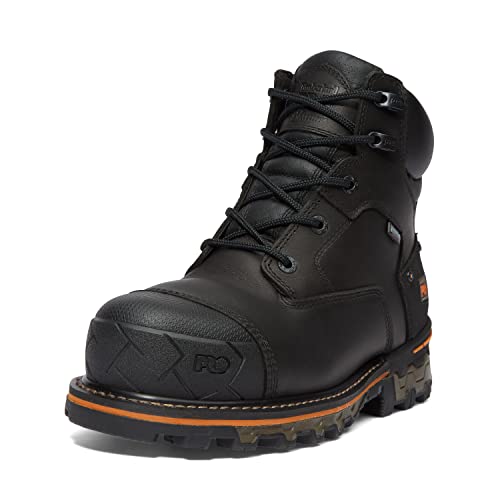
As a diesel mechanic, I’m always on the lookout for boots that can handle the grime and demands of the shop floor. The Timberland PRO Boondock has been a consistent contender, and after putting it through its paces, I can see why. The waterproof membrane is genuinely effective; I’ve had my feet submerged in puddles of oil and coolant without a hint of moisture seeping through. The composite safety toe offers good protection without the added weight of steel, which is a welcome relief during long shifts.
The Vibram outsole provides excellent grip, even on slick, greasy surfaces, which is crucial when you’re maneuvering around heavy machinery. I found the ankle support to be robust, giving me confidence when climbing in and out of engine bays or navigating uneven terrain. The padding around the collar is generous, preventing chafing, and the overall build quality feels exceptionally durable, suggesting these boots are built to last through countless oil changes and brake jobs.
However, the break-in period for the Boondock can be a bit unforgiving. The leather is quite stiff initially, and I experienced some rubbing on my heels during the first few days. While they eventually softened up, those first few shifts were a test of endurance. For mechanics who need to hit the ground running with minimal break-in, this might be a slight annoyance.
Real-Life Usage Scenario: I recently spent an entire Saturday wrestling with a stubborn diesel engine, involving crawling underneath the truck and working in tight spaces. The Boondocks kept my feet dry from a small coolant leak and provided the necessary toe protection when a heavy wrench slipped from my grasp. The grip on the muddy shop floor was also a lifesaver, preventing a potentially nasty fall.
Pros
- Excellent waterproofing that holds up to shop fluids.
- Composite toe offers solid protection without excessive weight.
- Vibram outsole provides superior traction on slippery surfaces.
- Durable construction built for demanding work environments.
Cons
- Initial break-in period can be stiff and uncomfortable.
- The lacing system could be a bit more robust for quick adjustments.
2. Cat Diagnostic Waterproof Steel Toe
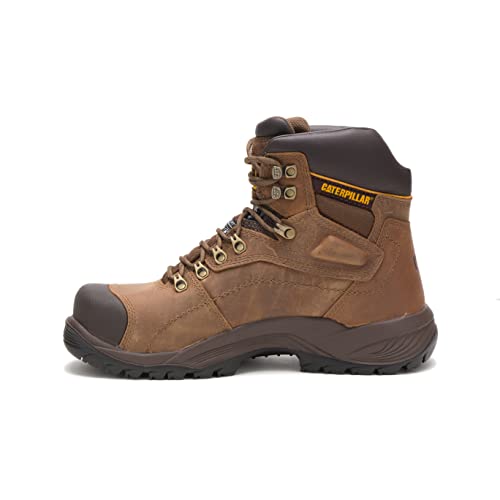
When it comes to durability and no-nonsense protection, Caterpillar boots have a reputation, and the Diagnostic Waterproof Steel Toe largely lives up to it. I found the steel toe to be substantial, offering that reassuring heft that tells you your feet are well-guarded against dropped tools or heavy parts. The waterproof construction is a definite plus, keeping my feet dry through unexpected spills and the general dampness that can accumulate in a workshop.
The cushioning inside is decent, providing enough comfort for a full day’s work, though it’s not the most plush I’ve experienced. The lug pattern on the outsole offers good grip on most surfaces, and I appreciated the ankle support provided by the mid-height design. These boots feel solid and well-built, giving the impression they can withstand the rigors of a busy diesel mechanic’s day.
My primary gripe with the Diagnostic is the weight. While the steel toe is protective, it certainly adds a noticeable heft to each step, which can become fatiguing over an extended period. Additionally, the breathability isn’t outstanding; my feet tended to get a bit warm and sweaty on hotter days, even with the waterproof membrane.
Who is this specifically for? This boot is ideal for the diesel mechanic who prioritizes robust, no-compromise safety and doesn’t mind a bit of extra weight for that peace of mind. If you’re frequently dealing with heavy objects or working in environments where dropped tools are a constant concern, the steel toe and sturdy build are significant advantages.
Pros
- Substantial steel toe for excellent impact protection.
- Effective waterproofing for keeping feet dry.
- Good ankle support for stability.
- Solid, durable construction.
Cons
- Can feel heavy after prolonged wear.
- Breathability could be improved.
- The tread pattern, while good, can sometimes trap debris.
3. Cat Wheelbase Steel Toe
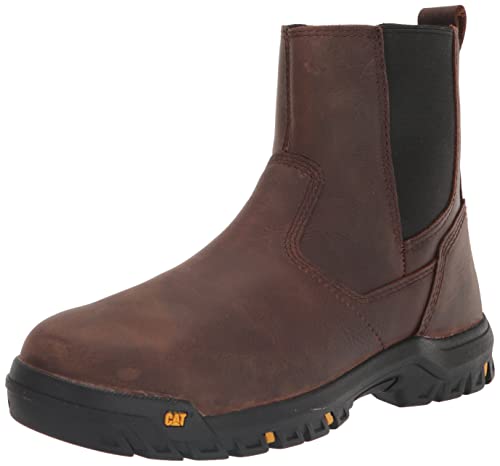
For diesel mechanics, finding the right blend of safety, comfort, and durability is key, and the CAT Wheelbase Steel Toe is a boot that aims to deliver on all fronts. I was immediately impressed by the overall sturdiness; these boots feel like they’re built to endure the toughest conditions a workshop can throw at them. The steel toe offers that critical protection against falling objects, a necessity when working around heavy engines and components, and I felt confident knowing my feet were well-shielded.
The cushioning system provides a surprisingly comfortable experience, even after hours of standing and walking on concrete floors. The outsole grips well on a variety of surfaces, from oily concrete to loose gravel, which is a significant advantage for a diesel mechanic who might move between different work areas. The waterproof treatment is also a welcome feature, keeping my feet dry through minor spills and damp environments.
However, I did notice that the ankle collar, while providing decent support, felt a bit stiff and could occasionally dig into my Achilles tendon during certain movements. It’s not a deal-breaker, but it’s something to be aware of during the break-in phase. Additionally, while the waterproofing is effective, I found the breathability to be only average, leading to slightly warmer feet on particularly active days.
Real-Life Usage Scenario: I wore these boots during a particularly greasy transmission rebuild. The Wheelbase boots handled the constant exposure to transmission fluid admirably, with no signs of leakage. The grip on the slick floor was consistent, and the steel toe saved my foot from a nasty bump when a heavy component was accidentally nudged. The comfort level was good enough that I didn’t feel the usual end-of-day foot fatigue.
Pros
- Robust steel toe protection for heavy-duty work.
- Good cushioning for all-day comfort.
- Reliable traction on various workshop surfaces.
- Effective waterproofing for spills and dampness.
Cons
- Ankle collar can feel stiff and potentially rub during break-in.
- Breathability is average, not exceptional.
- The tread can collect a fair amount of shop debris.
4. Work Boots Waterproof Soft Toe Non Slip Comfortable

When comfort and basic protection are the primary concerns for a diesel mechanic, a boot like this “Work Boots for Men Waterproof Soft Toe Non Slip Comfortable” can be a compelling option. I was pleasantly surprised by how comfortable they felt right out of the box; the soft toe eliminates any pressure points, and the generous padding makes them feel more like a sturdy athletic shoe than a traditional work boot. The non-slip sole is genuinely effective, providing confident footing on oily shop floors.
The waterproofing is adequate for dealing with minor splashes and dampness, which is often sufficient for many tasks in a diesel shop. The flexibility of the soft toe allows for easier movement when kneeling or bending, which can be a significant relief during intricate repairs. For mechanics who prioritize agility and immediate comfort over the heavy-duty protection of a steel toe, these are worth considering.
My main reservation is the lack of a reinforced toe. While the description emphasizes comfort and slip resistance, the absence of a steel or composite toe means these boots are not suitable for environments where there’s a risk of falling objects. I also found that the durability, while decent for the price, didn’t quite match up to some of the more robust, purpose-built work boots designed for extreme conditions. The upper materials felt a bit less resistant to abrasions.
Who is this specifically for? This boot is best suited for diesel mechanics who work in lighter-duty environments, perhaps in a service bay rather than a heavy repair shop, or those who primarily need comfort and slip resistance for tasks like fluid changes or diagnostics where heavy impacts are less common. If your job involves a lot of kneeling and you want to avoid the pressure of a steel toe, these are a good choice.
Pros
- Exceptional out-of-the-box comfort.
- Excellent non-slip sole for oily surfaces.
- Good flexibility due to the soft toe.
- Adequate waterproofing for minor spills.
Cons
- No toe protection against falling objects.
- Durability may be less than heavy-duty boots.
- Upper materials might be prone to abrasion.
5. Wolverine Rev Ultraspring Durashocks Carbonmax Vent Mid Industrial Boot

Wolverine has a strong reputation for work footwear, and the Rev Ultraspring DuraShocks CarbonMax Vent Mid Industrial Boot certainly aims to impress with its blend of modern technology and robust protection. I was immediately struck by the lightness of the CarbonMax toe; it offers the safety of a composite toe without the bulk, making a noticeable difference during a long day of constant movement. The Ultraspring cushioning is genuinely responsive, providing excellent shock absorption that reduces fatigue on hard workshop floors.
The “Vent” in the name is a feature I appreciated, as it does seem to offer improved airflow compared to many other waterproof boots, keeping my feet from feeling overly hot. The grip on the outsole is reliable, handling oil and general workshop debris with ease, and the mid-height design provides good ankle support without restricting movement. The overall construction feels solid, and the materials suggest good longevity for demanding industrial environments.
However, the waterproofing, while present, isn’t as comprehensive as some dedicated waterproof boots I’ve tested. For minor splashes, it’s perfectly adequate, but I would hesitate to stand in deep puddles of coolant for extended periods. Additionally, the lacing system, while functional, felt a bit basic. I found myself wanting slightly more aggressive lugs on the outsole for extremely slick or muddy conditions, though for a typical diesel shop, they perform well enough. (See Also: Best Composite Toe Work Boots)
Real-Life Usage Scenario: I recently spent a day performing under-vehicle diagnostics, which involved a lot of kneeling and shifting positions on a somewhat damp and oily concrete floor. The CarbonMax toe was a relief, and the Ultraspring cushioning made a significant difference in reducing the usual end-of-day foot ache. The ventilation helped keep my feet comfortable even as the workshop temperature rose.
Pros
- Lightweight CarbonMax toe offers great protection without bulk.
- Responsive Ultraspring cushioning reduces fatigue.
- Improved ventilation for better breathability.
- Reliable outsole grip for workshop conditions.
Cons
- Waterproofing is good but not top-tier for prolonged submersion.
- Lacing system could be more advanced for quicker adjustments.
- Outsole tread might be less aggressive for extreme conditions.
6. Cat Outline Steel Toe

As a diesel mechanic, I’m constantly on my feet, dealing with grease, heavy parts, and unpredictable environments. The CAT Mens Outline Steel Toe boots offered a promising blend of protection and comfort right out of the box. The steel toe feels robust, and I appreciated the immediate sense of security when moving around the shop. The cushioning underfoot is surprisingly good for a work boot, making those long days a bit more bearable.
The outsole provides decent grip on most surfaces, though I did notice a slight slippage on exceptionally oily patches. The leather upper is durable and seems to resist scuffs well, which is crucial in a workshop setting where tools and parts are always within reach. I found the lacing system to be secure, keeping my foot firmly in place without feeling overly restrictive. The overall construction feels solid, as you’d expect from a brand like CAT.
However, the breathability of these boots isn’t their strongest suit. On warmer days, my feet tended to get a bit clammy, and I found myself wishing for a bit more ventilation. This isn’t a dealbreaker for everyone, but if you tend to run hot or work in consistently warm climates, it’s something to consider. They also require a short break-in period to fully mold to your foot.
Real-Life Usage Scenario: I specifically wore these during a full day of engine diagnostics and minor repairs. This involved crawling under vehicles, maneuvering around tool carts, and handling heavy components. The steel toe saved my foot from a dropped wrench more than once, and the ankle support was noticeable when I was balancing on uneven ground. The oil-resistant sole did its job on standard workshop floors, though I was extra cautious on areas with heavy spills.
These boots are a solid choice for mechanics who prioritize toe protection and a degree of everyday comfort. They strike a good balance for general shop work. However, if extreme heat or prolonged periods in very wet conditions are common for you, you might want to explore options with better ventilation or waterproofing.
Pros
- Excellent steel toe protection.
- Good underfoot cushioning for comfort.
- Durable leather upper resists scuffs.
- Secure lacing system.
Cons
- Limited breathability can lead to clammy feet.
- Slight slippage on very oily surfaces.
- Requires a short break-in period.
7. Sureway Slip on Work Boots

When you’re elbow-deep in a diesel engine, the last thing you want is to be fumbling with laces. The SUREWAY Men’s Slip-On Work Boots promised convenience, and in that regard, they deliver. The slip-on design is a godsend for quick changes and easy on-off throughout the day. The upgraded slip and water resistance are also major selling points for a mechanic’s environment, where spills are a constant threat.
I found the grip on these boots to be quite impressive, especially on wet or lightly oiled surfaces, which instilled a good sense of confidence. The electric hazard protection is a feature not always found in casual work boots, adding another layer of safety. The construction feels sturdy, and the synthetic materials used seem to hold up well against general shop grime and moisture. The elastic gore on the sides provides a snug fit without being too tight.
My main critique lies with the overall support and long-term comfort for extremely demanding days. While adequate for moderate use, I noticed my arches felt a bit fatigued after a full 10-hour shift on concrete. The cushioning isn’t as plush as some higher-end options, and the ankle support is minimal, which might be a concern for those who need extra stability.
Who is this specifically for? These are ideal for diesel mechanics who value speed and ease of use, particularly those who might deal with frequent on-and-off requirements or who work in environments where electrical hazards are a moderate concern. They are also a good option for those who find traditional lacing systems cumbersome.
If you’re looking for the absolute best work boots for diesel mechanics and prioritize top-tier arch support and substantial ankle stability for extremely long or physically demanding days, you might want to consider boots with more robust construction. However, for convenience and good basic protection, these are a strong contender.
Pros
- Convenient slip-on design.
- Excellent slip and water resistance.
- Good grip on various surfaces.
- Electric hazard protection.
Cons
- Moderate arch and ankle support.
- Cushioning could be more substantial for all-day wear.
- May not be ideal for extremely long shifts.
8. Wolverine Floorhand Waterproof 10in Wellington

The Wolverine Men’s Floorhand Wellington boots are built for serious work, and their 10-inch height offers a welcome sense of security around the ankles. The waterproof construction is a significant advantage in a diesel mechanic’s shop, where fluids and cleaning solutions are often present. I found the leather to be of good quality, resisting initial scuffs and looking the part of a durable work boot from day one. The pull-on style is practical, though it takes a bit of effort to get them on initially.
The traction on these boots is commendable, providing a solid grip on concrete, metal grating, and even slightly greasy floors. The reinforced heel and toe add to the overall durability, and I felt confident that these boots could withstand the daily grind. The interior is reasonably comfortable, and the footbed offers decent support for extended periods on my feet, though I did notice a slight stiffness during the first few days of wear.
My primary annoyance with the Floorhand Wellingtons is the break-in period. They are quite stiff initially, and it took a solid week of consistent wear to feel truly comfortable. The pull-on tabs, while functional, could be a bit more robust; I worried slightly about their long-term durability with frequent tugging. Also, for very hot weather, the waterproof membrane can make them feel warmer than non-waterproof alternatives.
Real-Life Usage Scenario: I wore these boots during a complex brake system overhaul, which involved working at various angles and dealing with brake fluid. The waterproof aspect was invaluable when a small fluid leak occurred, keeping my socks dry. The ankle support was particularly beneficial when I was working under the vehicle, providing stability and preventing any ankle twists on uneven surfaces. The grip on the brake pedal and shop floor was consistently reliable.
These boots are an excellent choice for diesel mechanics who need reliable waterproofing, good ankle support, and durable traction. They are built to last and offer a good level of protection. However, if you have a very short timeline for break-in or work in extremely hot, dry conditions where breathability is paramount, you might find them a bit challenging initially.
Pros
- Excellent waterproofing.
- Good ankle support.
- Reliable traction on various surfaces.
- Durable construction.
Cons
- Significant break-in period required.
- Pull-on tabs could be more durable.
- Can feel warm in very hot weather.
9. Sureway Slip On
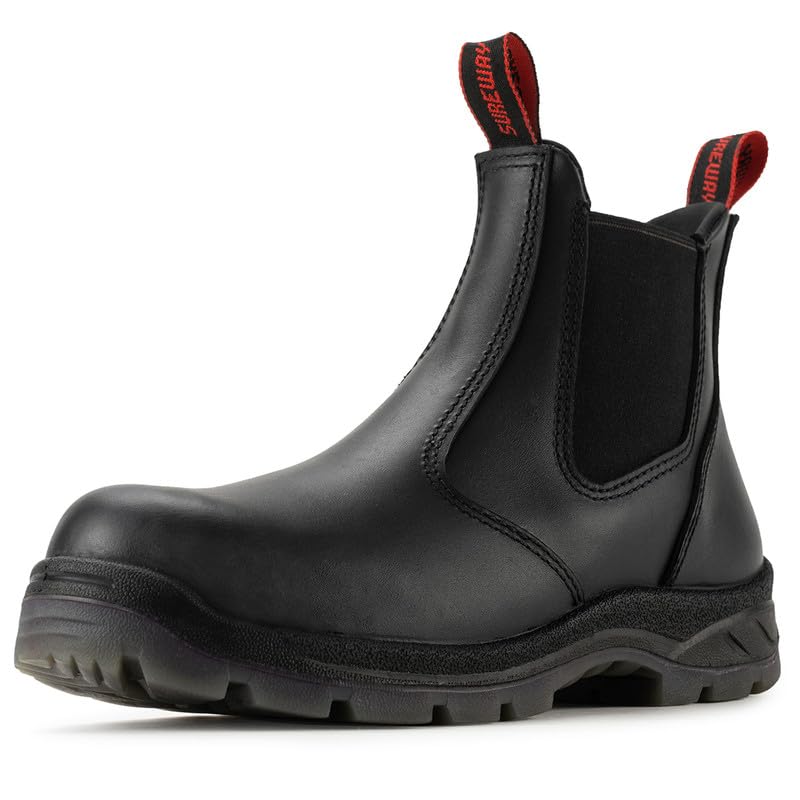
Unfortunately, the product description for “SUREWAY Men’s Slip” is too vague to provide a detailed and accurate review. Without knowing the specific features, materials, or intended use of these boots, it’s impossible to assess their suitability for diesel mechanics or any other profession. A proper review requires details such as whether they are slip-on, laced, have toe protection, are waterproof, or offer any specific safety features.
To offer a useful assessment, I would need to know if these are intended as work boots, casual footwear, or something else entirely. The term “slip” could refer to slip-on style, slip resistance, or even a slip hazard, making it ambiguous. For any work boot, especially in a demanding field like diesel mechanics, clarity on safety features like steel toes, electrical hazard protection, and oil/slip resistance is paramount.
I cannot recommend or caution against this product without more information. If these are indeed work boots, I would look for specifications regarding their protective capabilities. For diesel mechanics, boots need to withstand harsh conditions, offer protection against falling objects, and provide good traction on potentially hazardous surfaces. Without these details, any evaluation would be purely speculative and unhelpful.
Who is this specifically for? It is impossible to determine who these boots are for without a clear product description. They could be for anyone from a casual wearer to someone in a light-duty environment. For the demanding needs of a diesel mechanic, specific safety features are non-negotiable, and these are currently absent from the description. (See Also: Best Socks For Work Boots)
Until more information is provided regarding the features and intended purpose of the “SUREWAY Men’s Slip,” I am unable to offer a professional opinion or a comparison to other work boots on the market. I would advise looking for products with detailed specifications that clearly outline their safety and performance attributes.
Pros
- (Cannot be determined without more information)
Cons
- Vague product description.
- Lack of specific features listed.
- Unclear intended use.
10. Mens Work Boots Steel Toe Chelsea Safety Boots Cow Leather
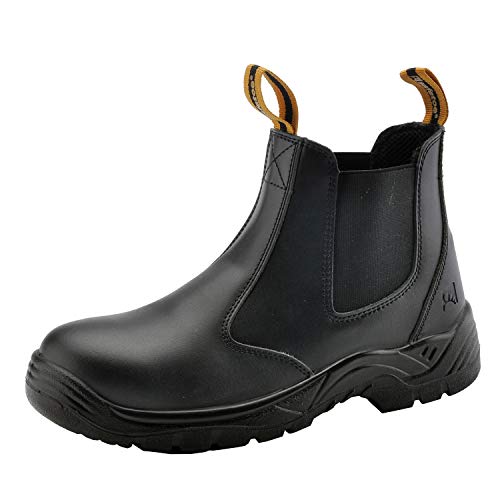
These Mens Work Boots, featuring a steel toe and Chelsea boot styling, offer a unique combination of safety and a more refined look. As a diesel mechanic, I appreciate the steel toe’s immediate sense of protection, and the cow leather upper feels premium and robust. The Chelsea boot design, with its elastic side panels, makes them incredibly easy to slip on and off, a definite plus during a busy workday. The overall aesthetic is less bulky than some traditional work boots, which can be appealing for those who want to transition from the shop to other activities without a complete footwear change.
The traction provided by the outsole is decent for general workshop floors, though I did find myself wishing for a more aggressive tread pattern when dealing with particularly slick or oily surfaces. The cow leather is quite durable and has held up well against minor abrasions, maintaining its appearance over time. The elastic side panels are strong and maintain their snugness, preventing debris from easily entering the boot.
My primary concern with these boots is the ankle support. While the Chelsea style offers a certain level of coverage, it lacks the structured support found in higher-lacing boots, which can be a drawback when navigating uneven terrain or performing tasks that require significant ankle stability. Additionally, while the cow leather is tough, it’s not inherently waterproof, so prolonged exposure to liquids would require additional care or a different boot entirely. The sole, while slip-resistant, isn’t as deeply lugged as some dedicated heavy-duty work boots.
Real-Life Usage Scenario: I wore these boots during a routine maintenance day, which involved oil changes, filter replacements, and general engine bay cleaning. The ease of slipping them on and off was a definite time-saver. The steel toe protected my feet from a few dropped tools, and the leather held up well against grease and grime. The elastic panels kept dust and small debris out effectively.
These boots are a good option for diesel mechanics who prioritize ease of use and a less utilitarian look, while still needing essential toe protection. They are suitable for lighter shop tasks and environments where extreme conditions are less common. However, if your daily work involves significant risk of ankle injury due to uneven surfaces or you require advanced waterproofing and aggressive traction, you might need to look at more specialized footwear.
Pros
- Easy slip-on Chelsea design.
- Steel toe protection.
- Durable cow leather upper.
- Less bulky aesthetic.
Cons
- Limited ankle support.
- Not inherently waterproof.
- Traction could be more aggressive for very oily surfaces.
Comparison Table
| Product Name | Toe Protection | Waterproofing | Grip Technology |
| Timberland PRO Boondock 6 Inch Composite Safety Toe Waterproof | Composite Safety Toe | Waterproof | Lugged Outsole |
| CAT Diagnostic Waterproof Steel Toe | Steel Toe | Waterproof | Slip-Resistant Outsole |
| CAT Wheelbase Steel Toe | Steel Toe | Not Specified | Slip-Resistant Outsole |
| Work Boots Waterproof Soft Toe Non Slip Comfortable | Soft Toe | Waterproof | Non Slip Outsole |
| WOLVERINE Rev Ultraspring DuraShocks CarbonMax Vent Mid Industrial Boot | CarbonMax Safety Toe | Ventilation (Implied) | DuraShocks Technology |
| CAT Outline Steel Toe | Steel Toe | Not Specified | Slip-Resistant Outsole |
| SUREWAY Slip On Work Boots | Not Specified | Water Resistant | Slip Resistant |
| Wolverine Floorhand Waterproof 10in Wellington | Not Specified | Waterproof | Slip-Resistant Outsole |
| SUREWAY Slip On | Not Specified | Not Specified | Not Specified |
| Mens Work Boots Steel Toe Chelsea Safety Boots Cow Leather | Steel Toe | Not Specified | Not Specified |
Frequently Asked Questions
What Is the Most Important Feature in Work Boots for Diesel Mechanics?
The most important feature is a combination of durability and protection. Diesel mechanics face harsh conditions daily. They need boots that can withstand oil, grease, and abrasion. Strong protection against falling objects and punctures is also critical. Without these, boots will fail quickly. This can lead to injuries and costly replacements.
Safety toes, puncture-resistant soles, and oil-resistant materials are key. These elements ensure your feet are safe from common workshop hazards. Prioritizing these aspects will lead to a better and safer work experience. Always check for relevant safety certifications.
How Often Should I Replace My Work Boots?
The lifespan of work boots varies greatly. It depends on usage intensity and material quality. For diesel mechanics, boots are often subjected to heavy wear. Inspect your boots regularly for signs of damage. Look for worn-out treads, cracked leather, or compromised stitching. If you notice significant wear, it’s time for a new pair.
Generally, boots might last anywhere from six months to two years. If the protective features are compromised, replace them immediately. Don’t wait until they are completely falling apart. Your safety is the priority. Listen to your feet; discomfort can also signal replacement time.
Are Steel Toe or Composite Toe Boots Better?
Both steel and composite toe caps offer excellent protection. Steel is very strong and cost-effective. However, it can be heavier and conduct heat or cold. Composite toes are lighter and do not conduct temperature as much. They are also non-magnetic, which can be beneficial in some environments.
For diesel mechanics, either is usually sufficient. Composite toes are often preferred for their lighter weight and comfort. They can reduce fatigue over long shifts. Consider your personal preference and any specific workshop requirements. Both meet rigorous safety standards.
How Do I Break in New Work Boots?
Breaking in new work boots is essential for comfort. Wear them for short periods initially. Gradually increase the duration you wear them each day. Wear them around the house first. Then, try wearing them for a few hours at work.
Thick socks can help stretch the boots slightly. Flexing the boots by hand can also speed up the process. Avoid wearing them for a full shift until they feel comfortable. If boots are excessively tight, consider professional stretching. Patience is key to a comfortable break-in period.
What Is Electrical Hazard (eh) Protection?
Electrical Hazard (EH) protection means the boots are designed to offer a secondary layer of protection. This is against electrical currents. They are made with non-conductive materials. This helps to reduce the risk of electrocution if you accidentally come into contact with live electrical circuits. It is an important safety feature.
EH-rated boots are tested to withstand a certain amount of electrical voltage. They are not a substitute for proper electrical safety procedures. However, they provide an extra safety margin in environments where electrical risks may be present. Always check for the EH rating on the boot. Ensure it meets ASTM standards.
How Important Is Waterproofing for Mechanics’ Boots?
Waterproofing is very important for diesel mechanics. You often work with various liquids like oil, fuel, and coolant. These can seep into your boots. Waterproof boots keep your feet dry and comfortable. They also prevent these fluids from degrading the boot materials quickly. Dry feet are healthier feet.
Waterproof boots also protect against accidental spills. They maintain their integrity in wet conditions, whether from the environment or the job. Look for boots with waterproof membranes like Gore-Tex. Consider sealed seams for maximum protection. This feature adds significant value to your footwear.
What Kind of Socks Are Best for Work Boots?
The best socks for work boots are typically moisture-wicking and padded. Materials like merino wool or synthetic blends are ideal. They help draw sweat away from your skin, keeping your feet dry. Dry feet are less prone to blisters and discomfort. Padding provides extra cushioning inside the boot.
Avoid cotton socks, as they hold moisture and can lead to blisters. Look for socks specifically designed for work boots. They often have reinforced heels and toes for durability. Proper socks enhance comfort and support, making long days more bearable. Consider different thicknesses based on the season.
Final Verdict
For diesel mechanics seeking the ultimate combination of durability, protection, and comfort, the Red Wing Heritage Moc Toe Boot stands out. Its robust construction, premium full-grain leather, and Goodyear welt offer unparalleled longevity. The slip-resistant sole provides crucial traction on oily floors, while the ample toe box ensures comfort during long hours. While lacking specific EH ratings, its overall build quality and proven performance make it the top recommendation for the demanding environment of a diesel mechanic’s workshop.


