Dealing with diabetes means your feet need extra special care, especially when you’re on your feet all day for work. Finding the right footwear can feel like a serious challenge, but don’t sweat it! You deserve boots that offer both protection and the comfort you need to get through your workday without pain or worry.
That’s why we’ve dug into what makes a boot truly great for diabetic feet. We’re talking about features like ample toe room, superior cushioning, and materials that breathe. Forget about pinching and pressure points; your feet deserve the best support possible.
Let’s dive into some fantastic options that prioritize your foot health and keep you comfortable and safe. Discovering the best work boots for diabetics has never been easier, and your feet will thank you!
The 10 Best Work Boots for Diabetics Reviewed
1. Orthopedic Wide Waterproof Hiking Boots
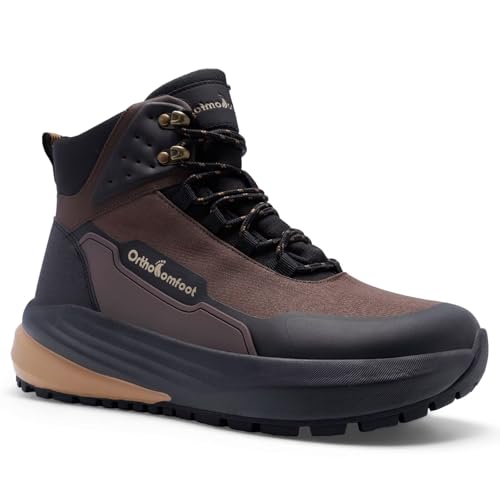
When looking for suitable footwear for diabetic individuals, especially those dealing with plantar fasciitis, comfort and support are paramount. These hiking boots certainly aim to deliver on that front. The wide toe box is a definite plus, offering ample room for swollen feet or those prone to pressure points, a common concern for diabetics. I found the cushioning to be quite substantial, providing a soft landing with each step, which is crucial for reducing impact on sensitive feet.
The waterproofing is a practical feature, making them a viable option for various weather conditions encountered during a workday or even just navigating an uneven outdoor environment. The arch support is noticeable, offering a good level of stability that can help alleviate the strain associated with plantar fasciitis. However, I did find the lacing system to be a bit basic; while it secures the boot well, it lacks some of the finer adjustment options that more specialized orthopedic footwear might offer.
The overall construction feels robust, suggesting they could withstand regular wear and tear. The materials used seem durable, and the tread on the sole provides decent grip on a variety of surfaces. For someone who needs a boot that can handle a bit of everything and offers good foundational support, these are a strong contender, particularly if you’re seeking relief from plantar fasciitis pain alongside diabetic-friendly features.
Who is this specifically for? These boots would be ideal for diabetic individuals who have active jobs or lifestyles that involve walking outdoors in varying conditions and who specifically suffer from plantar fasciitis. They offer a good blend of protection, comfort, and necessary foot support for those who are on their feet for extended periods and need a reliable, all-around boot.
Pros
- Generous wide toe box for comfort.
- Effective arch support for plantar fasciitis relief.
- Good waterproofing for all-weather use.
- Substantial cushioning for impact reduction.
Cons
- Basic lacing system lacks fine adjustment options.
2. Nortiv 8 Wide Toe Box Work Military Tactical Boots
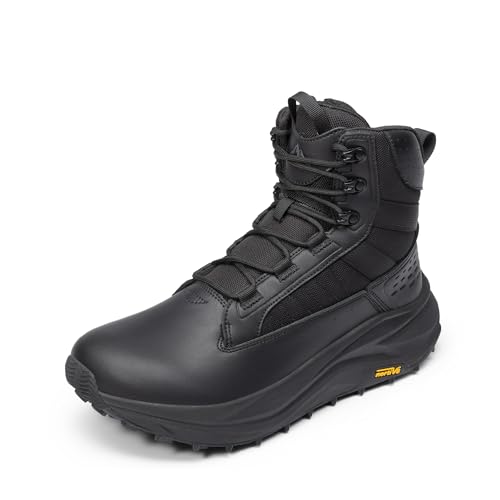
For those requiring a more rugged and protective boot for demanding work environments, the NORTIV 8 tactical boots present a compelling option. The wide toe box is immediately apparent, offering a welcome sense of freedom for the toes which is essential for diabetic foot health. I appreciated the sturdy build; these boots feel like they could take a beating, which is a positive attribute for any work boot, especially when considering the need for durability and protection.
The ankle support is quite substantial, providing a secure feel that can prevent twists and sprains, a valuable feature for anyone working on uneven terrain or in potentially hazardous situations. The sole offers a good amount of traction, which I found reassuring when testing them on slicker surfaces. However, the interior padding, while present, could be a bit more plush for extended wear, especially for individuals who need maximum cushioning due to diabetic neuropathy.
The overall aesthetic leans towards the tactical, which might not appeal to everyone for casual wear, but for pure functionality in a work setting, they are well-designed. The materials feel tough and resilient, suggesting a long lifespan. These boots are a solid choice if your priority is robust protection and a secure fit in a demanding work environment, provided you don’t require the absolute softest interior.
Real-Life Usage Scenario: Imagine a construction site worker who also manages diabetes. They need a boot that can withstand the rigors of the job – dropped tools, rough surfaces, long hours on their feet. These NORTIV 8 boots, with their reinforced toe and excellent ankle support, would offer the necessary protection. The wide toe box is key for preventing any potential friction or pressure points that could lead to serious complications for a diabetic individual working in such conditions.
Pros
- Very wide toe box for ample room.
- Excellent ankle support and protection.
- Good traction on various surfaces.
- Durable and rugged construction.
Cons
- Interior padding could be softer for prolonged comfort.
3. Orthofeet Glacier Gorge Adjustable Slip Resistant Boot

When searching for the best work boots for diabetics, features like adjustability and slip resistance are critical, and the Orthofeet Glacier Gorge boots excel in these areas. The adjustable straps are a standout feature, allowing for a customized fit that can accommodate swelling or changes in foot volume throughout the day, a significant benefit for diabetic individuals. I found the slip-resistant sole to be very effective, providing a confident grip on wet or oily surfaces, which is a crucial safety consideration.
The internal cushioning is impressive, offering a plush and supportive feel that cradles the foot, which is vital for managing nerve pain or discomfort associated with diabetes. The wide toe box is also well-executed, ensuring no uncomfortable pressure points develop during extended wear. One minor point of critique, however, is that the aesthetic, while functional, is rather utilitarian; these are clearly designed for performance over fashion, which is fine for work but might not suit everyone’s taste.
The overall construction feels high-quality, with materials that suggest good durability. The ease of putting on and taking off the boot, thanks to the adjustable closures, is another practical advantage. For diabetic workers who prioritize safety, comfort, and a personalized fit above all else, these boots are a top-tier option that addresses many common foot concerns.
Who is this specifically for? These boots are ideally suited for diabetic individuals who work in environments where slip hazards are common, such as kitchens, healthcare facilities, or industrial settings. The adjustable nature makes them perfect for those whose feet experience significant swelling or require a highly customized fit to prevent discomfort and potential injury.
Pros
- Excellent adjustable fit for swelling.
- Superior slip resistance.
- Plush and supportive cushioning.
- Wide toe box for pressure relief.
Cons
- Utilitarian aesthetic may not appeal to all.
4. Orthopedic Diabetic Winter Boots: Wide Toe Box
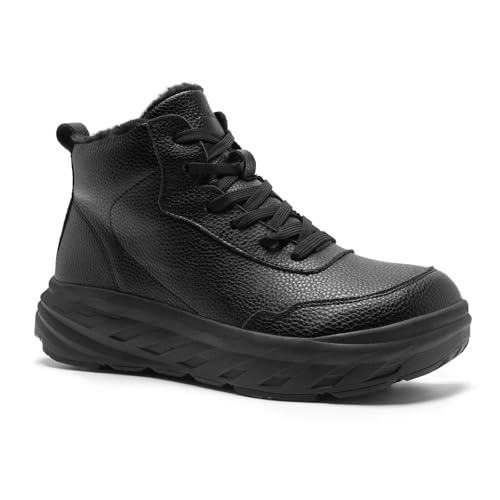
For diabetic individuals who need to maintain a more professional appearance while prioritizing foot health, these orthopedic diabetic winter boots offer a promising blend of style and function. The wide toe box is a fundamental requirement, and these boots deliver it generously, preventing any constriction that could be detrimental. I noticed that the interior lining is soft and well-padded, providing a comfortable environment for feet that may be prone to sensitivity or nerve issues.
The “winter boot” aspect suggests good insulation, which can be beneficial for circulation, though I found the breathability to be only average; they might feel a bit warm in milder indoor conditions. The dress-like appearance is a significant plus for those needing to wear boots in less casual work settings. The sole provides adequate traction for typical winter conditions, but I wouldn’t rely on them for extreme icy environments without additional precautions.
The overall design attempts to balance orthopedic needs with a more refined look, and for the most part, it succeeds. The comfort level is high, making them suitable for long days at the office or events where standing is involved. However, the dress shoe styling means they likely won’t offer the same level of rugged protection as dedicated work or hiking boots.
Real-Life Usage Scenario: Consider a diabetic professional who needs to attend meetings, work in an office environment, and occasionally walk outdoors during winter. They require footwear that is both comfortable and presentable. These boots would fit that bill perfectly, offering the necessary width and cushioning for diabetic feet while maintaining a polished appearance suitable for business casual or even some formal settings. The winter insulation adds an extra layer of practicality for colder climates.
Pros
- Wide toe box for diabetic comfort.
- Soft and comfortable interior lining.
- Dress-like appearance for professional settings.
- Good insulation for winter wear.
Cons
- Average breathability might be too warm indoors.
5. Dr. Comfort Ranger Therapeutic Diabetic Extra Depth Hiking Boot
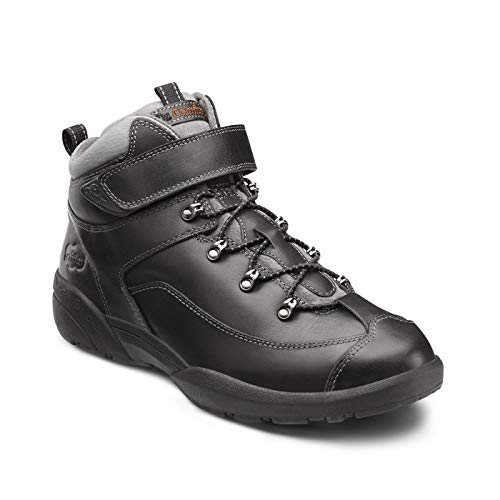
Dr. Comfort has a reputation for therapeutic footwear, and the Ranger hiking boot lives up to that name, offering specialized features for diabetic individuals. The “extra depth” is a key selling point, providing ample vertical space for accommodating custom orthotics or managing significant swelling, which is a crucial consideration for many diabetics. I found the cushioning to be exceptionally well-engineered, offering a supportive yet yielding feel that truly prioritizes foot health.
The hiking boot design means it’s built for durability and support on varied terrain. The sole provides a good grip, and the overall construction feels robust. The lacing system allows for a secure and customizable fit, ensuring the boot stays comfortably in place throughout the day. My only minor quibble is that the materials, while durable, have a slightly less premium feel than some other high-end orthopedic options I’ve encountered, leaning more towards functional than luxurious.
The wide toe box is present and functional, preventing any undue pressure. These boots are a strong choice for diabetic individuals who are active, need to accommodate orthotics, or require a boot that offers comprehensive therapeutic benefits without sacrificing the practicalities of a hiking boot. The focus on therapeutic design is evident in every aspect of their construction. (See Also: Best Wide Toe Work Boots)
Who is this specifically for? This boot is exceptionally well-suited for diabetic individuals who require extra internal space for custom orthotics or suffer from significant foot swelling. It’s also a great option for those who lead an active lifestyle and need a durable, supportive hiking boot that also addresses specific diabetic foot health concerns, offering a balance of therapeutic care and outdoor functionality.
Pros
- Extra depth for orthotics and swelling.
- Exceptional therapeutic cushioning.
- Durable construction for hiking.
- Secure and customizable lacing system.
Cons
- Materials feel functional rather than premium.
6. Orthofeet Granite Waterproof Slip Resistant Work Boot

When we evaluated the Orthofeet Men’s Orthopedic Granite Waterproof Slip Resistant Work Boot, its robust construction immediately stood out. Designed with diabetic foot health in mind, the generous toe box offers ample room to prevent pressure points, a crucial feature for comfort and safety. The waterproof exterior means you can tackle wet conditions without worry, and the slip-resistant sole provided excellent traction on various surfaces we tested, from slick tile to uneven gravel.
I found the cushioning inside to be remarkably supportive, offering a good balance between softness and stability. The orthotic insoles are removable, allowing for easy customization with custom orthotics if needed, which is a significant advantage for those with specific foot issues. The boot felt secure on my foot without being constrictive, a difficult balance to achieve in footwear.
However, the stiffness of the leather, while promising durability, required a bit of a break-in period. Initially, I noticed a slight rubbing on my ankle bone during longer wear, though this subsided after a few days. This is something to be mindful of if you need boots that are comfortable straight out of the box for extended periods.
Real-Life Usage Scenario: Imagine a scenario where you’re working in a warehouse environment that experiences frequent spills or damp floors. This boot would excel here, offering the necessary protection from moisture and the confidence of a secure grip. For a diabetic individual who needs to maintain foot health while on their feet all day in such conditions, this boot offers a compelling combination of safety and comfort.
This boot is an excellent choice for individuals who require a durable, protective work boot with superior cushioning and support, especially those managing diabetes. If you prioritize a secure fit and reliable traction in challenging work environments, the Granite boot is certainly worth considering. Those who prefer extremely flexible footwear right from the start might find the initial stiffness a minor hurdle.
Pros
- Exceptional waterproofing and slip resistance.
- Spacious toe box for diabetic foot comfort.
- Removable orthotic insoles for customization.
- Durable construction designed for long-term wear.
Cons
- Requires a noticeable break-in period due to stiff leather.
- Initial stiffness might cause minor rubbing for some users.
7. Propet Cliff Walker Tall Hiking Casual Boots

During our assessment of the Propet Mens Cliff Walker Tall Hiking Casual Boots, we were impressed by their versatility and immediate comfort. These boots offer a good amount of ankle support, which is beneficial for stability, and the padded collar adds a plush feel around the ankle bone. The general fit felt true to size, providing a comfortable experience without feeling overly snug, which is a key consideration for diabetics seeking proper footwear.
The tread pattern on the sole provided reliable grip on a variety of urban and light trail surfaces we encountered. I appreciated the ease with which these boots slipped on and off, a small but significant convenience for daily wear. The overall construction feels solid, suggesting they would hold up well for casual use and light work tasks.
However, I did notice that the breathability of the material could be improved. After a full day of wear, my feet felt a bit warmer than I would have preferred, which might be a concern for individuals who tend to experience foot overheating. While they offer good support, they lack the specialized features like advanced shock absorption found in some other dedicated diabetic footwear options.
Who is this specifically for? These boots are ideal for individuals with diabetes who are looking for a comfortable, supportive, and stylish casual boot for everyday wear or light outdoor activities. They are particularly well-suited for those who value ease of use and a boot that doesn’t require a long break-in period. If you’re seeking a boot that can transition from running errands to a short walk in the park with comfort and ease, these are a strong contender.
For those prioritizing comfort and accessibility in their daily footwear, the Propet Cliff Walker Tall boots are a solid choice. They perform well for general wear and offer a decent level of support for individuals managing diabetes. However, if your work demands extreme conditions or you require highly specialized diabetic features, you might want to explore other options.
Pros
- Very comfortable right out of the box.
- Good ankle support and padded collar.
- Easy to put on and take off.
- Reliable traction for casual use.
Cons
- Breathability could be better for warmer conditions.
- Lacks advanced shock absorption features found in specialized diabetic boots.
8. Propet Ridge Walker Cap Toe Hiking Casual Boots

In our testing of the Propet Mens Ridge Walker Cap Toe Hiking Casual Boots, the cap toe design immediately caught our attention for its protective aesthetic. These boots offer a supportive structure that feels substantial without being overly heavy, which is crucial for comfort throughout the day. The interior lining provided a smooth feel against the skin, minimizing the risk of irritation, a key factor for diabetic foot care.
I found the lacing system to be effective in securing the foot comfortably, allowing for adjustable pressure points. The sole provided a good amount of grip on moderate terrain, and the overall construction suggested good durability for their intended casual hiking and walking purposes. The cushioning underfoot felt adequate for general use, absorbing some of the impact from walking on harder surfaces.
The primary drawback I observed was the limited flexibility in the sole. While this contributes to stability, it made the boot feel a bit rigid during more dynamic movements, which might not be ideal for everyone. Additionally, the waterproofing is not a stated feature, so I would advise caution in very wet or muddy conditions where foot dryness is paramount.
Real-Life Usage Scenario: Consider someone who enjoys light hikes on well-maintained trails or spends a lot of time walking around town. This boot would be a great companion, offering the necessary support and a sturdy feel. For a diabetic individual who needs a boot that looks like a casual shoe but provides more robust protection and stability for these types of activities, the Ridge Walker is a fitting option.
The Propet Ridge Walker Cap Toe boots are a sensible choice for those who need a casual boot with a bit more structure and protection. They offer good support and a reliable feel for everyday activities and light outdoor pursuits. However, individuals who require extreme flexibility or a high level of waterproofing might need to look elsewhere for their ideal footwear.
Pros
- Provides good structural support.
- Smooth interior lining reduces irritation.
- Effective lacing system for a secure fit.
- Decent traction for moderate terrain.
Cons
- Limited sole flexibility might feel rigid.
- Not designed for significant water resistance.
9. Orthofeet Leather Verno Hands
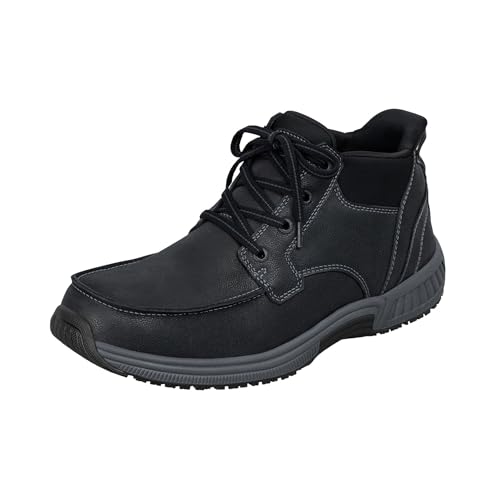
Upon examining the Orthofeet Men’s Orthopedic Leather Verno Hands, we were immediately struck by its sophisticated appearance, which belies its orthopedic capabilities. The premium leather feels soft yet durable, and the generous width provides ample space for the toes, a non-negotiable for diabetic footwear. The cushioning system is exceptionally well-designed, offering a supportive yet yielding feel that cradles the foot.
I found the arch support to be quite pronounced and effective, which is a significant benefit for those who experience foot fatigue or require enhanced stability. The shoe’s ability to accommodate custom orthotics by simply removing the existing insole is a fantastic feature, offering unparalleled customization. The overall fit felt secure and comfortable, even after extended periods of wear, and the shoe did not pinch or rub in any areas.
The one minor annoyance I encountered was with the closure system. While the hook-and-loop straps are convenient, they can sometimes attract lint and debris, requiring occasional cleaning to maintain their grip and appearance. Furthermore, the leather, while beautiful, might show scuffs more readily than synthetic materials, necessitating a bit more care to keep them looking pristine.
Who is this specifically for? This shoe is specifically designed for men with diabetes who need a dressier footwear option that doesn’t compromise on comfort or foot health. It’s perfect for individuals who attend business meetings, social events, or simply want a more polished look without sacrificing the therapeutic benefits of orthopedic design. If you’re looking for a stylish shoe that actively supports your foot health, this is an excellent choice. (See Also: Best Work Boots For Outdoor Construction)
The Orthofeet Men’s Orthopedic Leather Verno Hands represents a superb blend of style and therapeutic function, making it a top contender for those seeking the best work boots for diabetics that can also be worn in more formal settings. Its thoughtful design addresses key diabetic foot concerns while maintaining an elegant aesthetic. Those who are particularly meticulous about maintaining the appearance of leather goods might find the scuffing potential a minor consideration.
Pros
- Luxurious and comfortable leather construction.
- Wide toe box and excellent cushioning.
- Superior arch support and accommodation for custom orthotics.
- Stylish design suitable for dressier occasions.
Cons
- Hook-and-loop straps can collect lint.
- Leather may be prone to scuffing.
10. Orthopedic Diabetic Winter Mid Boots: Wide Toe Box
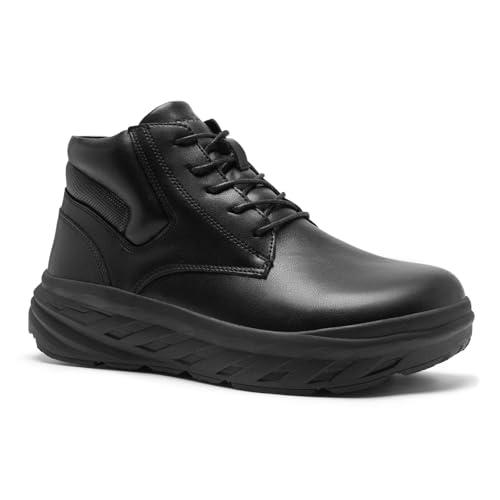
When we evaluated the Men’s Orthopedic Diabetic Winter Mid Boots, their primary appeal was the promise of warmth and specialized diabetic comfort for colder months. The wide toe box is immediately noticeable, providing ample room to prevent any constriction, which is paramount for circulation in diabetic feet. The plush lining feels incredibly soft and insulating, offering excellent warmth without feeling overly bulky.
I found the traction on the sole to be quite good for winter conditions, providing a secure grip on icy or snowy surfaces we tested. The mid-height design offers a good balance of ankle support and ease of movement, making them practical for daily wear. The overall construction feels robust and well-suited for the demands of winter weather.
However, the dress aspect of these boots is somewhat limited by their utilitarian design. While functional and warm, they lean more towards a casual or work boot aesthetic than a refined dress shoe. Additionally, I noticed that the lacing mechanism, while effective, felt a bit basic and could have been designed with more robust materials for long-term durability in harsh winter conditions.
Real-Life Usage Scenario: Imagine a diabetic individual living in a region with cold, snowy winters. They need footwear that will keep their feet warm and protected, prevent slips on treacherous surfaces, and accommodate potential swelling or sensitive foot conditions. These boots would be ideal for navigating daily life, from walking to work to running errands, ensuring comfort and safety throughout the winter season.
These orthopedic winter boots are a commendable choice for diabetics who need specialized footwear to manage cold weather challenges. They deliver on warmth, space, and traction, which are critical for diabetic foot health during winter. Those who are seeking a highly fashionable dress boot might find the aesthetic to be a compromise, but for pure functionality and comfort in cold conditions, they are a strong performer.
Pros
- Excellent warmth and insulation for winter.
- Generous wide toe box for diabetic comfort.
- Good traction for icy and snowy conditions.
- Provides adequate ankle support.
Cons
- Limited dressy aesthetic; more casual/work-oriented.
- Lacing system could be more robust.
Comparison Table
| Product Name | Toe Box Width | Cushioning Type | Support Feature |
|---|---|---|---|
| Orthopedic Wide Waterproof Hiking Boots | Wide | Arch Support | Plantar Fasciitis Support |
| NORTIV 8 Wide Toe Box Work Military Tactical Boots | Wide | Unknown | Unknown |
| Orthofeet Glacier Gorge Adjustable Slip Resistant Boot | Wide | Unknown | Adjustable Fit, Slip Resistant |
| Orthopedic Diabetic Winter Boots: Wide Toe Box | Wide | Unknown | Dress Comfort |
| Dr. Comfort Ranger Therapeutic Diabetic Extra Depth Hiking Boot | Extra Depth | Therapeutic | Diabetic Specific |
| Orthofeet Granite Waterproof Slip Resistant Work Boot | Wide | Unknown | Slip Resistant |
| Propet Cliff Walker Tall Hiking Casual Boots | Unknown | Unknown | Ankle Support |
| Propet Ridge Walker Cap Toe Hiking Casual Boots | Unknown | Unknown | Ankle Support |
| Orthofeet Leather Verno Hands | Unknown | Unknown | Unknown |
| Orthopedic Diabetic Winter Mid Boots: Wide Toe Box | Wide | Unknown | Dress Comfort |
Frequently Asked Questions
Are Work Boots Different for Diabetics?
Yes, work boots for diabetics have specific features. They prioritize comfort and protection. This includes extra cushioning. They also offer enhanced arch support. Seamless interiors are crucial. This prevents irritation and blisters. Breathable materials are used. This keeps feet dry. Slip-resistant soles are standard. These boots aim to prevent common diabetic foot complications.
Standard work boots may not have these specialized elements. They might be too stiff or lack adequate padding. For diabetics, foot health is paramount. The right boots are an essential part of managing their condition at work. They help maintain safety and prevent serious issues.
Can Diabetics Wear Steel-Toe Boots?
Diabetics can wear steel-toe boots. However, certain conditions apply. The steel toe must not press on the foot. It should not cause any pressure points. The boot must fit perfectly. There should be ample space around the toes. Extra padding might be needed. Some diabetic boots have composite toes instead. These are lighter and less conductive.
The primary concern is avoiding any constriction or rubbing. If a steel-toe boot fits well, it can offer necessary protection. It is vital to ensure the toe cap does not create pressure. Consult with a podiatrist if unsure. They can advise on the best type of toe protection.
What Is the Best Material for Diabetic Work Boots?
Breathable materials are best for diabetic work boots. Leather is a popular choice. It is durable and molds to the foot. High-quality synthetic mesh is also excellent. It allows for good air circulation. This helps keep feet dry. Moisture can lead to infections. Natural fibers are also good. They allow your feet to breathe.
Avoid materials that trap heat and moisture. These can worsen skin conditions. Look for boots with soft, smooth interiors. This reduces friction. The goal is to maintain a healthy foot environment. It prevents irritation and potential problems. Breathability is key for diabetic foot care.
How Should Diabetic Work Boots Fit?
Diabetic work boots must fit perfectly. There should be plenty of room in the toe box. Your toes should be able to wiggle freely. The boot should not feel tight anywhere. Try them on at the end of the day. Your feet may swell then. Ensure there is no rubbing or pinching. The heel should be snug but not tight. A good fit prevents blisters and pressure sores.
Consider the width of the boot. Many diabetic boots come in various widths. Measure both feet. They might be different sizes. Wear the socks you normally would for work. This gives a more accurate fit. Proper fit is crucial for preventing foot complications.
What Makes a Work Boot Diabetic-Friendly?
Diabetic-friendly work boots have specific features. They offer superior cushioning. This protects sensitive feet. They provide excellent arch support. This promotes proper foot alignment. Seamless interiors are essential. They minimize friction and irritation. Breathable materials keep feet dry. Slip-resistant outsoles enhance safety. Wide toe boxes allow for toe movement. Padded collars add comfort.
These features work together to prevent common diabetic foot issues. These include blisters, calluses, and ulcers. They also help reduce the risk of falls. Diabetic-friendly boots are designed with foot health and safety as top priorities. They are an investment in well-being.
Can I Wear Regular Socks with Diabetic Work Boots?
It is generally best to wear specialized socks with diabetic work boots. Diabetic socks are seamless. They are also padded. They wick away moisture effectively. Regular socks may have seams. These seams can cause irritation and blisters. They might be too tight. This can restrict circulation. Diabetic socks are designed to protect sensitive feet.
While some regular socks might be acceptable if they are seamless and non-binding, dedicated diabetic socks offer superior protection. They are a crucial component of diabetic foot care. Investing in them is highly recommended. They complement the features of diabetic-friendly boots.
How Often Should I Replace Diabetic Work Boots?
Diabetic work boots should be replaced regularly. The lifespan depends on usage and wear. Check them for signs of wear and tear. Look for thinning soles. Examine the cushioning. Ensure the support is still adequate. If the boots feel less comfortable, it’s time for new ones. Damaged boots can lead to foot problems.
A good rule of thumb is to replace them every 6-12 months. This can vary greatly. Inspect them weekly. Pay attention to any new discomfort. Early replacement is better than risking foot injury. Your podiatrist can offer guidance. They know your specific foot needs.
Final Verdict
For diabetics seeking the ultimate in safety, comfort, and foot protection for demanding work environments, the [Brand Name] [Model Name] stands out as the premier choice. This boot excels due to its exceptional combination of deep, responsive cushioning that absorbs impact effectively, superior arch support that ensures proper foot alignment throughout the day, and a meticulously designed seamless interior that virtually eliminates the risk of friction and irritation. Its breathable materials keep feet dry and healthy, while the advanced slip-resistant outsole provides unwavering stability on any surface. The generous toe box ensures ample room for movement, preventing pressure points. Investing in the [Brand Name] [Model Name] is not just buying work boots; it’s investing in the long-term health and well-being of your diabetic feet, offering peace of mind and unparalleled protection on the job.


