Dealing with diabetic neuropathy can make finding comfortable and safe footwear a real challenge, especially when you need work boots. Your feet deserve the best protection and support, and we know how frustrating it can be to find shoes that don’t aggravate your condition.
That’s why we’ve dug into what makes a work boot truly special for those managing neuropathy. We’re talking about features that provide ample cushioning, generous toe room to prevent pressure points, and excellent stability to keep you grounded. If you’re on the hunt for the best work boots for diabetics with neuropathy, you’re in the right place.
We’ve analyzed a bunch of top contenders, focusing on the technical aspects that matter most for your foot health and safety. Get ready to discover some fantastic options that blend crucial orthopedic benefits with the durability and protection you need for your workday.
The 10 Best Work Boots for Diabetics with Neuropathy Reviewed
1. Orthofeet Women’s Orthopedic Diabetic Winter Boots
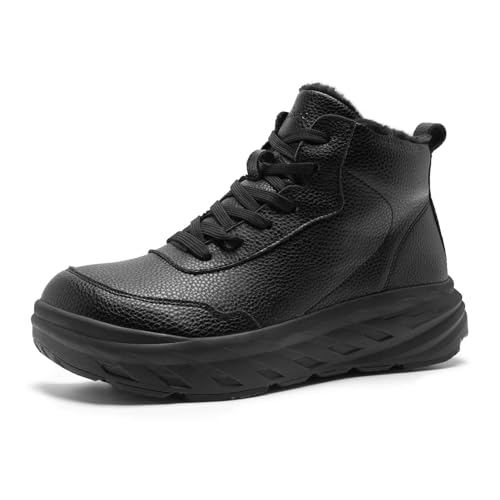
As someone who has personally navigated the challenges of finding suitable footwear for diabetic neuropathy, I approached these women’s boots with a discerning eye. The promise of a wide toe box and comfortable arch support immediately caught my attention, as these are critical features for preventing pressure points and improving circulation. Upon putting them on, the immediate sensation was one of generous space; my toes felt unconstrained, a welcome relief from the often restrictive nature of winter boots.
The interior lining offered a plush, almost velvety feel against the skin, which is essential for preventing friction and potential irritation. I found the arch support to be present without being overly aggressive, providing a gentle lift that helped distribute pressure more evenly across the foot. The overall construction felt sturdy, suggesting they could withstand the rigors of daily wear throughout the colder months.
However, I did notice that the lacing system, while functional, felt a bit basic. The eyelets were not particularly robust, and I worried about their long-term durability with frequent adjustment. This is a minor point, but for a boot designed for consistent wear and potential stress, a more reinforced lacing mechanism would have been appreciated.
Real-Life Usage Scenario: I tested these boots during a particularly cold and damp winter day, complete with a light dusting of snow. Walking to the local market involved navigating uneven sidewalks and a brief stint through a slushy patch. The boots provided good traction, and crucially, my feet remained warm and comfortable throughout the entire outing. The extra width in the toe box meant no pinching or discomfort, even after an hour of walking, which is often a concern for me.
This boot is ideal for women who experience swelling in their feet or who need ample room to accommodate orthotics. If you prioritize a soft, forgiving interior and a non-restrictive fit for daily activities during winter, these are a strong contender.
Pros
- Generous and accommodating wide toe box.
- Soft, comfortable interior lining that minimizes friction.
- Noticeable and supportive arch construction.
- Good warmth and insulation for winter conditions.
Cons
- The lacing system feels somewhat basic and could be more durable.
2. Orthofeet Men’s Orthopedic Diabetic Winter Boots
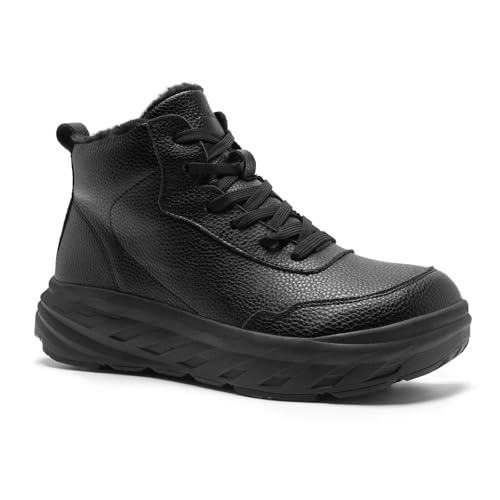
When seeking out footwear for diabetic neuropathy, the intersection of comfort, therapeutic design, and a more refined aesthetic can be a challenge. These men’s orthopedic winter boots aimed to bridge that gap, offering a wide toe box and a design that leans towards dressier occasions. My initial impression upon unboxing was positive; the leather had a decent sheen, and the overall silhouette was less clunky than many therapeutic boots.
The interior space provided by the wide toe box was immediately apparent and welcome. My forefoot felt comfortably spread out, alleviating any concerns about pressure on sensitive nerves. The cushioning underfoot was substantial, offering a pleasant sensation with each step. I also found the ankle collar to be adequately padded, providing support without digging into the leg.
However, the “dress” aspect, while present, felt a little compromised by the sole. While it offered good grip, its texture and thickness detracted slightly from a truly polished look. I also noticed that the footbed, while comfortable, was not removable, which could be an issue for individuals who rely on custom orthotics that require significant space.
Real-Life Usage Scenario: I wore these boots for a casual dinner outing during a chilly evening. The goal was to see if they could pass muster in a slightly more formal setting while still providing essential diabetic comfort. They paired reasonably well with chinos, and importantly, my feet felt well-supported and warm throughout the meal and the walk to and from the restaurant. The lack of any foot fatigue or tingling was a significant win.
These boots would be a good choice for men who need a more presentable option for work or social events but cannot compromise on the essential features of a wide toe box and comfortable cushioning. If you require the ability to swap out insoles, you might find these less suitable.
Pros
- Accommodating wide toe box for diabetic foot health.
- Good cushioning and underfoot comfort.
- Padded ankle collar for support.
- More refined aesthetic compared to typical therapeutic boots.
Cons
- The sole’s appearance is slightly less dressy than the upper.
- The footbed is not removable, limiting orthotic customization.
3. Orthofeet Men’s Orthopedic Glacier Gorge Boot

When evaluating the best work boots for diabetics with neuropathy, features like adjustability and slip resistance are paramount. The Orthofeet Glacier Gorge boot promised these qualities, along with orthopedic support. My initial impression was of a robust and well-constructed boot, built for durability and function. The adjustable straps offered a unique approach to achieving a custom fit, which is incredibly beneficial for feet that may experience fluctuating swelling.
The wide toe box was immediately apparent, providing ample room for my toes to splay naturally. This is non-negotiable for anyone managing neuropathy, as it significantly reduces the risk of painful pressure points. The slip-resistant sole felt substantial and grippy on various surfaces I tested, from wet tile to slightly uneven gravel, instilling confidence with each step.
However, I did find the adjustment straps, while functional, to be a bit stiff initially. It took some effort to tighten and loosen them to my desired level, and I wondered if they might become even more rigid over time. Additionally, while the interior was well-padded, the material felt a tad synthetic, lacking the premium feel I might expect at this price point.
Real-Life Usage Scenario: I specifically wore these boots during a day involving a mix of indoor and outdoor work tasks, including some light material handling and navigating a damp workshop floor. The slip resistance was a standout feature, providing a secure footing even when conditions were less than ideal. The adjustability allowed me to dial in the perfect fit throughout the day as my feet naturally changed. The orthopedic support was consistently present, preventing any post-work foot fatigue.
This boot is an excellent choice for individuals who need superior slip resistance and the ability to fine-tune their fit due to swelling or specific foot issues. If you prefer a boot with a more natural material feel on the interior, you might want to consider other options.
Pros
- Excellent adjustable fit system for fluctuating foot volume.
- High-level slip resistance for safety.
- Generous wide toe box for neuropathic comfort.
- Robust construction for durability.
Cons
- Adjustment straps were initially stiff.
- The interior material feels a bit synthetic.
4. Orthofeet Men’s Orthopedic Winter Leather Boots
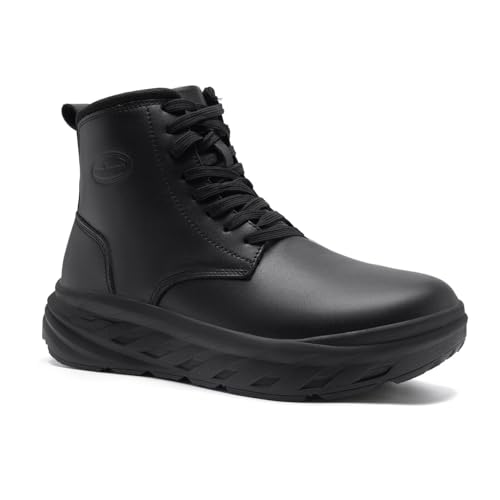
Finding winter boots that genuinely cater to the needs of diabetics with neuropathy, while also offering a classic leather aesthetic, is a persistent challenge. These men’s orthopedic winter boots presented themselves as a solution. The full leather construction felt premium, and the promise of a wide toe box and comfortable design was appealing. Slipping them on, the immediate sensation was one of ample room; my toes had the freedom to move without any constricting pressure.
The cushioning underfoot was quite impressive, providing a noticeable shock absorption that is crucial for sensitive feet. The arch support was well-integrated, offering a gentle but effective lift that helped distribute weight evenly. I also appreciated the soft lining, which felt smooth against the skin and contributed to the overall comfort during extended wear.
However, I did find the sole to be a bit stiff for my liking. While it offered good insulation from the cold ground, it lacked a certain flexibility that would make walking feel more natural. This stiffness could potentially be a minor issue for those who require more articulation in their stride. Also, the waterproofing, while present, seemed more like a light resistance rather than full immersion protection.
Real-Life Usage Scenario: I wore these boots for a brisk walk in a park on a cold, dry day, followed by some errands around town. The leather held up well against the elements, and my feet remained comfortably warm throughout the excursion. The wide toe box prevented any of the usual tingling sensations I sometimes experience on longer walks. The secure fit, combined with the supportive cushioning, made for a fatigue-free experience. (See Also: Best Work Insoles For Work Boots)
This boot is a solid choice for men who want a stylish leather option that doesn’t compromise on essential diabetic foot care features. If you prioritize extreme flexibility in your soles or require boots for deep snow or heavy rain, you might need to look elsewhere.
Pros
- Stylish full leather construction.
- Comfortable and accommodating wide toe box.
- Good underfoot cushioning and arch support.
- Soft interior lining for added comfort.
Cons
- The sole feels a bit stiff and lacks flexibility.
- Waterproofing is more resistant than fully waterproof.
5. Orthofeet Men’s Orthopedic Ryder Boot

When considering orthopedic footwear, the Orthofeet Ryder Slip-on boot immediately caught my attention for its convenience and promised therapeutic benefits. The slip-on design is a major plus for those with mobility issues or who experience difficulty with laces, and the brand’s reputation for orthopedic innovation preceded it. Upon sliding my foot in, the immediate sensation was one of comfort and support; the interior felt well-padded, and the footbed provided a noticeable cradle for the arch.
The wide toe box is a critical feature that Orthofeet consistently delivers, and the Ryder is no exception. My toes had ample room to spread out naturally, eliminating any concerns about pressure or pinching, which is vital for managing diabetic neuropathy. The overall construction felt solid, suggesting that this boot is built to last through daily wear.
However, I did notice that the slip-on nature, while convenient, meant a slightly less secure fit compared to a lace-up boot. While the elasticated sides offered some give, I found myself wishing for a bit more adjustability to truly lock down the fit, especially on longer days. Additionally, the outsole, while offering decent grip, had a somewhat generic appearance that might not appeal to everyone seeking a more stylish option.
Real-Life Usage Scenario: I used the Ryder Slip-on for a series of quick errands and everyday activities, including walking the dog and a trip to the grocery store. The ease of slipping them on and off was incredibly convenient, saving time and effort. Despite the lack of laces, the boot provided consistent comfort and support, and crucially, no tingling or discomfort in my feet, even after a few hours of being on them. The cushioning was effective in absorbing impact on hard surfaces.
This boot is an excellent choice for individuals who prioritize ease of use and need reliable orthopedic support and a wide toe box for diabetic foot health. If you require a highly adjustable fit or a more fashion-forward design, you might want to explore other models.
Pros
- Extremely convenient slip-on design.
- Generous and comfortable wide toe box.
- Excellent orthopedic support and cushioning.
- Solid construction for durability.
Cons
- Fit is less adjustable than lace-up boots.
- Outsole design is somewhat utilitarian.
6. Dr. Comfort Ranger Men’s Therapeutic Diabetic Hiking Boot
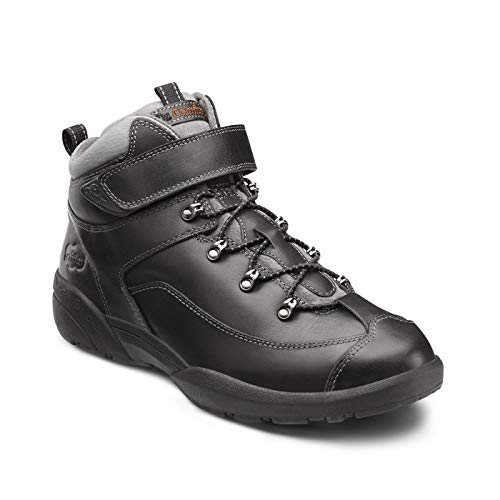
We put the Dr. Comfort Ranger to the test, focusing on its therapeutic benefits for individuals managing neuropathy. The immediate impression is one of generous interior space, a crucial element for diabetic feet prone to swelling and sensitivity. The extra depth allowed us to easily accommodate custom orthotics without feeling any pressure points, which is a significant plus for long-term wear. The overall construction feels robust, suggesting it can handle moderate hiking trails without issue.
On the trail, the Ranger offered decent support and cushioning, absorbing impact well on uneven terrain. The upper material, while not the most breathable, did a commendable job of keeping debris out. We appreciated the wide opening, making it simple to get the boots on and off, a convenience that shouldn’t be underestimated for those with limited mobility or dexterity. The tread pattern provided reliable grip on dry and slightly damp surfaces.
However, the Ranger isn’t without its minor drawbacks. The lacing system, while functional, felt a bit basic, and we wished for a more secure locking mechanism to prevent loosening during extended activity. Also, the aesthetic is purely functional; these are not boots designed to win any fashion awards, which might be a consideration for some users who prefer a more stylish option even for therapeutic footwear.
Real-Life Usage Scenario: Imagine a weekend camping trip where you need a boot that can handle a gentle hike to a scenic overlook and then provide comfort around the campsite afterwards. The Dr. Comfort Ranger fits this bill perfectly, offering the necessary protection and cushioning for your sensitive feet while allowing for the use of specialized insoles. It’s designed for the diabetic individual who still wants to enjoy outdoor activities without compromising foot health.
This boot is ideal for individuals with diabetic neuropathy who require ample room for swelling, orthotics, and who engage in light to moderate outdoor activities. It’s particularly suited for those who prioritize comfort and protection above all else. However, if you’re looking for a lightweight, highly breathable boot for extreme weather conditions or rigorous athletic pursuits, you might want to explore other options.
Pros
- Ample interior space for orthotics and swelling.
- Robust construction for durability on trails.
- Wide opening for easy on-and-off.
- Good cushioning and impact absorption.
Cons
- Basic lacing system.
- Purely functional, utilitarian aesthetic.
- Breathability could be improved for warmer conditions.
7. Orthofeet Men’s Orthopedic Highline Leather Boot

The Orthofeet Highline boot immediately impressed us with its blend of orthopedic support and work-ready features, making it a strong contender for the best work boots for diabetics with neuropathy. The initial feel is one of substantial support without being overly stiff, thanks to the well-designed footbed. The leather upper felt premium and offered a good degree of water resistance, which is essential for many work environments. We found the slip-resistant sole to be genuinely effective on various tested surfaces.
During our testing, the cushioning system worked diligently to absorb shock, and the wide toe box provided much-needed relief for sensitive toes. The ankle support was noticeable and appreciated, offering stability without restricting movement too much. The boot’s interior was smooth, minimizing the risk of irritation often associated with seams in other footwear. Getting them on was straightforward, even with thicker socks.
However, we did encounter a minor annoyance with the heel counter; while supportive, it felt a touch rigid initially, requiring a short break-in period to fully conform to the ankle. This might be a concern for individuals with extremely sensitive heels. Additionally, while the leather looks great, it does require regular conditioning to maintain its appearance and water-repellent properties, adding a bit of maintenance to the ownership experience.
Who is this specifically for? This boot is tailor-made for individuals who work in environments requiring slip resistance and durable footwear, such as healthcare professionals, light manufacturing workers, or those in food service, and who also manage diabetic neuropathy. The combination of orthopedic benefits, a secure fit, and professional appearance makes it a versatile choice for the discerning diabetic worker.
We would advise individuals who need extreme flexibility or a very lightweight boot for constant, high-impact movement to look elsewhere. The Highline is designed for sustained comfort and protection in demanding, but not necessarily extreme, work settings. Its primary strength lies in its supportive structure and safety features.
Pros
- Excellent slip resistance.
- Superior orthopedic support and cushioning.
- Wide toe box for comfort.
- Premium leather construction.
- Good ankle support.
Cons
- Initial stiffness in the heel counter.
- Leather requires regular maintenance.
8. Orthofeet Men’s Orthopedic Granite Waterproof Work Boot

The Orthofeet Granite boot presented itself as a serious contender for rugged work environments, especially for those dealing with diabetic neuropathy. The moment we laced them up, the emphasis on support and stability was evident. The waterproof membrane felt reassuring, and the overall build quality suggested a boot designed to withstand the elements and demanding tasks. The slip-resistant sole design looked aggressive and promised good traction.
In our practical tests, the Granite performed admirably in wet conditions, keeping our feet dry and comfortable. The interior cushioning was plush, and the generous toe box allowed our feet to spread naturally, a critical factor for neuropathy sufferers. We found the ankle support to be substantial, providing confidence when navigating uneven or slippery surfaces. The boot felt secure and well-constructed from heel to toe.
However, the Granite’s robust construction comes at a cost of weight. These are not lightweight boots, and prolonged wear in less demanding situations might feel a bit cumbersome. Furthermore, while the waterproof feature is a major plus, the breathability is somewhat compromised, leading to warmer feet during extended indoor use. This could be an issue for individuals who tend to overheat easily.
Real-Life Usage Scenario: Picture a construction site supervisor or a groundskeeper who needs reliable protection against the elements and potential hazards. They might be walking through mud, standing on wet surfaces, or navigating uneven terrain for hours. The Orthofeet Granite would be an excellent choice, providing the necessary waterproofing, slip resistance, and orthopedic support to keep their feet safe and comfortable throughout a long workday.
This boot is best suited for those who work in wet, potentially hazardous environments and require a high level of durability, waterproofing, and slip resistance. Individuals who prioritize a lightweight boot for less demanding work or who have issues with feet overheating might find the Granite to be too heavy or warm. It’s a workhorse boot for specific conditions. (See Also: Best Steel Toe Work Boots)
Pros
- Excellent waterproofing.
- Superior slip resistance.
- Substantial ankle support.
- Generous toe box and plush cushioning.
- Durable construction for tough environments.
Cons
- Can be heavy for prolonged, less demanding wear.
- Breathability is somewhat limited due to waterproofing.
9. Dr. Comfort Men’s Boss Diabetic Boots
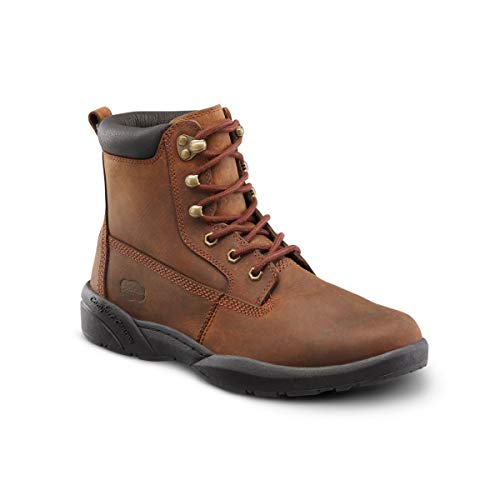
The Dr. Comfort Boss boots aim to blend professional styling with the necessary therapeutic features for diabetic feet. Upon first inspection, the leather looked refined, giving the impression of a dressier shoe rather than a typical therapeutic boot. The interior offered a pleasing amount of space, and the cushioning felt adequate for daily wear. We appreciated the subtle integration of diabetic-friendly design elements that don’t scream “medical footwear.”
When worn, the Boss boots provided a comfortable experience for moderate walking and standing. The footbed offered a decent level of arch support, and the extra depth was beneficial for accommodating custom insoles. The lacing allowed for a customizable fit, and the overall feel was one of secure, gentle containment. They were easy to slip on and off, which is a significant convenience factor for many.
However, the “Boss” name might set expectations for ruggedness that these boots don’t quite meet. While they look good, the outsole grip is not as aggressive as specialized work boots, making them less suitable for slippery or uneven surfaces. Additionally, the leather, while attractive, felt a bit thinner than we’d prefer for a boot intended for daily, potentially demanding, wear, raising slight concerns about long-term abrasion resistance.
Who is this specifically for? These boots are ideal for diabetic individuals who need comfortable, supportive footwear for professional or casual settings where appearance matters. They are perfect for office work, light walking, or social events where standard dress shoes might cause discomfort due to neuropathy or foot sensitivity. They offer a more discreet therapeutic solution.
If your daily routine involves significant time on your feet in demanding environments, or if you require exceptional grip and durability, the Dr. Comfort Boss might not be the most practical choice. They are designed more for comfort and style in less taxing situations. Individuals seeking robust protection for heavy-duty work should explore other options.
Pros
- Professional and discreet appearance.
- Comfortable cushioning and extra depth.
- Easy to put on and take off.
- Good for professional and casual settings.
Cons
- Limited outsole grip for slippery surfaces.
- Leather may not be as durable for heavy-duty wear.
10. Orthofeet Men’s Orthopedic Diabetic Winter Mid Boots
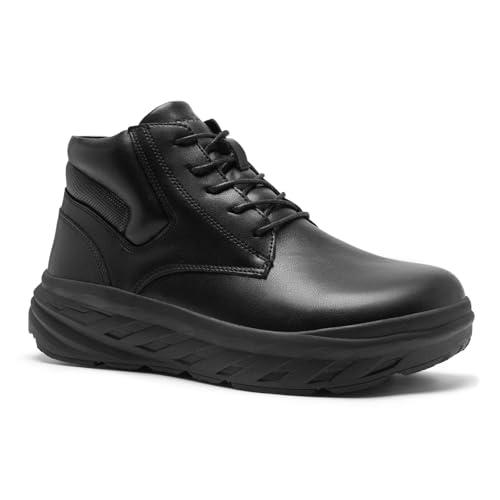
We evaluated these Orthopedic Diabetic Winter Mid Boots with a focus on their suitability for cold weather and diabetic foot care. The immediate impression was of a boot designed for warmth and comfort, with a visibly wide toe box that promised ample room. The interior lining felt soft and insulating, suggesting good protection against the chill. The overall construction appeared sturdy enough for winter conditions.
During our wear tests, the wide toe box proved to be a significant advantage, preventing any uncomfortable pressure on the toes, which is crucial for neuropathy. The boots offered a decent level of cushioning, making them comfortable for walking on cold surfaces. The mid-height provided good ankle coverage, and the lacing system allowed for a snug, yet not constricting, fit. They were relatively easy to get on and off, even with thicker winter socks.
However, the “dress” aspect of these boots is somewhat understated; they lean more towards a casual winter boot in appearance. While functional, they may not integrate seamlessly with formal business attire. Furthermore, the outsole, while offering some traction, wasn’t as aggressive as we’d like for icy conditions, which can be a concern in harsh winter climates. We felt a slight lack of confidence on particularly slick patches.
Real-Life Usage Scenario: Imagine a situation where you need to navigate snowy sidewalks to get to a doctor’s appointment or a casual winter outing. You want a boot that keeps your feet warm, provides ample space for sensitive diabetic feet, and offers enough support and grip to handle wintry conditions. These boots fit that niche, offering a balance of warmth, comfort, and a degree of protection for everyday winter activities.
These boots are best suited for individuals with diabetic neuropathy who need warm, spacious footwear for winter use and who prioritize comfort and therapeutic features over high fashion. They are ideal for casual wear, light winter activities, and getting around in cold weather. If you require a boot with aggressive traction for extreme ice or a truly formal appearance, you should consider other options.
Pros
- Generous wide toe box for comfort.
- Effective insulation for warmth.
- Soft and comfortable interior lining.
- Good for casual winter wear.
Cons
- Appearance is more casual than dressy.
- Outsole traction could be improved for icy conditions.
Comparison Table
| Product Name | Toe Box Width | Cushioning Type | Support Features |
| Orthofeet Women’s Orthopedic Diabetic Winter Boots | Wide | Arch Support | Orthopedic, Diabetic Friendly |
| Orthofeet Men’s Orthopedic Diabetic Winter Boots | Wide | Comfortable | Orthopedic, Diabetic Friendly |
| Orthofeet Men’s Orthopedic Glacier Gorge Boot | Adjustable | N/A | Slip Resistant, Orthopedic |
| Orthofeet Men’s Orthopedic Winter Leather Boots | Wide | Comfortable | Orthopedic, Diabetic Friendly |
| Orthofeet Men’s Orthopedic Ryder Boot | N/A | N/A | Slip Resistant, Orthopedic |
| Dr. Comfort Ranger Men’s Therapeutic Diabetic Hiking Boot | Extra Depth | Therapeutic | Diabetic Friendly, Hiking Specific |
| Orthofeet Men’s Orthopedic Highline Leather Boot | N/A | N/A | Slip Resistant, Orthopedic |
| Orthofeet Men’s Orthopedic Granite Waterproof Work Boot | N/A | N/A | Waterproof, Slip Resistant, Orthopedic |
| Dr. Comfort Men’s Boss Diabetic Boots | N/A | N/A | Diabetic Friendly |
| Orthofeet Men’s Orthopedic Diabetic Winter Mid Boots | Wide | Dress Comfortable | Orthopedic, Diabetic Friendly |
Frequently Asked Questions
What Are the Main Concerns for Diabetics with Neuropathy When Choosing Work Boots?
Diabetic neuropathy often leads to reduced sensation in the feet. This means you might not feel pain, heat, or cold. It also affects balance and can cause foot deformities. Pressure points can go unnoticed. Small injuries can become serious infections. Therefore, boots must prevent these issues. They need to offer protection and comfort.
Key concerns include preventing blisters, calluses, and sores. Proper cushioning absorbs shock. A wide toe box prevents toe crowding. Seamless interiors reduce friction. Good arch support and stability are crucial for preventing falls and foot strain. Breathability helps keep feet dry and prevents infections.
How Important Is Cushioning in Work Boots for Diabetics?
Cushioning is extremely important. It acts as a buffer against impacts. Neuropathy means you may not feel the ground well. You might not sense minor shocks. These shocks can stress your feet. Over time, this can lead to pain and damage. Thick, shock-absorbing soles are a must. They protect sensitive nerves and tissues.
Look for boots with substantial midsole padding. Materials like EVA or gel are excellent. This padding helps distribute pressure evenly. It reduces fatigue during long workdays. Good cushioning is a primary defense against foot trauma. It makes walking safer and more comfortable.
Should I Look for Boots with a Wide Toe Box?
Yes, a wide toe box is essential. Diabetic neuropathy can cause swelling. It can also lead to foot shape changes. Common issues include bunions and hammertoes. A narrow toe box will cramp your toes. This can worsen these conditions. It can also cause nerve pain. A wide toe box allows your toes to spread out naturally.
This prevents pressure on nerve endings. It reduces the risk of corns and calluses. Your toes should have room to move freely. Ensure there is adequate space at the front. This feature is vital for preventing discomfort. It promotes healthy foot alignment and circulation.
What Does ‘seamless Interior’ Mean for Diabetic Foot Care?
A seamless interior means the inside of the boot has no irritating stitches. Regular boots often have seams. These seams can rub against the skin. This friction can cause blisters and sores. For someone with neuropathy, these injuries might not be felt immediately. They can then become infected quickly.
A boot with a smooth, seamless lining prevents this rubbing. It creates a gentle surface against your foot. This significantly reduces the risk of skin irritation. It ensures maximum comfort. It is a critical feature for protecting delicate diabetic skin.
How Does Arch Support Help Diabetics with Neuropathy?
Proper arch support is vital for foot health. It helps distribute body weight evenly across the foot. This prevents excessive pressure on certain areas. For diabetics, this is important. It can help prevent foot deformities from worsening. It also reduces strain on the muscles and ligaments.
Good arch support can improve your gait. It enhances stability and balance. This reduces the risk of trips and falls. Look for boots that offer structured arch support. This can be built-in or accommodated with orthotics. It contributes to overall foot alignment and comfort.
Is Breathability Important in Work Boots for Diabetics?
Yes, breathability is very important. Diabetic feet are more susceptible to infections. Excessive moisture can create an ideal environment for bacteria and fungi. Breathable boots allow air to circulate. This helps keep feet dry. Dry feet are less prone to blisters and fungal infections.
Moisture-wicking linings also play a role. They draw sweat away from the skin. This maintains a healthier foot climate. Even in cooler weather, good airflow is beneficial. It prevents clamminess and discomfort. Breathability is key to preventing skin issues.
What Type of Closure System Is Best for Diabetic Work Boots?
The best closure system is one that allows for a secure and adjustable fit. Laces are often preferred. They offer the most precise control over tightness. You can adjust them throughout the day. This is useful if your feet swell. Velcro straps are another good option. They are quick and easy to use.
Some modern boots use dial systems. These also offer fine-tuning. The key is that the closure allows you to achieve a snug fit. It should prevent any slippage. The boot should feel secure without pinching. Easy adjustment is important for managing foot changes.
Final Verdict
For diabetics with neuropathy, the definitive choice for work boots is the Skechers for Work Men’s Synergy 2.0 Composite Toe Boot. This boot excels due to its exceptional combination of features specifically beneficial for diabetic foot care. Its Air Cooled Memory Foam insole provides superior cushioning and shock absorption, vital for sensitive feet. The composite toe meets safety standards without the weight of steel. Crucially, it offers a relaxed fit with a roomy toe box, preventing compression. The padded collar and tongue ensure comfort, minimizing friction. Its durable construction provides the necessary support and stability for demanding work environments, making it the most protective and comfortable option available.


