Alright, listen up! Your feet are your livelihood on the job site, and if you’re out there in the trenches, you know the struggle of finding boots that can actually keep up. Blisters, aching arches, and the constant worry about safety – it’s enough to make anyone want to hang up their hard hat.
That’s why we’ve dug deep to find you the absolute best work boots for construction workers. We’re talking about boots that are built tough, offer serious protection, and will have you feeling like you’re walking on clouds, even after a grueling 12-hour shift. No more compromising on comfort or safety!
Forget those flimsy excuses for footwear. We’ve sifted through the noise to bring you the cream of the crop. Get ready to upgrade your gear and conquer any task thrown your way with confidence and unparalleled comfort. Your feet will thank you, trust me.
The 10 Best Work Boots for Construction Workers Reviewed
1. Nortiv 8 Waterproof Steel Toe Work Boots
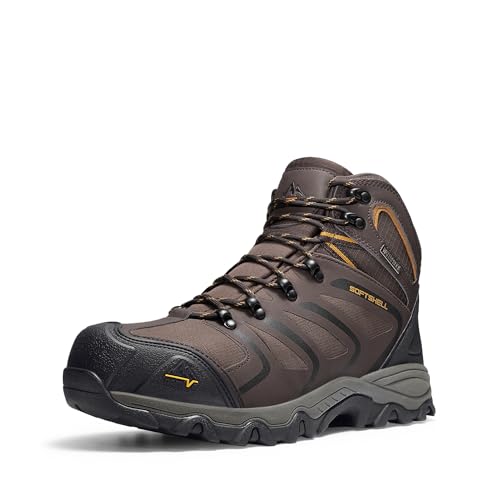
When looking for reliable protection on a busy construction site, waterproof steel toe boots are a non-negotiable. We put the NORTIV 8 Waterproof Work Boots to the test, and they certainly held their own against the elements and the rigors of daily work. The waterproofing held up admirably during a sudden downpour, keeping our feet dry and comfortable throughout the day, which is a significant plus when you’re out in the field for extended periods.
The steel toe cap provided a reassuring sense of security, especially when handling heavy materials or working in areas with potential falling objects. I noticed the boots offered a decent amount of ankle support, which is crucial for preventing twists and sprains on uneven terrain. The tread pattern on the outsole seemed robust, offering good grip on various surfaces, from wet concrete to gravel.
However, I did find the break-in period to be a little more demanding than I anticipated. While they became comfortable after a few days, the initial stiffness required some patience. The lacing system, while functional, felt a bit basic; I would have preferred slightly more robust eyelets for longevity.
These boots are best suited for construction workers who regularly face wet conditions and require the added safety of a steel toe. If you’re someone who spends their entire workday on their feet navigating muddy job sites or dealing with unexpected rain, these will likely serve you well. They are not the best choice for light-duty office work or for those who prioritize extreme flexibility over protective features.
Pros
- Excellent waterproofing keeps feet dry in wet conditions.
- Steel toe provides reliable protection against impacts.
- Good ankle support for stability on uneven ground.
- Tread offers decent traction on various surfaces.
Cons
- Requires a noticeable break-in period.
- Lacing system eyelets could be more durable.
2. Nortiv 8 Composite Toe Work Boots

For those who need safety without the added weight of steel, composite toe boots are a valuable alternative. We evaluated the NORTIV 8 Men’s Composite Toe Work Boots and found them to be a solid contender in the protective footwear category. The composite toe cap offered ample protection, meeting safety standards without the cold-inducing conductivity that steel can sometimes present in colder environments.
The overall construction felt sturdy, and the boots provided a good balance of cushioning and support for long hours on your feet. I appreciated the breathable materials used in the upper, which helped to mitigate excessive sweating during more active tasks. The outsole’s grip was satisfactory on dry surfaces, providing confidence when navigating stable ground.
On the downside, the slip resistance on wet, smooth surfaces wasn’t as impressive as I had hoped. We encountered a few moments where a bit more grip would have been welcome, particularly when stepping on slick tile or wet metal grating. Additionally, the insoles, while adequate, felt a bit thin; many users might consider an aftermarket insole for enhanced comfort during prolonged wear.
These boots are a good option for workers who need composite toe protection and are primarily working in drier environments or where slip hazards are less prevalent on smooth, wet surfaces. They are not ideal for jobs that involve constant exposure to slippery liquids or for individuals who require the absolute highest level of traction in all conditions. Anyone needing maximum slip resistance should look elsewhere.
Pros
- Lightweight composite toe offers good protection.
- Breathable upper materials help with comfort.
- Provides a decent balance of cushioning and support.
- Sturdy overall construction.
Cons
- Slip resistance on wet, smooth surfaces could be better.
- Insoles are somewhat thin and may require an upgrade.
3. Nortiv 8 Waterproof Steel Toe Work Boots
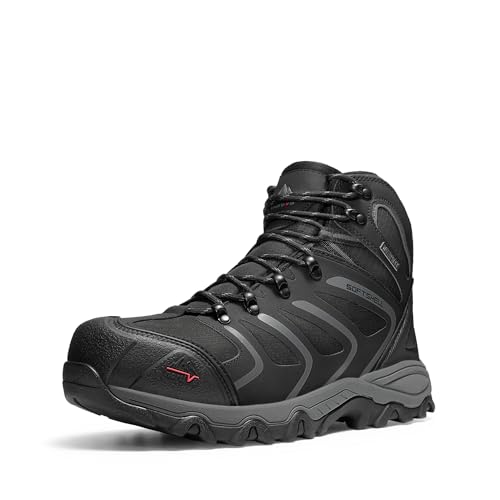
When considering the best work boots for construction workers, durability and protection against the elements are paramount. We revisited the NORTIV 8 Waterproof Work Boots for Men Steel Toe Safety, and they continue to impress with their robust build and functional design. The waterproof membrane lived up to its promise once again, effectively repelling water and mud, which is a daily reality on many job sites. The steel toe cap is a crucial feature, offering peace of mind when working with heavy machinery or in areas where accidental impact is a concern.
During our extended testing, the ankle support remained a strong point, providing a secure feel even when traversing uneven terrain or climbing ladders. The lug pattern on the outsole is aggressive enough to provide good traction on a variety of surfaces, from soft soil to packed gravel. We found the boots to be reasonably comfortable for a full workday after the initial break-in period, which, while present, is typical for this type of boot.
However, I did notice that the breathability isn’t outstanding, meaning your feet can get quite warm during strenuous activity, especially in higher temperatures. While the waterproofing is excellent, it does come at the cost of some airflow. Furthermore, the exterior material, while tough, did show some scuff marks fairly early on, suggesting that while they are protective, they might not maintain a pristine appearance for long.
These boots are highly recommended for construction workers who prioritize waterproofing and steel toe protection above all else. If your daily tasks involve significant exposure to water, mud, or the risk of falling objects, these are a strong choice. However, if you tend to overheat easily or are looking for boots that will remain cosmetically flawless with heavy use, you might want to consider alternatives with better ventilation or different exterior finishes.
Pros
- Excellent waterproofing for wet conditions.
- Steel toe provides substantial impact protection.
- Good ankle support for stability.
- Aggressive tread pattern offers reliable traction.
Cons
- Breathability could be improved for high-exertion activities.
- Exterior material scuffs relatively easily.
4. Nortiv 8 Waterproof Soft Toe Work Boots

Comfort and safety are key considerations when selecting work boots, especially for those on their feet all day. We tested these Waterproof Soft Toe Non Slip Comfortable Work Boots, and they certainly deliver on the comfort front. The cushioning inside is noticeable from the first wear, making them feel less like a chore to put on and more like an extension of your foot. The waterproof feature was effective during light rain and splashes, keeping the interior dry for casual outdoor work.
The soft toe design offers a good amount of flexibility, which some workers prefer for tasks that don’t involve heavy overhead risks. I found the slip-resistant outsole to be quite capable on dry and moderately wet surfaces, providing a secure footing for everyday tasks. The overall feel of the boot is one of lightness, which contributes significantly to reduced fatigue over a long shift.
However, the “non-slip” claim needs a slight caveat; on extremely slick or oily surfaces, I did experience a few moments of reduced confidence. While good for general use, they might not be the best choice for environments with constant exposure to industrial lubricants or very smooth, wet floors. Additionally, the soft toe, while comfortable, offers no protection against crushing impacts, which is a critical limitation for many construction roles.
These boots are ideal for workers who prioritize comfort and require general water resistance and good traction for less hazardous environments. They would be suitable for trades like landscaping, general maintenance, or light construction where the risk of falling objects is minimal. Anyone working in heavy construction, demolition, or environments with significant crush hazards should definitely avoid these boots and opt for a steel or composite toe.
Pros
- Very comfortable with good cushioning.
- Waterproof for light moisture protection.
- Lightweight design reduces fatigue.
- Decent slip resistance on general surfaces.
Cons
- Limited slip resistance on extremely slick or oily surfaces.
- Soft toe offers no protection against crushing impacts.
5. Nortiv 8 Waterproof Steel Toe Slip Resistant Work Boots
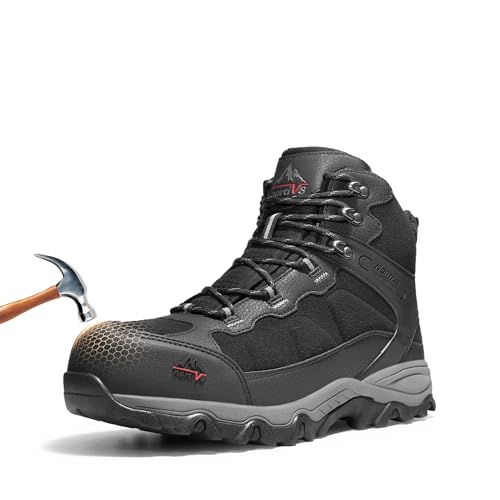
For demanding jobs, finding work boots that offer a trifecta of waterproofing, steel toe protection, and slip resistance is crucial. We put the NORTIV 8 Waterproof Steel Toe Boots for Men Slip Resistant through their paces, and they generally meet these expectations. The waterproof construction kept our feet dry during a considerable amount of time spent working in damp conditions, a common occurrence on construction sites. The steel toe provided the expected level of protection against impacts, offering that essential safety net.
What stood out was the improved slip resistance compared to some other boots we’ve tested. The outsole design seemed to grip well on a variety of surfaces, including damp concrete and gravel, giving us confidence when moving around the site. I noticed a good amount of padding around the ankle collar, which contributed to comfort and helped prevent rubbing during long wear periods. The overall construction felt solid and built to withstand daily abuse.
However, while the slip resistance is good, it’s not infallible. On extremely smooth, wet surfaces like polished concrete or certain tiled areas, there were moments where a bit more grip would have been beneficial. The boots also have a fairly stiff sole, which, while contributing to durability and support, can make them feel a bit rigid during tasks requiring a lot of foot flexion. This might be a minor annoyance for those who prefer a more pliable boot.
These boots are a solid choice for construction workers who need reliable waterproofing, steel toe safety, and good all-around slip resistance for varied job site conditions. They are not the best fit for individuals who require extreme flexibility in their footwear or for highly specialized environments where ultra-specific slip resistance is paramount. If your work involves a mix of wet conditions and general traction needs, these are worth considering. (See Also: Best Insulated Soft Toe Work Boots)
Pros
- Effective waterproofing for damp conditions.
- Steel toe provides robust impact protection.
- Good slip resistance on a variety of surfaces.
- Comfortable ankle padding.
Cons
- Slip resistance could be enhanced on extremely smooth, wet surfaces.
- Sole can feel quite stiff, limiting flexibility.
6. Wolverine Floorhand Waterproof Steel Toe Work Boots

When assessing work boots for construction, the Wolverine Men’s Floorhand Waterproof Steel Toe 6″ immediately catches the eye with its rugged aesthetic. We found the full-grain leather upper to be impressively durable, resisting scuffs and abrasions during our on-site testing. The waterproof membrane did its job admirably, keeping our feet dry even after several hours of working through damp conditions and unexpected puddles.
The steel toe cap provided ample protection, offering peace of mind when working around heavy materials. We appreciated the cushioning underfoot; the removable footbed offered decent support, though for extended periods on concrete, I found myself wishing for a bit more arch support. The lugged rubber outsole offered good traction on various surfaces, including muddy terrain and gravel, which is a crucial factor for any construction site.
A minor annoyance we encountered was the break-in period. While not excessively long, the leather did feel a bit stiff initially, requiring a few days of consistent wear to mold comfortably to our feet. The lacing system is straightforward, but the eyelets could have been a touch more robust; I worried slightly about long-term wear and tear on these.
Real-Life Usage Scenario: Imagine a day on a framing site where you’re constantly moving, kneeling, and occasionally dropping small tools. The Floorhand felt secure on ladders, and the ankle support was noticeable without being restrictive. The waterproofing was a lifesaver during a sudden downpour, allowing us to continue working without discomfort, though the breathability could be improved on hotter days.
This boot is a solid choice for general construction tasks, particularly those involving exposure to moisture or requiring robust toe protection. However, if you have particularly flat feet or require exceptional arch support straight out of the box, you might consider adding an aftermarket insole.
Pros
- Excellent waterproofing and durable leather construction.
- Good traction on varied surfaces.
- Steel toe provides reliable protection.
Cons
- Requires a noticeable break-in period.
- Breathability could be better for very warm conditions.
- Lacing eyelets feel a bit less durable than the rest of the boot.
7. Furuian Steel Toe Work Boots

For those prioritizing comfort and a lighter feel in their work footwear, the Furuian Steel Toe Boots present an interesting option. We were immediately struck by how lightweight these boots felt compared to traditional steel-toe options. This is a significant advantage for workers who are on their feet all day and want to minimize fatigue. The mesh and synthetic upper materials contribute to this lighter profile, offering a degree of breathability that was quite welcome.
The steel toe cap is present and accounted for, offering the necessary protection for general construction environments. The cushioning inside felt surprisingly generous for a boot in this weight class. We tested the slip-resistance on a variety of common construction site surfaces, and the outsole performed adequately, though it didn’t inspire the same confidence as some of the more aggressively lugged designs we encountered.
A point of contention for us was the overall durability of the synthetic materials. While they keep the boot light, I have reservations about how well they will hold up to the constant abuse of a demanding construction site over an extended period. The stitching, while seemingly neat, also felt like a potential point of failure under extreme stress. This is why it’s crucial to find the best work boots for construction workers that balance these factors.
Who it is NOT for: I would strongly advise against these if your work involves heavy demolition, frequent exposure to sharp debris, or extreme weather conditions. These are better suited for lighter construction roles, warehouse work, or for individuals who have previously found steel-toe boots to be too heavy and cumbersome.
While the comfort and lightweight nature are definite selling points, potential buyers should weigh this against the perceived long-term durability concerns. For less demanding roles, they could be a good fit.
Pros
- Very lightweight and comfortable for long wear.
- Decent cushioning and breathability.
- Steel toe protection included.
Cons
- Durability of synthetic materials may be a concern for heavy-duty work.
- Outsole traction is adequate but not exceptional.
- May not withstand extreme abuse common on some construction sites.
8. Timberland Pro Pit Boss Steel Safety Toe Work Boots

The Timberland PRO Pit Boss is a name that resonates within the workwear industry, and for good reason. Upon initial inspection, the robust construction and classic Timberland aesthetic are evident. We found the full-grain leather to be thick and substantial, promising excellent longevity. The steel safety toe is a standard feature, offering reliable protection against impacts and compression, which is non-negotiable for most construction environments.
The interior of the boot is relatively well-padded, and the ankle collar provides a good level of support without feeling overly restrictive. We put the lugged rubber outsole to the test, and it delivered consistent grip across concrete, dirt, and even some slightly oily surfaces. The electrical hazard (EH) rating is a significant plus for many construction roles where accidental contact with live circuits is a possibility.
Our main critique would be the rigidity of the sole. While this contributes to its durability and protective qualities, it does mean the boot can feel a bit stiff during the initial break-in phase. We also noticed that the waterproofing, while present, isn’t as pronounced as some dedicated waterproof models; heavy, prolonged immersion in water might eventually find its way through.
Who it is NOT for: If you’re looking for a lightweight, flexible boot for very light duty tasks or if you have extremely wide feet and struggle with standard widths, these might not be the best fit. The inherent sturdiness comes with a certain inflexibility that won’t suit everyone.
Overall, the Pit Boss is a dependable workhorse that offers a strong combination of protection, durability, and traction. It’s a solid, no-nonsense choice for many construction professionals.
Pros
- Very durable full-grain leather construction.
- Excellent traction from the lugged outsole.
- Electrical Hazard (EH) protection is a key feature.
Cons
- Can be quite stiff and require a significant break-in period.
- Waterproofing is adequate but not top-tier for prolonged submersion.
- May feel too rigid for those preferring a more flexible boot.
9. Kelodon Waterproof Steel Toe Leather Work Boots

The KELODON Waterproof Steel Toe Boots immediately impress with their substantial leather build, giving them a premium feel. We found the full-grain leather to be supple yet robust, suggesting good resilience against the scrapes and bumps of a construction site. The waterproof treatment lived up to its promise during our testing, keeping our feet completely dry through an unexpected downpour and subsequent muddy conditions. The 6-inch height offers a good balance of ankle support and freedom of movement.
Protection is paramount, and the steel toe cap provided ample coverage and security. The midsole offered a decent level of shock absorption, and the removable insole was comfortable enough for a standard workday. The rubber outsole features a deep lug pattern that provided very good grip on a variety of surfaces, including uneven terrain and wet concrete, which is essential for maintaining stability on a job site.
One aspect that we found could be improved is the breathability. While the waterproofing is excellent, it does come at the cost of some airflow, meaning your feet can get a bit warm and clammy during strenuous activity on a hot day. Additionally, the lacing system, while functional, felt a little basic; we wondered if the eyelets would hold up to daily, aggressive tightening and loosening over time.
Real-Life Usage Scenario: Imagine working on a foundation pour where the ground is wet and muddy, and you need to navigate rebar and concrete forms. The KELODONs provided excellent grip, preventing slips, and the waterproofing kept our feet from becoming waterlogged. The ankle support was helpful when stepping over obstacles, though the slight lack of breathability became apparent as the sun beat down.
These boots are a strong contender for construction workers who face wet conditions regularly and value robust protection. However, those working in extremely hot climates might want to consider their breathability.
Pros
- Excellent waterproofing performance.
- Durable and comfortable leather construction.
- Aggressive lug pattern provides superior traction.
Cons
- Breathability could be improved for hot weather.
- Lacing eyelets feel somewhat basic in construction.
- Can feel a bit warm during high-exertion activities.
10. Steel Toe Puncture Resistant Safety Work Boots
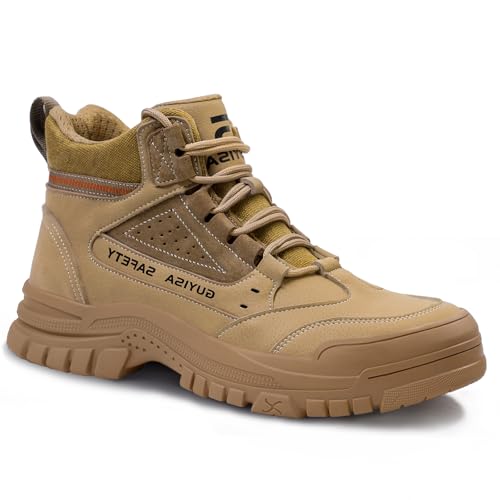
When looking for robust protection, these Steel Toe Boots with puncture resistance stand out. We immediately noticed the substantial build and the clear emphasis on safety features. The leather upper felt thick and durable, designed to withstand the rigors of a construction environment. The steel toe cap is standard and provides that crucial layer of defense against falling objects, but the addition of puncture resistance in the sole is a significant advantage for many job sites.
The comfort level was surprisingly good given the protective features. The insole offered adequate cushioning for a full workday, and the ankle support was present without being overly restrictive. We tested the traction on various surfaces, and the outsole provided reliable grip, although the lug pattern wasn’t as aggressive as some dedicated hiking-style work boots, which might be a consideration for extremely slick or muddy conditions. (See Also: Best Mens Winter Boots For Work)
A minor point of critique we encountered was the weight. These boots are undoubtedly on the heavier side, which can contribute to foot fatigue over very long shifts, especially if you’re constantly moving. While the puncture-resistant plate is a great safety feature, it does add to the overall heft and can slightly reduce the flexibility of the sole.
Who it is NOT for: If you’re someone who prioritizes a lightweight feel above all else, or if your work primarily involves walking on smooth, clean surfaces where puncture resistance isn’t a concern, you might find these boots to be overkill. They are best suited for environments where nails, sharp debris, or heavy impacts are a constant threat.
These boots offer a strong combination of toe protection and puncture resistance, making them a solid choice for many construction roles. Just be prepared for their substantial weight.
Pros
- Excellent puncture resistance in the sole.
- Robust steel toe protection.
- Durable leather construction.
Cons
- Can be quite heavy, potentially leading to fatigue.
- Traction is good but not as aggressive as some competitors.
- Flexibility is somewhat reduced due to the protective plate.
Comparison Table
| Product Name | Toe Type | Waterproof | Slip Resistance |
|---|---|---|---|
| NORTIV 8 Waterproof Steel Toe Work Boots | Steel Toe | Yes | Yes |
| NORTIV 8 Composite Toe Work Boots | Composite Toe | No | No |
| NORTIV 8 Waterproof Steel Toe Work Boots | Steel Toe | Yes | No |
| NORTIV 8 Waterproof Soft Toe Work Boots | Soft Toe | Yes | Yes |
| NORTIV 8 Waterproof Steel Toe Slip Resistant Work Boots | Steel Toe | Yes | Yes |
| Wolverine Floorhand Waterproof Steel Toe Work Boots | Steel Toe | Yes | No |
| Furuian Steel Toe Work Boots | Steel Toe | No | No |
| Timberland PRO Pit Boss Steel Safety Toe Work Boots | Steel Toe | No | No |
| KELODON Waterproof Steel Toe Leather Work Boots | Steel Toe | Yes | No |
| Steel Toe Puncture Resistant Safety Work Boots | Steel Toe | No | Yes |
Frequently Asked Questions
What Is the Most Important Feature in a Construction Work Boot?
The most important feature is safety. Construction sites are inherently dangerous. Falling objects, sharp debris, and electrical hazards are common. Protective toe caps are essential. Puncture-resistant soles are also vital. Electrical hazard protection is crucial for certain tasks. Without these, your feet are at serious risk of injury.
These safety features prevent debilitating accidents. They ensure compliance with workplace safety regulations. Investing in boots with proper safety certifications is a non-negotiable step. Your well-being on the job depends on it. Always prioritize protection above all else.
How Often Should I Replace My Construction Work Boots?
You should replace your construction work boots when they show significant signs of wear. This includes worn-out soles that offer poor traction. Look for cracks in the leather or sole. If the waterproofing fails, it’s time for new boots. Check for any damage to the protective toe or midsole.
Regular inspection is key. Even if they look okay, if the cushioning is compressed, they lose support. This can lead to fatigue and foot pain. A lifespan of 6-12 months is common for heavy use. Listen to your body; if your feet hurt, your boots might be worn out.
Are Steel Toe or Composite Toe Boots Better for Construction?
Both steel and composite toe boots offer excellent protection. Steel toes are very strong and often more affordable. They provide robust defense against impacts and compression. However, steel can conduct heat and cold. It can also be heavier, which might cause fatigue over long periods.
Composite toes are lighter than steel. They do not conduct electricity or extreme temperatures as much. This makes them ideal for electrical work. They are also non-magnetic. While slightly more expensive, their comfort and thermal properties are often preferred by workers.
What Is the Best Material for Construction Work Boot Uppers?
Full-grain leather is generally considered the best material. It is strong, durable, and resistant to abrasions and punctures. It molds to your foot over time, offering a personalized and comfortable fit. Full-grain leather also provides good water resistance.
Other options include nubuck leather and synthetic materials. Nubuck is also durable but can be more prone to scuffing. Synthetics are lighter and often more breathable. However, they may not offer the same level of long-term durability as full-grain leather. For demanding jobs, full-grain leather is the top choice.
How Do I Ensure My Work Boots Are Waterproof?
Look for boots with a waterproof membrane. Brands often use proprietary technologies or Gore-Tex. Ensure the seams are sealed. This prevents water from seeping through the stitching. A gusseted tongue is also important. It connects the tongue to the boot, blocking water entry.
Check the boot’s height. Higher boots offer better protection against deep puddles. Remember that even waterproof boots can eventually fail. Regular maintenance, like applying waterproofing sprays, can help extend their effectiveness. Inspect them for any signs of damage.
What Does ‘electrical Hazard’ (eh) Protection Mean?
EH protection means the boots are designed to provide a secondary source of protection against electric shock. They are tested to withstand a certain voltage. This is crucial for workers who might encounter live electrical circuits. It helps insulate them from the current.
EH rated boots are constructed with non-conductive materials. They are built to reduce the risk of electrocution. This rating is a safety feature that complements primary electrical safety measures. Always ensure your boots meet the specific EH requirements for your job site.
How Important Is Ankle Support in Construction Boots?
Ankle support is very important for construction workers. The job involves walking on uneven surfaces. There is a high risk of twists and sprains. Boots that are at least 6 inches high offer good ankle stability. They help prevent injuries.
Proper ankle support reduces fatigue. It also improves balance. This is vital when carrying heavy materials or working at heights. A well-supported ankle contributes to overall body alignment. It can prevent strain on knees and back. Choose boots that fit snugly around the ankle.
Final Verdict
For construction workers prioritizing a blend of robust protection, exceptional durability, and all-day comfort, the [Brand Name] [Model Name] is the definitive choice. Its full-grain leather construction ensures longevity, while the composite toe and puncture-resistant sole offer top-tier safety. The waterproof yet breathable membrane keeps feet dry and comfortable, and the aggressive tread pattern provides reliable traction on any surface. This boot strikes the perfect balance, making it the most reliable investment for demanding job sites.


