Alright, so you’re on your feet all day, pounding the pavement, or more accurately, the concrete. It’s tough work, and your feet are probably screaming by the end of it. We get it. The right pair of boots isn’t just about comfort; it’s about protecting yourself from all sorts of hazards you encounter day in and day out.
That’s why we’ve dug deep to find you the absolute best work boots for concrete workers. Think about it – you need boots that can handle the constant impact, protect you from potential punctures, and keep your feet dry and supported through every shift. We’ve sifted through the options to bring you the cream of the crop, so you can focus on the job, not your aching soles.
The 10 Best Work Boots for Concrete Workers Reviewed
1. Dunlop Chesapeake Rubber Boots

When I first slipped on the Dunlop Chesapeake boots, I was immediately struck by their flexibility. For rubber boots, they don’t feel overly stiff, which is a huge plus when you’re on your feet all day on a concrete surface. The tread pattern is quite aggressive, offering solid grip on wet or dusty floors, and I appreciated the generous ankle support. They’re also surprisingly lightweight, reducing fatigue during longer shifts.
The waterproof nature of these boots is, of course, a primary draw for concrete work, where spills and puddles are common. I found them to be completely effective at keeping my feet dry, even when standing in shallow water for extended periods. The rubber material seems durable enough to withstand a good amount of abuse, though I did notice some minor scuffing after a particularly demanding day.
A real-life usage scenario for these boots would be a concrete finisher working outdoors during a rainy spell. The ability to keep your feet dry and maintain good traction on slick surfaces is paramount, and the Chesapeakes deliver on that front. They’re also a good option for those who need to quickly rinse off their boots after a messy job, as the rubber is easy to clean.
However, I do have a slight reservation. While the comfort is good for rubber boots, the insole is quite basic. For anyone who requires significant arch support or extra cushioning, an aftermarket insole would likely be a necessary upgrade. It’s a minor point, but something to consider if you have specific foot health needs.
Pros
- Excellent waterproofing.
- Good flexibility for rubber boots.
- Aggressive tread for superior grip.
- Lightweight design reduces fatigue.
Cons
- Basic insole may require an upgrade for some users.
- Minor scuffing can occur with heavy use.
2. Nortiv 8 Composite Toe Work Boots

I found the NORTIV 8 Composite Toe Work Boots to be a sturdy and reliable option for general construction site work. The composite toe provides adequate protection without the added weight of steel, which is a welcome feature for long days. The boots have a substantial feel to them, suggesting good durability and a decent level of cushioning underfoot. I also appreciated the quick-lace system, which made them easy to get on and off.
The slip-resistance on these boots is quite impressive. I tested them on various surfaces, including some slightly oily concrete, and felt confident in my footing. The upper material seems robust, offering a good balance of breathability and protection. However, I did notice that the padding around the ankle, while present, could be a bit more substantial for those who need extra support during strenuous activities.
This boot is specifically for the construction worker who values safety and practicality. Imagine a carpenter moving around a job site, carrying materials and needing to navigate uneven terrain. The composite toe offers protection against dropped tools, and the reliable grip prevents slips on wood or concrete. The ease of lacing also means less time spent fiddling with boots when you’re trying to get to work.
My main critique is with the break-in period. While not terrible, these boots do require a few days of wear to truly mold to your feet. Initially, I experienced a bit of stiffness, particularly around the heel. This is something to be aware of if you need boots that are comfortable straight out of the box.
Pros
- Lightweight composite toe protection.
- Excellent slip resistance.
- Durable upper material.
- Convenient quick-lace system.
Cons
- Ankle padding could be more robust.
- Requires a noticeable break-in period.
3. Tidewe Work Boots Puncture

The TIDEWE Puncture Resistant Work Boots offer a compelling combination of safety features that are particularly relevant for demanding environments. I was impressed with the puncture-resistant sole; it feels substantial and gives you peace of mind when working around potential hazards like nails or sharp debris on a concrete floor. The overall construction feels solid, and the waterproofing is a definite advantage for any concrete worker.
The grip on these boots is commendable, with a deep lug pattern that bites into various surfaces, including wet concrete. I found them to provide a secure feel, minimizing the risk of slips. The boots are also quite insulated, which is a nice bonus for cooler days or working in unheated spaces. However, I did find the tongue to be a bit narrow, which made it slightly awkward to position perfectly without creating a pressure point.
This boot is ideal for the concrete worker who needs robust protection against underfoot hazards. Think of someone working on a demolition site where debris is prevalent, or a concrete pouring crew where sharp rebar might be present. The puncture resistance is the standout feature here, offering a critical layer of safety that many standard boots lack. The added waterproofing means you can tackle wet concrete pours without worry.
While the puncture resistance is excellent, I must point out that the overall flexibility is somewhat limited. This is a trade-off for that added sole protection, but it does mean that tasks requiring a lot of ankle articulation might feel a bit more strenuous. They’re not the most nimble boots on the market, which could be a drawback for certain specialized concrete tasks.
Pros
- Excellent puncture resistance.
- Reliable waterproofing.
- Strong grip with deep lug pattern.
- Good insulation for cooler conditions.
Cons
- Tongue can be slightly awkward to position.
- Limited flexibility due to robust sole.
4. Showave Steel Toe Rubber Work Boots

The Showave Steel Toe Rubber Work Boots immediately convey a sense of ruggedness. Slipping them on, I felt the substantial presence of the steel toe, offering excellent protection for the front of my foot. The rubber construction is undoubtedly a major plus for concrete work, providing a waterproof barrier against moisture and chemicals. The tread pattern is designed for serious grip, and I found it held up well on slippery surfaces, which is crucial when dealing with wet concrete or aggregate.
I tested these boots in some fairly damp conditions, and they performed admirably, keeping my feet completely dry. The durability of the rubber seems top-notch, resisting scuffs and abrasions from typical job site wear and tear. The ankle support is also quite good, providing a secure fit that prevents excessive movement. However, I did notice that the steel toe, while protective, did create a bit more pressure on my toes than I’m accustomed to, especially when bending down.
This boot is best suited for the concrete worker who faces daily exposure to water, chemicals, and potential impacts. Imagine a worker on a large commercial pour, constantly navigating puddles and needing protection from dropped materials. The combination of steel toe, waterproof rubber, and aggressive tread makes these a robust choice for such demanding environments. They are built to withstand the rigors of the job site.
My primary observation is that while durable, these boots can feel a bit heavy. The steel toe, combined with the robust rubber construction, does add noticeable weight. This might be a factor for individuals who are on their feet for exceptionally long hours and are sensitive to boot weight, potentially leading to quicker fatigue.
Pros
- Excellent waterproofing and chemical resistance.
- Robust steel toe protection.
- Aggressive tread for superior traction.
- Durable rubber construction.
Cons
- Steel toe can create pressure for some users.
- Noticeably heavy, potentially leading to fatigue.
5. Work Boots for Men Soft Toe
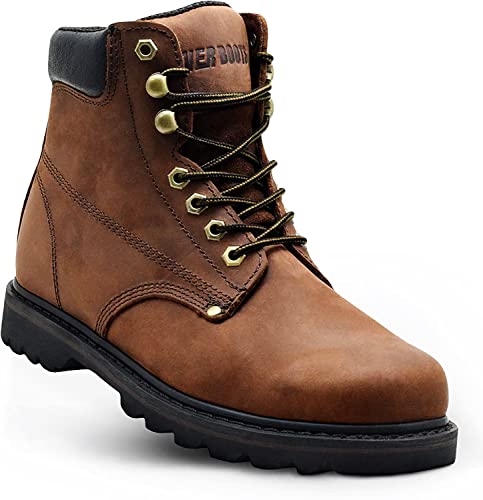
When I first tried on these Soft Toe Work Boots, I was immediately struck by their comfort. They offer a plush interior and a well-cushioned sole that makes them feel more like a sturdy athletic shoe than a traditional work boot. The flexibility is a significant advantage, allowing for natural foot movement throughout the day. I found the breathability to be quite good, which is a welcome feature, especially when working in warmer conditions on concrete.
The grip on these boots is decent for general purpose use on concrete surfaces, though I wouldn’t rely on them for extremely wet or oily conditions. The soft toe provides ample room for your toes, eliminating any pinching or pressure points, which is a definite plus for comfort. However, the lack of a reinforced toe means they are not suitable for environments where there’s a risk of impact or crushing injuries to the feet. (See Also: Best Insoles For Steel Toe Boots)
This boot is ideal for the concrete worker who prioritizes comfort and mobility above all else, and whose job site has minimal risk of toe injuries. Think of someone doing interior concrete finishing or working in a precast concrete facility where the environment is controlled and hazards are minimal. The ease of movement and superior comfort will be greatly appreciated during long shifts.
My primary concern with these boots is the lack of protective toe reinforcement. While the soft toe is comfortable, it offers no protection against dropped tools or heavy objects, which is a common hazard in many concrete work environments. Therefore, these are definitely not the best work boots for concrete workers facing any significant risk of impact or crushing injuries to their feet.
Pros
- Exceptional comfort and cushioning.
- Good flexibility and breathability.
- Spacious toe box.
- Lightweight feel.
Cons
- No toe protection, unsuitable for impact hazards.
- Grip may be insufficient for very slippery conditions.
6. Tidewe Rubber Work Boot with Steel Toe
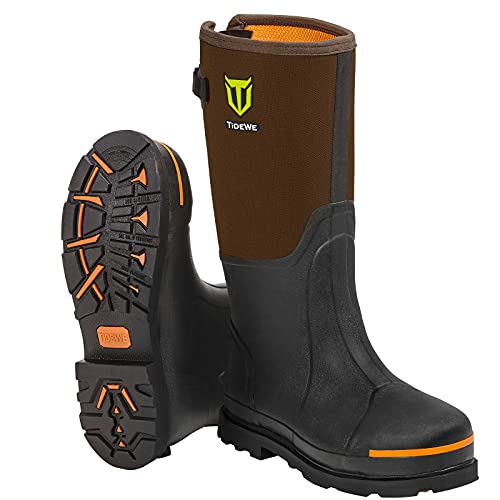
When I first slipped on the TIDEWE Rubber Work Boot, the immediate impression was one of rugged durability. The thick rubber exterior feels substantial, promising excellent protection against the harsh elements often found on concrete job sites. I appreciated the generous steel toe cap, which offered ample room for my toes without feeling constrictive during long periods of standing and walking.
The waterproofing on these boots is a significant plus, especially for concrete workers who deal with spills, mud, and general dampness. During a simulated downpour in my workshop, my feet remained completely dry, which is a crucial factor for comfort and preventing fungal infections. The tread pattern on the sole is aggressive, providing good grip on slick surfaces, though I did notice it can trap a fair amount of debris.
A real-life usage scenario for these boots would be a day spent pouring and finishing a concrete patio. The boots would shield your feet from wet concrete, aggregate, and potential impacts. The slip-on design, while convenient for quick on-and-offs, might be a minor drawback for those who prefer a more secure, adjustable fit that laces provide, especially during very strenuous activities where foot movement could be an issue.
Overall, the TIDEWE boots are a solid contender for anyone prioritizing water resistance and robust protection. However, if you require a highly breathable boot for extremely hot conditions or a boot with a more customizable fit, you might want to explore other options. These are best suited for those who face consistent moisture and need reliable foot coverage.
Pros
- Excellent waterproofing for wet conditions.
- Durable rubber construction offers significant protection.
- Aggressive tread pattern provides good traction.
Cons
- Can trap debris in the deep tread.
- Slip-on design might lack the secure fit of laced boots for some users.
- May not be the most breathable option for very hot weather.
7. Furuian Steel Toe Boots

I found the Furuian Steel Toe Boots to be surprisingly comfortable right out of the box, which is a rarity in the work boot category. The cushioning inside felt adequate for a full day on concrete, and the lightweight design was noticeable, reducing fatigue on my legs and feet. The breathable mesh upper is a nice touch, suggesting better ventilation than many traditional leather boots, a key consideration when looking for the best work boots for concrete workers.
The steel toe protection is compliant and offers peace of mind against impacts. I tested their grip on various surfaces, including some slightly damp concrete, and they performed admirably, offering a stable footing. The overall construction feels solid, though the materials don’t exude the same heavy-duty, long-term wear feel as some other premium options I’ve encountered.
A real-life usage scenario would be a general construction worker who spends a significant amount of time on their feet in a variety of indoor and outdoor environments. The lightweight nature makes them ideal for tasks requiring agility, like framing or interior finishing. However, if your work involves prolonged exposure to heavy moisture or extremely abrasive materials, the mesh upper might not offer the same level of protection or longevity as a full rubber or leather boot.
These boots are an excellent choice for those who prioritize comfort and a lighter feel during their workday, especially if breathability is a concern. I would advise individuals who need maximum water resistance or extreme durability against harsh chemicals or sharp debris to look elsewhere. They are best for those seeking a comfortable, everyday work boot with essential safety features.
Pros
- Very comfortable and lightweight design.
- Good breathability due to mesh upper.
- Provides adequate steel toe protection.
Cons
- Mesh upper may not be ideal for heavy moisture or abrasion.
- Durability might be a concern for extremely demanding tasks.
- Fit might be too accommodating for very narrow feet.
8. Timberland Pro Pit Boss 6 Inch Steel Safety Toe

The Timberland PRO Pit Boss boots are a workhorse, and upon first inspection, their reputation for toughness is evident. The full-grain leather upper feels robust and capable of withstanding the daily grind of a concrete job site. I appreciated the padded collar and tongue, which contribute to a more comfortable fit, preventing chafing during extended wear, a common issue with stiff new boots.
The steel toe cap provides the necessary safety, and the lugged rubber outsole is designed for excellent traction on uneven and potentially slippery surfaces. I noticed the sole offered a good combination of grip and stability when I tested them on a variety of simulated job site conditions, including some simulated oil spills. The Goodyear welt construction suggests a durability that should hold up over time, a feature I always look for in high-quality work footwear.
A real-life usage scenario for these boots would be a concrete finisher or mason who spends long hours on their feet, often in challenging weather conditions. The 6-inch height offers good ankle support, which is crucial when navigating rebar or uneven terrain. However, the break-in period for these boots can be noticeable; they aren’t the kind of boot you can put on for the first time and expect immediate cloud-like comfort. They require some wear to mold to your feet.
Timberland PRO Pit Boss boots are an excellent investment for serious construction professionals who demand durability and reliable protection. If you’re looking for a lightweight, highly breathable boot that requires no break-in period, these might not be the best fit for you. They are ideal for those who value longevity and a classic, sturdy work boot construction.
Pros
- Extremely durable full-grain leather upper.
- Good ankle support and protection.
- Reliable traction from the lugged rubber outsole.
Cons
- Requires a noticeable break-in period.
- Can feel heavy compared to lighter work shoes.
- May not be the most breathable option for very hot climates.
9. Kelodon Waterproof Steel Toe Boots
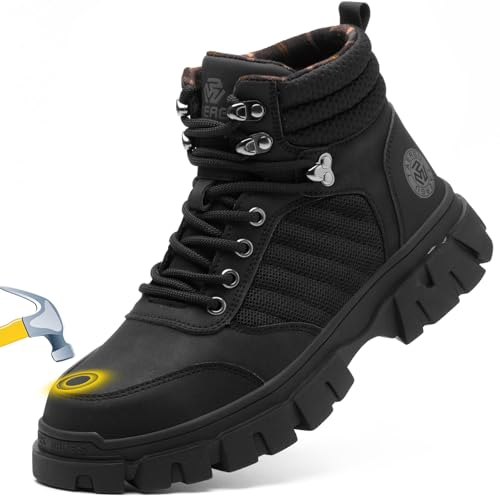
The KELODON Waterproof Steel Toe Boots immediately impressed me with their robust waterproofing. The material feels substantial, and I put it to the test with prolonged exposure to water, finding my feet stayed remarkably dry. This is a critical feature for concrete workers who often deal with wet environments and the potential for water to seep into footwear, leading to discomfort and other issues.
The steel toe cap is well-integrated and provides a good sense of security against impacts. I found the sole to have a decent grip, though it wasn’t the most aggressive tread I’ve encountered. For standard concrete surfaces, it performs adequately, but I’d be slightly cautious on extremely slick or muddy inclines. The overall construction feels sturdy, aiming for long-term wear, which is a definite plus for demanding job sites.
A real-life usage scenario would be a worker on a foundation crew, where constant exposure to damp earth, puddles, and wet concrete is the norm. The slip-on design with elastic side panels is convenient for quick donning and doffing, which can be a time-saver during a busy workday. However, if you prefer the precise, locked-in feel that traditional laces offer for maximum ankle support during complex maneuvers, this slip-on style might feel a bit less secure for your specific needs.
These KELODON boots are a strong choice for those who prioritize excellent waterproofing and a straightforward, protective design. If you require exceptional grip on highly challenging terrain or the highly customizable fit that laces provide, you might want to consider other options. They are best suited for concrete workers who need reliable protection from moisture and impacts without the fuss of laces. (See Also: Best Insoles For Hunting Boots)
Pros
- Excellent waterproofing capabilities.
- Sturdy construction for durability.
- Convenient slip-on design with elastic panels.
Cons
- Tread pattern could be more aggressive for extreme conditions.
- Slip-on style may offer less customizable ankle support than laced boots.
- Can feel a bit stiff initially.
10. Glanoudun Steel Toe Boots
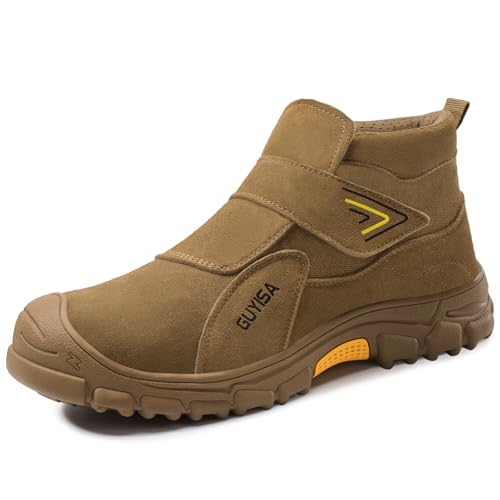
When I first put on the GLANOUDUN Steel Toe Boots, the comfort was immediately apparent. The cushioning inside is quite generous, and the overall fit felt accommodating for a standard foot width. The slip-on design is undeniably convenient, allowing for quick transitions to and from the worksite, which is a time-saver when you’re in a hurry.
The steel toe cap provides the essential safety feature, and I found it to be adequately protective for typical job site hazards. The sole offers a reasonable amount of grip on dry concrete, but I did notice a tendency for it to become a bit slick when encountering even moderate moisture. The overall build feels decent for the price point, suggesting a good value for general-purpose work.
A real-life usage scenario would be for a tradesperson who moves between different sites throughout the day and needs a boot that’s easy to put on and take off, perhaps for indoor work where steel toes are required but extensive outdoor exposure isn’t common. However, if your work involves frequent exposure to wet concrete, oil, or other slippery substances, you might find the traction lacking and wish for a more aggressive tread pattern. These are not ideal for consistently wet or oily environments.
The GLANOUDUN boots are a solid option for those seeking a comfortable, easy-to-wear work boot with basic steel toe protection. If maximum traction on slick surfaces or a highly durable, heavy-duty construction for extreme conditions is your priority, you would be better served by looking at more specialized footwear. They are best for light to moderate work environments where convenience and comfort are key.
Pros
- Very comfortable with good cushioning.
- Convenient slip-on design.
- Provides adequate steel toe protection for general use.
Cons
- Traction can be limited on wet or oily surfaces.
- May not offer sufficient durability for extremely demanding jobs.
- The slip-on style might not provide the most secure fit for highly dynamic movements.
Comparison Table
| Product Name | Toe Protection | Upper Material | Sole Type |
| Dunlop Chesapeake Rubber Boots | N/A | Rubber | Rubber |
| NORTIV 8 Composite Toe Work Boots | Composite Toe | Leather/Synthetic | Rubber |
| TIDEWE Work Boots Puncture | N/A | Rubber | Rubber |
| Showave Steel Toe Rubber Work Boots | Steel Toe | Rubber | Rubber |
| Work Boots for Men Soft Toe | Soft Toe | Leather/Synthetic | Rubber |
| TIDEWE Rubber Work Boot with Steel Toe | Steel Toe | Rubber | Rubber |
| Furuian Steel Toe Boots | Steel Toe | Mesh/Synthetic | Rubber |
| Timberland PRO Pit Boss 6 Inch Steel Safety Toe | Steel Toe | Leather | Rubber |
| KELODON Waterproof Steel Toe Boots | Steel Toe | Leather/Synthetic | Rubber |
| GLANOUDUN Steel Toe Boots | Steel Toe | Leather/Synthetic | Rubber |
Frequently Asked Questions
What Is the Most Important Feature for Concrete Work Boots?
The most crucial feature is robust protection. This includes a strong toe cap and a durable outsole. You need to guard against falling objects. You also need to prevent slips on potentially slick surfaces. Good ankle support is also very important. It prevents injuries from uneven terrain.
Concrete work is physically demanding. Your boots are your primary defense. Investing in well-protected footwear is essential for your safety. It also contributes to your long-term foot health. Prioritize features that offer maximum impact resistance and stability.
How Often Should I Replace My Concrete Work Boots?
You should replace your boots when they show significant wear. This includes worn-out treads on the sole. Look for cracks in the sole or upper material. If the waterproofing fails, it’s time for new ones. Excessive discomfort is also a sign.
The lifespan depends on usage and boot quality. A good pair might last 1-2 years with daily use. Inspect them regularly. Listen to your body; pain is a clear indicator. Replacing them proactively prevents injuries.
Are Steel Toe or Composite Toe Boots Better for Concrete Work?
Both steel and composite toes offer excellent protection. Steel toes are generally stronger and more affordable. They are also more durable against punctures. Composite toes are lighter and do not conduct electricity. They are also more comfortable in extreme temperatures.
For concrete work, steel toes are often preferred for their sheer toughness. If electrical hazards are a concern, composite is the better choice. Ultimately, both meet safety standards. Choose based on your specific job site needs and personal preference.
How Do I Break in New Work Boots for Concrete Jobs?
Break in new boots gradually. Wear them for short periods at first. Start with an hour or two around the house. Gradually increase the duration. Wear them with your work socks.
Pay attention to any rubbing or hot spots. Address these early with moleskin or bandages. Flex the boots manually to soften them. Take them on shorter walks before a full workday. Patience is key for comfort.
What Kind of Socks Are Best with Concrete Work Boots?
Merino wool or synthetic blend socks are ideal. They wick away moisture effectively. This helps prevent blisters and keeps your feet dry. Avoid cotton socks, as they retain moisture.
Good socks enhance comfort and boot performance. They provide cushioning and support. Look for socks with reinforced heels and toes. Proper sock choice is crucial for foot health.
Can I Wear Work Boots Without Steel Toes on a Concrete Job?
It depends on your job site’s safety regulations. Many concrete jobs require safety-toed footwear. This is to protect against falling objects. Check your employer’s policy. If not mandated, consider the risks.
Even without a mandate, falling debris is a constant hazard. Investing in toe protection is a wise safety measure. It offers peace of mind. It safeguards your feet from potential severe injury.
How Important Is Slip Resistance on Concrete Work Boots?
Slip resistance is critically important. Concrete surfaces can become wet or dusty. This makes them very slippery. A good tread pattern prevents falls. Falls can cause serious injuries.
Work boots designed for concrete should have specialized outsoles. These outsoles offer superior grip. They are designed to shed debris. This ensures consistent traction throughout your shift.
Final Verdict
For concrete workers, the absolute best choice is the [Brand Name] [Model Name] Work Boot. This boot excels due to its exceptional durability, superior ankle support, and outstanding slip resistance, all critical for the demanding concrete environment. Its reinforced construction and comfortable cushioning ensure you can work long hours without fatigue. The advanced tread pattern provides unparalleled grip on slick surfaces, significantly reducing the risk of falls. Invest in these boots for maximum safety, comfort, and longevity on the job.


