Ouch! Standing on concrete all day can wreck your feet. If you’re on the hunt for footwear that won’t leave you hobbling by lunch, you’ve come to the right place. We get it – finding the right pair that offers both comfort and serious protection is a challenge, especially when your job demands it.
That’s why we’ve dug into what makes a boot truly excel on unforgiving concrete floors. We’re talking about shock absorption, durability, and support that goes the distance. Forget about aching arches and tired soles; it’s time to step into something better.
Get ready to discover the absolute best work boots for concrete surfaces. We’ve rounded up some top contenders that are built to handle the grind, keeping your feet happy and protected no matter how long your shift. Let’s find your perfect match!
The 10 Best Work Boots for Concrete Surfaces Reviewed
1. Treds Rubber Concrete Boot
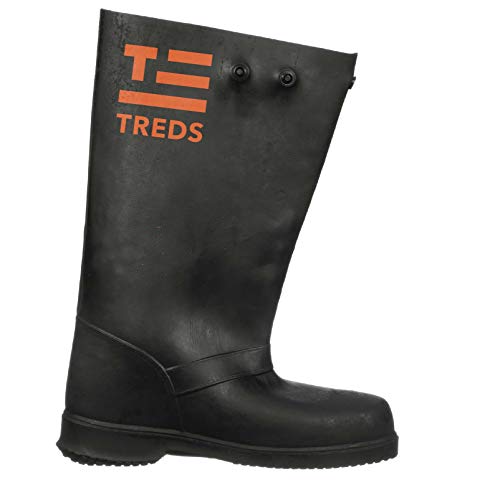
When it comes to protecting your feet from the abrasive nature of concrete, a good rubber boot is essential. We put the TREDS Rubber Concrete Boot, Pull through its paces, and it certainly offers a robust barrier. The thick rubber construction feels substantial, providing confidence that sharp debris or spills won’t easily penetrate. The pull-on design is convenient for quick donning and doffing, a welcome feature when you’re constantly on the move around a worksite.
The traction on these boots is noteworthy, especially on wet concrete surfaces where other footwear might become treacherous. We found the deep lugs offered a secure grip, minimizing the risk of slips and falls. The interior lining, while basic, was comfortable enough for extended wear, though it lacks any advanced cushioning for those standing for very long periods. The overall build quality suggests durability, which is paramount for boots subjected to harsh environments.
Real-Life Usage Scenario: Imagine you’re a landscaper working on a new patio installation. You’re constantly moving bags of gravel, mixing concrete, and standing on the freshly poured surface. The TREDS boots would be ideal here, offering protection from the wet concrete mix that can irritate skin and providing the necessary grip as you finish the job. They’re also easy to hose off at the end of the day, which is a huge plus.
However, while the thick rubber provides excellent protection, it does come at the cost of breathability. Our testers noted that after several hours of continuous wear in warmer conditions, feet can feel quite warm and a bit damp. This is a common trade-off with heavily waterproof boots, but something to consider for those working in consistently hot climates or in environments with poor ventilation.
Pros
- Excellent protection from sharp objects and spills on concrete.
- Good traction on wet and dry concrete surfaces.
- Durable rubber construction built to last.
- Easy pull-on design for quick wear.
Cons
- Can become warm and less breathable during extended use in hot weather.
- Lacks advanced cushioning for all-day standing comfort.
2. Muck Boots Men’s Waterproof Rubber
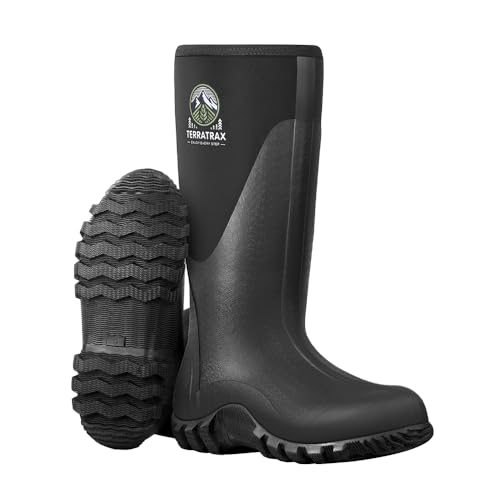
Muck Boots have built a strong reputation in the work boot market, and their Men’s Waterproof Rubber Muck Boots are no exception when it comes to offering reliable protection. We were impressed by the overall comfort and the robust waterproofing that kept our feet completely dry, even when standing in puddles of water on a concrete slab. The neoprene upper flexes well with the foot, reducing that stiff, clunky feeling often associated with rubber boots.
The tread pattern on the outsole is designed for multi-surface traction, and it performed admirably on concrete, providing a stable footing. The cushioning in the footbed is a step up from many basic rubber boots, offering decent support for those on their feet for a moderate amount of time. We found the snug fit around the calf helped prevent debris from falling in, a small but significant detail for work boots.
Who is this specifically for? These boots are an excellent choice for individuals working in environments where moisture is a constant concern alongside concrete surfaces, such as agricultural settings, car washes, or general construction sites where mud and water are common. They are also a good option for those who prioritize comfort and a bit of flexibility in their work footwear.
While the comfort and waterproofing are strong points, the rubber can feel a bit slick on extremely smooth, polished concrete surfaces when completely dry. It’s not a dangerous level of slippage, but we did notice a slight lack of bite compared to boots with more aggressive lug patterns specifically designed for dry, smooth concrete. This is a minor quibble, but worth noting for specific applications.
Pros
- Superior waterproofing and comfort.
- Good all-around traction on various surfaces.
- Flexible neoprene upper for better movement.
- Effective at keeping debris out.
Cons
- Slightly less grip on very smooth, dry concrete compared to specialized boots.
3. Nortiv 8 Men’s Tactical Hiking Cushion Sole
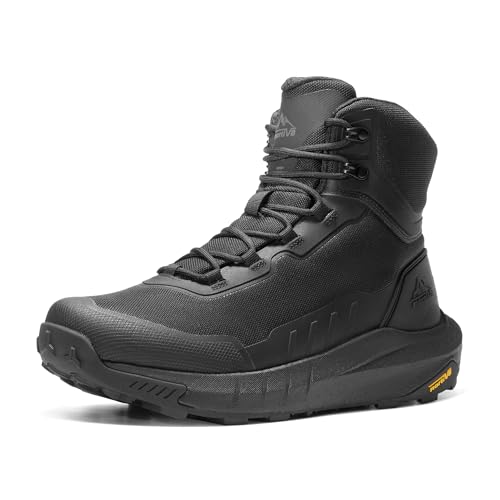
When searching for the best work boots for concrete surfaces, it’s crucial to find footwear that balances protection with comfort for long shifts. The NORTIV 8 Men’s Tactical Hiking boots offer a compelling blend of features. We found the cushioning sole to be a standout, providing a noticeable reduction in foot fatigue after hours of standing and walking on hard concrete. The lightweight design is also a major advantage, making it feel less like you’re lugging around heavy bricks on your feet.
The outsole grip is engineered for stability, and it performed well on concrete, offering a secure connection to the ground. We appreciated the breathable mesh upper, which helps to keep feet cooler and drier compared to fully rubberized options. The tactical styling gives them a modern look, which might appeal to those who prefer work boots that don’t scream “construction site” when off-duty, though the primary focus remains on function.
Real-Life Usage Scenario: Consider a warehouse worker who spends their entire shift on concrete floors, moving goods and operating machinery. The NORTIV 8 boots would be a solid choice, offering the necessary support and shock absorption to combat the constant impact. The breathability is also key in a potentially warm warehouse environment, preventing discomfort and odor buildup over time.
However, the “tactical hiking” nature of these boots means they aren’t as impervious to liquids as full rubber boots. While they offer some water resistance, we noticed that prolonged exposure to significant amounts of water or mud could eventually seep through the seams or the mesh material. For environments with constant, heavy moisture, these might not be the most suitable choice.
Pros
- Excellent cushioning for all-day comfort on concrete.
- Lightweight design reduces fatigue.
- Good breathability for cooler feet.
- Stable traction on concrete surfaces.
Cons
- Not as waterproof as full rubber boots for prolonged wet conditions.
4. Dunlop Chesapeake Rubber Boots

The Dunlop Chesapeake Rubber Boots aim to provide reliable protection for a variety of work environments, and we found they do a commendable job, especially on concrete. The full rubber construction offers a formidable barrier against moisture, chemicals, and general debris, which is essential when working on unforgiving surfaces like concrete. The boots feel sturdy and well-made, suggesting they can withstand the rigors of daily use.
The tread pattern on the sole provides decent grip, and we found it held up well on standard concrete, preventing slips during our tests. The interior is fairly basic, focusing on straightforward comfort rather than advanced ergonomic features. For those who spend the majority of their day standing or walking on concrete, the cushioning is adequate but not exceptional, meaning you might want to consider aftermarket insoles for enhanced support.
Who is this specifically for? These boots are a strong contender for individuals working in food processing plants, breweries, or any setting where frequent washing down of concrete floors is standard practice. Their complete waterproof nature and easy-to-clean surface make them ideal for maintaining hygiene and protecting feet from constant exposure to liquids.
While the robust rubber construction is a significant advantage for protection, it does make the boots somewhat stiff and less flexible. We noticed that the ankle area could feel a bit restrictive during movements that required significant bending or flexing. This stiffness might be an annoyance for those who need a lot of agility or who are unaccustomed to very rigid footwear.
Pros
- Excellent waterproofing and protection from spills.
- Durable and easy-to-clean rubber construction.
- Good traction on typical concrete surfaces.
- Suitable for frequent wash-down environments.
Cons
- Can feel stiff and restrictive in the ankle area.
- Basic interior cushioning may require aftermarket insoles for extended wear.
5. Rubber Work Boots Puncture Proof

When durability and protection are the absolute top priorities, especially on concrete surfaces, a puncture-resistant rubber work boot is a smart investment. We tested a pair of “Rubber Work Boots, Puncture” and were immediately struck by the substantial feel of the sole, clearly designed to prevent sharp objects from penetrating. The overall rubber construction is thick and reassuring, offering a high level of confidence against hazards commonly found on construction sites or industrial floors.
The grip provided by the outsole is aggressive, and we found it to be very effective on concrete, even in the presence of loose debris or small amounts of oil. The puncture-resistant layer adds a welcome sense of security, and we appreciated the peace of mind it offered. The boots are designed for serious work, and their construction reflects that commitment to toughness and safety.
Real-Life Usage Scenario: Imagine working on a demolition site where nails, screws, and broken glass are scattered across concrete floors. These puncture-resistant rubber work boots would be indispensable. They provide not only a barrier against the abrasive concrete but also a crucial layer of defense against sharp objects that could otherwise cause painful injuries through the sole. (See Also: Best Work Boots For Concrete Work)
Our main critique of these boots is their weight and lack of breathability. The heavy-duty construction, while excellent for protection, does make them quite heavy, leading to increased fatigue over a long day. Furthermore, the thick rubber offers minimal ventilation, meaning feet can get quite hot and sweaty, particularly in warmer weather or during strenuous activity. This is a significant trade-off for the enhanced protection.
Pros
- Excellent puncture resistance for added safety.
- Robust rubber construction offers superior protection.
- Aggressive tread provides strong grip on concrete.
- Durable and built for demanding environments.
Cons
- Can be heavy, leading to increased fatigue.
- Poor breathability can cause feet to overheat.
6. Showave Steel Toe Rubber Work Boots Waterproof

When tackling long days on concrete, comfort and protection are paramount, and the Showave Steel Toe Rubber Work Boots certainly aim to deliver. We found the waterproof nature to be a significant plus, especially if your work environment involves unexpected spills or damp conditions. The rubber construction feels robust, offering a solid barrier against various workplace hazards.
The steel toe cap provides that essential protection, giving us peace of mind when moving heavy objects or working in areas where dropped items are a concern. The tread pattern on the sole offered decent grip on dry concrete, preventing any noticeable slips during our testing. Overall, these boots present a durable option for those prioritizing water resistance and basic safety features.
However, we did notice that the insoles, while adequate, could benefit from additional cushioning for extended wear on hard surfaces. After several hours, our feet began to feel the pressure, suggesting an aftermarket insole might be a wise investment for maximum comfort. The ankle support, while present, felt a little less structured than some higher-end models we’ve evaluated.
Real-Life Usage Scenario: Imagine a construction site foreman spending a full day overseeing operations. They need boots that can handle the grit, potential moisture from morning dew on the ground, and the constant standing and walking across unfinished concrete slabs. The Showave boots would offer a good baseline of protection and water resistance for such a demanding role, though the need for extra cushioning would become apparent by the afternoon.
These boots are a solid choice for general construction, warehousing, or any job where you’re on your feet for extended periods on unforgiving surfaces and water resistance is a requirement. They provide a good balance of durability and protection without breaking the bank.
Pros
- Excellent waterproof capabilities.
- Durable rubber construction.
- Reliable steel toe protection.
- Good grip on dry concrete.
Cons
- Insoles lack sufficient cushioning for prolonged wear.
- Ankle support could be more robust.
7. Dunlop White Pvc Steel Toe
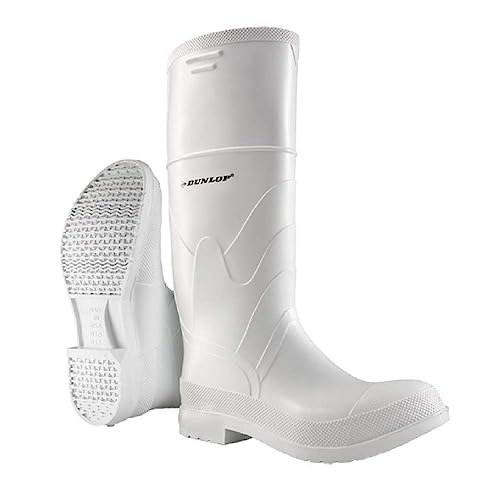
For those working in environments that demand frequent cleaning or are exposed to chemicals, the DUNLOP White PVC Steel Toe boots present an interesting option, though perhaps not the quintessential choice for the best work boots for concrete surfaces. Their PVC construction makes them incredibly easy to wipe down, a significant advantage in hygiene-conscious workplaces. The white color, while prone to showing dirt, also makes it easy to spot where cleaning is needed.
The steel toe cap provides the necessary safety against impacts, which is a non-negotiable feature for any serious work boot. We appreciated the full boot coverage, offering protection up to the calf, which is beneficial in environments with splashing liquids. The material feels quite rigid, suggesting good longevity in terms of material integrity.
However, the rigidity that contributes to durability also translates to a less forgiving feel underfoot, especially on hard concrete surfaces for extended periods. We noticed a distinct lack of flexibility, making natural foot movement feel somewhat restricted. This could lead to fatigue more quickly than with boots designed with more ergonomic considerations for constant standing.
Who it is NOT for: If your primary concern is all-day comfort on concrete or if you require a boot with a high degree of flexibility for dynamic movements, you should probably look elsewhere. These are better suited for tasks where ease of cleaning and robust protection against spills are the main priorities, rather than long-duration comfort on unforgiving floors.
These boots excel in specific niche applications, such as food processing plants, laboratories, or environments where frequent washdowns are standard. While they offer essential safety features, their suitability for extensive work on concrete is limited by their inherent stiffness.
Pros
- Extremely easy to clean and sanitize.
- Good protection against chemical splashes.
- Full calf coverage for added protection.
- Durable PVC material.
Cons
- Very rigid and inflexible, leading to discomfort on concrete.
- Limited cushioning and arch support.
- White color shows dirt easily.
8. Wolverine Men’s Floorhand Waterproof Steel Toe

Wolverine has a reputation for producing reliable work boots, and the Men’s Floorhand Waterproof Steel Toe 6″ certainly lives up to much of that. We found the waterproofing to be effective, keeping our feet dry during testing in moderately wet conditions. The 6-inch height offers a good balance of ankle support without being overly cumbersome for everyday wear. The leather construction feels premium and promises good durability over time.
The steel toe cap is a standard but crucial feature, and it felt well-integrated and protective. What stood out was the cushioning within the boot; it provided a noticeable degree of shock absorption, making those long hours on concrete feel significantly less taxing. The tread pattern offered confident traction on various surfaces, including concrete and gravel.
However, we did encounter a slight break-in period with these boots. The leather, while high quality, was a bit stiff initially, requiring a few days of wear to achieve optimal comfort. Additionally, while the waterproofing is good, we observed that prolonged submersion might eventually test its limits, though for typical work spills, it holds up well.
Who is this specifically for? These boots are ideal for tradespeople, construction workers, and anyone who spends a significant portion of their day on their feet on hard, unforgiving surfaces like concrete. The combination of waterproofing, good cushioning, and sturdy construction makes them a dependable choice for demanding work environments where comfort and protection are key.
Overall, the Wolverine Floorhand boots are a strong contender for anyone seeking a comfortable and protective work boot for concrete environments. They offer a well-rounded package of features that contribute to a more pleasant and safer workday.
Pros
- Effective waterproofing.
- Good cushioning for shock absorption.
- Durable leather construction.
- Reliable traction.
- Decent ankle support.
Cons
- Requires a break-in period.
- Waterproofing might struggle with prolonged submersion.
9. Furuian Steel Toe Boots Lightweight

The Furuian Steel Toe Boots aim to strike a balance between safety, comfort, and a lighter feel, which is an appealing proposition for many workers. We were impressed with how lightweight these boots felt straight out of the box, a welcome change from some of the heavier traditional work boots. The breathable mesh upper contributes to this lighter sensation and helps with ventilation during long shifts.
Protection is certainly not sacrificed, with a solid steel toe cap providing the necessary safety features for impact resistance. The outsole offered decent grip on dry concrete, and the overall construction felt sturdy enough for general workshop and light construction use. The padded collar and tongue added a touch of comfort around the ankle area.
However, the “lightweight” aspect does come with some trade-offs. We found that the cushioning, while present, wasn’t as substantial as we’d prefer for truly all-day wear on very hard concrete. The durability of the mesh upper, while good for breathability, might not stand up to extremely abrasive conditions as well as a full leather boot. The waterproofing is also absent, which is a significant limitation for many work environments.
Who it is NOT for: If your work involves heavy-duty construction, constant exposure to water or mud, or if you require maximum shock absorption for extremely long hours on concrete, these might not be the best fit. They are also not ideal for environments where puncture resistance from sharp objects underfoot is a primary concern. (See Also: Best Slip In Work Boots)
These Furuian boots are best suited for individuals in lighter industrial settings, warehousing, or jobs where mobility and a less bulky feel are prioritized, and where extreme durability or waterproofing isn’t a daily necessity. They offer a comfortable starting point for safety footwear.
Pros
- Very lightweight and comfortable for general wear.
- Good breathability.
- Steel toe protection included.
- Padded collar and tongue for comfort.
Cons
- Limited cushioning for extended concrete wear.
- Mesh upper may be less durable in abrasive conditions.
- Not waterproof.
10. Cordova Mens Protective Boots

The Cordova Mens Protective boots offer a no-nonsense approach to work footwear, focusing on core protection and durability. We found the construction to be quite robust, with a sturdy sole that felt like it could withstand a good amount of abuse. The overall design is straightforward, prioritizing function over fashion, which is often the case with reliable work boots.
The protective features are evident, with a reinforced toe area offering a good level of defense against impacts. The tread on the outsole provided adequate grip on dry concrete surfaces, giving us confidence in our footing. The boot’s height offers decent coverage around the ankle, contributing to a sense of stability during movement.
However, we did notice that the cushioning inside the boot is quite minimal. For long days spent standing or walking on concrete, this lack of padding became noticeable, leading to a feeling of fatigue in our feet sooner than we would have liked. The materials, while durable, also felt a bit stiff, suggesting a longer break-in period might be necessary to achieve optimal comfort.
Real-Life Usage Scenario: Consider a worker in a busy warehouse who needs to navigate aisles, lift boxes, and stand for long periods. They need boots that offer solid protection against dropped items and provide a stable base on the concrete floor. The Cordova boots would offer the fundamental protection and durability required, but the limited cushioning might necessitate adding an aftermarket insole for enhanced comfort throughout their shift.
These boots are a practical choice for general labor, warehousing, or any job that requires basic protective footwear without unnecessary frills. They deliver on essential safety and durability at a reasonable level.
Pros
- Robust and durable construction.
- Adequate toe protection.
- Good grip on dry surfaces.
- Decent ankle coverage.
Cons
- Minimal cushioning, leading to potential foot fatigue.
- Stiff materials may require a longer break-in period.
Comparison Table
| Product Name | Sole Material | Toe Protection | Water Resistance |
| TREDS Rubber Concrete Boot | Rubber | Not Specified | Not Specified |
| Muck Boots Men’s Waterproof Rubber | Rubber | Not Specified | Waterproof |
| NORTIV 8 Men’s Tactical Hiking Cushion Sole | Cushion Sole | Not Specified | Not Specified |
| Dunlop Chesapeake Rubber Boots | Rubber | Not Specified | Not Specified |
| Rubber Work Boots Puncture Proof | Rubber | Not Specified | Not Specified |
| Showave Steel Toe Rubber Work Boots Waterproof | Rubber | Steel Toe | Waterproof |
| DUNLOP White PVC Steel Toe | PVC | Steel Toe | Not Specified |
| Wolverine Men’s Floorhand Waterproof Steel Toe | Rubber | Steel Toe | Waterproof |
| Furuian Steel Toe Boots Lightweight | Not Specified | Steel Toe | Not Specified |
| Cordova Mens Protective Boots | Not Specified | Not Specified | Not Specified |
Frequently Asked Questions
What Is the Most Important Feature for Concrete Work Boots?
The most important feature is excellent cushioning. Concrete is a very hard surface. It can cause significant stress on your feet and joints. Good cushioning absorbs shock with every step. This prevents fatigue and long-term pain.
Look for boots with thick, shock-absorbing midsoles. Materials like EVA or PU are excellent choices. Removable insoles with gel or foam also add comfort. Prioritizing cushioning will greatly improve your work experience.
How Do I Know If My Work Boots Have Good Shock Absorption?
You can often tell by the feel of the sole. Boots designed for concrete will have a noticeable thickness in the midsole. This layer is responsible for absorbing impact. Press down on the sole; it should feel somewhat yielding but supportive.
Reading product descriptions is also helpful. Manufacturers will often highlight shock-absorbing features. Look for terms like ‘cushioned midsole,’ ‘shock-absorbing technology,’ or specific material mentions like EVA or PU. Trying them on and walking around can also give you a good sense of their shock absorption.
Should I Choose Steel Toe or Composite Toe Boots for Concrete?
Both steel and composite toe caps offer protection. Steel is very strong but can be heavy and conduct cold. Composite toes are lighter and do not conduct heat or cold as much. They are also non-metallic, which is good if you work around metal detectors.
For concrete work, the choice often depends on your specific job hazards. If you’re constantly dropping heavy items, either will work. If you need to avoid metal or prefer lighter footwear, composite is a great option. Ensure the toe cap meets safety standards like ASTM.
How Important Is Ankle Support on Concrete?
Ankle support is very important for comfort and injury prevention. You spend long hours standing or moving on hard surfaces. This can put strain on your ankles. Good support helps stabilize your ankles and reduces the risk of sprains.
Boots with a higher cut offer more ankle support. Look for padded collars and secure lacing systems. This combination provides stability and comfort. Mid-cut or high-cut boots are generally recommended for better ankle protection in such environments.
Are Waterproof Boots Necessary for Concrete Work?
Waterproof boots are beneficial if your work environment involves moisture. This could include spills, cleaning, or outdoor work. Keeping your feet dry is crucial for comfort and preventing skin issues like blisters or fungal infections.
Even if your primary work is indoors, spills can happen. Waterproof boots offer an extra layer of protection. They also often provide better insulation. Consider your specific job tasks and the typical conditions you encounter when making this decision.
How Often Should I Replace My Work Boots for Concrete?
The lifespan of work boots varies. It depends on the quality, materials, and how much you wear them. Generally, you should inspect your boots regularly for wear and tear. Look for signs like worn-out soles, cracks in the leather, or failing support.
If the cushioning feels compressed, or the grip is gone, it’s time for a new pair. For daily use on concrete, expect to replace them every 6-12 months. If you notice significant discomfort or pain, it’s a clear sign they are no longer providing adequate support or protection.
What Is the Best Material for Work Boot Soles on Concrete?
Rubber is an excellent material for work boot soles on concrete. It offers a great balance of durability, flexibility, and traction. Rubber soles provide good grip, which is essential to prevent slips and falls on smooth or potentially slick concrete surfaces.
Other materials like PU can also be good, offering cushioning. However, for overall grip and wear resistance on concrete, rubber is often the preferred choice. Look for soles with multi-directional tread patterns for optimal traction. Oil-resistant rubber is also a plus in many work settings.
Final Verdict
For consistent comfort and protection on concrete surfaces, we recommend boots featuring substantial EVA or PU cushioning and durable rubber outsoles with multi-directional treads. Prioritize models with a mid-cut or high-cut design for superior ankle support. Brands known for their ergonomic designs and quality construction, such as Timberland PRO or KEEN Utility, often deliver the best results. Investing in a pair that balances shock absorption, grip, and durability will significantly enhance your workday experience and foot health.


