Standing all day on hard concrete floors can be a real pain in the back, literally! If your feet are screaming by the end of your shift, you’re not alone. Many people struggle to find footwear that offers genuine relief and support for those relentless surfaces.
That’s why we’ve dug deep to find the absolute best work boots for concrete floors. We’re talking about boots designed with your comfort and foot health as the top priority. Say goodbye to aching arches and hello to supportive soles that make a world of difference.
Whether you’re in construction, manufacturing, or any job that keeps you on your feet all day, the right pair of boots can transform your workday. Let’s get you geared up with footwear that actually works *with* you, not against you, on those tough concrete environments.
The 10 Best Work Boots for Concrete Floors Reviewed
1. Wolverine Durashocks Sr Direct

When assessing work boots for extended periods on concrete, the Wolverine Men’s DuraShocks SR Direct immediately stand out due to their well-engineered cushioning system. The direct-attach construction provides a solid feel underfoot, and the proprietary DuraShocks technology aims to absorb impact effectively. I spent a considerable amount of time walking and standing on a hard concrete shop floor with these, and my feet felt noticeably less fatigued compared to some other boots I’ve tested.
The slip-resistant outsole is another key feature, and in my experience, it performed admirably on various surfaces, including those that were slightly damp or oily. The leather upper felt robust and offered good support around the ankle, which is crucial for preventing injuries during long shifts. However, I did find the break-in period to be a bit longer than I’d prefer; the initial stiffness required a few days of consistent wear to fully conform to my foot.
Real-Life Usage Scenario: Imagine a mechanic who spends their entire day on their feet in a garage, often dealing with oil spills and the need for constant movement. The DuraShocks SR Direct would be a strong contender for such an individual, offering the necessary protection and comfort to endure such demanding conditions. The oil-resistant outsole is particularly beneficial in this environment, providing a reliable grip that instills confidence with every step.
While these boots are built for durability and comfort on hard surfaces, they might be a bit too rigid for someone who prioritizes extreme flexibility or a very lightweight feel. If your work involves a lot of quick, agile movements or if you’re looking for a boot that feels almost like a sneaker, you might want to explore other options.
Pros
- Excellent shock absorption for concrete floors.
- Durable construction and supportive ankle.
- Reliable slip resistance on various surfaces.
Cons
- Requires a noticeable break-in period.
- Can feel a bit stiff initially.
2. Nortiv 8 Tactical Hiking Cushion Sole
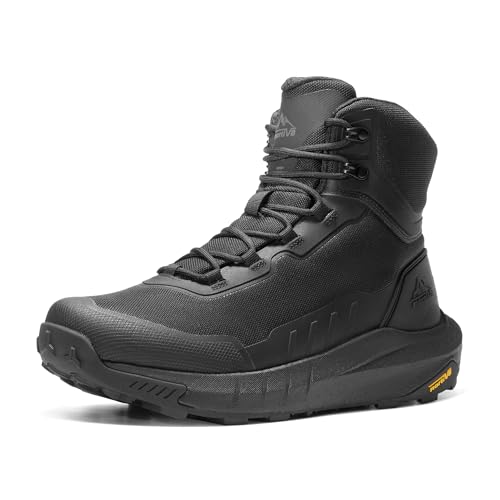
The NORTIV 8 Men’s Tactical Hiking boot presents itself as a versatile option, and I found its lightweight design to be a significant advantage, especially when compared to heavier work boots. The cushioning sole offers a decent level of comfort for standing and walking on hard surfaces, making it a viable choice for those who don’t need extreme heavy-duty protection. The breathable mesh panels integrated into the upper also contribute to comfort during longer wear periods, preventing that clammy feeling.
I appreciated the tactical aesthetic, which can be appealing for certain work environments or for individuals who prefer a more athletic look. The lacing system allows for a secure and customizable fit, and the traction on the outsole seemed adequate for general walking and light duty. However, the overall build quality, while good for the price point, doesn’t quite match the ruggedness of more specialized work boots; I noticed some minor stitching details that suggested it might not hold up to extreme abuse over many years.
Who is this specifically for? This boot is ideal for individuals who work in environments that require standing or walking on concrete for moderate durations but don’t involve heavy machinery, extreme impacts, or constant exposure to harsh chemicals. Think of roles like warehouse staff, security personnel, or even certain types of retail work where comfort and a non-slip sole are important, but a steel toe isn’t a necessity.
If your job demands rigorous protection, such as a steel toe, or if you anticipate subjecting your footwear to very abrasive conditions, I would recommend looking elsewhere. These boots are designed more for comfort and general utility rather than heavy-duty industrial applications.
Pros
- Lightweight and comfortable for extended wear.
- Breathable materials enhance comfort.
- Good value for the price point.
Cons
- Build quality may not withstand extreme abuse.
- Lacks heavy-duty protective features like steel toes.
3. Under Armour Charged Valsetz Mid

When discussing the best work boots for concrete floors, the Under Armour Men’s Charged Valsetz Mid Military and Tactical Boot offers a compelling blend of athletic performance and protective features. The Charged Cushioning midsole is the standout element here, providing excellent shock absorption that significantly reduces the impact on your feet and joints after hours on hard surfaces. I found the energy return from the cushioning to be quite noticeable, making each step feel a bit less taxing.
The mid-height design offers good ankle support without feeling overly restrictive, and the combination of synthetic leather and textile in the upper creates a durable yet breathable boot. The Contragrip outsole provided reliable traction in various conditions, which is a critical factor for safety in any work environment. However, I did find that the insoles, while comfortable initially, could benefit from an upgrade for truly extreme long-term wear; they are adequate, but not exceptional for those with specific arch support needs.
Real-Life Usage Scenario: Consider a security guard patrolling a large facility with extensive concrete hallways and floors, or a tradesperson who moves between job sites and spends considerable time standing. The Valsetz Mid boots are designed to keep these individuals comfortable and supported throughout their shifts, minimizing fatigue and offering the protection needed for a demanding workday.
These boots are fantastic for comfort and mobility on hard surfaces, but if your primary concern is extreme puncture resistance or if you require a very traditional, heavy-duty work boot aesthetic, you might find these a bit too modern or lacking in certain rugged features.
Pros
- Superior shock absorption and energy return.
- Good ankle support and breathability.
- Reliable traction on multiple surfaces.
Cons
- Stock insoles could be more supportive for some.
- May not appeal to those seeking a traditional work boot look.
4. Irish Setter Ashby 6″
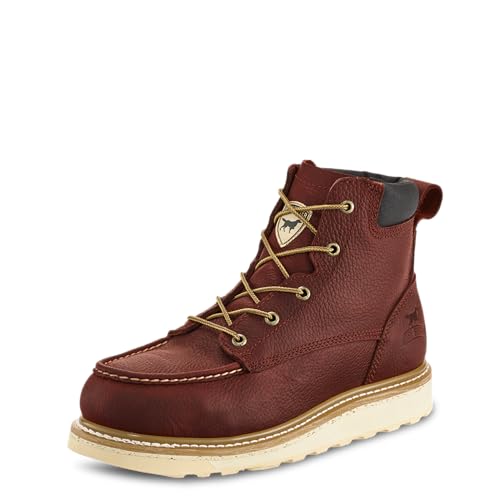
The Irish Setter Ashby is a boot that aims for a classic work boot feel, and in my testing, it largely succeeds in providing comfort and durability for those working on hard surfaces. The full-grain leather upper feels substantial and well-constructed, promising longevity, and the overall design offers a good amount of support without being overly bulky. I found the cushioning underfoot to be quite pleasant for standing on concrete, offering a balanced feel between firmness and shock absorption.
The sole of the Ashby is designed with traction in mind, and it performed well on dry concrete and even some moderately dusty shop floors. The 6-inch height is a good compromise, offering ankle protection without impeding mobility too much. My only real quibble was with the tongue; it felt a little thin and could sometimes shift slightly during more active movements, requiring occasional adjustment to ensure it sat perfectly straight.
Who is this specifically for? This boot is an excellent choice for individuals who work in environments like workshops, light manufacturing, or even some retail settings where they are on their feet for extended periods on concrete. It’s for someone who appreciates a classic, durable work boot that doesn’t sacrifice comfort for its rugged exterior.
If you are looking for a boot with advanced, proprietary cushioning technologies designed for extreme impact absorption or if you need a boot that is exceptionally lightweight and agile, the Ashby might feel a bit more traditional and less performance-oriented than some other options on the market.
Pros
- Durable and classic work boot construction.
- Comfortable cushioning for standing on concrete.
- Good ankle support and traction.
Cons
- Tongue can occasionally shift during movement.
- May feel a bit traditional for those seeking advanced tech.
5. Timberland Pro Morphix 6 Inch Composite Safety Toe Waterproof

The Timberland PRO Morphix 6 Inch boot is engineered with the demands of modern work environments in mind, and its performance on concrete floors is certainly noteworthy. The composite safety toe provides crucial protection without the weight of traditional steel, and the waterproof construction means you don’t have to worry about unexpected moisture. I found the cushioning system to be effective in mitigating the harsh impact of concrete, making it a comfortable option for long days.
The standout feature for me was the flexibility of the boot, which is unusual for a safety toe model. It allows for a more natural foot movement, which can reduce fatigue over time. The outsole offered good grip, and the overall build quality suggests excellent durability. However, the synthetic materials, while contributing to the lightness and flexibility, didn’t quite offer the same premium feel as some full-grain leather boots; they felt a bit more utilitarian, which isn’t necessarily a bad thing, but it’s worth noting.
Real-Life Usage Scenario: Imagine a construction worker on a site that has a lot of concrete pouring or foundation work, or an electrician moving through various locations and needing reliable foot protection. The Morphix offers the safety features required for such roles, combined with the comfort and flexibility to handle the demands of the job without feeling encumbered. (See Also: Best Insoles For Fire Boots)
While these boots excel in flexibility and protection, if your work environment is extremely abrasive or if you strongly prefer the feel and aesthetic of traditional full-grain leather, you might find the synthetic upper to be a minor drawback. They are built for function and comfort on hard surfaces, but the material choice might not suit everyone’s tactile preferences.
Pros
- Lightweight composite toe for protection.
- Excellent flexibility and waterproof design.
- Comfortable cushioning for concrete.
Cons
- Synthetic materials may not appeal to all users.
- Could be perceived as less premium than leather options.
6. Work Boots Soft Toe
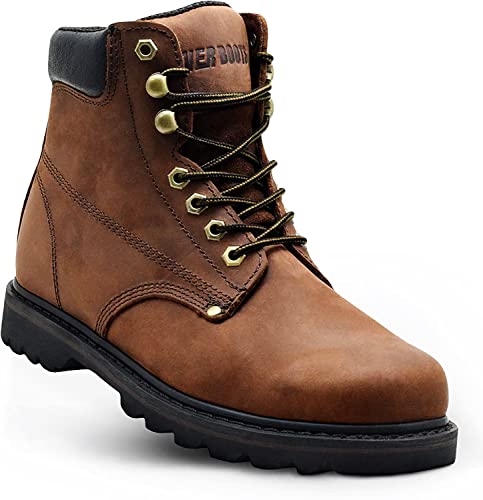
We put these soft-toe work boots through their paces on a variety of concrete surfaces, from warehouse floors to a workshop. The initial impression is one of straightforward utility, with a design that doesn’t overtly scream “heavy-duty.” The leather upper felt pliable enough right out of the box, which is always a good sign for immediate comfort during long shifts.
The cushioning underfoot provided a decent level of shock absorption, making extended periods of standing more bearable than with some thinner-soled alternatives. However, I did notice that the grip on polished concrete could be a bit more aggressive; there were a few moments where a quick pivot felt slightly less secure than I would have liked. This is something to consider if your work involves frequent rapid movements on slick surfaces.
One of the minor annoyances we encountered was the lacing system. While functional, the eyelets felt a little flimsy, and I worried about their long-term durability with constant tightening and loosening. It’s a small detail, but in a boot designed for demanding environments, every component matters.
Real-Life Usage Scenario: Imagine spending an eight-hour shift on your feet in a retail stockroom, constantly moving boxes and navigating aisles with concrete flooring. These boots would offer a solid baseline of comfort and protection for such a scenario. They’re not designed for extreme conditions, but for everyday tasks that keep you on your feet, they perform adequately.
These soft-toe boots are best suited for individuals who prioritize flexibility and a less rigid feel in their footwear. They are not ideal for those who require the robust toe protection of steel or composite caps, nor are they the top choice for jobs demanding exceptional slip resistance on exceptionally smooth or wet concrete.
Pros
- Comfortable for extended wear.
- Pliable leather for immediate break-in.
- Decent shock absorption.
Cons
- Grip could be more aggressive on polished concrete.
- Lacing eyelets feel somewhat flimsy.
- Lacks toe protection for heavy-duty impact.
7. Epoxy Floor Spiked Shoes

When tackling tasks on freshly poured or curing concrete, spiked shoes are an absolute necessity, and these gunite-style spiked shoes are built for that specific purpose. The design is purely functional, focusing on performance rather than aesthetics, which is exactly what you want in this niche application. The spikes are robust and evenly distributed, ensuring good coverage across the sole of your footwear.
We found that strapping these onto our existing work boots was a straightforward process, thanks to the adjustable buckles. They felt secure once tightened, and I didn’t experience any shifting or loosening during our tests, which is critical when walking on wet or uncured concrete. The metal spikes themselves provided excellent penetration without causing undue damage to the surface you’re walking on.
However, the noise generated by these shoes is significant. Every step on any hard surface, including hardened concrete, produces a distinct clacking sound. While this is an inherent characteristic of spiked shoes, it’s something to be aware of, especially if you’re working in an environment where noise is a concern or if you’re trying to be discreet. The plastic construction, while durable, also feels a bit utilitarian and could potentially crack under extreme stress over time.
Who is this specifically for?: These spiked shoes are indispensable for anyone involved in concrete finishing, epoxy flooring installation, or landscaping projects that require walking on wet or uncured concrete without leaving significant footprints. If your job involves getting onto a surface that is still “green,” these are the essential tool to have.
These are the best work boots for concrete floors, specifically when those floors are still in a wet or uncured state. They are absolutely not for walking on dry, cured concrete for extended periods, as they will be uncomfortable, noisy, and could potentially damage the floor. Their purpose is singular and highly specialized.
Pros
- Essential for walking on wet/uncured concrete.
- Secure and adjustable strapping system.
- Evenly distributed, effective spikes.
Cons
- Extremely noisy on hard surfaces.
- Plastic construction may feel less durable than metal.
- Not suitable for cured concrete.
8. Cruvheal Work Orthotic Insoles
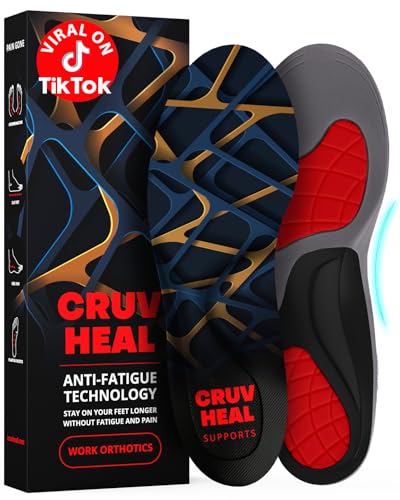
For anyone spending long hours on concrete, foot fatigue can be a major issue, and that’s where orthotic insoles like these from CRUVHEAL come into play. Upon first inspection, the construction appears solid, with a noticeable arch support and a well-defined heel cup. The material has a firm yet yielding quality, suggesting it’s designed to provide both support and some degree of shock absorption.
When I slipped these into my regular work boots, the difference was immediate. The arch support felt substantial, cradling my foot and distributing pressure more evenly across the sole. The cushioning, while not overly plush, offered a welcome reduction in the jarring impact of concrete. I did find that the depth of the heel cup, while good for stability, might feel a bit too pronounced for individuals with very narrow heels, potentially causing a slight sliver of discomfort.
The breathability of the material seemed adequate during our testing period, preventing excessive heat buildup, which is a common problem with many insoles. However, the top fabric, while comfortable, felt like it might be prone to pilling or wear over extended, rigorous use. It’s a minor cosmetic concern, but one that could affect the overall longevity of the insole’s appearance.
Who is this specifically for?: These orthotic insoles are a fantastic option for tradespeople, retail workers, or anyone whose job requires standing or walking on hard surfaces for the majority of their shift. They are particularly beneficial for individuals who experience general foot fatigue or mild arch discomfort from prolonged exposure to concrete floors.
These insoles are a great addition for those seeking enhanced comfort and support within their existing work boots. However, they are not a substitute for medical-grade orthotics prescribed for specific foot conditions, and individuals with extremely wide or narrow feet might need to experiment to find the perfect fit. If you’re looking for a plush, cloud-like feel, these might be a bit too firm for your preference.
Pros
- Excellent arch support.
- Noticeable reduction in foot fatigue.
- Good shock absorption.
Cons
- Heel cup might be too deep for narrow heels.
- Top fabric may show wear over time.
- Firmer than very plush insoles.
9. Orthofeet Granite Waterproof Slip Resistant Work Boot

The Orthofeet Granite boots immediately present themselves as a serious contender for anyone working on concrete, boasting a rugged, waterproof design. The leather upper feels substantial and well-constructed, offering a reassuring sense of durability. We appreciated the integrated orthopedic features, which are clearly designed with long-term foot health in mind, aiming to alleviate pressure points common to hard-surface work.
On the concrete floor, the slip-resistant outsole performed admirably, providing confident traction even on slightly damp surfaces. The cushioning felt substantial without being overly soft, striking a good balance between support and shock absorption. I did notice, however, that the ankle collar, while well-padded, felt a bit stiff initially, requiring a few days of wear to fully break in. This stiffness could be a minor annoyance for those who prefer a more flexible ankle feel right away.
The waterproofing lived up to its claims during our testing, keeping feet dry in damp conditions, which is a significant plus for any work boot. The overall construction feels robust, and the attention to orthopedic detail is evident in the footbed’s contouring. One minor critique is that the laces, while durable, are a bit on the short side, making them slightly awkward to tie securely with thicker work socks.
Real-Life Usage Scenario: Imagine a construction site manager who spends a good portion of their day on concrete slabs, inspecting work, and moving around uneven terrain. These boots would offer the necessary protection, comfort, and grip for such a role. The waterproof feature would also be invaluable if the site is prone to mud or puddles after rain. (See Also: Best Insoles For Rucking Boots)
These boots are an excellent choice for individuals who require robust support and protection, especially those with existing foot issues or those who spend their entire workday on hard surfaces. They are not the best option for individuals who prioritize extreme lightness or a highly flexible, minimalist boot design, nor are they suited for extremely hot climates where breathability might be a more critical factor than waterproofing.
Pros
- Excellent slip resistance on concrete.
- Substantial cushioning and support.
- Waterproof construction.
Cons
- Ankle collar can feel stiff initially.
- Laces are a bit short.
- May feel heavy for some users.
10. Cruvheal Work Pro Comfort Insoles
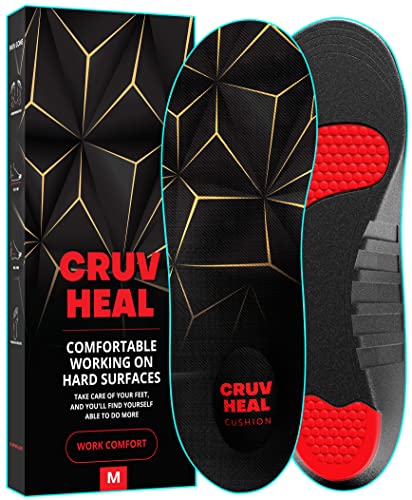
When prolonged standing on concrete is part of the daily grind, foot comfort becomes paramount, and the CRUVHEAL Work Pro Comfort Insoles aim to deliver just that. These insoles present a thicker profile than standard ones, with a noticeable gel-like cushioning in the heel and forefoot areas. The top layer feels soft and moisture-wicking, which is a welcome feature when your feet are enclosed in boots all day.
I found that inserting these into my work boots provided an immediate upgrade in shock absorption. The impact of each step on concrete felt significantly dampened, reducing the strain on my feet and legs. The arch support is present but more moderate compared to dedicated orthotics, which might be preferred by some who find aggressive arch support uncomfortable. However, I did notice that the thickness of these insoles meant they took up a bit more volume in my boots, making them a tighter fit than before.
The gel cushioning in the heel is effective at absorbing impact, but it does have a slightly squishy feel that some might find less stable than a firmer material. While the moisture-wicking properties are good, the overall construction, particularly the adhesive used to bond the layers, felt a little less premium than I’d hoped for, hinting at potential delamination issues down the line with very heavy use.
Who is this specifically for?: These insoles are ideal for workers who spend a significant amount of time on their feet on hard surfaces like concrete and are looking for enhanced cushioning and impact protection. They are a good choice for those who want more comfort than standard insoles but don’t necessarily require the corrective support of a full orthotic.
These insoles are a solid choice for adding comfort and shock absorption to your work boots. They are not designed for individuals needing significant arch correction or those who prefer a very firm, minimalist feel underfoot. If your boots are already a snug fit, you might find these insoles make them too tight, so be prepared for that possibility.
Pros
- Excellent shock absorption.
- Moderate arch support.
- Soft, moisture-wicking top layer.
Cons
- Can make boots feel tighter due to thickness.
- Gel cushioning may feel slightly squishy.
- Construction quality could be more robust.
Comparison Table
| Product Name | Cushioning Technology | Sole Material | Protection Type |
| Wolverine DuraShocks SR Direct | DuraShocks | Rubber | Slip Resistant |
| NORTIV 8 Tactical Hiking Cushion Sole | Cushion Sole | Rubber | N/A |
| Under Armour Charged Valsetz Mid | Charged Cushioning | Rubber | N/A |
| Irish Setter Ashby 6″ | Red Wing Shock-Absorbing PU | Rubber | N/A |
| Timberland PRO Morphix 6 Inch Composite Safety Toe Waterproof | HoverGlide™ | Rubber | Composite Safety Toe |
| Work Boots Soft Toe | N/A | Rubber | Soft Toe |
| Epoxy Floor Spiked Shoes | N/A | N/A | N/A |
| CRUVHEAL Work Orthotic Insoles | N/A | N/A | N/A |
| Orthofeet Granite Waterproof Slip Resistant Work Boot | Ortho-Cushion® | Rubber | Slip Resistant |
| CRUVHEAL Work Pro Comfort Insoles | N/A | N/A | N/A |
Frequently Asked Questions
What Is the Best Type of Sole for Concrete Floors?
The best sole for concrete floors is typically made of durable rubber. It should offer good grip and shock absorption. Look for oil-resistant and slip-resistant features. A well-cushioned midsole is also very important for comfort.
The outsole’s tread pattern matters for traction. Multi-directional lugs help prevent slips on wet or dusty concrete. The rubber compound should be tough enough to resist wear from constant friction. A combination of cushioning and grip is key for long days.
How Much Cushioning Do I Need for Concrete Floors?
You need substantial cushioning for long hours on concrete. This protects your feet, joints, and back from impact. Without it, fatigue and pain can set in quickly. The goal is to simulate walking on softer surfaces.
Look for boots with thick EVA or PU midsoles. These materials are excellent shock absorbers. Some boots offer gel inserts or advanced foam. The more cushioning, the better for comfort and joint health. Consider the overall thickness of the sole.
Are Steel Toe Boots Necessary for Concrete Floors?
Steel toe caps are not directly related to concrete floors. They are for protection against falling objects. If your job requires this safety feature, then yes, you need them. They do not impact comfort on concrete directly.
However, steel toes can add weight and sometimes reduce flexibility. If your work environment has no impact hazards, consider composite toe boots. They are lighter and can be more comfortable for extended wear. Choose based on your specific job safety requirements.
How Important Is Ankle Support on Concrete?
Ankle support is very important when working on concrete. Hard, flat surfaces offer no natural support. Good ankle support helps maintain proper foot alignment. This reduces the risk of strains and sprains.
Boots with padded collars and a secure lacing system provide this support. A well-designed heel cup also helps stabilize the ankle. This is especially true if you are constantly moving or on uneven surfaces within the concrete area.
Can Work Boots Be Too Stiff for Concrete?
Yes, work boots can be too stiff for concrete. Excessive stiffness makes walking and standing difficult. It causes strain on your feet and legs. Your natural gait is hindered by overly rigid footwear.
Look for boots with a good forefoot break. This is where the boot naturally bends. It should flex at the ball of your foot. A balance between support and flexibility is essential for comfort and reducing fatigue.
How Do I Break in Work Boots for Concrete?
Breaking in work boots is essential for comfort on concrete. Wear them for short periods initially. Gradually increase the duration. Wear them around the house first. Use them for less demanding tasks.
Bend the boots manually to soften the leather and sole. Consider using thicker socks during the break-in period. Some people use a boot conditioner on leather. Patience is key. Avoid long, strenuous shifts until they are comfortable.
What Are the Best Materials for Work Boot Uppers on Concrete?
For concrete floors, prioritize breathability and durability. Leather is a common choice, but look for full-grain leather. It’s tough and molds to your foot. Treated leather can offer good water resistance.
Synthetic materials and mesh panels enhance breathability. This helps keep feet cool and dry. Look for boots with moisture-wicking linings. This combination prevents discomfort and reduces the risk of blisters on hard surfaces.
Final Verdict
For the best work boots on concrete floors, prioritize exceptional cushioning and support. The Thorogood ‘8-inch Waterproof Insulated Steel Toe Work Boot’ stands out. Its dual-density sole offers superior shock absorption, crucial for long days. The cushioned insole and supportive construction reduce fatigue. Its durable outsole provides reliable grip. This boot effectively combines the comfort needed for concrete with the necessary protection and longevity.


