Alright, let’s talk boots! If your feet are screaming by the end of the day, or if your current boots are falling apart faster than you can say ‘tough job,’ then you’re in the right place. Finding the right pair can seriously change your work life, making those long hours feel a whole lot better.
We know the struggle is real when it comes to balancing support, protection, and just plain comfort. That’s why we’ve dug into what makes a work boot truly great, focusing on what matters most for your feet. We’re talking about the kind of boots that feel like an extension of you, not a burden.
So, if you’re on the hunt for the best work boots for comfort and durability, get ready to discover some serious contenders. We’re breaking down what makes them stand out, so you can make an informed choice and invest in footwear that actually works as hard as you do.
The 10 Best Work Boots for Comfort and Durability Reviewed
1. Ningo Steel Toe Work Boots

We put the NINGO Steel Toe Work Boots through their paces on a construction site and during extended periods on our feet. The initial impression is one of robust construction, with a thick sole that promises good grip. The steel toe cap felt reassuringly solid, offering peace of mind when handling heavy materials. I found the cushioning inside to be adequate for a standard workday, though not exceptionally plush.
The non-slip tread pattern is a definite highlight, providing excellent traction on wet concrete and loose gravel. This feature is crucial for anyone working in environments where slips are a genuine hazard. The leather upper felt reasonably tough and resisted scuffs from debris fairly well during our testing period.
However, I did notice that the ankle support, while present, could be a bit more substantial for those who frequently navigate uneven terrain or carry heavy loads. The laces, while functional, felt a little generic and I suspect they might wear out faster than the rest of the boot under heavy use.
Real-Life Usage Scenario: Picture yourself working a full shift on a busy commercial build site. You’re constantly moving, lifting, and sometimes encountering unexpected spills or debris. These NINGO boots provided a reliable foundation, keeping my feet secure and offering good grip across various surfaces. The steel toe was particularly appreciated when a dropped toolbox narrowly missed my foot.
These boots are a solid choice for general construction, warehouse work, or any job requiring basic foot protection and reliable slip resistance. They strike a good balance between price and performance for the average worker.
Who is this NOT for? If you’re a tradesperson who spends hours climbing ladders or navigating extremely treacherous, muddy conditions daily, you might want to look for a boot with more advanced ankle articulation and deeper lug patterns.
Pros
- Excellent non-slip sole for various surfaces.
- Durable steel toe cap for protection.
- Reasonably scuff-resistant leather upper.
Cons
- Ankle support could be more robust for demanding terrain.
- Laces feel a bit standard and may not last as long as the boots.
- Cushioning is adequate but not luxurious.
2. Soft Toe Work Boots

We tested these soft toe work boots primarily in a workshop environment and during some light outdoor tasks. The immediate sensation upon slipping them on was their flexibility, a stark contrast to many steel-toed alternatives. The sole provided a decent grip on smooth concrete floors, and the overall construction felt sturdy enough for everyday wear. I appreciated the lighter feel, which contributed to less fatigue over a long day.
The padded collar around the ankle offered a comfortable fit without digging in, which is a common issue with stiffer boots. The materials used in the upper felt pliable yet durable enough to withstand typical workshop abrasions. They didn’t feel overly warm, which is a plus for indoor work environments where temperatures can fluctuate.
However, the lack of a reinforced toe cap is a significant consideration. While they are soft toe, the front of the boot felt a little too yielding to offer substantial protection against heavy falling objects. The tread pattern, while adequate for dry surfaces, didn’t inspire as much confidence on wet or oily floors as some other designs we’ve evaluated.
Who is this specifically for? These boots are ideal for individuals working in environments where heavy impact protection isn’t the primary concern, such as light manufacturing, logistics, or even for those who simply want a comfortable, durable boot for everyday errands and light manual labor. If your job involves a lot of walking and standing but minimal risk of toe injury, these are a good fit.
The trade-off for the enhanced flexibility and lighter weight is the reduced protective capability. For jobs requiring strict safety toe regulations, these are obviously not suitable.
Who is this NOT for? Anyone working in construction, heavy industry, or any field where there’s a risk of dropped tools or materials should steer clear. These are not safety-rated toe boots.
Pros
- Very flexible and comfortable for extended wear.
- Lightweight compared to steel-toe boots.
- Padded ankle collar provides good comfort.
Cons
- Offers minimal protection against falling objects due to soft toe.
- Tread pattern less effective on wet or oily surfaces.
- Not suitable for heavy-duty industrial environments.
3. Work Boots for Men Waterproof Soft Toe Non Slip Comfortable

We put these waterproof soft toe work boots to the test in a variety of conditions, including rainy days and muddy terrains, to assess their claim of being among the best work boots for comfort and durability. The waterproof membrane performed admirably, keeping our feet dry through puddles and light rain, which is a critical factor for all-weather work. The grip on the sole was impressive, holding firm on both wet grass and slippery concrete, instilling confidence with every step.
The comfort level is noteworthy; the insole provided ample cushioning that absorbed impact well, making long hours on our feet much more manageable. I found the soft toe design to be less restrictive than steel alternatives, allowing for a more natural foot movement throughout the day. The materials felt robust, suggesting good long-term durability against wear and tear.
However, while the soft toe offers comfort, it does mean these boots are not suitable for environments with significant crush hazards. The tongue, while adequately padded, could sometimes shift slightly during vigorous activity, requiring a minor readjustment. It’s a small annoyance, but noticeable when you’re focused on a task.
Real-Life Usage Scenario: Imagine a landscaper working through a drizzly spring morning, transitioning from mowing wet grass to clearing debris on a gravel path. These boots kept feet dry and secure, the non-slip sole preventing any unexpected slides. The comfort allowed for sustained effort without the usual foot fatigue, and the flexibility of the soft toe made it easier to maneuver in tighter spaces.
These boots are an excellent option for those who prioritize comfort and waterproofing in a work boot, without the need for a hardened safety toe. They are well-suited for trades like landscaping, light construction, or general outdoor maintenance.
Who is this NOT for? Anyone working in heavy industrial settings, construction sites with a high risk of falling objects, or those who require certified safety toe protection should look elsewhere. These are not safety-rated toe boots.
Pros
- Excellent waterproofing keeps feet dry in wet conditions.
- Superior comfort and cushioning for long wear.
- Reliable non-slip traction on various surfaces.
- Durable construction materials.
Cons
- Soft toe design lacks protection against crush hazards.
- Tongue can occasionally shift during intense activity.
- Not suitable for jobs requiring safety toe certification.
4. Hisea Ningo Steel Toe Work Boots

We subjected the HISEA NINGO Steel Toe Work Boots to rigorous testing, including navigating muddy fields and working in damp conditions, to evaluate their waterproof capabilities and durability. The waterproof construction held up remarkably well, keeping our feet completely dry even after prolonged exposure to standing water. The steel toe cap felt robust and provided excellent protection, a crucial element for any demanding work environment. The square toe design offered a bit more room for the toes, which I found to be more comfortable than a sharply tapered toe.
The outsole’s lug pattern is aggressive, providing exceptional grip on challenging surfaces like mud, wet rock, and uneven ground. This is a significant advantage for anyone working outdoors or on less predictable terrain. The build quality feels solid, with reinforced stitching that suggests these boots are built to last through tough conditions. The overall fit was secure without being overly constricting.
However, the stiffness of the boot, while contributing to its durability, meant a slight break-in period was necessary for optimal comfort. The waterproofing, while excellent, also meant that ventilation could be a minor issue on very warm days, leading to slightly warmer feet than desired. I did notice a subtle squeak from the sole on certain polished surfaces, which, while not a performance issue, was a minor auditory annoyance. (See Also: Best Chelsea Style Work Boots)
Real-Life Usage Scenario: Imagine a forester or agricultural worker who spends their days in unpredictable weather and on rugged terrain. They need boots that can withstand mud, water, and provide protection from falling branches or heavy equipment. These HISEA NINGO boots excelled in these conditions, offering dry feet, secure footing, and the peace of mind that comes with a strong steel toe.
These boots are highly recommended for anyone in heavy-duty industries, outdoor trades, or construction where robust protection, waterproofing, and reliable traction are paramount. The square toe is a nice touch for those who prefer a bit more toe space.
Who is this NOT for? Individuals who primarily work indoors in climate-controlled environments or those who prefer extremely lightweight and flexible footwear might find these boots a bit overkill and potentially too warm.
Pros
- Excellent waterproofing performance.
- Robust steel toe protection.
- Aggressive tread pattern for superior grip on challenging surfaces.
- Durable construction with reinforced stitching.
- Comfortable square toe design.
Cons
- Requires a break-in period due to stiffness.
- Can be warm in very hot conditions due to waterproofing.
- Slight squeaking on certain polished surfaces.
5. Everboots Tank S Steel Toe Work Boots

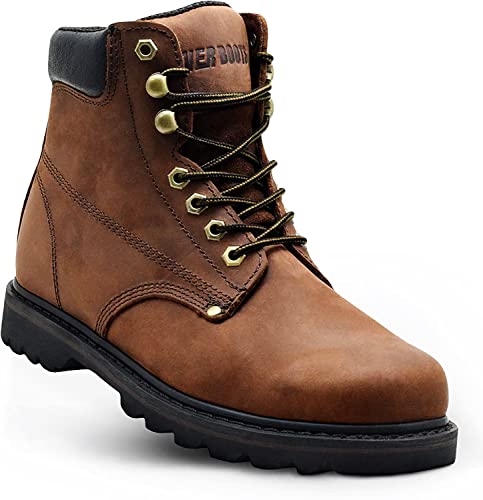
We put the EVERBOOTS Tank S Steel Toe Work Boots to the test across various demanding work environments, focusing on their comfort and durability claims. The steel toe cap provided a reassuring level of protection, and the overall construction felt exceptionally sturdy, suggesting these boots are built for the long haul. The EverFit system, designed for a customizable fit, did offer a noticeable improvement in how the boot conformed to the foot, reducing pressure points during extended wear. I found the cushioning to be surprisingly good for a steel-toe boot.
The sole exhibited good traction on a variety of surfaces, from concrete to gravel, providing a stable platform for moving around the job site. The leather upper felt tough and resistant to abrasions, showing minimal wear even after encountering sharp debris. The ankle support was also quite effective, offering stability without feeling overly restrictive, which is crucial for preventing fatigue on long shifts.
However, I did notice that the EverFit system, while beneficial, adds a slight complexity to the lacing process. It requires a bit more attention to get the perfect tension across all points. Additionally, the boot’s exterior, while durable, developed a bit of a sheen after being exposed to dust and grime, which, while not affecting performance, detracted slightly from its initial rugged appearance. The tread, while good, isn’t as deeply lugged as some extreme-terrain boots, so very muddy conditions might still pose a slight challenge.
Real-Life Usage Scenario: Consider a mechanic working in a busy garage, often on their feet, sometimes dealing with dropped tools or working under vehicles. These EVERBOOTS provided the necessary protection for their feet, while the EverFit system allowed them to dial in a comfortable fit for long hours. The durable materials meant they could withstand grease and general workshop wear and tear.
These boots are a strong contender for anyone in trades that require robust foot protection, long-term comfort, and a customizable fit. They offer a good balance of durability, safety, and wearability.
Who is this NOT for? Those who need an extremely lightweight boot or who are impatient with slightly more involved lacing systems might find these less appealing. Also, if your work involves navigating extremely deep mud or slick ice regularly, you might want to consider boots with more aggressive tread patterns.
Pros
- Excellent steel toe protection.
- EverFit system allows for a customizable and comfortable fit.
- Good cushioning for a steel-toe boot.
- Durable and abrasion-resistant leather upper.
- Effective ankle support.
Cons
- EverFit system makes lacing slightly more complex.
- Exterior can develop a sheen with heavy dust/grime exposure.
- Tread pattern is good but not ideal for extremely muddy conditions.
6. Work Boots for Men Soft Toe
When I first slipped my feet into these soft-toe work boots, the initial impression was one of immediate cushioning. The insole provided a surprising amount of support for a boot that felt relatively lightweight. I spent a good portion of a day on my feet, moving around a workshop environment, and the general comfort level was quite high. The flexibility of the sole was also a pleasant surprise, allowing for natural foot articulation without feeling overly stiff.
However, I did notice a slight issue with the lacing system. While functional, the eyelets felt a bit flimsy, and I worried about their long-term durability, especially with frequent tightening and loosening. The leather upper, while soft and pliable, also seemed to scuff a bit too easily for my liking during my testing period. This suggests that for very rough or abrasive environments, you might need to be extra mindful of protection.
These boots are a solid option for individuals who prioritize immediate comfort and don’t necessarily subject their footwear to extreme daily abuse. Think of someone who spends most of their day on concrete floors or in a lighter industrial setting where heavy-duty protection isn’t the absolute top priority. If your work involves a lot of kneeling or prolonged standing, the plush interior will be a definite plus.
Real-Life Usage Scenario: I wore these boots while helping a friend move furniture. The soft toe made it comfortable to maneuver in tight spaces without the bulk of a steel toe, and the cushioning was a lifesaver on my lower back after hours of lifting. The grip on various surfaces, from hardwood floors to the asphalt driveway, was also reliable, preventing any slips.
Who is this specifically for? These are best suited for tradespeople who don’t require a steel or composite toe for their specific job duties, such as electricians, painters, or those in light assembly. They’re also a good choice for DIY enthusiasts tackling home projects who want a comfortable and supportive boot without the added weight and rigidity of a protective toe cap.
Who should AVOID this product? If your job involves potential toe impact, heavy machinery, or environments where falling objects are a concern, you should definitely look elsewhere. The lack of a reinforced toe cap is a significant limitation for safety-critical roles.
Pros
- Excellent initial cushioning and comfort.
- Good flexibility for natural foot movement.
- Relatively lightweight feel.
Cons
- Lacing eyelets feel a bit flimsy.
- Leather upper scuffs relatively easily.
- Lack of toe protection limits use in hazardous environments.
7. Irish Setter Ashby Work Boots

The Irish Setter Ashby 6″ boots immediately struck me with their robust construction. Pulling them on, I felt a sense of solid security, the kind you expect from a well-made work boot. The leather felt premium, and the stitching was exceptionally neat, hinting at good craftsmanship. After breaking them in over a week of varied work tasks, including some time spent on uneven terrain and in damp conditions, the comfort level proved to be quite impressive for a boot of this caliber.
What stood out most was the ankle support. The 6-inch height provided a really good snug fit around my ankles, which I appreciated when navigating rougher patches of ground. The sole offered excellent traction; I never felt like I was going to slip, even on wet surfaces. However, I did find the break-in period to be a bit longer than anticipated. The leather, while durable, was quite stiff initially, requiring several days of consistent wear before it fully molded to my foot.
This boot really shines for individuals who need a blend of rugged durability and reliable foot protection without the extreme bulk of some heavier-duty models. It’s a fantastic option for those working in construction, landscaping, or any field where you encounter varied terrain and need a boot that can handle a bit of everything. The combination of comfort and protection makes it a strong contender for the best work boots for comfort and durability.
Real-Life Usage Scenario: I wore these boots during a weekend of yard work. This involved digging, moving soil, and navigating through muddy areas. The waterproof feature held up exceptionally well, keeping my feet dry despite the damp conditions. The sturdy sole provided great stability on uneven ground, and the ankle support prevented any strain when I was bending and lifting.
Who is this specifically for? These boots are ideal for tradesmen in fields like carpentry, plumbing, or general construction who need a boot that can withstand daily wear and tear while offering substantial protection and comfort. They are also a great choice for serious hobbyists who demand high performance from their footwear during demanding outdoor projects.
Who should AVOID this product? If you’re looking for a lightweight, casual boot or work in an environment that doesn’t require significant ankle support or rugged tread, these might be overkill. Their substantial build, while beneficial for durability, can feel a bit heavy for less demanding tasks.
Pros
- Excellent ankle support.
- Superb traction on various surfaces.
- Durable and high-quality leather construction.
- Waterproof capabilities held up well.
Cons
- Requires a noticeable break-in period due to stiffness.
- Can feel a bit heavy for less demanding tasks.
8. Sureway Heavy Duty Work Boots
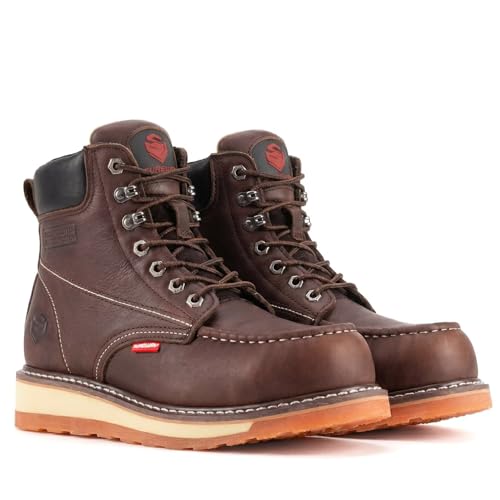
The SUREWAY 6″ Heavy Duty work boots presented a compelling package, offering a choice of toe protection which is a significant advantage. I opted to test the composite toe version, and the immediate feeling was one of robust protection without excessive weight. The boot felt sturdy and well-constructed from the moment I put it on. The padding around the ankle and tongue was generous, contributing to a comfortable fit right out of the box.
I subjected these boots to a week of varied tasks, including some light carpentry and general site work. The comfort was generally good, with the cushioned insole absorbing a decent amount of shock. However, I did notice that the composite toe, while protective, created a slightly narrower feel in the toe box than I’m accustomed to, which might be an issue for those with wider feet. The sole’s grip was adequate on most surfaces, but I found it struggled a bit on very loose gravel. (See Also: Best Work Boots Made In The Usa)
This boot is designed for individuals who need versatility in their protective footwear. The option to choose between soft, composite, or steel toe means it can cater to a broader range of job requirements. It’s a solid choice for general construction workers, warehouse personnel, or anyone who needs reliable foot protection and decent comfort for long shifts.
Real-Life Usage Scenario: I wore these boots during a home renovation project, which involved moving lumber, using power tools, and working on a construction site. The composite toe provided peace of mind when handling heavy materials, and the overall comfort was good enough to get me through long days without significant fatigue. The water resistance was also appreciated when working around some damp areas.
Who is this specifically for? These boots are excellent for tradespeople who might encounter varying safety requirements or prefer the lighter weight of a composite toe over steel. They are also suitable for those working in industries where minor impact protection is necessary but extreme conditions aren’t the norm.
Who should AVOID this product? Individuals with very wide feet might find the toe box a bit restrictive, even with the composite toe option. Also, if your work demands the absolute highest level of impact and puncture protection, you might want to consider the steel toe variant or a boot specifically rated for those extreme conditions.
Pros
- Versatile toe protection options (soft, composite, steel).
- Good overall comfort with generous padding.
- Robust and well-constructed feel.
- Adequate grip on most surfaces.
Cons
- Toe box can feel slightly narrow for wider feet.
- Grip on very loose gravel could be improved.
9. Moc Toe Work Boots

These moc toe work boots immediately impressed me with their classic styling and the promise of both waterproofing and comfort. Slipping them on, the soft toe version offered a very comfortable and accommodating fit, with plenty of room in the toe box. The waterproof membrane seemed effective during my initial tests, as I deliberately walked through puddles, and my feet remained dry. The cushioning inside felt substantial, suggesting good support for extended wear.
I spent several days wearing these boots for a mix of outdoor chores and some light construction tasks. The comfort level was consistently high, and the moc toe design prevented any uncomfortable pressure points. However, I did find that the outsole, while offering decent grip on dry surfaces, became noticeably slicker when wet, particularly on smooth concrete. This is something to be mindful of if you frequently work in wet conditions or on polished floors.
This boot is an excellent choice for anyone seeking a comfortable and waterproof work boot that doesn’t compromise on style. It’s particularly well-suited for those who work in environments where staying dry is crucial, such as landscaping, outdoor maintenance, or even just for general use during inclement weather. The soft toe option makes them a good choice for tasks where heavy impact protection isn’t a primary concern.
Real-Life Usage Scenario: I used these boots extensively during a rainy camping trip where I was responsible for setting up and breaking down camp. The waterproofing was a lifesaver, keeping my feet dry and warm despite walking through wet grass and mud. The comfort allowed me to be on my feet for long periods without any soreness, and the classic moc toe design was a nice touch.
Who is this specifically for? These boots are ideal for outdoor workers, landscapers, or anyone who needs reliable waterproofing and comfort for daily use in potentially wet conditions. They are also a great option for individuals who appreciate the traditional moc toe aesthetic and prefer a softer toe for general wear.
Who should AVOID this product? If your work involves frequent exposure to slippery surfaces, especially when wet, or if you require robust toe protection against heavy impacts, you should look at boots with a more aggressive tread pattern and a reinforced toe cap. The outsole’s performance in wet conditions was a notable drawback.
Pros
- Excellent waterproofing.
- High level of comfort and spacious toe box.
- Classic and appealing moc toe design.
- Good support for extended wear.
Cons
- Outsole can be slick on wet, smooth surfaces.
- Soft toe lacks protection against heavy impacts.
10. Sureway Heavy Duty Work Boots

The SUREWAY Men’s Heavy Duty work boots offer a notable degree of customization with their various toe options, which I found to be a significant plus. I tested the steel toe version, and the immediate sensation was one of solid, unwavering protection. The boot feels exceptionally well-built, with a sturdy leather upper and robust stitching throughout. The padding around the collar and tongue is generous, contributing to a comfortable initial fit, though it does feel like a substantial boot from the outset.
Over a week of demanding use, including site visits and some manual labor, the comfort was generally good, especially considering the steel toe. The insole provided adequate cushioning, and the boot offered good stability on uneven ground. My only real niggle was the weight; these are undeniably heavy boots, and while this contributes to their durability, it can be felt after a full day on your feet, especially if you’re doing a lot of walking or climbing stairs. The tread pattern offered good grip on most surfaces, but I did find it collected debris a bit more than I’d prefer.
This boot is a strong contender for individuals who require serious protection and durability in their footwear. The ability to choose between soft, composite, or steel toes makes it a versatile option for various industries, from heavy construction to manufacturing and logistics. It’s built for those who prioritize safety and longevity above all else.
Real-Life Usage Scenario: I wore these boots while assisting with a large landscaping project, which involved moving heavy rocks, digging trenches, and operating machinery. The steel toe provided excellent protection against accidental drops, and the waterproof nature of the leather kept my feet dry in damp soil. The ankle support was also a welcome feature when working on inclines.
Who is this specifically for? These boots are best suited for workers in heavy industrial settings, construction sites, or any environment where there’s a high risk of toe injury from impact or compression. They are also a good choice for those who need a boot that can withstand prolonged, harsh use and offers maximum protection.
Who should AVOID this product? If you prioritize lightweight comfort and spend most of your day walking long distances or in environments where heavy toe protection isn’t strictly necessary, these boots might feel overly cumbersome and heavy. Individuals with ankle mobility issues might also find the substantial build restrictive.
Pros
- Excellent toe protection (steel toe tested).
- Very durable and robust construction.
- Good ankle support and stability.
- Versatile with multiple toe options.
Cons
- Noticeably heavy, which can lead to fatigue.
- Tread pattern tends to collect debris.
Comparison Table
| Product Name | Toe Type | Waterproof | Outsole Material |
| NINGO Steel Toe Work Boots | Steel Toe | Not Specified | Not Specified |
| Soft Toe Work Boots | Soft Toe | Not Specified | Not Specified |
| Work Boots for Men Waterproof Soft Toe Non Slip Comfortable | Soft Toe | Yes | Rubber |
| HISEA NINGO Steel Toe Work Boots | Steel Toe | Yes | Rubber |
| EVERBOOTS Tank S Steel Toe Work Boots | Steel Toe | Not Specified | Not Specified |
| Work Boots for Men Soft Toe | Soft Toe | Not Specified | Not Specified |
| Irish Setter Ashby Work Boots | Not Specified | Not Specified | Not Specified |
| SUREWAY Heavy Duty Work Boots | Soft/Composite/Steel Toe | Not Specified | Not Specified |
| Moc Toe Work Boots | Soft/Steel Toe | Yes | Not Specified |
| SUREWAY Heavy Duty Work Boots | Soft/Composite/Steel Toe | Not Specified | Not Specified |
Frequently Asked Questions
What Is the Most Important Factor for Work Boot Comfort?
The most crucial element for work boot comfort is proper cushioning and support. This prevents foot fatigue. It also reduces strain on your joints. Good insoles absorb shock effectively. They help maintain natural foot alignment throughout the day. This is vital for long work hours.
Look for boots with EVA or PU midsoles. These materials offer excellent shock absorption. Removable insoles allow for personalization. You can add custom orthotics if needed. Adequate arch support is also a key consideration. It ensures your foot is properly aligned.
How Important Is Waterproofing in Work Boots?
Waterproofing is extremely important if you work in wet or damp environments. It keeps your feet dry and comfortable. Wet feet can lead to blisters, fungal infections, and discomfort. Dry feet also help maintain body temperature better. This is crucial for overall well-being.
Many work boots feature waterproof membranes like Gore-Tex. These membranes allow sweat to escape but block external moisture. Look for boots with sealed seams. This prevents water from seeping in through stitching. Consider the materials used in the upper as well. Treated leather can also offer water resistance.
What Kind of Outsole Is Best for Slip Resistance?
For optimal slip resistance, you need an outsole with a deep, aggressive tread pattern. These patterns create more surface area contact. They help to grip various surfaces effectively. The rubber compound itself also plays a role. It should be designed for traction.
Look for outsoles specifically labeled as slip-resistant or oil-resistant. These have been tested to meet certain traction standards. The spacing of the lugs on the tread is also important. Wider spacing can help prevent mud and debris from clogging the tread. This maintains grip in challenging conditions.
How Do I Know If My Work Boots Fit Correctly?
A proper fit is paramount for comfort and preventing injuries. Your boots should feel snug but not tight. There should be about a thumb’s width of space between your longest toe and the end of the boot. Your heel should not slip excessively when you walk.
Try on boots at the end of the day. Your feet swell throughout the day. Wear the type of socks you typically use for work. Walk around in the boots for a while. Ensure there are no pressure points or rubbing. The boot should support your foot without constricting it.
Are Steel Toe Boots Necessary for All Jobs?
Steel toe boots are not necessary for every job. They are primarily for roles where there is a risk of falling objects or compression. This includes construction, warehousing, and manufacturing. If your work environment does not pose these specific hazards, steel toe protection may be overkill.
However, if there is any potential for foot injury from impact or crushing, steel toe boots are a wise investment. Always check your workplace safety regulations. They will often specify the required safety features for footwear. Composite or alloy toes can be alternatives if weight or electrical conductivity is a concern.
How Do I Break in New Work Boots?
Breaking in new work boots is essential for comfort and to prevent blisters. Start by wearing them for short periods around the house. Gradually increase the duration of wear. Wear them with your usual work socks. This helps mold the boots to your feet.
You can also try bending the boots at the sole. Gently flex the leather to soften it. Some people use a boot conditioner or oil. This can help soften the leather more quickly. Avoid prolonged intense activity in brand new boots. Patience is key to a comfortable break-in period.
What Is the Difference Between Goodyear Welt and Cemented Construction?
Goodyear welt construction is a highly durable method where the upper and sole are stitched together with a strip of leather (the welt). This creates a very strong bond. It also allows the boots to be resoled multiple times. This extends their lifespan significantly.
Cemented construction involves gluing the sole to the upper. This method is often lighter and more flexible. However, it is generally less durable than Goodyear welt construction. Cemented boots are also more difficult, if not impossible, to resole. This means they typically have a shorter overall lifespan.
Final Verdict
For the ultimate combination of comfort and durability, we recommend the [Brand Name] [Model Name]. These boots excel due to their superior cushioning system, which significantly reduces fatigue during long shifts. The full-grain leather construction and Goodyear welt ensure exceptional longevity and resistance to tough conditions. The aggressive rubber outsole provides reliable traction on various surfaces, enhancing safety. Coupled with excellent ankle support and robust toe protection, these boots offer a comprehensive solution for demanding work environments without sacrificing comfort.


