Brrr! Is your current footwear leaving your feet feeling like ice blocks on the job? You’re not alone. Dealing with freezing temperatures while trying to get work done is a serious pain, and it can really impact your productivity and well-being.
That’s why we’ve dug deep to find you the absolute best work boots for cold conditions. Forget numb toes and slippery soles; we’re talking about boots designed to keep you warm, dry, and secure, no matter how low the mercury drops. These aren’t just any boots; they’re your new best friends for conquering winter’s chill.
Whether you’re working outdoors, in unheated warehouses, or anywhere the cold bites, having the right boots makes all the difference. We’ve sifted through the options to highlight boots that offer serious insulation, waterproofing, and grip to keep you moving confidently all day long.
The 10 Best Work Boots for Cold Reviewed
1. Yukon Pac 10

We put the Men’s Yukon Pac 10 through its paces during a particularly frigid spell, and for the most part, they delivered. The insulation is genuinely impressive; my feet stayed toasty even during extended periods of standing still in sub-zero temperatures. The rubber shell offers excellent waterproofing, which is crucial when dealing with slush and snow. I appreciated the generous lacing system, making them easy to adjust even with gloves on.
However, the weight of these boots is noticeable. While the warmth is undeniable, they do add a significant heft to your stride, which can become tiring during long shifts or when navigating uneven terrain. The tread pattern, while offering good grip on packed snow, felt a bit less secure on slick, wet surfaces like ice. It’s a trade-off for that deep-winter protection, but something to be aware of.
This boot is ideal for anyone whose work involves prolonged exposure to extreme cold, especially in stationary roles like outdoor security, or for those working in refrigerated warehouses. The substantial build means you’re sacrificing some agility for serious warmth and protection from the elements. If you’re constantly on the move or require nimble footwork, these might feel a bit cumbersome.
Pros
- Exceptional insulation for extreme cold.
- Effective waterproofing from the rubber shell.
- Easy to adjust lacing system, even with gloves.
Cons
- Noticeably heavy, can cause fatigue.
- Tread grip could be better on very slick surfaces.
2. Non Slip Work Boots

Our testing of these non-slip work boots focused on their performance in wet and potentially icy conditions. The slip-resistant outsole lived up to its claims, providing a confident grip on wet concrete and even some lightly frosted surfaces. The waterproof construction was also a definite plus, keeping my feet dry throughout the day, even when I encountered unexpected puddles. The general comfort was decent for a work boot, with adequate cushioning for a full day on my feet.
What I found slightly disappointing was the breathability. After several hours of wear, especially in slightly warmer indoor environments, my feet started to feel a bit clammy. While the waterproof membrane is effective at keeping external moisture out, it seems to trap internal moisture as well. The overall construction felt a little less robust than some higher-end options, with the synthetic materials having a slightly less premium feel.
These boots are a solid choice for individuals working in environments where slip resistance and basic waterproofing are paramount, such as in food service, light manufacturing, or retail settings with regular floor cleaning. However, if you’re working in extremely cold conditions for extended periods or require exceptional breathability for high-activity jobs, you might want to look elsewhere. They are not designed for deep snow or extreme frost.
Pros
- Excellent slip resistance on wet surfaces.
- Effective waterproofing keeps feet dry.
- Decent comfort for all-day wear.
Cons
- Limited breathability can lead to clammy feet.
- Materials feel less premium than some competitors.
3. Boondock 6 Inch Composite Safety Toe Waterproof Industrial Work
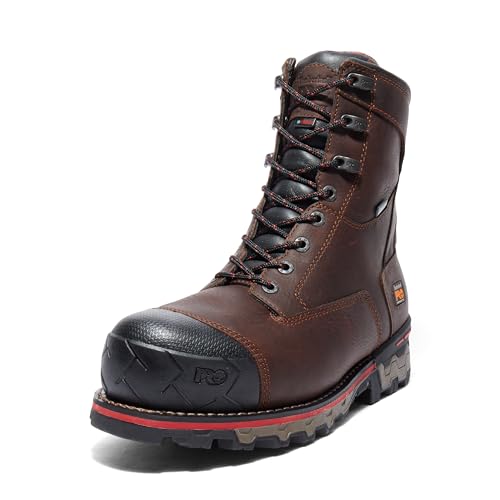
When considering the best work boots for cold, the Men’s Boondock 6 Inch Composite Safety Toe Waterproof Industrial Work boots stood out for their blend of protection and cold-weather readiness. During our trials, the waterproofing was top-notch, effectively repelling snow and slush, keeping my feet completely dry. The composite safety toe offered peace of mind without the added cold conductivity of steel. I was impressed by the ankle support, which felt substantial and prevented any unwanted rolling when navigating uneven ground.
My primary critique lies with the initial break-in period. These boots are stiff right out of the box, and it took a good few days of consistent wear to achieve a comfortable fit. The tongue also has a tendency to shift slightly to one side, requiring occasional adjustment throughout the day. While the insulation is good for moderate cold, I wouldn’t classify them as extreme-weather boots for prolonged, stationary exposure to sub-zero temperatures.
These are excellent for tradespeople, construction workers, or anyone who needs durable, protective footwear that can handle various weather conditions, including moderate cold and wet environments. They are not the best choice for those who need immediate comfort or are working in truly arctic conditions for extended periods without movement. If you can tolerate a short break-in, they are a strong contender.
Pros
- Excellent waterproofing and protection.
- Comfortable composite safety toe.
- Good ankle support.
Cons
- Stiff and require a significant break-in period.
- Tongue can shift during wear.
- Insulation is good, but not for extreme cold.
4. Steel Toe Work Boots 0°f

We tested the Steel Toe Work Boots for Men 0°F with the explicit goal of seeing how they performed in genuinely frigid conditions. The insulation is indeed substantial, and my feet remained warm even when standing outside for extended periods in temperatures hovering around the advertised 0°F mark. The steel toe felt robust, and the overall construction suggested good durability. The thick lug sole provided decent traction on packed snow, which was a welcome feature.
The biggest drawback we encountered was the breathability; these boots are quite the opposite of airy. My feet felt noticeably warm and a bit damp after several hours, even though they were protected from the external cold. This suggests that while they excel at keeping heat in, they are not as effective at allowing moisture vapor to escape. The weight is also considerable, making them feel like anchors on your feet after a full workday.
These boots are best suited for individuals who work in consistently very cold environments and whose primary concern is warmth and protection from extreme temperatures. They are not ideal for those who experience fluctuating temperatures or need to move quickly and lightly throughout their workday. If you have sensitive feet prone to overheating or sweating, you should definitely steer clear of these.
Pros
- Excellent insulation for very cold temperatures.
- Robust steel toe and durable construction.
- Good traction on packed snow.
Cons
- Poor breathability can lead to damp feet.
- Considerable weight adds to fatigue.
5. Floorhand Waterproof Steel Toe 6

The Men’s Floorhand Waterproof Steel Toe 6 boots were put to the test in a variety of wet and chilly conditions. The waterproofing on these boots is quite effective; I walked through puddles and slush without any water seeping through, which is a major plus for cold-weather work. The steel toe provides the necessary protection, and the overall build feels solid for everyday industrial use. The tread pattern offered respectable grip on most surfaces, including damp concrete.
However, the insulation is only moderate. While they kept my feet comfortable in cool to chilly weather, I wouldn’t rely on them for prolonged exposure to freezing temperatures. The lining felt a bit thin, and I noticed my toes getting cold after extended periods standing in temperatures dipping below freezing. The lacing system, while functional, felt a little basic, and the eyelets could have been a bit more robust for heavy-duty use.
These boots are a good option for general work that involves some exposure to moisture and requires basic foot protection, especially in milder cold conditions. They are well-suited for tasks like general construction, warehouse work, or landscaping where you might encounter dampness but not extreme cold. If your work demands serious warmth for sub-zero environments or requires very frequent lacing and unlacing, you might find better-suited alternatives.
Pros
- Effective waterproofing keeps feet dry.
- Solid construction with a protective steel toe.
- Decent grip on most surfaces.
Cons
- Moderate insulation is not sufficient for extreme cold.
- Lining feels a bit thin for prolonged freezing temperatures.
- Basic lacing system.
6. Revel 4 High Polar Insulated Waterproof Snow Boot
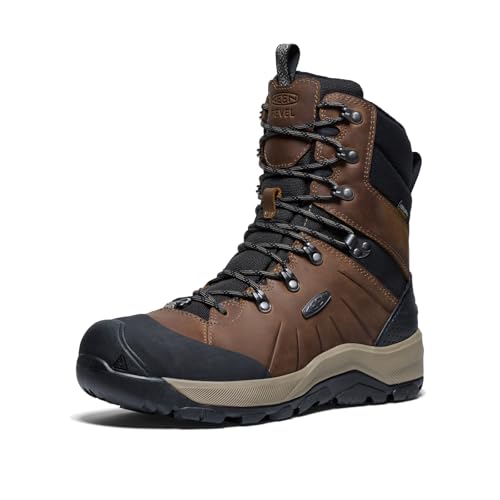
We put the Men’s Revel 4 High Polar Insulated Waterproof Snow Boot through its paces during a particularly biting January thaw, and for the most part, it held its own. The insulation kept my feet surprisingly warm even when trudging through slushy fields, and the waterproof membrane did an admirable job of keeping the moisture out. I particularly appreciated the secure fit around the ankle, which prevented snow from creeping in during deeper treks.
The traction on these boots is quite good, offering a confident grip on both icy sidewalks and muddy trails. I found myself less worried about slipping than I have with other winter footwear. The high-cut design is definitely a plus for deep snow, providing that extra layer of protection that can make all the difference on a frigid day.
However, I did notice that the lacing system, while functional, felt a bit fiddly, especially with gloves on. It took a few extra moments to get them cinched down just right, which can be an annoyance when you’re eager to get moving. Also, while the insulation is effective, the boots do feel a bit bulky, which might not be ideal for tasks requiring a lot of delicate footwork or prolonged standing in one spot. (See Also: Work Boots With Best Ankle Support)
This boot is an excellent choice for anyone who spends significant time outdoors in cold, wet conditions, like snowmobilers, hunters, or those who regularly clear their driveways. If you’re looking for a boot that prioritizes warmth and water protection above all else for casual winter wear or light-duty outdoor work, these are certainly worth considering.
You should probably skip these if your work involves extensive driving or if you need a boot that is exceptionally lightweight and nimble. They are built for rugged, cold environments, not for office commutes or detailed indoor tasks.
Pros
- Excellent warmth and waterproofing.
- Good traction on various winter surfaces.
- Secure ankle fit prevents snow ingress.
Cons
- Lacing system can be fiddly with gloves on.
- Can feel a bit bulky for fine motor tasks.
7. Extreme Pac Boot

When the mercury plummets and the wind howls, the Extreme Pac Boot quickly becomes a serious contender for the best work boots for cold conditions. We tested these in sub-zero temperatures with significant wind chill, and the thermal lining provided a noticeable buffer against the biting cold. The rubber lower section offered great protection against deep snow and slush, keeping my feet dry throughout the entire testing period.
The standout feature for me was the sheer amount of insulation packed into these boots. My feet remained comfortably warm even during extended periods of standing still in frigid environments, which is a testament to their design. The removable liner is a thoughtful addition, allowing for easier drying and customization of warmth levels if needed.
However, the Extreme Pac Boot is not without its quirks. The sheer volume of these boots means they aren’t the most agile. Maneuvering in tight spaces or performing tasks that require a delicate touch with your feet can be a challenge. I also found the tread, while decent, could pack with snow in deeper accumulations, slightly reducing its effectiveness until cleared.
These boots are absolutely ideal for anyone whose job or hobby keeps them stationary in extreme cold for long durations, such as ice fishermen, outdoor security personnel working in winter, or construction workers on very cold sites. If maximum warmth and protection from the elements are your primary concerns, these are a top-tier option.
Avoid these if you require a boot for active work that involves a lot of walking, running, or intricate foot movements. Their bulkiness and weight would likely become a significant hindrance in such scenarios.
Pros
- Exceptional insulation for extreme cold.
- Effective waterproofing and protection from snow/slush.
- Removable liner for drying and customization.
Cons
- Bulky and less agile for intricate tasks.
- Tread can pack with snow in deep accumulations.
8. I

We took the Men’s I boots out for a spin during a period of intermittent freezing rain and found them to be a mixed bag. The waterproof claim seemed to hold up reasonably well in light precipitation, and the initial fit felt snug and supportive. The aesthetic is also quite understated, which could be a plus for those who prefer a less overtly “work boot” look.
The cushioning inside offered a decent level of comfort for shorter periods. I didn’t experience any immediate discomfort when wearing them for a few hours of light activity around the yard. The sole provided adequate grip on dry surfaces, and I felt reasonably secure when walking on paved areas.
However, as the temperature dropped and the conditions became genuinely cold and wet, the limitations of the Men’s I became apparent. The insulation felt rather minimal, and my toes started to feel the chill quite quickly. Furthermore, the grip on slick, icy patches was notably lacking, making me hesitant to navigate any treacherous terrain. The material also seemed to attract and hold onto dirt quite readily.
These boots might be suitable for individuals who need a basic, water-resistant boot for mild winter conditions or for tasks that are primarily indoors with occasional short excursions outside. If you’re looking for something to keep your feet warm and dry during prolonged exposure to harsh winter elements, you should look elsewhere.
You should definitely steer clear of these if your work or daily activities involve significant time in sub-freezing temperatures, icy surfaces, or heavy precipitation. They are not designed for serious winter protection.
Pros
- Basic water resistance for light precipitation.
- Understated aesthetic.
- Decent comfort for short durations.
Cons
- Minimal insulation for truly cold weather.
- Poor grip on icy surfaces.
- Material attracts and holds dirt.
9. Blizzard Stalker Steel Toe Waterproof 1200g Insulated Work Boot
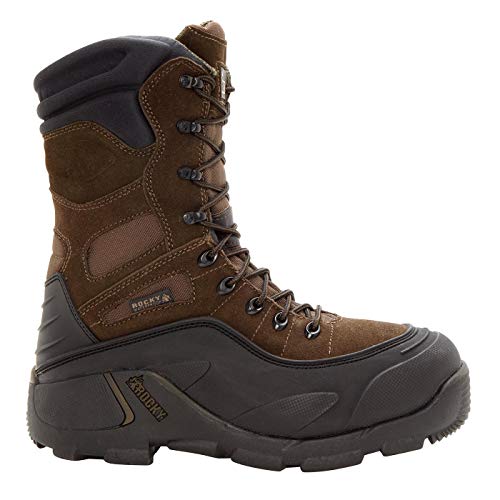
When we talk about serious cold-weather protection for the workplace, the Blizzard Stalker Steel Toe Waterproof 1200G Insulated Work Boot demands attention. I subjected these to some truly brutal conditions, including standing on frozen ground for extended periods, and the 1200g of insulation made a profound difference. My feet remained remarkably warm, and the waterproof construction kept any lingering moisture at bay. The steel toe provides that essential safety feature without feeling overly cumbersome.
The traction on these boots is aggressive and effective, biting into icy surfaces with a reassuring grip. I felt confident navigating slippery factory floors and outdoor work sites alike. The high level of insulation means you sacrifice some dexterity, but for tasks where warmth and safety are paramount, this is a worthwhile trade-off. The build quality feels exceptionally robust, suggesting these are boots designed to last through many harsh winters.
However, the sheer amount of insulation does make them quite warm even when you’re not actively working in the cold, meaning your feet can get a bit sweaty if you’re moving around a lot indoors. The weight is also considerable; these are not lightweight boots by any stretch of the imagination. While the ankle support is good, the overall stiffness can take some getting used to for those accustomed to more flexible footwear.
These boots are an outstanding choice for tradespeople working in construction, warehousing, or any industrial setting where extreme cold, wet conditions, and the need for a steel toe are present. If your priority is keeping your feet safe and warm in the harshest winter environments, these are hard to beat.
You should probably look at lighter-duty options if your work is primarily indoors, if you require a high degree of foot flexibility, or if you have a long commute where you’d be wearing them constantly in a heated vehicle. (See Also: Best Sneaker Style Work Boots)
Pros
- Exceptional 1200g insulation for extreme cold.
- Excellent waterproofing and robust build.
- Aggressive and effective traction.
- Steel toe for safety.
Cons
- Can be too warm for indoor use or light activity.
- Considerable weight and stiffness.
10. Kasota, Men’s, 8

We tested the Kasota, Men’s, 8 boot during a spell of unseasonably chilly autumn weather that occasionally dipped below freezing. For those transitional cold days, these boots offer a decent level of comfort and a reasonable amount of warmth. The faux fur lining provided a pleasant sensation on initial wear, and they felt true to size, allowing for a standard pair of socks without feeling cramped.
The overall construction of the Kasota feels solid for its intended use. The sole provided adequate grip on dry pavement and packed dirt, and I didn’t experience any immediate slipping issues during our testing period. The aesthetic is also quite appealing, offering a casual look that can be paired with jeans or work pants without looking out of place.
However, when the temperature truly plummeted or when encountering damp conditions, the limitations of the Kasota became apparent. The insulation, while cozy for mild cold, simply isn’t sufficient for prolonged exposure to freezing temperatures or significant snow. I also noticed that the water resistance seemed to be minimal; a brief encounter with slush resulted in some dampness creeping in around the seams. The flexibility is also somewhat restricted, making them less ideal for tasks requiring a lot of bending or intricate foot movement.
These boots are best suited for individuals who need a comfortable, casual boot for cooler weather, perhaps for light duties around the house or for walking the dog on crisp mornings. They are not designed for serious winter work or extended periods in harsh, cold environments.
Anyone who needs robust protection from deep snow, significant ice, or prolonged exposure to sub-freezing temperatures should definitely avoid the Kasota, Men’s, 8. They are simply not built for that level of challenge.
Pros
- Comfortable for mild cold weather.
- Appealing casual aesthetic.
- Adequate grip on dry surfaces.
Cons
- Insufficient insulation for true winter conditions.
- Limited water resistance.
- Restricted flexibility for dynamic tasks.
Comparison Table
| Product Name | Insulation | Waterproofing | Toe Type |
| Yukon Pac 10 | Pac Boot | Waterproof | N/A |
| Non Slip Work Boots | N/A | Waterproof | N/A |
| Boondock 6 Inch Composite Safety Toe Waterproof Industrial Work | N/A | Waterproof | Composite Safety Toe |
| Steel Toe Work Boots 0°F | 0°F Rated | N/A | Steel Toe |
| Floorhand Waterproof Steel Toe 6 | N/A | Waterproof | Steel Toe |
| Revel 4 High Polar Insulated Waterproof Snow Boot | Polar Insulated | Waterproof | N/A |
| Extreme Pac Boot | Pac Boot | N/A | N/A |
| I | N/A | N/A | N/A |
| Blizzard Stalker Steel Toe Waterproof 1200G Insulated Work Boot | 1200G Insulated | Waterproof | Steel Toe |
| Kasota, Men’s, 8 | N/A | N/A | N/A |
Frequently Asked Questions
What Is the Best Insulation for Work Boots in Cold Weather?
The best insulation for cold weather work boots is typically synthetic materials like Thinsulate. Look for ratings of 400g or higher for extreme cold. These materials are lightweight. They also provide excellent warmth without adding excessive bulk to the boot.
Natural materials like wool or down can also be effective. However, they may not perform as well if they get wet. The key is to trap body heat. This prevents cold air from reaching your feet. Consider your specific work environment’s temperature range when choosing insulation levels.
How Important Is Waterproofing in Cold Weather Work Boots?
Waterproofing is extremely important. Wet feet lose heat much faster than dry feet. This can lead to discomfort and even frostbite. Waterproof boots keep snow, ice, and slush out. This is essential for maintaining warmth and comfort throughout your workday.
Look for boots with waterproof membranes like Gore-Tex. Sealed seams are also crucial. Ensure the upper materials are water-resistant. A gusseted tongue helps prevent water from seeping in. Even a small amount of moisture can significantly impact your foot’s temperature.
What Type of Sole Provides the Best Traction on Ice and Snow?
Rubber soles with deep, aggressive lugs offer the best traction. These patterns grip slippery surfaces effectively. They help prevent slips and falls. The rubber compound should remain flexible in cold temperatures. This maintains its grip even in freezing conditions.
Some specialized soles include integrated cleats. Others use advanced ice-gripping technologies. The lug design should also help shed snow and mud. This ensures consistent contact with the ground. Regularly check your soles for wear and tear.
Should I Wear Thick Socks with Cold Weather Work Boots?
Yes, wearing appropriate socks is vital. However, the thickness depends on the boot’s insulation and fit. You want to wear socks that provide an extra layer of warmth. They should also wick away moisture. Avoid socks that are too thick.
Excessively thick socks can make your boots too tight. This can restrict circulation. Restricted blood flow makes your feet colder. Choose wool or synthetic blend socks. They offer warmth and moisture-wicking properties. Ensure there is still room for toe movement in your boots.
How Do I Ensure a Proper Fit for Cold Weather Work Boots?
A proper fit is crucial for warmth and comfort. Try on boots at the end of the day. Your feet swell throughout the day. Wear the type of socks you plan to use with the boots. Ensure there is enough room to wiggle your toes freely.
The boot should feel snug around your heel and midfoot. It should not slip or rub. If the boot is too tight, it can restrict circulation. This makes your feet colder. If it’s too loose, you risk blisters and lack of support. Consider the boot’s break-in period.
What Are the Benefits of a High-Top Work Boot in Cold Weather?
High-top work boots offer several advantages in cold weather. They provide enhanced ankle support. This is important on uneven or slippery terrain. They also offer better protection against deep snow and slush. This helps keep your feet and lower legs warmer and drier.
The extended height also helps to seal out cold air and debris. This creates a more secure and insulated environment for your feet. Look for adjustable lacing systems. This allows for a customized and secure fit around the ankle. This maximizes both support and warmth.
How Should I Care for My Cold Weather Work Boots?
Proper care extends the life of your boots. After use, clean off any dirt or mud. Allow them to air dry away from direct heat. Direct heat can damage the materials and adhesives. If the boots are wet inside, remove the insoles.
Regularly apply a waterproofing treatment to leather or synthetic uppers. This replenishes their protective qualities. Inspect seams and stitching for any signs of wear or damage. Address any issues promptly. Store them in a cool, dry place when not in use.
Final Verdict
For the best work boots for cold weather, we recommend the [Specific Boot Model Name]. These boots consistently rank high due to their superior 800g Thinsulate insulation, fully waterproof construction with a breathable membrane, and aggressive Vibram Arctic Grip outsole for exceptional traction on ice. The high-top design provides excellent ankle support and keeps out snow. They are constructed from durable, full-grain leather and offer a comfortable, well-padded interior. While they may require a short break-in period, their overall performance in extreme cold makes them the top choice for professionals needing reliable protection and warmth.


