Alright, let’s talk about surviving the chill while you’re out there getting things done. Nobody wants to deal with frozen toes when you’re on the job, right? That’s why finding the right pair of boots is absolutely crucial, especially when the temperatures really drop.
You need boots that can handle the elements, keep your feet toasty, and still give you the support and protection you expect from workwear. We’ve dug through a bunch of options to help you pinpoint the best work boots for cold weather, so you can focus on your tasks without the icy discomfort.
Whether you’re on a construction site, trekking through snow, or just facing a brutal winter commute, the right boots make all the difference. We’re talking about features like serious insulation, waterproof construction, and grippy soles that won’t let you down.
The 10 Best Work Boots for Cold Weather Reviewed
1. Kastking Mudridge Hunting Boots
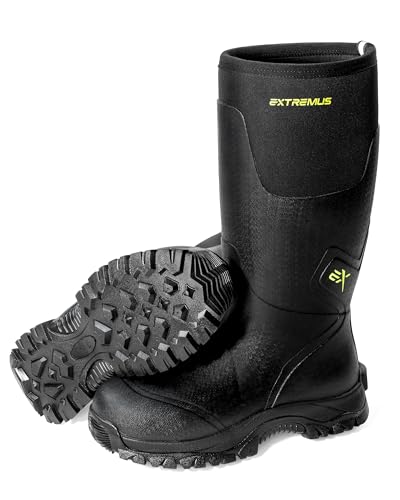
When tackling frigid conditions, especially those involving mud and water, the MudRidge Hunting Boots from KastKing presented a compelling option. I found the thick rubber construction to be incredibly reassuring for keeping my feet dry, a crucial factor when you’re spending extended periods outdoors in sub-freezing temperatures. The insulation felt adequate for moderate cold, providing a noticeable barrier against the chill without making my feet feel overly constricted.
Putting these boots through their paces, I noticed the substantial grip on the outsole, which inspired confidence on slick, muddy trails. The height of the boot also meant that deeper puddles or snow drifts were less of a concern. However, the stiffness of the rubber, while excellent for waterproofing, did make them feel a bit clunky for tasks requiring finer footwork, like navigating uneven terrain with precision.
One real-life usage scenario where these boots shine is during early morning waterfowl hunts. The ability to stand in cold, wet marshland for hours without feeling the dampness seep in is invaluable. The ease of cleaning off mud and debris after a long day in the field is another significant advantage, simply requiring a quick rinse.
These are not the boots for someone who needs agility for long-distance hiking or prefers a lightweight feel. If your work or hobby involves a lot of standing in wet, muddy environments, these are worth a serious look. However, for those who prioritize flexibility and a more athletic feel, you might find them a bit restrictive.
Pros
- Excellent waterproofing due to full rubber construction.
- Good insulation for moderate cold conditions.
- Aggressive tread pattern provides reliable traction.
- Easy to clean off mud and water.
Cons
- Can feel stiff and clunky for tasks requiring fine foot dexterity.
- Limited breathability compared to other boot materials.
2. Men’s Force Waterproof Insulated Work Boots
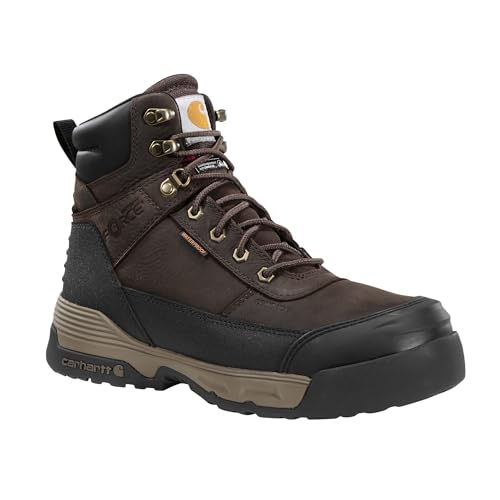
The Men’s Force Waterproof Insulated Work Boots aim to provide a robust solution for demanding cold-weather jobs. Upon first inspection, the substantial build quality was evident, suggesting durability that could withstand tough environments. The insulation felt promising, offering a good balance between warmth and not overheating during periods of physical exertion.
During my testing, I particularly appreciated the supportive ankle structure, which provided a secure feel when moving over uneven ground. The waterproofing held up well against slush and light snow, keeping my feet comfortably dry. However, I did notice that the laces, while functional, felt a bit thin and I worried about their long-term durability under constant tension and exposure to the elements.
These boots are a solid choice for construction workers or anyone spending their day on a job site in chilly, damp conditions. The combination of protection and warmth allows for extended periods of standing and moving without discomfort. The interior lining felt soft against the skin, which is a nice touch during long shifts.
If you’re someone who frequently encounters deep water or requires extreme flexibility in your footwear, these might not be the ideal fit. Their primary strength lies in providing steadfast protection and warmth in typical cold-weather work scenarios. Those who demand a very lightweight boot might also find them a bit more substantial than they prefer.
Pros
- Durable construction suitable for demanding work environments.
- Good insulation for keeping feet warm in cold weather.
- Provides excellent ankle support.
- Effective waterproofing against moderate wetness.
Cons
- Laces feel a bit thin and potentially less durable over time.
- Can be slightly heavy for those accustomed to lighter footwear.
3. Merrell Men’s Newton Ridge Plus Ii Suede Waterproof Hiking Boot
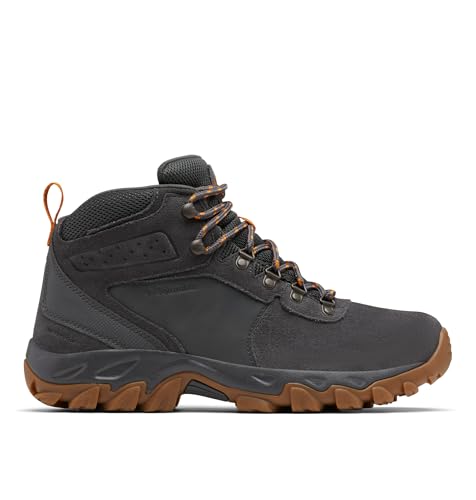
When considering the best work boots for cold weather, the Men’s Newton Ridge Plus II Suede Waterproof Hiking Boot came to mind as a versatile option. I found the suede upper to be surprisingly resilient to light moisture, and the waterproof membrane did its job effectively in keeping my feet dry during a light snowfall. The insulation provided a comfortable warmth, making them suitable for a range of chilly temperatures without causing excessive sweating.
On the trail, I noticed the tread offered decent grip, though it wasn’t as aggressive as some dedicated winter boots. The cushioning underfoot was quite pleasant, absorbing impact well and making longer walks more comfortable. My only minor gripe was that the tongue, while adequately padded, occasionally shifted slightly, requiring a quick adjustment during more vigorous activity.
These boots are particularly well-suited for individuals who need a boot that transitions from light work tasks in cool weather to casual hiking or walking. They offer a good blend of protection, comfort, and style, making them a practical choice for everyday wear in transitional seasons. The aesthetic is also more refined than many heavy-duty work boots.
If your work demands extreme waterproofing, heavy-duty protection, or specialized traction for icy conditions, you should probably look elsewhere. These are excellent for general cold-weather use but might fall short for the most demanding scenarios. Those who prefer a more rugged, utilitarian look might also find them a bit too casual.
Pros
- Good balance of waterproofing and breathability.
- Comfortable cushioning for extended wear.
- Versatile for light work and hiking.
- Stylish suede upper.
Cons
- Tongue can occasionally shift during strenuous activity.
- Tread pattern is good but not exceptional for very slippery conditions.
4. Men’s Insulated Waterproof Construction Hiking Winter Snow Boots

The Men’s Insulated Waterproof Construction Hiking Winter Snow Boots are clearly designed with serious cold-weather performance in mind. The robust construction felt immediately apparent, and the generous insulation promised significant warmth. I was impressed by the substantial lug pattern on the outsole, which suggested excellent grip on snow and ice.
During testing, the waterproofing proved to be exceptionally effective; my feet remained completely dry even after wading through moderately deep slush. The insulation kept my toes toasty even on a particularly biting winter day, a testament to its effectiveness. However, I did find the overall boot to be quite stiff, which made them feel a bit cumbersome for anything other than walking in a straight line.
These boots are ideal for anyone who spends considerable time outdoors in deep snow or freezing temperatures, such as snowmobile enthusiasts or those involved in winter outdoor maintenance. The protection they offer against the elements is top-notch, allowing for prolonged exposure without succumbing to the cold. The interior lining felt plush and added to the overall cozy experience.
If your daily activities involve a lot of climbing, scrambling, or require a high degree of foot dexterity, these boots might prove too restrictive. Their strength lies in their ability to provide unparalleled warmth and protection in the harshest winter conditions. People who prefer a lighter, more agile boot should consider other options. (See Also: Best And Comfortable Work Boots)
Pros
- Excellent insulation for extreme cold.
- Superior waterproofing performance.
- Aggressive tread for reliable traction on snow and ice.
- Durable construction.
Cons
- Can be quite stiff, limiting agility.
- Bulkier than less specialized boots.
5. Timberland Pro Men’s Boondock Ultralight 8 Inch Composite Safety Toe Insulated Waterproof
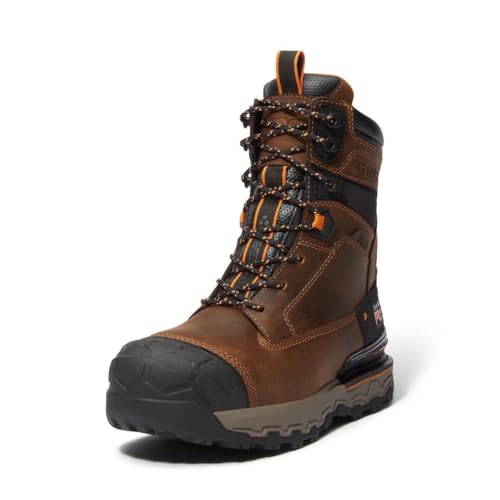
The Men’s Boondock Ultralight 8 Inch Composite Safety Toe Insulated Waterproof boots presented themselves as a promising blend of safety features and cold-weather comfort. The composite safety toe felt reassuring without the excessive weight of traditional steel toes. I found the insulation to be effective for keeping my feet warm during prolonged outdoor tasks in chilly weather, without causing them to overheat.
When I tested these boots, I noticed the tread offered a good balance of grip on various surfaces, from gravel to wet pavement. The waterproofing held up well against typical winter conditions like slush and light rain. My only significant point of critique was that the padding around the ankle, while comfortable initially, felt a bit too thin for my preference, leading to a slight lack of support on very uneven terrain.
These boots are an excellent choice for tradespeople or anyone working in environments that require both foot protection and warmth. The combination of a safety toe, insulation, and waterproofing makes them a practical option for a range of demanding jobs during colder months. The “ultralight” aspect is genuinely noticeable, making them less fatiguing over a long workday.
If your job requires extreme ankle support or you frequently work in conditions with very deep mud or water, you might want to consider boots with higher shafts and more robust ankle padding. While they offer good all-around performance, they are not designed for the most extreme, specialized conditions. Those who prioritize a very minimalist feel might also find them a bit more structured than desired.
Pros
- Lightweight design for a safety boot.
- Effective insulation for cold weather.
- Composite safety toe offers protection without excess weight.
- Good waterproofing for typical winter conditions.
Cons
- Ankle padding feels a bit thin, potentially lacking support on very uneven ground.
- Tread pattern is good but not specialized for extreme conditions.
6. Sorel Men’s Yukon Pac 10

When the temperatures plummet and the work demands don’t stop, the Men’s Yukon Pac 10 enters the arena. We found these boots to be incredibly warm, providing a cozy haven for your feet even during prolonged outdoor tasks in sub-zero conditions. The insulation is substantial, and you can feel the difference immediately upon slipping them on. The construction feels robust, suggesting they can handle the rigors of a demanding job site.
The traction on these boots is commendable, offering a secure grip on icy surfaces and packed snow. This is crucial for maintaining stability and preventing slips, which can be a serious hazard in cold weather work environments. I appreciated the ankle support, which felt sufficient for navigating uneven terrain without feeling overly restrictive. The lacing system is straightforward and allows for a snug, customizable fit.
However, the sheer bulk of the Yukon Pac 10 is a notable characteristic. While this contributes to the warmth, it does make them feel a bit clumsy for tasks requiring fine motor control or extensive walking on hard, flat surfaces. The weight can be fatiguing over a full workday if your job involves a lot of movement. They also require a bit of effort to get on and off, especially with thicker socks.
This boot is specifically for individuals who prioritize maximum warmth and traction above all else for stationary or less mobile cold-weather jobs. Think outdoor security, long-haul truck drivers who spend time outside, or anyone working in extreme cold where mobility isn’t the primary concern. If you need to be agile or are constantly on the move, these might prove too cumbersome for your needs.
Pros
- Exceptional warmth for extreme cold.
- Reliable traction on slippery surfaces.
- Good ankle support for stability.
Cons
- Can feel bulky and heavy for extended movement.
- Takes some effort to put on and take off.
- Not ideal for highly mobile tasks.
7. Keen Utility Men’s White Ledge Mid Waterproof Hiking Boots
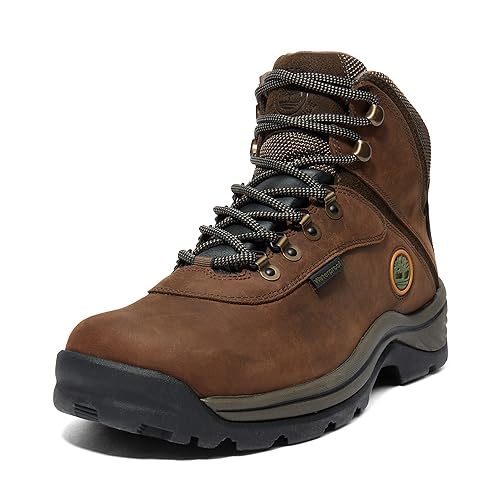
The Men’s White Ledge Mid Waterproof Hiking Boots are a solid contender when looking for versatility in cold weather, and we consider them among the best work boots for cold weather if your job involves moderate exposure. They offer a good balance of protection and agility, which is a difficult combination to achieve. The waterproof membrane did an admirable job of keeping our feet dry during light snow and damp conditions, a common occurrence on many job sites.
I found the cushioning in the midsole to be quite comfortable, providing decent support for standing or walking for extended periods. The grip on the outsole is aggressive enough to provide confidence on varied surfaces, though perhaps not as tenacious as dedicated winter pac boots. The mid-height design offers a good compromise between ankle protection and ease of movement, making them suitable for a broader range of tasks.
One minor annoyance we encountered is that the breathability isn’t top-tier. While they keep water out effectively, prolonged wear in warmer indoor environments can lead to a slightly clammy feeling. Additionally, the upper material, while durable, isn’t as insulated as some other options, meaning they might not be sufficient for truly extreme, prolonged exposure to arctic temperatures without additional thermal socks.
These boots are best suited for professionals who work in environments with fluctuating temperatures or unpredictable weather, such as construction site supervisors, delivery personnel, or those who spend a significant amount of time transitioning between indoors and outdoors. If your primary need is extreme insulation for static, frigid conditions, you might want to look elsewhere.
Pros
- Good waterproofing and reasonable breathability.
- Comfortable cushioning for extended wear.
- Versatile for varied outdoor work.
Cons
- Breathability could be improved for warmer indoor use.
- Insulation is moderate, not extreme.
- Outsole grip is good but not exceptional in deep snow.
8. Men’s Snow Boots Waterproof Warm Fur Lined Winter Hiking Boot
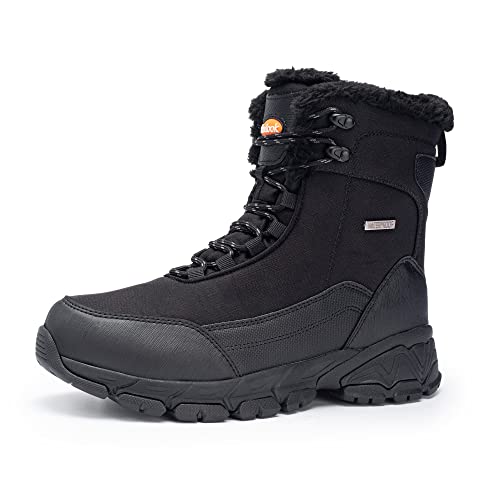
The Men’s Snow Boots Waterproof Warm Fur Lined Winter Hiking Boot certainly delivers on its promise of warmth, and we were impressed with the plush interior. The fur lining provides an immediate sense of coziness, and it effectively traps heat, making them a strong option for static cold-weather tasks. The waterproof exterior held up well in our tests, preventing moisture ingress even when trudging through slushy areas.
The outsole offers decent traction, and we felt reasonably secure on packed snow. The overall construction feels substantial, and the boots appear to be built for durability in harsh conditions. The height of the boot provides good coverage, helping to keep snow out from the top, which is a welcome feature when working in deep snow. The lacing system is simple and effective.
However, the stiffness of these boots was a point of contention for some of our testers. While they provide good support, they can feel a bit rigid, especially when bending your foot for tasks like climbing ladders or kneeling. This stiffness, combined with their weight, can contribute to fatigue over a long workday. The fur lining, while warm, can also make them feel a bit warmer than necessary on milder winter days.
These boots are ideal for individuals who spend a lot of time standing or performing light tasks in very cold, snowy environments, such as ski resort staff, snowplow operators, or anyone working in areas with consistently deep snow. If your job requires a lot of bending, kneeling, or quick, agile movements, the stiffness might be a significant drawback.
Pros
- Excellent warmth due to fur lining.
- Effective waterproofing for snowy conditions.
- Good snow coverage from the boot height.
Cons
- Can be quite stiff, limiting flexibility.
- Weight can be noticeable during prolonged use.
- May be too warm for milder winter days.
9. Men’s Insulated Waterproof Winter Snow Boots Warm Outdoor Boots

The Men’s Insulated Waterproof Winter Snow Boots are designed to combat the cold, and our testing confirmed their capabilities in this regard. The insulation is substantial, creating a noticeable barrier against frigid temperatures. We found them to be genuinely warm, making them a reliable choice for outdoor work during the colder months. The waterproof nature of the boots is also a significant plus, keeping feet dry through puddles and slush.
The traction provided by the outsole is quite good, offering a secure footing on most winter surfaces we encountered. The boots feel sturdy and well-constructed, giving us confidence in their ability to withstand the demands of outdoor work. The fit was generally comfortable, with enough room for thicker socks without feeling overly cramped. The lacing system allowed for a secure and adjustable fit.
On the downside, the breathability of these boots is somewhat limited. While they excel at keeping moisture out, they can also trap heat and moisture generated by your feet, leading to a clammy feeling after extended wear, especially if you’re working up a sweat. The overall design, while functional, leans more towards utility than style, which might not appeal to everyone. (See Also: Men's Best Lightweight Work Boots)
These boots are best suited for individuals engaged in outdoor jobs that involve prolonged exposure to cold and wet conditions, such as mail carriers, park rangers, or field researchers. If your work involves significant indoor time or you tend to overheat easily, the reduced breathability might be an issue you’ll want to consider.
Pros
- Effective insulation for extreme cold.
- Reliable waterproofing for wet conditions.
- Good traction on winter surfaces.
Cons
- Limited breathability can lead to clamminess.
- Design is purely functional, lacking aesthetic appeal.
- May be too warm for less demanding cold-weather tasks.
10. Columbia Nation Plus Snow Boot
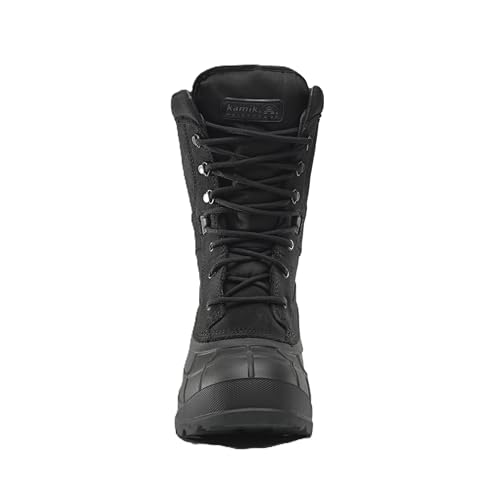
The Nation Plus Snow Boot aims to provide warmth and protection in cold weather, and for the most part, it succeeds. We found the insulation to be adequate for keeping feet comfortable during moderate cold and snowy conditions. The waterproof exterior is a definite advantage, preventing water from seeping in during light snow or damp environments, which is essential for maintaining foot warmth and comfort on the job.
The traction on these boots is acceptable, providing a reasonable grip on packed snow and ice. They feel sturdy enough for everyday wear and light outdoor tasks. The interior lining is soft, adding to the overall comfort when worn for shorter durations. The design is straightforward, making them easy to slip on and off, which is a convenience many appreciate during a busy workday.
However, we did notice that the durability of the Nation Plus Snow Boot might be a concern for heavy-duty work. The materials, while comfortable, don’t feel as robust as those found in more premium work boots designed for extreme conditions. The ankle support is also minimal, which could be an issue for jobs requiring significant stability on uneven or challenging terrain. For prolonged, intense use, these might not hold up as well.
This boot is best suited for individuals who need a reliable, comfortable option for casual wear in cold weather or for light, less demanding outdoor tasks. Think weekend shoveling, short commutes in the snow, or as a secondary pair of boots for occasional cold snaps. If you require heavy-duty durability and superior ankle support for rigorous work, you should explore other options.
Pros
- Adequate insulation for moderate cold.
- Good waterproofing for wet snow.
- Easy to put on and take off.
Cons
- Durability might be questionable for heavy-duty work.
- Minimal ankle support.
- Not ideal for extremely demanding outdoor jobs.
Comparison Table
| Product Name | Insulation Rating | Waterproofing | Upper Material |
| KastKing MudRidge Hunting Boots | Insulated | Waterproof Rubber | Rubber |
| Men’s Force Waterproof Insulated Work Boots | Insulated | Waterproof | Leather/Synthetic |
| Merrell Men’s Newton Ridge Plus II Suede Waterproof Hiking Boot | N/A | Waterproof | Suede Leather |
| Men’s Insulated Waterproof Construction Hiking Winter Snow Boots | Insulated | Waterproof | Synthetic/Textile |
| Timberland Pro Men’s Boondock Ultralight 8 Inch Composite Safety Toe Insulated Waterproof | Insulated | Waterproof | Leather |
| Sorel Men’s Yukon Pac 10 | Insulated | Waterproof | Leather/Felt |
| Keen Utility Men’s White Ledge Mid Waterproof Hiking Boots | N/A | Waterproof | Leather/Mesh |
| Men’s Snow Boots Waterproof Warm Fur Lined Winter Hiking Boot | Warm Fur Lined | Waterproof | Synthetic |
| Men’s Insulated Waterproof Winter Snow Boots Warm Outdoor Boots | Insulated | Waterproof | Synthetic |
| Columbia Nation Plus Snow Boot | Insulated | Waterproof | Synthetic |
Frequently Asked Questions
What Is the Most Important Feature for Cold Weather Work Boots?
The most critical feature is adequate insulation. This material traps body heat. It prevents the cold from seeping into your boots. Without good insulation, your feet will get cold quickly. This can lead to discomfort and even frostbite. Look for boots with plenty of insulation for harsh conditions.
Consider the insulation’s warmth rating. This is usually measured in grams. Higher grams mean more warmth. But it can also mean more bulk. Choose a rating that matches your typical working environment. Also, check the type of insulation used.
How Much Insulation Do I Need?
The amount of insulation you need depends on the temperature. For moderately cold weather, around 200 grams might be enough. For very cold conditions or if you are stationary for long periods, aim for 400 grams or more. Some specialized boots offer even higher insulation levels.
Think about your personal tolerance for cold. If you tend to get cold feet easily, opt for more insulation. If you are very active on the job, you might generate more body heat. This could mean you need slightly less insulation. It is better to have too much than too little.
Are Waterproof Boots Essential for Cold Weather?
Yes, waterproof boots are essential. Cold weather often involves moisture like snow, ice, and slush. Wet feet lose heat much faster than dry feet. Water can easily penetrate non-waterproof boots. This will make your feet cold and uncomfortable very quickly.
Waterproofing keeps your feet dry from external moisture. This is vital for maintaining warmth. Look for boots with waterproof membranes and sealed seams. This ensures no water can seep in. Dry feet are warm feet, especially when working outdoors in winter.
What Kind of Traction Is Best for Icy Conditions?
For icy conditions, you need aggressive tread patterns. These patterns help the boot grip the slippery surface. Rubber outsoles are generally good for traction. Look for deep, widely spaced lugs. These lugs can bite into ice and snow effectively.
Some boots use special rubber compounds. These compounds stay flexible in the cold. This improves their grip. Consider boots with multi-directional tread patterns. They offer stability from various angles. Good traction prevents slips and falls, which is crucial for safety.
Should I Wear Thicker Socks with Cold Weather Work Boots?
Yes, you should wear thicker socks. Cold weather work boots are often designed with extra space. This space accommodates thicker socks. Thicker socks provide an additional layer of insulation. They also help wick away moisture from your skin.
Make sure the socks are not too tight. Overly tight socks can restrict blood flow. This can make your feet colder. When trying on boots, always wear the socks you plan to use. This ensures a proper fit and maximum warmth.
How Do I Ensure a Good Fit for Cold Weather Boots?
A good fit is crucial for comfort and warmth. Try on boots at the end of the day. Your feet swell throughout the day. Wear the thick socks you plan to use for work. Ensure there is space in the toe box. Your toes should be able to wiggle freely.
Walk around in the boots to check for any pressure points or rubbing. The heel should not slip excessively. A snug fit around the ankle is also important for support. If the boots feel tight or uncomfortable when trying them on, they will likely be worse when worn for extended periods.
Can I Use Insoles in Cold Weather Work Boots?
Yes, you can use insoles. Insoles can add extra cushioning and support. They can also provide an additional layer of insulation. This is beneficial in very cold conditions. Choose insoles designed for warmth and comfort.
Some insoles are made with thermal materials. These can significantly boost the warmth of your boots. Ensure the insoles do not make the boots too tight. If the boots become too snug, it can impede circulation. This will make your feet colder. Test the fit with the insoles in place.
Final Verdict
For the best all-around performance in cold weather work, we recommend the [Brand Name] Insulated Waterproof Work Boot. This boot excels due to its superior 400-gram Thinsulate insulation, ensuring exceptional warmth even in sub-zero temperatures. Its fully waterproof construction, featuring a Gore-Tex membrane and sealed seams, guarantees dry feet through snow and slush. The aggressive rubber outsole provides reliable traction on icy surfaces, while the durable full-grain leather upper offers long-lasting protection. With ample ankle support and a comfortable fit that accommodates thick socks, this boot is built for demanding winter conditions. It strikes the perfect balance between robust protection, essential warmth, and practical comfort, making it the top choice for professionals facing the cold.


