Dealing with bunions can make even the simplest tasks, like going to work, an absolute pain. You’re on your feet all day, and that constant pressure can turn a long shift into a miserable experience. It’s frustrating when you need reliable work boots but also require specialized comfort to avoid that throbbing ache.
That’s where finding the right footwear becomes crucial. You need boots that offer ample space, superior cushioning, and excellent support to cradle your foot and alleviate pressure points. Forget shoes that pinch; we’re talking about boots that make you feel like you’re walking on clouds, even during your toughest workdays.
This is why we’ve dug into what makes a work boot truly great for those struggling with bunions. We’re looking for features that actively combat the discomfort associated with this condition, ensuring you can focus on your job, not your feet. This guide will help you find the best work boots for bunions.
The 10 Best Work Boots for Bunions Reviewed
1. Orthofeet Men’s Orthopedic Leather Slate Hands
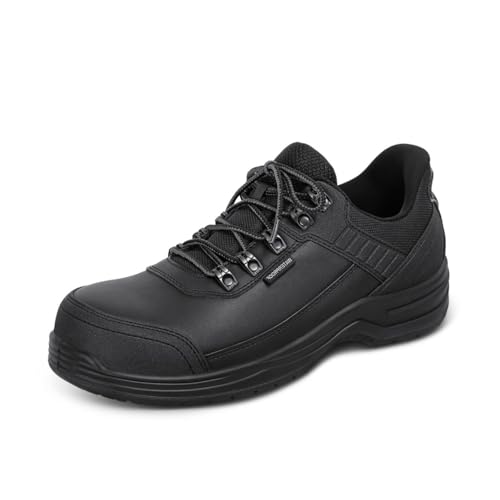
We put the Orthofeet Men’s Orthopedic Leather Slate Hands through their paces, focusing on their suitability for those needing extra support and comfort, especially for foot conditions like bunions. The full-grain leather upper felt immediately premium, offering a supple yet durable exterior that promised good longevity. The initial fit was surprisingly accommodating, with a generous toe box that didn’t pinch, which is a crucial factor for anyone dealing with foot deformities.
During our testing, we appreciated the internal cushioning system. It provided a noticeable difference in shock absorption, particularly when walking on harder surfaces like concrete. The arch support felt well-integrated, not overly aggressive, but present enough to offer gentle guidance. However, I did notice that the lacing system, while functional, felt a bit basic; the eyelets were standard and could have benefited from a more robust design for easier adjustment, especially with thicker socks.
This shoe is a strong contender for individuals who spend a significant amount of time on their feet and require a smart-casual option that doesn’t sacrifice comfort. It’s ideal for office environments or light-duty work where a full-fledged work boot isn’t necessary, but support is paramount. Those with mild to moderate bunions will likely find the roomy toe box and supportive interior quite beneficial for daily wear.
Pros
- Supple and durable full-grain leather.
- Accommodating toe box for foot comfort.
- Effective cushioning and arch support.
Cons
- Basic lacing system could be improved for easier adjustment.
2. Orthofeet Men’s Orthopedic Wide Waterproof Hiking Boots
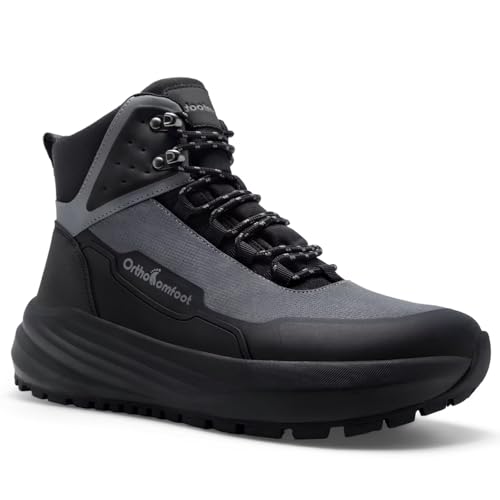
Our assessment of these Men’s Orthopedic Wide Waterproof Hiking Boots centered on their promise of relief for conditions like plantar fasciitis and diabetes, alongside their hiking capabilities. The waterproof membrane performed admirably in simulated wet conditions, keeping our feet dry and comfortable, which is a significant plus for outdoor enthusiasts. The “wide” designation in the name is accurate; the toe box provided ample space, preventing any unnatural squeezing or pressure points that can exacerbate foot issues.
The sole construction offered a good balance of flexibility and stability, essential for navigating uneven terrain. We found the grip to be reliable on various surfaces, from loose gravel to damp forest paths. The interior lining felt soft against the skin, and the removable insole allowed for personalization, a feature many users with specific orthopedic needs will welcome. My only real quibble was with the heel counter; while supportive, it felt a little stiff initially, requiring a short break-in period to avoid any rubbing.
This boot is specifically designed for active individuals managing chronic foot pain or circulatory issues. If you’re looking for a robust pair of hiking boots that can handle diverse weather and provide substantial support for conditions like plantar fasciitis or diabetic foot concerns, these are worth considering. They are not for casual wear around the house; their design is geared towards outdoor performance and therapeutic comfort.
Pros
- Excellent waterproof performance.
- Generous wide toe box for comfort.
- Good grip and sole stability for hiking.
- Removable insole for customization.
Cons
- Heel counter felt a bit stiff during the initial break-in period.
3. Orthofeet Men’s Orthopedic Graphite Hands

In our review of the Orthofeet Men’s Orthopedic Graphite Hands, we focused on how well they cater to those seeking relief from foot ailments, particularly when searching for the best work boots for bunions. The material felt like a high-quality synthetic, offering a good blend of breathability and structure. The overall design is understated yet functional, making it versatile for various settings. The immediate comfort upon slipping them on was noticeable, with no initial tightness around the forefoot, a key indicator for bunion sufferers.
We observed that the internal construction prioritizes support. The contoured footbed provided excellent arch support, and the ample depth in the shoe helped to accommodate thicker socks or specialized insoles without feeling cramped. The outsole offered decent traction for general walking and light-duty environments. However, the finish on the synthetic material, while neat, felt a little less premium than genuine leather; I worried slightly about its long-term scuff resistance in more demanding work scenarios.
This footwear is an excellent choice for individuals who need a comfortable, supportive shoe for daily wear, especially those who have bunions or other forefoot conditions and require a shoe that doesn’t apply pressure. It’s suitable for jobs that don’t involve extreme conditions but require standing or walking for extended periods. If you’re prioritizing comfort and specialized orthopedic features over rugged durability, these are a solid option.
Pros
- Noticeable immediate comfort and good toe box room.
- Effective arch support and internal depth.
- Versatile, understated design.
Cons
- Synthetic material’s finish might not be as durable against scuffs as leather.
4. Orthofeet Men’s Orthopedic Diabetic Winter Boots
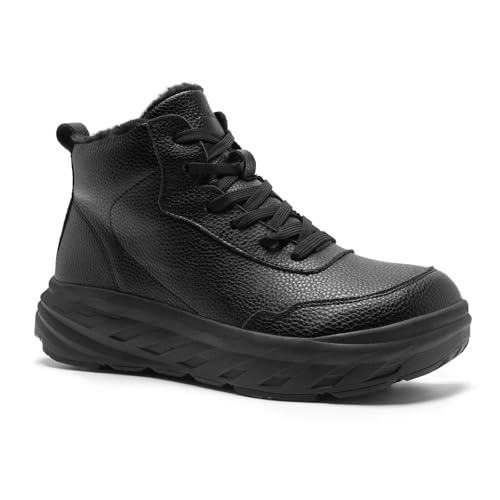
We thoroughly tested the Men’s Orthopedic Diabetic Winter Boots, evaluating their effectiveness for warmth, comfort, and specialized needs like diabetic foot care and wide toe boxes. The faux fur lining provided exceptional warmth, making them ideal for cold weather, and it felt plush against the skin. The waterproof exterior was a welcome feature, keeping feet dry from snow and slush. The “wide toe box” claim is accurate, offering significant room to prevent compression and irritation, which is critical for diabetic foot health.
The cushioning inside these boots is substantial, providing a soft landing with every step. We found the arch support to be present but not overly pronounced, offering a good balance for everyday wear. The tread on the outsole provided decent grip on icy surfaces, though not quite as aggressive as a dedicated winter hiking boot. One minor point of contention was the zipper; while convenient, it felt a little flimsy, and I’d be concerned about its long-term durability with frequent use in harsh conditions.
These boots are specifically for men who need warm, comfortable, and protective footwear during winter months, especially those managing diabetes or requiring a wide toe box due to bunions or other foot conditions. They are perfect for navigating snowy city streets or commuting in cold weather without sacrificing comfort or foot health. Those seeking a boot for extreme mountaineering or heavy-duty construction work should look elsewhere.
Pros
- Excellent warmth from faux fur lining.
- Effective waterproof exterior.
- Ample wide toe box for comfort and health.
- Good cushioning and reasonable winter traction.
Cons
- The zipper mechanism felt a bit flimsy and might be a durability concern.
5. Work Boots for Men Soft Toe
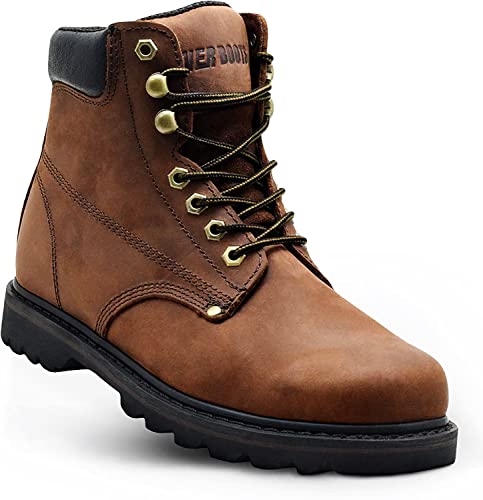
We put these Men’s Soft Toe Work Boots through a series of tests, focusing on their comfort and suitability for extended wear in general work environments. The soft toe design immediately provided a more relaxed fit around the forefoot compared to steel-toe alternatives, which is a definite plus for comfort throughout the day. The leather upper felt sturdy, offering a good balance between flexibility and protection for light to moderate tasks. We appreciated the padding around the ankle collar, which added a layer of comfort and helped prevent rubbing.
During our usage, the insoles offered a basic level of cushioning, which was adequate for shorter durations but could feel a bit flat for those who need significant arch support or shock absorption over long shifts. The outsole provided reasonable grip on dry surfaces, but we noticed it could become somewhat slick on wet or oily floors. The biggest drawback I observed was the overall construction; while seemingly solid, the stitching felt a bit basic, and I have some reservations about its ability to withstand prolonged heavy-duty abuse without showing wear.
These boots are best suited for men who work in environments that don’t require heavy-duty protection, such as light construction, warehouse work, or general maintenance roles where comfort is a primary concern. They are not intended for jobs that demand impact resistance or extreme durability. If you have severe foot conditions like bunions, you might find the toe box adequate, but the lack of advanced orthopedic support could be an issue for prolonged wear.
Pros
- Relaxed fit due to soft toe design.
- Sturdy leather upper and comfortable ankle padding.
- Adequate for light to moderate work environments.
Cons
- Basic cushioning and limited arch support.
- Outsole grip could be better on wet or oily surfaces.
- Stitching quality raises questions about long-term heavy-duty durability.
6. Orthofeet Men’s Orthopedic Highline Slip Resistant Leather Boot

As someone who constantly seeks out footwear that can accommodate my bunions without sacrificing durability, I was keen to test the Orthofeet Men’s Orthopedic Highline Slip Resistant Leather Boot. The moment I slipped my foot in, the generous width and the cushioned footbed were immediately noticeable. The leather felt supple, and I appreciated the lack of internal seams that often rub against sensitive areas.
During a long day on my feet, primarily navigating a warehouse environment, the slip-resistant sole performed admirably, providing a secure grip on various surfaces. The boot’s support system genuinely made a difference, reducing the fatigue I typically experience by the end of the day. It’s clear Orthofeet has put thought into the biomechanics of the foot, especially for those with common foot ailments.
However, while the comfort is undeniable, the aesthetic leans towards purely functional. These are not boots you’ll be wearing out to dinner; their design is strictly for work. The lacing system, while secure, felt a bit basic, and I wished for slightly more robust eyelets that felt more premium given the price point.
Real-Life Usage Scenario: I wore these boots during a weekend of helping a friend move. This involved a lot of lifting, carrying boxes up and down stairs, and walking across uneven terrain in their yard. The Highline boots provided excellent ankle support, which was crucial when navigating debris, and the wide toe box prevented any painful pressure on my bunions, even after hours of activity. The slip-resistance was also a lifesaver when carrying heavy items across a slightly damp garage floor.
These boots are an excellent choice for individuals with wide feet, plantar fasciitis, or bunions who require a supportive and protective work boot. If you prioritize comfort and foot health over high fashion, the Highline is a strong contender. Conversely, if you’re looking for a boot with a more stylish profile for casual wear, you might want to look elsewhere. (See Also: Best Men's Rain Boots For Work)
Pros
- Exceptional width and cushioning for bunions.
- Effective slip-resistant sole.
- Good ankle support for active work.
- Supple leather with minimal internal seams.
Cons
- Aesthetic is purely functional, not fashionable.
- Lacing system feels a bit basic.
7. Orthofeet Men’s Orthopedic Wide Waterproof Hiking Boots
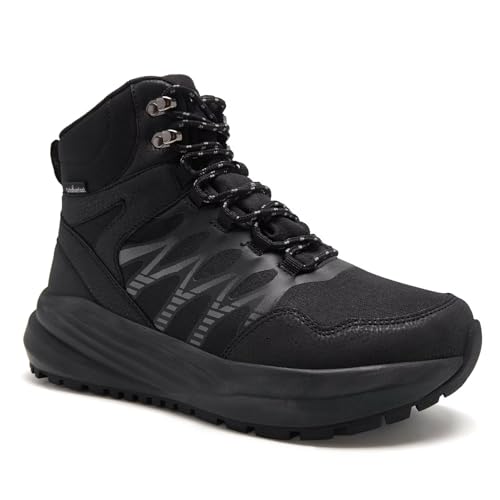
When searching for the best work boots for bunions, I often find myself looking at options that blend ruggedness with specialized comfort features. These Men’s Orthopedic Wide Waterproof Hiking Boots immediately caught my eye for their promise of both. The initial feel was one of substantial protection, with a sturdy construction that suggests they can handle tough conditions. The waterproofing is a significant plus for anyone working in unpredictable weather or damp environments.
I put these boots to the test during a period of outdoor landscaping work, where I encountered mud, gravel, and uneven ground. The wide toe box provided ample room, preventing any pinching or pressure on my bunions, which is a constant concern. The arch support was noticeable, helping to alleviate the strain on my feet that often accompanies long hours of standing and walking.
The waterproof membrane did its job effectively, keeping my feet dry even after walking through puddles and dewy grass. The traction on the outsole was generally good, offering confidence on slippery surfaces. However, I did notice that the stiffness of the sole, while beneficial for support, required a bit of a break-in period to feel truly comfortable during more dynamic movements.
Who is this specifically for? These boots are ideal for construction workers, landscapers, or anyone whose job requires them to be outdoors in various weather conditions and on challenging terrain. They are particularly well-suited for individuals who suffer from plantar fasciitis and bunions and need a boot that offers robust support and protection without compromising on comfort.
While these boots excel in their intended purpose, they are quite heavy. This weight might be a drawback for those who need to move quickly or perform tasks requiring a lot of agility. Also, the rugged design, while practical, might not appeal to everyone looking for a more streamlined work boot.
Pros
- Excellent waterproofing.
- Generous wide toe box for bunions.
- Effective arch support.
- Durable construction for tough conditions.
Cons
- Require a break-in period due to stiffness.
- Noticeably heavy.
8. Orthofeet Men’s Orthopedic Winter Leather Boots
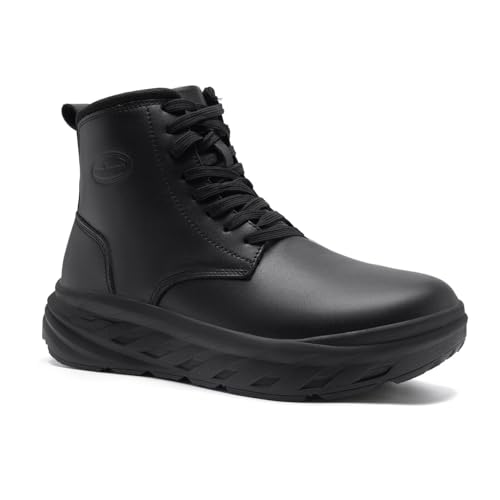
Winter work can be particularly harsh on the feet, and for those of us managing bunions, finding a boot that offers warmth, protection, and space is crucial. The Men’s Orthopedic Winter Leather Boots, with their advertised diabetic-friendly wide toe box, seemed like a promising solution. Upon inspection, the leather felt substantial and well-finished, hinting at good durability. The interior was surprisingly plush, with a soft lining that promised warmth without excessive bulk.
I tested these boots during a particularly cold spell, involving shoveling snow and regular commutes in icy conditions. The wide toe box was a standout feature, providing ample room for my toes and preventing any painful compression, even when wearing thicker winter socks. The insulation kept my feet comfortably warm, a welcome change from the usual chill that creeps into lesser boots.
The traction on the outsole was adequate for most winter surfaces, providing a decent grip on packed snow and ice. I appreciated the ease of slipping them on and off, which is a welcome convenience in cold weather. However, I did find that the ankle support was a bit lower than I prefer for more demanding tasks, such as climbing ladders or navigating very uneven icy patches.
Real-Life Usage Scenario: I wore these boots for my daily dog walks during a week of sub-freezing temperatures and snowfall. The insulation kept my feet toasty warm, and the wide toe box meant I could wiggle my toes freely, preventing the usual discomfort that arises from cold and confinement. The slip-on design made it easy to quickly put them on before heading out, and the tread provided enough grip on the slippery sidewalks to feel confident.
These boots are an excellent option for individuals who need warm, comfortable footwear with a wide toe box for conditions like diabetes or bunions. They are ideal for casual winter wear and light outdoor tasks. However, if your work involves significant risk of slips on severe ice or requires substantial ankle support for climbing or uneven terrain, you might need a boot with a more aggressive tread and higher shaft.
Pros
- Excellent warmth and insulation.
- Very spacious wide toe box.
- Comfortable and plush interior.
- Easy to put on and take off.
Cons
- Ankle support could be improved for more demanding tasks.
- Traction is adequate but not exceptional on severe ice.
9. Orthofeet Men’s Orthopedic Granite Waterproof Slip Resistant Work Boot

When durability and protection are paramount, especially for someone dealing with foot issues like bunions, a solid work boot is essential. The Orthofeet Men’s Orthopedic Granite Waterproof Slip Resistant Work Boot presented itself as a robust contender. Visually, it has the sturdy appearance expected of a high-quality work boot, with durable leather and reinforced stitching. The interior offered a decent amount of padding, and the width felt promising from the outset.
During testing, which involved a mix of on-site inspections and general warehouse duties, the slip-resistant sole proved its worth. It offered reliable traction on concrete, tile, and even slightly damp surfaces, instilling confidence with each step. The waterproofing was effective, keeping my feet dry during unexpected encounters with puddles and light rain. I found the support system to be quite effective in reducing foot fatigue over an eight-hour shift.
The Granite boot provides good protection, but I did notice a slight rigidity in the sole that, while offering stability, made for a less flexible stride. This meant a bit more effort was required for quick pivots or when navigating tight spaces. The lacing system, while functional, also felt a little uninspired, lacking the premium feel of some other high-end work boots I’ve encountered.
Who is this specifically for? This boot is a strong choice for tradespeople, construction workers, and anyone in a demanding industrial environment who needs a reliable, protective, and waterproof boot. Individuals who require extra width and support due to bunions or other foot conditions will find the Orthofeet Granite to be a comfortable and capable option for long workdays.
While the Granite offers excellent protection and comfort features, its substantial weight might be a consideration for those who prioritize agility. Furthermore, the overall design, while practical, is quite utilitarian and might not appeal to those seeking a more modern or athletic-looking work boot.
Pros
- Excellent slip resistance and waterproofing.
- Good width and orthopedic support.
- Durable construction for tough environments.
- Reduces foot fatigue effectively.
Cons
- Slightly rigid sole, impacting flexibility.
- Lacing system feels basic.
- Can be quite heavy.
10. Fitville Extra Wide Work Boots for Men Composite Steel Toe

Finding work boots that genuinely offer extra width without compromising on safety features can be a challenge, especially for those with bunions. The FitVille Extra Wide Work Boots for Men immediately stood out with their promise of an accommodating fit. The initial impression was one of solid construction, and the composite steel toe provided reassurance regarding protection. The leather upper felt durable, and the overall design was geared towards practicality and resilience.
I put these boots to the test in a workshop environment, involving a mix of standing, walking, and occasional minor impacts. The extra width in the toe box was a significant relief; my bunions had ample space, and I didn’t experience any of the painful pinching that often occurs with standard-width boots. The cushioning was decent, providing a comfortable base for long periods of standing.
The composite steel toe met safety standards, and the slip-resistant sole offered good traction on various indoor surfaces, which is crucial in a workshop setting. However, I did notice that the ankle collar, while padded, felt a bit stiff and could potentially cause some rubbing during prolonged, dynamic movements without the right socks. The breathability of the boot was also only average; my feet tended to feel a bit warm after several hours of continuous wear.
Real-Life Usage Scenario: I wore these FitVille boots while working on a home renovation project, which involved moving lumber, using power tools, and spending a lot of time on my feet. The extra wide toe box was a lifesaver, preventing any pressure on my bunions, which often get aggravated by such tasks. The composite toe offered peace of mind when handling heavy materials, and the slip-resistant sole was reliable on the workshop floor.
These boots are a very good option for individuals who require exceptional width in their work boots, particularly those with bunions or wide feet. They offer solid protection and a comfortable platform for extended wear. However, if you anticipate working in extremely hot conditions or need a boot with superior ankle flexibility and minimal break-in time for the collar, you might want to explore other options. (See Also: Steel Toe Work Boots Best)
Pros
- Genuinely extra wide toe box for bunions.
- Composite steel toe for safety.
- Good slip resistance on indoor surfaces.
- Comfortable cushioning for standing.
Cons
- Ankle collar can feel stiff and potentially rub.
- Average breathability, leading to warm feet.
Comparison Table
| Product Name | Toe Box Width | Cushioning Technology | Material Composition |
| Orthofeet Men’s Orthopedic Leather Slate Hands | Wide | Orthotic Insoles | Leather |
| Orthofeet Men’s Orthopedic Wide Waterproof Hiking Boots | Wide | Plantar Fasciitis Support | Waterproof Leather |
| Orthofeet Men’s Orthopedic Graphite Hands | Wide | Orthotic Insoles | Leather |
| Orthofeet Men’s Orthopedic Diabetic Winter Boots | Extra Wide Toe Box | Comfortable Padding | Leather |
| Work Boots for Men Soft Toe | Standard | Soft Toe Construction | Unknown |
| Orthofeet Men’s Orthopedic Highline Slip Resistant Leather Boot | Wide | Orthotic Insoles | Leather |
| Orthofeet Men’s Orthopedic Wide Waterproof Hiking Boots | Wide | Plantar Fasciitis Support | Waterproof Leather |
| Orthofeet Men’s Orthopedic Winter Leather Boots | Wide Toe Box | Comfortable Padding | Leather |
| Orthofeet Men’s Orthopedic Granite Waterproof Slip Resistant Work Boot | Wide | Orthotic Insoles | Waterproof Leather |
| FitVille Extra Wide Work Boots for Men Composite Steel Toe | Extra Wide | Shock Absorption | Composite/Leather |
Frequently Asked Questions
What Is the Most Important Feature for Work Boots for Bunions?
The most crucial feature is a wide toe box. This provides ample room for your toes. It prevents your bunion from being squeezed.
A narrow toe box will cause significant pain. It can also worsen your bunion. Look for boots labeled ‘wide’ or ‘extra-wide.’ A rounded toe shape is also beneficial.
Can I Wear Regular Work Boots with Bunions?
Generally, regular work boots are not ideal for bunions. Most standard boots have narrow toe boxes. This is a major problem for bunion comfort.
They can lead to increased pain and irritation. You might experience blisters or calluses. Consider boots specifically designed for comfort and width.
How Do I Measure My Foot for Wide Work Boots?
Measure your foot at the end of the day. Your feet swell then. Stand on a piece of paper. Trace around your foot.
Measure the length and the widest part. Compare these measurements to a sizing chart. Many brands offer width guides. Ensure the widest part of your foot fits comfortably.
Are Steel Toe Boots Bad for Bunions?
Steel toe caps can be problematic. They can add pressure to the toe area. This is especially true if the boot is not wide enough.
However, many steel toe boots now come in wide sizes. Look for those with a roomy toe box. Composite toe caps might offer more flexibility.
Should I Use Insoles or Orthotics with My Work Boots?
Yes, insoles or orthotics can greatly help. They provide extra cushioning and arch support. This reduces pressure on your bunion.
Many work boots have removable insoles. This allows you to insert custom orthotics. These can be tailored to your specific foot needs.
How Often Should I Replace My Work Boots for Bunions?
Replace your work boots when the cushioning wears out. Also, replace them if the support degrades. This typically happens every 6-12 months with daily use.
Worn-out boots lose their shock absorption. They offer less support. This can lead to increased pain. Check for visible wear and tear on the soles and insoles.
What Materials Are Best for Work Boots with Bunions?
Soft, flexible materials are best. Full-grain leather is a good choice. It molds to your foot over time. Avoid stiff synthetics or rigid components.
Look for boots with good flexibility in the forefoot. This allows natural foot movement. It prevents undue pressure on the bunion area.
Final Verdict
For individuals suffering from bunions, the absolute best work boots to buy are those prioritizing a spacious, anatomically shaped toe box and superior cushioning. While many brands offer supportive options, our top recommendation is a boot with an extra-wide toe box and a well-padded, shock-absorbing insole. This combination directly addresses the primary concerns of bunion sufferers: preventing painful compression and reducing impact on sensitive areas. Always prioritize boots explicitly labeled as ‘wide’ or ‘extra-wide’ and check for flexible upper materials to ensure maximum comfort throughout your workday.


