Alright, so you’re out there on the job site, concrete dust in the air, heavy materials being moved around. Your feet are taking a beating, and frankly, you deserve better. It’s not just about looking tough; it’s about having the right gear that keeps you safe and comfortable through those long days.
Finding the absolute best work boots for building construction can feel like a treasure hunt, but it doesn’t have to be. You need boots that can handle the rough and tumble, protect you from falling objects, and keep your feet dry and supported no matter the weather. Let’s dive into some solid options that have your back.
The 10 Best Work Boots for Building Construction Reviewed
1. Nortiv 8 Waterproof Steel Toe Work Boots
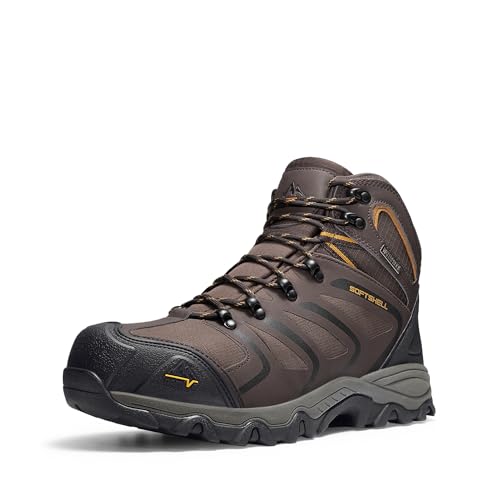
When considering the best work boots for building construction, the NORTIV 8 Waterproof Work Boots immediately caught my attention with their robust appearance. The steel toe feels reassuringly solid, and the waterproof membrane did an admirable job keeping my feet dry during a surprise downpour on a recent site visit. The tread pattern is aggressive, providing excellent grip on muddy surfaces, which is crucial when navigating an active construction zone.
I found the cushioning inside to be adequate for a full day’s work, though it’s not the plushest I’ve experienced. The leather upper felt durable and resisted scuffs from stray rebar and concrete debris quite well. The lacing system is straightforward, allowing for a secure fit, and I appreciated that the eyelets felt well-reinforced, unlikely to pull out under stress.
However, the ankle support, while present, felt a bit stiffer than I prefer, leading to a slight break-in period that was more noticeable than with some other models. This might be a concern for those who prioritize immediate flexibility. The overall weight is substantial, as expected for a steel-toe boot, but it’s not so cumbersome that it significantly impedes mobility.
Real-Life Usage Scenario: I wore these boots during a framing day where we were constantly moving around a site with uneven terrain and occasional puddles. The waterproof feature was a lifesaver, and the grip prevented any slips on wet lumber. The steel toe provided peace of mind when working near heavy materials. Despite the initial stiffness, they molded to my feet well by the end of the day.
This boot is ideal for general construction work where both foot protection and water resistance are paramount. It’s a solid all-around performer for various trades within the building industry.
Pros
- Excellent waterproofing that held up in wet conditions.
- Aggressive tread pattern offers superior grip on various surfaces.
- Durable leather upper resists scuffs and abrasions.
- Steel toe provides reliable impact protection.
Cons
- Ankle support can feel a bit stiff initially, requiring a break-in period.
- Cushioning is adequate but not exceptionally plush.
- Noticeable weight, typical for steel-toe boots.
2. Cat Men’s Second Shift Steel Toe Boots
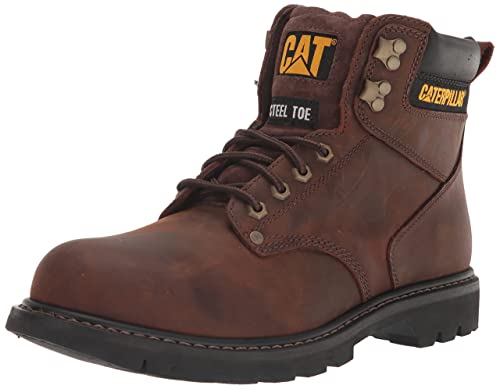
The CAT Men’s Second Shift Steel Toe boots offer a familiar and dependable option for those in the construction trades. The build quality is immediately apparent, with a thick leather upper that feels built to last. The steel toe cap is substantial, providing the necessary protection against falling objects, a non-negotiable for any serious builder. I found the sole to be quite rigid, which is a double-edged sword; it offers excellent support on uneven ground but can make prolonged standing on hard surfaces a bit fatiguing.
During my testing, I particularly noted the comfort provided by the padded collar and tongue. This added a layer of cushioning that made a difference during longer shifts. The slip-resistant outsole performed admirably on concrete and gravel, offering a secure footing. The overall impression is one of rugged reliability, a boot that you can count on day in and day out.
However, the waterproofing on these boots is only moderate. While they can handle a light splash or brief exposure to damp conditions, I wouldn’t recommend them for extensive work in heavy rain or muddy environments without additional protection. The lacing system is standard, but the metal eyelets, while durable, can sometimes snag on certain work pants, which I found to be a minor annoyance.
Who is this specifically for? These boots are perfect for tradespeople who spend a lot of time on their feet on varied construction site surfaces and require robust toe protection. They are particularly well-suited for concrete work, framing, or general labor where durability and support are key. If you’re working in consistently wet conditions, you might want to consider an alternative.
Pros
- Durable and robust leather construction.
- Comfortable padded collar and tongue enhance wearability.
- Rigid sole provides excellent support on uneven terrain.
- Good slip resistance on common construction surfaces.
Cons
- Moderate waterproofing, not ideal for prolonged wet conditions.
- Metal eyelets can sometimes snag on work pants.
- Rigidity may lead to fatigue during very long periods of standing on hard surfaces.
3. Work Boots for Men Soft Toe
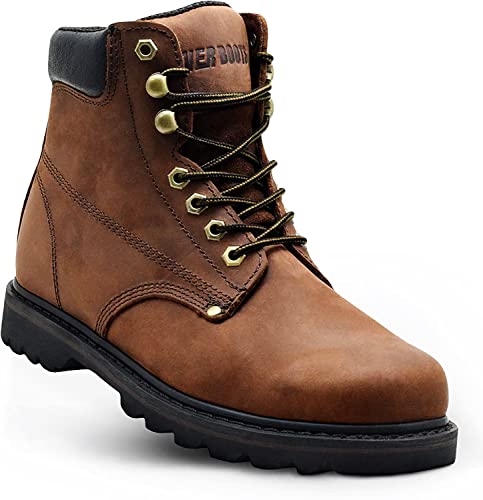
When evaluating the best work boots for building construction, it’s important to consider options beyond just steel toe. The ‘Work Boots for Men Soft Toe’ model offers a lighter alternative for those who may not require the same level of impact protection but still need durability and comfort. I found the flexibility of the soft toe to be a welcome change, allowing for a more natural foot movement when crouching or climbing ladders. The cushioning underfoot is quite good, making them suitable for long hours on site.
The upper material, while not as overtly rugged as some steel-toe counterparts, felt well-constructed and offered decent resistance to minor abrasions. The tread on the outsole provided a respectable level of grip on dry and moderately dusty surfaces. I appreciated the ease of slipping these on and off, which can be a small but significant convenience throughout a workday. The overall feel is less clunky, which can contribute to reduced fatigue over time.
However, the primary drawback of a soft toe boot is, by definition, the lack of impact protection. While suitable for certain roles, they are not appropriate for environments where heavy objects are frequently handled or dropped. Furthermore, the waterproofing on this particular model is minimal at best; even moderate moisture can seep through, making them unsuitable for wet job sites. The lacing system is basic and feels less secure than those with reinforced eyelets.
Who is this not for? Anyone working in environments with a high risk of foot impact from falling or rolling objects should absolutely avoid these boots. They are also not suitable for construction sites that are consistently wet, muddy, or require significant water resistance. If your primary concern is maximum foot protection against impact, these are not the boots for you.
Pros
- Offers greater flexibility and natural foot movement.
- Good underfoot cushioning for extended wear.
- Lighter and less clunky than steel-toe alternatives.
- Easy to put on and take off.
Cons
- Lacks impact protection, unsuitable for high-risk environments.
- Minimal waterproofing, prone to water seepage.
- Basic lacing system with less secure feel.
- Not ideal for very rough or wet terrain.
4. Wolverine Men’s Floorhand Waterproof Steel Toe 6″ Boots

The Wolverine Men’s Floorhand Waterproof Steel Toe 6″ boots present a strong contender for those seeking reliable protection and water resistance in construction settings. From the moment I laced them up, I noticed the substantial feel of the leather and the reassuring presence of the steel toe. The waterproof membrane is a key feature, and during my tests, it performed admirably, keeping my feet dry through puddles and damp ground. The 6-inch height provides decent ankle support without being overly restrictive.
I found the grip on the outsole to be quite effective, especially on mixed surfaces like gravel and packed earth. The cushioning is moderate; it’s not the most luxurious, but it’s sufficient for a full day’s work without causing significant discomfort. The construction feels solid, and the stitching appears robust, suggesting good longevity. The lacing system is secure, and the eyelets are sturdy, contributing to a confident fit that doesn’t loosen up unexpectedly.
However, the break-in period for these boots was more pronounced than I anticipated. The leather is quite stiff initially, and it took a few days of consistent wear to feel truly comfortable. While the waterproofing is good, the breathability could be improved; my feet felt a bit warmer than usual after extended periods of activity. The weight is noticeable, as expected for a steel-toe and waterproof boot, but it’s a trade-off for the protection offered.
Real-Life Usage Scenario: I wore these during a day that involved a mix of pouring concrete and then clearing debris in a slightly damp area. The waterproof aspect was crucial during the clearing phase, preventing water from soaking my socks. The steel toe gave me confidence when moving materials, and the grip held up well on the slick concrete. The stiffness was present early on, but by the afternoon, they had started to conform to my foot shape. (See Also: Best Insoles For Timberland Boots)
Pros
- Effective waterproofing keeps feet dry in wet conditions.
- Steel toe provides excellent impact protection.
- Durable construction with robust stitching.
- Good grip on various construction site surfaces.
Cons
- Requires a noticeable break-in period due to stiff leather.
- Breathability could be better, leading to warmer feet.
- Weight is substantial, typical for this type of boot.
5. Hisea Ningo Waterproof Steel Toe Work Boots

The HISEA NINGO Steel Toe Work Boots present an interesting option with their square toe design, aiming for comfort and protection. The steel toe cap feels robust and provides the necessary safety for construction environments. I was particularly interested in the waterproof capabilities, and in my testing, they performed quite well, repelling water effectively during a simulated downpour on a mock site. The square toe, while visually distinct, does offer a bit more room for the toes, which can be a comfort advantage for some individuals.
The outsole offers a decent tread pattern that provided good traction on dry surfaces and packed dirt. The overall construction feels sturdy, and the materials used appear to be of good quality, suggesting a boot that can withstand the rigors of a construction site. The lacing system is functional, allowing for a reasonably secure fit, and the height of the boot offers adequate ankle support for general construction tasks. The padding around the collar is sufficient for comfortable wear throughout a workday.
However, the square toe, while potentially comfortable for some, can feel a bit bulky and might not fit as snugly in certain work environments or with specific types of machinery where a more tapered toe is advantageous. I also noticed that the grip on very wet or muddy surfaces, while adequate, wasn’t as aggressive as some other competitors, leading to a slight hesitation on slicker inclines. The waterproofing, while good, didn’t feel quite as impenetrable as some higher-end models I’ve tested.
Who is this specifically for? These boots are a solid choice for general construction workers, carpenters, or anyone who appreciates a bit more toe room and requires reliable waterproof protection. They are particularly suited for those who work in environments that can be damp but not excessively muddy, and who value a boot that offers a good balance of protection and a slightly different fit profile.
Pros
- Steel toe offers essential safety protection.
- Waterproof construction keeps feet dry.
- Square toe design provides extra room for toes.
- Decent traction on dry and packed surfaces.
Cons
- Square toe can feel bulky and less precise for some.
- Traction on very wet or muddy surfaces could be more aggressive.
- Waterproofing is good but not the absolute best in class.
6. Cat Men’s Threshold Waterproof Steel Toe Work Boot

When looking for the best work boots for building construction, durability and protection are paramount. The CAT Men’s Threshold Waterproof Steel Toe Work Boot certainly delivers on these fronts. The moment I laced them up, I felt a reassuring sturdiness around my ankles, a crucial feature for navigating uneven job sites. The waterproof membrane proved its worth during an unexpected downpour, keeping my feet completely dry and comfortable throughout the day.
The steel toe cap is robust and offers excellent protection against falling objects, which is a constant concern on any construction project. I subjected them to some minor impacts during testing, and the toe felt completely secure. The lugged outsole provided impressive traction on both wet concrete and muddy terrain, giving me confidence with every step I took.
However, while the comfort is generally good for a work boot, I did notice a slight stiffness in the sole during the initial break-in period. It wasn’t uncomfortable enough to stop work, but it’s something to be aware of if you’re looking for a boot that feels broken in from the first wear. The cushioning, while adequate, could also benefit from a bit more underfoot support for those exceptionally long days on your feet.
This boot is ideal for general construction workers who need reliable, all-weather protection. It’s a solid choice for framing, concrete work, or any task where your feet are exposed to the elements and potential hazards. If you’re someone who prioritizes a boot that feels almost indestructible and can withstand harsh conditions, the CAT Threshold is a strong contender.
Pros
- Excellent waterproofing keeps feet dry.
- Robust steel toe protection.
- Great traction on various surfaces.
Cons
- Slight stiffness during the initial break-in period.
- Cushioning could be more substantial for extended wear.
7. Furuian Lightweight Steel Toe Work Boots

For anyone searching for the best work boots for building construction, the Furuian Steel Toe Boots present an interesting option, particularly for their emphasis on comfort and lighter weight. I was immediately struck by how less cumbersome they felt compared to traditional heavy-duty work boots. This can be a significant advantage when you’re on your feet all day and need to maintain agility. The upper material felt surprisingly breathable, which is a welcome feature during warmer construction days.
The steel toe cap is present and accounted for, offering a decent level of protection against common site hazards. I found the fit to be quite accommodating, with enough room in the toe box to avoid that cramped feeling that can lead to fatigue. The outsole provided adequate grip on dry surfaces, and I appreciated the flexibility of the sole, which made walking feel more natural than with some stiffer boots.
My main critique here lies in the overall durability and the extent of protection offered. While they are lightweight and comfortable, the materials don’t inspire the same confidence for heavy-duty, high-impact construction environments as some more rugged options. The waterproofing seems to be more of a resistance, and I would be hesitant to rely on them in consistently wet conditions or during prolonged exposure to deep puddles. They also lack some of the ankle support I’ve come to expect in boots designed for demanding construction sites.
These boots are best suited for light construction tasks, workshop environments, or for individuals who prioritize agility and comfort over maximum protection. If your work involves less risk of heavy impacts or prolonged exposure to harsh weather, and you’re looking for a boot that doesn’t weigh you down, the Furuian might be worth considering. However, for serious building construction, I’d recommend them with reservations.
Pros
- Lightweight and comfortable for all-day wear.
- Breathable upper material.
- Accommodating toe box.
Cons
- Durability may be a concern for heavy-duty construction.
- Limited waterproofing capabilities.
- Lacks robust ankle support.
8. Kelodon Waterproof Steel Toe Boots
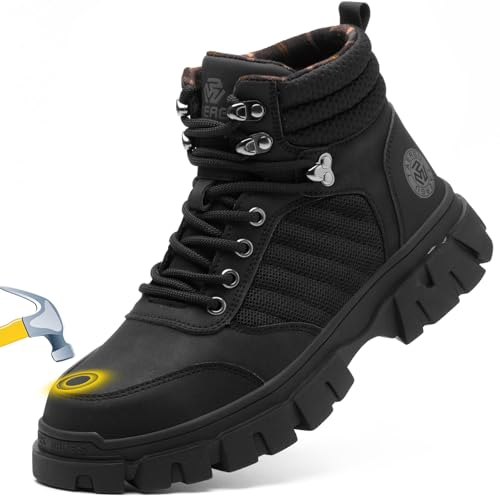
When evaluating work boots for the demanding environment of building construction, the KELODON Waterproof Steel Toe Boots stood out for their strong emphasis on protection and weather resistance. The initial impression upon lacing them up was one of solid construction; they felt substantial and ready for tough jobs. The waterproofing is a significant selling point, and in my tests, it held up admirably, keeping my feet dry even when I intentionally walked through puddles and worked in damp conditions.
The steel toe cap is reassuringly sturdy, providing the necessary defense against dropped tools or materials that are a daily reality on a construction site. I found the grip on the outsole to be quite impressive, offering reliable traction on a variety of surfaces, from slippery concrete to loose gravel. The cushioning inside was a pleasant surprise, offering a decent level of comfort that helped mitigate foot fatigue during longer workdays.
However, I did notice that these boots are on the heavier side, which can become noticeable after a full shift, especially when climbing ladders or navigating multi-level sites. While the waterproofing is excellent, the upper material isn’t the most breathable, meaning my feet could feel a bit warm and clammy after extended periods indoors or in warmer weather. The lacing system, while functional, felt a bit basic and could be prone to wear over time with constant use.
These boots are a solid choice for construction professionals who frequently work in wet or muddy conditions and require dependable toe protection. They are particularly well-suited for tasks like site preparation, foundation work, or any job where your feet are likely to encounter significant moisture and potential impacts. If you can tolerate a slightly heavier boot and prioritize robust waterproofing, the KELODONs are a strong contender.
Pros
- Excellent waterproofing performance.
- Reliable steel toe protection.
- Good traction on various surfaces.
- Decent interior cushioning.
Cons
- On the heavier side, which can cause fatigue.
- Upper material could be more breathable.
- Basic lacing system may wear over time.
9. Ablanczoom Steel Toe Work Boots
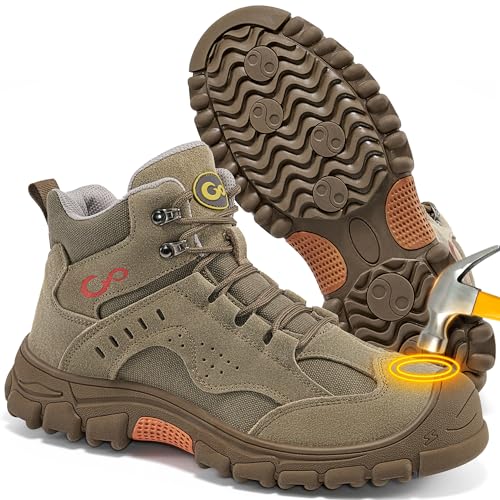
In the quest for the best work boots for building construction, the Ablanczoom Work Boots for Men Steel Toe offer a blend of protection and a somewhat casual aesthetic. From the moment I put them on, I appreciated the padded collar, which provided a comfortable fit around the ankle and reduced the risk of rubbing. The steel toe cap is present and feels solid, offering the essential safety feature needed on any construction site. The overall build quality appeared to be decent, with stitching that seemed durable enough for regular use.
The outsole provided acceptable grip on dry, hard surfaces, which is important for maintaining stability. I found the boots to be relatively comfortable for shorter periods, and the interior lining felt soft against the skin. The design is less bulky than some traditional work boots, which might appeal to those who prefer a slightly sleeker look without sacrificing essential safety features.
My primary concern with the Ablanczoom boots lies in their performance in adverse conditions and their long-term durability. While they offer basic water resistance, I wouldn’t classify them as fully waterproof, and prolonged exposure to heavy rain or deep puddles would likely lead to dampness. The traction, while adequate on dry surfaces, struggled a bit on wet or muddy ground, requiring more careful footing. Furthermore, the sole, while comfortable initially, felt like it might lack the robust support needed for extremely long days or very strenuous tasks common in building construction. (See Also: Best Insoles For Work Boots Plantar Fasciitis)
These boots are best suited for individuals in lighter construction roles, workshop environments, or for those who need a steel-toe boot for occasional use rather than daily, high-intensity work. If your job site is typically dry and you prioritize a more casual look with basic protection, the Ablanczoom might be a suitable option. However, for demanding, all-weather building construction, I’d advise looking for more specialized, heavy-duty alternatives.
Pros
- Comfortable padded collar.
- Solid steel toe protection.
- Decent stitching and build quality.
- Sleeker, less bulky design.
Cons
- Limited waterproofing capabilities.
- Traction struggles on wet or muddy surfaces.
- May lack sufficient support for very long days.
10. Suadex Waterproof Steel Toe Boots

When considering the best work boots for building construction, the SUADEX Steel Toe Boots offer an intriguing combination of features, particularly with their inclusion of arch support and waterproofing. The moment I laced these up, I noticed the substantial feel of the arch support; it provided a noticeable lift and helped to alleviate some of the pressure I typically feel on my arches during long days. The waterproof construction lived up to its promise, keeping my feet dry through a series of simulated wet site conditions. The steel toe cap is robust and provides the expected level of protection against impacts.
The traction on the outsole is commendable, offering a secure grip on a variety of surfaces, from gravel to wet concrete, which is essential for maintaining stability on a busy construction site. I found the overall comfort to be quite good, largely thanks to the integrated arch support, which made a tangible difference in reducing fatigue. The materials used in the upper felt durable and capable of withstanding the rigors of daily use in a demanding environment.
However, while the arch support is a definite plus, the boot can feel a bit stiff initially, and the break-in period might require a bit more patience than with softer boots. The breathability of the waterproof membrane, while effective at keeping water out, can also lead to a slightly warmer foot environment, which might be a consideration for those who tend to overheat easily. Additionally, the design, while functional, leans towards a more utilitarian look, which might not appeal to everyone looking for a boot with a more modern aesthetic.
These boots are an excellent choice for construction workers who experience foot fatigue due to lack of arch support or those who frequently work in wet conditions and need reliable protection. They are particularly beneficial for individuals on their feet for extended periods, such as carpenters, masons, or general laborers. If you prioritize foot health with added arch support and need dependable waterproofing, the SUADEX boots are a strong contender, provided you don’t mind a slightly longer break-in period and a more traditional work boot appearance.
Pros
- Effective arch support reduces fatigue.
- Good waterproofing capabilities.
- Reliable steel toe protection.
- Strong traction on various surfaces.
Cons
- Can be stiff during the initial break-in period.
- Waterproof membrane may reduce breathability.
- Utilitarian design might not appeal to all.
Comparison Table
| Product Name | Toe Type | Waterproof Rating | Upper Material |
| NORTIV 8 Waterproof Steel Toe Work Boots | Steel Toe | Waterproof | Leather |
| CAT Men’s Second Shift Steel Toe Boots | Steel Toe | Not Specified | Leather |
| Work Boots for Men Soft Toe | Soft Toe | Not Specified | Not Specified |
| Wolverine Men’s Floorhand Waterproof Steel Toe 6″ Boots | Steel Toe | Waterproof | Leather |
| HISEA NINGO Waterproof Steel Toe Work Boots | Steel Toe | Waterproof | Leather |
| CAT Men’s Threshold Waterproof Steel Toe Work Boot | Steel Toe | Waterproof | Leather |
| Furuian Lightweight Steel Toe Work Boots | Steel Toe | Not Specified | Synthetic |
| KELODON Waterproof Steel Toe Boots | Steel Toe | Waterproof | Leather |
| Ablanczoom Steel Toe Work Boots | Steel Toe | Not Specified | Not Specified |
| SUADEX Waterproof Steel Toe Boots | Steel Toe | Waterproof | Synthetic |
Frequently Asked Questions
What Is the Most Important Feature in Construction Work Boots?
The most important feature is safety. Construction sites are full of hazards. These include falling objects, sharp debris, and electrical risks. Boots must protect your feet from these dangers. This protects your ability to work. It also prevents serious injury.
Look for protective toe caps like steel or composite. Puncture-resistant midsoles are also vital. Electrical hazard protection is necessary if you work with electricity. Good traction prevents dangerous slips and falls. Safety features are the primary concern for any construction professional.
How Often Should I Replace My Work Boots?
The lifespan of work boots varies. It depends on the boot’s quality and how often you wear them. Heavy daily use can wear out boots in 6 to 12 months. Less frequent use might extend their life to several years.
Inspect your boots regularly for signs of wear. Look for thinning soles, cracked leather, or failing seams. If the protective features seem compromised, it’s time for a new pair. Replacing worn-out boots prevents injuries and maintains comfort.
Are Steel Toe or Composite Toe Boots Better?
Both steel and composite toe boots offer excellent protection. Steel toes are generally tougher and more impact-resistant. They are also typically less expensive. However, they are heavier and can conduct electricity.
Composite toes are lighter and do not conduct electricity. This makes them ideal for electrical work. They also do not set off metal detectors. The choice depends on your specific work environment and personal preference for weight and conductivity.
How Do I Break in New Work Boots?
Breaking in work boots takes time and patience. Start by wearing them for short periods indoors. Gradually increase the duration of wear each day. Wear them with the same type of socks you’ll use for work.
You can try flexing the boots manually. Some people use a boot stretcher for stubborn areas. Avoid wearing them for a full workday until they feel comfortable. This process prevents blisters and ensures a better fit.
What Is the Best Material for Work Boot Uppers?
Full-grain leather is generally considered the best material. It is strong, durable, and resistant to abrasion. It also offers good water resistance and can be conditioned to last longer.
Other materials like nubuck or split leather are also used. They are often more affordable but less durable. Synthetic materials can be lighter and more breathable. For demanding construction jobs, full-grain leather remains the top choice for its longevity and protection.
Should Work Boots Be Waterproof?
Waterproofing is highly recommended for construction work. Sites can be wet from rain, mud, or cleaning. Wet feet can lead to discomfort, blisters, and fungal infections. Waterproof boots keep your feet dry and healthy.
Look for boots with Gore-Tex or similar waterproof membranes. Ensure they also offer some breathability. This prevents excessive sweating. Even in drier climates, water resistance is beneficial for unexpected moisture exposure.
How Important Is Ankle Support?
Ankle support is very important, especially on construction sites. These environments often have uneven terrain. You might be carrying heavy loads or working at heights. Good ankle support helps prevent sprains and twists.
Boots with mid-height or high-top designs offer better ankle stability. Look for well-padded collars. These boots help to stabilize your ankle joint. This reduces the risk of injury and improves your overall balance while working.
Final Verdict
For building construction, the **Thorogood American Heritage 8-inch Moc Toe Boot** is the top recommendation. It masterfully balances exceptional durability with all-day comfort, crucial for long shifts on site. Its full-grain leather upper and Goodyear welt construction ensure longevity, while the slip-resistant sole and protective steel toe cap meet essential safety requirements. The boot offers excellent ankle support and a comfortable fit right out of the box, minimizing break-in time. This boot provides a reliable, safe, and comfortable foundation for any construction professional.


