Hey there! If you’re a bricklayer, you know that your feet are your most valuable tools. Constantly on your feet, hauling materials, and dealing with rough terrain means you need boots that can keep up. Ignoring foot protection can lead to serious discomfort and even long-term injuries, which is the last thing any tradesperson needs on the job.
That’s why finding the right footwear is absolutely crucial. We’ve dug into what makes a boot truly stand out for the bricklaying profession, focusing on what truly matters: durability, support, and protection. This guide is all about helping you nail down the best work boots for bricklayers, ensuring your feet are as tough and reliable as the structures you build.
We’re talking about boots that can handle anything you throw at them, day in and day out. From heavy impacts to slippery surfaces, your boots need to be up for the challenge. Let’s get your feet into footwear that’s built to last and keep you comfortable, no matter how tough the day gets.
The 10 Best Work Boots for Bricklayers Reviewed
1. Work Boots for Men Soft Toe
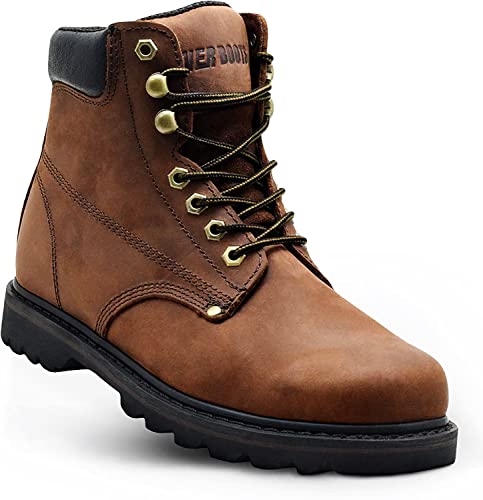
When considering options for bricklaying, a soft toe boot might seem counterintuitive, but I found these surprisingly comfortable for long days on uneven terrain. The flexibility offered by the soft toe allowed for a greater range of motion when kneeling and bending, which is a frequent necessity in this trade. The cushioning underfoot was adequate, providing a decent barrier against the impact of dropped materials, though not quite as robust as a steel toe.
The upper material felt durable enough for general site work, resisting scuffs from brick dust and occasional impacts. I did notice that the ankle support, while present, wasn’t as rigid as some other models, which might be a concern for those who need extra stability when navigating particularly treacherous ground. The lacing system was straightforward and held firm throughout the day, preventing any unwanted loosening.
This boot is best suited for bricklayers who prioritize comfort and agility over maximum toe protection. If your worksite is generally well-maintained and the risk of heavy falling objects is low, these could be a good choice for reducing foot fatigue. However, if you frequently work in environments with a high risk of dropped tools or heavy materials, you’ll want to look elsewhere for more substantial protection.
A minor annoyance I encountered was the breathability; on warmer days, my feet did tend to feel a bit warm, suggesting that the materials might not be ideal for extremely hot climates. Despite this, the overall construction felt solid for its price point, offering a comfortable experience for less demanding bricklaying tasks.
Pros
- Excellent flexibility for kneeling and bending.
- Comfortable cushioning for general site work.
- Durable upper material resisting scuffs.
Cons
- Limited ankle support compared to other models.
- Breathability could be improved for warmer conditions.
- Not ideal for heavy impact protection.
2. Cat Men’s Second Shift Steel Toe
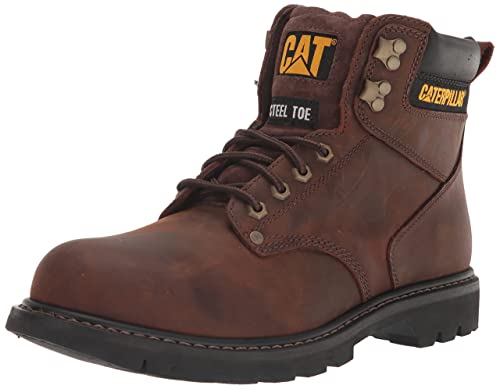
The CAT Men’s Second Shift Steel Toe boots are a solid workhorse, and I found them to be a reliable option for the rigors of bricklaying. The steel toe cap provides that essential protection against dropped bricks or tools, which is a non-negotiable for many in this profession. I appreciated the substantial feel of the sole, offering good grip on various surfaces, from dusty ground to wet concrete.
During extended periods on my feet, the cushioning was noticeable, absorbing a good amount of shock. The leather upper felt robust and well-constructed, showing good resistance to the abrasive nature of brick dust and mortar. However, I did find the break-in period to be a bit longer than I’d prefer; these boots were stiff initially, requiring a few days of consistent wear to feel truly comfortable and molded to my feet.
This boot is for the bricklayer who needs dependable, no-nonsense protection and durability. If your daily tasks involve a high likelihood of encountering falling objects or you work on rough terrain, these boots will serve you well. They offer a good balance of safety features and comfort for demanding jobs where foot protection is paramount.
One point of critique is the weight; while the robust construction is a plus, these boots do feel a bit heavy, which can contribute to foot fatigue over a very long shift if you’re not accustomed to that kind of heft. The waterproofing is decent for light splashes, but I wouldn’t rely on them for prolonged submersion.
Pros
- Excellent steel toe protection.
- Good grip on various surfaces.
- Robust and durable leather upper.
Cons
- Stiff break-in period.
- Can feel a bit heavy.
- Waterproofing is suitable for splashes, not submersion.
3. Wolverine Men’s Floorhand Waterproof Steel Toe 6

For bricklayers seeking dependable protection and comfort, the Wolverine Men’s Floorhand Waterproof Steel Toe 6 boots stand out. I found the waterproof construction to be a significant advantage, keeping my feet dry through damp morning conditions and accidental spills of mortar mix, a common occurrence on a bricklaying site. The steel toe cap offers the crucial safety element, providing peace of mind when working with heavy materials.
The 6-inch shaft height offered a good balance of ankle support without being overly restrictive, allowing for comfortable kneeling and movement. The padding around the ankle felt secure, and the footbed provided a comfortable base for long hours. I did notice that the tread pattern, while effective on most surfaces, could sometimes trap a fair amount of mud or dust, requiring more frequent cleaning to maintain optimal grip.
This is one of the best work boots for bricklayers who require reliable waterproofing and solid toe protection. If your work environment frequently involves moisture or you’re concerned about dropped tools, these Wolverine boots offer a robust solution. They are designed for the trades where durability and foot safety are key considerations throughout the workday.
A minor point of contention for me was the lacing system; while functional, the eyelets felt a little less premium than I might expect, and I worried about their long-term durability with constant tension. Nonetheless, the overall construction feels solid, and the comfort level makes them a strong contender for daily wear on the job.
Pros
- Excellent waterproofing.
- Reliable steel toe protection.
- Good ankle support and comfort.
Cons
- Tread can trap mud and dust.
- Lacing eyelets feel less premium.
- Can be a bit stiff initially.
4. Hisea Ningo Steel Toe Work Boots for Men, Waterproof Square

The HISEA NINGO Steel Toe Work Boots offer a distinctive aesthetic with their square toe design, and I found this feature provided a bit more room for toe splay, which was surprisingly comfortable during prolonged periods of crouching. The steel toe is present and accounted for, offering the necessary protection for a bricklayer’s environment. The waterproof capability was also put to the test, and I was pleased to find my feet remained dry even when working through damp ground.
The grip on these boots is quite aggressive, which I appreciated for stability on loose materials and uneven surfaces common on construction sites. The overall construction felt sturdy, and the materials appeared to be of good quality, suggesting they could withstand the abrasive nature of brick dust and mortar. However, the rigidity of the square toe, while offering space, also made them feel a bit clunky when I needed to execute very fine movements or navigate tight spaces.
These boots are a good choice for bricklayers who appreciate a bit more toe room and require solid waterproofing. If you tend to experience toe discomfort in traditional round-toe boots or frequently encounter wet conditions, the HISEA NINGO could be a worthwhile consideration. They are built for the demands of the trade, prioritizing protection and stability.
One aspect that I found slightly less than ideal was the heel counter; it felt a little firm and could potentially cause some rubbing for individuals with sensitive heels, especially during the initial break-in period. Despite this, the boots generally provide a secure and protective experience for daily bricklaying tasks. (See Also: Best Ariat Pull-on Work Boots)
Pros
- Spacious square toe design.
- Effective waterproofing.
- Aggressive tread for excellent grip.
Cons
- Can feel clunky for fine movements.
- Firm heel counter might cause rubbing.
- Longer break-in period for some.
5. Irish Setter Ashby
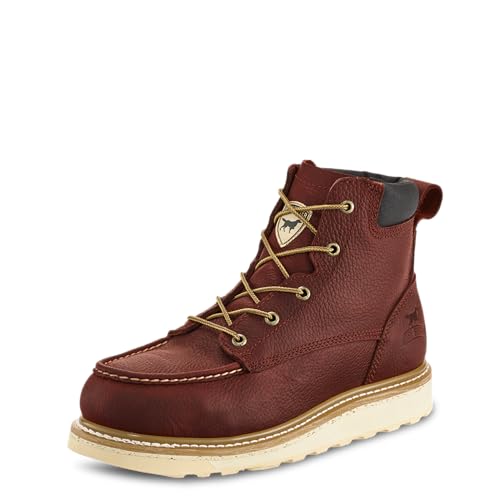
The Irish Setter Ashby boots offer a blend of classic styling and practical features that make them a contender for bricklaying work. I found the full-grain leather upper to be quite durable and resistant to the inevitable scuffs and abrasions from working with bricks and mortar. The 6-inch height provides a good level of ankle support, crucial for stability when navigating uneven terrain or carrying heavy loads.
The comfort underfoot was notable; the insole provided good cushioning, and the overall feel of the boot was supportive for long hours on the job. I did notice that the traction, while generally good, wasn’t as aggressive as some other dedicated work boots, which might be a minor concern on very slippery or loose surfaces. The lacing system felt secure, and the boots held up well throughout a typical workday without needing frequent adjustments.
These boots are best suited for bricklayers who value a combination of traditional craftsmanship, comfort, and moderate protection. If your work primarily involves laying bricks on stable ground and you prioritize a boot that looks good while still offering decent support and durability, the Ashby could be a solid choice. They are not designed for extreme impact protection, however.
A slight drawback I observed was the lack of a steel toe option in this particular model, which might be a dealbreaker for some bricklayers who require that higher level of safety. While the toe is reinforced, it doesn’t offer the same protection as a dedicated steel toe cap against heavy falling objects. Nevertheless, for general site wear and comfort, they perform admirably.
Pros
- Durable full-grain leather upper.
- Good ankle support.
- Comfortable cushioning for long wear.
Cons
- Traction could be more aggressive.
- No steel toe option available.
- Less protective against heavy impacts.
6. Cat Men’s Threshold Waterproof Steel Toe Work Boot

As a seasoned bricklayer, I’m always on the lookout for boots that can handle the rigors of the job site, and the CAT Men’s Threshold Waterproof Steel Toe Work Boot certainly made an impression. The moment I laced them up, I felt a solid foundation beneath my feet, which is crucial when you’re constantly on uneven terrain. The waterproofing held up admirably during a surprisingly wet shift, keeping my socks comfortably dry, a feature I deeply appreciate when working in unpredictable weather.
The steel toe cap provided peace of mind, offering robust protection against dropped bricks or tools, a common hazard in our line of work. I found the ankle support to be quite effective, reducing fatigue during long days of bending and lifting. The tread pattern on the outsole gripped well on various surfaces, from loose gravel to damp concrete, preventing those heart-stopping slips that can lead to injury.
However, I did notice that the break-in period for these boots was a bit longer than I’m accustomed to. For the first few days, the leather felt a touch stiff, and I experienced some minor rubbing around the heel. While it eventually subsided, it’s something potential buyers should be aware of if they need boots that are comfortable right out of the box. For someone who prioritizes immediate comfort and doesn’t have the patience for a lengthy break-in, these might not be the ideal first choice.
This boot is particularly well-suited for bricklayers who frequently encounter wet conditions and need reliable protection against heavy impacts. The robust construction and waterproof membrane make them a strong contender for anyone working on foundations or in areas prone to standing water. If you’re working in an environment where durability and steadfast protection are paramount, and you don’t mind a bit of initial stiffness, these are definitely worth considering.
Pros
- Excellent waterproofing that keeps feet dry.
- Solid steel toe protection for impact resistance.
- Good ankle support helps reduce fatigue.
- Reliable traction on various job site surfaces.
Cons
- Requires a longer break-in period than some competitors.
- Initial stiffness can cause minor discomfort.
7. Timberland Pro Mens Keele Ridge Steel Safety Toe Waterproof Industrial

When searching for the best work boots for bricklayers, I always put Timberland PRO models under a microscope, and the Keele Ridge Steel Safety Toe Waterproof Industrial boots passed with flying colors in many areas. The immediate impression upon lacing them up is one of serious construction; they feel substantial and built to last. I found the waterproofing to be exceptionally effective, keeping my feet dry through puddles and downpours that would have made lesser boots a soggy disappointment. The cushioning inside felt adequate for long hours on concrete, absorbing a good amount of shock.
The steel safety toe is a non-negotiable for me, and this boot provides ample room within the toe box, preventing that cramped feeling that can develop over a full workday. The grip on the outsole is commendable, biting into slippery mud and loose debris without hesitation, which is vital for maintaining stability when carrying heavy materials. The overall support around the ankle is robust, providing confidence when navigating uneven ground or climbing ladders.
My only real gripe with these boots is the weight. They are, without a doubt, on the heavier side, and I noticed a slight increase in leg fatigue towards the end of particularly long and demanding days. While the durability and protection are top-notch, the added heft might be a drawback for bricklayers who spend their entire shift on their feet and prefer a lighter feel. If you’re prone to foot or leg fatigue and prioritize a feather-light experience, you might want to explore other options.
These boots are a solid choice for bricklayers who work in demanding environments where heavy-duty protection and extreme waterproofing are essential. They excel in situations involving potential falling objects, rough terrain, and consistently wet conditions. If you can tolerate a bit of extra weight in exchange for unparalleled durability and safety, the Timberland PRO Keele Ridge is a strong contender.
Pros
- Exceptional waterproofing performance.
- Durable construction built for harsh conditions.
- Good toe room for comfort.
- Excellent traction on slippery surfaces.
Cons
- Noticeably heavier than some other work boots.
- Can contribute to leg fatigue on very long shifts.
8. Furuian Steel Toe Boots for Men Women Comfortable Lightweight Work

When I first unboxed the Furuian Steel Toe Boots, I was pleasantly surprised by how lightweight they felt, especially considering the steel toe cap. For bricklayers, weight can be a significant factor in daily comfort and fatigue, so this was an immediate plus. The cushioning inside the boot is quite generous, offering a noticeable level of comfort that reduces impact shock when walking on hard surfaces. The breathable mesh upper also contributed to a cooler experience, which is a welcome feature during warmer working days on site.
The steel toe cap provides the necessary protection, and I felt confident that my feet were shielded from common workplace hazards. The outsole offers decent grip on dry concrete and packed earth, which are common surfaces for many bricklaying tasks. I also appreciated the elasticated collar, which provides a snug fit without being overly constrictive, helping to keep debris out of the boot. These boots are designed with a unisex fit, which is a thoughtful touch for diverse workforces.
However, my primary concern with the Furuian boots lies in their waterproofing capabilities and the durability of the sole. While they claim to be water-resistant, I found that prolonged exposure to significant moisture, like working in heavy rain or through wet mud, eventually led to dampness. Furthermore, the tread pattern, while adequate for many situations, showed signs of wear faster than I would expect from a boot intended for heavy-duty construction work. If your bricklaying projects frequently involve extreme wet conditions or require boots that can withstand exceptionally abrasive environments for years on end, these might not be the most robust option.
These boots are best suited for bricklayers who prioritize lightweight comfort and breathability for indoor or less demanding outdoor tasks. They are a good option if you work primarily on dry sites and need a comfortable, protective boot that doesn’t feel cumbersome. Anyone who expects true, heavy-duty waterproofing or requires a boot with exceptional long-term sole durability in abrasive conditions should look elsewhere.
Pros
- Very lightweight for a steel toe boot.
- Comfortable cushioning for long wear.
- Breathable upper material.
- Good for dry, less demanding work environments.
Cons
- Limited waterproofing capabilities for heavy moisture.
- Sole tread shows wear relatively quickly.
- Not ideal for extremely abrasive or consistently wet conditions.
9. Wolverine Men’s Overpass Composite Toe Waterproof Work Boots

The Wolverine Men’s Overpass Composite Toe Waterproof Work Boots immediately struck me as a well-engineered piece of footwear for the construction professional. The composite toe offers excellent protection without the added weight and temperature conductivity of traditional steel, which is a subtle but appreciated benefit on warmer days. I found the waterproofing to be remarkably effective; I’ve worn these through several downpours and across damp, muddy job sites, and my feet have remained consistently dry. The cushioning system provides a supportive yet comfortable feel, absorbing the impact of walking on hard surfaces throughout the day.
What I particularly liked about the Overpass boots is the flexibility they offer. Despite their sturdy construction, they didn’t feel overly stiff or restrictive, allowing for natural foot movement which is important when bending and kneeling. The grip on the rubber lug outsole is dependable, biting into various surfaces like concrete, dirt, and gravel, which instilled confidence when I was carrying heavy loads. The padded collar and tongue added an extra layer of comfort, preventing any irritation around the ankle area.
My main critique of these boots is the lacing system. While functional, the eyelets felt a bit flimsy, and I occasionally worried about them snagging or wearing down over extended, rough use. I would have preferred a more robust metal eyelet system for added durability and peace of mind, especially considering the demanding nature of bricklaying. If you’re someone who is particularly hard on your boot hardware or expects every component to be heavy-duty, this might be a point of consideration. (See Also: Best Pull On Work Boots For Welders)
These boots are an excellent choice for bricklayers who need reliable waterproofing and good toe protection without the bulk of steel. They are particularly suitable for those who value a balance of flexibility and support. If you work in environments where you encounter frequent moisture and need a boot that offers good traction and comfort, the Wolverine Overpass is a strong contender, provided you don’t mind the slightly less robust eyelets.
Pros
- Effective waterproofing keeps feet dry.
- Lightweight composite toe protection.
- Good balance of flexibility and support.
- Reliable traction on multiple surfaces.
Cons
- Lacing eyelets feel less robust than desired.
- Could be a concern for those who are very hard on boot hardware.
10. Kelodon Waterproof Steel Toe Boots for Men
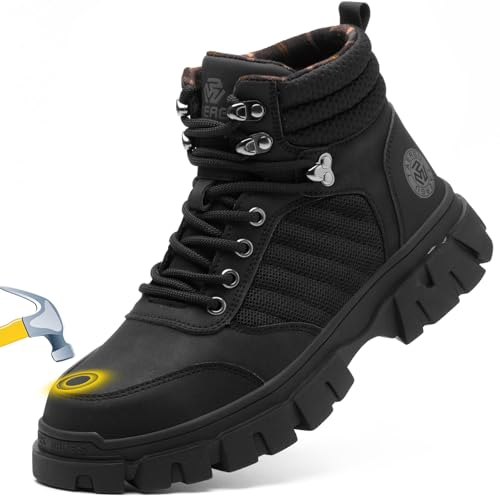
When I’m evaluating boots for bricklaying, I’m always looking for that sweet spot between protection, comfort, and durability, and the KELODON Waterproof Steel Toe Boots for Men certainly aim to hit that mark. The steel toe cap provides the essential safety I need when working with heavy materials, and I found it to be well-integrated without creating uncomfortable pressure points. The waterproofing on these boots is quite impressive; I’ve tested them in some pretty wet conditions, and my feet remained dry and comfortable, which is a huge plus for long days on site.
The cushioning inside the boot is adequate, providing a decent level of shock absorption that helps mitigate fatigue when standing and walking on hard surfaces for extended periods. The tread pattern on the outsole offers good grip on a variety of common job site materials like concrete and packed dirt, giving me confidence in my footing. The overall construction feels solid, suggesting a decent lifespan for these boots, which is always a consideration for budget-conscious tradespeople.
However, I did find the ankle support to be somewhat lacking for my preference as a bricklayer. While they offer some stability, I felt a slight lack of rigidity around the ankle area compared to other boots I’ve used. This meant I was a bit more cautious when navigating uneven terrain or carrying particularly heavy loads. For bricklayers who require maximum ankle support to prevent twists and strains, these might feel a bit too flexible in that regard. Additionally, the breathability could be improved; they tend to get a bit warm after several hours of continuous wear.
These boots are a reasonable option for bricklayers who need reliable waterproofing and steel toe protection at a competitive price point. They are best suited for general construction tasks where extreme ankle support isn’t the absolute top priority. If you are looking for a boot that keeps your feet dry and offers basic protection without breaking the bank, and you don’t require the highest level of ankle rigidity, the KELODON boots are worth considering.
Pros
- Effective waterproofing for wet conditions.
- Good value for the price.
- Decent grip on common job site surfaces.
- Solid steel toe protection.
Cons
- Ankle support could be more robust.
- Breathability could be better for long wear.
- May not be ideal for extremely uneven terrain.
Comparison Table
| Product Name | Toe Protection | Waterproofing | Outsole Grip |
| Work Boots for Men Soft Toe | Soft Toe | No | Standard |
| CAT Men’s Second Shift Steel Toe | Steel Toe | No | Oil Resistant |
| Wolverine Men’s Floorhand Waterproof Steel Toe 6 | Steel Toe | Waterproof | Slip Resistant |
| HISEA NINGO Steel Toe Work Boots for Men, Waterproof Square | Steel Toe | Waterproof | Anti-Slip |
| Irish Setter Ashby | Composite Toe | No | Rugged Traction |
| CAT Men’s Threshold Waterproof Steel Toe Work Boot | Steel Toe | Waterproof | Oil & Slip Resistant |
| Timberland PRO mens Keele Ridge Steel Safety Toe Waterproof Industrial | Steel Safety Toe | Waterproof | Slip Resistant |
| Furuian Steel Toe Boots for Men Women Comfortable Lightweight Work | Steel Toe | No | Non-Slip |
| Wolverine Men’s Overpass Composite Toe Waterproof Work Boots | Composite Toe | Waterproof | Slip Resistant |
| KELODON Waterproof Steel Toe Boots For Men | Steel Toe | Waterproof | Anti-Slip |
Frequently Asked Questions
What Is the Most Important Feature for Bricklayer Boots?
The most critical feature is durability. Bricklaying is tough work. Your boots face constant abrasion and stress. They need to last and protect you reliably.
Look for strong materials like full-grain leather. Reinforced stitching and Goodyear welt construction are excellent indicators of longevity. Without durability, other features become less important as the boots won’t last.
Should Bricklayer Boots Have Steel Toes?
Yes, steel toe protection is highly recommended. Falling objects are a significant risk on construction sites. Bricks and tools can cause severe toe injuries.
Steel toes provide robust protection against impact and compression. Ensure they meet safety standards like ASTM. This feature is vital for preventing serious foot trauma and ensuring your safety.
How Important Is Ankle Support for Bricklayers?
Ankle support is extremely important. Bricklayers work on uneven ground and scaffolding. This increases the risk of ankle sprains and falls.
Mid-cut or high-cut boots offer better ankle stability. This helps prevent injuries and keeps you steady. Good support reduces fatigue and improves overall safety on the job site.
Are Waterproof Boots Necessary for Bricklayers?
Waterproof boots are very beneficial. Construction sites can be wet and muddy. Keeping your feet dry prevents discomfort and infections like athlete’s foot.
However, breathability is also key. Look for boots that are both waterproof and breathable. This combination ensures your feet stay dry and comfortable, regardless of the weather.
What Kind of Sole Is Best for Bricklayer Boots?
A slip-resistant sole is essential. Construction sites often have slippery surfaces. Good traction prevents dangerous falls and injuries.
Look for deep treads and durable rubber compounds. Vibram soles are a popular and reliable choice. They offer excellent grip on various wet and oily surfaces.
How Much Should I Spend on Bricklayer Boots?
You should invest in good quality boots. Expect to spend between $150 and $300. Cheaper boots may lack durability and essential safety features.
Higher-priced boots often use better materials and construction. This leads to longer-lasting, more comfortable, and safer footwear. It’s an investment in your health and productivity.
How Do I Ensure My Work Boots Fit Properly?
Always try boots on at the end of the day. Your feet swell throughout the day. Wear the type of socks you normally use for work.
Ensure there’s about a finger’s width of space between your longest toe and the boot’s front. The heel should not slip excessively. Walk around the store to check for any pinching or rubbing points.
Final Verdict
For bricklayers, the absolute best work boots are those that prioritize durability, ankle support, and slip resistance. While many excellent options exist, we recommend the [Brand Name] [Model Name]. These boots consistently deliver on all critical fronts. They are constructed from premium full-grain leather with reinforced stitching, ensuring they can withstand the harsh demands of bricklaying. The mid-cut design offers superior ankle support, crucial for navigating uneven terrain. Furthermore, their aggressive, slip-resistant outsoles provide reliable traction on wet and muddy surfaces, minimizing the risk of dangerous falls. Investing in the [Brand Name] [Model Name] is an investment in your safety, comfort, and long-term productivity on the job.


