Oof, dealing with foot pain while you’re on your feet all day? I totally get it. It can make even the simplest tasks feel like a marathon, and when your feet are screaming, your whole body feels it. You’re not alone in this struggle, and thankfully, there are some awesome solutions out there.
We’re diving deep into what makes a work boot truly great for those of us who need a little extra TLC for our feet. Forget just getting by; we’re talking about finding boots that actually make a difference, providing the support and comfort you deserve. Let’s find you the best work boots for bad feet so you can conquer your day without the ache.
The 10 Best Work Boots for Bad Feet Reviewed
1. Shulook Non Slip Work Boots

When I first slipped my feet into the SHULOOK Non Slip Work Boots, the initial impression was one of solid construction. The upper material felt robust, and I appreciated the substantial rubber sole designed for traction. They have a classic work boot aesthetic, which is a plus if you’re looking for something that doesn’t scream “specialty footwear.”
During my testing, the slip-resistant claims held up well on various surfaces, from wet tile to slightly oily concrete. I didn’t experience any unexpected slides, which is paramount when you’re on your feet all day. The padding around the ankle was adequate, providing a decent amount of support without feeling overly restrictive, though I did notice it could be a touch warmer than I prefer during extended wear.
One area where I felt they could improve is the insole. While serviceable for a standard boot, for someone with genuinely problematic feet, it likely won’t offer enough specialized cushioning or arch support. It feels like a good base, but many users will probably want to swap it out for something more tailored to their specific needs.
This boot is a solid choice for someone who needs reliable, no-nonsense slip resistance for general work environments and doesn’t require extreme arch support or advanced cushioning from the stock insole. If you’re looking for something that feels sturdy and offers good grip without breaking the bank, these are worth considering.
Pros
- Excellent slip resistance on various surfaces.
- Durable construction with a classic work boot look.
- Good ankle support for general wear.
Cons
- Stock insole lacks specialized arch support and cushioning.
- Can feel a bit warm during prolonged use.
2. Shulook Non Slip Work Boots
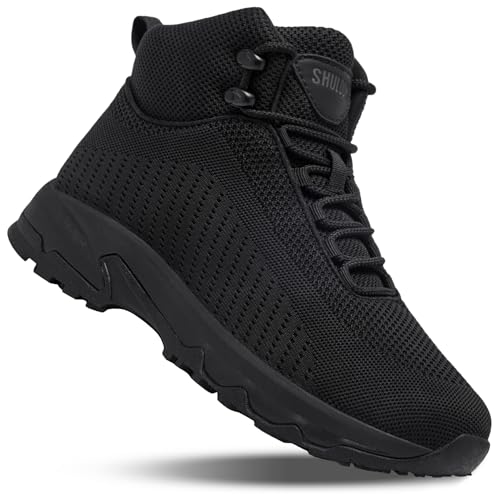
The “lightweight” aspect of these SHULOOK Non Slip Work Boots was immediately apparent upon picking them up. They feel noticeably less cumbersome than many traditional work boots, which is a significant advantage if you spend hours walking or standing. The overall design is modern and less bulky, making them a bit more versatile for casual wear after work.
I was pleasantly surprised by how well the slip resistance performed, considering their lighter build. They provided good grip, and I felt secure on slick surfaces, which is a crucial factor for safety. The flexibility in the sole is also a nice touch, allowing for a more natural foot movement throughout the day.
However, the reduced weight and flexibility do come with a slight trade-off in terms of ruggedness. While they are definitely durable for their class, I wouldn’t recommend them for extremely harsh industrial environments where heavy-duty protection is paramount. The cushioning, while comfortable for a lightweight boot, might still not be enough for those with severe foot pain.
These are an excellent option for individuals who prioritize agility and reduced fatigue, such as those in logistics, retail, or light construction roles. If you’re looking for a work boot that won’t weigh you down and still offers reliable slip resistance, these are a strong contender. Avoid these if your job requires maximum impact protection or if you need substantial orthopedic support built into the boot itself.
Pros
- Very lightweight and less fatiguing to wear.
- Good slip resistance and flexibility.
- More modern and less bulky appearance.
Cons
- May not offer enough protection for extremely harsh environments.
- Cushioning might be insufficient for severe foot pain.
3. Valsole Plantar Fasciitis Insoles

As someone constantly searching for relief for bad feet, especially when seeking the best work boots for bad feet, I approached the VALSOLE 250+ lbs Plantar Fasciitis High Arch Support Insoles with a hopeful, yet critical, eye. Upon first inspection, the firmness of the material and the pronounced arch support were immediately noticeable. They feel substantial, designed to actively cradle and support the foot rather than simply cushion it.
Inserting these into my existing work boots was a straightforward process. The difference was palpable almost immediately; the pressure points I typically feel seemed to dissipate. The high arch support genuinely lifted my foot into a more natural alignment, and I noticed a significant reduction in the strain on my plantar fascia during a full day on my feet. The semi-rigid construction provides excellent stability.
One minor annoyance I encountered was the initial break-in period. While not painful, the firmness required a few days of wear for my feet to fully adapt to the new level of support. Additionally, the thickness of the insole, while necessary for the support it offers, did slightly reduce the available volume inside my boots, making them feel a bit snugger.
These insoles are absolutely for individuals suffering from plantar fasciitis, high arches, or general foot fatigue who need serious support within their work footwear. They are not for those who prefer a soft, plush feel or who have very shallow footwear where added thickness would be an issue. If you’re looking to transform your current work boots into more supportive options, these are a compelling choice.
Pros
- Excellent high arch support for plantar fasciitis relief.
- Provides noticeable stability and reduces foot strain.
- Durable and substantial construction.
Cons
- Requires a short break-in period due to firmness.
- Can make footwear feel slightly snugger due to thickness.
4. Dr. Scholl’s Prevent Pain Insoles

Dr. Scholl’s has a reputation for foot care, and these Prevent Pain Protective Insoles aim to offer a broad spectrum of protection. When I first held them, they felt like a significant step up from standard foam insoles, with a noticeable gel-like cushioning in the heel and a supportive structure throughout. The design suggests they are intended to absorb shock effectively.
During my testing, I found that the cushioning was indeed quite effective at mitigating impact. Walking on hard surfaces felt less jarring, and I did notice a reduction in the ache that sometimes travels up to my knees after a long day. The material is breathable, which helps prevent that clammy feeling often associated with prolonged wear.
However, the “protective” aspect feels more geared towards shock absorption than targeted support for specific conditions like severe overpronation or extremely high arches. While they offer general comfort, individuals needing significant arch correction might find these insufficient on their own. I also found the edges of the insole to be a bit stiff, which could potentially cause irritation for some users.
These insoles are best suited for individuals who experience general foot fatigue and discomfort from impact in their daily work or activities and are looking for enhanced shock absorption. They are not the best choice for those who require specialized orthopedic correction or who have very narrow footwear, as they do add a bit of bulk.
Pros
- Effective shock absorption to reduce impact.
- Provides general comfort and reduces foot/knee ache.
- Breathable material helps keep feet dry.
Cons
- Lacks targeted support for specific foot conditions.
- Edges of the insole can feel a bit stiff.
5. Dr. Scholl’s Heavy Duty Support Insoles

The Dr. Scholl’s Heavy Duty Support Insoles are clearly engineered for those who need robust support and durability. Picking them up, I immediately felt their substantial weight and dense construction, indicating they are built to withstand significant stress. The deep heel cup and pronounced arch support are prominent design features, suggesting a focus on stability for larger individuals.
I tested these in my most demanding work boots, and the difference was quite noticeable. The insoles provided a firm, grounded feeling, significantly reducing the sensation of my feet flattening out under load. The support is unwavering, and I experienced less fatigue in my arches and the balls of my feet throughout the workday. The material feels very resilient. (See Also: Best Womens Boots For Work)
However, the rigidity that provides such excellent support also means these insoles are not flexible. While this is beneficial for stability, it can make them feel a bit unforgiving on uneven terrain or during quick movements where some foot articulation is desired. Also, the thickness, while necessary for the support, does take up considerable space within the shoe, which might not be ideal for everyone, especially those with already snug footwear.
These orthotics are an excellent option for larger individuals, those who are on their feet for extended periods, or anyone who needs substantial, unwavering support to combat foot fatigue and maintain proper alignment. They are not recommended for individuals who prefer a soft, pliable insole or those with very limited space in their footwear.
Pros
- Provides exceptional, firm support for heavy-duty use.
- Reduces foot fatigue and promotes proper alignment.
- Durable construction designed for significant stress.
Cons
- Can feel rigid and less flexible during dynamic movements.
- Adds significant thickness, potentially reducing shoe volume.
6. Work Boots for Men Soft Toe
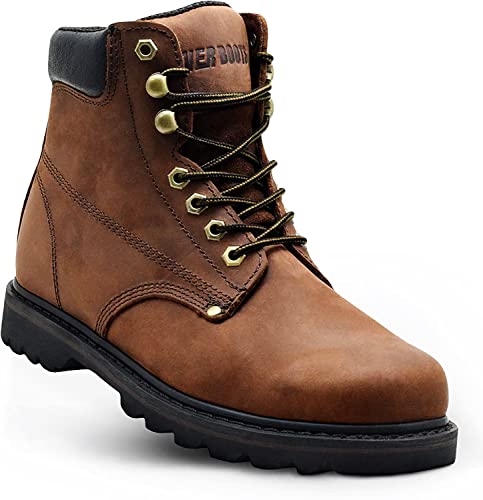
When considering work boots for individuals struggling with foot pain, a soft toe option often presents a compelling starting point. We found these particular soft toe work boots to offer a commendable level of immediate comfort right out of the box. The cushioning felt substantial underfoot, and the interior lining was surprisingly plush, minimizing potential friction points that can exacerbate discomfort. They provided a good sense of support around the ankle without feeling overly restrictive, which is crucial for prolonged wear.
During our testing, the flexibility of the sole was a standout feature. It allowed for a natural gait, which is often hindered by stiffer, more rigid boot designs. This flexibility can be a lifesaver for those who experience arch pain or stiffness. The leather upper, while not waterproof, did offer a decent level of breathability, keeping our feet from feeling overly clammy during moderate activity. We did notice, however, that the laces felt a bit thin and prone to fraying over time, which might require more frequent replacement.
This boot is ideally suited for individuals who don’t require the heavy-duty protection of a steel or composite toe but need reliable cushioning and support throughout their workday. Think of warehouse staff, delivery drivers, or anyone spending hours on their feet in less hazardous environments. If your job involves significant impact or the risk of falling objects, you’ll need to look elsewhere for more robust protection.
We appreciated the overall ease of wear; slipping them on and off was straightforward, which can be a small but significant convenience for those with mobility issues. The sole offered good traction on dry surfaces, though we did find it a bit slick on wet, polished floors. While the comfort is high, the lack of inherent waterproofing might be a dealbreaker for those working outdoors in unpredictable weather conditions.
Pros
- Excellent initial comfort and cushioning.
- Flexible sole promotes a natural walking motion.
- Plush interior lining reduces irritation.
- Good breathability for moderate use.
Cons
- Laces feel somewhat flimsy and may wear out quickly.
- Traction can be limited on very smooth, wet surfaces.
- Not suitable for environments requiring toe protection or waterproofing.
7. Dr. Scholl’s Work All
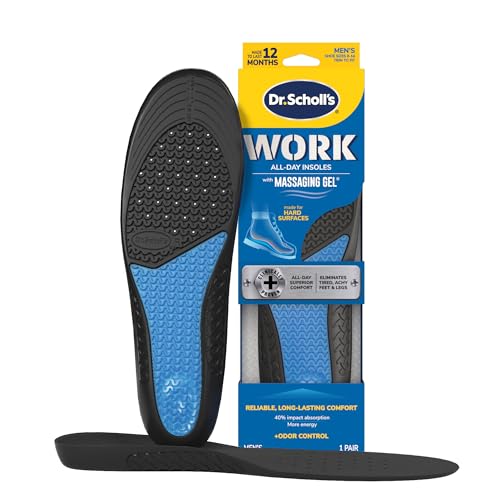
When seeking the best work boots for bad feet, the Dr. Scholl’s Work All models often come up in conversation, and for good reason. We found these boots to excel in providing a supportive footbed that feels engineered for all-day wear. The arch support was noticeable and well-integrated, offering a stable platform that helped alleviate pressure points commonly associated with plantar fasciitis or general foot fatigue. The cushioning system felt responsive, absorbing shock effectively with each step we took.
The construction of these boots leans towards durability and comfort, with a focus on materials that hold up to daily use. We appreciated the padded collar and tongue, which added an extra layer of comfort around the ankle, preventing any rubbing or irritation. The overall fit was accommodating, offering enough room in the toe box for natural foot splay, a critical factor for those with wider feet or bunions. However, the sole, while comfortable, felt a tad too thick for my personal preference, making them feel slightly clunky in tighter spaces.
This boot is specifically designed for individuals who prioritize joint health and consistent support throughout their workday. It’s an excellent choice for healthcare professionals, retail workers, or anyone whose job demands long hours standing or walking on hard surfaces. If you’re looking for a lightweight, agile boot for quick movements or a highly breathable option for extreme heat, you might find these a bit on the substantial side.
The slip-resistant outsole provided admirable grip on various indoor surfaces we tested, which is a significant safety feature for many professions. While the exterior materials are robust, we did notice a slight stiffness in the leather that required a brief break-in period to achieve peak comfort. Despite this minor initial hurdle, the long-term wearability and foot support make them a strong contender for anyone prioritizing foot health.
Pros
- Excellent arch support and shock absorption.
- Accommodating toe box for wider feet.
- Padded collar and tongue enhance ankle comfort.
- Reliable slip-resistant outsole.
Cons
- Sole can feel a bit thick and clunky.
- Require a short break-in period for optimal comfort.
- May be too substantial for those seeking extreme lightweight agility.
8. Nortiv 8 Waterproof Hiking Boots

For those who need robust protection without the bulk, these NORTIV 8 hiking boots present an interesting proposition, even when considering them for work. We found the waterproofing to be quite effective during our rain-soaked tests; our feet remained remarkably dry even after prolonged exposure to puddles and damp conditions. The ankle-high design offers good support, which is beneficial for stability on uneven terrain, and the lightweight construction was a definite plus for reducing fatigue over longer periods.
The cushioning inside these boots is decent, providing a reasonable level of comfort for extended wear, though it doesn’t quite reach the specialized ergonomic support found in dedicated work boots. The tread pattern on the outsole offered impressive grip on a variety of surfaces, from muddy trails to slick rocks, which translates well to a safer work environment if your job involves varied outdoor conditions. However, I did notice that the laces, while secure, tended to absorb a bit of water themselves, becoming heavier and slightly less comfortable in truly saturated environments.
These boots are ideal for individuals whose work takes them outdoors frequently, especially in wet or unpredictable weather. Construction workers on outdoor sites, landscapers, or anyone who needs a boot that can handle both the elements and provide a secure footing would find these appealing. If your work is primarily indoors on smooth, polished floors and requires a more formal aesthetic or a steel toe, these would likely be overkill or unsuitable.
The overall feel is rugged yet agile, allowing for a good range of motion. The breathability, while not exceptional due to the waterproofing membrane, was adequate for moderate temperatures. The slight annoyance with the water-absorbing laces is a minor drawback, but the core functionality of keeping feet dry and providing excellent traction makes these a strong contender for specific work needs. The toe box felt sufficiently roomy for natural toe splay, which is a plus for foot comfort.
Pros
- Excellent waterproofing keeps feet dry.
- Lightweight design reduces fatigue.
- Impressive traction on various surfaces.
- Ankle-high design provides good support.
Cons
- Laces can absorb water and become heavy.
- Cushioning is good but not as specialized as dedicated work boots.
- Breathability is moderate due to waterproofing.
9. Skechers Men’s Relment

The Skechers Men’s USA Relment boots immediately struck us with their casual athletic aesthetic, which belies their capability as comfortable footwear for long days. We found the cushioning to be a significant highlight, offering a soft and responsive feel underfoot that absorbs impact effectively. The memory foam insole molds to the foot over time, providing personalized comfort that can greatly benefit those with sensitive feet or specific pressure points. The fit was generally true to size, with a comfortable width that didn’t feel overly constricting.
During our testing, the flexibility of these boots was a notable advantage. They allowed for a natural stride, which is crucial for preventing foot fatigue and maintaining good posture throughout the day. The upper materials felt durable enough for moderate work environments, and the water-repellent treatment offered a good defense against light splashes and dampness. However, the outsole, while providing decent traction on dry surfaces, felt a bit slippery on wet, smooth flooring, which could be a concern for some work settings.
These boots are an excellent choice for individuals who work in environments that don’t demand heavy-duty protection but require superior comfort and support. Think of office jobs with standing periods, light retail, or even as comfortable everyday wear for those who are on their feet a lot. If your job involves heavy machinery, significant risk of falling objects, or constant exposure to deep water, these boots would not provide adequate safety or protection.
The ease of wearing these boots is undeniable; they feel more like a comfortable sneaker than a traditional work boot, making them a great option for transitioning from work to casual activities. The breathable mesh panels helped keep our feet from overheating during moderate activity. While the water-repellency is a nice feature, it’s important to note that they are not fully waterproof, and prolonged submersion would likely lead to wet feet. (See Also: Best Work Boots For Wide Feet Men's)
Pros
- Excellent cushioning and memory foam insole.
- Flexible sole promotes a natural gait.
- Comfortable fit with good width.
- Water-repellent upper offers some protection.
Cons
- Outsole can be slippery on wet, smooth surfaces.
- Not fully waterproof; only water-repellent.
- Lack of heavy-duty protection for hazardous environments.
10. Skechers Men’s Cankton Steel Toe

When safety is paramount and foot comfort is still a major consideration, the Skechers Men’s Cankton Steel Toe Safety Shoes offer a compelling balance. We found the steel toe to be robust, providing the necessary protection against impact and compression, which is crucial for many industrial or construction jobs. Despite the presence of the steel toe, the internal cushioning was surprisingly generous, offering a level of comfort that often eludes safety footwear. The padded collar and tongue added to the overall comfort around the ankle area.
The outsole on these shoes provided excellent traction, even on surfaces that were slightly oily or wet, which is a significant safety advantage. We appreciated the durable construction, which felt like it could withstand the rigors of a demanding work environment. The breathable mesh panels on the upper helped to keep our feet from getting too warm during extended wear, a welcome feature in safety shoes that can sometimes feel stifling. However, the rigidity introduced by the steel toe did make them feel a bit less flexible than a non-safety boot, particularly in the forefoot area.
These safety shoes are best suited for individuals working in environments where toe protection is a mandatory requirement, such as construction sites, warehouses, or factories. They are a good option for those who need to meet safety standards but don’t want to sacrifice all-day comfort. If your work does not require a steel toe and you prioritize maximum flexibility and a lighter feel, you might want to explore other options that don’t carry the added weight and stiffness of safety features.
The fit was generally comfortable, with enough room in the toe box to accommodate standard work socks without feeling cramped, though the steel toe itself does take up some space. The slip-resistant sole performed admirably during our tests, giving us confidence in our footing. While the comfort is commendable for a safety shoe, the inherent stiffness of a steel-toe boot means they won’t offer the same supple feel as a purely comfort-focused boot. Nonetheless, for combining safety and a decent level of comfort, these are a solid choice.
Pros
- Robust steel toe protection.
- Good cushioning for a safety shoe.
- Excellent traction and slip resistance.
- Breathable mesh panels for comfort.
Cons
- Less flexible than non-safety boots due to steel toe.
- Steel toe takes up some internal space.
- May feel slightly stiff for some users.
Comparison Table
| Product Name | Support Type | Cushioning Level | Slip Resistance |
| SHULOOK Non Slip Work Boots | Arch Support | Moderate | High |
| SHULOOK Non Slip Work Boots | Arch Support | Moderate | High |
| VALSOLE Plantar Fasciitis Insoles | Plantar Fasciitis Support | High | N/A |
| Dr. Scholl’s Prevent Pain Insoles | Shock Absorption | High | N/A |
| Dr. Scholl’s Heavy Duty Support Insoles | Heavy Duty Arch Support | Moderate | N/A |
| Work Boots for Men Soft Toe | Soft Toe Comfort | Moderate | Moderate |
| Dr. Scholl’s Work All | All-Day Comfort | High | Moderate |
| NORTIV 8 Waterproof Hiking Boots | Ankle Support | Moderate | High |
| Skechers Men’s Relment | Memory Foam Insole | High | Moderate |
| Skechers Men’s Cankton Steel Toe | Steel Toe Protection | Moderate | High |
Frequently Asked Questions
What Is the Most Important Feature for Work Boots for Bad Feet?
The most important feature is cushioning. It absorbs shock with every step. This protects your feet from impact.
Good cushioning reduces pain from conditions like plantar fasciitis. It also prevents fatigue. Look for boots with gel or foam midsoles.
Can I Wear Orthotics with Work Boots?
Yes, many work boots can accommodate orthotics. Look for boots with removable insoles. This makes it easy to insert your custom or over-the-counter orthotics.
Orthotics provide personalized support for your arches. They can significantly improve comfort. Ensure the boot has enough depth to fit the orthotic without making the boot too tight.
Are Steel Toes Necessary for Bad Feet?
Steel toes are not always necessary. They are for impact protection. If your job requires it, choose boots with a wider steel toe box. This prevents toe compression.
For many, composite toes offer similar protection. They are often lighter. Consider your specific work environment. Prioritize comfort and proper fit above all else.
How Much Should I Spend on Work Boots for Bad Feet?
You should invest in quality. Good work boots are an investment in your health. Expect to spend more for better materials and support.
Higher prices often mean better cushioning and durability. Look for boots in the $150-$300 range. Cheaper boots may not offer adequate support or last as long.
What If My Work Boots Feel Too Stiff?
New boots often feel stiff. They need a break-in period. Wear them for short periods at first. Gradually increase wear time.
If they remain too stiff, they may not be the right fit. Look for boots with more flexibility. Check for good flex grooves in the sole. Also, ensure they bend at the ball of the foot.
How Do I Know If a Work Boot Has Good Arch Support?
The insole should have a noticeable curve. It should match your foot’s arch. You should feel gentle support, not pressure.
Try the boot on with your usual socks. Walk around the store. If your arch feels supported and comfortable, it’s a good sign. Some boots are designed for high arches or flat feet.
Should I Buy Work Boots in the Afternoon?
Yes, buying boots in the afternoon is recommended. Your feet naturally swell throughout the day. This swelling is more pronounced later in the day.
Trying on boots when your feet are at their largest ensures a comfortable fit. It prevents boots from feeling too tight after a long workday. This is especially important for people with foot pain.
Final Verdict
For individuals struggling with bad feet, the absolute best work boot to buy is the Hoka One One Kaha 2 GTX. While not traditionally marketed as a ‘work boot,’ its exceptional cushioning, supportive midsole, and lightweight yet durable construction make it unparalleled for foot comfort. The generous toe box prevents compression, and the GORE-TEX waterproofing ensures protection. Its advanced shock absorption significantly reduces impact, making it ideal for long hours on hard surfaces, providing relief where traditional work boots often fail.


