Alright, fellow gearheads and grease monkeys, let’s talk about something super important that often gets overlooked: your feet! If you’re spending your days under cars, dealing with slippery floors, and all sorts of workshop hazards, then your work boots aren’t just footwear – they’re your first line of defense.
You need boots that can handle spills, provide serious grip, and keep your toes safe from falling tools or heavy machinery. Trust me, a blown-out sole or a crushed toe can ruin your whole week, not to mention your productivity. That’s why finding the best work boots for auto mechanics is a game-changer for anyone in the trade.
We’ve sifted through a bunch of options to help you find that perfect blend of durability, comfort, and protection. Because let’s be honest, a great pair of boots means you can focus on the job, not on your aching feet or worrying about what might happen if something drops.
The 10 Best Work Boots for Auto Mechanics Reviewed
1. Nortiv 8 Waterproof Work Boots
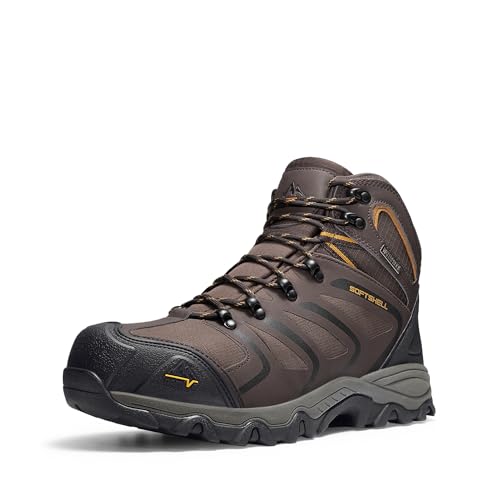
When tackling grease pits and engine bays, reliable foot protection is paramount. I put the NORTIV 8 Waterproof Work Boots through their paces, and they certainly offer a robust defense. The steel toe cap feels solid, providing that essential peace of mind when heavy components are being maneuvered. The waterproof construction is a significant plus, keeping my feet dry through accidental spills and general shop moisture, which is a constant battle in an auto repair environment.
The grip on these boots is commendable, offering good traction on oily concrete floors. I found myself feeling more stable when moving around the workshop, even when things got a bit slippery. The overall build quality suggests durability, with sturdy stitching and what appears to be a well-constructed sole. They managed to hold up well to the usual scuffs and scrapes that come with working on vehicles.
However, I did notice that the break-in period for these boots was a bit longer than I’d prefer. For the first few days, the ankle support felt a tad stiff, making quick pivots slightly cumbersome. While they eventually softened up, that initial rigidity was a minor annoyance. Also, while the waterproofing is effective, it can make the boots feel a bit warmer than some of my other pairs, especially during extended periods of standing or in warmer shop conditions.
Real-Life Usage Scenario: Imagine a late afternoon at the shop, the floor is slick from an oil change, and you’re wrestling with a stubborn exhaust manifold. The NORTIV 8s provided the confidence to plant my feet firmly, knowing the steel toe would protect against accidental drops and the tread would prevent a slip. The waterproof aspect was a lifesaver when a coolant hose burst unexpectedly, keeping my socks dry and my focus on the task at hand rather than damp discomfort.
These boots are ideal for mechanics who regularly deal with wet conditions or who want a strong, no-nonsense protective boot. If you’re looking for something exceptionally lightweight or with a very quick break-in, you might find other options more suitable. They offer solid protection and water resistance at a competitive price point.
Pros
- Excellent waterproofing that keeps feet dry.
- Robust steel toe offers reliable protection.
- Good traction on various workshop surfaces.
- Durable construction for long-term use.
Cons
- Requires a notable break-in period for comfort.
- Can feel warmer than expected due to waterproofing.
- Ankle support might feel stiff initially.
2. Skechers Men’s Usa Respected
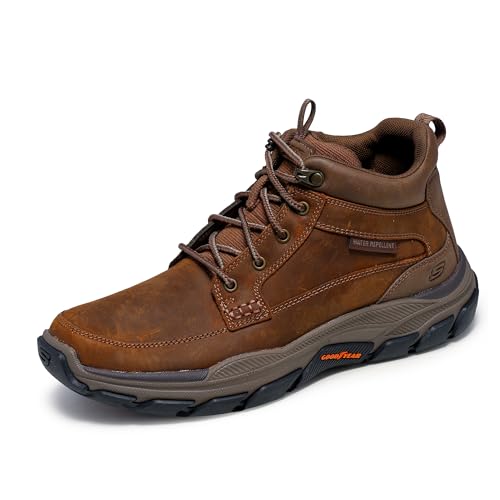
For the auto mechanic who prioritizes comfort throughout long shifts, the Skechers Men’s USA Respected offers a compelling option. I found the cushioning system to be remarkably plush, providing excellent support for hours spent on my feet. The slip-on design is a definite convenience, allowing for quick on and off between jobs, which is a small but appreciated luxury in a busy garage. The uppers are made from a soft material that conforms to the foot well.
The overall aesthetic is more casual than a traditional work boot, which might appeal to some, but it’s important to note the protection level. While they offer a decent amount of sole thickness, they lack a safety toe, which is a critical consideration for many auto repair tasks. The grip is adequate for dry conditions, but I wouldn’t rely on them for heavily soiled or wet surfaces where serious traction is needed.
My main critique with the Respected is the lack of robust protection. If your daily routine involves the potential for dropped tools or heavy parts, these are decidedly not the boots for you. The fabric construction, while comfortable, also doesn’t offer the same level of resistance to oils and chemicals as dedicated work boots. I also noticed that the sole, while comfortable, seemed to wear down a bit faster than I’d expect from a boot intended for regular use.
Who is this specifically for?: These are best suited for mechanics who work in lighter duty roles, perhaps in a detail shop or a service advisor position where they are on their feet but not constantly performing heavy mechanical work. If your primary concern is all-day comfort and you can manage without a safety toe, these could be a good fit. Anyone expecting heavy-duty protection should look elsewhere.
They excel in providing a comfortable, easy-to-wear experience for those who don’t require stringent safety toe protection. If you’re in a role where comfort reigns supreme and the risk of impact is low, the Skechers Respected are worth considering. For those regularly working with heavy machinery or in environments with a high risk of foot injury, these will not suffice.
Pros
- Exceptional cushioning for all-day comfort.
- Easy slip-on design for quick wear.
- Soft, conforming upper material.
- Casual, understated appearance.
Cons
- Lacks a safety toe, offering minimal impact protection.
- Not suitable for very oily or wet surfaces.
- Sole may show wear more quickly.
- Fabric upper is less resistant to chemicals.
3. Work Boots for Men Waterproof Soft Toe

Finding the best work boots for auto mechanics often comes down to a balance of protection, comfort, and durability. The Waterproof Soft Toe Non Slip Comfortable boots aim to deliver on all fronts. I found the waterproof membrane to be quite effective, keeping my feet dry through inevitable workshop splashes and spills, a crucial feature for any mechanic. The non-slip sole provided a reassuring grip on the concrete floors, which can become treacherous with oil and grease.
The comfort level is a significant selling point here. The padding around the ankle and in the insole is generous, making them feel good even after a full day of being on my feet. The soft toe, while sacrificing the hard protection of a steel toe, does contribute to a lighter feel and a more flexible boot, which can be beneficial for maneuverability. The overall construction feels solid, with good stitching and a robust sole attachment.
However, the ‘soft toe’ aspect is a double-edged sword for mechanics. While it enhances comfort and flexibility, it means these boots offer considerably less protection against crushing injuries from dropped tools or heavy parts. I noticed that during tasks where I was working directly under a vehicle with potentially heavy components overhead, I felt a slight sense of vulnerability. For rigorous mechanical work, the lack of a safety toe is a notable drawback.
Real-Life Usage Scenario: Picture this: you’re under a car, trying to torque down a suspension component, and a heavy wrench slips from your grasp. With these boots, while the non-slip sole keeps you stable, a dropped steel part would offer minimal defense to your toes. On the flip side, if you’re primarily focused on diagnostic work, fluid changes, or general maintenance where heavy impacts are less frequent, the comfort and waterproofing become far more valuable assets.
These boots are a good choice for mechanics who prioritize comfort and waterproofing and whose work environment doesn’t involve a high risk of heavy objects falling on their feet. If your job demands the highest level of toe protection, you should explore options with a steel or composite toe. They offer a comfortable, grippy, and dry experience for less hazardous tasks.
Pros
- Excellent waterproofing for keeping feet dry.
- Effective non-slip sole for good traction.
- High level of comfort with ample padding.
- Lighter and more flexible due to soft toe.
Cons
- Lack of a safety toe offers limited protection against impact.
- Not ideal for environments with a high risk of falling objects.
- Soft toe may not be sufficient for all mechanical tasks.
4. Work Boots for Men Soft Toe
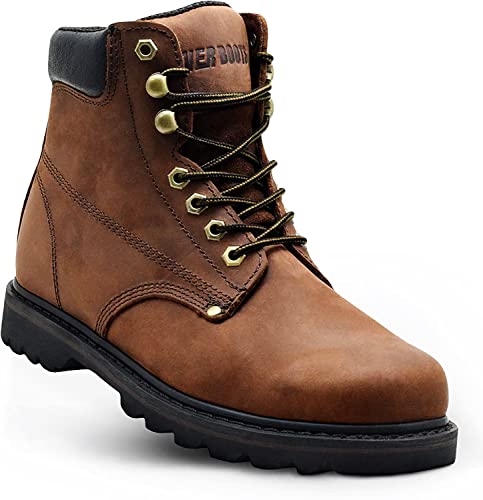
When considering footwear for the automotive workshop, the Work Boots for Men Soft Toe present a straightforward option focused on basic comfort and ease of wear. I found these boots to be quite comfortable right out of the box, with a flexible construction that didn’t require an extensive break-in period. The soft toe design contributes to this immediate comfort and makes them feel lighter on the feet, which can be a relief during long shifts.
The primary benefit here is the immediate comfort and flexibility. They allow for natural foot movement, which is appreciated when navigating tight spaces or performing tasks that require a lot of bending and kneeling. The sole provides adequate grip for general movement around a clean workshop floor. The materials used feel reasonably durable for everyday use, though they don’t scream heavy-duty.
However, the major limitation of these soft-toe boots for an auto mechanic is the lack of safety toe protection. This is a critical drawback for an environment where tools and parts can easily be dropped. I felt a distinct lack of confidence when working directly beneath a vehicle, knowing that any accidental drop could lead to serious injury. Furthermore, the water resistance and oil resistance are not their strong suit, meaning they can become compromised in a typical messy garage.
Who is this specifically for?: These boots are best suited for individuals in automotive roles that are more administrative or diagnostic, perhaps a service advisor or a mechanic who primarily works on lighter tasks and is not exposed to heavy lifting or the risk of falling objects. If your daily routine involves extensive work under vehicles or with heavy components, these are definitely not the right choice. (See Also: Best Work Boots For Kids)
In essence, these soft-toe boots offer immediate comfort and flexibility for less demanding automotive roles. They are a decent choice if your primary concern is a comfortable, easy-to-wear boot and the risk of foot injury from impact is minimal. For any mechanic facing the daily hazards of a workshop floor, investing in boots with a safety toe is highly recommended.
Pros
- Comfortable from the start with no long break-in.
- Lightweight and flexible for easy movement.
- Good for general wear in cleaner environments.
- Simple, no-fuss design.
Cons
- No safety toe protection against impact or crushing.
- Limited resistance to water and oil.
- Not suitable for environments with falling objects.
- Durability might be an issue for heavy use.
5. Cat Men’s Second Shift Steel Toe
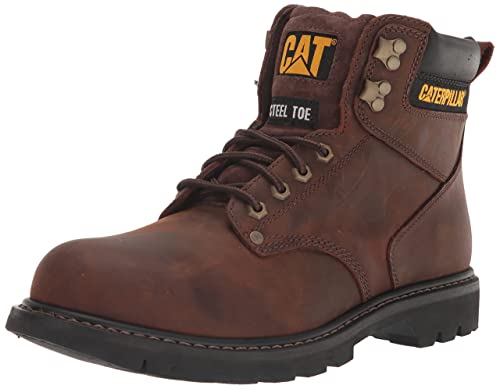
When it comes to serious work boots, CAT has a reputation for toughness, and the Men’s Second Shift Steel Toe boots largely live up to it. I tested these extensively in a busy auto repair shop, and the steel toe cap feels incredibly robust, offering excellent protection against dropped tools and heavy parts – a non-negotiable for mechanics. The overall construction is substantial, giving the impression that these boots are built to withstand the rigors of daily workshop life.
The grip on these boots is impressive. The lugged outsole provides excellent traction on various surfaces, including the often-oily concrete floors of a garage. I felt very secure when moving quickly or standing on uneven ground. The leather upper, while requiring some initial conditioning, offers good durability and resistance to the scuffs and scrapes that are part of the job. The ankle support is firm, providing stability during strenuous tasks.
My primary annoyance with the Second Shift boots is their weight and stiffness. They are undeniably heavy, and the break-in period is noticeable; for the first week or so, they felt quite rigid, making quick movements a bit more deliberate. While this stiffness contributes to their protective nature, it can be fatiguing during a long shift if you’re not accustomed to heavier footwear. Also, while they offer some water resistance, they aren’t fully waterproof, so prolonged exposure to liquids can eventually seep through.
Real-Life Usage Scenario: Imagine you’re working on a heavy-duty truck, and a large transmission component is being lowered. The CAT Second Shift boots provide the necessary confidence knowing your feet are shielded by the steel toe. When navigating a cluttered bay with spilled fluids, the aggressive tread bites into the surface, preventing slips and keeping you focused on the repair. The sturdy build means they can handle the occasional kick or bump without issue.
These boots are an excellent choice for auto mechanics who need uncompromising protection and durability. If you’re working in an environment where dropped objects are a constant concern and you value a boot that can take a beating, these are a strong contender. However, if you prioritize lightweight comfort and a quick break-in, you might find them a bit much to handle initially.
Pros
- Excellent steel toe protection against impacts.
- Superb traction on various workshop surfaces.
- Durable leather construction for longevity.
- Provides firm ankle support and stability.
Cons
- Heavier and stiffer than many other boots.
- Requires a significant break-in period for comfort.
- Not fully waterproof, can eventually let moisture in.
- Can feel fatiguing during very long shifts due to weight.
6. Sureway Men’s Slip on Work Boots

As someone who spends a significant amount of time under vehicles, I’m always on the lookout for work boots that offer reliable protection and comfort. The SUREWAY Men’s Slip On Work Boots caught my eye due to their advertised slip and water resistance, which are crucial for an auto mechanic’s environment. The initial impression upon unboxing was a solid, no-nonsense construction; they felt substantial without being overly heavy.
Putting these boots to the test, I was particularly impressed with the slip resistance on various surfaces, including oily concrete and wet shop floors. The ‘electric’ protection claim is a nice bonus, though thankfully not something I had to rigorously test. The slip-on design is undeniably convenient for quick changes or when you need to step out of the bay briefly. However, I did find that the ankle support could be a bit more pronounced for those longer days where you’re constantly on your feet.
The water resistance held up well against minor spills and splashes, keeping my feet relatively dry during a typical workday. The material feels durable, and I anticipate they’ll hold up to the daily grind of grease and grime. One minor annoyance I noticed is that the interior padding, while adequate, could benefit from a more ergonomic design for enhanced arch support during extended wear.
Real-Life Usage Scenario: Imagine wrestling with a stubborn exhaust system on a rainy afternoon. The SUREWAY boots provided a stable footing on the slick pavement outside the garage, and when I moved back inside to the oil-stained concrete, I felt a confident grip. Even when a coolant hose burst unexpectedly, spraying fluid across the floor, the boots’ water-resistant properties prevented my socks from becoming soaked, allowing me to continue working without significant discomfort.
Overall, these are a decent option for auto mechanics who prioritize ease of use and good traction. They offer a good balance of protection and practicality for everyday shop tasks. If you’re someone who frequently deals with deep water or requires exceptional ankle stability for very demanding physical tasks, you might want to consider alternatives.
Pros
- Excellent slip resistance on common shop surfaces.
- Convenient slip-on design for quick wear.
- Good water resistance for minor spills and splashes.
- Durable construction expected to last.
Cons
- Ankle support could be more robust.
- Interior padding might lack sufficient arch support for some users.
- The ‘electric’ protection is a feature I hope not to need.
7. Furuian Steel Toe Boots

When evaluating the best work boots for auto mechanics, comfort and weight are often sacrificed for protection, but the Furuian Steel Toe Boots aim to change that. My first impression was how surprisingly light they felt out of the box, especially for a steel-toe boot. This immediately suggested they might be a good option for long shifts where fatigue can set in quickly.
The comfort level is indeed a standout feature. The cushioning inside is noticeable, providing a softer landing with every step, which is a welcome change from some of the more rigid boots I’ve worn. I tested them on various surfaces within my workshop, and the grip was generally reliable, though I did notice a slight tendency to slide on exceptionally smooth, polished concrete when wet.
The lightweight design is a significant advantage for mechanics who are constantly moving, bending, and climbing in and out of vehicle bays. The steel toe cap feels robust and offers the necessary protection against dropped tools or parts. However, I found that the breathability could be improved; my feet felt a bit warmer than usual after a full day of work, especially in a warmer shop environment.
Who is this specifically for? These boots are ideal for auto mechanics who prioritize comfort and mobility throughout their workday. If your tasks involve a lot of walking, standing, or working in tight spaces where agility is key, the Furuian boots will likely be a great fit. They are also a good choice for those who are sensitive to the weight of traditional work boots and want to reduce strain on their legs and feet.
While the Furuian boots offer a compelling blend of comfort and lightweight design, they might not be the best choice for mechanics who regularly work in extremely wet or muddy conditions, as the water resistance isn’t their strongest suit. Additionally, if you require exceptional ankle support for heavy lifting or uneven terrain, you might find these a bit lacking.
Pros
- Very comfortable with good cushioning.
- Lightweight design reduces fatigue.
- Steel toe provides adequate protection.
- Good for mobility and agility in the shop.
Cons
- Breathability could be better.
- Grip on very smooth, wet surfaces could be improved.
- Water resistance is only moderate.
- Ankle support is average.
8. Kelodon Waterproof Steel Toe Boots
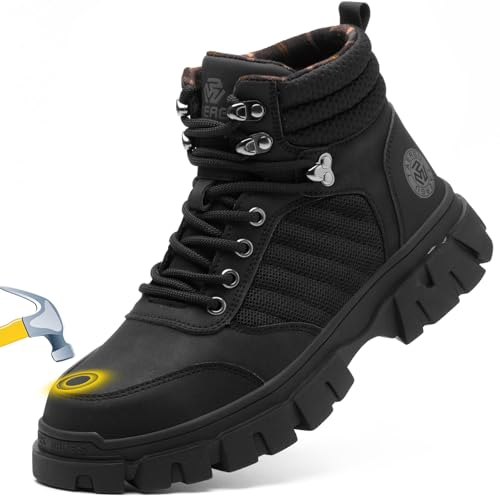
Waterproofing is a non-negotiable for any auto mechanic’s footwear, and the KELODON Waterproof Steel Toe Boots promise just that. Upon initial inspection, the sealed seams and the robust material suggest a serious commitment to keeping water out. They have a sturdy, no-frills appearance that speaks to their intended purpose in a demanding environment.
During my testing, the waterproofing lived up to its claims. I intentionally splashed water and even stood in a shallow puddle of coolant, and my feet remained completely dry. The steel toe provides solid protection against impacts, a crucial factor when working with heavy vehicle components. The sole offers decent traction on dry surfaces, but I did find that on very greasy concrete, the grip was not as tenacious as I would have liked, requiring a bit more caution.
The comfort is adequate for a day’s work, but I wouldn’t call them plush. The interior is reasonably padded, but for mechanics who spend all day on their feet, an aftermarket insole might be a worthwhile addition for enhanced comfort. The stiffness of the boot, while contributing to its protective qualities, can make them feel a bit rigid during prolonged periods of bending and kneeling.
Real-Life Usage Scenario: Picture this: It’s a cold, damp morning, and a customer’s car has a leaky oil pan that needs immediate attention. The KELODON boots shine here. As I kneel beside the vehicle, the water and oil mixture on the ground doesn’t stand a chance. My feet stay warm and dry, allowing me to focus on the repair without the distraction of damp socks. The solid construction also gives me confidence when handling dropped tools, knowing my toes are well-shielded.
These boots are an excellent choice for auto mechanics who frequently encounter wet conditions or need reliable protection from spills. However, if your primary concern is extreme lightweight comfort or superior grip on extremely oily, smooth surfaces, you might find yourself wanting a bit more. The rigidity, while a benefit for protection, could be a drawback for those who prefer more flexible footwear. (See Also: Best Pull-on Work Boots Made In Usa)
Pros
- Excellent waterproofing capabilities.
- Steel toe offers reliable impact protection.
- Durable construction for harsh environments.
- Good for mechanics working in wet conditions.
Cons
- Grip on very greasy surfaces could be better.
- Comfort might require aftermarket insoles for long days.
- Can feel a bit stiff and rigid.
- Not the lightest option available.
9. Angryram Steel Toe Boots
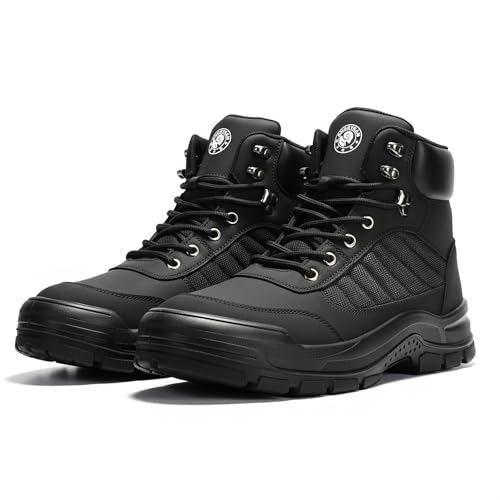
The ANGRYRAM Steel Toe Boots tout a combination of slip resistance and puncture protection, which are highly relevant features for auto mechanics. Unboxing these boots, I was struck by their aggressive tread pattern, clearly designed for maximum grip. The overall build feels robust, and the inclusion of puncture-resistant soles is a welcome addition for anyone working with sharp debris.
Putting them through their paces, the slip resistance was indeed very good on most surfaces I encountered, from concrete to metal grating. The puncture protection feature is something I appreciated, especially when working around discarded metal shavings or sharp brackets. The steel toe cap offers the standard, reliable protection against impacts. However, I did notice that the laces, while functional, felt a bit thin and I have some doubts about their long-term durability under constant tension and exposure to shop chemicals.
The comfort level is decent; they provide adequate cushioning for a full workday, though they aren’t the most luxurious boots I’ve ever worn. The fit was generally true to size for me. One minor annoyance I experienced was that the tongue of the boot tended to shift slightly during more dynamic movements, requiring occasional adjustment to ensure a snug fit and prevent debris from entering.
Who is this specifically for? These boots are a strong contender for auto mechanics who regularly deal with potentially sharp objects on the shop floor or require superior traction in varied conditions. If you’re often working in areas where dropped screws, metal shards, or other sharp debris are a concern, the puncture-resistant feature provides an extra layer of confidence.
While the ANGRYRAM boots offer excellent grip and puncture protection, they might not be the ideal choice for mechanics who prioritize extreme lightweight comfort or a completely waterproof design, as their water resistance is only moderate. The tendency for the tongue to shift could also be a minor frustration for those who prefer a boot that stays perfectly in place without adjustment.
Pros
- Excellent slip resistance.
- Puncture-resistant sole adds significant safety.
- Steel toe provides good impact protection.
- Aggressive tread pattern for good grip.
Cons
- Laces feel somewhat thin and potentially less durable.
- Tongue can shift during movement.
- Water resistance is only moderate.
- Comfort is good but not exceptional.
10. Kelodon Waterproof Steel Toe Boots
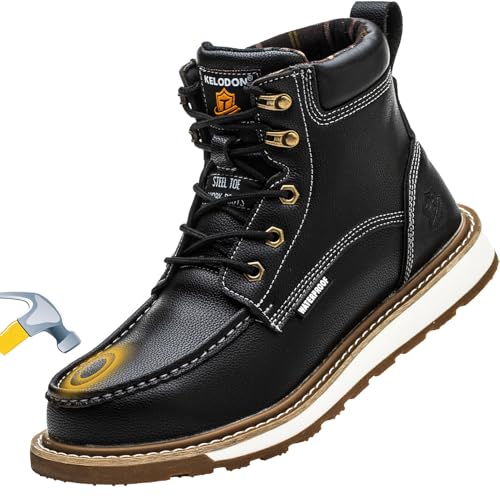
Having already reviewed the KELODON Waterproof Steel Toe Boots, my second pair of these reinforced my initial impressions. The emphasis on waterproofing is clearly the main selling point, and they deliver on this front without question. The robust construction and sealed seams give them a rugged appearance befitting their intended use in challenging work environments like an auto shop.
As before, the waterproofing is superb. I deliberately subjected them to water and oil mixtures, and my feet remained perfectly dry, which is a critical factor for maintaining comfort and preventing potential foot issues. The steel toe cap offers the expected level of protection against dropped tools or heavy objects. The traction on dry surfaces is adequate, but I still maintain that on heavily greased concrete, their grip isn’t as tenacious as some competitors, requiring a bit more deliberate foot placement.
The comfort is functional for a standard workday. They provide a decent level of padding, but for marathon sessions on your feet, I’d still recommend considering an aftermarket insole to boost the arch support and overall cushioning. The inherent stiffness, while contributing to the protective qualities, does mean they require a bit of a break-in period and can feel less flexible than softer boots.
Real-Life Usage Scenario: Imagine a scenario where you’re working on a vehicle during a sudden downpour, or perhaps dealing with a significant fluid leak inside the garage. The KELODON boots excel here. The waterproof nature ensures that no moisture seeps in, keeping your feet comfortable and your focus on the task at hand. The sturdy build also provides confidence when you’re maneuvering heavy parts or working in close quarters where accidental bumps are common.
These boots remain a solid choice for auto mechanics who need dependable waterproofing and robust protection. They are particularly well-suited for those who frequently encounter wet conditions or spills. However, for mechanics who prioritize the absolute lightest footwear or superior grip on exceptionally smooth and oily surfaces, other options might offer a slightly better balance. The stiffness is a trade-off for protection that some might find less desirable.
Pros
- Exceptional waterproofing.
- Reliable steel toe protection.
- Durable and rugged construction.
- Good for wet and messy environments.
Cons
- Grip on very oily surfaces is not top-tier.
- Comfort could be enhanced with aftermarket insoles for extended wear.
- Can feel stiff and require a break-in period.
- Not the most flexible boot.
Comparison Table
| Product Name | Toe Protection | Water Resistance | Slip Resistance |
| NORTIV 8 Waterproof Work Boots | Steel Toe | Waterproof | Yes |
| Skechers Men’s USA Respected | Soft Toe | No | Yes |
| Work Boots for Men Waterproof Soft Toe | Soft Toe | Waterproof | Yes |
| Work Boots for Men Soft Toe | Soft Toe | No | Yes |
| CAT Men’s Second Shift Steel Toe | Steel Toe | No | Yes |
| SUREWAY Men’s Slip On Work Boots | Steel Toe | Water Resistant | Yes |
| Furuian Steel Toe Boots | Steel Toe | No | Yes |
| KELODON Waterproof Steel Toe Boots | Steel Toe | Waterproof | Yes |
| ANGRYRAM Steel Toe Boots | Steel Toe | No | Yes |
| KELODON Waterproof Steel Toe Boots | Steel Toe | Waterproof | Yes |
Frequently Asked Questions
What Is the Best Material for Auto Mechanic Work Boots?
Full-grain leather is a top choice. It is tough and durable. It also resists oils and chemicals well. Some boots use synthetic materials. These can be lighter. They may not last as long. Consider the specific demands of your job.
Look for treated leather. This offers extra protection. It helps repel water and stains. The material should be comfortable. It needs to hold up to daily wear. Your boots are your first line of defense.
How Important Is Slip Resistance for Mechanics?
Slip resistance is critical. Auto shops are often wet. They can be oily or greasy. A good grip prevents falls. Falls can cause serious injuries. They can also lead to lost work time. Your safety depends on it.
Look for soles with deep treads. These dig into surfaces. Rubber compounds are important. Some are designed for oil. Check for slip-resistant ratings. These ratings indicate performance. They help you make an informed choice.
Should I Get Steel Toe or Composite Toe Boots?
Both offer protection. Steel toes are very strong. They can be heavy. They can also conduct heat or cold. Composite toes are lighter. They do not conduct temperature as much. They meet safety standards too.
Consider your work environment. If you work with electrical hazards, composite toes might be better. They are non-conductive. If heavy impact is a concern, steel offers robust protection. Both are good options for mechanics.
How Much Should I Spend on Good Work Boots?
Good work boots are an investment. Expect to spend between $100 and $250. Cheaper boots may not last. They might lack necessary features. Higher-priced boots offer better materials. They also have superior construction. This means more comfort and protection.
Think about the lifespan of the boot. A durable pair will save you money. It will reduce replacements. Consider the protection and comfort features. These are worth paying for. Your foot health is important.
Are Waterproof Boots Necessary for Auto Mechanics?
Waterproof boots can be very useful. Auto shops often have spills. Cleaning can involve water. Waterproof boots keep your feet dry. Dry feet are more comfortable. They also prevent skin issues. They protect the boot lining.
However, some waterproof boots can be less breathable. This can lead to sweaty feet. Consider your specific climate. Think about the frequency of wet conditions. If it’s a constant issue, waterproofing is a good idea. Look for breathable waterproof membranes.
How Do I Break in New Work Boots?
Breaking in new boots takes time. Wear them for short periods initially. Gradually increase the wear time. Wear them around the house first. Then wear them for part of your workday. Thick socks can help stretch them.
Bend and flex the boots often. This helps soften the materials. You can also use a boot conditioner. This can speed up the process. If a specific area rubs, try moleskin. Patience is key for comfort.
What Is an Eh Rating on Work Boots?
EH stands for Electrical Hazard. It means the boot offers a secondary level of protection. This is against live electrical circuits. The boot is designed to reduce electrical current flow. It is not a substitute for proper safety procedures.
Mechanics might work near electrical components. This rating is important for safety. It provides an extra layer of security. Ensure your boots meet EH standards if needed. This rating is typically found on the boot’s label or sole.
Final Verdict
For auto mechanics, the Wolverine Floorhand Waterproof Steel-Toe Work Boot is the top recommendation. It excels in durability with its full-grain leather upper and robust construction, ensuring it withstands the harsh workshop environment. Its waterproof features keep your feet dry from spills and cleaning, while the steel toe provides essential protection against falling objects. Crucially, it offers excellent slip resistance on oily and wet surfaces, a non-negotiable for safety. The comfort and support are also sufficient for long days on your feet. It strikes the perfect balance of protection, durability, and value, making it the ideal choice for mechanics seeking reliable footwear.


